An imported vehicle can feel like a shortcut to better value, rarer features, or a model that never officially reached Canadian showrooms. But the purchase can also involve rules that are easy to miss until money has already changed hands. Canada treats imported vehicles differently depending on age, origin, certification, safety compliance, taxes, and provincial registration requirements.
These 16 things explain what Canadians should know before buying an imported vehicle, from admissibility and border paperwork to insurance, repairs, recalls, and resale. A lower purchase price can still make sense, but only when the full landed cost and legal path are clear before the vehicle arrives.
Admissibility Is Not the Same as Availability
A vehicle listed for sale overseas or in the United States is not automatically eligible to enter Canada permanently. The first question is not whether the vehicle exists, but whether it fits Canada’s import rules. Transport Canada and the Canada Border Services Agency both play roles, and a vehicle that fails federal requirements can be denied entry, detained, or forced out of the country.
This catches some buyers because online listings often focus on mileage, auction grade, trim, and price rather than Canadian compliance. A clean-looking Japanese kei truck, European diesel wagon, or U.S. luxury SUV may seem like a simple purchase until its certification label, age, or modification history is checked. Before making a deposit, the practical move is to verify the vehicle’s import category, not just the seller’s promise that “people import these all the time.”
The 15-Year Rule Can Open Doors—and Close Others
Canada’s well-known 15-year rule is one reason older imported vehicles have a strong following. Vehicles more than 15 years old, based on the month and year of manufacture, are generally not regulated by the Motor Vehicle Safety Act at the time of importation. That is why many Japanese-market performance cars, vans, and compact trucks become popular once they cross that age line.
Still, the 15-year rule is not a free pass for everything. The vehicle must still meet CBSA entry requirements, and provincial registration rules still apply after arrival. Age-exempt vehicles may also lack equipment common in Canadian-market models, such as lighting, child-seat anchor details, or cold-climate features. A buyer looking at a 16-year-old import may avoid one federal barrier, but still face inspection, insurance, parts, and safety questions before it becomes a practical daily driver.
U.S. and Mexico Imports Follow a Different Path
Vehicles from the United States and prescribed vehicles from Mexico often go through the Registrar of Imported Vehicles process when they are less than 15 years old. This path is different from importing an older vehicle from Japan or Europe. The vehicle generally needs to have been built to U.S. federal safety standards and be capable of being modified to meet Canadian requirements.
This is where details matter. A U.S.-market model may look almost identical to the Canadian version, but Transport Canada notes that not all U.S. vehicles qualify. The vehicle also needs recall clearance and must pass a RIV inspection before it can be considered fully imported. A common example is a U.S. SUV that needs daytime running light programming, immobilizer confirmation, or metric labeling before it can pass. Similar bodywork does not always mean identical compliance.
Border Costs Can Change the Math Quickly
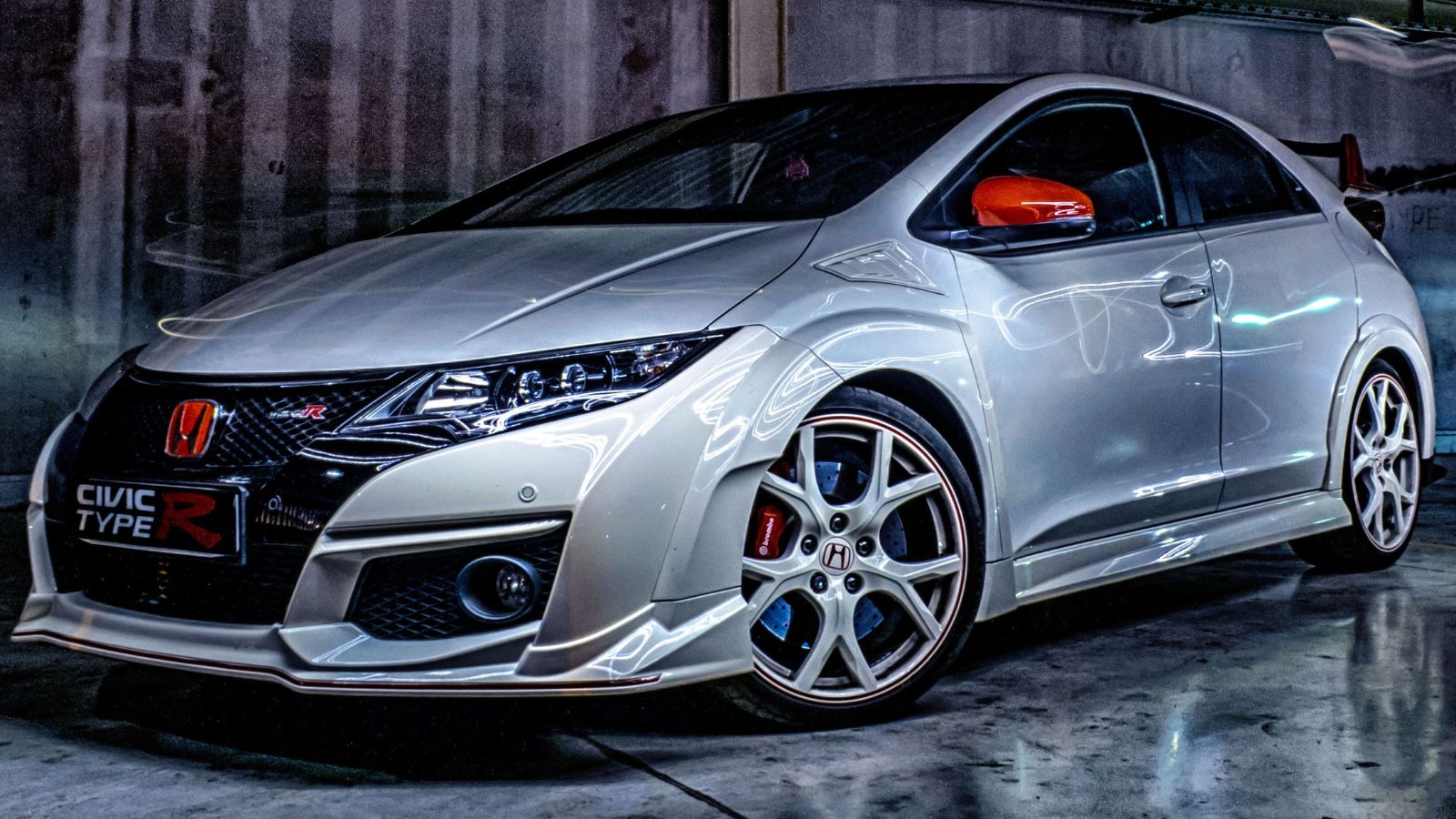
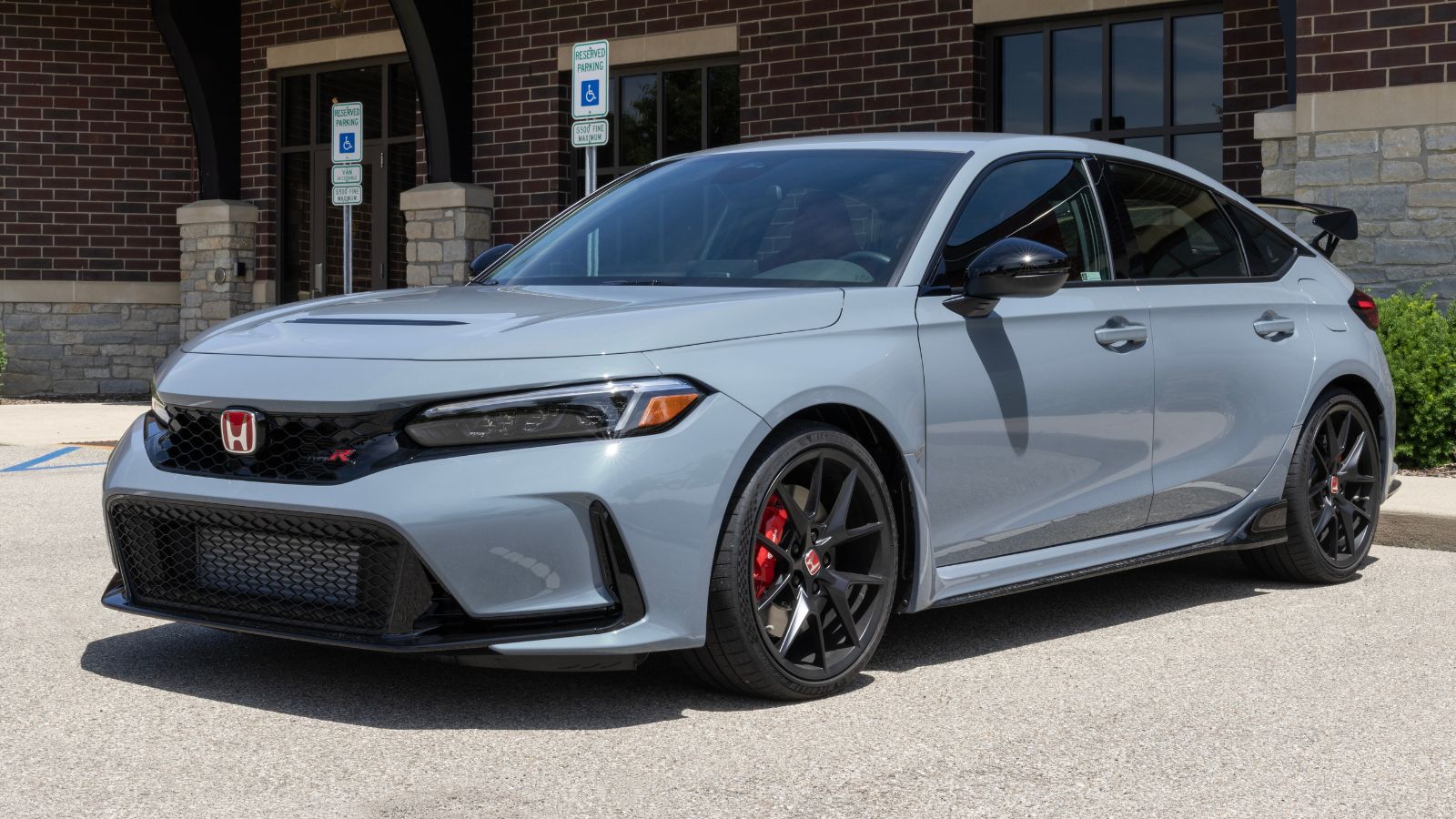
Climbatize, via Wikimedia Commons, CC BY-SA 4.0
The purchase price is only one part of the landed cost. At the border, imported vehicles may trigger GST, customs duty, excise taxes, RIV-related fees, and provincial taxes later during registration. In some cases, luxury tax or fuel-inefficient vehicle charges can also apply. A vehicle with air conditioning may be subject to a federal excise tax, and high-consumption passenger vehicles can face a green levy.
Recent trade measures have made cost planning even more important for certain U.S.-origin vehicles. Canada’s surtax rules can add a large charge on affected motor vehicles, and CBSA examples show how customs duty, surtax, and GST can compound. A bargain across the border can lose its appeal once taxes, currency conversion, shipping, brokerage, inspection, modifications, and insurance are added to the spreadsheet.
Exchange Rates and Valuation Matter More Than the Sticker Price
Imported vehicles are often priced in U.S. dollars, Japanese yen, euros, or pounds. That means the final Canadian cost can shift between the day the buyer wins an auction and the day the vehicle clears customs. CBSA uses value-for-duty rules to establish the base figure for duties and taxes, so the invoice, currency conversion, and supporting records all matter.
A buyer who budgets only from the seller’s advertised price may be surprised by landed cost. Freight, port fees, inland transport, export documentation, broker charges, storage, and inspection expenses can turn a modest auction win into a much larger bill. For example, a low-mileage import bought cheaply overseas can still become expensive if shipping delays lead to port storage fees or if the Canadian dollar weakens before customs accounting is completed.
Recall Clearance Is Not Optional
For many U.S. and Mexico imports handled through the RIV process, recall clearance is a central requirement. The vehicle must be clear of outstanding manufacturer recalls before it can successfully complete the federal import path. A seller’s statement that the vehicle “runs fine” does not replace manufacturer confirmation.
This can be frustrating when a recall repair is unavailable, parts are delayed, or the manufacturer requires documentation from an authorized dealer. Some brands also charge fees for recall letters or restrict how they provide information. A buyer may find a perfect-looking vehicle that cannot move through the process quickly because one unresolved recall is still attached to the VIN. Checking recall status before purchase is one of the cheapest ways to avoid an expensive import headache.
Modifications May Be More Than Daytime Running Lights
Many Canadians know imported vehicles may need daytime running lights, but that is only one possible modification. Transport Canada identifies Canadian-specific requirements that may include anti-theft immobilizer equipment, manual transmission clutch interlock systems, bilingual or metric labels, and other safety-related differences. Some manufacturers also require certain modifications to be completed by authorized dealers.
This can change both cost and timing. A simple software activation may be inexpensive, while a brand-specific lighting or immobilizer change can be far more involved. A modified vehicle can create even bigger trouble because Transport Canada warns that changes beyond routine repairs may affect the original certification needed for importation. A lifted truck, converted van, altered motorcycle, or body-modified car should be treated carefully before purchase, even if it looks professionally built.
Inspection Deadlines Can Put Buyers on a Clock
Once a vehicle enters the RIV process, the buyer does not have unlimited time to make it compliant. Imported vehicles under the RIV program generally need to complete the required federal inspection within 45 days of declaration, while salvage vehicles may have a longer timeline. Missing the deadline can lead to serious consequences, including export requirements.
The clock can become stressful when parts are backordered or the nearest authorized inspection centre is far away. A buyer in a rural area may need to arrange temporary insurance, repairs, reprogramming, and inspection travel within a narrow window. The safest approach is to price and schedule required work before the border crossing. Waiting until after the vehicle arrives can turn a manageable checklist into a race against paperwork, parts availability, and appointment slots.
Paperwork Problems Can Stop a Deal at the Border
Imported vehicles are paperwork-heavy purchases. A buyer may need a title, bill of sale, export documents, import forms, recall clearance, customs accounting documents, and proof of ownership. For vehicles entering the RIV program, CBSA says title documents are mandatory; without them, entry can be refused. U.S. exports also involve U.S. Customs requirements before the vehicle leaves the country.
Small mistakes can cause large delays. A title signed in the wrong place, a lien that was never released, a mismatch between the VIN on the invoice and dashboard, or missing export clearance can create problems at the border. A buyer flying to pick up a vehicle may discover that border offices have specific hours or processing rules. The purchase should be treated less like a normal used-car sale and more like a customs transaction.
Provincial Registration Adds Another Layer
Federal import approval does not automatically mean the vehicle is ready for plates. Provinces and territories control registration, licensing, insurance, and local inspection requirements. British Columbia, for example, requires many vehicles from other provinces or countries to be inspected at a designated facility before registration, while Alberta requires an out-of-province inspection for right-hand-drive vehicles before they can be registered.
This matters because a vehicle can clear federal steps and still need repairs before a province allows it on the road. Headlights, tires, glass, brake components, structural rust, and lighting aim can all become local inspection issues. Buyers moving between provinces can also face different rules than buyers importing directly from another country. The best plan is to check the provincial registration path before purchase, not after the vehicle is already sitting in the driveway.
Right-Hand-Drive Vehicles Need Extra Practical Thinking
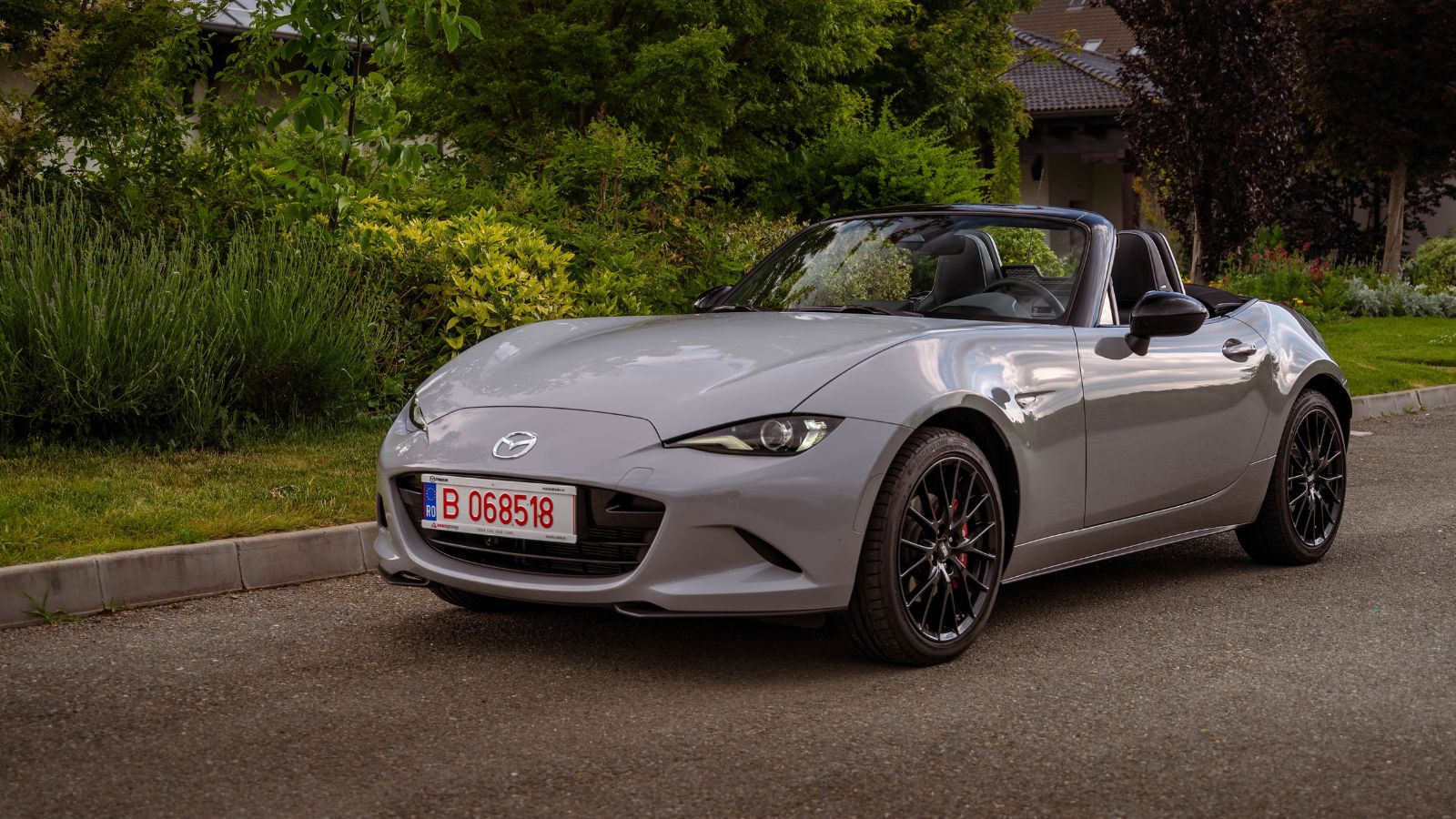
Right-hand-drive imports can be appealing because they often offer rare trims, clean interiors, and distinctive styling. Japanese-market vans, sports cars, and compact trucks have loyal Canadian communities. But driving from the right side in a left-hand-drive traffic environment changes visibility, passing, drive-through access, left turns, and curbside interactions.
Safety research in British Columbia found that right-hand-drive vehicles had a significantly greater risk of at-fault crash involvement than comparable left-hand-drive vehicles, though crash severity was not higher. Alberta also warns that right-hand-drive vehicles can require changes in driving habits and may need modifications such as headlight replacement. None of this means every right-hand-drive import is a bad purchase, but it does mean the novelty should be balanced against daily driving realities.
Parts and Service Support Can Decide Ownership Costs
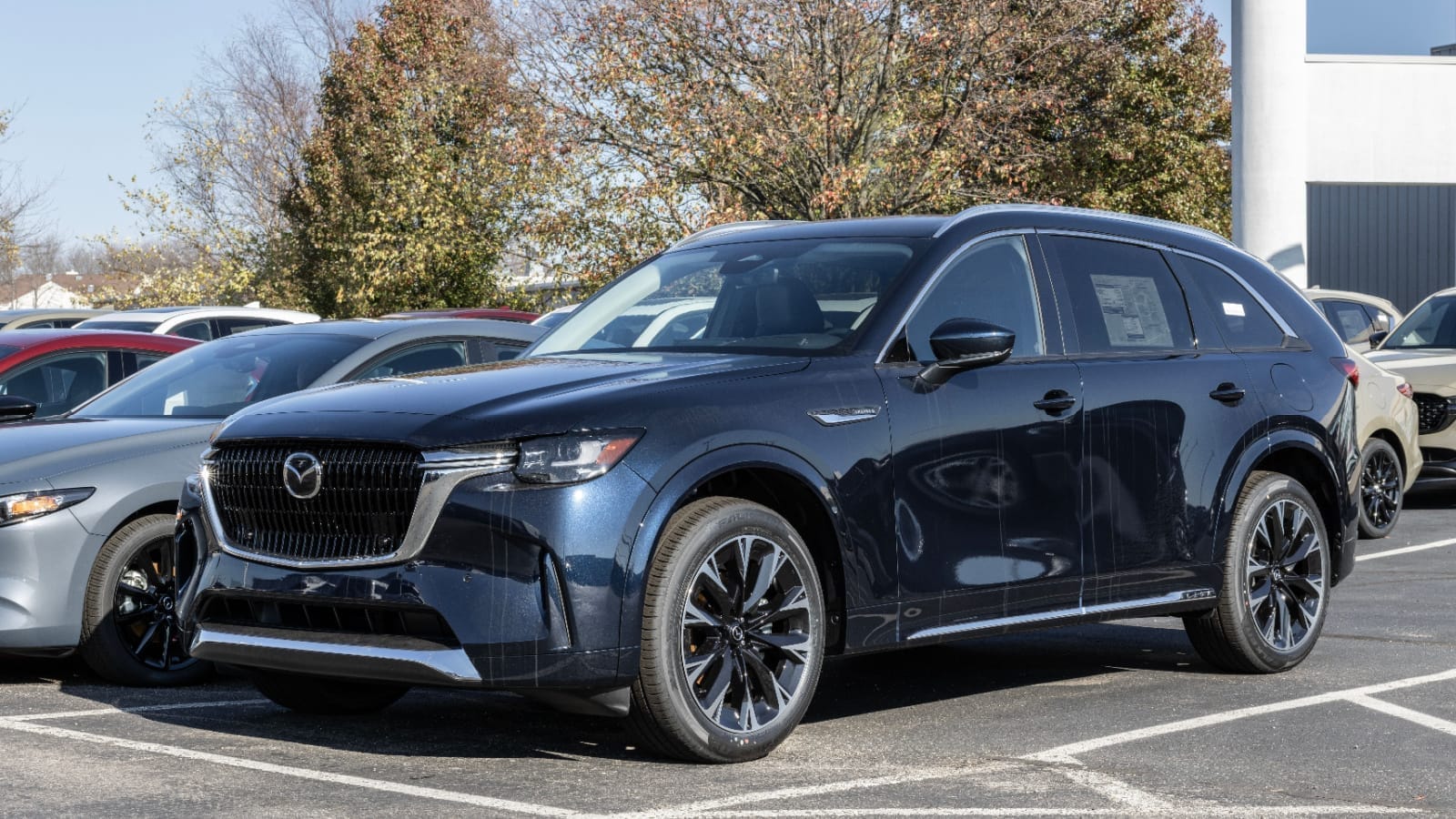
An imported vehicle can be affordable to buy and expensive to keep. Parts availability is one of the biggest practical differences between a Canadian-market vehicle and an imported model. A brake rotor, windshield, headlamp, body panel, sensor, or transmission component may not be stocked by local suppliers if the vehicle was never officially sold in Canada.
Alberta specifically warns that parts for right-hand-drive imports may be difficult to find and may need to be ordered from the country of manufacture, sometimes taking months. That delay can turn a minor repair into a long period off the road. Enthusiast forums can help, but a buyer should still confirm whether local shops will service the vehicle, whether diagnostic software is available, and whether common wear items can be sourced without international shipping every time.
Warranty Coverage May Not Travel With the Vehicle

A nearly new imported vehicle can look like a clever way to save thousands, especially if the same brand sells similar models in Canada. The warranty question, however, can be less friendly. Transport Canada states that the Motor Vehicle Safety Act does not regulate manufacturer warranties, and some Canadian companies do not honour U.S. factory warranties in Canada.
That can change the financial risk immediately. A powertrain problem that would have been covered on a Canadian vehicle may become the owner’s responsibility on an imported one. Hybrid batteries, turbochargers, infotainment modules, adaptive suspension parts, and advanced driver-assistance components can be especially expensive. Before buying, warranty transfer should be confirmed in writing from the manufacturer or Canadian distributor. A verbal promise from a seller is not enough protection for a high-cost repair.
Vehicle History Checks Need to Cross Borders

A Canadian vehicle history report may not tell the full story of a car that spent most of its life in another country. U.S. imports should be checked against U.S. title, theft, salvage, and insurance records. The National Motor Vehicle Title Information System was designed to protect consumers from fraud and unsafe vehicles, while NICB’s VINCheck can help identify vehicles reported as stolen or salvage by participating insurers.
Imported vehicles from Japan, Europe, or other regions may require different records, such as auction sheets, export certificates, deregistration documents, and service logs. These documents should be translated when necessary and checked for consistency. A suspiciously low mileage reading, missing auction sheet, or unclear ownership chain deserves caution. Cross-border vehicle history is like a puzzle; one clean document does not prove the whole picture is clean.
Flood, Salvage, and Theft Records Deserve Special Attention
Flood, salvage, and theft histories can become harder to trace once a vehicle crosses borders. Title washing happens when a vehicle’s damaged status becomes less obvious after moving between jurisdictions. Canada and the United States have systems meant to reduce this risk, but buyers still need to compare multiple sources, inspect the vehicle physically, and confirm that the VIN has not been altered.
Flood damage is especially dangerous because electronics, wiring, airbag modules, corrosion points, and mould can hide behind clean upholstery. Insurance Bureau of Canada notes that vehicles flooded to the level of the bottom of the dash must be branded non-repairable under Canadian guidelines. A vehicle that smells overly perfumed, has new carpet in an old cabin, or shows corrosion on seat tracks should not be dismissed as merely “detailed for sale.”
Resale Value Depends on More Than Rarity
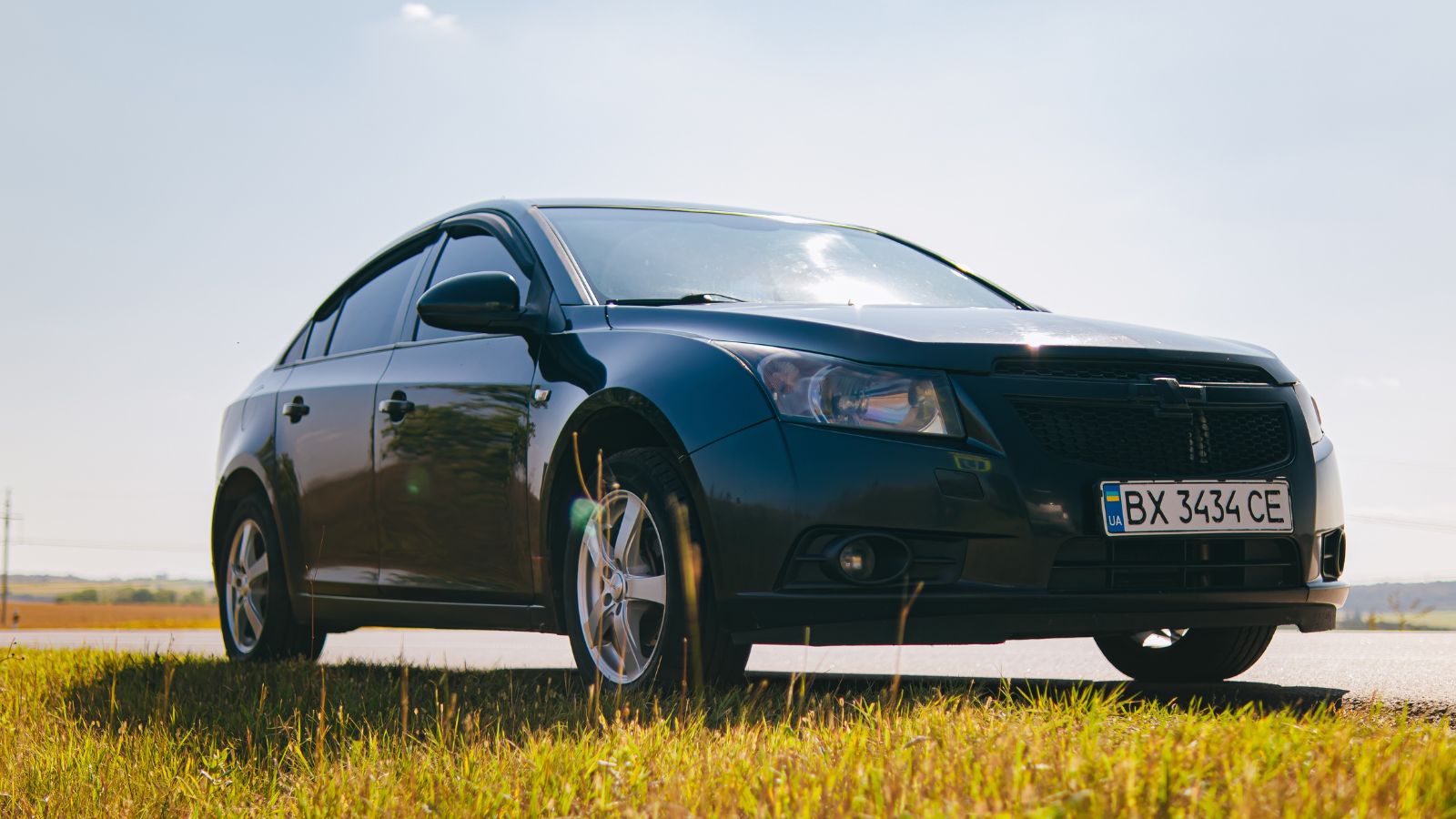
Some imported vehicles hold value well because they have strong enthusiast demand, limited supply, and recognizable parts support. Others are hard to resell because future buyers worry about insurance, inspection, parts, right-hand-drive layout, unfamiliar service needs, or unclear history. Rarity can help a Nissan Skyline, Toyota Land Cruiser Prado, or diesel wagon, but it can hurt a vehicle with no local buyer base.
Resale is also shaped by paperwork. A complete import file, translated documents, inspection records, recall clearance, service receipts, and proof of legal registration can make the next buyer more comfortable. Without those records, even a clean vehicle may be treated as risky. Before buying an import, Canadians should think like the eventual seller as well as the first owner. The easiest imported vehicle to enjoy is usually the one that is easiest to explain.
22 Things Canadians Do to Their Cars in Spring That Mechanics Hate

Spring brings relief to many Canadian drivers after months of snow, freezing temperatures, and icy roads that put serious strain on vehicles. As temperatures rise across the country, drivers begin washing cars, switching tires, and preparing vehicles for warmer weather and upcoming road trips. However, mechanics across Canada notice the same mistakes every spring when drivers attempt to recover from winter damage. Road salt, potholes, and harsh winter driving conditions often leave vehicles with hidden problems that drivers ignore. Some spring habits even create new mechanical issues that could have been avoided with proper maintenance. Here are 22 things Canadians do to their cars in spring that mechanics hate.

Alanna Rosen is an experienced content writer that focuses on many EV and educational content. Her articles are regularly published on Get CyberTrucked and syndicated on large publications.