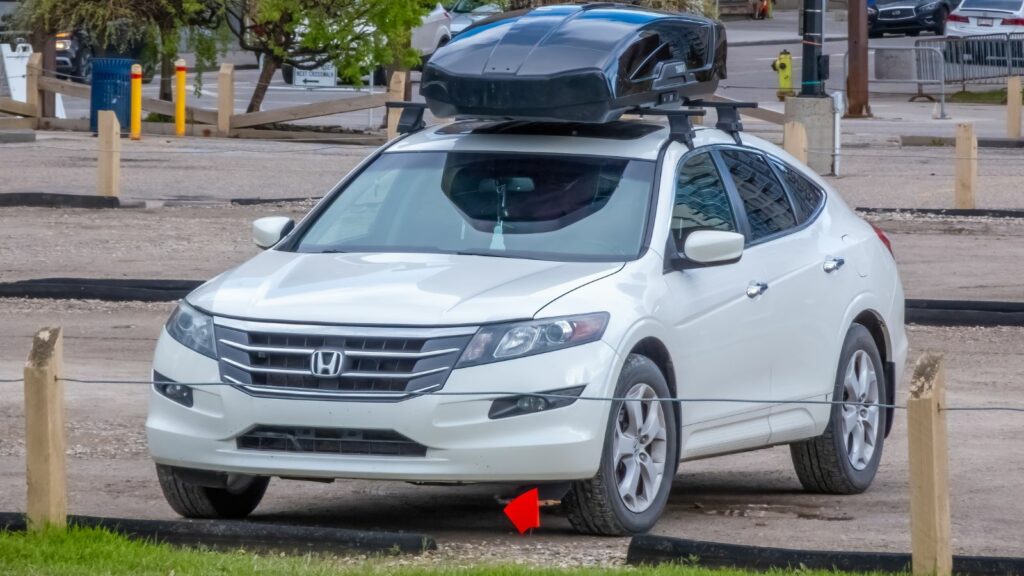
A road trip can feel perfectly organized while still hiding one serious safety problem: a vehicle packed for convenience instead of control. Suitcases, coolers, roof boxes, pets, sports gear, and emergency supplies all change how a car stops, steers, handles, and protects passengers in a crash. The most common mistake is not simply overpacking; it is ignoring where the weight goes and whether everything is secured. These 12 road trip packing risks show how ordinary luggage can make a safe vehicle harder to manage when traffic, weather, or sudden braking turns a normal drive into a test of preparation.
Overloading the Cargo Area Past Its Rating
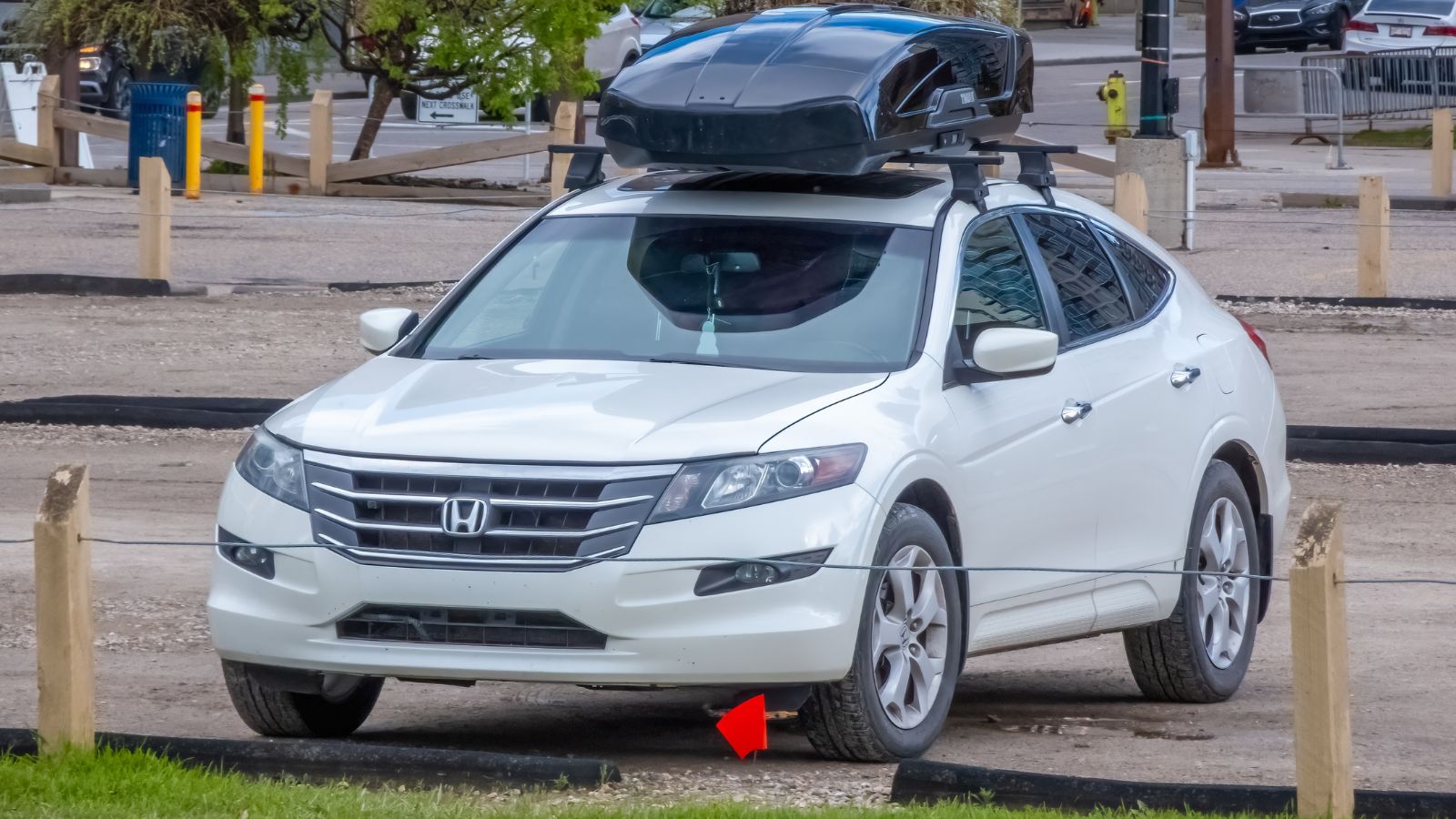
The safest packing plan starts before the first bag goes in the trunk. Every vehicle has a load limit, usually shown on the tire and loading placard near the driver’s door. That number is not decorative; it represents the combined weight of people and cargo the vehicle is designed to carry. A family may think only suitcases count, but coolers, bottled water, bikes, roof boxes, pet crates, and aftermarket accessories can quietly eat into the margin.
Overloading matters because the vehicle’s tires, suspension, brakes, and steering were engineered around rated limits. A compact crossover carrying five adults, a full cargo hold, and a loaded roof box can feel normal in the driveway, then feel heavy and slow to react on a downhill exit ramp. The danger is especially easy to miss because the car may still “fit” everything even when it is no longer loaded safely.
Counting Bags but Forgetting People Count Too
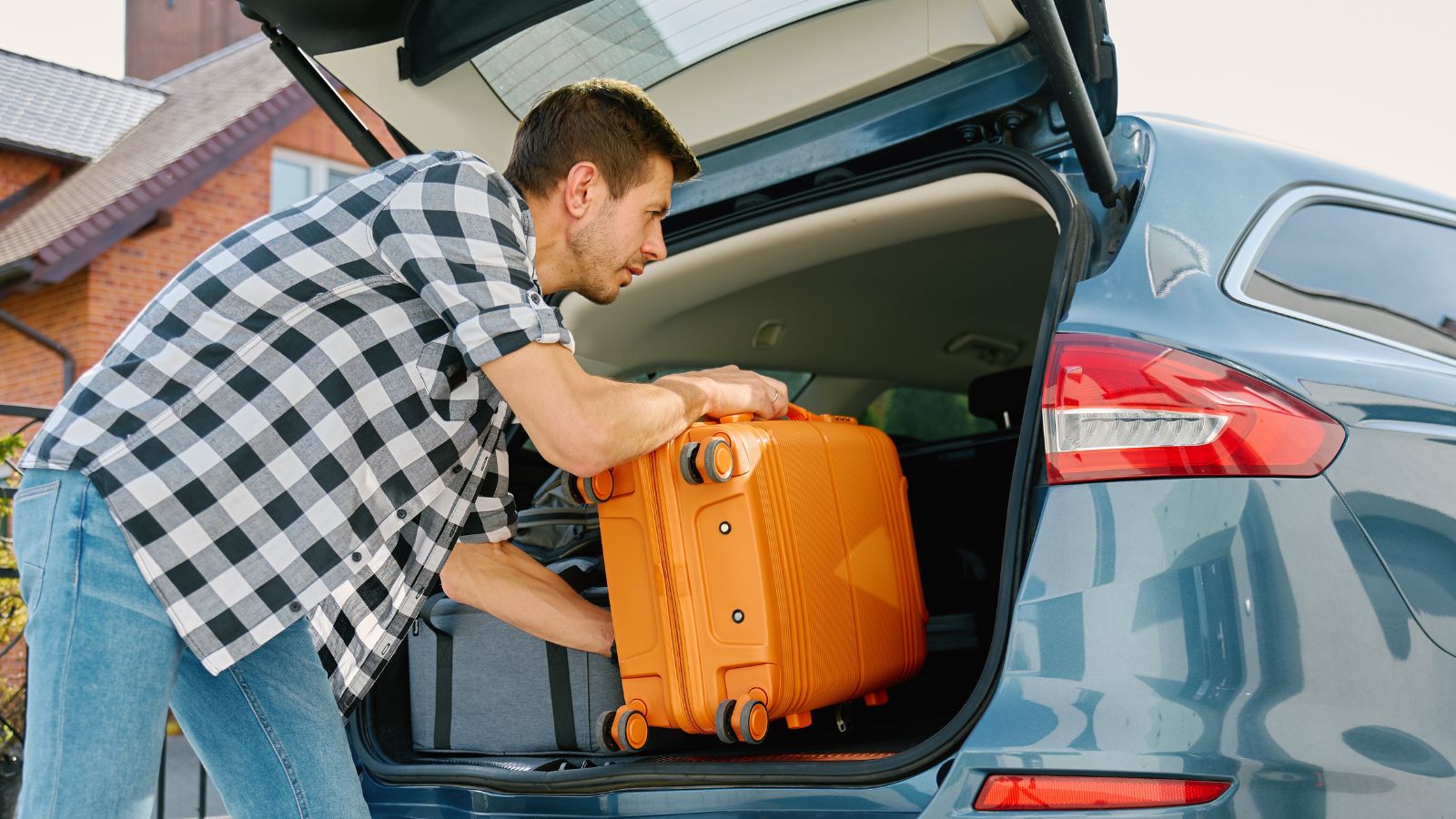
One of the sneakiest packing mistakes is treating passengers separately from luggage. Load-limit instructions specifically require subtracting the combined weight of the driver and passengers before deciding how much cargo can safely be carried. That means a vehicle with a healthy-looking cargo area may have far less capacity left once every seat is occupied. A weekend trip with grandparents, children, pets, and snacks can push closer to the limit than expected.
The practical example is simple. If a vehicle’s placard allows 1,100 pounds of occupants and cargo, and five occupants account for 800 pounds, only 300 pounds remain for everything else. That can disappear fast with two large suitcases, a cooler full of ice, camping chairs, and a roof carrier. The car is not being punished by luggage alone; it is being strained by the total moving weight.
Putting Heavy Gear on the Roof
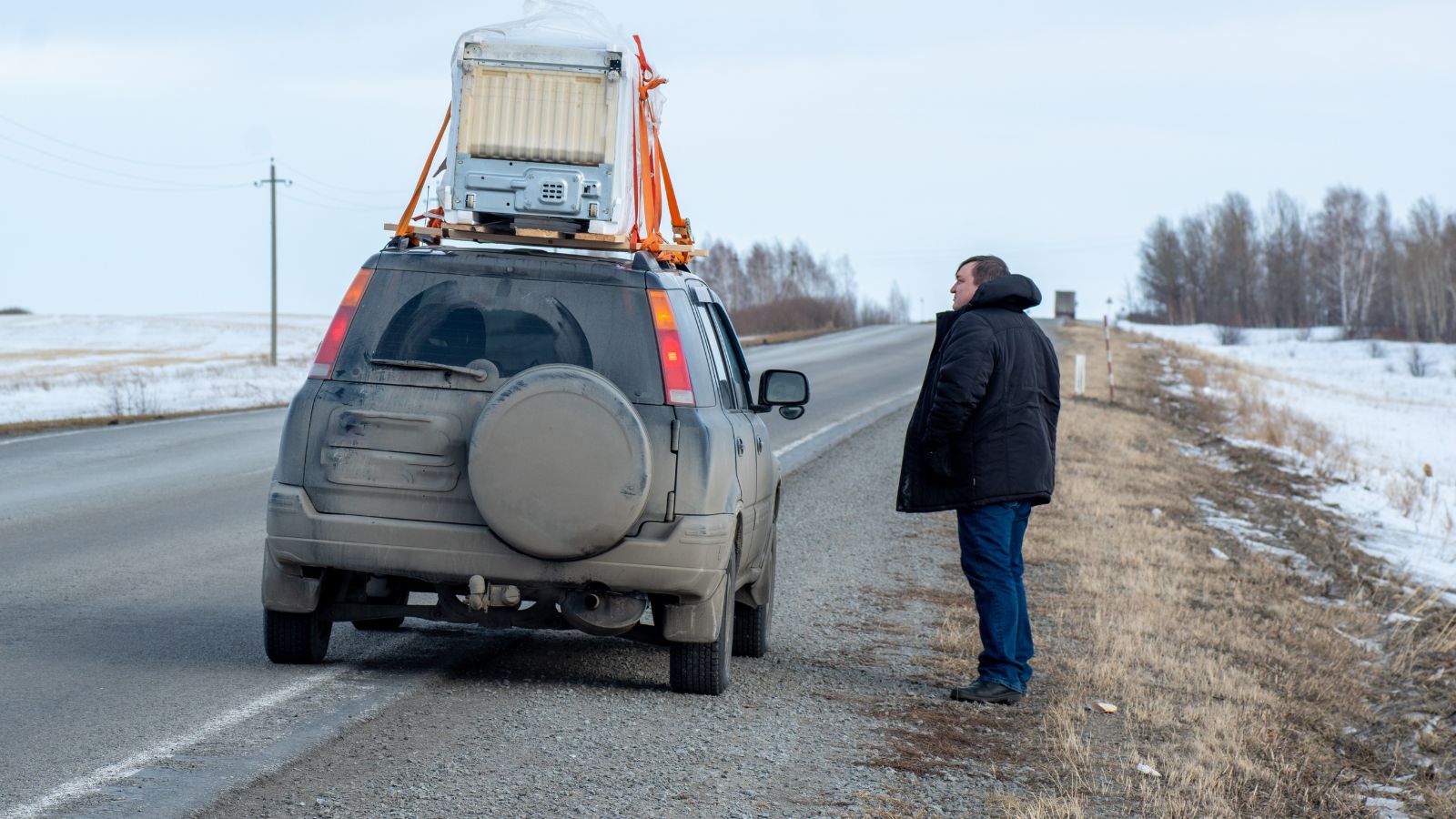
Roof storage can make a packed vehicle feel organized, but it should never become the place for the densest cargo. Weight placed high raises the vehicle’s center of gravity, which can reduce stability during quick steering inputs, high winds, evasive maneuvers, or uneven pavement. This matters most in taller vehicles such as SUVs, minivans, and crossovers, where the body already sits higher than a sedan.
A roof box is better suited for bulky but relatively light items, such as sleeping bags, jackets, beach towels, or soft duffel bags. Heavy coolers, toolboxes, water jugs, and spare parts belong low and centered inside the vehicle when possible. The difference may not be obvious at neighbourhood speeds, but on a highway ramp or sudden lane change, a top-heavy load can make the vehicle lean, sway, and feel less predictable.
Leaving Hard Objects Loose in the Cabin
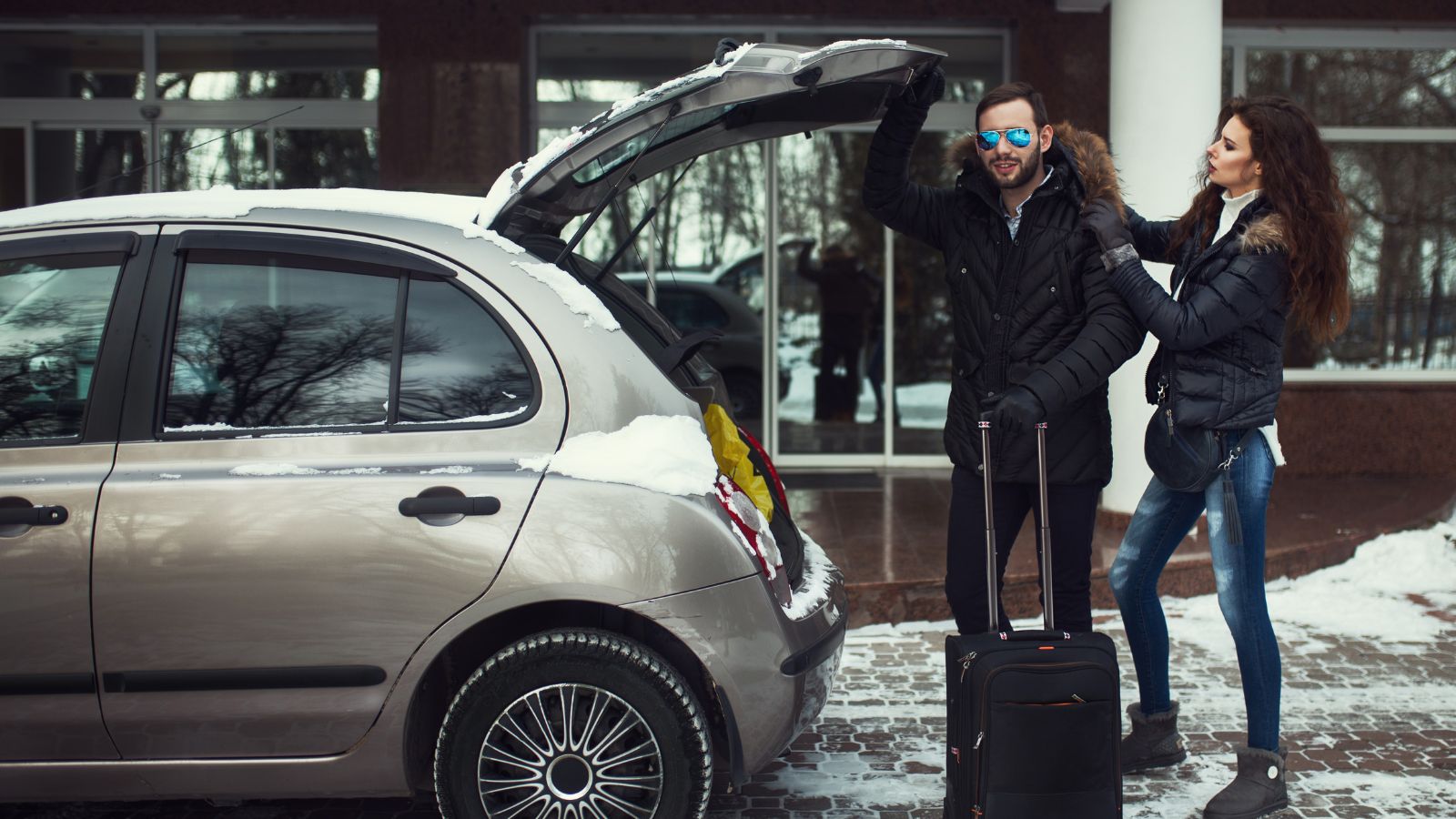
Loose cargo inside the cabin is easy to dismiss until a sudden stop turns it into a projectile. A laptop on the rear seat, a metal water bottle in the footwell, or a toolbox behind the second row can move violently during hard braking or a crash. The problem is not just clutter; it is uncontrolled mass. Even small objects can strike occupants, interfere with controls, or distract the driver at the worst moment.
This is why trunks, covered cargo areas, bins, tie-down points, and cargo nets matter. A cooler wedged behind a seat may seem secure, but if it is not strapped or contained, it can shift during a panic stop. Families often pack snacks, tablets, toys, and cameras within reach for convenience. The safer approach is to keep only soft, lightweight essentials in the cabin and secure anything hard, sharp, or heavy.
Stacking Cargo Above the Seatbacks
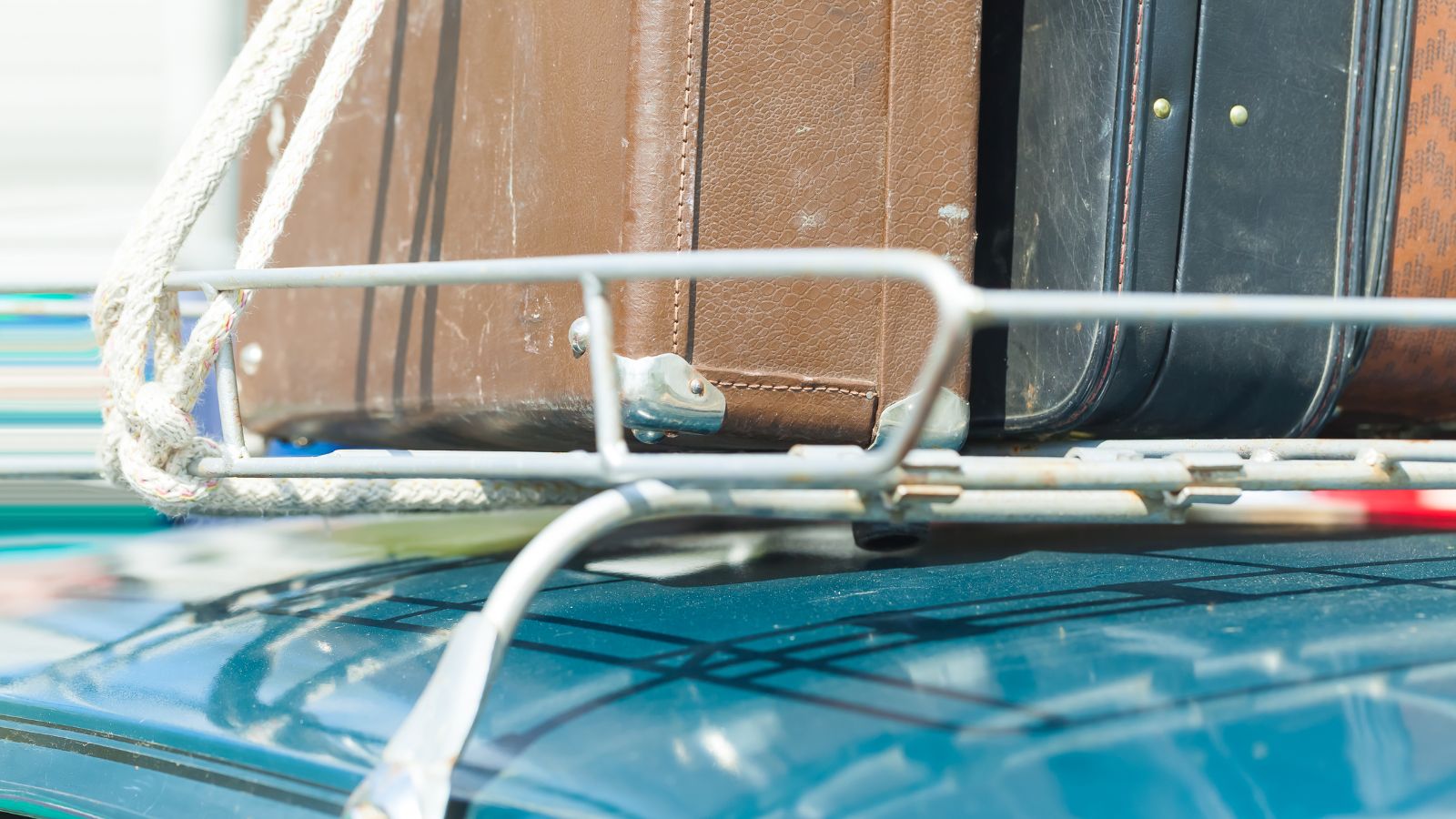
Packing cargo higher than the rear seatbacks can create two problems at once. First, it can block the driver’s rear view. Second, it can allow luggage to fly forward into the passenger area during sudden braking or a crash. This is especially common in SUVs and hatchbacks, where the cargo space is open to the cabin and there is no solid trunk wall separating luggage from people.
A packed-to-the-roof cargo area may feel efficient, but it can leave the driver with less awareness in traffic and passengers with less protection from moving objects. A safer method is to keep heavy items low, place them as far forward in the cargo area as practical, and use a cargo cover, net, barrier, or tie-downs when available. If the rear window disappears behind luggage, the packing plan needs to change.
Loading Too Much Weight Behind the Rear Axle

Even when the total weight is under the limit, poor placement can still make a vehicle less stable. Too much weight far behind the rear axle can make the rear suspension squat and reduce weight on the front tires. Since the front tires handle most steering forces, that change can make the vehicle feel vague, slow to respond, or unsettled during braking and cornering.
This is why heavy items should sit low, forward, and centered rather than piled at the back edge of the cargo area. A large cooler pressed against the tailgate may be convenient at rest stops, but it can worsen balance if several other heavy bags are packed behind it. Drivers sometimes notice this as a floating front end, brighter headlights aimed upward, or extra body motion over bumps.
Skipping Tire Pressure After Packing
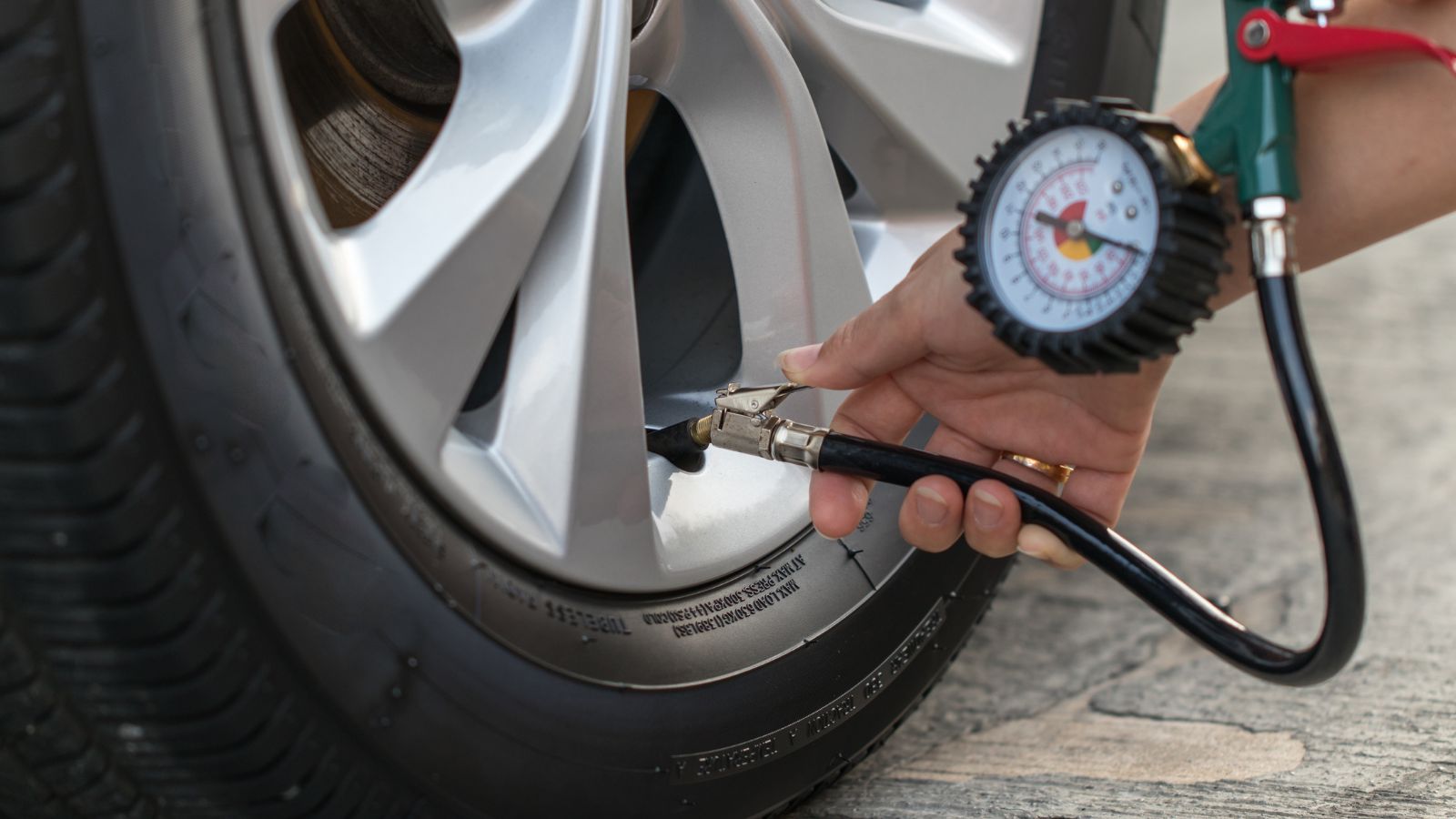
Tires carry the entire loaded vehicle, yet they are often checked before the car is packed or not checked at all. A properly inflated tire has the strength and shape needed for steering, braking, traction, and heat control. Underinflation becomes more dangerous when the vehicle is heavily loaded because the tire flexes more, builds more heat, and has less reserve capacity during long highway drives.
The correct pressure is not the number molded on the tire sidewall; it is the manufacturer’s recommended cold pressure listed on the vehicle placard or in the owner’s manual. A road trip that begins with heavy luggage, hot pavement, and marginal tire pressure creates a bad combination. Checking all four tires, plus the spare if the vehicle has one, is a small step that can prevent a stressful roadside failure.
Blocking Rear Visibility and Cameras
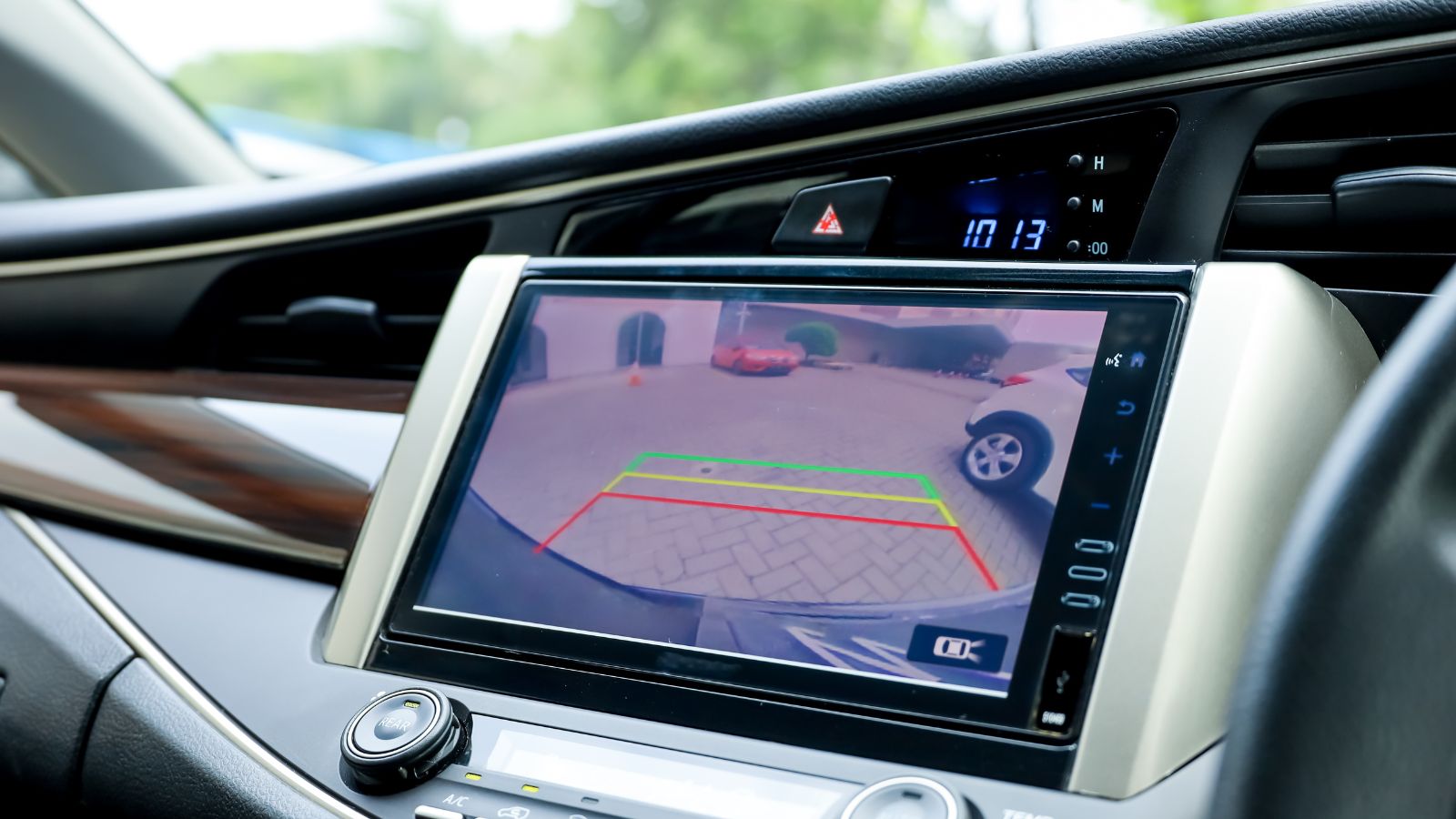
Modern vehicles may have backup cameras, parking sensors, blind-spot alerts, and rear cross-traffic warnings, but packing can still defeat them. A hitch-mounted carrier may block a rear camera, confuse parking sensors, or hide part of the rear plate or lighting. Inside the vehicle, tall luggage can eliminate the view through the rear window and make lane changes or reversing more dependent on mirrors and electronics.
Rear visibility is not just a convenience feature. Safety research has long focused on blind zones behind vehicles because drivers need to see people, objects, and approaching traffic before reversing. A road trip load should be checked from the driver’s seat before departure. If the rear window is blocked, camera view is obstructed, or sensors constantly complain, the cargo setup needs adjustment before the highway does the testing.
Trusting Bungee Cords With Heavy Loads
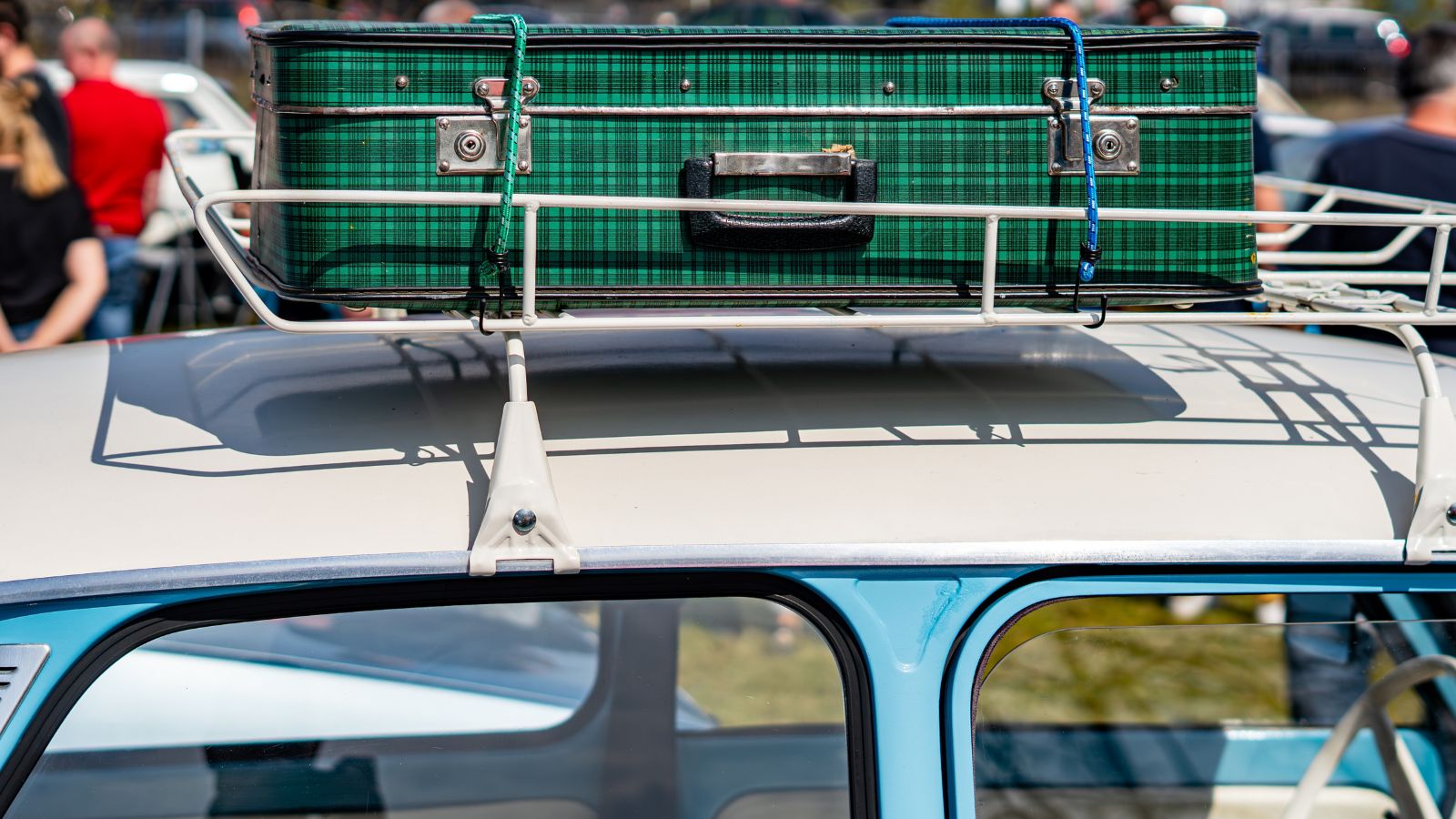
Bungee cords are useful for keeping lightweight items from shifting, but they are often misused as if they were heavy-duty cargo restraints. Their elasticity is the problem. A stretchy cord can allow a load to bounce, loosen, or shift under wind, braking, or rough pavement. For roof loads, hitch carriers, and bulky cargo, rated straps, ratchet tie-downs, cargo nets, and manufacturer-approved anchor points are much safer choices.
The difference becomes obvious with a rooftop bag or an open utility load. At highway speed, airflow and vibration work against every loose strap. A sleeping bag that moves slightly at 40 km/h can become a much bigger problem at freeway speed. If cargo is outside the vehicle, it should be secured as though it will face potholes, crosswinds, emergency braking, and hours of vibration rather than a smooth short drive.
Letting Gear Interfere With Seat Belts, Seats, and Airbags
Packing mistakes are not limited to the trunk. Bags shoved into the rear footwell can prevent passengers from sitting properly, block seat tracks, or tempt people to ride with knees raised and belts positioned poorly. Items jammed beside a child restraint, pet carrier, or folded seat can also interfere with how safety systems are meant to work. The safest seat belt is one worn flat, snug, and correctly positioned.
Airbags and seat belts are designed around normal occupant posture. A passenger leaning around luggage, resting feet on a packed dashboard area, or sharing space with loose items is not in the position engineers intended. The comfortable solution is often the unsafe one: giving every passenger “just enough room.” A safer packing plan protects seating space first, then makes cargo fit around that requirement.
Misusing Hitch Carriers and Small Trailers
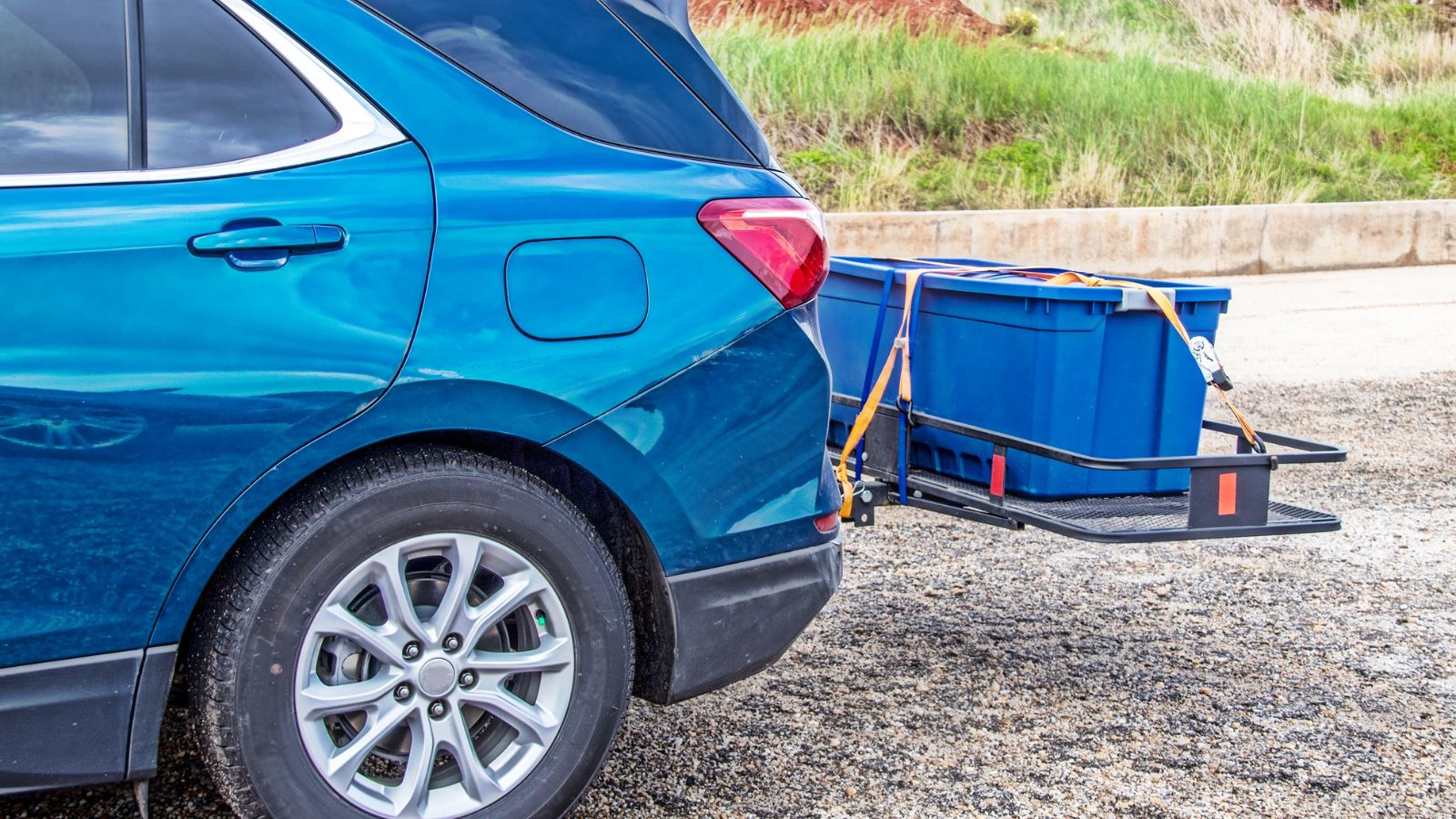
External carriers can solve interior space problems, but they introduce new limits. Hitch-mounted cargo adds weight behind the vehicle and can reduce departure clearance, block sensors, or change how the vehicle responds to bumps and steering. Small trailers add another layer: tongue weight. Too little tongue weight can contribute to sway, while too much can reduce weight on the tow vehicle’s front wheels and affect steering response.
The safest setup starts with the owner’s manual, hitch rating, carrier rating, and trailer rating, not guesswork. A compact SUV with a full cabin, a loaded cargo area, and a hitch platform may reach payload limits sooner than expected. For trailers, cargo should be loaded to maintain proper balance, often with more weight forward but not beyond the specified tongue-weight range. Stability depends on both total weight and placement.
Burying the Emergency Kit Under Everything
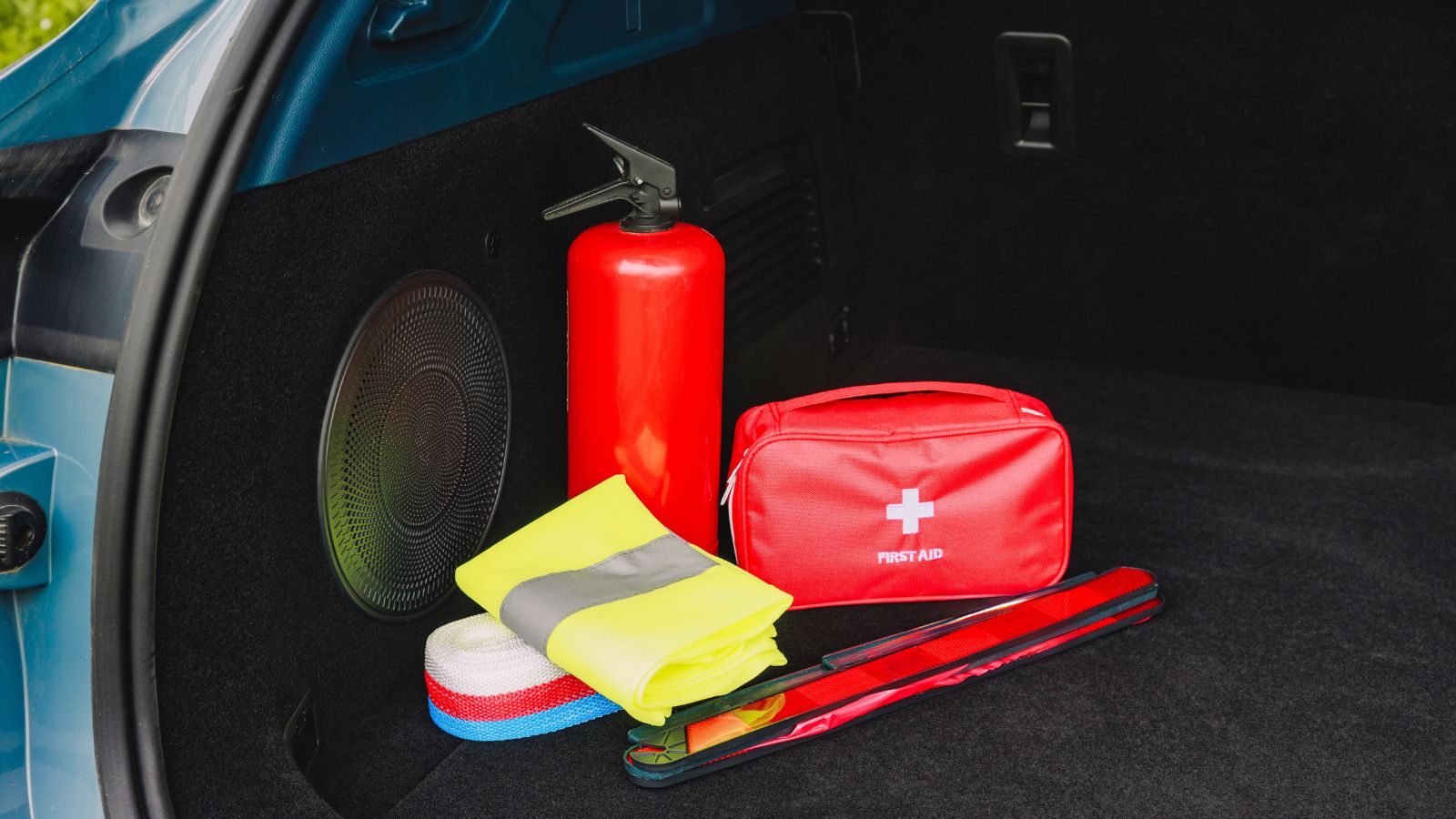
A well-packed vehicle can still be unsafe if emergency gear is inaccessible. A flashlight, first-aid kit, tire gauge, reflective triangles, jumper cables, basic tools, phone charger, medication, water, and jack are least useful when buried under four suitcases and a cooler. Roadside emergencies often happen in rain, heat, darkness, traffic, or a narrow shoulder, where unpacking the entire cargo area is both frustrating and risky.
A practical road trip packing plan gives emergency items their own reachable location. The kit does not need to sit loose in the cabin, but it should be accessible without unloading the whole vehicle. The same applies to the spare tire, wheel lock key, and inflation kit. A driver who can reach warning triangles and a flashlight quickly is better prepared to make the vehicle visible and reduce exposure near traffic.
22 Things Canadians Do to Their Cars in Spring That Mechanics Hate

Spring brings relief to many Canadian drivers after months of snow, freezing temperatures, and icy roads that put serious strain on vehicles. As temperatures rise across the country, drivers begin washing cars, switching tires, and preparing vehicles for warmer weather and upcoming road trips. However, mechanics across Canada notice the same mistakes every spring when drivers attempt to recover from winter damage. Road salt, potholes, and harsh winter driving conditions often leave vehicles with hidden problems that drivers ignore. Some spring habits even create new mechanical issues that could have been avoided with proper maintenance. Here are 22 things Canadians do to their cars in spring that mechanics hate.

Alanna Rosen is an experienced content writer that focuses on many EV and educational content. Her articles are regularly published on Get CyberTrucked and syndicated on large publications.