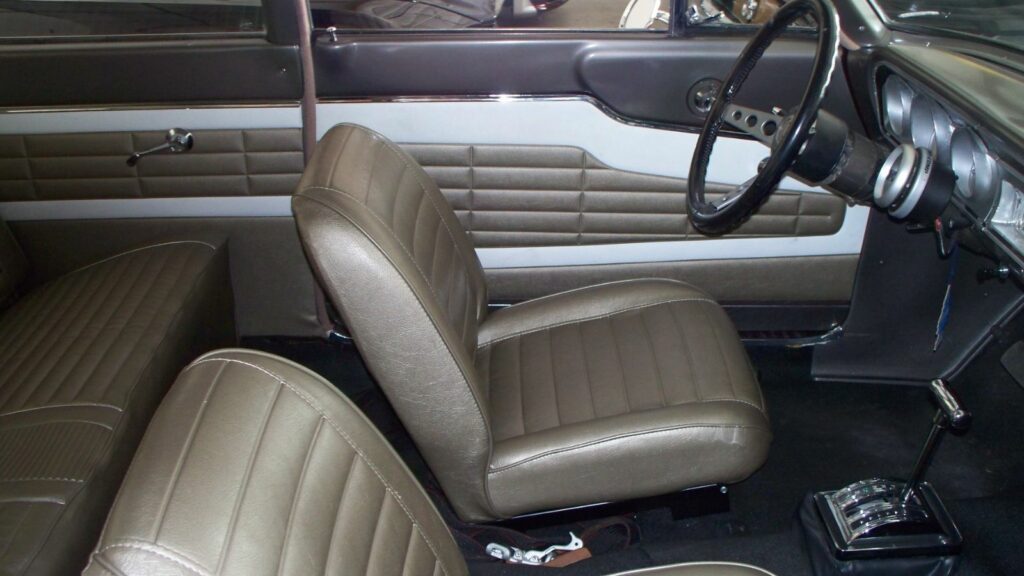
A clean cabin, shiny paint, and a polished engine bay can hide a difficult past. Flood-damaged vehicles often return to the used market after storms, hurricanes, or flash floods, sometimes far from the place where the water exposure happened. The real concern is not only cosmetic damage; water can creep into wiring, safety systems, upholstery, fluids, and hidden metal seams.
These 19 signs can help separate an ordinary used vehicle from one that may have spent time in standing water. None of them proves flood damage on its own, but several together should raise serious concern and justify a deeper inspection before money changes hands.
Musty or Over-Perfumed Interior
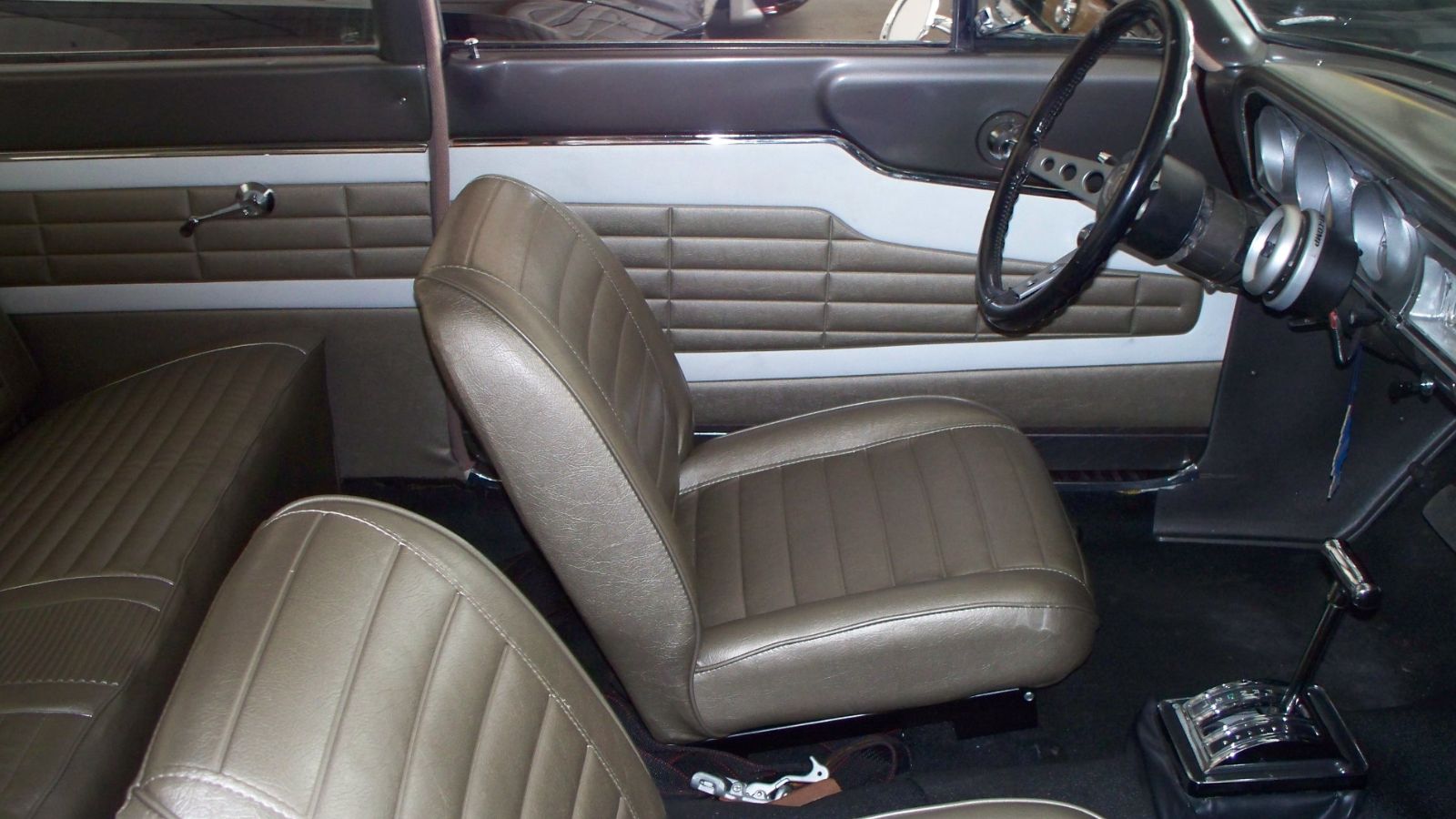
A musty smell is one of the most familiar warning signs because damp carpet padding, insulation, and seat foam can hold moisture long after the visible surfaces look dry. Floodwater can also leave behind organic matter, bacteria, and residue that create a stale odor inside the cabin. A vehicle that smells like a closed basement after sitting in the sun deserves extra attention, especially if the odor grows stronger when the doors are shut for a few minutes.
An unusually strong fragrance can be just as suspicious. Some sellers use air fresheners, deodorizing sprays, ozone treatments, or shampooing to cover mildew. A buyer might step into an older sedan that smells like brand-new laundry detergent, only to find dampness under the floor mat. The issue is not the scent itself, but the mismatch between the vehicle’s age, wear, and oddly aggressive masking odors.
Loose, Stained, or Mismatched Carpet
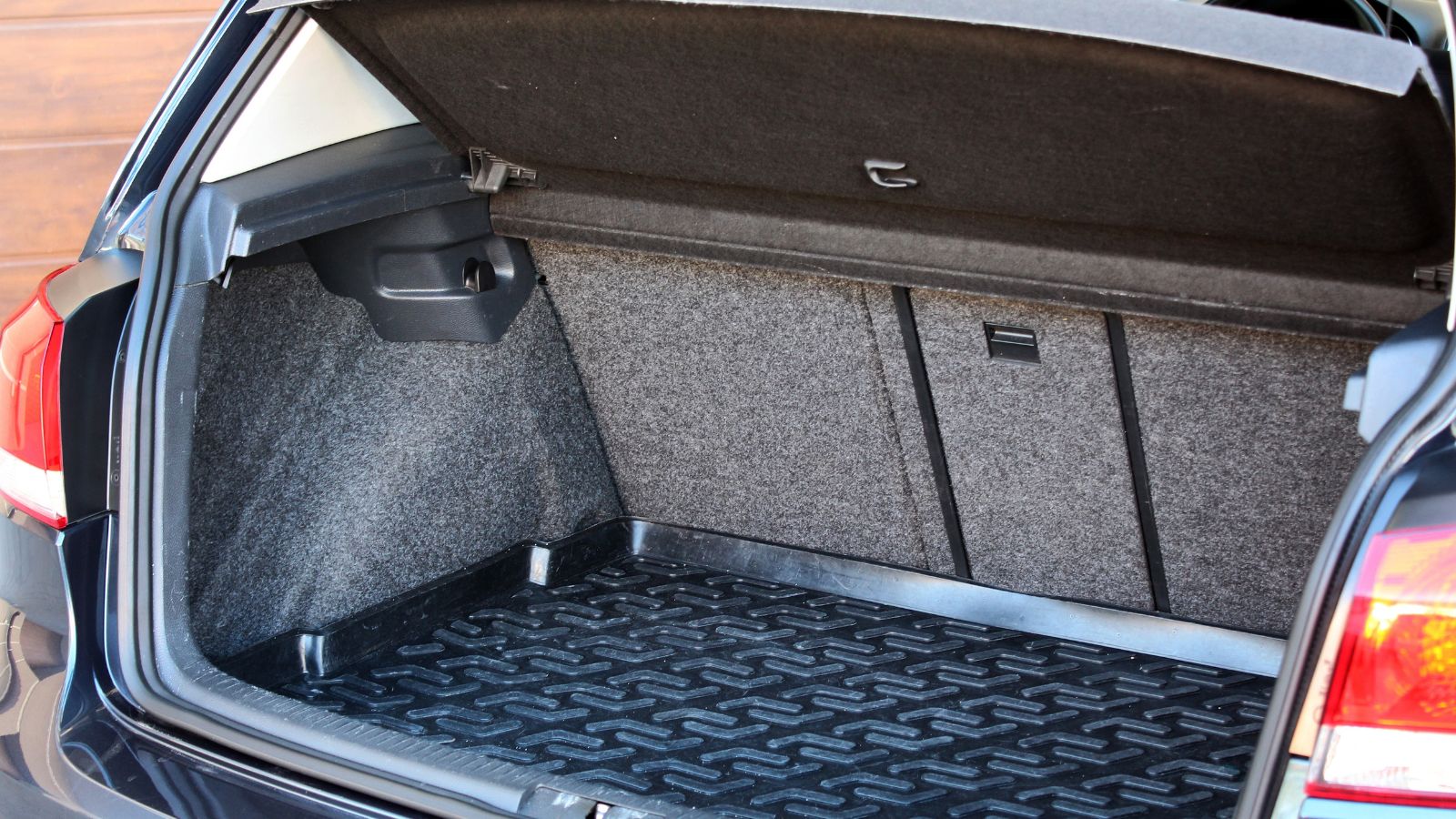
Carpet can reveal what the rest of the cabin tries to hide. Floodwater often leaves stains along the lower floor area, while repeated cleaning can make carpet appear faded, loose, or unevenly colored. A clean-looking surface is not enough; the padding underneath can stay damp or discolored even after the top layer has dried. Lifting floor mats and checking the edges near the door sills can expose marks that quick detailing misses.
Mismatched carpet is another clue. If a ten-year-old vehicle has one section of carpet that looks newer than the rest, it may have been replaced after water intrusion. There are innocent explanations, such as heavy wear or spilled drinks, but the pattern matters. Fresh carpet paired with rusty seat bolts, a musty trunk, or odd electrical behavior turns a small cosmetic detail into a much larger concern.
Mud or Sand in Hidden Interior Areas
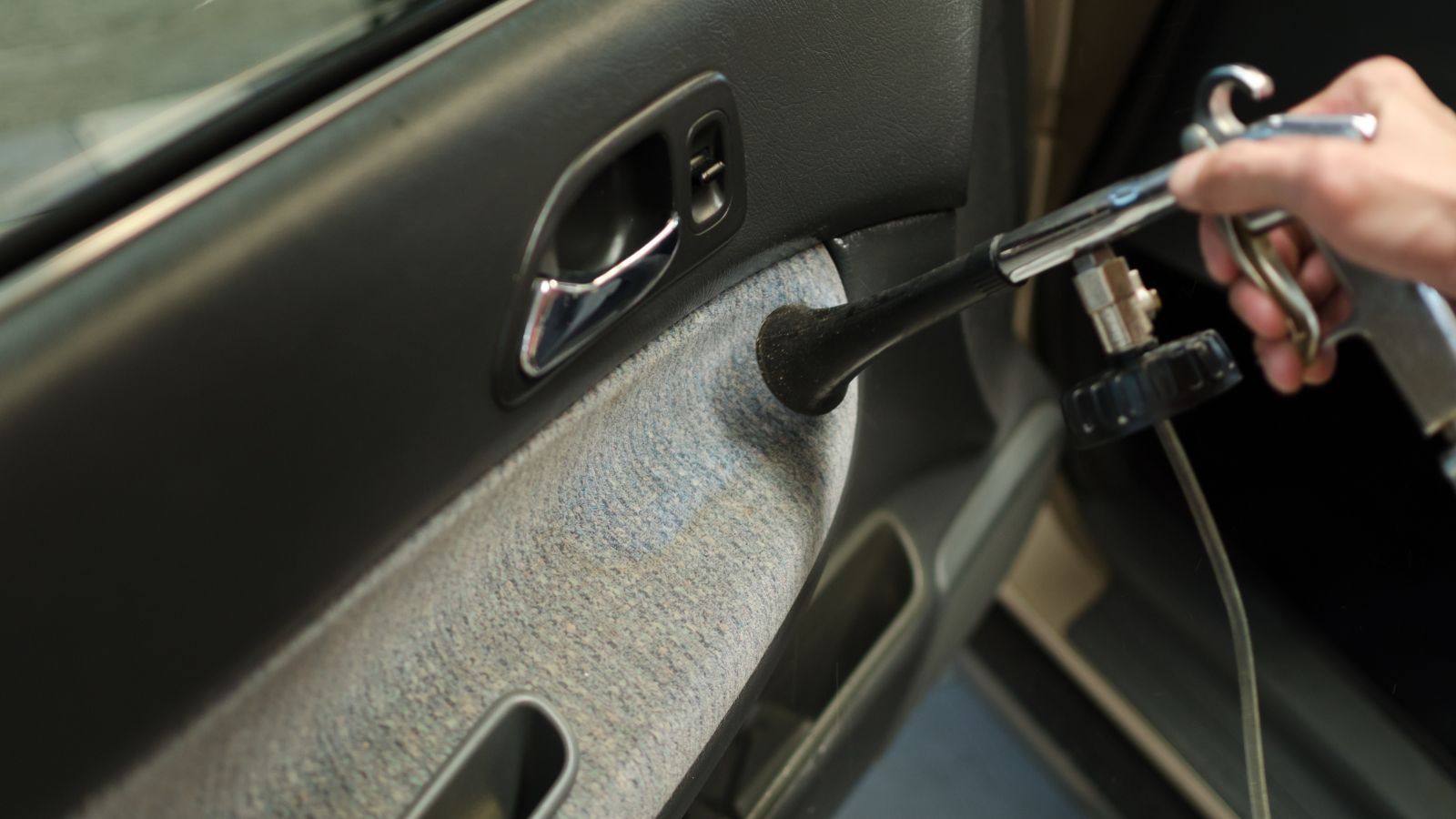
Floodwater rarely enters a vehicle cleanly. It often carries mud, sand, grit, leaves, and small debris into places that are difficult to reach during routine cleaning. Under the dashboard, beneath seats, inside seat tracks, around the glove box, and near the center console are common hiding spots. A vehicle may look spotless at eye level while still holding a thin crust of silt behind trim panels.
This sign is especially useful because professional detailing usually focuses on visible surfaces. A buyer checking only the seats and dashboard may miss the story. A flashlight under the front seats or a quick look behind lower kick panels can reveal residue that does not fit normal use. A family SUV with clean upholstery but gritty seat rails may have been cleaned for sale rather than restored properly.
Rust on Interior Screws, Seat Rails, and Brackets
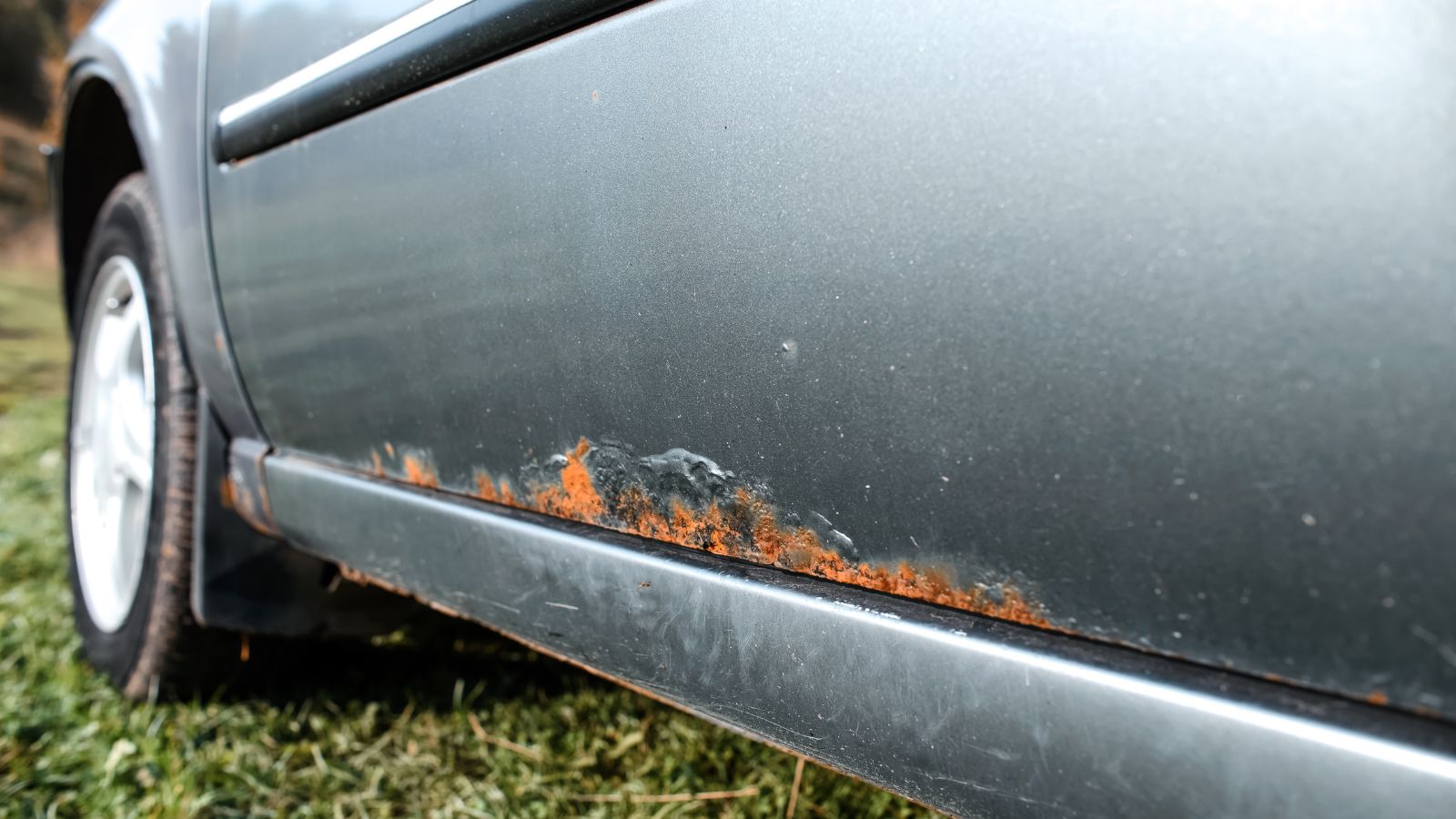
Rust outside a vehicle is not unusual, particularly in areas with road salt, coastal air, or harsh winters. Rust inside the cabin is more suspicious. Seat rails, console screws, steering column brackets, under-dash fasteners, and trunk latches are not normally soaked during regular driving. When these pieces show premature corrosion, it can point to water rising into the cabin and lingering long enough to attack exposed metal.
The age and location of the vehicle matter. A twenty-year-old truck from a snowy region may have surface rust underneath, but a late-model crossover with orange corrosion under the seats should raise questions. Look for rust patterns that appear above normal road-spray areas. If a screw hidden under the dashboard looks worse than exterior hardware, the vehicle may have been exposed to water from the inside out.
Water Lines in the Trunk or Spare Tire Well
The trunk often collects evidence because water settles in low points and remains trapped under liners. Lifting the cargo floor, removing the spare tire cover, and checking the wheel well can reveal stains, moisture, rust rings, leaves, or dried sediment. A distinct water line around the spare tire area is one of the clearer signs that water sat in the vehicle rather than simply splashing against it.
This area can be overlooked during a quick dealership walkaround. A vehicle may have a spotless cabin and polished exterior, but the trunk can tell a different story. Some leaks come from bad seals, not floods, so the context matters. Still, a damp spare tire well combined with musty odors, corroded tools, or mud in the rear quarter panels should make any buyer pause before treating the vehicle as ordinary used inventory.
Fogged Headlights or Taillights
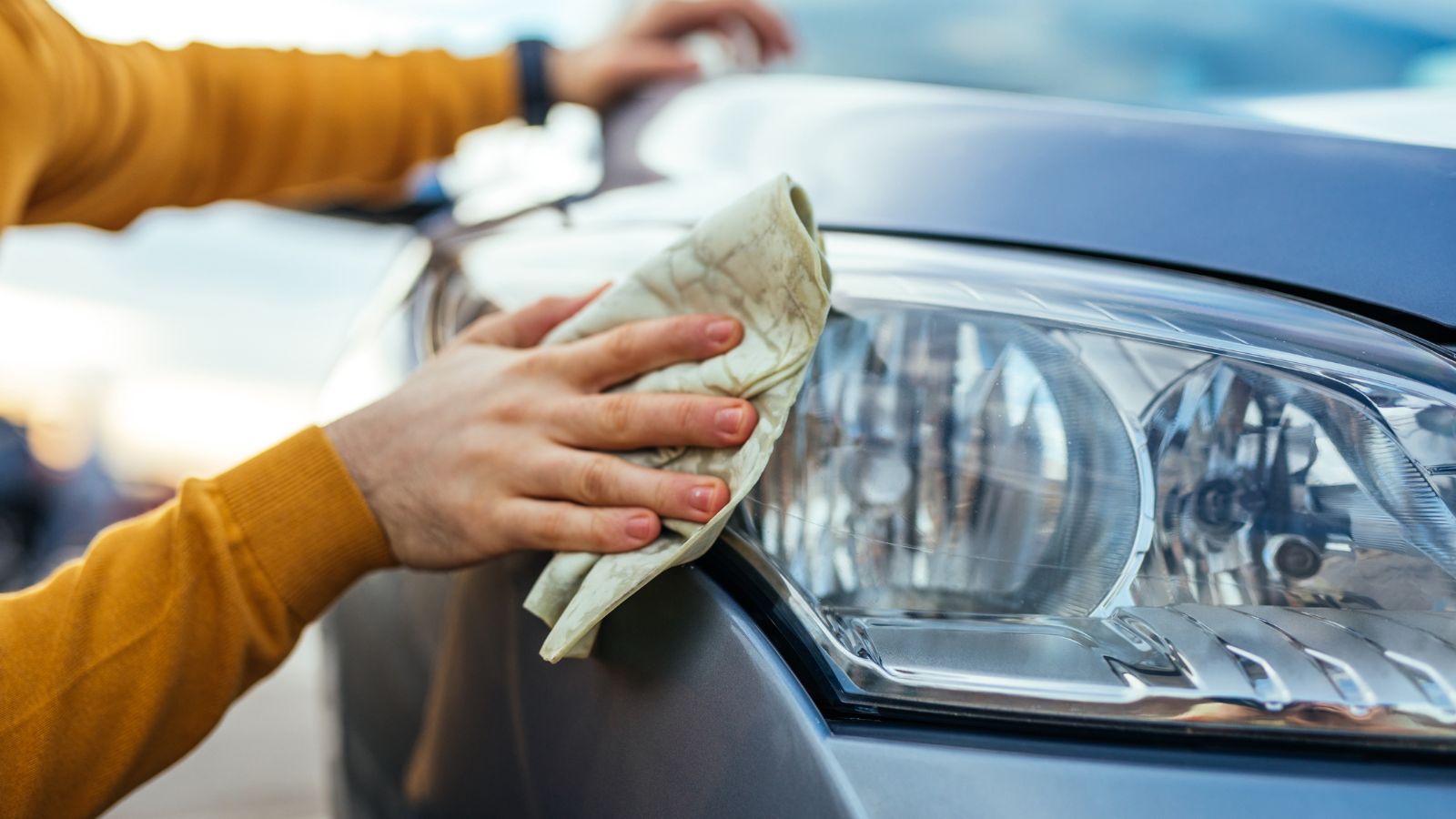
Condensation inside a light housing can happen from a failed seal, but water lines, trapped debris, or persistent fogging in headlights and taillights deserve closer inspection. Floodwater can enter lens assemblies and leave residue behind once it dries. Unlike rainwater beading on the outside, internal moisture is visible behind the clear plastic and cannot be wiped away from the surface.
A practical example is a vehicle with one headlight that looks cloudy from age and another that has a sharp line of residue inside the lens. That difference suggests more than ordinary wear. Buyers should also check turn signals, reverse lights, and interior lamps. If several light housings show fogging while the exterior appears recently detailed, the lighting may be preserving evidence that cleaning could not reach.
Electrical Features That Behave Erratically
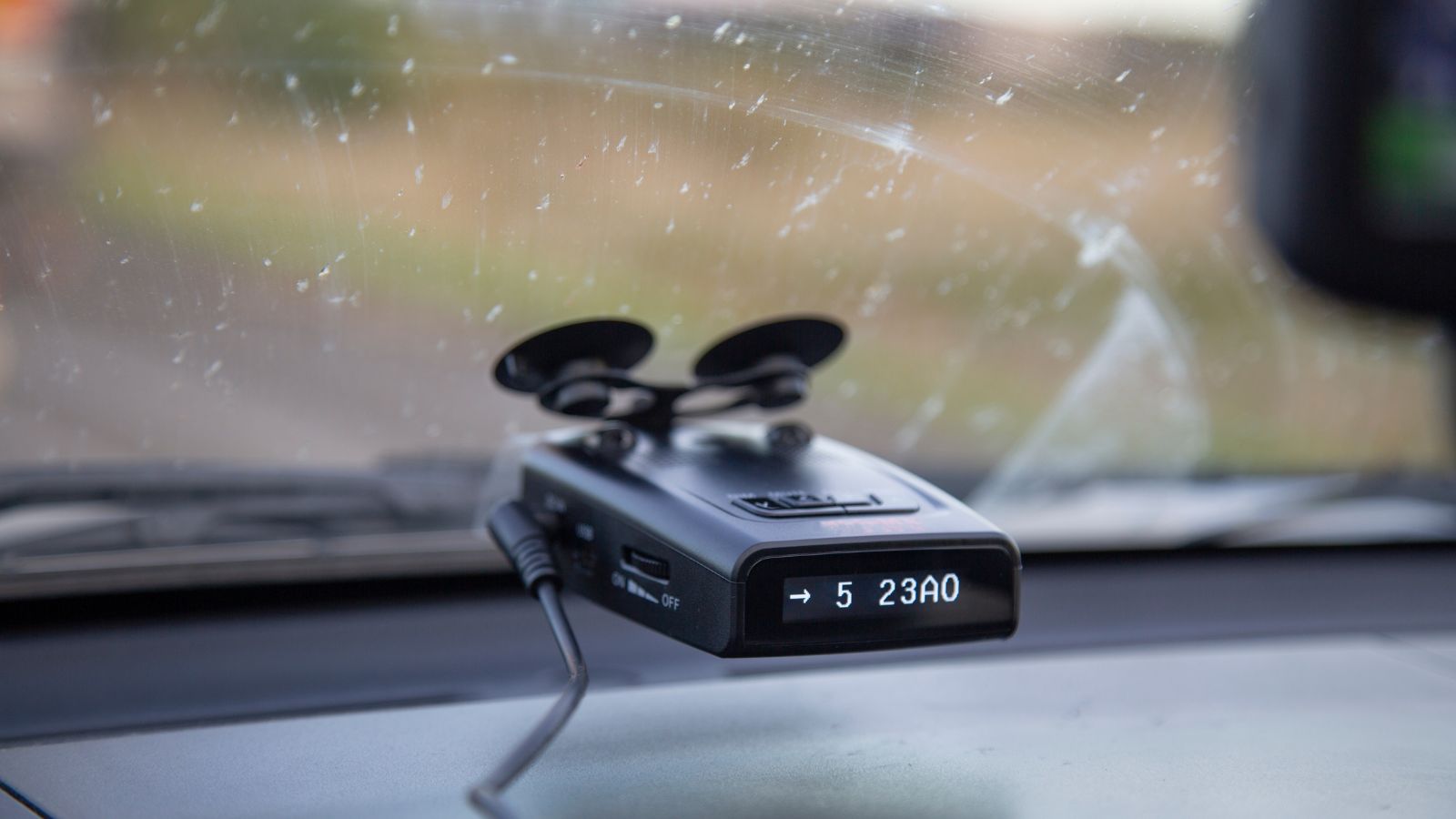
Modern vehicles rely heavily on wiring, sensors, control modules, and connectors. Water exposure can cause corrosion that does not fail immediately but creates intermittent problems later. Power windows may move slowly, the radio may cut out, turn signals may behave inconsistently, or windshield wipers may operate oddly. These issues can seem minor during a short viewing but become expensive once the vehicle is in regular use.
Testing features repeatedly matters. A single push of each button may not reveal a weak connection. Try the windows, locks, mirrors, infotainment system, wipers, heater, air conditioning, lights, and seat adjustments more than once. A compact car that looks clean but has a flickering dashboard, stubborn window switch, and random warning chime may be carrying electrical damage beneath the surface.
Warning Lights That Do Not Match the Vehicle’s Condition
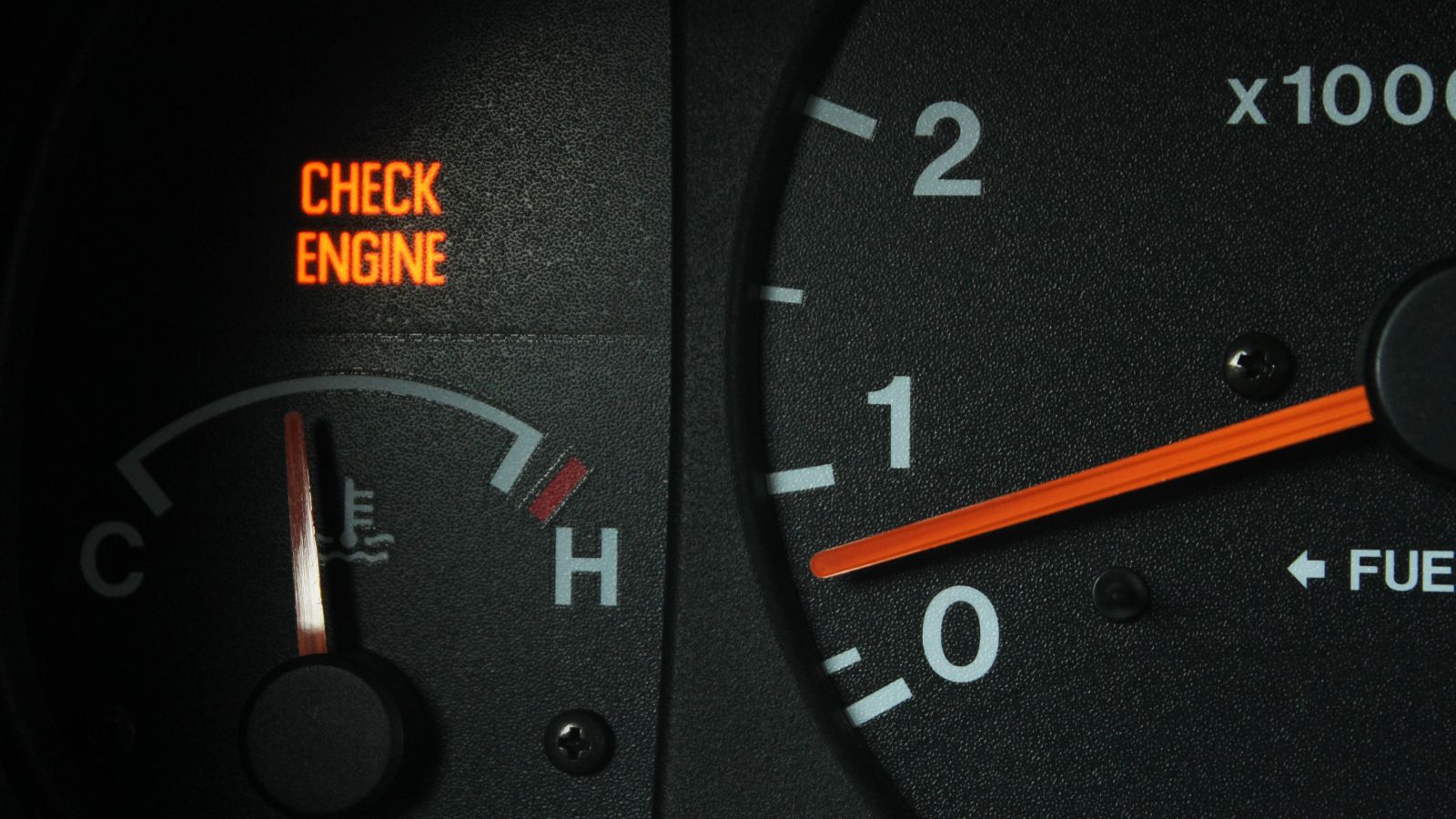
Warning lights can appear for many reasons, but they become more concerning when paired with other flood clues. Airbag, ABS, traction control, battery, check-engine, or stability-control warnings may point to damaged sensors, corroded connectors, or modules exposed to moisture. A vehicle that has been freshly detailed but displays several electronic warnings should not be dismissed as having “just a bad sensor” without professional diagnosis.
Another red flag is the opposite problem: no warning lights at all when the ignition first turns on. In many vehicles, dashboard indicators briefly illuminate during startup as a self-check. If key lights never appear, the cluster may have been tampered with or a problem may be hidden. The safest approach is to scan the vehicle with a diagnostic tool and compare the results with the seller’s explanation.
Mold, Mildew, or Damp Smell From the Vents
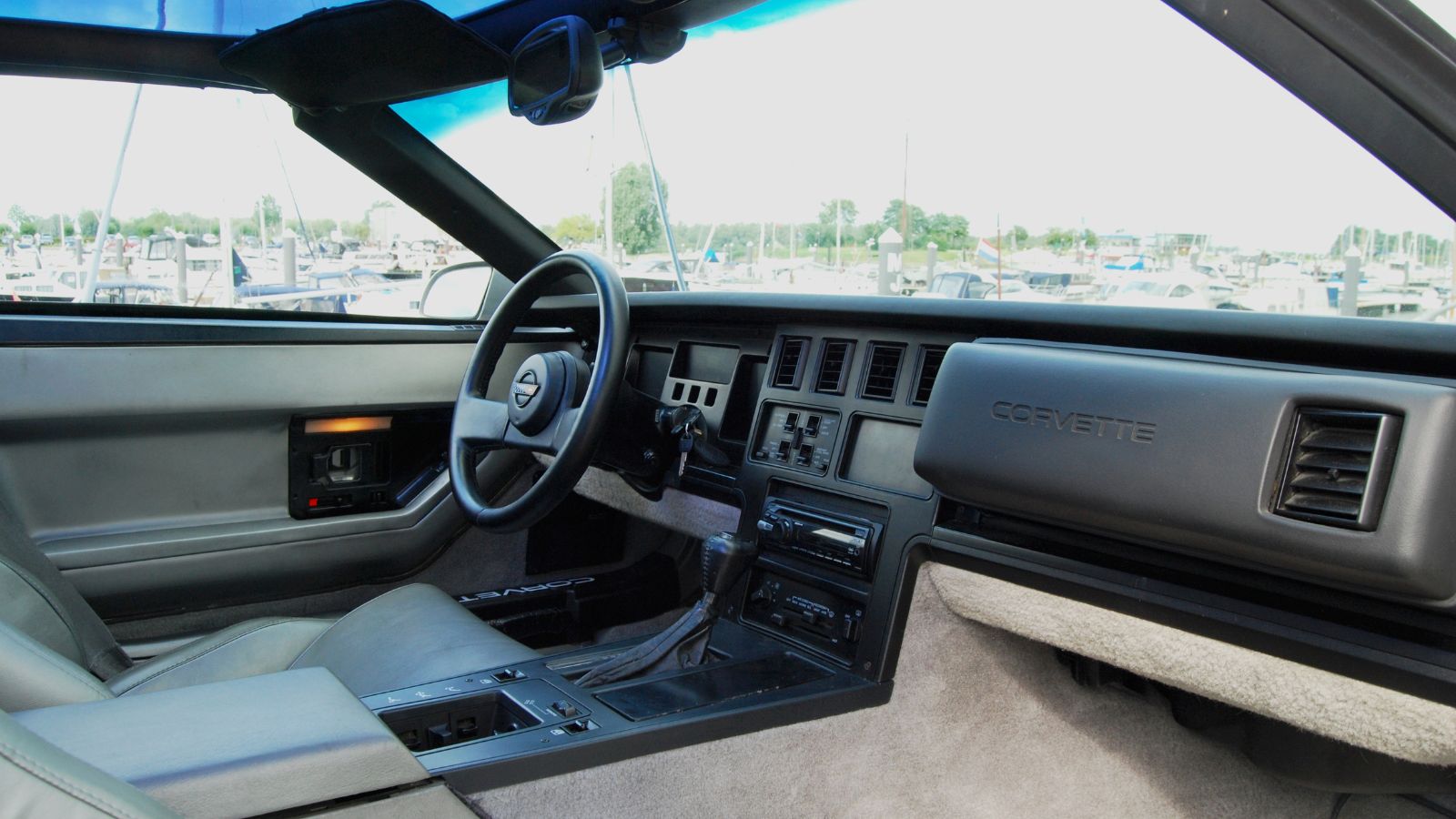
The heating and air-conditioning system can trap odors after flood exposure. Moisture may remain in ducts, the cabin filter, carpet under the HVAC drain area, or foam insulation behind the dashboard. When the fan turns on, a musty smell from the vents can spread through the cabin. This matters because a clean seat surface does not mean the ventilation system escaped contamination.
A short test drive should include running the fan at different speeds, switching between heat and air conditioning, and checking for odor changes. If the cabin smells acceptable until the blower starts, the problem may be hidden in the HVAC system. A used vehicle with a recently replaced cabin filter but persistent damp odor needs careful inspection, especially if other moisture clues appear in the footwells or under the dash.
Grit or Debris in the Engine Bay
Floodwater can push mud and grit into small spaces around the starter motor, alternator, relays, wiring harnesses, power steering components, and engine-bay seams. A recently cleaned engine compartment may look impressive from above, but residue often remains in crevices. Dry silt around electrical connectors or tucked behind brackets can reveal a water event that a pressure wash did not fully erase.
This sign is useful because normal driving grime tends to collect in predictable areas. Flood residue appears more random and may sit higher than ordinary road splash would reach. A buyer inspecting a pickup, for example, might notice the engine cover has been wiped clean while the wiring loom behind it holds dried mud. That contrast suggests a cosmetic cleanup rather than a complete mechanical recovery.
Milky, Cloudy, or Foamy Fluids
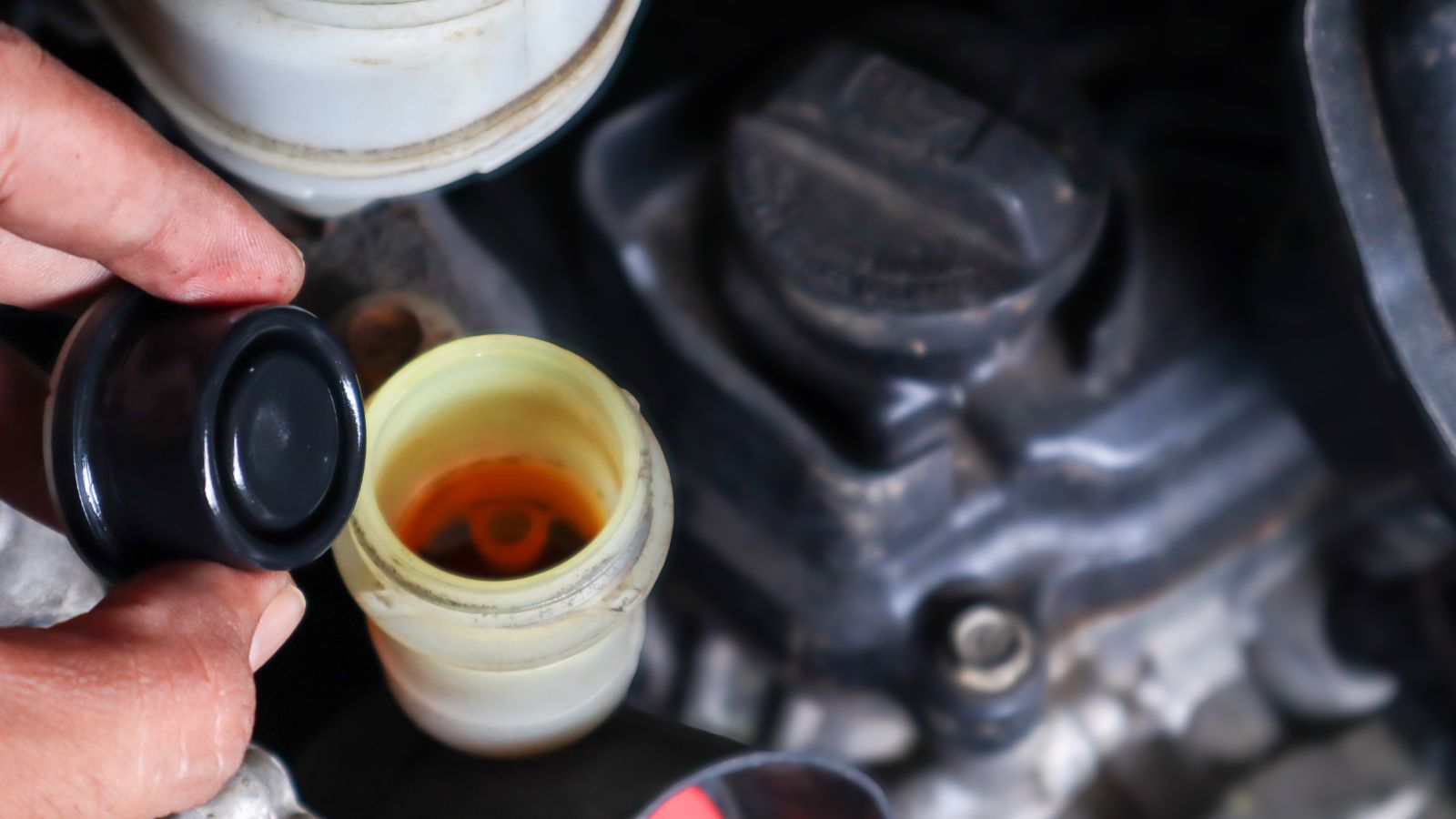
Water contamination can change the appearance of engine oil, transmission fluid, differential oil, and other lubricants. Milky or foamy oil may suggest water mixing with the lubricant, which can point to serious internal issues. Flood exposure is not the only possible cause; mechanical failures can also allow coolant or moisture into oil. Either way, cloudy fluid is not a small cosmetic concern.
Checking fluids should be part of any used-vehicle inspection. The engine oil dipstick, transmission dipstick if equipped, and fluid caps can reveal suspicious texture or color. A seller may say the vehicle “just needs a service,” but contaminated fluids can mean deeper damage. Even if the car starts and idles normally, water inside lubricated systems can shorten component life and turn a bargain into an expensive repair.
Undercarriage Rust That Seems Too Advanced

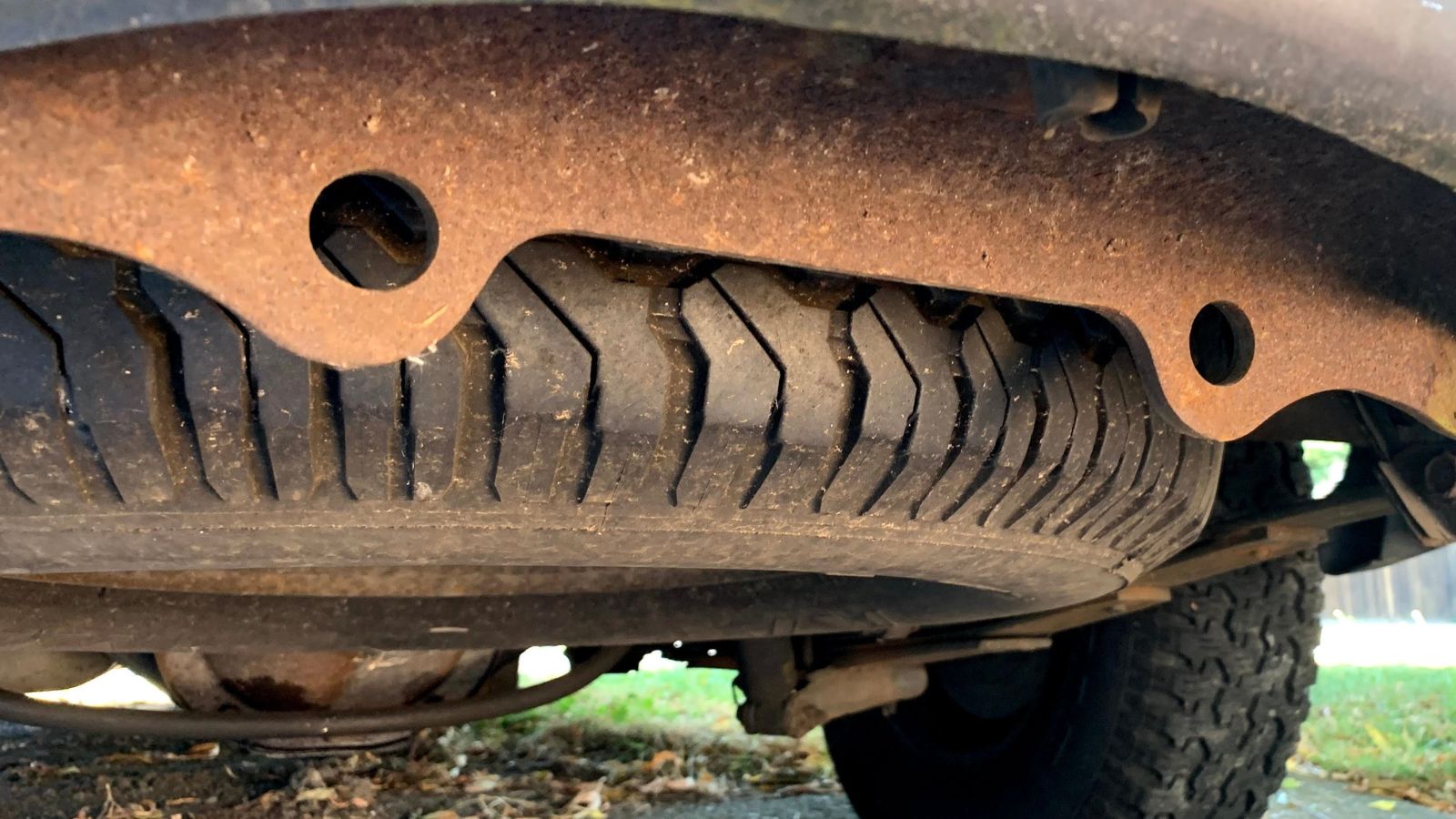
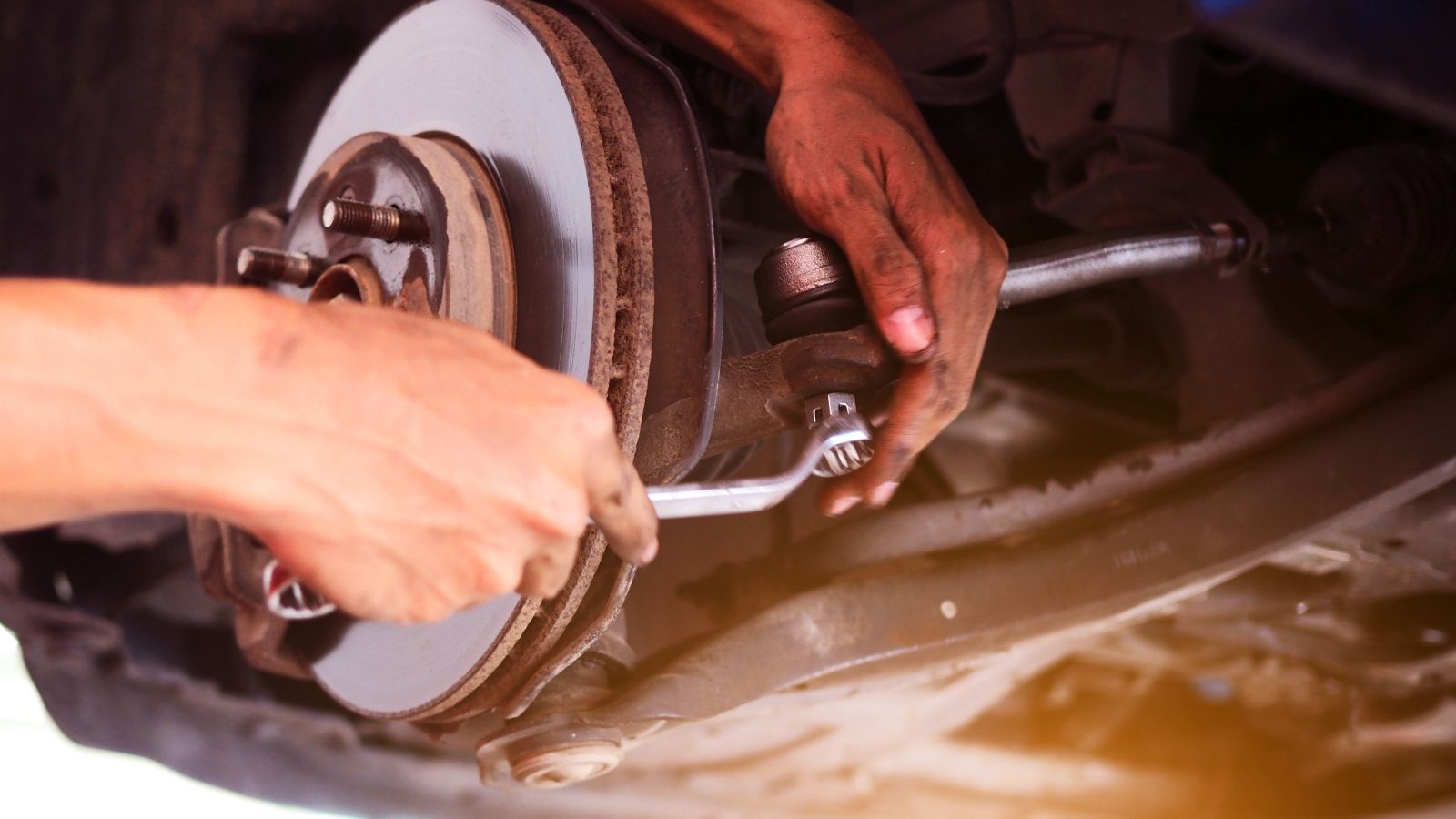
The underside of a vehicle naturally faces water, salt, gravel, and road debris, so rust alone does not prove flood damage. The warning sign is rust that looks too advanced for the vehicle’s age, mileage, or region. Flaking metal on brake hardware, suspension mounts, bolts, exhaust hangers, or frame seams can suggest prolonged exposure to contaminated water rather than ordinary weathering.
A late-model vehicle from a warm, inland area should not usually have severe corrosion underneath. By contrast, an older vehicle from a snowy climate may show more normal underbody wear. The key is consistency. If the paint, wheels, and interior look freshly restored but the underside appears neglected, the vehicle may have been cleaned where shoppers look first while the hidden structure still shows the effects of water.
Stained or Gritty Seat Belts

Seat belts can act like flood markers because they retract deep into pillars and are not easy to clean thoroughly. Pull each belt all the way out and inspect the webbing for stains, grit, discoloration, mildew, or a line that stops at a particular height. If the lower portion looks dirty while the upper portion looks normal, the vehicle may have been exposed to standing water.
This is a simple check that many shoppers skip. A minivan can have vacuumed carpets and polished door panels, yet the rear seat belts may still carry sand or a faint water mark. Safety equipment should never be treated casually. If belts smell musty, retract poorly, or show staining that matches other flood clues, the vehicle deserves a full professional inspection before purchase.
Flood, Salvage, Rebuilt, or Washed Title Clues
Paperwork can reveal what the bodywork hides. Vehicles declared total losses after flooding may receive flood, salvage, or rebuilt branding depending on the jurisdiction and repair status. A branded title does not always mean the vehicle is illegal to sell, but it does mean the buyer needs to understand the damage history, repair quality, insurance implications, and resale limitations.
The harder problem is title washing, where a vehicle’s damage history may be obscured through paperwork gaps, cross-border transfers, or inconsistent records. A clean title is helpful, but it is not absolute proof that the vehicle avoided flooding. Buyers should compare the title, registration locations, vehicle history report, inspection records, and seller statements. If the paperwork journey looks unusually complicated, the vehicle’s physical condition should be examined even more carefully.
Seller Avoids Written Answers or Independent Inspection
A trustworthy seller should be able to answer direct questions about flood exposure, title status, repairs, and vehicle history. Evasive answers are a warning sign, especially when the seller refuses to put statements in writing. Phrases such as “probably not,” “it was like that when I got it,” or “the report is clean, so there is nothing to check” should not replace documentation.
Refusing an independent mechanical inspection is even more concerning. Flood damage can hide inside wiring connectors, under carpet, behind trim, and inside modules. A seller who pressures for a quick sale may be trying to prevent closer review. A buyer might lose a small inspection fee if the vehicle checks out, but that cost is minor compared with discovering corroded electronics, moldy insulation, or contaminated fluids after purchase.
Fresh Shampooing or New Upholstery in an Older Vehicle
A freshly cleaned interior can be a selling point, but it can also hide trouble. Recently shampooed carpets, damp fabric, new floor mats, or unusually fresh upholstery in an older vehicle should be viewed in context. Dealers often detail cars before sale, so cleanliness alone is not suspicious. The concern appears when new or wet-looking materials coexist with odors, stains, rust, or inconsistent wear.
For example, an older SUV may have brand-new front carpet while the rear cargo area still shows water stains. That mismatch suggests selective replacement rather than ordinary preparation. Ask why the materials were changed and look for receipts. Honest cosmetic refurbishment is not a problem when disclosed. Hidden interior replacement after water exposure is different because it may conceal damage to wiring, padding, seat mechanisms, and floor structure.
Hesitation, Rough Running, or Unusual Test-Drive Behavior
Flood damage can affect how a vehicle runs, especially if water reached the intake, fuel system, sensors, or electrical connectors. Hesitation, rough idling, stalling, misfires, delayed shifting, or inconsistent throttle response during a test drive deserve attention. These symptoms can come from many causes, but they become more suspicious when the vehicle also shows moisture, rust, or debris clues.
The test drive should include city streets, stop-and-go traffic, a highway stretch if possible, braking, reversing, and low-speed turning. A vehicle that behaves well for five minutes around the block may show problems once warmed up. A seller who discourages a meaningful test drive may be hiding more than inconvenience. Flood-related issues often reveal themselves gradually, which is why a rushed drive is rarely enough.
Corrosion Around Fuse Boxes, Relays, and Wiring Connectors
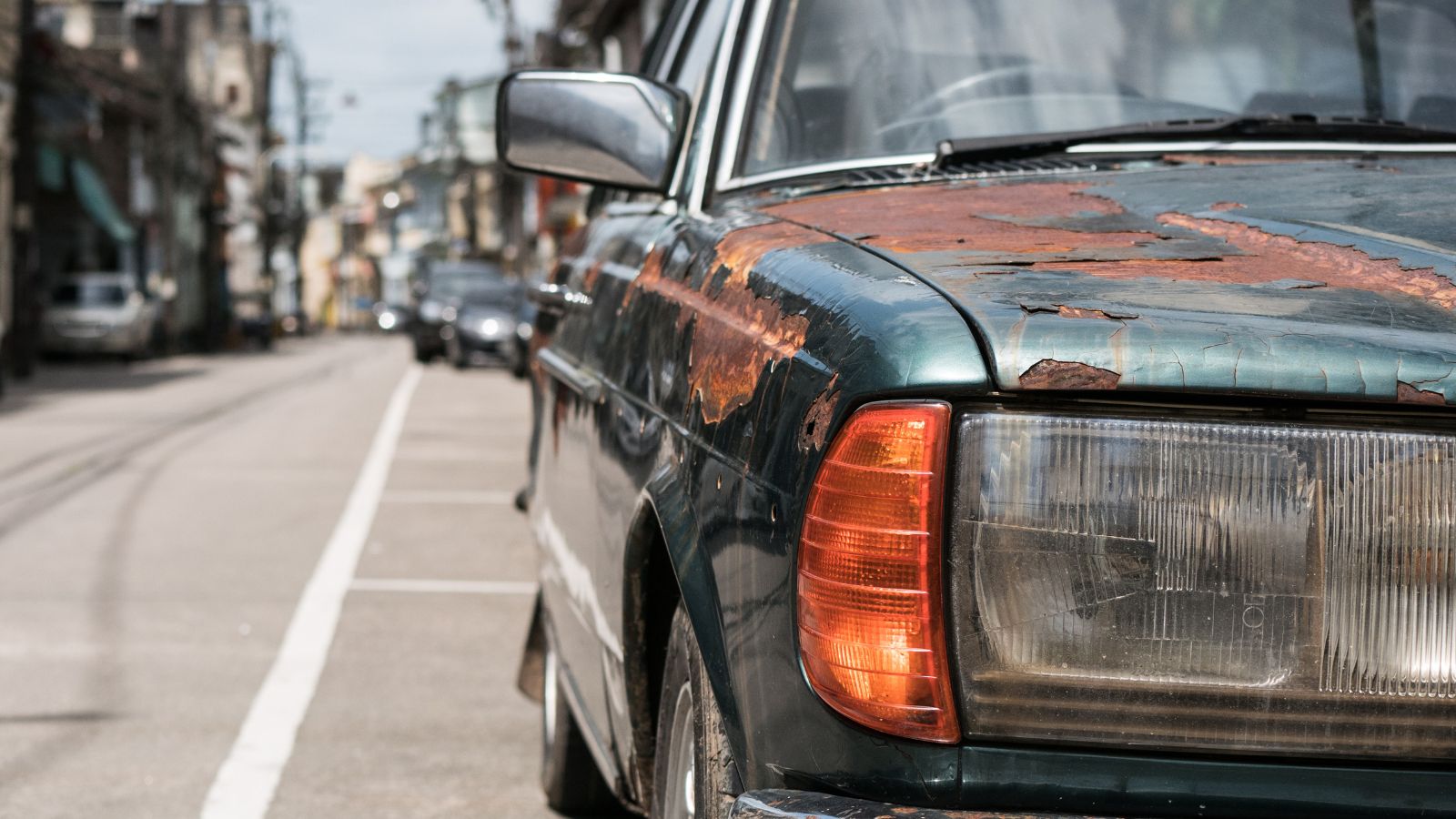
Electrical connectors are among the most vulnerable parts of a flooded vehicle. Corrosion can form at fuse boxes, relays, ground points, wiring harness plugs, and control modules, especially where moisture sits unnoticed. Greenish or white residue, brittle wiring covers, rusted terminals, or inconsistent repairs may indicate water exposure. These details are easy to miss without a flashlight and patience.
A visual check under the hood and beneath the dashboard can be revealing. Some vehicles also have modules under seats or in low cabin areas, exactly where floodwater collects first. A car may start normally while corrosion slowly spreads through connectors. That delayed failure is what makes flood-damaged vehicles so risky; the expensive problem may not appear until weeks or months after purchase.
Hybrid or EV Battery Exposure Concerns

Hybrid and electric vehicles require special caution after water exposure because high-voltage battery systems and charging components introduce risks beyond ordinary mechanical damage. Floodwater, particularly saltwater or contaminated water, can affect battery packs, connectors, and electronic controls. A used EV or hybrid with signs of flood exposure should not be treated like a simple detailing issue.
Warning signs include corrosion near charging ports, unexplained battery warnings, charging interruptions, unusual electrical messages, or seller reluctance to provide service records after a storm. A professional inspection is essential because high-voltage systems are not safe for casual probing. A clean cabin does not prove the battery enclosure, underbody connectors, or cooling passages escaped water. In this category, caution is not overreaction; it is basic safety.
Price That Seems Too Good After a Major Storm
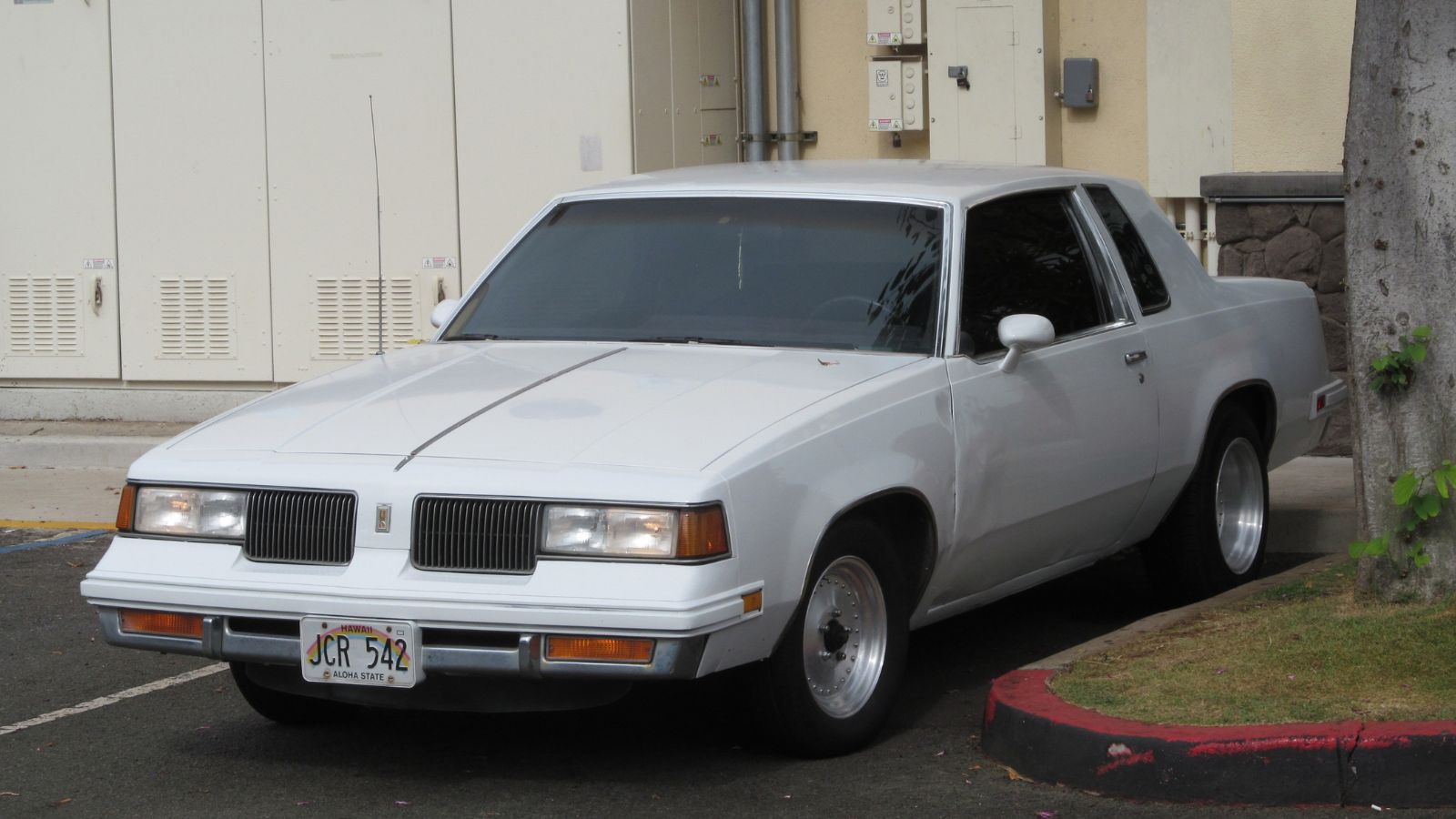
A price far below comparable vehicles should always invite questions, especially after hurricanes, severe storms, or regional flooding. Flood-damaged vehicles can move far from the disaster area and appear in markets where buyers are not thinking about recent weather. A low price may reflect honest factors such as mileage, age, accident history, or cosmetic wear, but it can also be bait for a quick sale.
The safest response is not panic; it is verification. Compare market prices, check the vehicle identification number, review title history, inspect hidden areas, and use an independent mechanic. A seller offering a “clean, no-issues” vehicle at a surprisingly low price should be able to explain the discount clearly. When the story is vague and the inspection clues are troubling, the bargain may only be cheap on the day of purchase.
22 Things Canadians Do to Their Cars in Spring That Mechanics Hate
Spring brings relief to many Canadian drivers after months of snow, freezing temperatures, and icy roads that put serious strain on vehicles. As temperatures rise across the country, drivers begin washing cars, switching tires, and preparing vehicles for warmer weather and upcoming road trips. However, mechanics across Canada notice the same mistakes every spring when drivers attempt to recover from winter damage. Road salt, potholes, and harsh winter driving conditions often leave vehicles with hidden problems that drivers ignore. Some spring habits even create new mechanical issues that could have been avoided with proper maintenance. Here are 22 things Canadians do to their cars in spring that mechanics hate.

Alanna Rosen is an experienced content writer that focuses on many EV and educational content. Her articles are regularly published on Get CyberTrucked and syndicated on large publications.