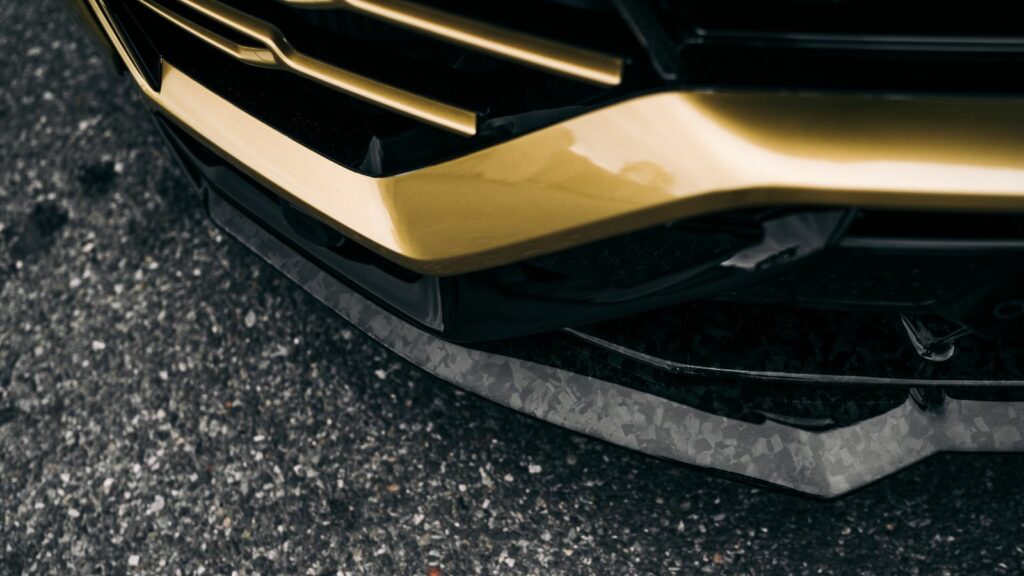
Minor parking-lot bumps used to be easy to dismiss: a scuffed bumper, a dented fender, maybe a cracked lens. Newer vehicles have changed that equation. Safety systems, lightweight materials, sleek styling, and electrified platforms have made cars better at protecting people, but some of those same advances can make small impacts surprisingly expensive and complicated to repair.
Twelve design and repair realities help explain why minor collision damage can hit newer cars harder than expected. The issue is not that modern vehicles are poorly built. In many cases, the problem is that parts once treated as simple outer skin now protect cameras, radar units, wiring, lighting modules, pedestrian-safety structures, and sensitive calibration points.
Bumpers Became Sensor Zones
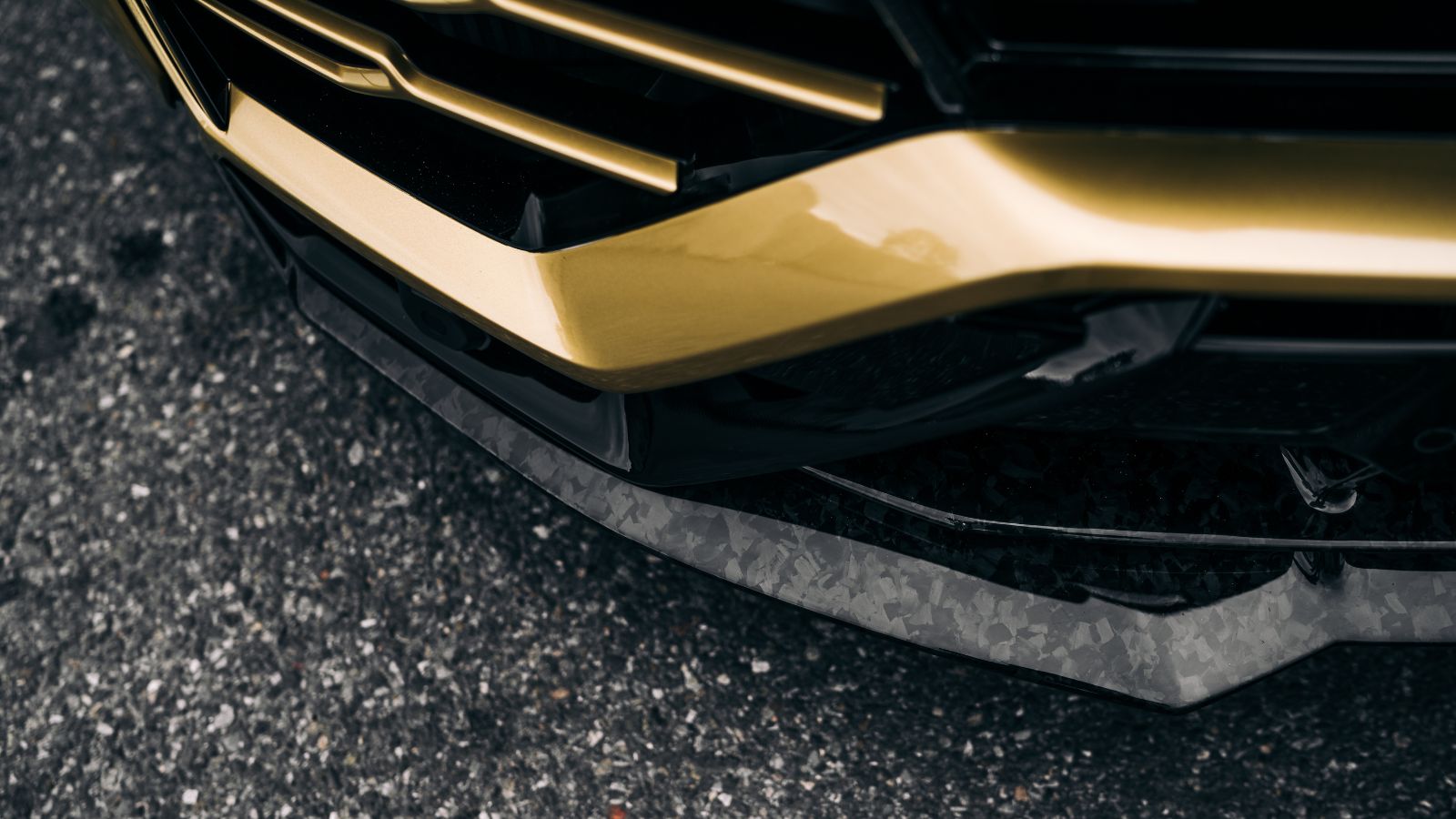
On many newer cars, the bumper cover is no longer just a painted plastic shell. It may sit in front of parking sensors, blind-spot hardware, radar units, wiring harnesses, brackets, and mounting points that need to stay precisely positioned. A scrape that looks cosmetic can turn into a repair that includes removing trim, checking hidden damage, repainting, and confirming whether driver-assistance features still work correctly.
This is why a gentle tap in a parking garage can create a much longer estimate than expected. A compact crossover with adaptive cruise control, automatic emergency braking, and parking assist may need more than bodywork after the front cover flexes. The visible mark might be small, but the repair question becomes larger: did the impact shift anything behind the cover enough to affect how the vehicle “sees” the road?
Small Sensor Misalignment Can Create Big Repair Steps

Driver-assistance systems depend on cameras, radar, and ultrasonic sensors reading the vehicle’s surroundings from very specific angles. Even when a sensor still powers on, its aim can be off after a collision. That matters because automatic emergency braking, lane-keeping assistance, adaptive cruise control, and blind-spot alerts all rely on accurate positioning to interpret traffic, lanes, pedestrians, and nearby objects.
The challenge is that this kind of damage may not look dramatic. A bumper bracket, grille mount, mirror housing, or windshield camera area can move slightly without making the car appear badly damaged. Repair shops may need diagnostic scans, measurements, and calibration procedures before the vehicle is returned to service. In practical terms, a minor crash can become a precision electronics job wrapped inside a traditional body repair.
Low-Speed Bumper Rules Do Not Cover Every Modern Risk
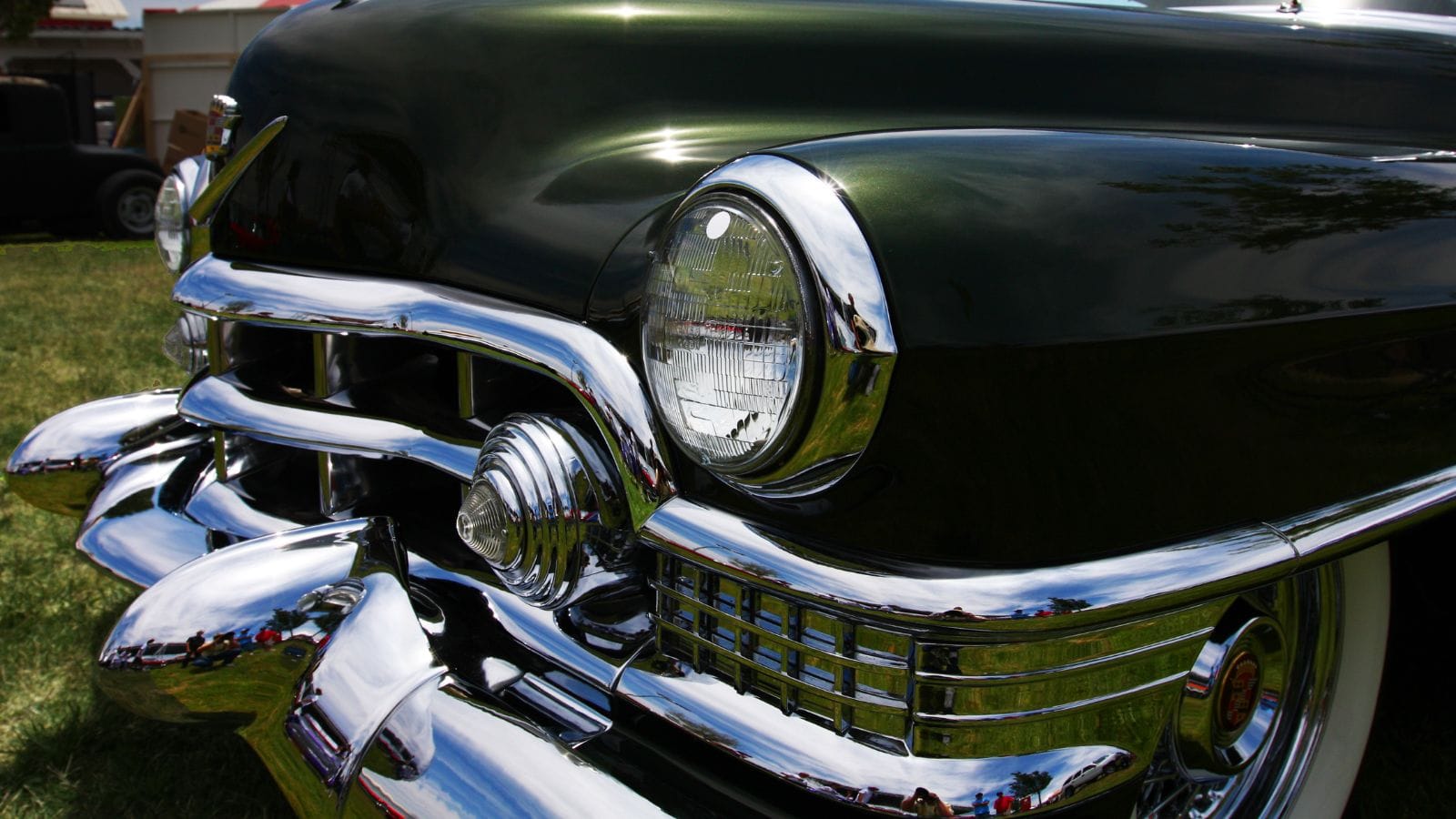
Bumper standards were created to reduce damage in low-speed front and rear impacts, but they do not guarantee that every modern vehicle will shrug off a real-world bump. Test conditions are controlled, impact speeds are limited, and regulations do not necessarily reflect today’s mix of SUVs, crossovers, sharp styling lines, low-mounted lights, grilles, and sensor packages.
A real collision rarely happens as neatly as a laboratory test. One vehicle may ride higher than the other, or the impact may hit a corner instead of the bumper’s strongest zone. A car can meet legal requirements and still suffer expensive damage if the impact reaches headlights, grille shutters, radar covers, trim clips, or mounting tabs. This gap between regulatory testing and messy everyday crashes is one reason repair bills can feel out of proportion.
Headlights Turned Into High-Value Assemblies
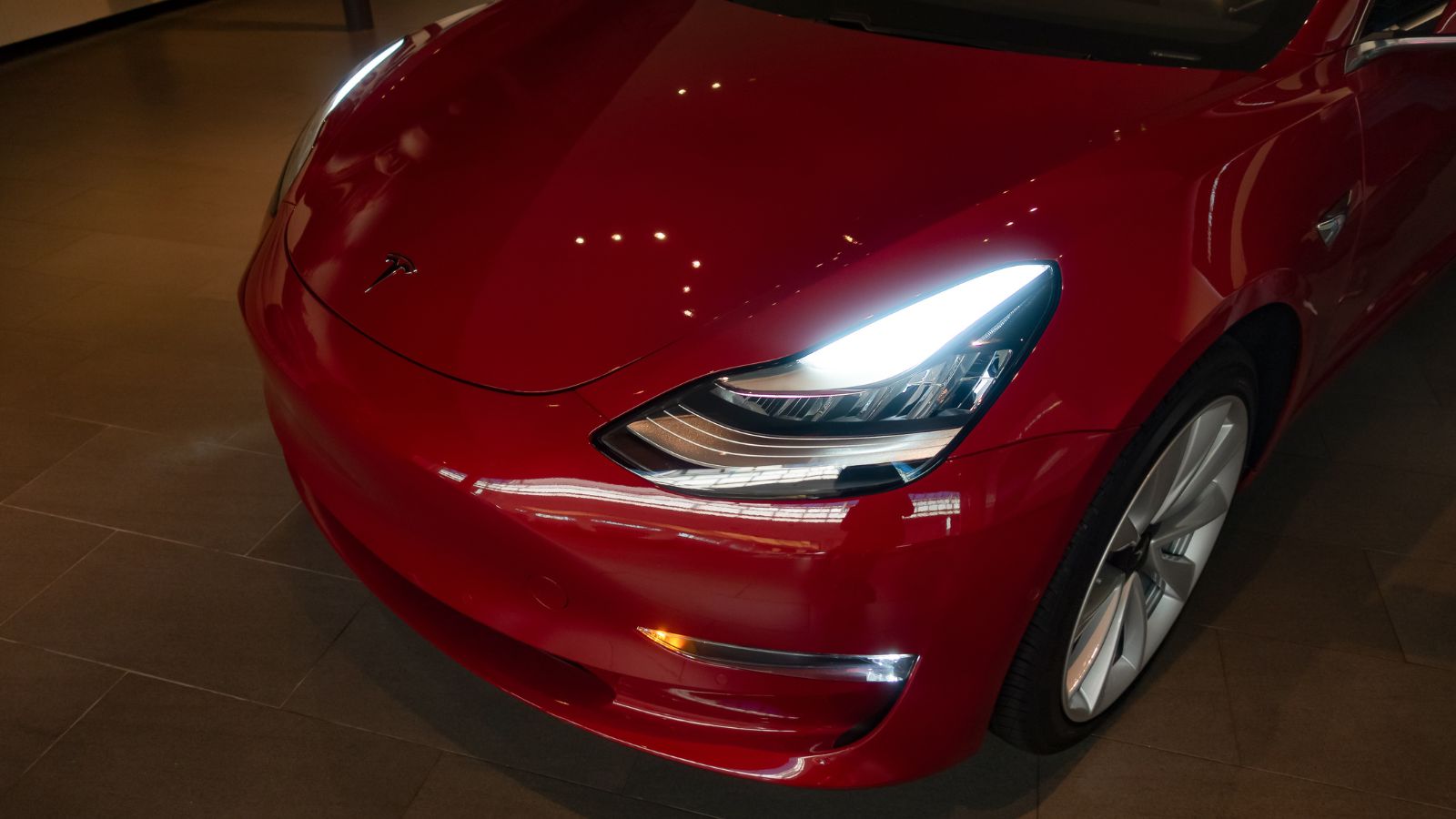
Modern headlights are often sealed, model-specific assemblies that include LEDs, lenses, reflectors, projectors, control modules, and sometimes adaptive lighting hardware. When the outer lens cracks or the housing tabs break, the repair may require replacing the entire unit rather than swapping a bulb or patching a small piece. That can make a minor front-corner impact unusually costly.
The frustration is easy to picture. A driver brushes a post while turning into a tight space, leaving only a small crack near the headlight. On an older vehicle, the repair might have meant a relatively simple lamp replacement. On a newer model, the part may be a sophisticated lighting assembly tied into vehicle electronics. The bumper, fender, grille, and headlight may also overlap physically, meaning one damaged corner can disturb several expensive parts at once.
Styling Can Put Fragile Parts Closer to Trouble
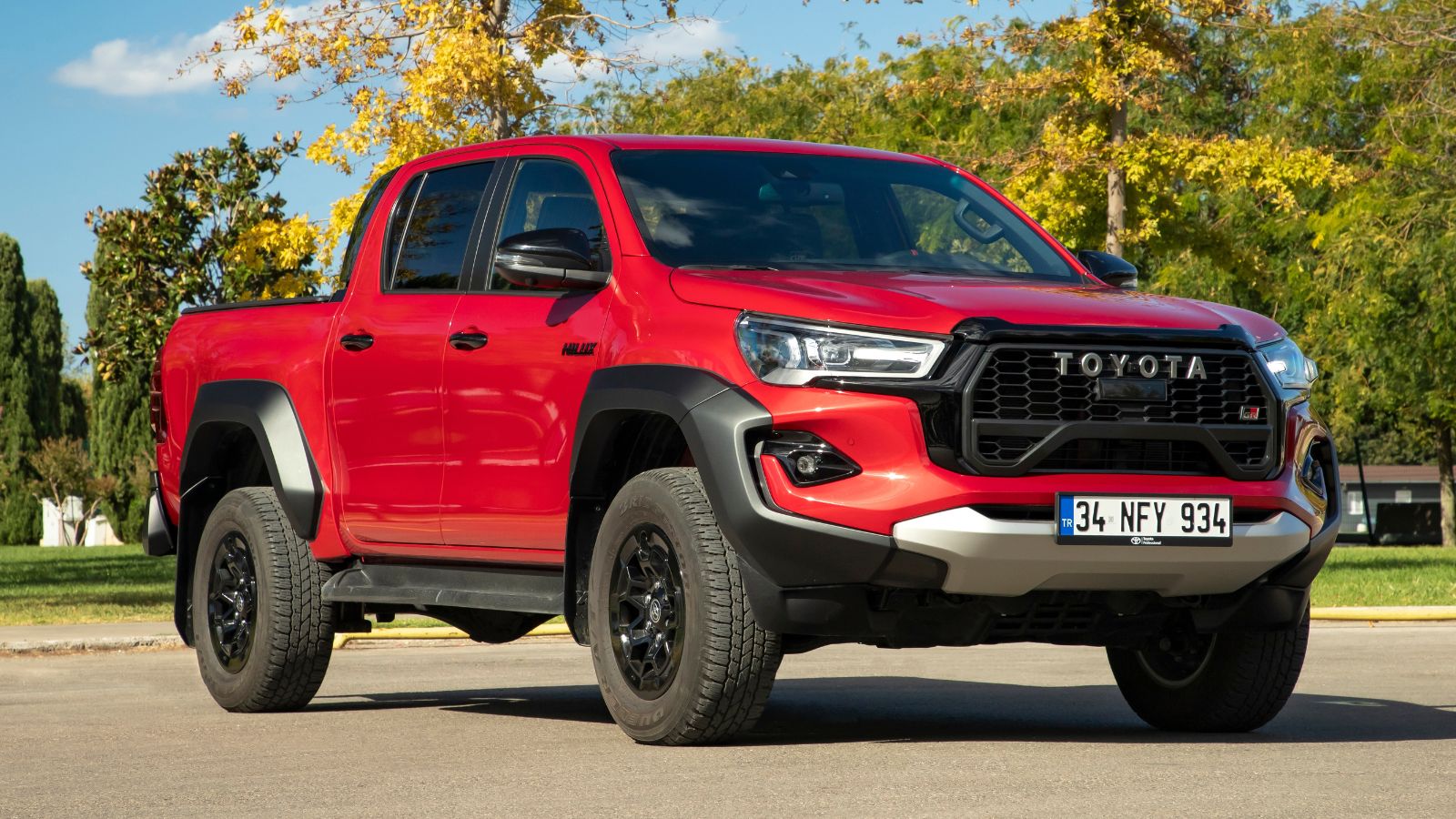
Many new vehicles use large grilles, thin headlights, flush trim, sculpted bumper corners, and decorative black panels to create a sharper look. These design choices can help aerodynamics and brand identity, but they may also place fragile pieces near the first point of contact in a low-speed collision. A stylish front end can hide a lot of complexity behind one continuous surface.
That matters during ordinary mishaps. A small impact from a shopping cart, bicycle rack, parking barrier, or another bumper may strike a painted corner, grille insert, sensor cover, or lamp edge before the strongest reinforcement structure absorbs the force. The repair may then involve replacing clips, tabs, trim panels, and brackets that were never meant to be hammered back into shape. Sleek design often leaves less tolerance for rough, inexpensive fixes.
Lightweight Materials Can Be Less Forgiving to Repair
Newer cars often use advanced high-strength steel, aluminum, composites, and mixed-material structures to reduce weight while maintaining crash protection. These materials can be excellent for safety and efficiency, but they may require more specific repair decisions after an impact. Some parts can be straightened; others may need replacement because heat, deformation, or improper welding could weaken the structure.
For owners, this can make a small-looking dent feel confusing. A crease near a structural area may not be treated like an old-fashioned sheet-metal dent. The repair facility may need to identify the material, check manufacturer procedures, and decide whether sectioning, bonding, welding, or replacement is allowed. A repair that looks simple from the outside can become more involved because the vehicle’s strength depends on preserving exactly how that material was engineered.
Pedestrian-Friendly Front Ends Are Designed to Give

Modern front-end design has to consider more than protecting the vehicle. Engineers also design bumpers, hoods, lights, and front structures to reduce injury risk when a vehicle strikes a pedestrian. That can involve energy-absorbing materials, softer contact zones, carefully shaped bumper areas, and structures that deform in a controlled way.
This creates a trade-off. A front end that flexes or crushes to manage impact energy may be doing its safety job, even if the damage looks dramatic after a relatively low-speed hit. In a collision with a pole, wall, or another vehicle, the same compliant features that help absorb force can crack, bend, or detach. Repairing them properly means restoring not just appearance, but the intended energy-management behavior of the vehicle.
Windshields and Mirrors Now Carry Safety Hardware

A windshield replacement used to be mostly about glass, adhesive, and trim. On many newer vehicles, a windshield may support a forward-facing camera used for lane assistance, traffic sign recognition, pedestrian detection, or automatic emergency braking. Side mirrors may also contain cameras, blind-spot indicators, heaters, power-fold motors, puddle lamps, and turn-signal repeaters.
That means a minor impact does not have to touch the engine bay to become expensive. A cracked windshield, clipped mirror, or damaged mirror housing can involve calibration and electronics, not just a replacement part. A driver who loses a side mirror in a narrow lane may be surprised that most of the estimate comes from the camera or blind-spot system inside it. The part looks ordinary until the hidden technology is priced separately.
EV Battery Protection Adds Another Repair Threshold
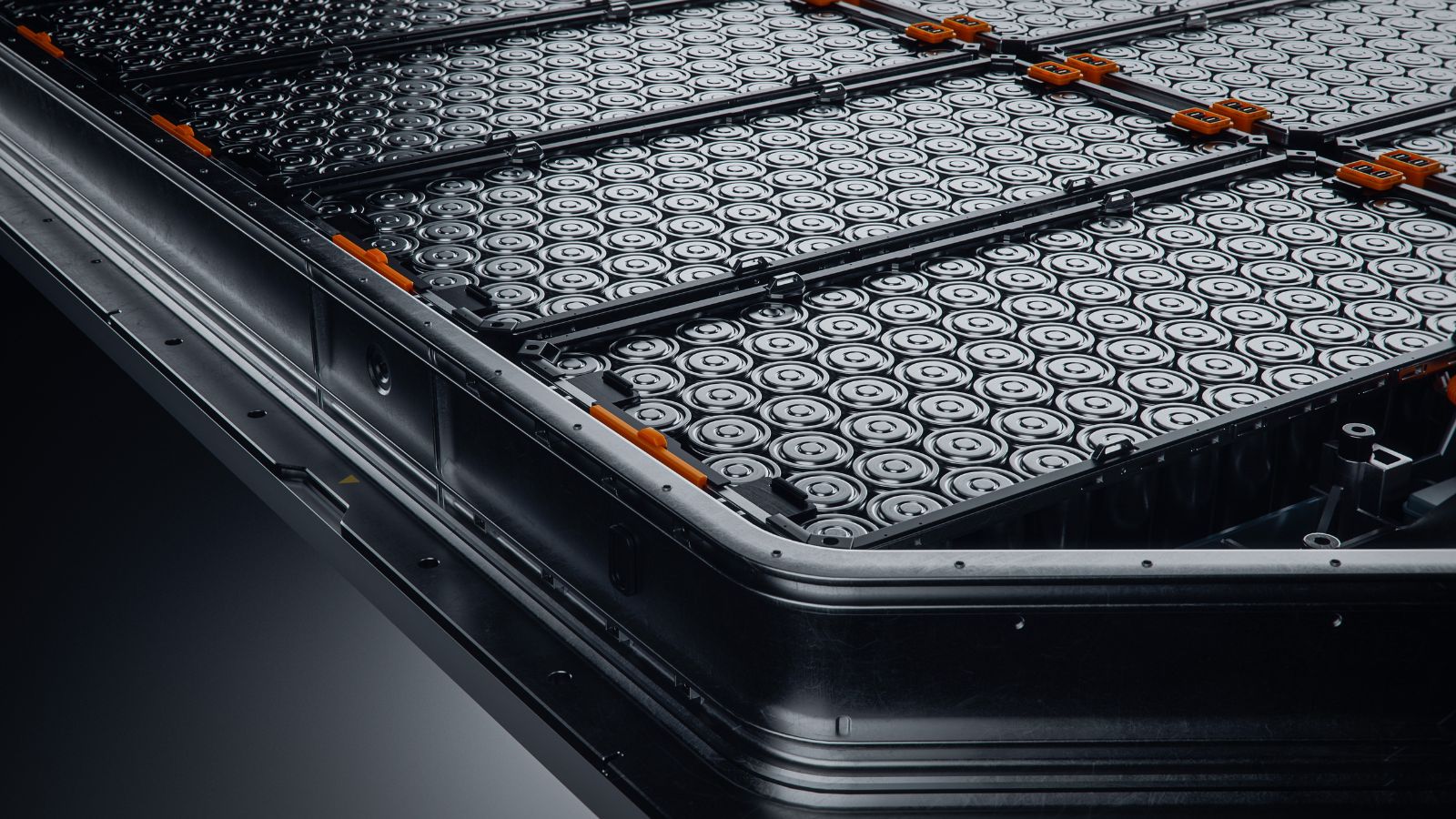
Electric vehicles bring a different kind of concern after even moderate underbody or side-impact damage. The high-voltage battery is valuable, heavy, and safety-critical, so repair decisions often depend on whether the pack casing, mounting points, cooling system, or protective shields were affected. A scrape or bracket impact may require inspection procedures that are far more involved than a conventional fuel-tank check.
The issue is not that every small EV impact ruins the battery. Rather, insurers and repairers may need clear evidence that the pack is safe, serviceable, and within manufacturer limits. When procedures are unclear or battery components are difficult to repair separately, a vehicle can move closer to a total-loss decision than its visible damage suggests. Better battery assessment and repair standards could reduce unnecessary write-offs over time.
Bigger Modules Can Mean Fewer Cheap Individual Repairs

Manufacturers increasingly use larger integrated modules, clips, covers, castings, light bars, grilles, and trim pieces to reduce assembly complexity and improve fit. This can make a vehicle look cleaner and feel more solid, but it may reduce the number of small parts that can be repaired or replaced independently after a collision.
A rear bumper with a light bar, parking sensors, painted cover, lower diffuser, and hidden brackets can turn one small crack into several linked operations. A front grille may also support active shutters, badges, radar covers, and decorative panels. In some designs, replacing one damaged piece requires removing surrounding parts that were layered together at the factory. The result is not necessarily poor design; it is a repairability trade-off that becomes obvious only after damage occurs.
Scans and Calibrations Add Time After the Bodywork
Collision repair on newer cars increasingly includes pre-repair scans, post-repair scans, calibrations, test drives, and software-related checks. These steps help confirm that safety and driver-assistance systems work as intended, but they also add time and cost. A shop may finish the visible body repair before the electronic side of the job is fully complete.
This is where a minor collision can feel unexpectedly slow. The bumper may be painted, the clips replaced, and the car may appear ready, but a calibration step may require special targets, level floors, correct tire pressures, specific lighting conditions, or a road test. If a calibration fails, the shop may have to recheck brackets, sensors, codes, or wheel alignment. The invisible part of the repair can become the part that delays delivery.
Higher Repair Costs Can Change Insurance Decisions
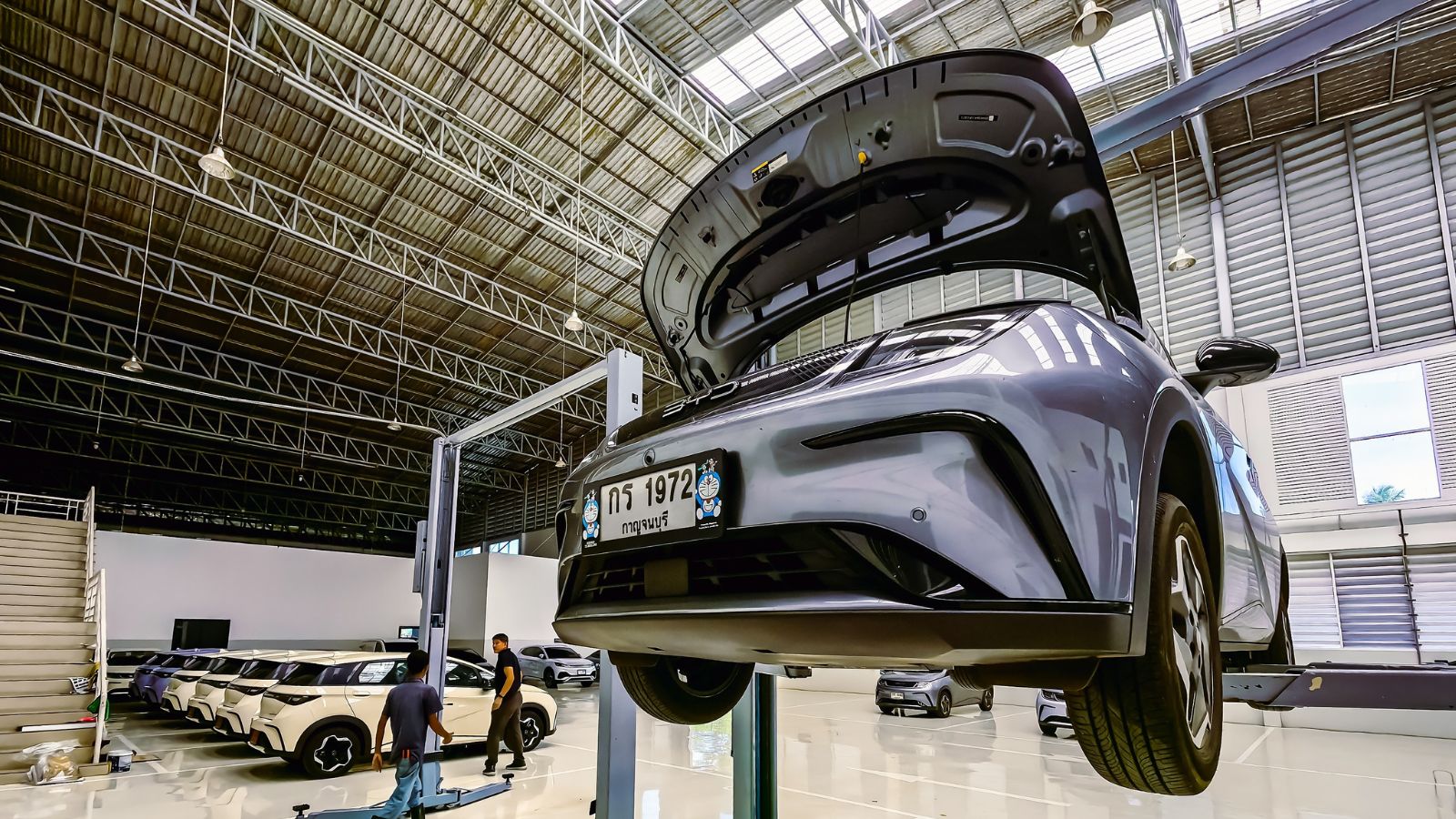
New cars are safer and more capable, but collision economics have shifted. When replacement parts, labor rates, diagnostics, paint work, sensors, and calibration all stack together, even a small claim can become expensive. This affects insurers, repair shops, and owners, especially when deductibles are high or parts are delayed.
The broader pattern is not simply inflation. Vehicle complexity itself is now a major factor. A low-speed bump that would once have produced a quick estimate may now require confirming whether cameras, radar, ultrasonic sensors, lamps, wiring, brackets, and software are all functioning correctly. Modern safety technology can prevent crashes or reduce their severity, but when a crash does happen, the remaining damage often involves more expensive systems than older vehicles carried.
Safety Gains and Repair Vulnerability Can Coexist
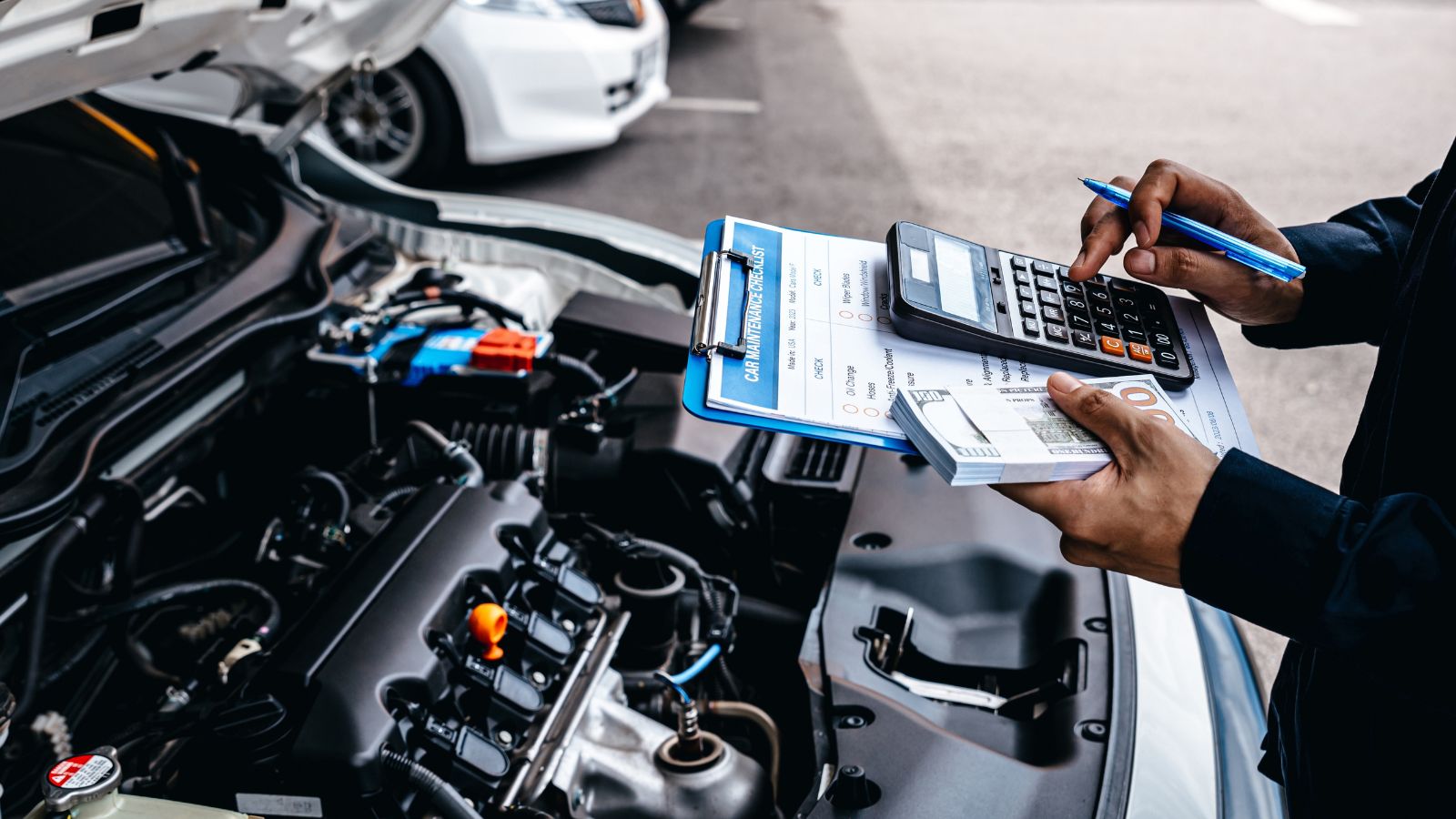
It is easy to see higher repair bills and assume newer cars are weaker. That is not the whole story. Many new vehicles protect occupants better, help avoid crashes, and use technology that can reduce rear-end collisions and pedestrian injuries. The vulnerability is often financial and procedural rather than purely structural: the car may be safer, but the damaged parts are more specialized.
This distinction matters. A bumper that cracks to absorb energy, a camera that requires calibration, or a headlight that costs more than expected may still be part of a safer overall design. The real problem is that buyers often discover these costs only after a small collision. As repair networks, diagnostics, parts design, and insurer procedures catch up, the best vehicles will be the ones that combine crash prevention with practical, affordable repairability.
22 Things Canadians Do to Their Cars in Spring That Mechanics Hate

Spring brings relief to many Canadian drivers after months of snow, freezing temperatures, and icy roads that put serious strain on vehicles. As temperatures rise across the country, drivers begin washing cars, switching tires, and preparing vehicles for warmer weather and upcoming road trips. However, mechanics across Canada notice the same mistakes every spring when drivers attempt to recover from winter damage. Road salt, potholes, and harsh winter driving conditions often leave vehicles with hidden problems that drivers ignore. Some spring habits even create new mechanical issues that could have been avoided with proper maintenance. Here are 22 things Canadians do to their cars in spring that mechanics hate.

Alanna Rosen is an experienced content writer that focuses on many EV and educational content. Her articles are regularly published on Get CyberTrucked and syndicated on large publications.