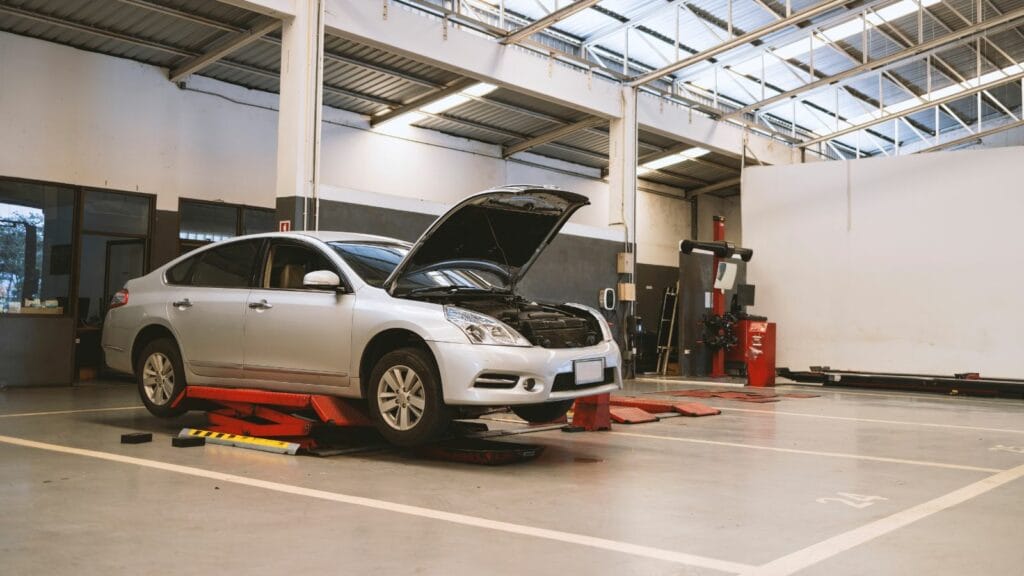
A fresh battery can feel like the obvious fix when a car hesitates, clicks, or cranks longer than normal. But starting a vehicle depends on far more than stored electricity. The starter, cables, grounds, relays, sensors, fuel system, ignition parts, engine timing, and even anti-theft electronics all have to cooperate in a narrow window of seconds. There are 19 common reasons a car may still struggle to start even with a new battery, and many of them leave clues before a complete no-start situation develops.
The Starter Motor Is Wearing Out
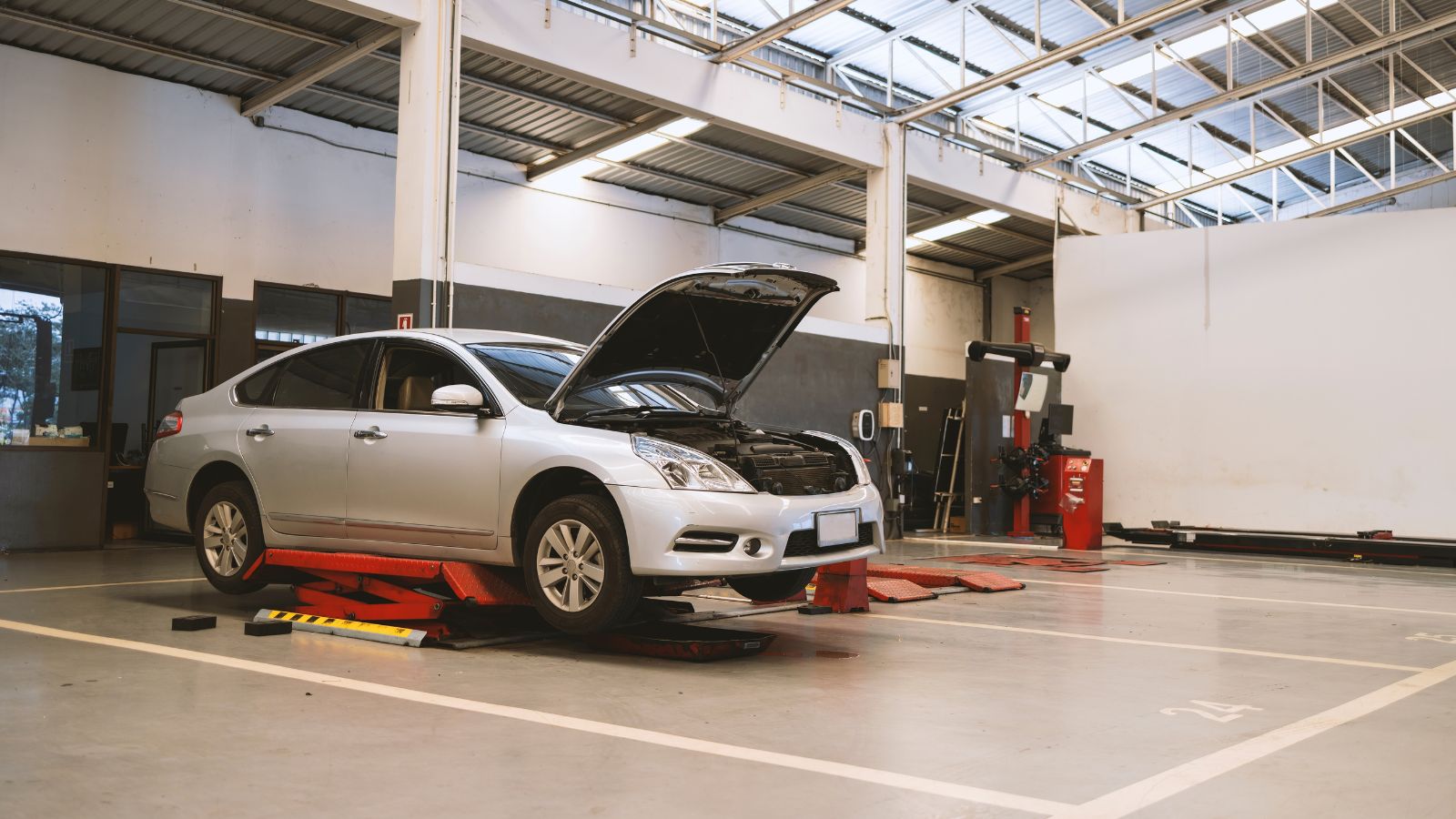
A new battery can supply power, but the starter motor still has to turn that power into motion. Inside the starter, brushes, bearings, windings, and the solenoid wear over time. When they do, the motor may draw excessive current or fail to spin the engine fast enough. The result can sound like a single heavy click, a slow crank, or a tired grinding noise from under the hood.
This problem often appears on high-mileage vehicles that start fine on some days and act stubborn on others. A driver may replace the battery because the symptoms look electrical, only to discover the starter is the real power hog. A voltage-drop test or starter current test can reveal whether the new battery is being dragged down by a worn motor.
Battery Terminals Are Loose or Corroded
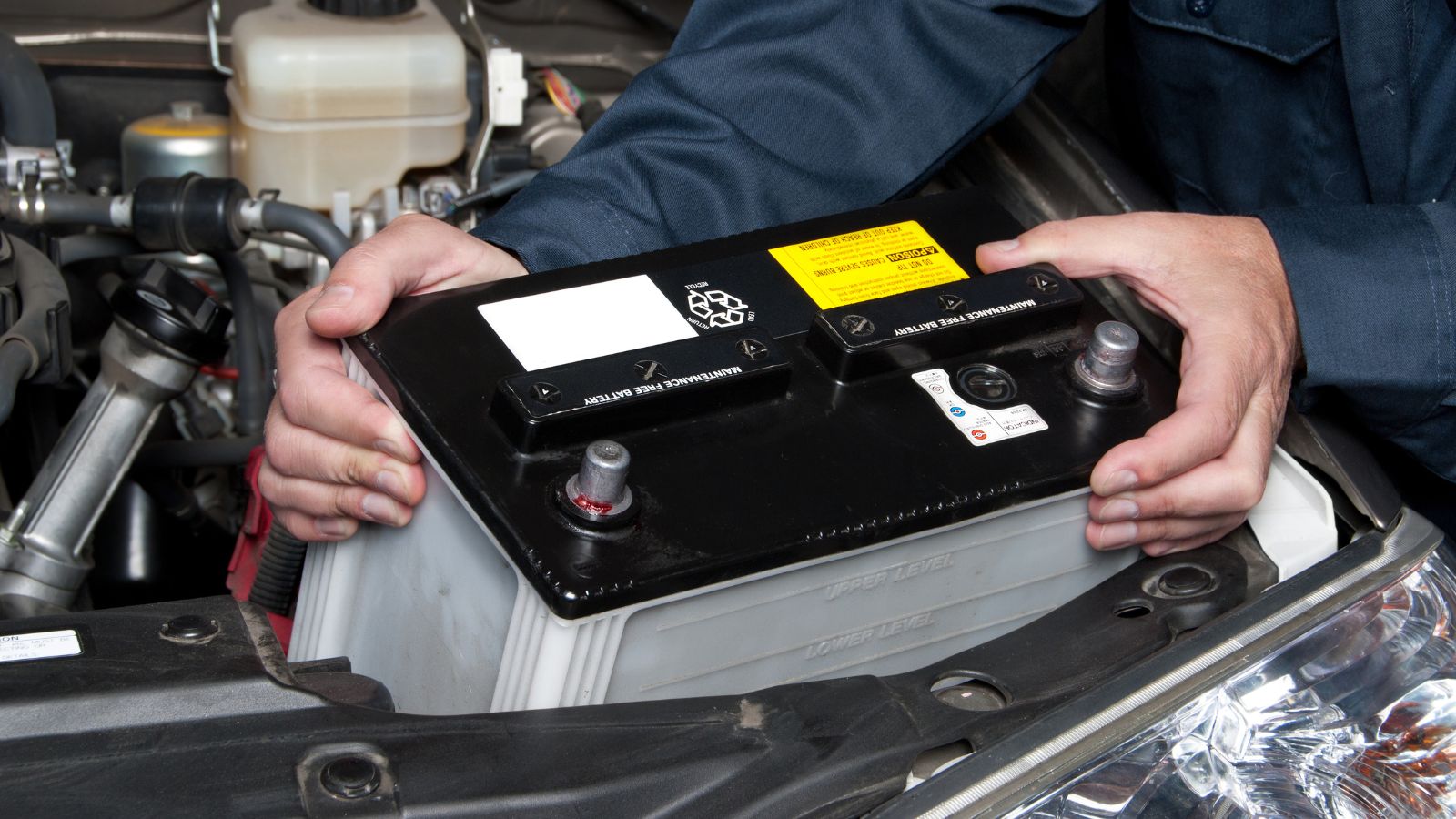
A battery can be brand-new and still fail to deliver full cranking power if the terminals are dirty, loose, or poorly seated. Corrosion creates resistance between the battery posts and cable clamps, reducing the current available to the starter. Even a thin white, blue, or green crust around the terminals can interfere with both starting and charging.
This is why some cars start after the cable is wiggled or after a tow-truck operator tightens the clamps. The battery was not the weak link; the connection was. New batteries can also expose old cable ends that no longer clamp tightly. A clean, bright metal-to-metal connection matters because the starter demands far more current than headlights, radio, or dashboard lights.
A Bad Ground Strap Is Interrupting the Circuit
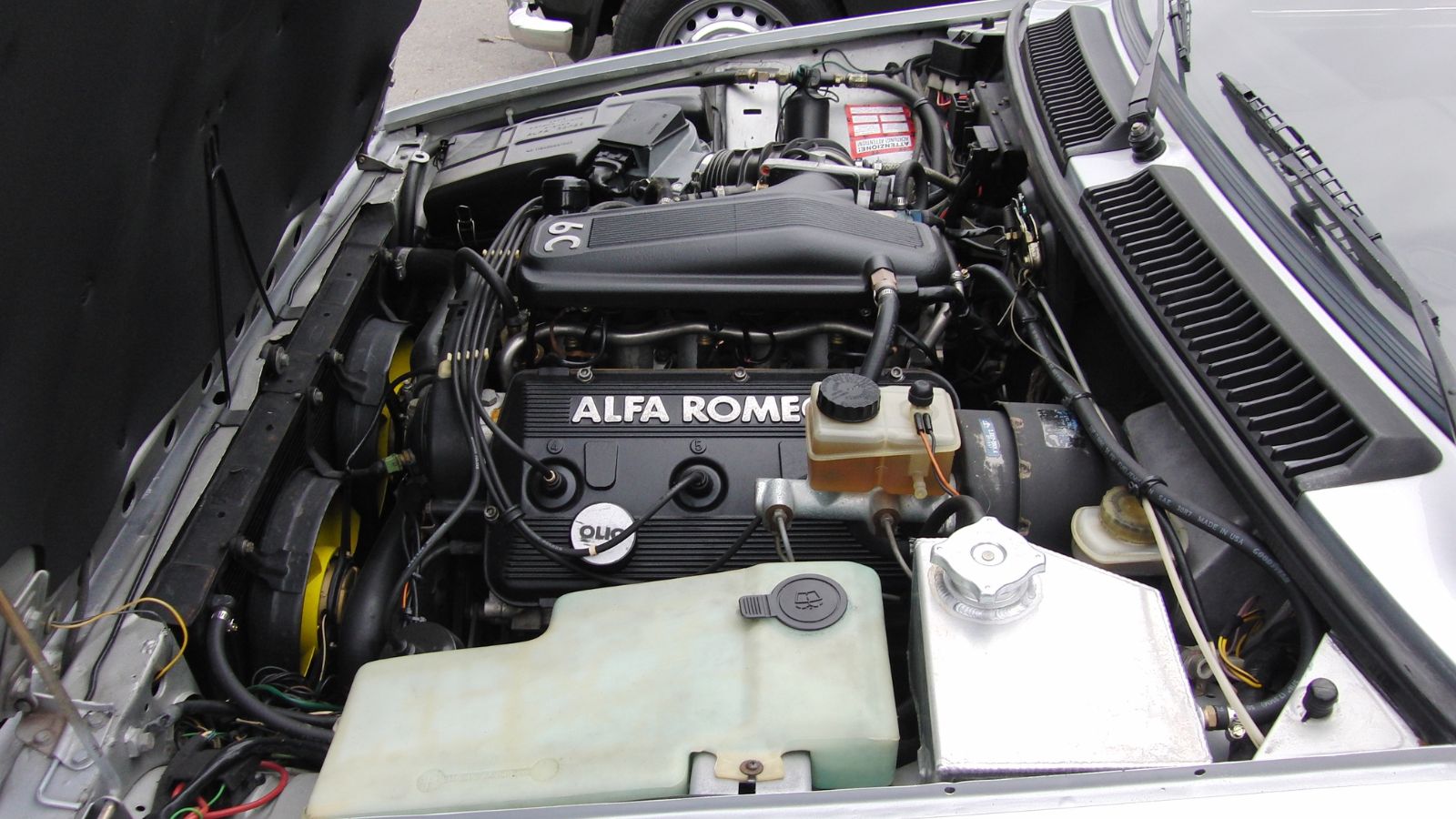
The starting system needs a complete electrical path. Power leaves the battery through the positive cable, runs through the starter, and returns through the engine block, chassis, and ground cable. If a ground strap is loose, frayed, rusted, or contaminated with paint or corrosion, the starter may receive unstable current even when the battery is strong.
Bad grounds often create strange symptoms because electricity searches for alternate paths. A vehicle may crank slowly, show flickering lights, trigger random warning lamps, or start better when the engine moves slightly. Mechanics often check voltage drop on both the positive and negative sides of the circuit because a weak ground can mimic a dying battery with surprising accuracy.
The Starter Relay or Fuse Has Failed
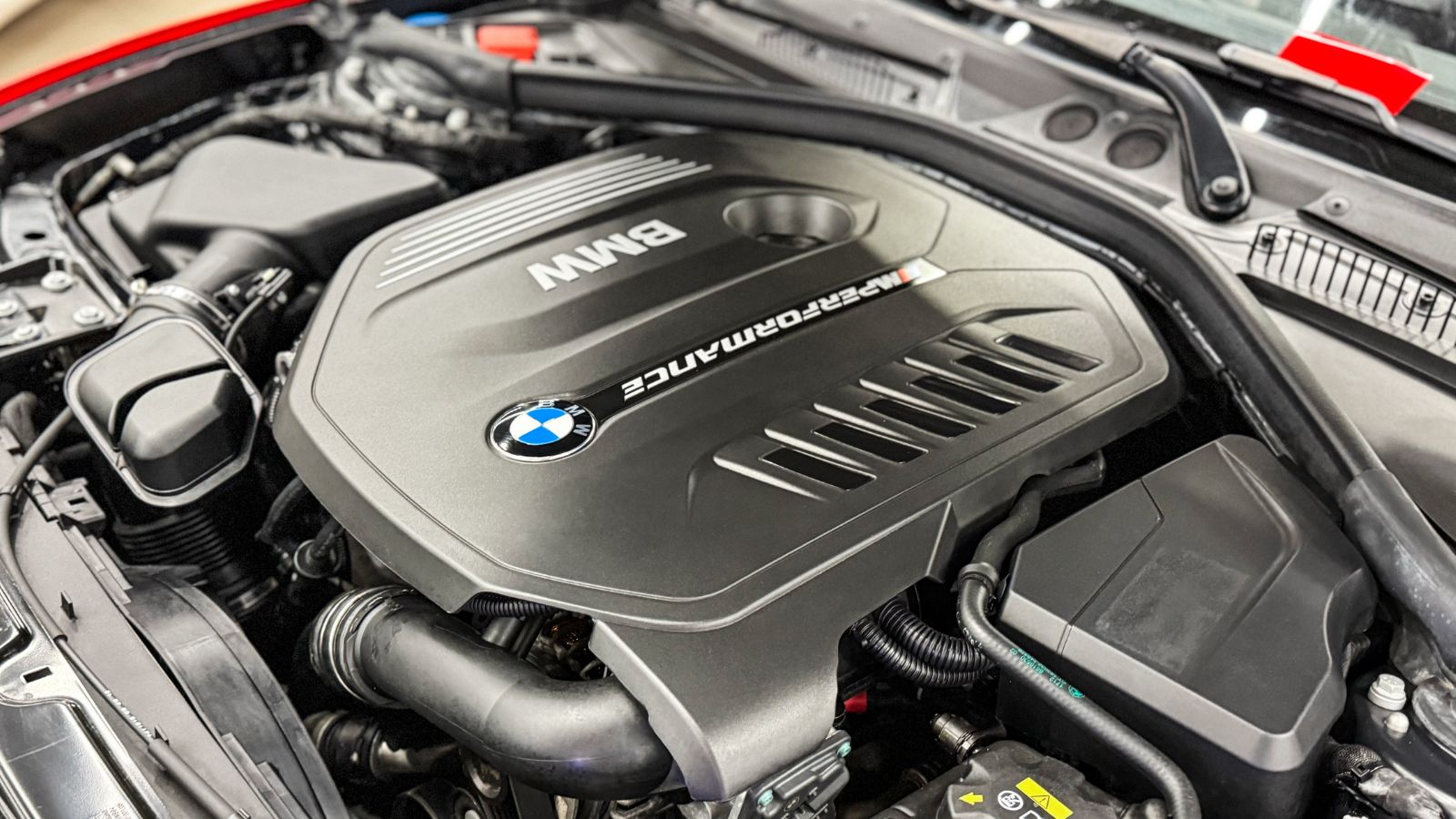
A starter relay acts like a heavy-duty switch, allowing a low-current signal from the ignition system to control the high-current starter circuit. If that relay sticks, burns internally, or stops responding, the battery may be fully charged but the starter will not receive the command to work. A blown starter fuse or fusible link can create a similar silence.
This can be frustrating because the car may look alive. The dashboard lights come on, the radio works, and the battery test may look normal, yet turning the key produces nothing. Some relays fail intermittently with heat or vibration, so a vehicle may start at home but refuse after a grocery stop. Swapping in a matching known-good relay is a common diagnostic shortcut.
The Ignition Switch or Push-Button Circuit Is Faulty
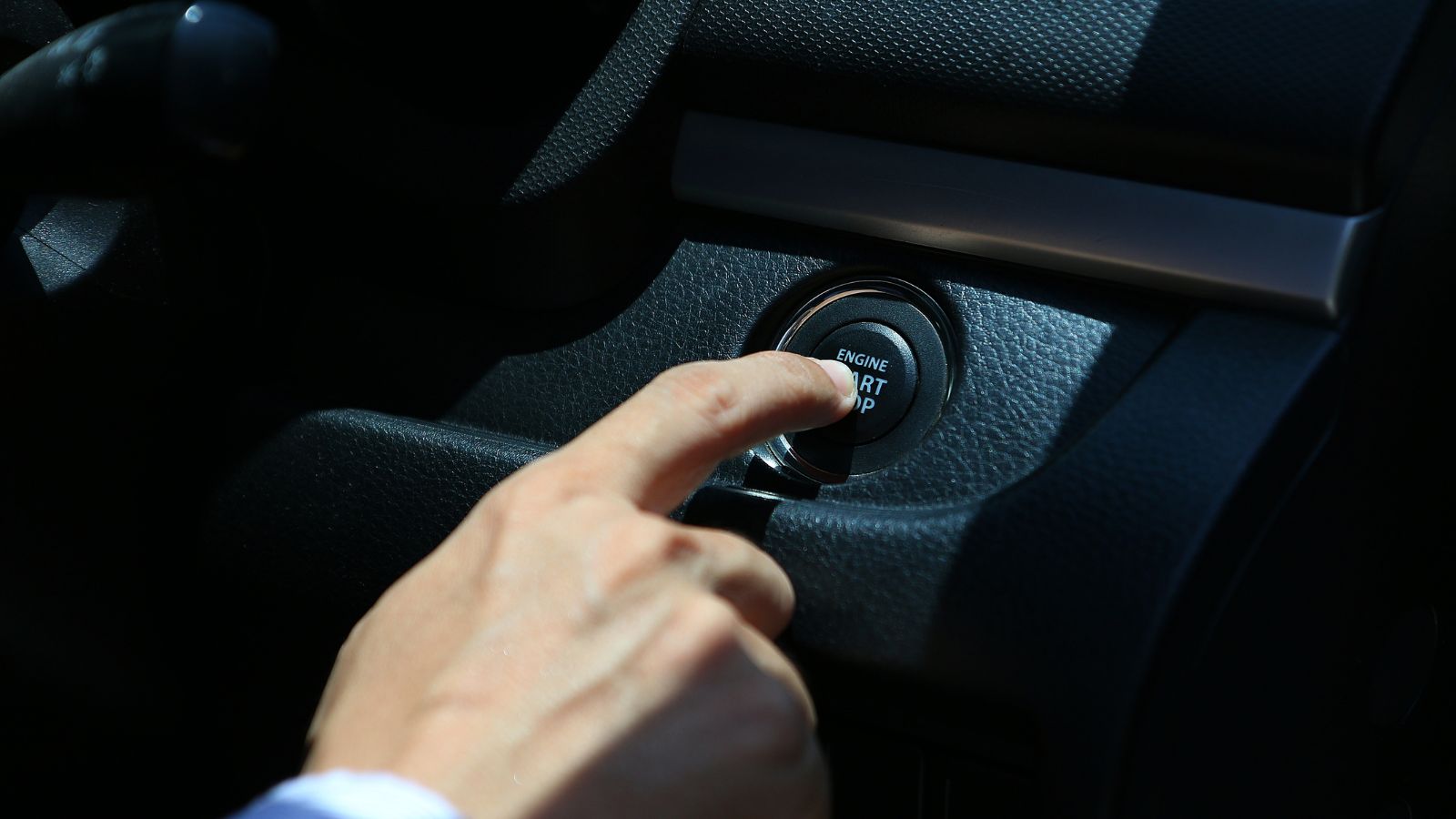
The ignition switch is not just a key slot anymore. In many modern cars, the start request passes through buttons, modules, brake-pedal inputs, body control electronics, and security checks before the starter is allowed to engage. If any part of that circuit fails, the new battery may never get the chance to do its job.
Older ignition switches can wear mechanically, especially after years of heavy keychains tugging on the cylinder. Push-button vehicles can have their own issues, such as weak fob detection, worn start buttons, or control-module faults. A common example is a car that lights up in accessory mode but does not crank. That usually points away from the battery and toward the command side of the starting system.
The Park, Neutral, or Clutch Switch Is Not Confirming a Safe Start
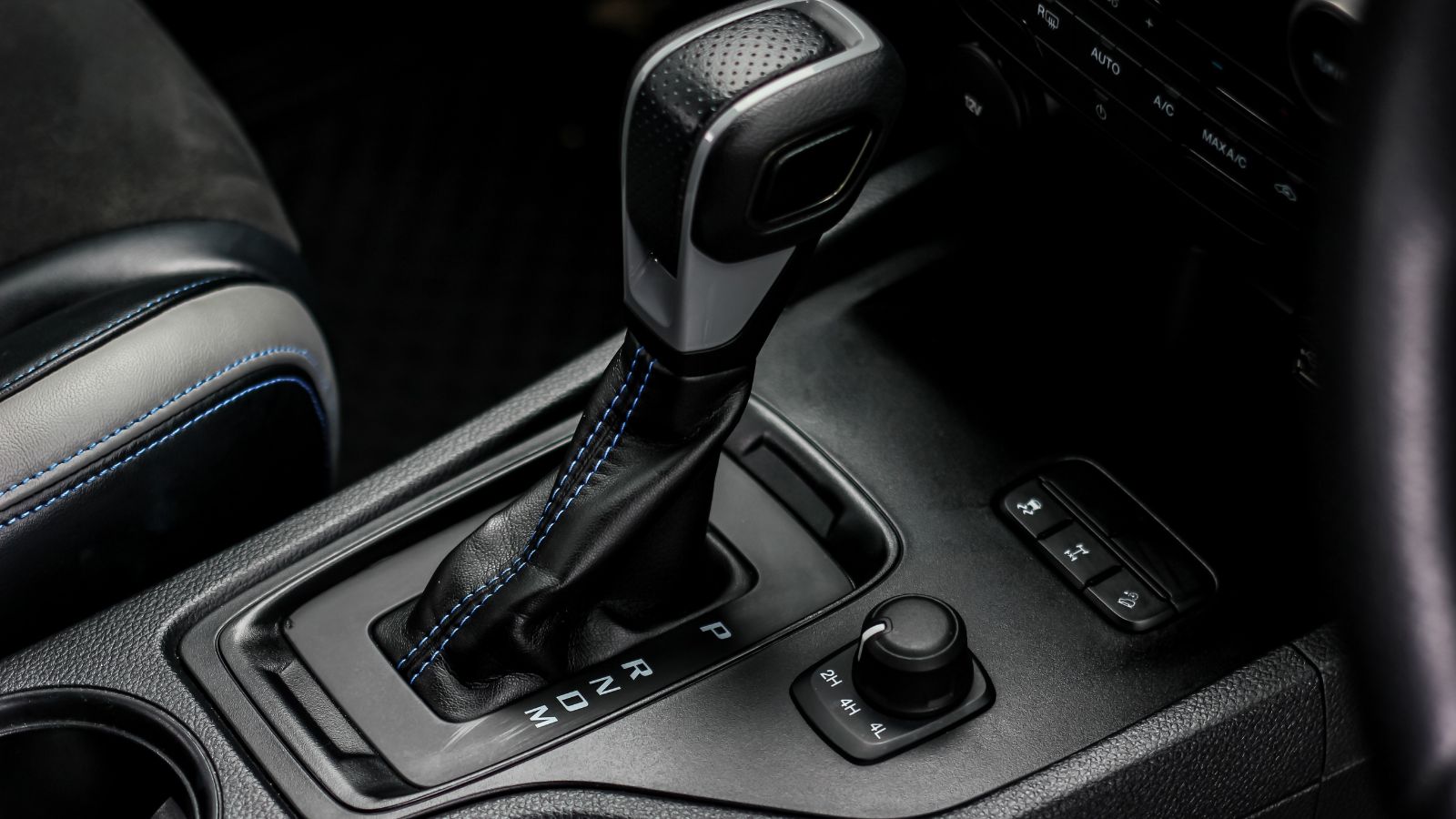
Automatic-transmission vehicles usually need to be in Park or Neutral before the starter circuit is activated. Manual-transmission vehicles often require the clutch pedal to be fully depressed. These safety switches prevent unintended movement, but when they wear or fall out of adjustment, they can make a healthy car act completely dead.
A clue is inconsistency. The vehicle may start only after shifting from Park to Neutral, jiggling the gear selector, or pressing the clutch harder than usual. In that situation, the battery may be blamed because nothing obvious happens when the key turns. In reality, the vehicle’s safety logic is refusing to send power to the starter until it receives the correct position signal.
The Alternator Is Not Recharging the Battery
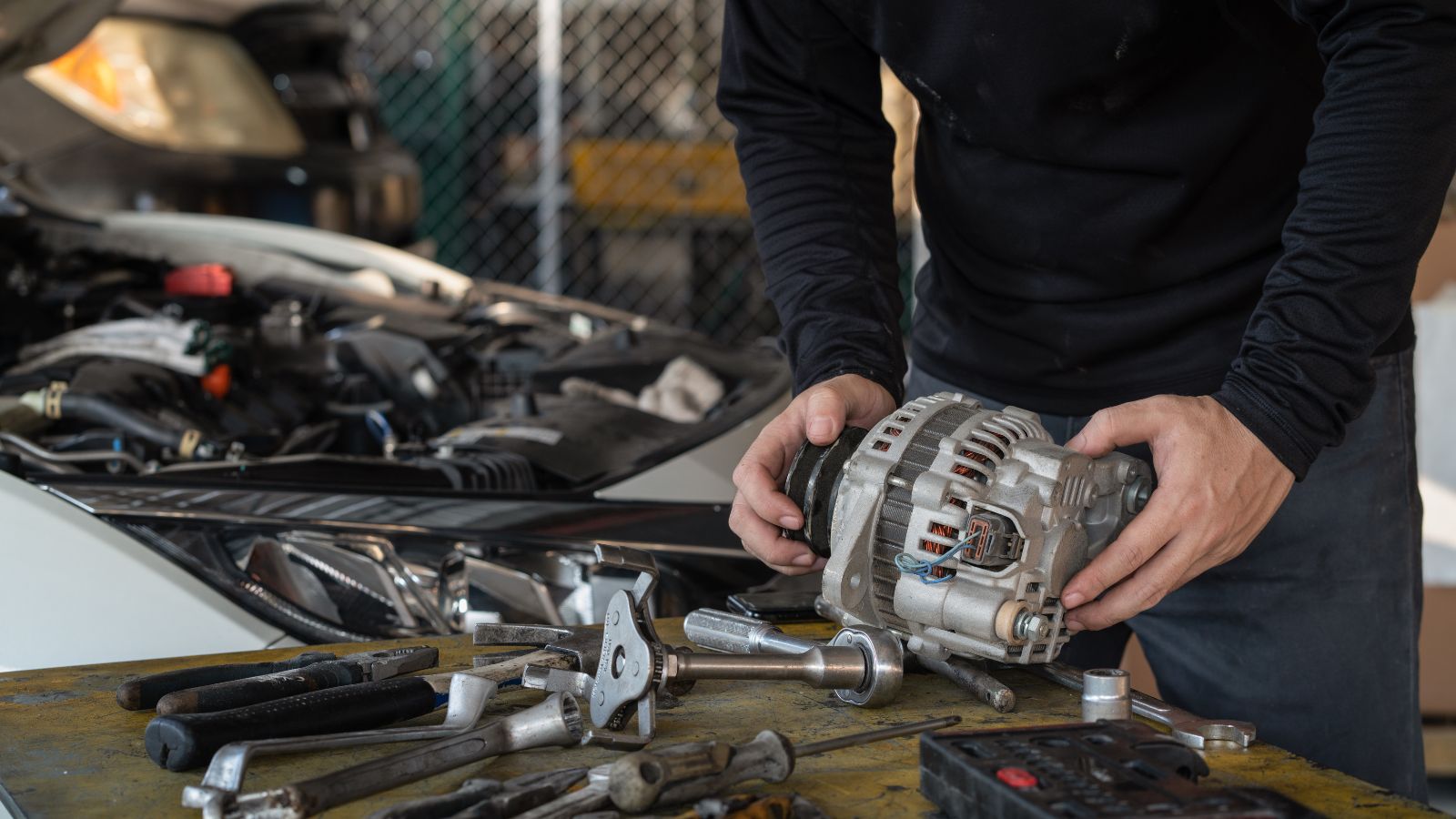
A new battery may start the vehicle once or twice, but it depends on the alternator to recharge while the engine runs. If the alternator, belt, voltage regulator, wiring, or fusible link is failing, the battery slowly loses charge. The owner may think the replacement battery is defective when the real issue is that it is being drained after every drive.
Charging-system trouble often leaves hints. Headlights may dim at idle, the battery warning light may appear, or accessories may behave strangely. Short trips make the problem worse because the alternator has less time to recover the power used during startup. A simple charging-voltage test can separate a bad battery from a battery that is not being properly replenished.
A Parasitic Drain Is Pulling Power While Parked
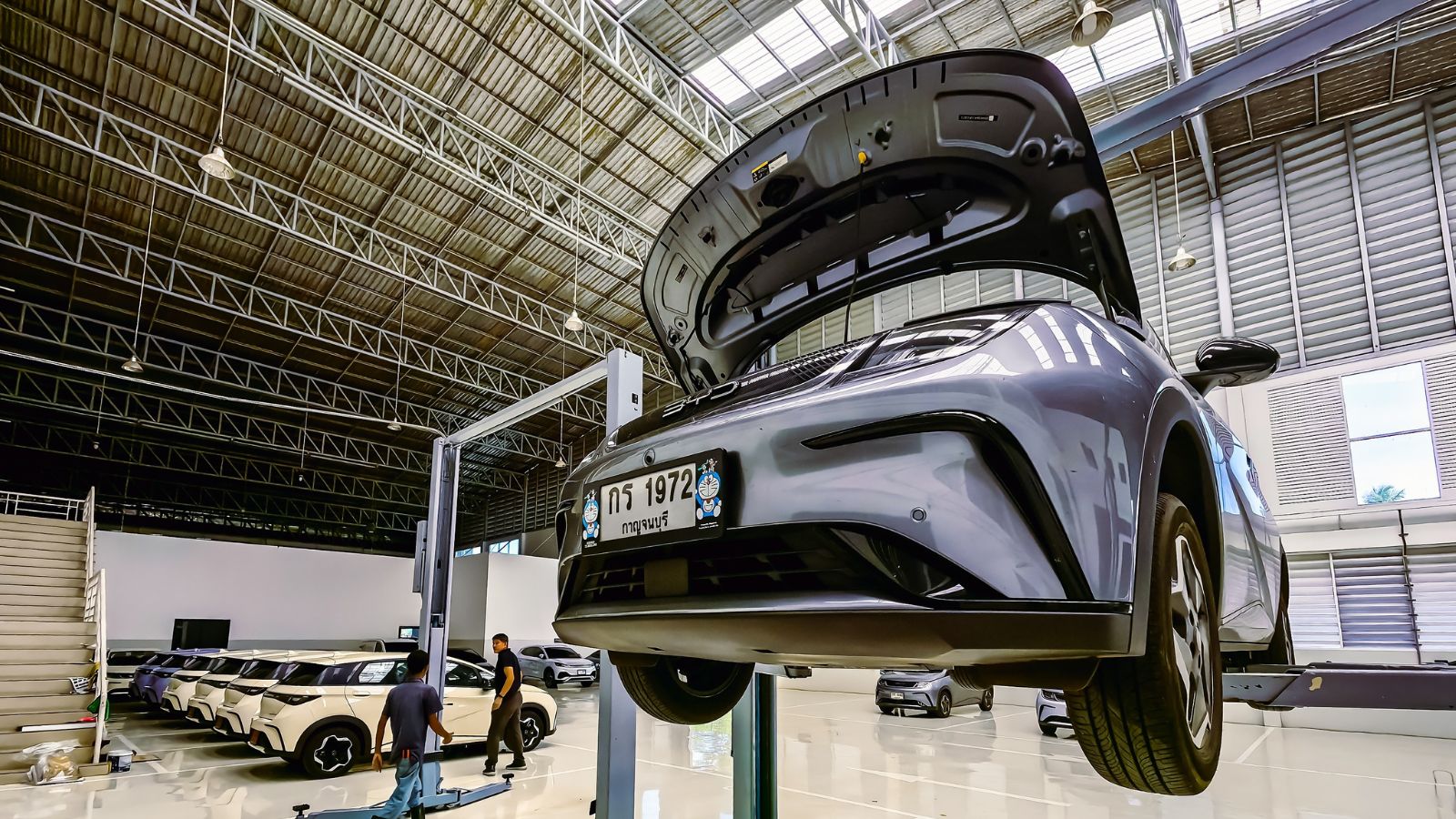
Some electrical draw is normal when a vehicle is parked because computers, clocks, alarms, and keyless-entry systems need standby power. A parasitic drain becomes a problem when something keeps drawing more current than it should after shutdown. A glove-box light, stuck relay, aftermarket dash camera, faulty module, or trunk lamp can weaken even a new battery overnight.
This issue often shows up as a pattern: the car starts after a long drive but struggles after sitting for a day or two. Replacing the battery may briefly hide the problem because a fresh unit has more reserve capacity. Eventually, the same hard-start symptom returns. A technician usually traces parasitic drain by measuring current draw and pulling fuses until the offending circuit is found.
The New Battery Is the Wrong Type or Rating
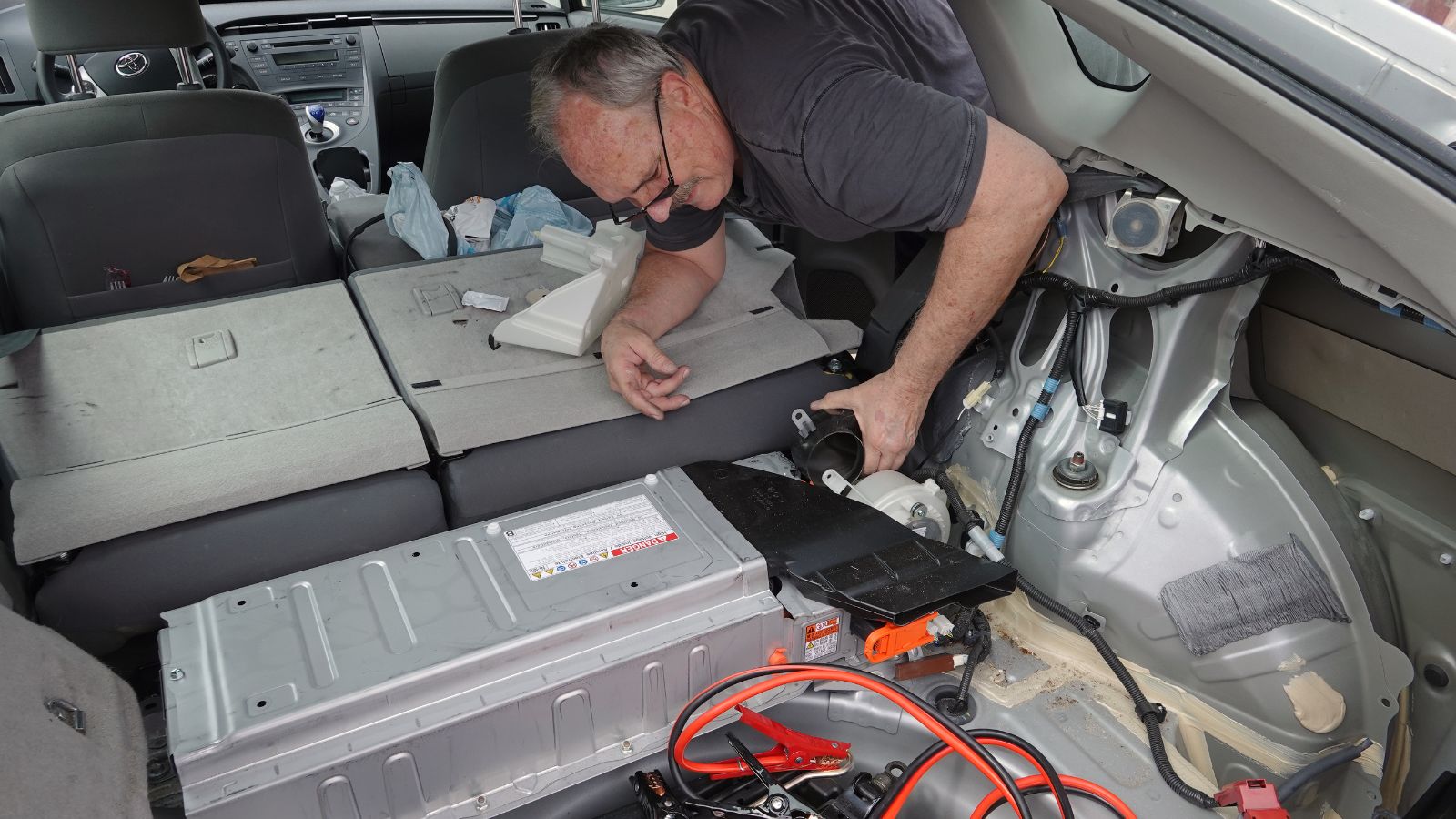
“New” does not automatically mean “correct.” Vehicles are designed around specific battery sizes, terminal layouts, reserve capacities, and cold-cranking amp ratings. If the replacement battery is undersized or not suited to the vehicle’s electrical demands, it may pass a quick store test yet struggle when asked to crank a large engine in cold weather.
Some modern vehicles also use battery management systems that monitor charging behavior. In certain models, a replacement battery must match the required technology, such as AGM or flooded lead-acid, and may need registration or reset procedures. Without that, the charging system may treat the new unit incorrectly. The result can be repeated weak starts even though the battery itself is not old.
Cold Weather and Thick Oil Are Increasing Engine Drag
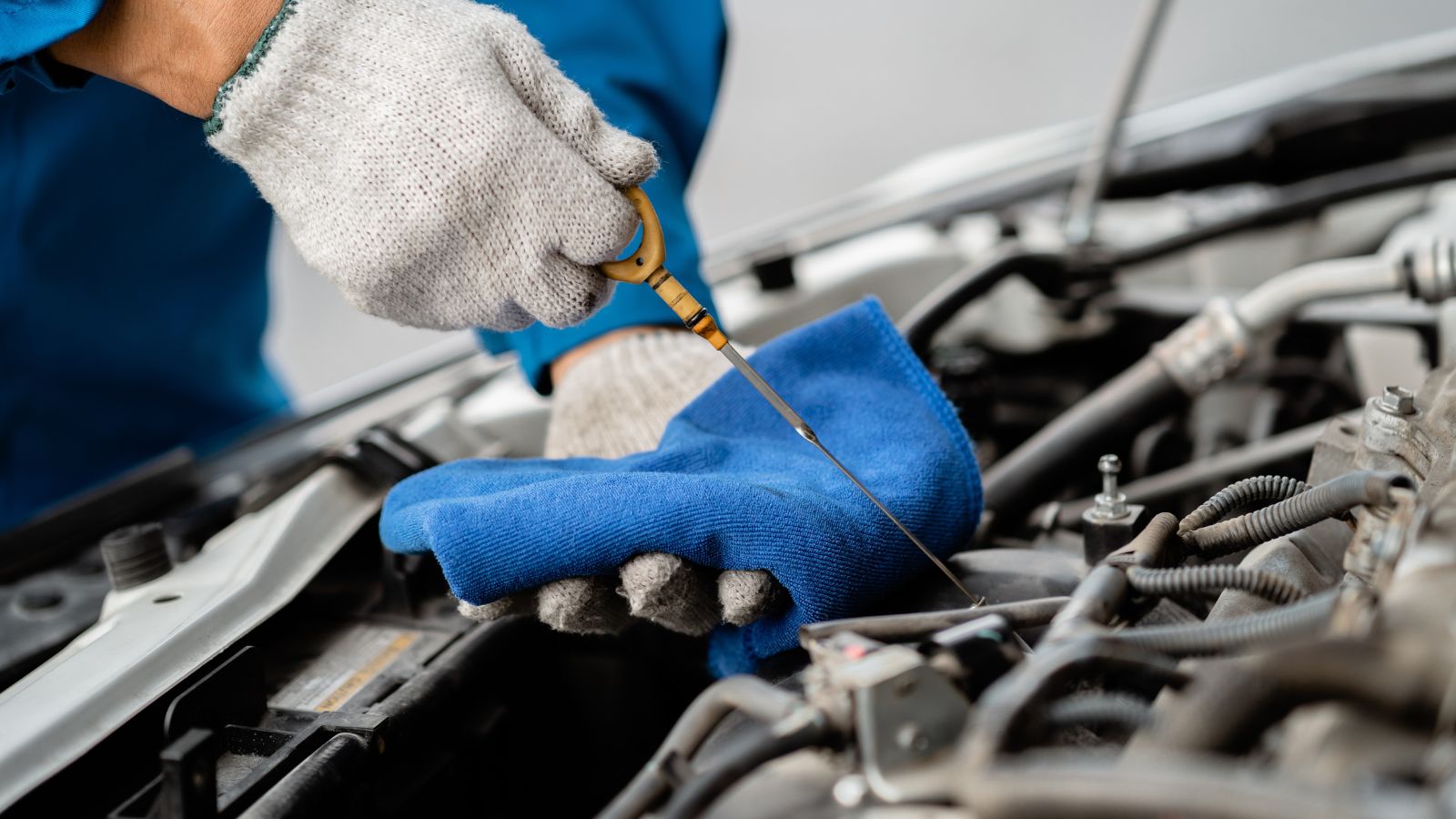
Cold weather makes starting harder in two ways. Batteries produce less effective output in low temperatures, and engine oil becomes thicker, increasing the effort needed to turn the crankshaft. Even with a fresh battery, the starter must overcome extra internal resistance from cold oil, tight clearances, and slower fuel vaporization.
This is why a car may sound normal in the afternoon but sluggish during a freezing morning start. The battery may not be defective; the engine simply takes more torque to rotate. Using the oil viscosity recommended by the manufacturer, keeping up with oil changes, and using a block heater in severe climates can reduce the strain. Cold-start problems are especially noticeable on older engines and vehicles used mainly for short trips.
The Fuel Pump Is Losing Pressure

If the engine cranks normally but takes several seconds to fire, the problem may be fuel delivery rather than electricity. A weak fuel pump can fail to build enough pressure quickly, especially after the vehicle has been parked for hours. In some cases, fuel bleeds back toward the tank, forcing the pump to re-prime the system each time.
Drivers often describe this as a “long crank” rather than a dead start. The engine turns over strongly, but it does not catch until the second or third attempt. A whining sound from the fuel tank, stalling after warm-up, or poor power under load can point in the same direction. Fuel-pressure testing is the reliable way to confirm whether the pump is keeping up.
A Clogged Fuel Filter Is Restricting Flow
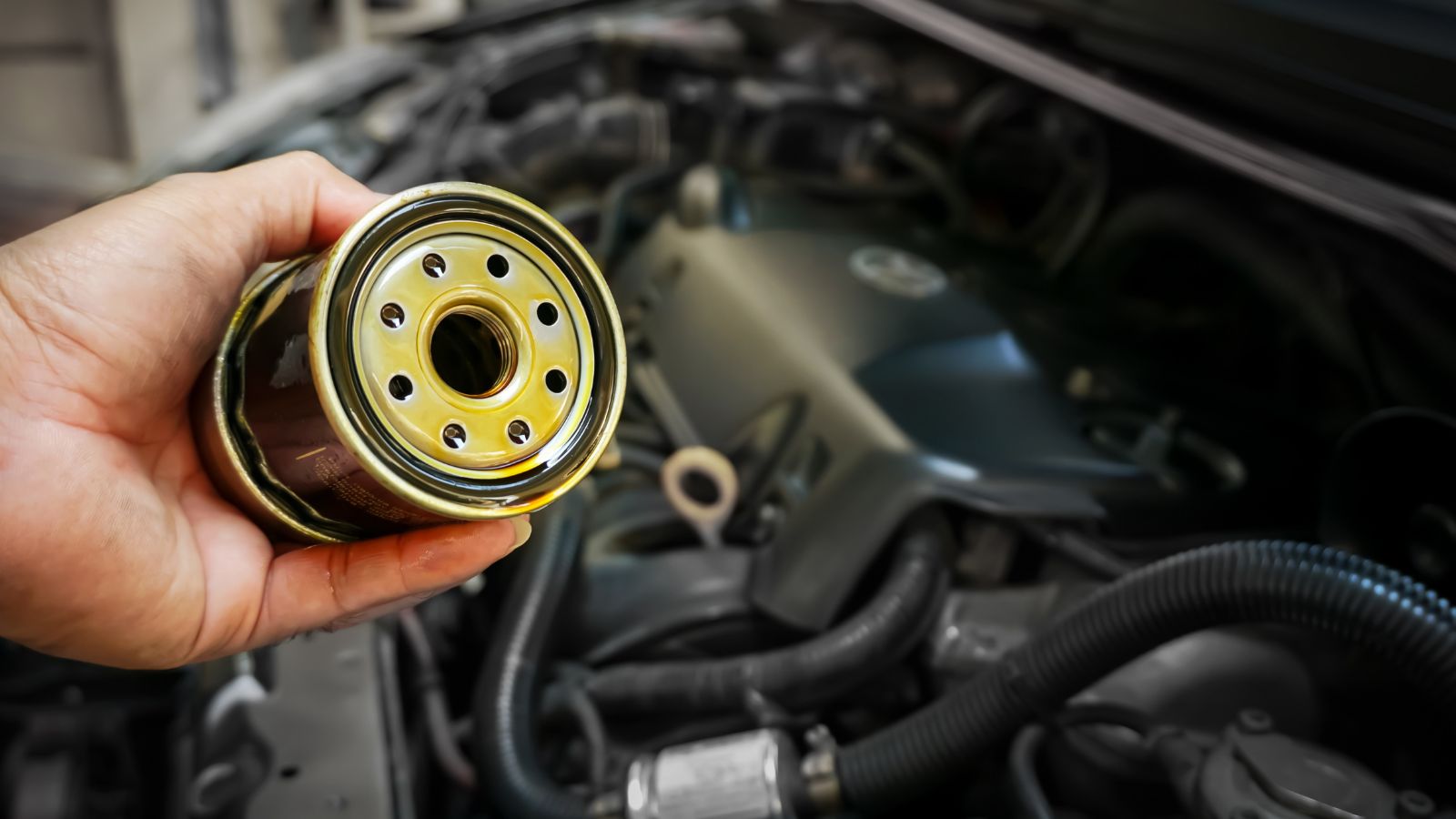
Fuel filters trap dirt, rust, and debris before they reach the engine. Over time, the filter can become restricted, especially in older vehicles, high-mileage cars, or vehicles that have sat with stale fuel. A clogged filter may allow enough fuel for idle but not enough for a quick cold start or strong acceleration.
The symptom can feel confusing because the starter sounds healthy. The engine may crank, sputter, briefly start, and die. Under load, the same restriction can cause hesitation or power loss. Some modern vehicles place the filter inside the fuel-pump module, making it less obvious than older external filters. Either way, restricted fuel flow can make a new battery look guilty when the engine is simply starved.
Dirty or Failing Fuel Injectors Are Disrupting Combustion
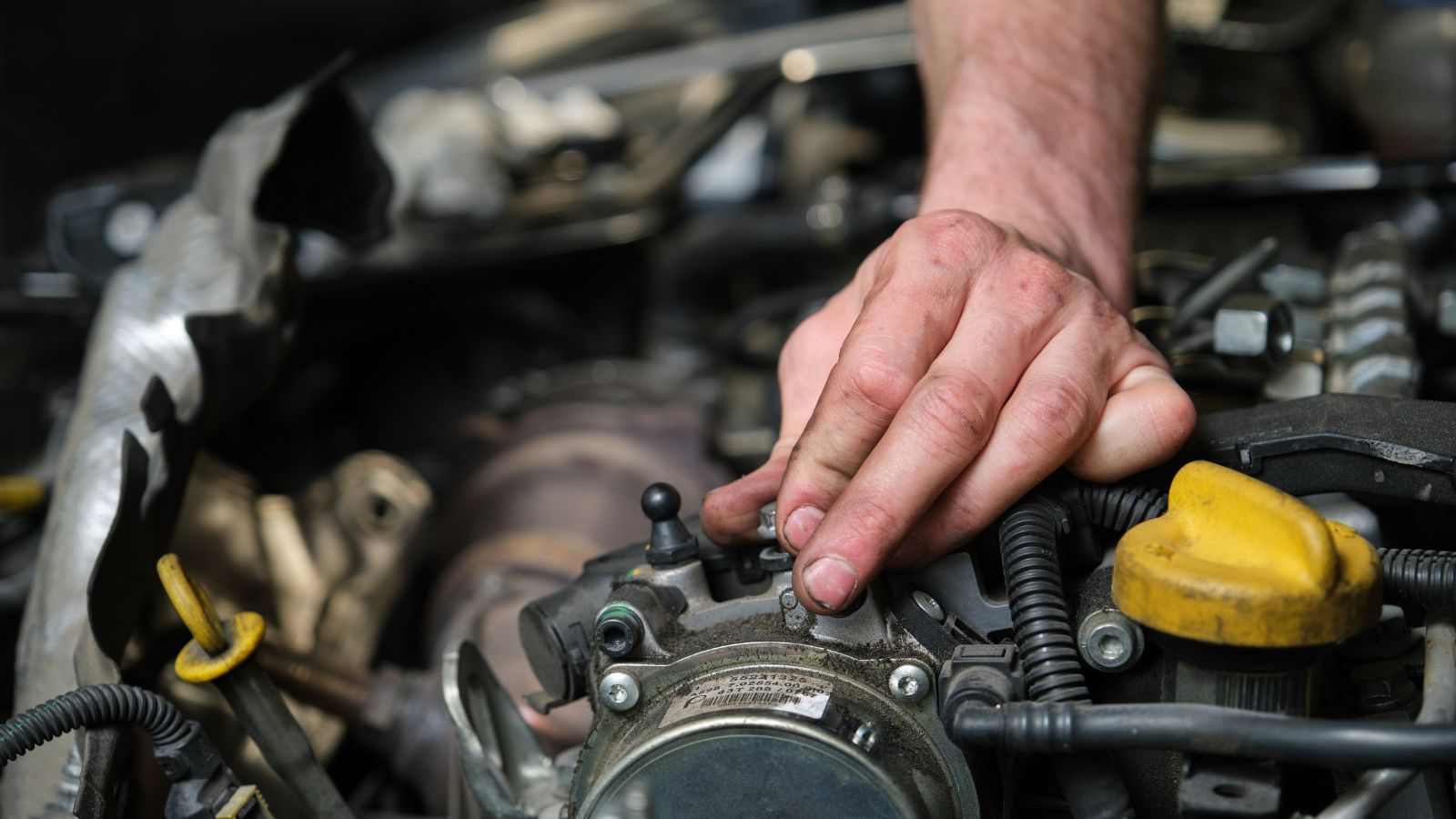
Fuel injectors must spray a precise mist at the right time. If deposits clog the nozzle, the spray pattern can become uneven, causing one or more cylinders to receive too little fuel. If an injector leaks, it can flood a cylinder after shutdown. Either condition can create rough starts, misfires, fuel smell, or stumbling after the engine fires.
This is especially common in vehicles used for short trips, stop-and-go traffic, or inconsistent fuel quality. The car may crank well but take extra time to stabilize because the air-fuel mixture is wrong. A technician may look for misfire codes, fuel-trim data, or injector balance results. Cleaning can help in some cases, but a leaking or electrically faulty injector may need replacement.
Spark Plugs or Ignition Coils Are Weak
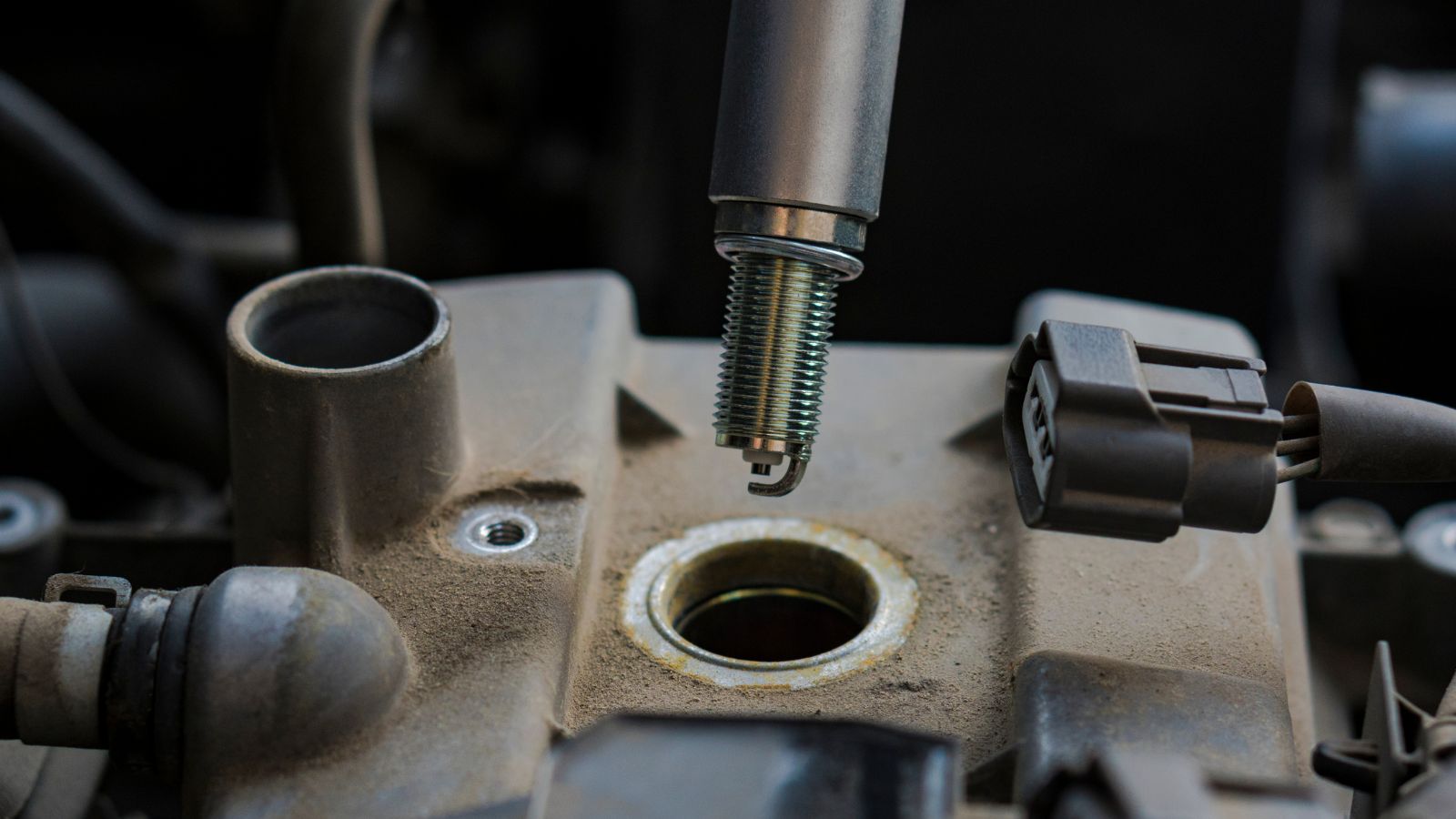
Gasoline engines need spark at the right moment. Worn spark plugs, cracked ignition coils, damaged plug boots, or carbon-fouled electrodes can make starting harder even when the starter spins normally. The engine may crank strongly but fail to ignite the air-fuel mixture consistently, especially in damp or cold conditions.
A common real-world example is a car that starts after several tries, then runs roughly for a few seconds before smoothing out. That roughness may be the engine clearing unburned fuel from weak combustion events. Spark plugs are small parts, but they operate under intense voltage, heat, and pressure. When they age or foul, a new battery cannot compensate for poor ignition quality.
A Crankshaft or Camshaft Position Sensor Is Failing
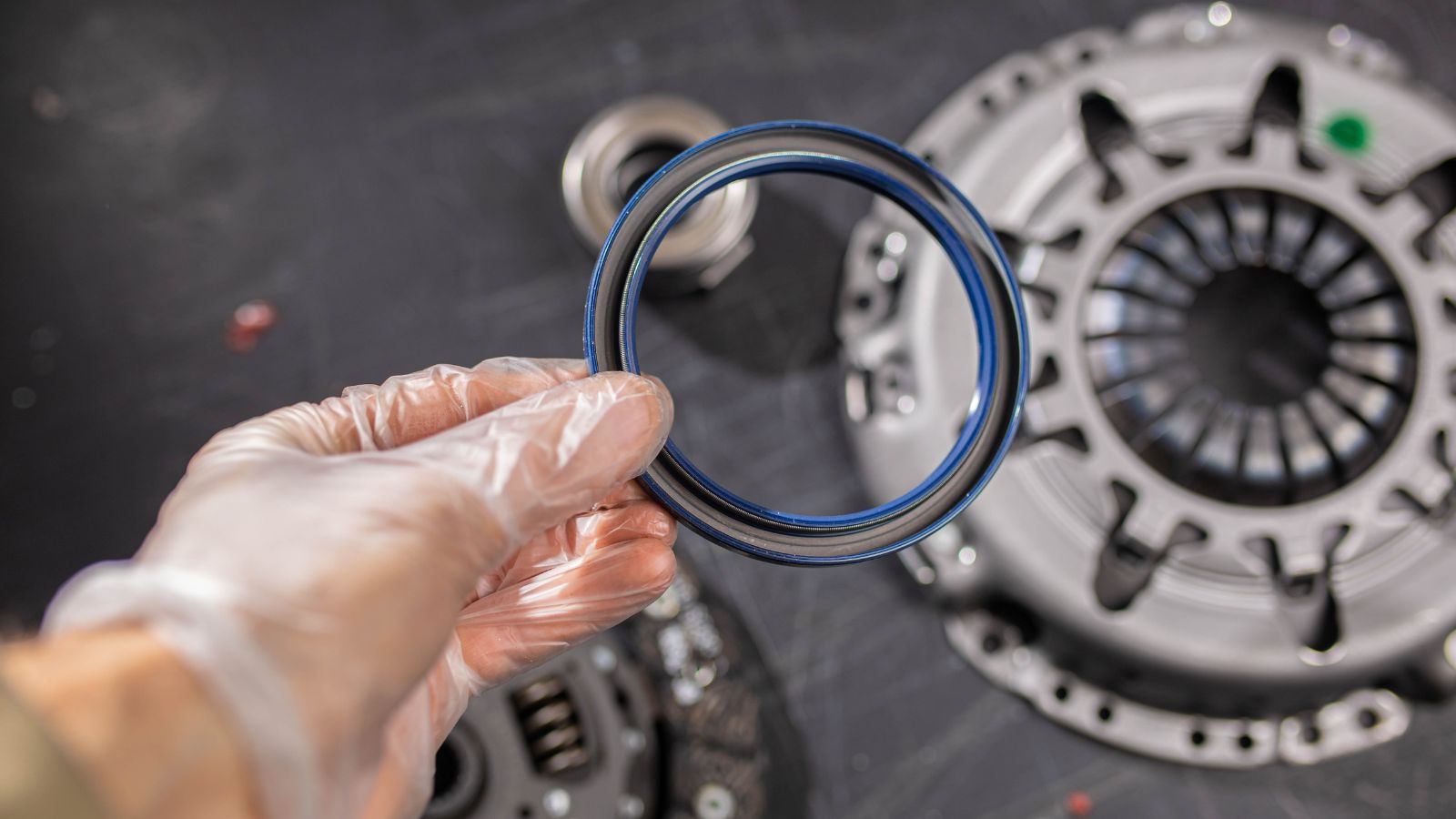
Engine computers rely on crankshaft and camshaft position sensors to know when to fire the spark plugs and inject fuel. If a crankshaft sensor fails completely, many engines will not start at all. If it fails intermittently, the vehicle may crank normally but start only after cooling down, sitting briefly, or being tried several times.
These sensors can be tricky because the starter and battery may sound perfect. The problem is not engine rotation; it is missing timing information. Heat-related sensor failure is a classic pattern: the car starts cold, stalls warm, then restarts after cooling. Diagnostic trouble codes can help, but some intermittent failures require live data testing while the fault is happening.
A Vacuum Leak Is Leaning Out the Mixture
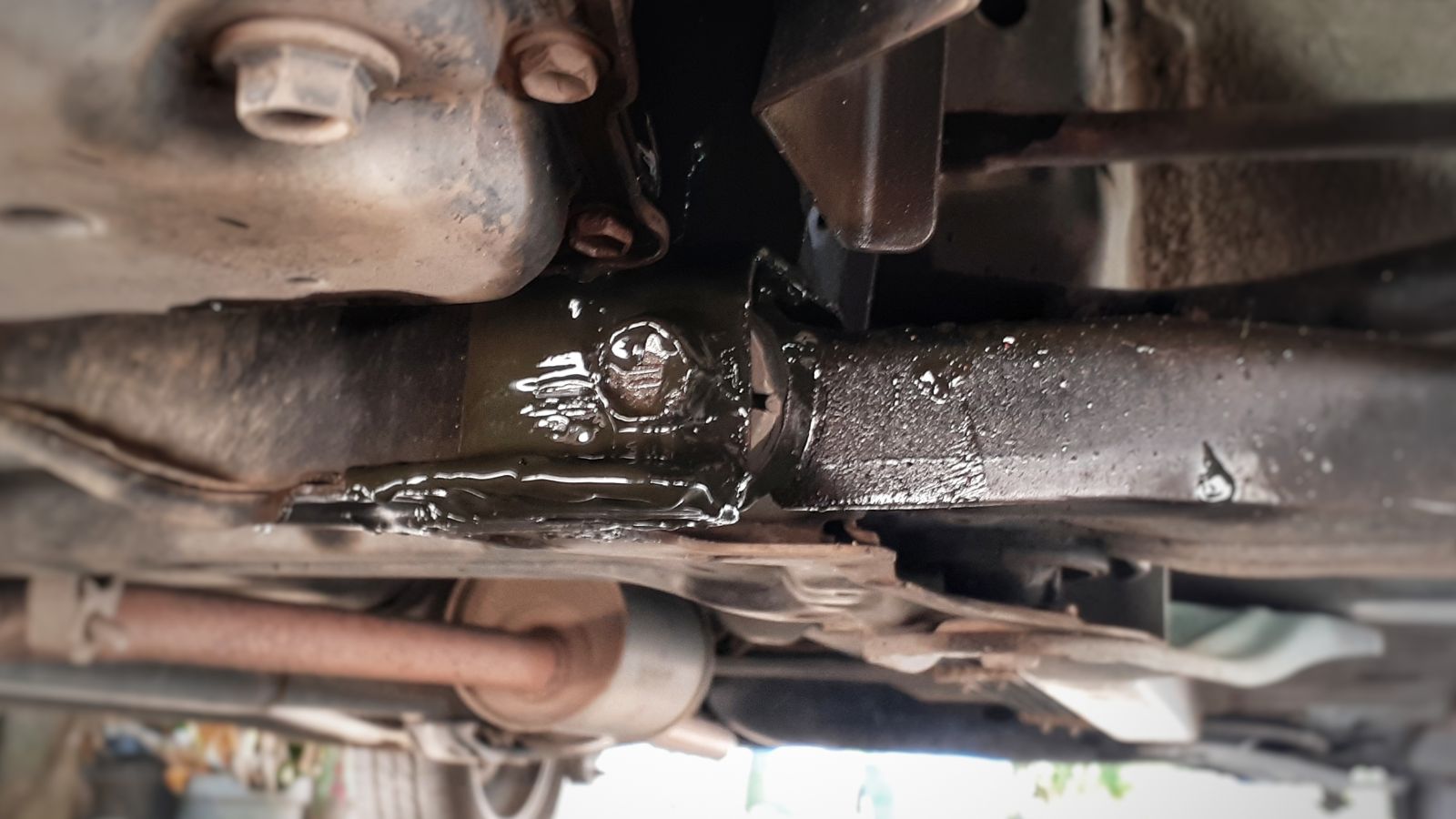
A vacuum leak allows unmetered air into the intake system. That extra air can lean out the air-fuel mixture, making the engine difficult to start or causing it to stumble immediately after firing. Common leak points include cracked vacuum hoses, intake manifold gaskets, throttle-body gaskets, brake-booster lines, and PCV-related hoses.
The clue is often a high or unstable idle once the engine does start. A hissing noise under the hood, lean diagnostic codes, or stalling at idle can also appear. Small leaks may be most noticeable during cold starts because the engine needs a richer mixture when cold. The battery may be doing its job perfectly while the intake system quietly lets in too much air.
A Stuck EVAP Purge Valve Is Flooding the Engine With Vapors
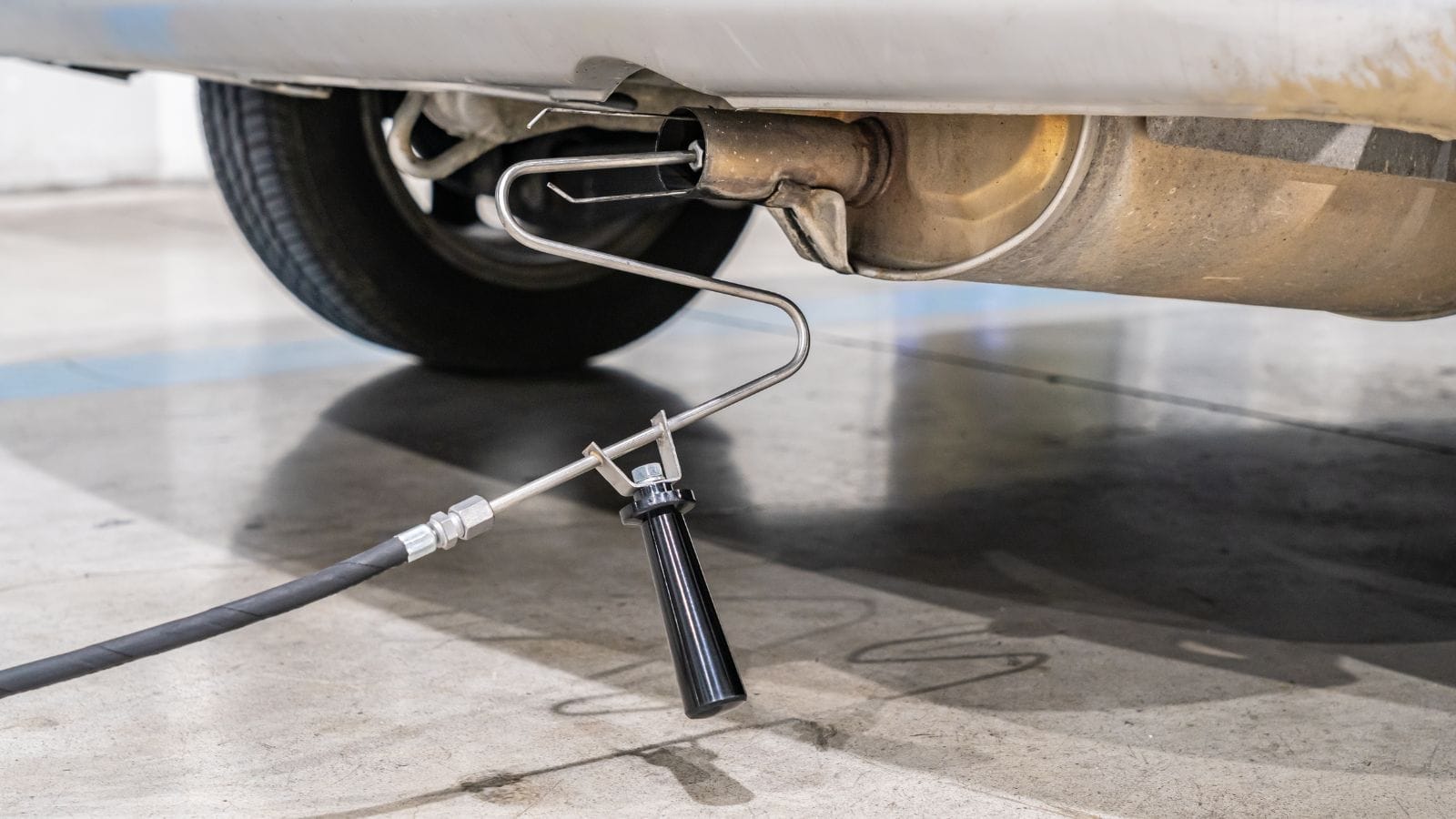
The evaporative emissions system captures fuel vapors and later routes them into the engine to be burned. A purge valve controls that flow. If the purge valve sticks open, fuel vapors can enter the intake at the wrong time, sometimes creating hard starts after refueling. The engine may crank longer, stumble, smell rich, or need the throttle held open briefly.
This issue is often mistaken for a weak battery because it appears right after a normal fuel stop. The starter turns, but the engine acts loaded with too much fuel vapor. A check-engine light may store EVAP-related codes, although not always immediately. Repeatedly topping off the tank after the pump clicks can also stress EVAP components and charcoal canisters.
Engine Timing or Compression Is Off
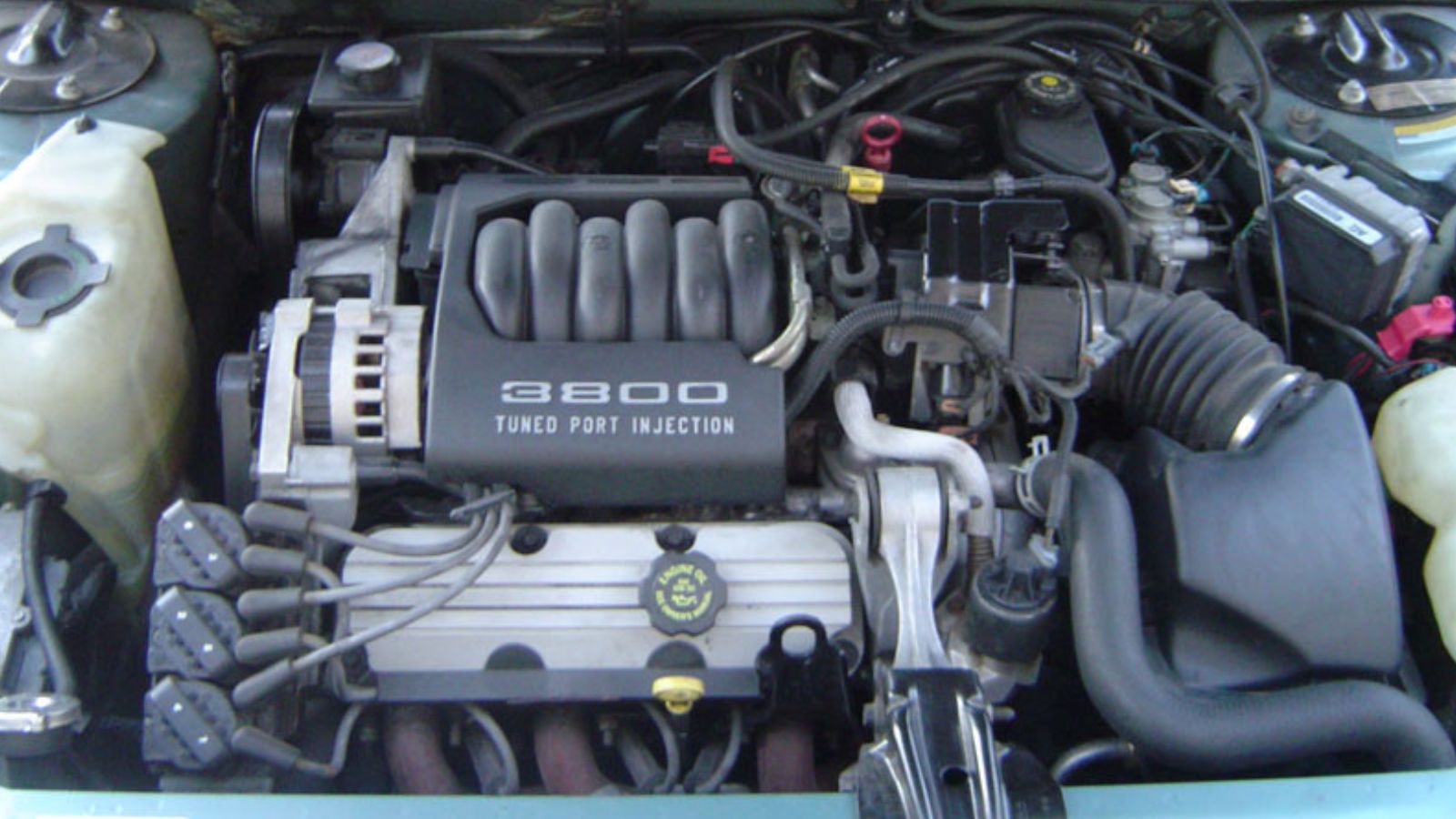
A battery and starter can only spin the engine; they cannot make it build compression. If the timing belt or chain has slipped, the valves may open and close at the wrong time. If piston rings, valves, or a head gasket are worn, the cylinders may not compress the air-fuel mixture enough for a clean start.
One clue is an engine that cranks faster than normal, almost as if it has less resistance. That can happen when compression is low. A skipped timing belt can produce similar behavior and may also trigger camshaft/crankshaft correlation codes. This is a deeper mechanical issue, not a battery issue. Compression testing, leak-down testing, and timing inspection are usually needed before major repairs are considered.
The Immobilizer or Key System Is Blocking Start Authorization

Many newer vehicles will not start unless the correct key, fob, or transponder is recognized. The battery may be new, the starter may be healthy, and the fuel system may be ready, but the immobilizer can still block spark, fuel, or starter engagement. A flashing key symbol or security light is a major clue.
Sometimes the cause is simple, such as a weak key-fob battery, a damaged transponder, or interference near the steering column or start button. Other times, the immobilizer module, antenna ring, or key programming is at fault. Trying a spare key can be revealing. Because security systems vary widely by manufacturer, the owner’s manual and proper scan-tool diagnostics matter more than guesswork.
22 Things Canadians Do to Their Cars in Spring That Mechanics Hate

Spring brings relief to many Canadian drivers after months of snow, freezing temperatures, and icy roads that put serious strain on vehicles. As temperatures rise across the country, drivers begin washing cars, switching tires, and preparing vehicles for warmer weather and upcoming road trips. However, mechanics across Canada notice the same mistakes every spring when drivers attempt to recover from winter damage. Road salt, potholes, and harsh winter driving conditions often leave vehicles with hidden problems that drivers ignore. Some spring habits even create new mechanical issues that could have been avoided with proper maintenance. Here are 22 things Canadians do to their cars in spring that mechanics hate.

Alanna Rosen is an experienced content writer that focuses on many EV and educational content. Her articles are regularly published on Get CyberTrucked and syndicated on large publications.