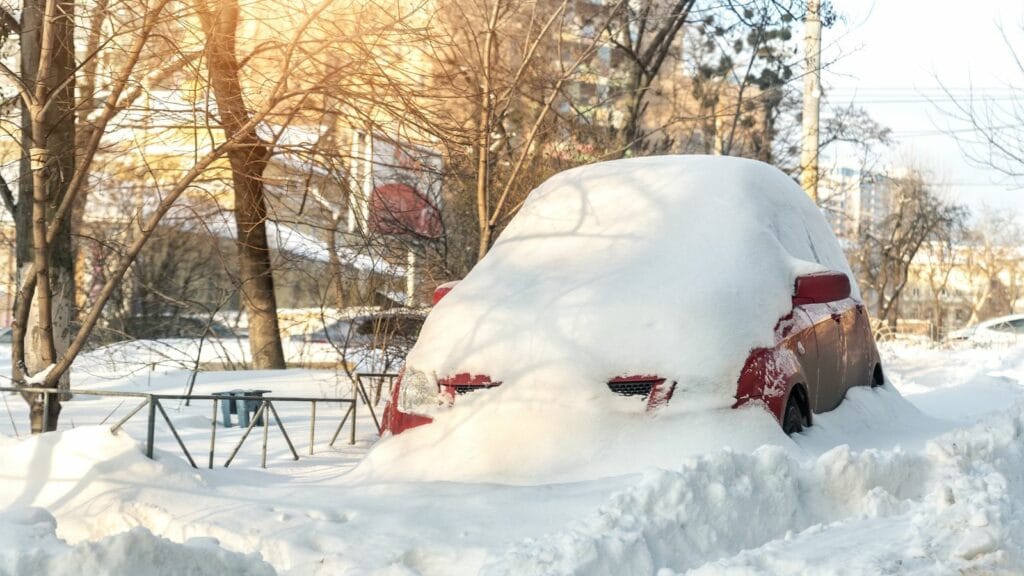
A car can seem perfectly fine at night, then refuse to move the next morning because one small winter habit trapped the brakes in place. The issue usually starts after slush, rain, snow, or a car wash leaves moisture around the rear brakes before freezing temperatures settle in. There are 12 practical details behind why parking-brake use can become risky in winter, how moisture and salt make the problem worse, and what safer habits can reduce the chance of a frozen brake surprise.
Setting the Parking Brake After a Slushy Drive
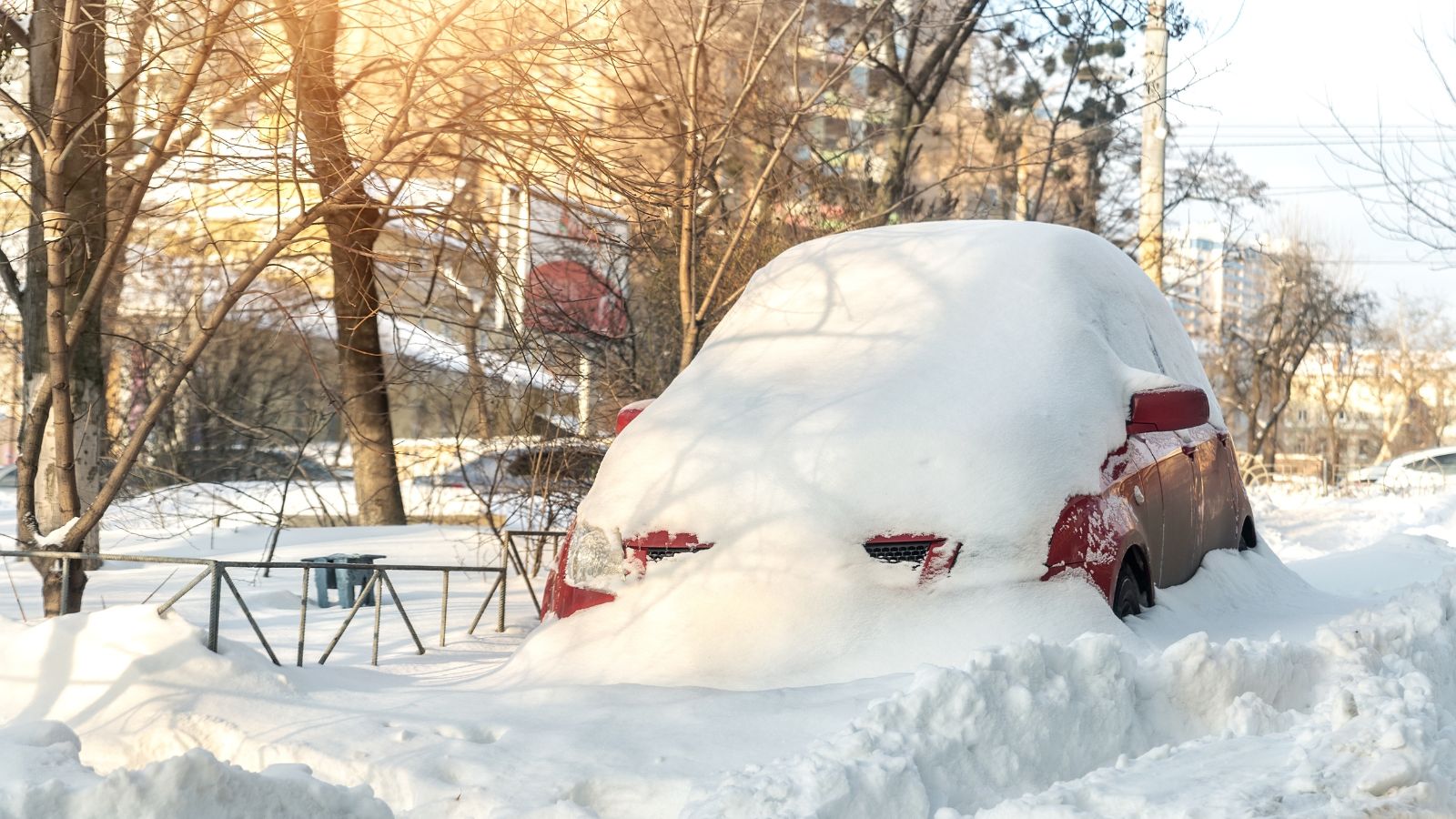
The winter parking habit most likely to freeze brakes is setting the parking brake after driving through wet snow, slush, freezing rain, or a deep puddle, then leaving the vehicle outside as temperatures fall. The parking brake usually acts on the rear brakes, which means any moisture sitting around the pads, rotors, drums, shoes, cables, or linkages can be held tightly in place overnight.
A common example is the commuter who reaches home after a salted, messy drive, pulls into an exposed driveway, sets the parking brake out of routine, and wakes up to a car that lurches but will not roll freely. At 0°C or 32°F, ordinary water can freeze, and even a thin film of moisture can become enough to bind brake surfaces together when pressure is applied and left there for hours.
Wet Rear Brakes Can Lock as Temperatures Drop
Wet brakes do not need to be submerged to cause trouble. Spray from slushy roads can coat the inside of the wheels, splash onto rear brake hardware, and settle into small gaps that are difficult to see from outside the vehicle. When the parking brake is applied, the system can clamp damp friction material against metal surfaces, creating the perfect setup for ice bonding.
This is why the problem often appears after an otherwise normal trip. A vehicle may brake properly on the way home, park normally, and only show the fault the next morning. Drivers sometimes describe it as a “stuck wheel,” a heavy drag from the rear, or a loud pop when the ice finally breaks free. The risk is higher when temperatures hover near freezing because roads stay wet before the overnight drop turns that moisture solid.
Snow Packed Around the Rear Wheels Raises the Risk
Snow packed around the rear wheels can be more than a cosmetic nuisance. As the brakes cool, snow and ice near the rear brake area can melt slightly from residual heat, then refreeze once the vehicle sits. If the parking brake is engaged during that freeze cycle, the brake may be trapped in the applied position.
This is especially common after parking in windrows left by snowplows, backing into a snowbank, or driving through deep, churned-up slush at the edge of a street. A vehicle may look parked safely, yet the rear brake area can be surrounded by packed material that turns into an icy cradle. Clearing heavy buildup from around the wheels and underbody before parking can make a meaningful difference, particularly when the forecast calls for a sharp temperature drop.
A Warm Garage Can Create a Cold-Weather Surprise
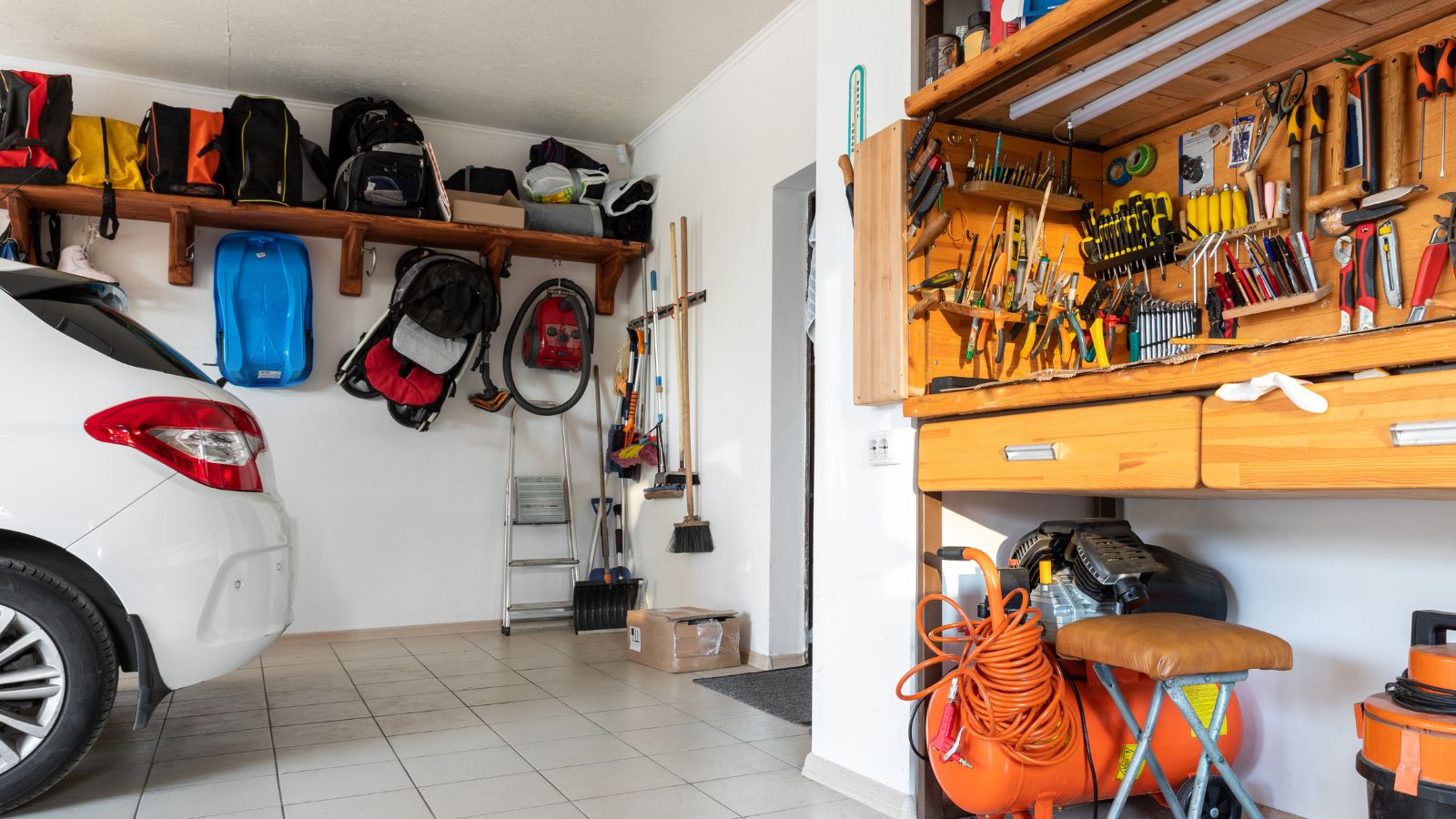
A heated or warmer garage can sometimes make the problem less obvious, not less real. Snow and slush melt while the vehicle sits indoors, allowing water to run into brake hardware and cables. If the vehicle is then parked outside at work, at school, or on the street during a deep freeze, that melted moisture can become ice around parts that were dry-looking earlier.
This explains why a frozen parking brake may catch drivers by surprise on the second stop of the day rather than the first. For example, a car may leave a condo garage in the morning with everything working normally, then sit outside for eight hours in freezing wind. By evening, the moisture that melted indoors can freeze around the rear brake hardware. The risky habit is not only setting the brake in cold weather; it is setting it when moisture has had a chance to collect.
Road Salt Turns a Freeze Problem Into a Corrosion Problem
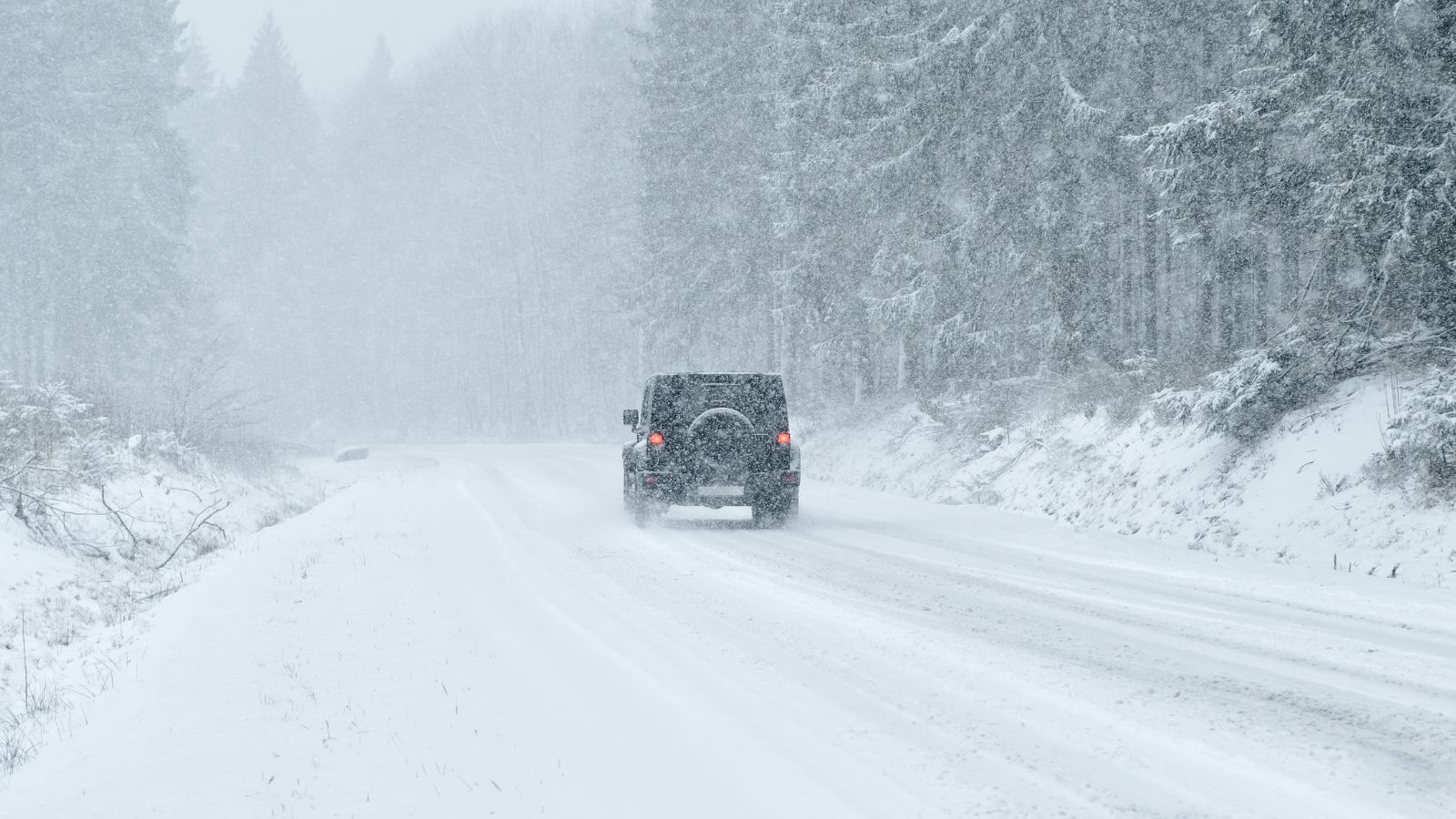
Road salt helps reduce ice on pavement, but it also brings moisture and corrosion into the brake conversation. Salted slush can cling to brake parts, cables, underbody seams, and suspension hardware. Over time, corrosion can make moving pieces less willing to release, so a brake that might have broken free easily in one winter can become stubborn after several seasons.
Canada uses millions of tonnes of road salt in a typical winter maintenance cycle, which helps explain why vehicles in snowy regions often show underbody wear before similar vehicles in milder climates. The freezing issue is immediate, but salt damage is cumulative. A driver may first notice a faint scrape, then a delayed release, then a parking brake that sticks more often. By that point, the problem may involve rusted cable sheaths, sticky pivots, or corroded caliper hardware, not just overnight ice.
Older Cables and Rear Drums Are More Vulnerable
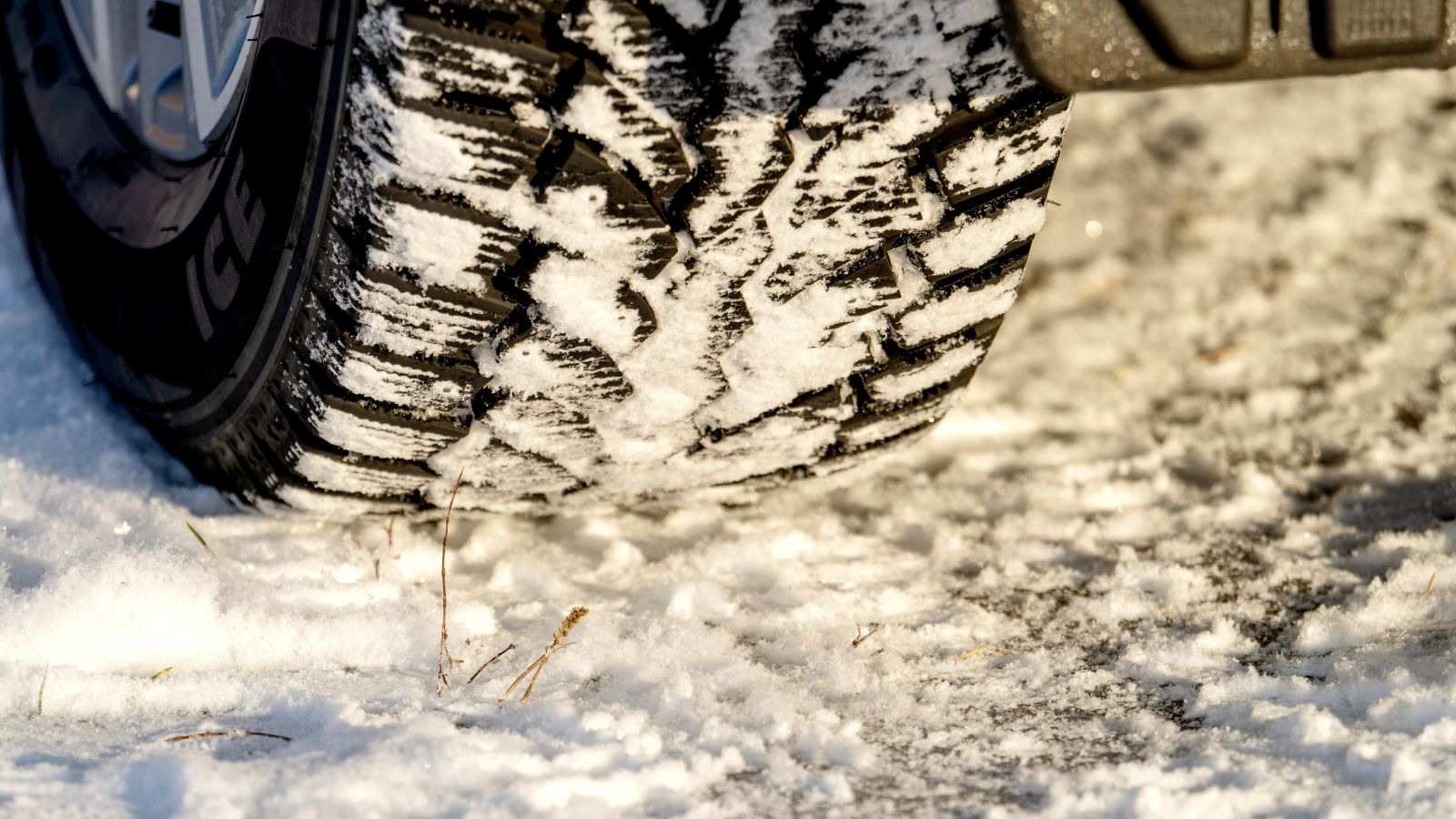
Older parking-brake cables can trap moisture inside their protective outer sleeves. Once rust forms, the cable may slide less smoothly, and freezing temperatures can make the movement even worse. Rear drum-style parking brakes can also be vulnerable because their shoes and springs sit inside a confined area where moisture, dust, and corrosion can linger.
This does not mean newer cars are immune, but age and maintenance history matter. A ten-year-old vehicle that has spent every winter on salted roads may respond differently than a newer car with clean, lubricated brake hardware. One telling example is a parking brake lever or pedal that releases inside the cabin while the rear brakes remain partially engaged. That gap between the control and the actual brake movement is often a sign that the problem is deeper than one icy night.
Electronic Parking Brakes Are Not Immune
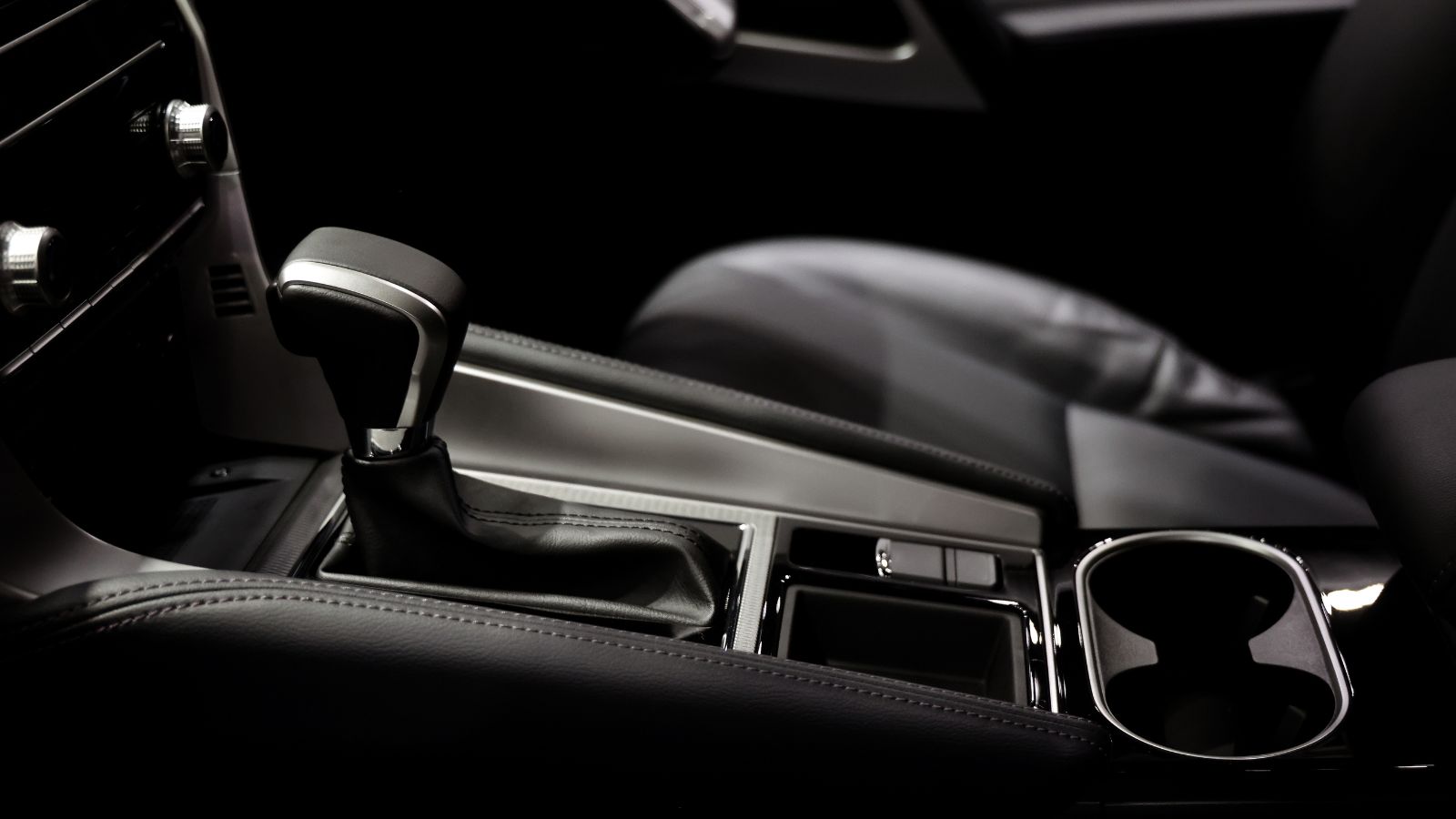
Electronic parking brakes can feel more modern and automatic, but they still act on real mechanical brake parts. A button may replace a hand lever or foot pedal, yet the clamping force still reaches calipers, pads, drums, shoes, or actuators that live near the wheels. If moisture freezes around those parts, the result can still be a brake that refuses to release cleanly.
The difference is that an electronic system may add warning lights, messages, or release procedures that vary by manufacturer. Some vehicles automatically apply the parking brake under certain conditions, which can be useful on hills but less welcome during icy, wet weather. This is why winter habits should be matched to the owner’s manual. A driver who assumes “electronic” means “freeze-proof” may miss the same moisture problem that affected older cable systems, only with more complicated diagnostics.
Hybrids and EVs May Leave Brakes Damp Longer
Hybrids and electric vehicles often use regenerative braking to slow the vehicle before the friction brakes do much work. That saves energy and can reduce brake wear, but it also means the pads and rotors may not heat up as often during routine driving. In wet winter conditions, less brake heat can mean moisture remains on friction components longer than many drivers expect.
Picture an EV easing through stop-and-go traffic mostly on regenerative braking, then parking outside after a slushy commute. The friction brakes may not have been used hard enough to dry themselves thoroughly before the vehicle stopped. This does not make EVs unsafe, but it changes the maintenance rhythm. Occasional inspection and proper brake service become important because rust, salt, and moisture can build up even when the brake pads still have plenty of material left.
Drying the Brakes Before Parking Can Help
One simple preventive habit is to help dry the brakes before the vehicle sits for the night. After driving through standing water, washing the vehicle, or crawling through slush, gentle brake applications at low speed can help remove moisture from the brake surfaces. The key word is gentle; this is not about hard stops or aggressive braking on slick roads.
A practical example is the driver who leaves a car wash on a cold afternoon and immediately parks outside. Moisture may be left on the rotors, pads, drums, or parking-brake hardware. A short, careful drive with light brake use before parking can reduce that moisture. This habit matters most when the temperature is expected to fall below freezing after sunset, because the brake system may still be wet when the vehicle is shut off.
Flat Ground, Park, Gear Selection, and Wheel Chocks Matter
Avoiding the parking brake is not always safe. On a steep hill, the brake may be necessary to prevent movement, and many owner’s manuals recommend using it as part of normal parking. The winter exception usually applies when the brake is wet, snow-packed, or at risk of freezing. On flat ground, an automatic transmission in Park may be enough, while manual vehicles may rely on first or reverse gear depending on direction and manufacturer guidance.
Wheel chocks can add another layer of security when the parking brake must be released because of freeze risk. This matters for vehicles parked in driveways with a slight slope, work trucks parked outdoors, or cars left for several days during a storm. The safest choice depends on surface, slope, vehicle type, and manual instructions. The goal is not to abandon the parking brake altogether, but to avoid clamping wet rear brakes when another safe parking method is available.
Forcing a Frozen Brake Can Turn a Delay Into Damage
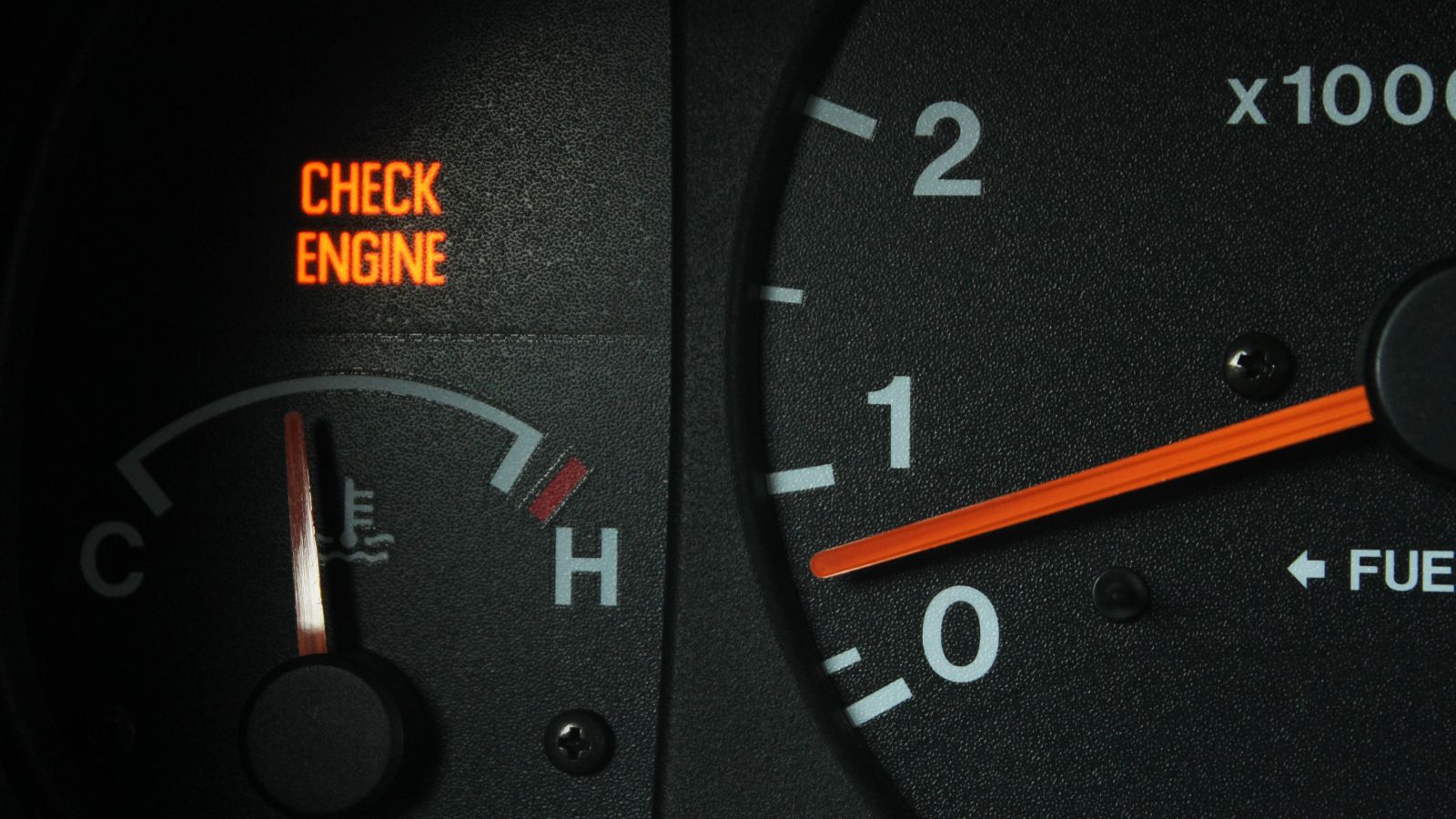
When a frozen parking brake will not release, forcing the vehicle to move can create expensive damage. A locked or dragging rear brake can overheat, wear friction material unevenly, stress cables, damage calipers, or leave a flat spot on a tire if the wheel skids instead of rolling. The first sign may be resistance, a burning smell, a warning light, or a rear wheel that feels unusually hot after a short attempted drive.
A safer response is patience and controlled warmth. Letting the vehicle warm, trying gentle release attempts, and avoiding aggressive throttle can prevent a minor freeze from becoming a repair bill. If the brake remains stuck, professional help is the better option. The worst approach is to keep accelerating until something “breaks loose,” because what breaks may not be ice. It may be a cable, lining, actuator, or overheated brake component.
Repeated Sticking Is a Maintenance Warning
A parking brake that freezes once after an extreme storm may be bad luck. A parking brake that sticks repeatedly is a warning sign. The cause may be corroded cables, seized linkage, worn return springs, damaged caliper hardware, contaminated friction material, or brake parts that are no longer moving freely. Winter reveals the problem because ice and salt exaggerate weaknesses that already exist.
Regular inspections are especially important in regions where road salt is common and winters are long. Brake components do not fail only when pads wear thin; they can also fail when corrosion prevents normal movement. A driver who notices dragging, grinding, delayed release, or repeated frozen-brake mornings should treat it as a safety concern. Preventive maintenance is usually cheaper than replacing overheated rotors, damaged cables, seized calipers, or brake lines compromised by corrosion.
22 Things Canadians Do to Their Cars in Spring That Mechanics Hate

Spring brings relief to many Canadian drivers after months of snow, freezing temperatures, and icy roads that put serious strain on vehicles. As temperatures rise across the country, drivers begin washing cars, switching tires, and preparing vehicles for warmer weather and upcoming road trips. However, mechanics across Canada notice the same mistakes every spring when drivers attempt to recover from winter damage. Road salt, potholes, and harsh winter driving conditions often leave vehicles with hidden problems that drivers ignore. Some spring habits even create new mechanical issues that could have been avoided with proper maintenance. Here are 22 things Canadians do to their cars in spring that mechanics hate.

Alanna Rosen is an experienced content writer that focuses on many EV and educational content. Her articles are regularly published on Get CyberTrucked and syndicated on large publications.