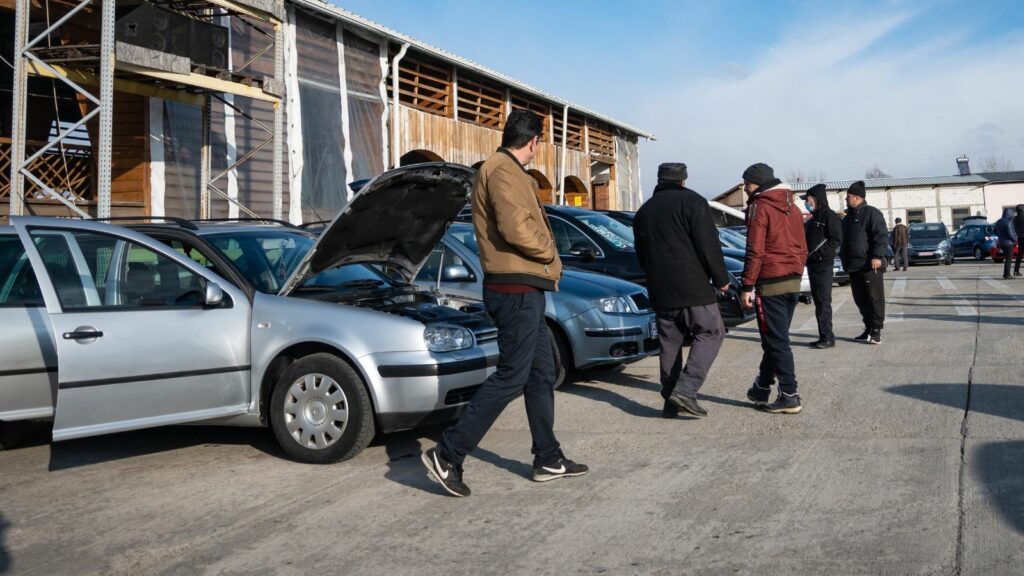
A rebuilt-title vehicle can look like a rare bargain: clean paint, modern features, and a price thousands below market. The catch is that the word “rebuilt” carries a legal and mechanical history, not just a discount. It usually means a vehicle was once branded salvage after serious damage, then repaired and cleared for road use under local rules.
That history can affect safety, insurance, financing, resale value, and future repairs long after the keys change hands. These 21 things explain what matters most before buying a vehicle with a rebuilt title, from title records and repair documentation to airbags, flood damage, inspections, and negotiation.
Know What “Rebuilt” Actually Means
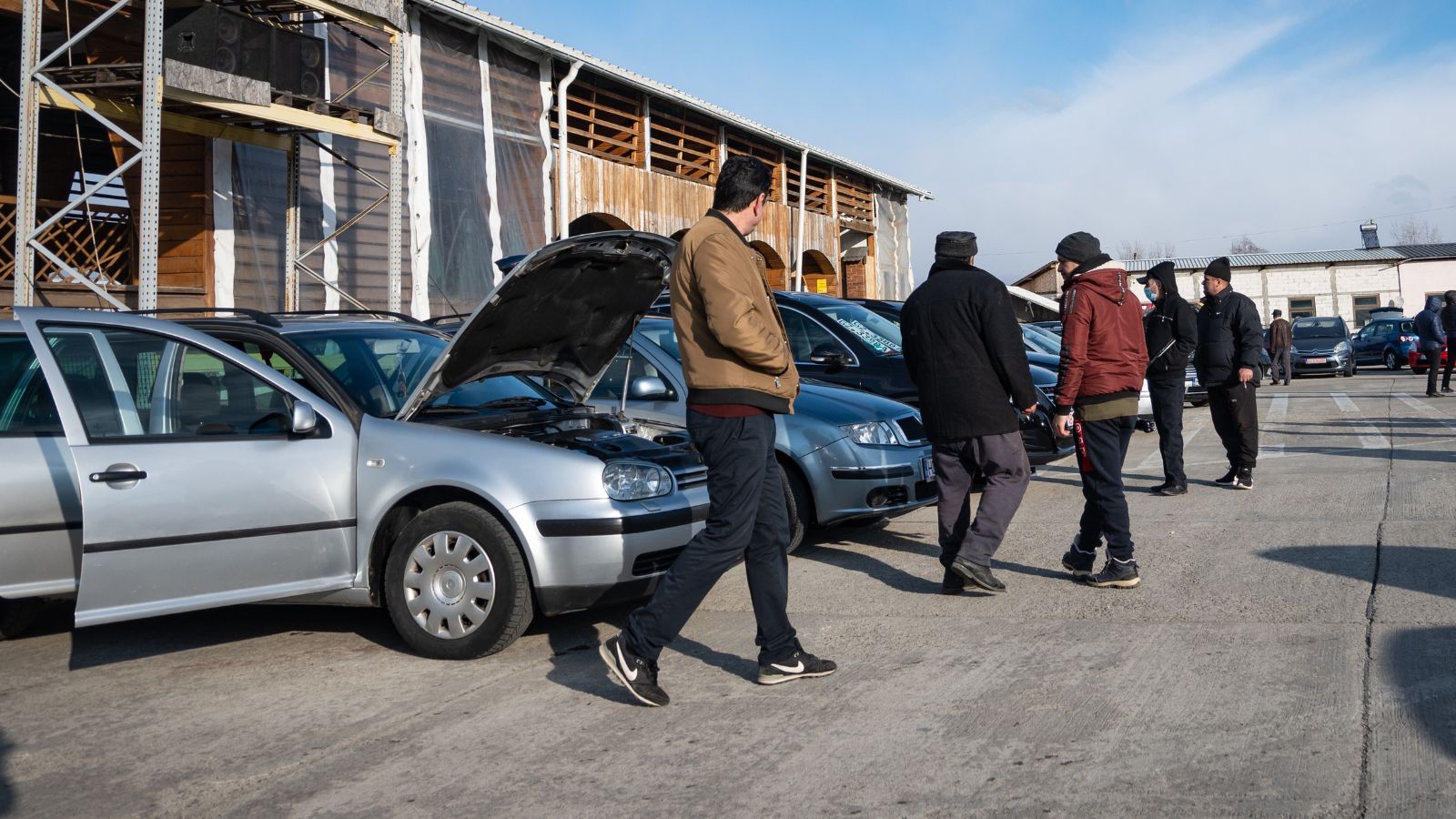
A rebuilt title usually means the vehicle was once considered salvage, then repaired enough to be legally returned to the road. That history can come from a collision, flood, fire, theft recovery, hail damage, or another event severe enough to trigger branding rules. The label is not simply a dealer warning; it becomes part of the vehicle’s identity.
A shopper may see a shiny SUV advertised far below market and assume it is just a motivated seller. In reality, the discount often reflects a prior total-loss event. The important point is not that every rebuilt vehicle is unsafe. It is that the title signals a higher-risk purchase requiring more verification than a clean-title vehicle.
Separate “Rebuilt” From “Salvage”

Salvage and rebuilt are often mentioned together, but they do not mean the same thing. A salvage vehicle is generally not road-ready and may need repairs, inspections, and paperwork before it can be registered. A rebuilt vehicle has already gone through some kind of repair and approval process, depending on the jurisdiction.
That distinction matters at the shopping stage. A seller describing a car as “rebuilt” when paperwork still says “salvage” is not offering a normal used vehicle. One buyer might think the inspection is already complete, only to discover registration is still blocked. The actual title brand should guide the deal, not the wording in the ad.
Check the Brand in More Than One Place

The title document is important, but it should not be the only place checked. Vehicle history reports, government title systems, provincial or state records, and lien searches may each reveal different details. A rebuilt brand can appear in one database before it shows up clearly in another.
This matters because damaged vehicles sometimes cross borders or jurisdictions before resale. A sedan repaired after a major crash in one region may be listed in another with limited details. Checking the VIN through multiple sources helps catch mismatched records, older title brands, odometer entries, theft records, or hidden damage claims that a seller may not mention.
Confirm Local Rules Before Money Changes Hands

Rebuilt-title rules vary widely. One province or state may require a detailed structural inspection, while another may focus more on paperwork, anti-theft checks, or major component verification. Some places use different terms, such as rebuilt, reconstructed, prior salvage, branded, or severely damaged and rebuilt.
A deal that looks simple online can become complicated when the vehicle is registered somewhere else. For example, a truck repaired and approved in one jurisdiction may still need an out-of-province or state inspection after relocation. Before paying a deposit, buyers should confirm the exact registration steps, taxes, inspection timing, and whether the vehicle can legally be plated where it will be driven.
Treat the Inspection as a Starting Point

A rebuilt title does not mean the vehicle was restored to factory-new condition. It means it met the legal standard required to return to the road in that location. Those standards are important, but they may not uncover every future problem, especially if a repair was rushed or documentation was thin.
A car can pass a required inspection and still have uneven tire wear, hidden corrosion, poor paintwork, noisy suspension parts, or sensors that need calibration. The official inspection should be treated as a baseline, not a guarantee. A careful buyer asks what was inspected, who inspected it, and whether the results can be reviewed before purchase.
Ask for the Original Damage Story

The reason a vehicle became salvage is one of the most important details. A hail-damaged car with mostly cosmetic repairs may carry a different risk profile than a vehicle repaired after front-end structural damage. Flood, fire, airbag deployment, and frame damage deserve especially careful attention.
A seller who only says “minor damage” should be asked for proof. Auction photos, insurance estimates, repair invoices, and vehicle history entries can show whether the damage involved the front structure, roof, floor, electronics, or restraint systems. A low-mileage crossover may seem like a steal until old photos reveal it once sat in deep water or lost multiple airbags.
Demand Repair Records, Parts Receipts, and Photos

A rebuilt-title vehicle without repair paperwork leaves too much to guesswork. Proper records should show what was damaged, what was replaced, who repaired it, and which parts were used. Receipts also help confirm that major components were legally sourced rather than taken from questionable vehicles.
Before-and-after photos can be especially useful. They may show whether the work involved bumper covers and headlights or deeper repairs to rails, pillars, suspension mounting points, and airbag components. A seller who rebuilt the car carefully usually has a folder ready. A seller who cannot explain basic repairs may be asking buyers to trust a vehicle that even they cannot fully document.
Get an Independent Pre-Purchase Inspection

A rebuilt vehicle should be inspected by someone who has no stake in the sale. A general mechanic can check fluids, brakes, suspension, leaks, engine codes, and road-test behavior. For collision repairs, a body shop or structural repair specialist may be needed to judge welds, panel gaps, frame alignment, and paint thickness.
This inspection is not just about finding flaws; it can shape the negotiation. A buyer might learn that the car is sound but needs tires and an alignment, or that hidden structural concerns make the deal too risky. Spending a modest inspection fee can prevent a much larger mistake, especially when a rebuilt title already signals unusual history.
Pay Extra Attention to Frame and Structural Work
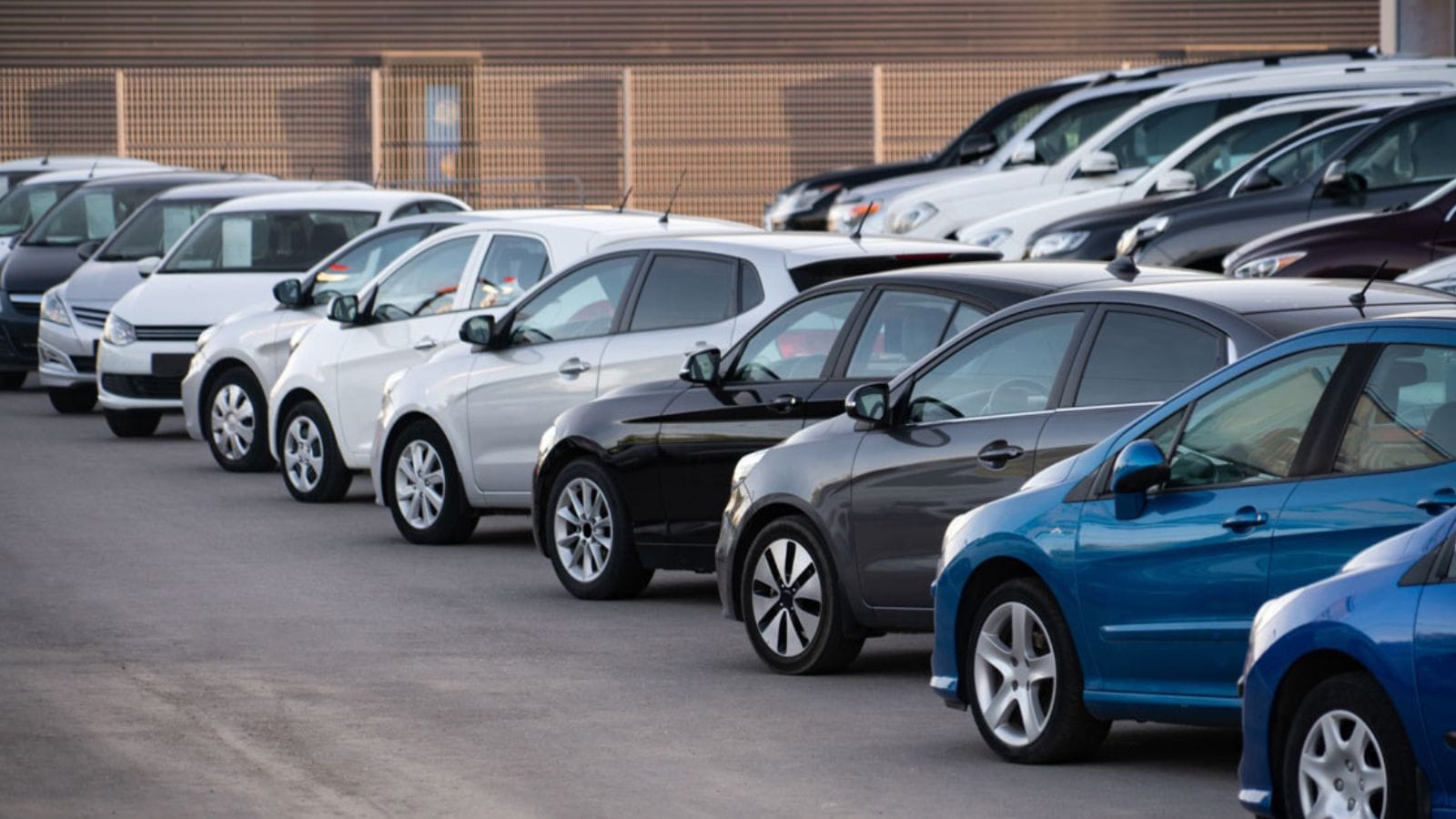
Modern vehicles rely heavily on engineered structures that manage crash forces. Poor structural repairs can affect alignment, steering feel, tire wear, water sealing, and occupant protection. Even when the paint looks smooth, clues may remain in uneven panel gaps, mismatched seams, fresh undercoating, overspray, or ripples in hidden metal.
A rebuilt pickup, for instance, may look straight from ten feet away but still pull slightly under braking because suspension mounting points were not restored correctly. A unibody car with poorly repaired rails can create bigger concerns. Structural repairs should follow manufacturer procedures, not just whatever made the panels fit well enough for resale.
Verify the Airbag System Carefully
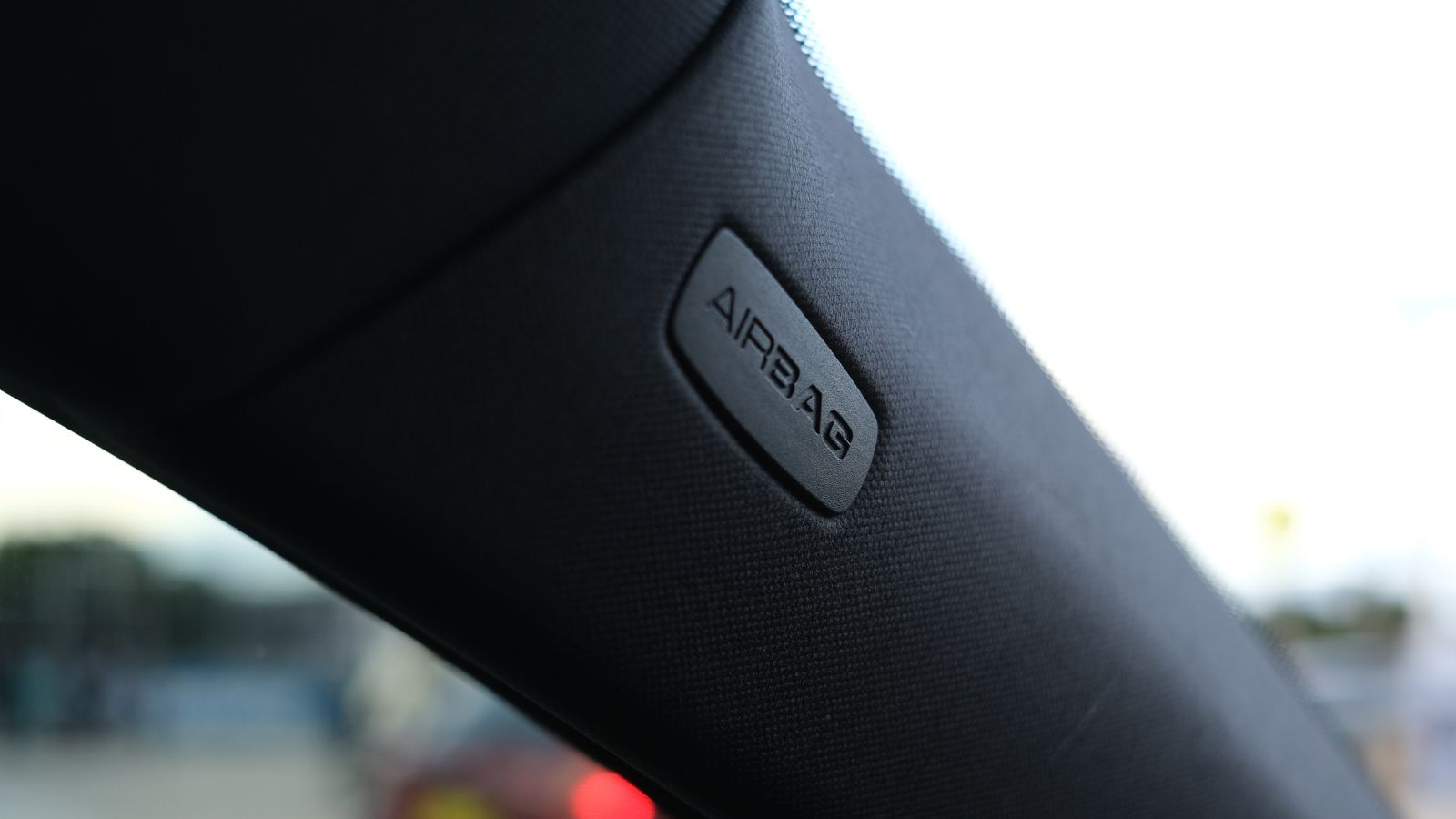
Airbags are expensive to replace, which makes them a major concern in rebuilt vehicles. If the original airbags deployed, the repair may have involved inflators, modules, sensors, seat belts, and dashboard parts. Warning lights that turn on and off normally are helpful, but they are not enough by themselves.
A scan tool can reveal stored crash data or restraint-system faults. Documentation should show whether original-equipment parts or approved replacements were used. This is not an area for bargain shortcuts. A rebuilt car may look fully repaired, but the safety system has to work in a split second during a crash. That makes airbag verification one of the most important checks.
Watch Flood-Damage Cars More Closely

Flood damage deserves special caution because water can reach places that are difficult to inspect. Moisture inside wiring connectors, modules, carpets, seat tracks, and floor cavities may cause problems months later. A vehicle may start, drive, and look clean at purchase, then develop electrical faults after corrosion spreads.
Clues include musty smells, silt under trim, rusty seat bolts, water lines in lamps, brittle connectors, or fresh carpet in an older car. A flood-branded vehicle is not automatically the same risk as a repaired bumper, even if both now carry a rebuilt label. Water damage often affects electronics and safety systems in ways that are hard to predict.
Scan the Electronics and Driver-Assist Systems

Newer vehicles depend on cameras, radar sensors, parking sensors, lane-keeping systems, blind-spot monitors, and automatic emergency braking. These systems can require calibration after bumper, windshield, suspension, or structural repairs. A rebuilt vehicle with modern safety technology should be scanned and tested for hidden faults.
A warning light may not always appear during a short test drive. Some faults only show up through diagnostic software or under specific driving conditions. For example, a front radar sensor behind a replaced bumper may be slightly misaligned, affecting adaptive cruise control or emergency braking. Proper calibration records can be just as important as receipts for body panels.
Test-Drive Beyond the Block

A five-minute spin around a dealership is not enough for a rebuilt vehicle. The test drive should include city streets, rough pavement, braking, turns, highway speed, parking maneuvers, and a cold start if possible. Different conditions reveal different problems.
At low speed, listen for suspension clunks, rubbing, steering noises, and brake pulsation. At highway speed, watch for vibration, pulling, wind noise, warning lights, and unstable tracking. A repaired vehicle may feel fine at 40 km/h but reveal alignment or balance issues at 100 km/h. The drive should feel ordinary, not like a vehicle constantly explaining its past.
Call Insurance Before Making an Offer
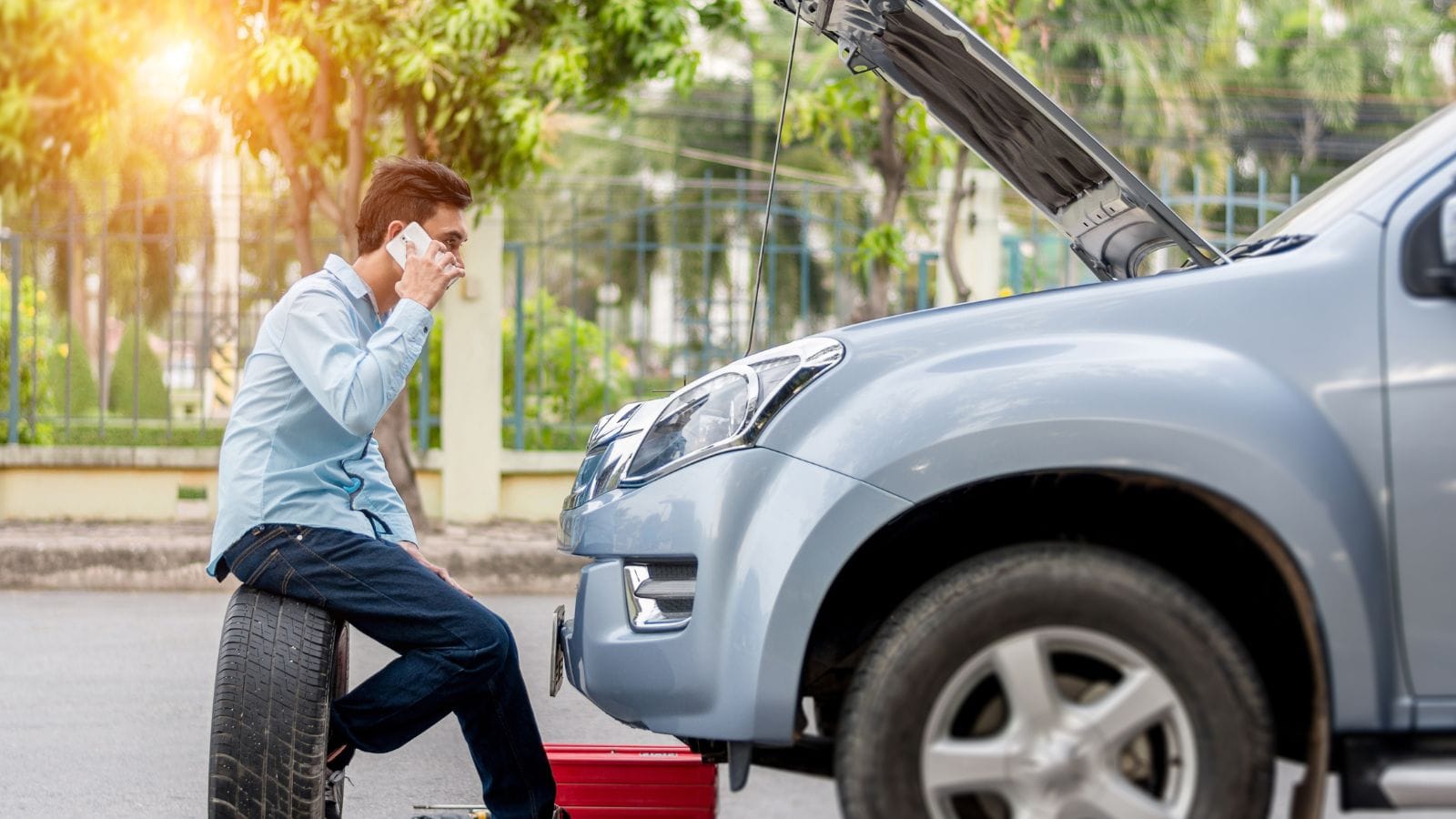
Insurance can be one of the biggest surprises with a rebuilt title. Some insurers may offer only basic coverage, while others may refuse collision or comprehensive coverage. Even when coverage is available, premiums and payout rules may differ because the vehicle is worth less than a comparable clean-title model.
Calling before purchase prevents an expensive shock. A buyer who needs full coverage because of a loan, commute, or family use should confirm options in writing. The attractive purchase price may matter less if the vehicle is difficult to insure properly or if a future claim payout would be limited by the title history.
Ask Lenders Before Assuming Financing Will Work

Financing a rebuilt-title vehicle can be harder than financing a clean-title vehicle. Lenders may see the vehicle as higher risk because resale value is lower and repair uncertainty is higher. Some institutions may decline the loan entirely, while others may require a larger down payment or charge a higher rate.
This can change the real cost of the bargain. A car advertised for several thousand dollars less may not save much if financing terms are worse. Buyers should speak with banks, credit unions, or finance companies before negotiating. A preapproval based on the actual VIN and title status is far more useful than a general used-car loan estimate.
Price It Below a Clean-Title Comparable

A rebuilt title should usually come with a meaningful discount. The exact amount depends on the model, age, mileage, damage history, repair quality, local demand, and insurance access. A small discount is rarely enough because the buyer is accepting extra uncertainty.
A clean-title compact SUV and a rebuilt-title version may look identical in photos, but the market does not value them the same way. Pricing guides and comparable listings can help establish a fair range. If the rebuilt vehicle is priced only slightly below clean-title options, the deal may not compensate for lower resale value, harder financing, and increased inspection needs.
Think About Resale Before Buying

A rebuilt title follows the vehicle, even after years of reliable use. Future buyers will ask the same questions about damage history, repairs, inspections, insurance, and safety. Trade-in offers may be lower, and some dealers may avoid the vehicle altogether.
This matters most for buyers who change vehicles frequently. A rebuilt-title sedan might make sense for someone planning to drive it for many years, but it may be frustrating for someone who expects easy resale in two or three years. The discount received at purchase is often passed along to the next buyer, so the savings should be evaluated over the full ownership period.
Check for Liens, Theft Records, and VIN Problems
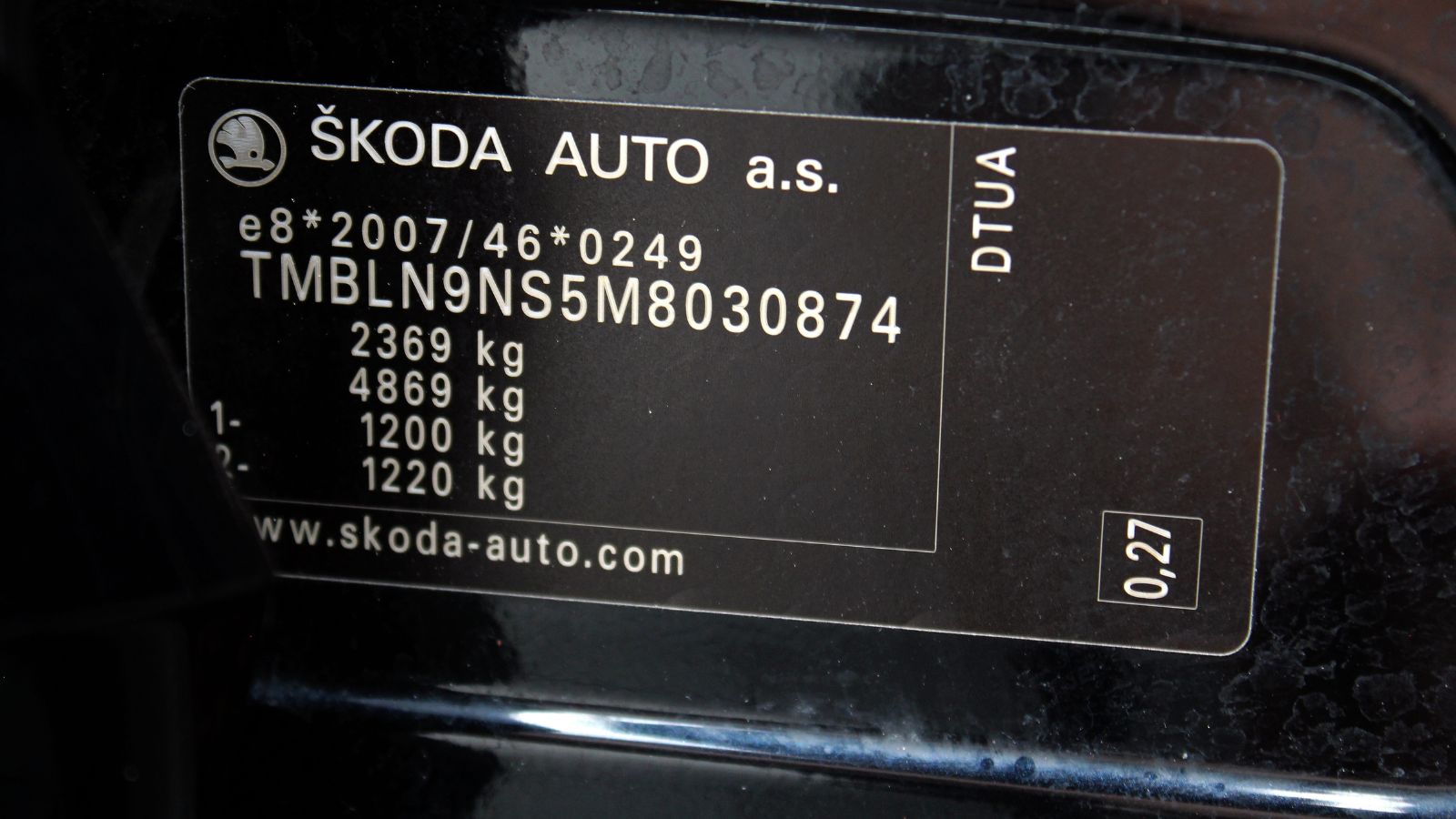
A rebuilt title is not the only paperwork issue that can cause trouble. A vehicle may also have unpaid liens, theft history, odometer inconsistencies, or VIN irregularities. These problems can delay registration or, in the worst cases, lead to financial loss after purchase.
VIN fraud is especially serious because damaged and stolen vehicles can be used in identity schemes. The VIN on the dashboard should match the door label, title, registration, history report, and any service documents. A lien search is also important because buying a car with money owing can leave the buyer dealing with someone else’s debt.
Be Careful With “As Is” Paperwork

Many rebuilt-title vehicles are sold with limited protection, especially in private sales. “As is” paperwork can mean the seller will not pay for problems discovered after the sale. Dealer rules vary by jurisdiction, but written warranty terms matter more than verbal reassurance.
A seller may say, “It passed inspection, so nothing can be wrong,” but that statement should not replace a written agreement. Any promises about repairs, returns, included parts, or warranty coverage should be written into the purchase documents. Rebuilt vehicles already carry added uncertainty, so vague paperwork can turn a risky purchase into a difficult dispute.
Budget for Repairs That May Not Appear Right Away

Some rebuilt-title problems are delayed. A cooling fan may fail after a poorly repaired front-end crash. A door seal may leak after heavy rain. A corroded connector may trigger warning lights weeks later. A car can behave well during inspection and still require catch-up repairs once it is driven daily.
A realistic budget should include more than registration, insurance, and the sale price. It should allow room for tires, alignment, sensors, paint correction, suspension work, diagnostic scans, or water-leak repairs. The best rebuilt-title purchases leave financial breathing room. If the lower price uses up the entire budget, the first hidden issue can erase the savings.
Know When to Walk Away

Some rebuilt-title vehicles are worth considering; others are not. Missing paperwork, inconsistent VINs, seller pressure, fresh warning-light resets, unexplained airbag work, flood history, poor repairs, or refusal to allow inspection are major warning signs. A bargain price should never override basic caution.
Walking away can feel difficult when the car looks attractive and the price is far below clean-title options. Still, the safest rebuilt-title purchase is one where the history makes sense, the repairs are documented, the inspection is independent, and the insurance and financing are confirmed. If those pieces do not line up, the better deal may be the one never signed.
22 Things Canadians Do to Their Cars in Spring That Mechanics Hate

Spring brings relief to many Canadian drivers after months of snow, freezing temperatures, and icy roads that put serious strain on vehicles. As temperatures rise across the country, drivers begin washing cars, switching tires, and preparing vehicles for warmer weather and upcoming road trips. However, mechanics across Canada notice the same mistakes every spring when drivers attempt to recover from winter damage. Road salt, potholes, and harsh winter driving conditions often leave vehicles with hidden problems that drivers ignore. Some spring habits even create new mechanical issues that could have been avoided with proper maintenance. Here are 22 things Canadians do to their cars in spring that mechanics hate.

Alanna Rosen is an experienced content writer that focuses on many EV and educational content. Her articles are regularly published on Get CyberTrucked and syndicated on large publications.