
The best-selling vehicle on the lot can feel like the safe choice. Big sales numbers suggest trust, familiarity, and a proven formula, especially when a model appears in driveways, work sites, school drop-off lanes, and highway traffic every day. But popularity is not the same as long-term value.
A vehicle can climb the sales charts because of fleet demand, generous supply, aggressive financing, brand loyalty, or a trend that may not match every household’s real needs. The smartest purchase depends on total cost, reliability, safety, insurance, fuel use, repair complexity, and day-to-day practicality. These 12 reasons explain why the most popular vehicle is not always the wisest one to bring home.
Sales Charts Do Not Measure Personal Fit
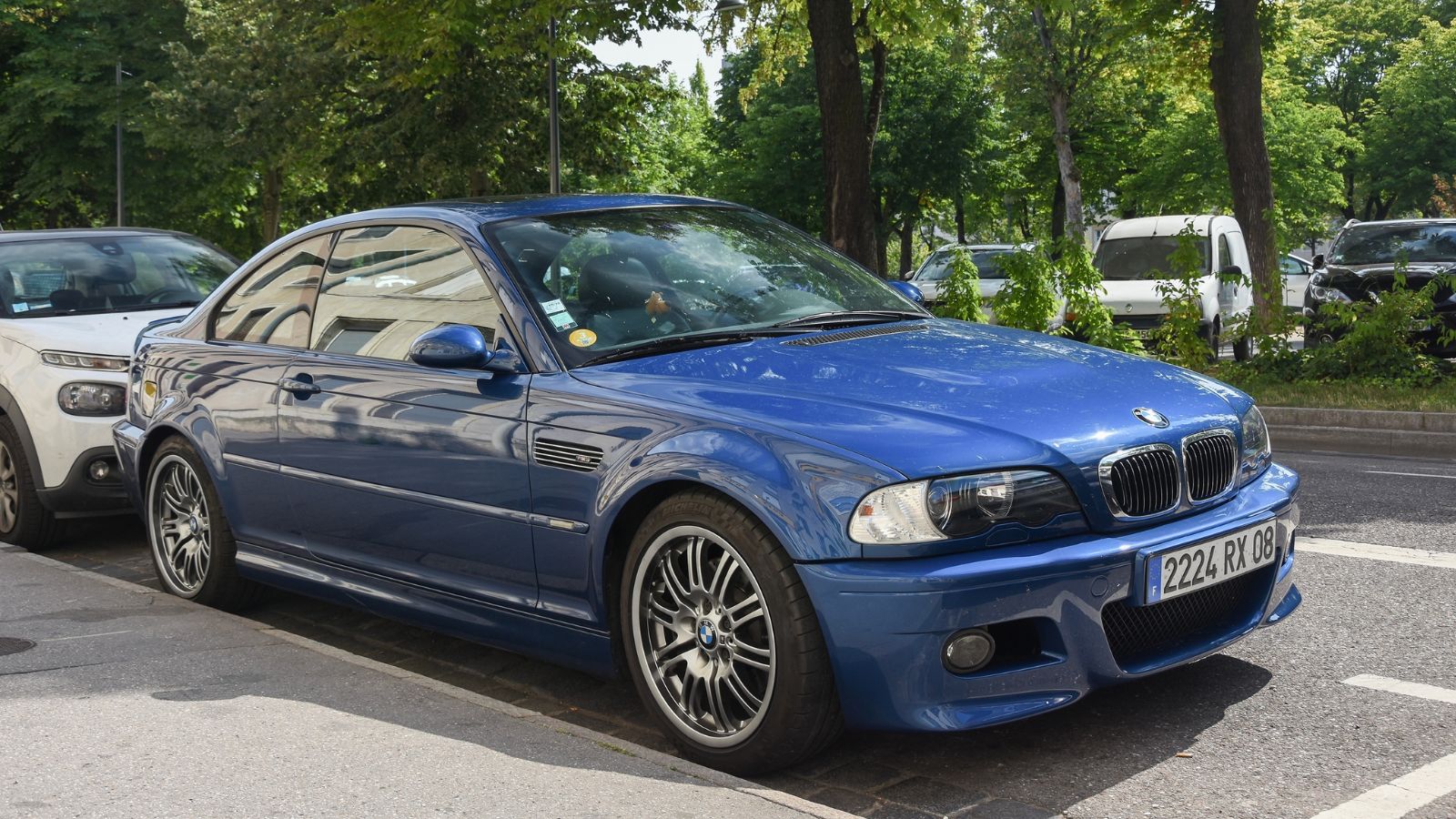
A vehicle can become a bestseller for reasons that have little to do with one individual buyer’s life. Full-size pickups, for example, often rank near the top because they serve many roles at once: contractor fleets, rural households, towing families, municipal departments, and everyday commuters who simply like the feel of a larger vehicle. That broad appeal creates impressive numbers, but it does not prove the same model is ideal for someone who mostly drives short urban trips and parks in tight garages.
Popularity can also be shaped by availability. When a manufacturer builds large volumes of one model and dealers keep plenty of trims on the ground, shoppers may choose it because it is easy to test-drive, finance, and take home quickly. A quieter competitor with fewer units on lots may actually fit better, cost less to run, or offer stronger ownership satisfaction. The sales ranking shows what moved, not necessarily what made the most sense.
High Demand Can Push Shoppers Toward Pricier Trims
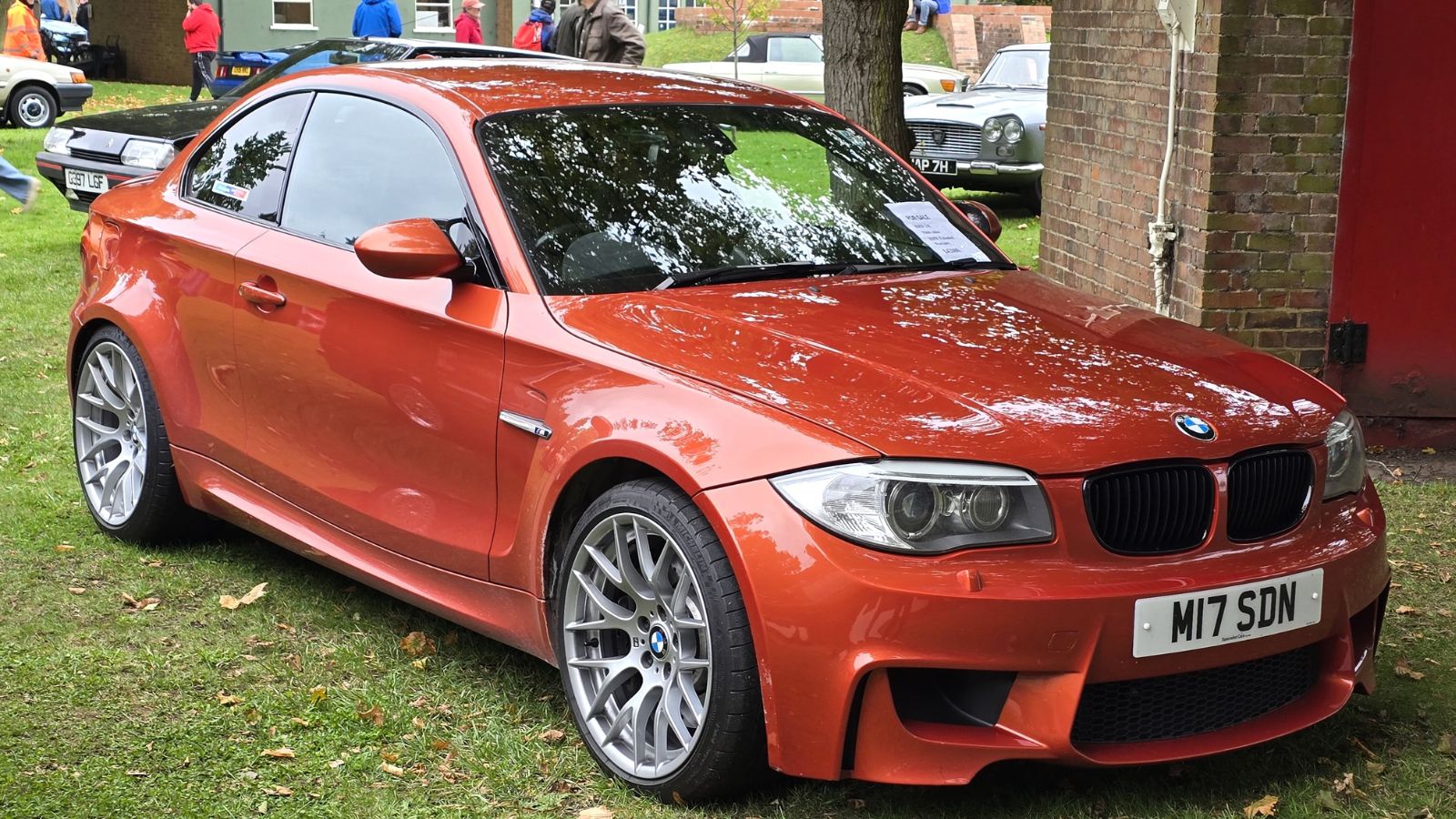
Popular vehicles often appear affordable in advertisements, but the version most people actually find on dealer lots may be several trims above the base model. A buyer looking for a practical SUV may arrive for the entry-level model and discover that the available units include panoramic roofs, larger wheels, upgraded audio, premium paint, towing packages, or technology bundles. Each option can feel small in isolation, yet the final price climbs quickly.
This is where popularity can work against the shopper. Dealers tend to stock configurations that sell well and produce stronger margins, not always the stripped-down version used in promotional pricing. In a hot segment such as midsize SUVs or full-size pickups, even ordinary features can be packaged with costly upgrades. The smartest vehicle is not just the one with a familiar badge; it is the one that delivers the needed equipment without forcing a payment built around features that rarely matter.
Monthly Payments Can Hide the Real Cost
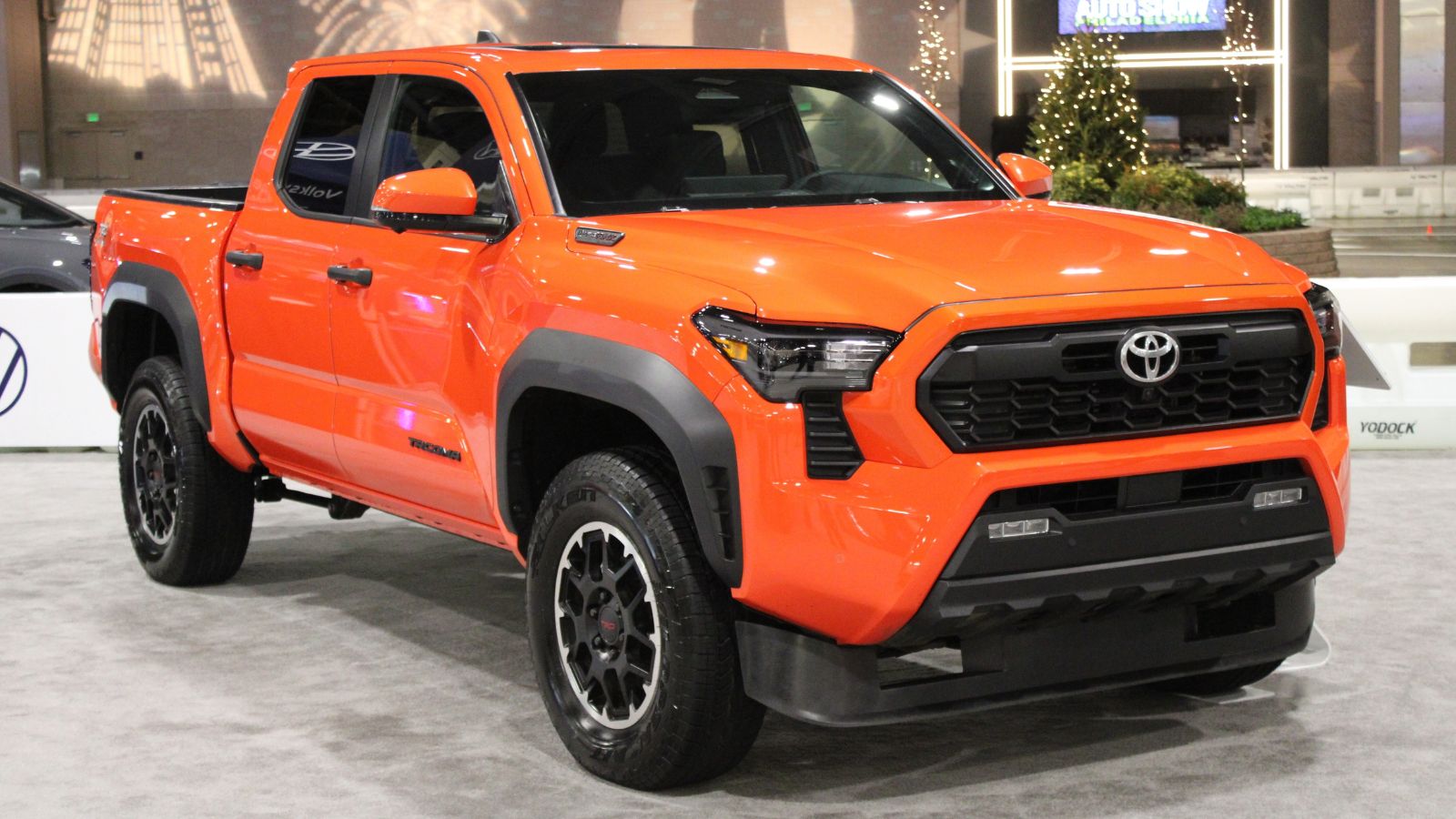
A popular vehicle can feel easier to justify when the monthly payment looks manageable. Longer loan terms, larger down payments, trade-ins, and promotional financing can make an expensive model appear within reach. The problem is that the payment does not reveal the full burden. Interest charges, insurance premiums, fuel, maintenance, registration fees, and depreciation still arrive after the excitement of delivery day fades.
The danger becomes sharper when buyers roll negative equity from an old loan into a new one. A bestseller may seem like a safe place to park that debt because resale demand appears strong, but a longer loan can leave the owner owing more than the vehicle is worth for years. A less popular model with a lower transaction price, better incentives, or slower depreciation can sometimes create a healthier financial outcome than the model everyone wants.
Fuel Economy Can Change the Ownership Story
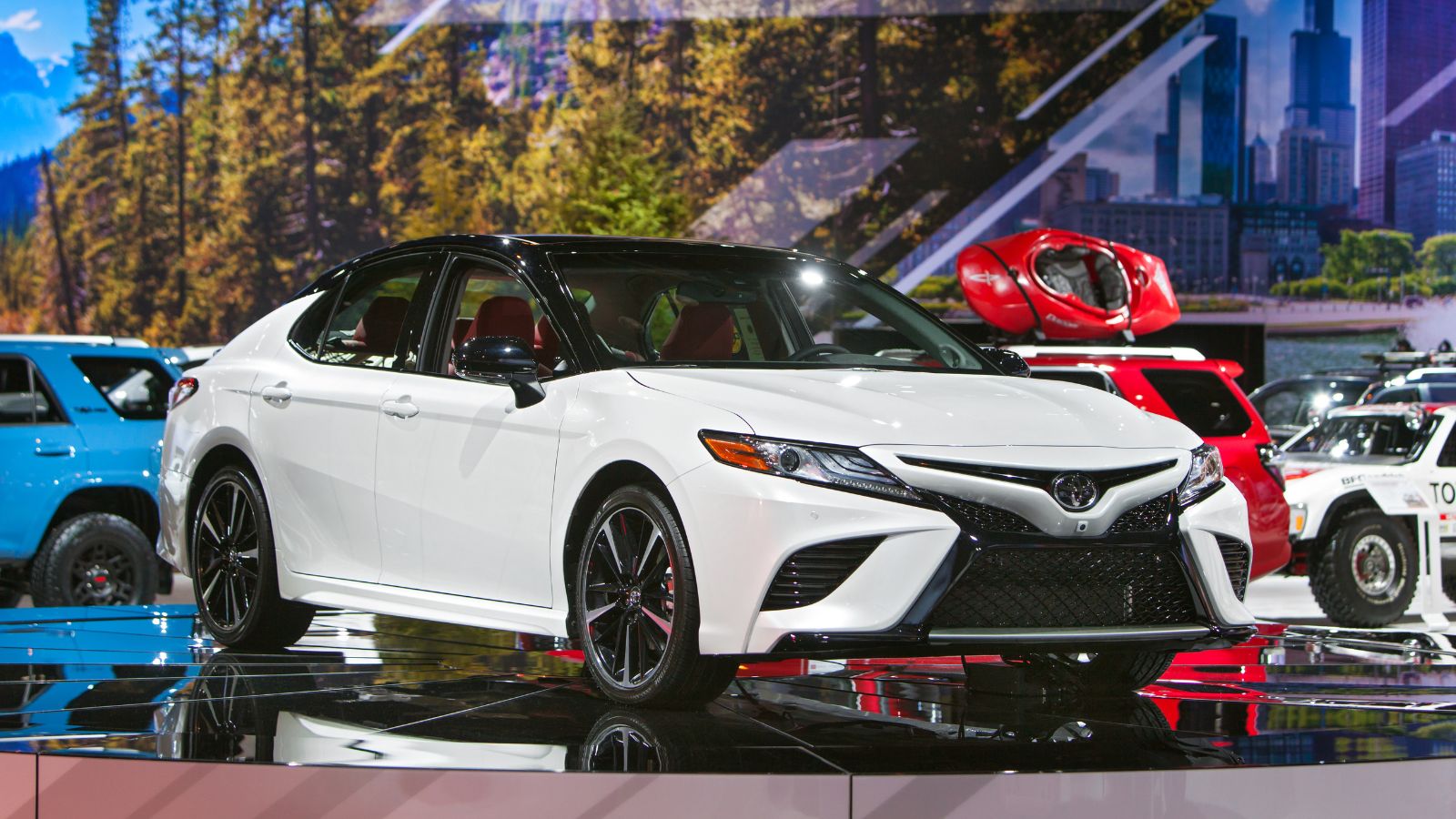
A vehicle’s reputation may be built around power, space, or confidence, but fuel use often determines how affordable it feels after a few months. A larger SUV or pickup that seems perfect during a test drive may become frustrating during weekday commuting, especially in stop-and-go traffic. Even a difference of a few miles per gallon can add up over years of ownership, particularly for households that drive long distances or face volatile fuel prices.
Drivetrain choices matter as much as the model name. A popular vehicle may offer gasoline, hybrid, plug-in hybrid, or diesel versions, and each one can deliver a very different cost profile. A buyer who chooses the most common trim may miss the version that best fits their mileage pattern. The smartest purchase is often the configuration that matches real driving, not the one promoted most heavily in commercials or parked most prominently near the showroom entrance.
Insurance and Theft Risk Can Punish Popularity
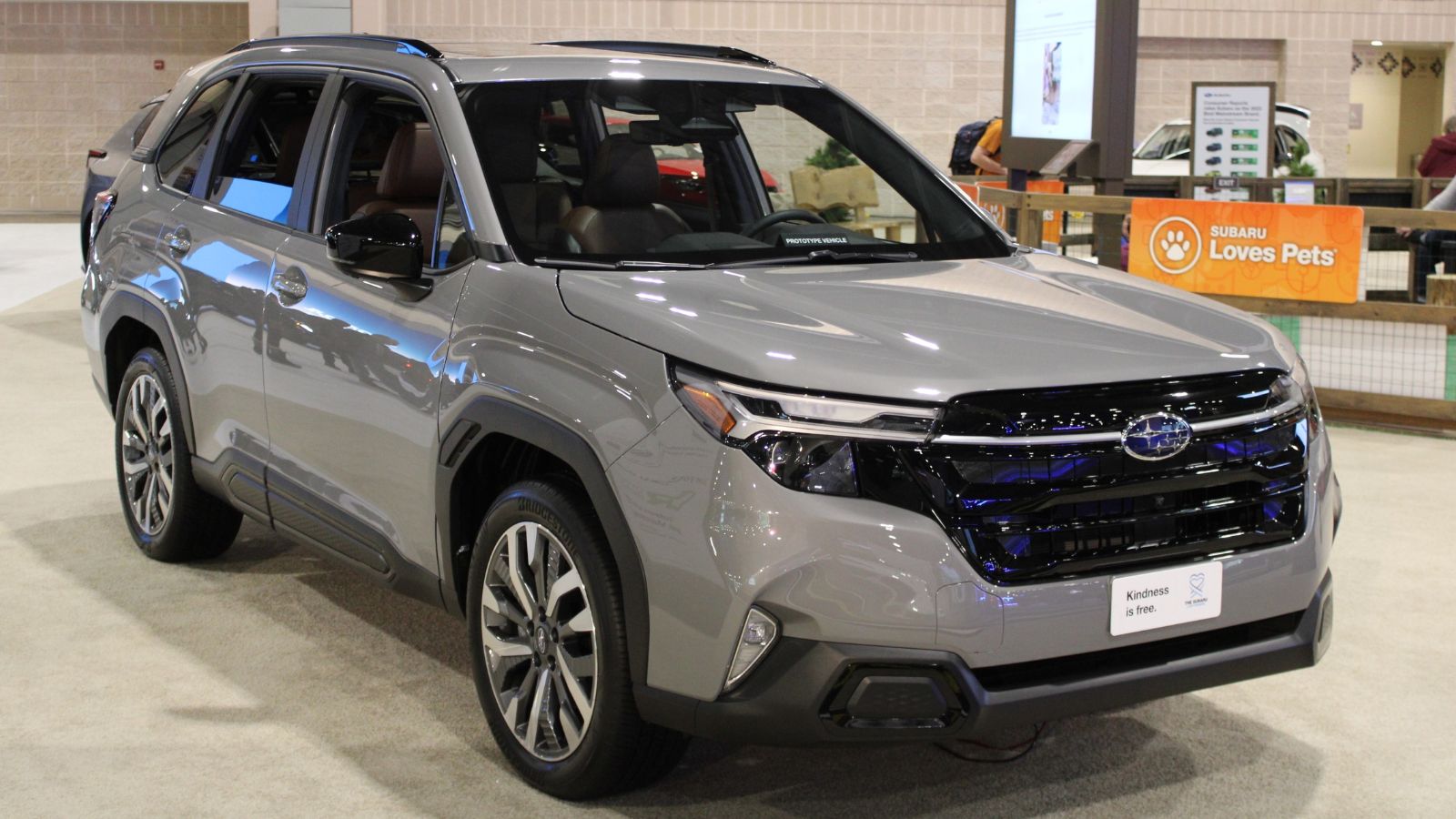
A vehicle that is everywhere can attract attention from more than buyers. Popular models often have a larger parts market, stronger resale demand, and greater familiarity among thieves. In some regions, commonly owned SUVs and pickups frequently appear on most-stolen lists because there are many of them on the road and their parts or export value can be high. That risk can influence insurance premiums, anti-theft requirements, and peace of mind.
Insurance cost is one of the easiest expenses to underestimate before purchase. Two vehicles with similar prices can produce very different quotes depending on claim history, theft frequency, repair costs, safety features, and driver profile. A shopper may discover that the popular choice costs more every month simply because insurers have seen more claims attached to that model or segment. Before falling for the crowd favorite, a real insurance quote can reveal whether popularity carries a hidden surcharge.
Reliability Reputations Can Lag Behind Reality
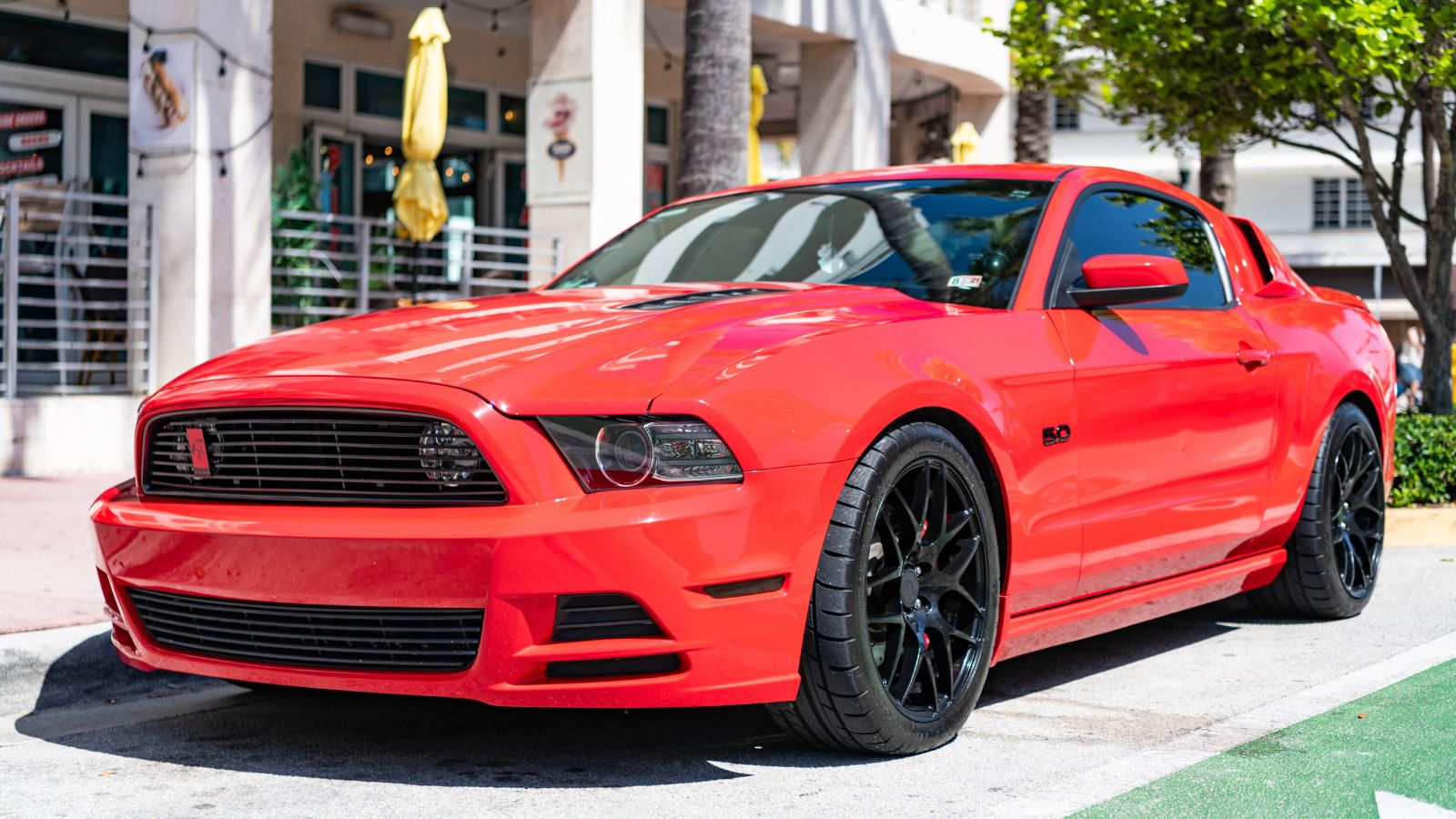
A model may remain popular because earlier generations earned trust. That reputation can survive even after the vehicle changes platforms, engines, transmissions, software systems, suppliers, or production locations. Buyers often talk about a nameplate as if it is one continuous machine, but a 2026 version may have little in common with the one that made the brand famous fifteen years earlier.
Reliability also varies by powertrain. A gas model, hybrid model, plug-in hybrid model, and performance trim can all wear the same badge while carrying very different long-term risks. Early owners may uncover problems that were not visible during launch hype, from infotainment glitches to premature component failures. The smart move is to check the specific model year, engine, transmission, and trim rather than relying on the broad reputation that helped make the vehicle popular in the first place.
New Technology Can Become an Ownership Headache
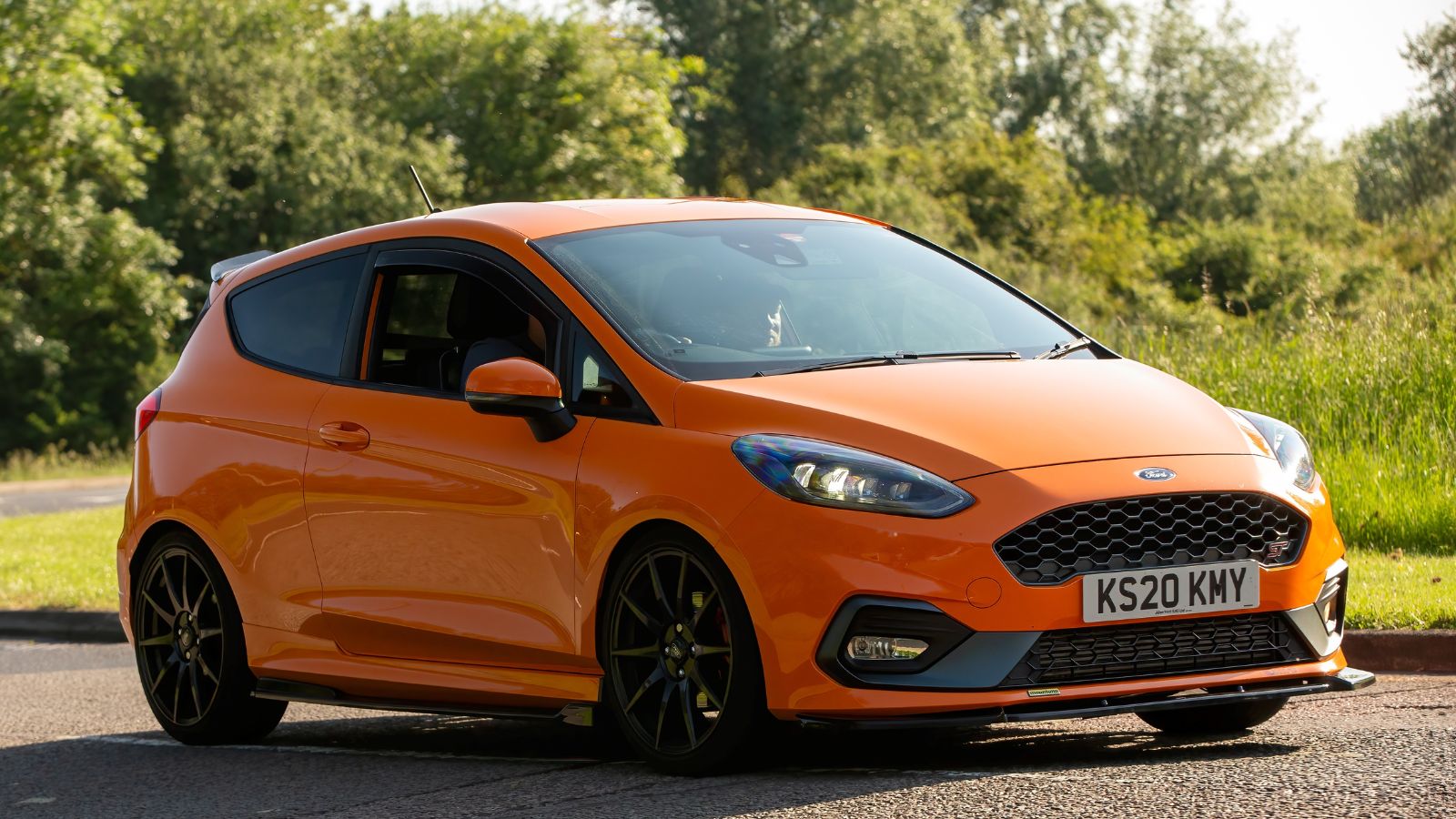
The most popular vehicles often become technology showcases because automakers use them to reach the widest audience. Large touchscreens, driver-assistance features, subscription services, digital keys, over-the-air updates, and connected apps can make a vehicle feel modern in the showroom. During the test drive, those features create excitement. Over several years, they can also introduce new failure points and learning curves.
A simple example is the family SUV with a screen-controlled climate system. It may look clean and advanced, but drivers wearing gloves or trying to adjust settings on a rough road may prefer physical controls. Software bugs, sensor calibration, camera failures, and subscription changes can also affect how a vehicle ages. Popularity may mean the features are fashionable, not necessarily durable or easy to live with. Sometimes the smarter buy is the trim with fewer electronic extras and more proven hardware.
Safety Needs Are More Specific Than Star Ratings
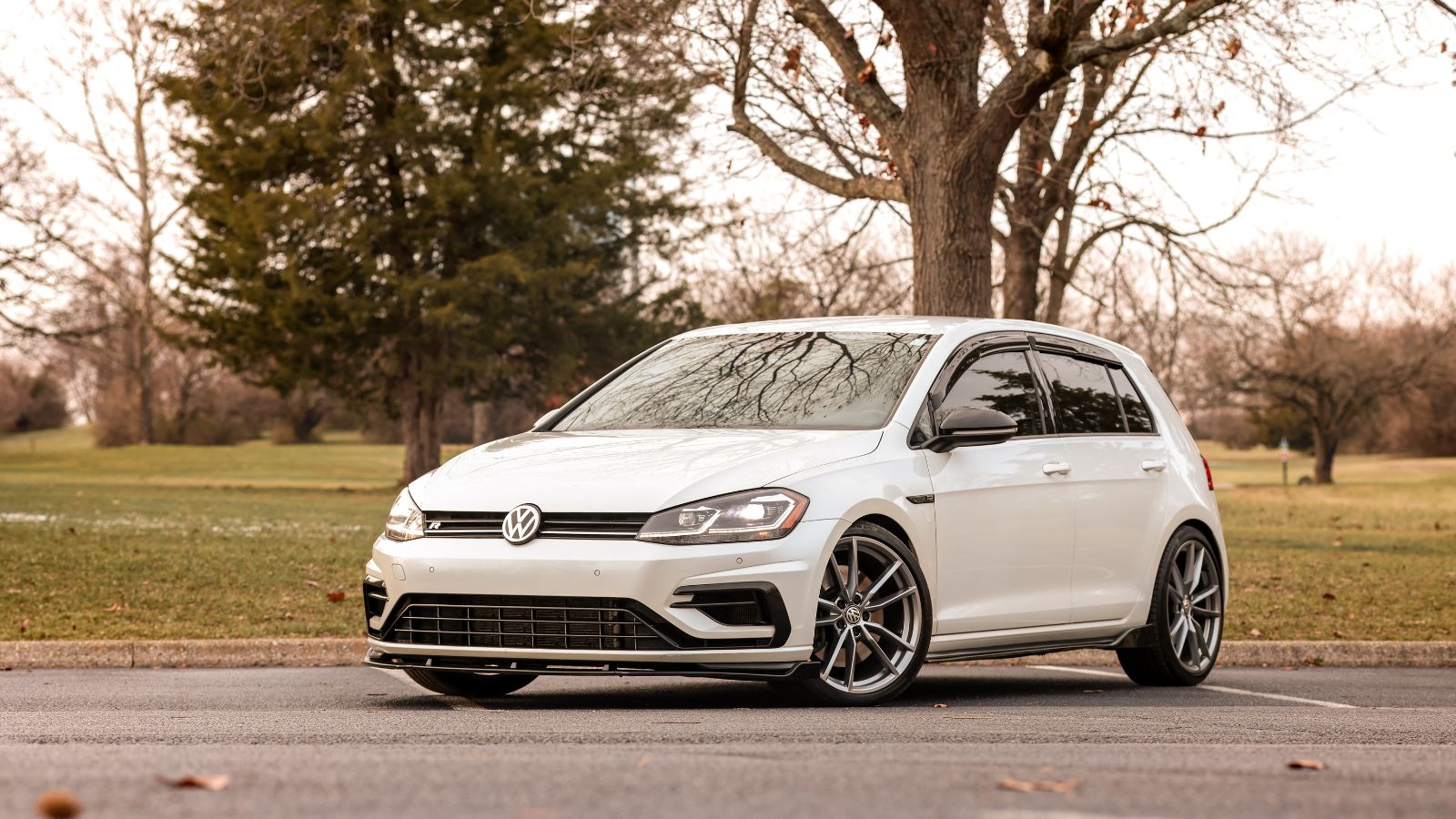
A bestseller can have strong safety credentials and still be the wrong safety fit for a particular household. Crash-test ratings are important, but they should be checked for the exact model year and body style. A vehicle’s structure, weight, driver-assistance equipment, headlight performance, seat geometry, and child-seat access can all influence real-world safety in ways that a single reputation cannot fully capture.
Size brings its own trade-offs. Larger vehicles can offer occupants a feeling of security, but they can also create visibility challenges and pose greater risks to pedestrians and cyclists. A high hood, wide pillars, or awkward rear sightlines can matter every day in school zones and parking lots. The most popular vehicle may protect well in certain crash tests, yet another model may offer better visibility, easier child-seat installation, superior headlights, or safer handling for the driver’s actual environment.
Bigger Is Not Always More Practical
Many people buy popular trucks and SUVs because they want flexibility. The logic is understandable: extra cargo room, towing capacity, all-wheel drive, and a higher seating position sound useful. But maximum capability can turn into daily inconvenience when the vehicle is longer, wider, thirstier, and more difficult to park than the owner expected. A truck that can tow a heavy trailer twice a year may feel oversized during the other 363 days.
Practicality is not measured only by cubic feet or payload ratings. It includes garage clearance, turning radius, seat height, loading height, rear-door opening, tire replacement cost, and whether family members can climb in comfortably. A smaller crossover, wagon, minivan, or midsize pickup may solve the same real problems with less cost and stress. The smartest vehicle is the one that handles ordinary life gracefully, not the one built for the most extreme hypothetical weekend.
Depreciation Does Not Always Follow Popularity
A popular vehicle can hold value well, but it is not guaranteed. Resale value depends on supply, incentives, fuel prices, reliability news, redesign timing, and buyer taste in the used market. If a manufacturer sells huge numbers of one model, the used market can later fill with similar examples. That abundance may soften prices, especially if many are off-lease, ex-rental, or fleet vehicles arriving at the same time.
Less obvious models can sometimes become stronger value plays. A vehicle that sold modestly when new may be discounted more heavily upfront, then depreciate slowly because owners keep them or because used buyers discover their strengths later. The best financial decision compares purchase price, expected resale value, maintenance exposure, and demand in the local market. Sales leadership is only one signal. A model that is merely “less popular” may quietly deliver better value over five or seven years.
Dealer Incentives Can Change the Best Choice
The smartest buy can change from month to month. Automakers adjust incentives to manage inventory, support slow-moving models, clear outgoing body styles, or compete in crowded segments. A vehicle ranked lower on the sales chart may come with stronger rebates, better lease terms, or a lower finance rate because the manufacturer wants to move metal. Meanwhile, the bestseller may receive fewer discounts because demand is already strong.
This is why shopping only by popularity can leave money on the table. Two similar vehicles can have thousands of dollars between them once incentives, dealer discounts, trade value, and finance terms are included. A shopper who compares out-the-door numbers rather than badges may find that the less talked-about model offers more equipment for less money. The wise purchase is not always the one with the biggest crowd around it; it is the one with the best complete deal.
Add-Ons Can Inflate a Familiar Choice
Popular vehicles can create a sense of urgency. When a salesperson says a model is moving quickly, buyers may become more willing to accept dealer add-ons just to secure the vehicle. Paint protection, anti-theft packages, nitrogen-filled tires, wheel protection, extended service contracts, and appearance bundles can all appear near the end of the transaction. Some may be useful in certain cases, but many are optional and negotiable.
The finance office is where a smart vehicle can become an overpriced one. A buyer who carefully chose a sensible model may still lose the value advantage by accepting products that add thousands to the financed amount. Popularity can make refusal feel risky, especially when inventory is tight. The better approach is to separate the vehicle from the extras. A good model only remains a good buy when the final contract still reflects a fair price.
The Best Vehicle Is the One That Matches the Long Game
The most popular vehicle often wins the first impression. It may look right, feel familiar, and come with reassuring evidence that many other buyers reached the same conclusion. But ownership is measured over years, not minutes. Commutes, school runs, road trips, repairs, insurance renewals, tire replacements, parking frustrations, and resale negotiations eventually reveal whether the choice was truly smart.
A strong purchase starts with a personal checklist: real budget, driving distance, cargo needs, reliability record, safety performance, insurance quote, fuel cost, repair access, and expected resale value. Popularity can be part of that evaluation, but it should never replace it. The vehicle everyone is buying may be excellent for many households. The smartest one to buy is the model that keeps making sense long after the sales ranking has moved on.
22 Things Canadians Do to Their Cars in Spring That Mechanics Hate

Spring brings relief to many Canadian drivers after months of snow, freezing temperatures, and icy roads that put serious strain on vehicles. As temperatures rise across the country, drivers begin washing cars, switching tires, and preparing vehicles for warmer weather and upcoming road trips. However, mechanics across Canada notice the same mistakes every spring when drivers attempt to recover from winter damage. Road salt, potholes, and harsh winter driving conditions often leave vehicles with hidden problems that drivers ignore. Some spring habits even create new mechanical issues that could have been avoided with proper maintenance. Here are 22 things Canadians do to their cars in spring that mechanics hate.

Alanna Rosen is an experienced content writer that focuses on many EV and educational content. Her articles are regularly published on Get CyberTrucked and syndicated on large publications.