
A modern car can arrive with heated seats, powerful electric motors, cameras, cellular hardware and sophisticated computers already installed, yet some of those capabilities may remain unavailable until another payment is made. That shift has changed the meaning of vehicle ownership for many drivers. Instead of buying a finished collection of equipment, owners can find themselves buying hardware whose capabilities are partly controlled by software, subscriptions and online accounts.
Not every paid digital service is unpopular, and some require genuine ongoing costs for data, cloud computing or continuous development. The tension is strongest when software appears to restrict equipment already sitting in the driveway. These 12 issues explain why software-locked vehicle features have become such a sensitive subject for owners.
The Hardware Is Already Sitting There
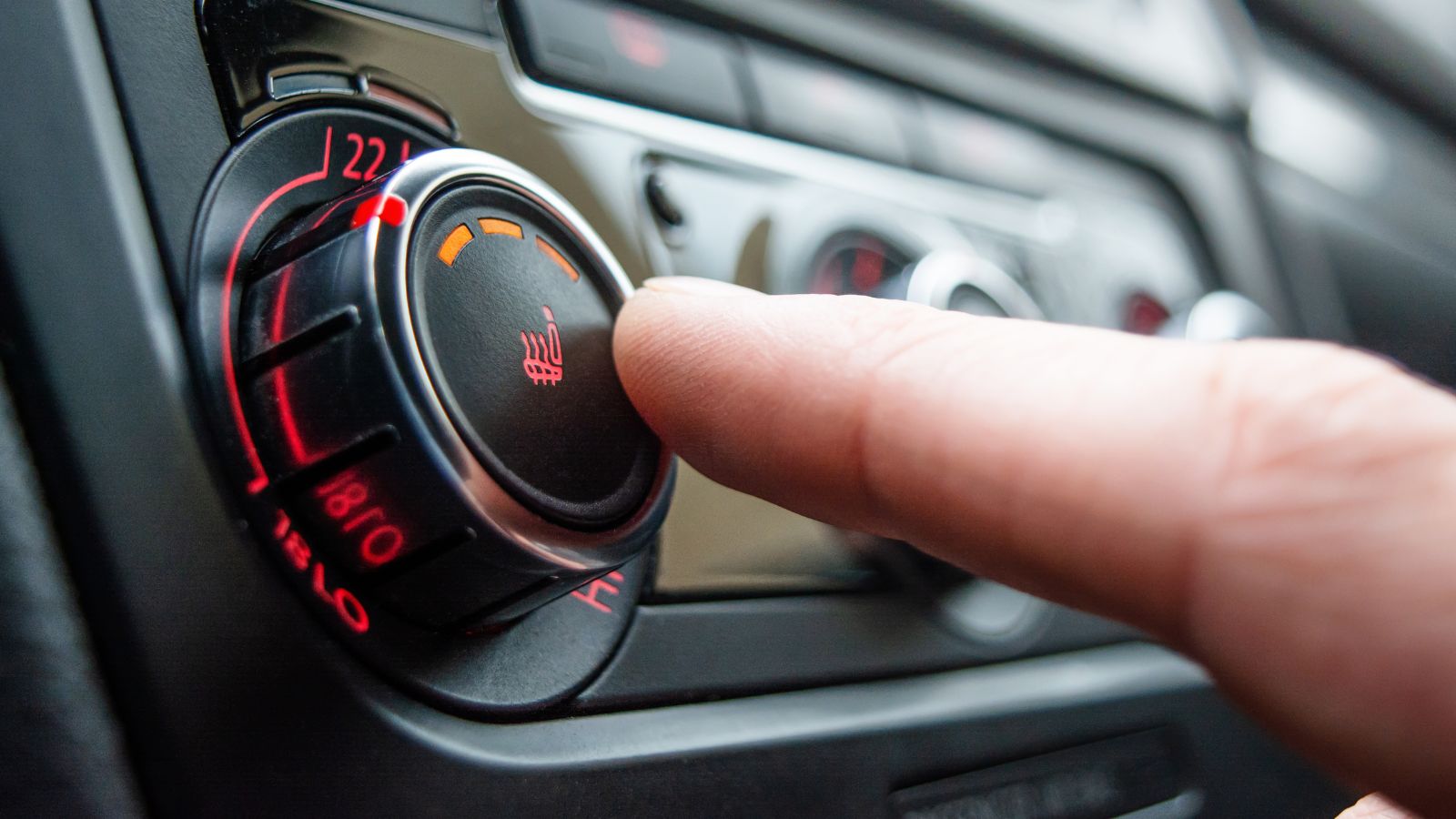
The controversy becomes especially sharp when drivers can physically see or feel the hardware they are being asked to unlock. BMW provided one of the best-known examples when it experimented in some markets with subscription access to heated seats. The heating elements were already installed, but software determined whether the customer could use them. BMW eventually abandoned that approach for seat heating after acknowledging that customer acceptance had not been strong enough.
Tesla demonstrated an even more striking version of software gating years earlier. Some Model S vehicles sold as 60-kWh models actually contained 75-kWh battery packs, with part of the capacity electronically restricted. Owners could pay to unlock the additional capacity without replacing the battery. From an engineering perspective, standardized hardware can simplify manufacturing. From an ownership perspective, however, the experience can feel different: a driver may know that a capability is physically present while being prevented from using it until another transaction occurs.
Ownership Can Start Feeling More Like a Rental

Car buyers traditionally expect permanent access to the equipment included with a vehicle. A mechanical sunroof does not normally close forever because a monthly payment stops, and an upgraded engine does not ordinarily lose horsepower when a credit card expires. Software-defined vehicles introduce a different relationship. Features can increasingly be purchased temporarily, activated remotely and switched off when a subscription ends.
Tesla Canada currently offers Full Self-Driving (Supervised) as a $99 monthly subscription rather than an outright purchase. General Motors also sells several Canadian OnStar tiers, with its current plans ranging from lower-cost connectivity offerings to OnStar One at $39.99 per month before tax. Those services include genuine ongoing infrastructure, so they are not equivalent to simply unlocking a seat heater. Still, the broader change can be unsettling. A vehicle may remain fully owned while access to increasingly important parts of its digital experience is effectively rented month by month.
Performance Can Be Restricted by Software
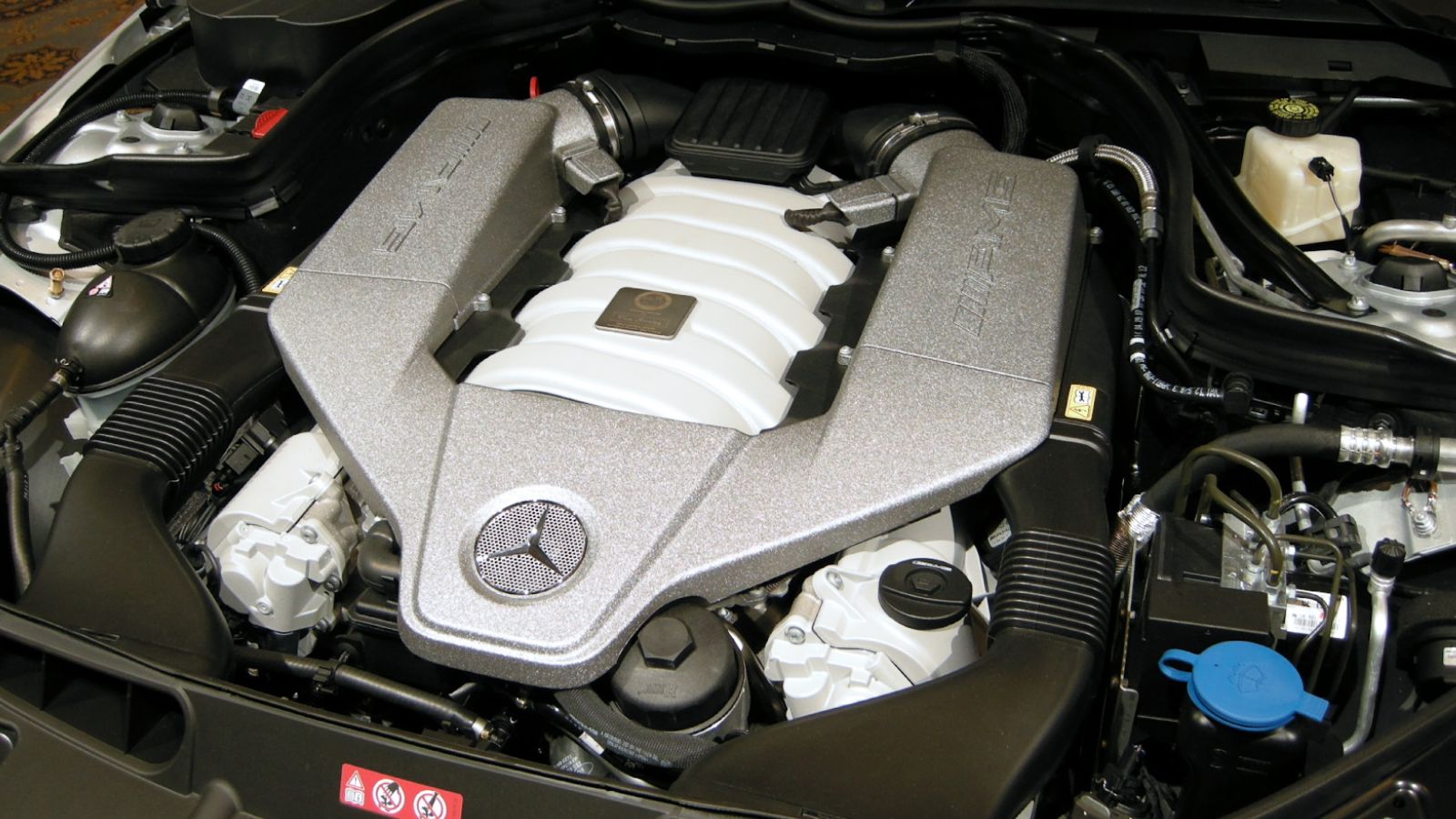
Horsepower once seemed like one of the most permanent characteristics of a vehicle. Engines, turbochargers, batteries and electric motors determined the performance available when the car left the factory. Software-controlled powertrains have changed that equation. An automaker can build the necessary capability into a vehicle and then use programming to determine how much of that performance a particular customer receives.
Mercedes-Benz attracted attention in 2022 with an Acceleration Increase subscription offered on certain EQ electric vehicles in the United States. Contemporary reporting described an annual charge of roughly US$1,200 for additional motor output and quicker acceleration. Polestar offers another version of software-enabled performance: eligible Polestar 2 Long range Dual motor models can receive a Performance Software Upgrade through an over-the-air update. Polestar says the upgrade can raise combined output to 350 kW, or 476 horsepower. Such upgrades demonstrate the remarkable flexibility of electric powertrains, but they also make owners acutely aware that software can stand between installed hardware and its full capability.
Recurring Fees Can Become Significant Over Years

A modest monthly charge can look far less intimidating than another several thousand dollars on the purchase contract. The calculation changes when the car is kept for five, eight or ten years. A $20 monthly service costs $1,200 over five years. A $40 monthly plan reaches $2,400 over the same period before taxes or future price changes. Multiple subscriptions can quietly turn a fixed-cost vehicle feature into another household bill.
Current Canadian examples show how quickly connected services can accumulate. GMC lists OnStar One at $39.99 per month plus tax, while other plans are offered at lower monthly prices. Tesla lists Full Self-Driving (Supervised) at $99 per month in Canada. Those products are very different and owners are free to decline them, but the arithmetic illustrates the concern. Drivers accustomed to paying once for optional equipment increasingly have to consider lifetime subscription costs alongside financing, insurance, maintenance, charging or fuel. The feature may seem affordable month to month while becoming substantial over a long ownership period.
The Price Can Change After the Vehicle Is Purchased

Traditional optional equipment has one major advantage: once it has been purchased, its price is finished. Connected-car subscriptions leave an ongoing commercial relationship between the driver and manufacturer. That means pricing, bundles and service conditions can evolve years after the showroom transaction. Owners who become dependent on remote start, navigation connectivity or other digital conveniences may consequently pay a different amount later than they expected at purchase.
OnStar illustrates that possibility. GM’s Canadian support material previously announced increases of $2 or $3 per month on selected OnStar plans beginning for new subscriptions in November 2024, with notices also going to affected existing customers. Tesla likewise states that the price and availability of its Full Self-Driving subscription are subject to change. None of this is unusual for subscription businesses, but cars have historically been treated differently from streaming services or software packages. A vehicle can remain on the road for well over a decade, creating a much longer exposure to changing digital-service economics.
Free Trials Can Become Part of the Sales Strategy

Software locks allow automakers to demonstrate an expensive capability without permanently including it in the sale. That can benefit buyers who genuinely want to test something before paying. It also gives manufacturers an opportunity that was much harder to create with traditional factory options: an owner can become accustomed to a feature for several weeks and then encounter a payment screen when the trial ends.
Tesla offers new eligible owners a 30-day trial of Full Self-Driving (Supervised). Industry research suggests that exposure matters. S&P Global Mobility reported in 2023 that 45% of surveyed connected-service users had their service activated at the dealership, typically through a trial, while many previous subscribers said they were likely to renew. That makes free access a powerful marketing mechanism rather than simply a courtesy. Drivers may appreciate being able to experiment before committing, but critics see another behavioural shift: the car itself becomes a storefront capable of repeatedly presenting upgrades long after the original purchase has been completed.
Software Restrictions Can Complicate Independent Repairs

Digital control is not limited to optional luxuries. Modern vehicles contain electronic modules, diagnostic systems and software authentication that can affect how repairs are performed. When essential tools, codes or software are controlled by the manufacturer, independent mechanics may have difficulty performing certain work without manufacturer-provided access. That issue has become significant enough to attract government attention in both Canada and the United States.
The U.S. Federal Trade Commission’s major “Nixing the Fix” report specifically discussed software locks, digital-rights-management tools and technological protection measures as potential barriers to repair. Canada’s Competition Bureau has similarly argued that independent repairers need access to technical information, diagnostic software, tools and parts to promote competition. Amendments to Canada’s Competition Act now explicitly recognize certain means of diagnosis or repair, although the Bureau notes that they do not create a universal individual right to repair. For owners, the concern is straightforward: software should not unnecessarily turn an ordinary repair into a dealer-only procedure.
Connected Features Can Become Obsolete Before the Car Does

A mechanical switch can function for decades if it remains physically intact. A connected feature depends on far more than the vehicle. Cellular standards, servers, apps, operating systems and manufacturer support all have to keep working. That creates the strange possibility of a perfectly serviceable vehicle losing digital capabilities simply because the communications technology behind them has reached the end of its life.
The shutdown of older cellular networks provided a dramatic example. Consumer Reports documented vehicles that lost automatic crash notification, remote unlocking, remote start and other connected functions during the U.S. 3G shutdown. Some could be upgraded, while others permanently lost services. Canada had already experienced a similar transition with older OnStar hardware after its 2G network was deactivated. GM says its Canadian hardware-upgrade program for affected older vehicles eventually ended. These situations are not necessarily deliberate software locks, but they expose the same vulnerability: owners can pay for sophisticated electronic equipment whose usefulness depends on outside infrastructure they do not control.
Access to Features Can Come With a Data Trade-Off
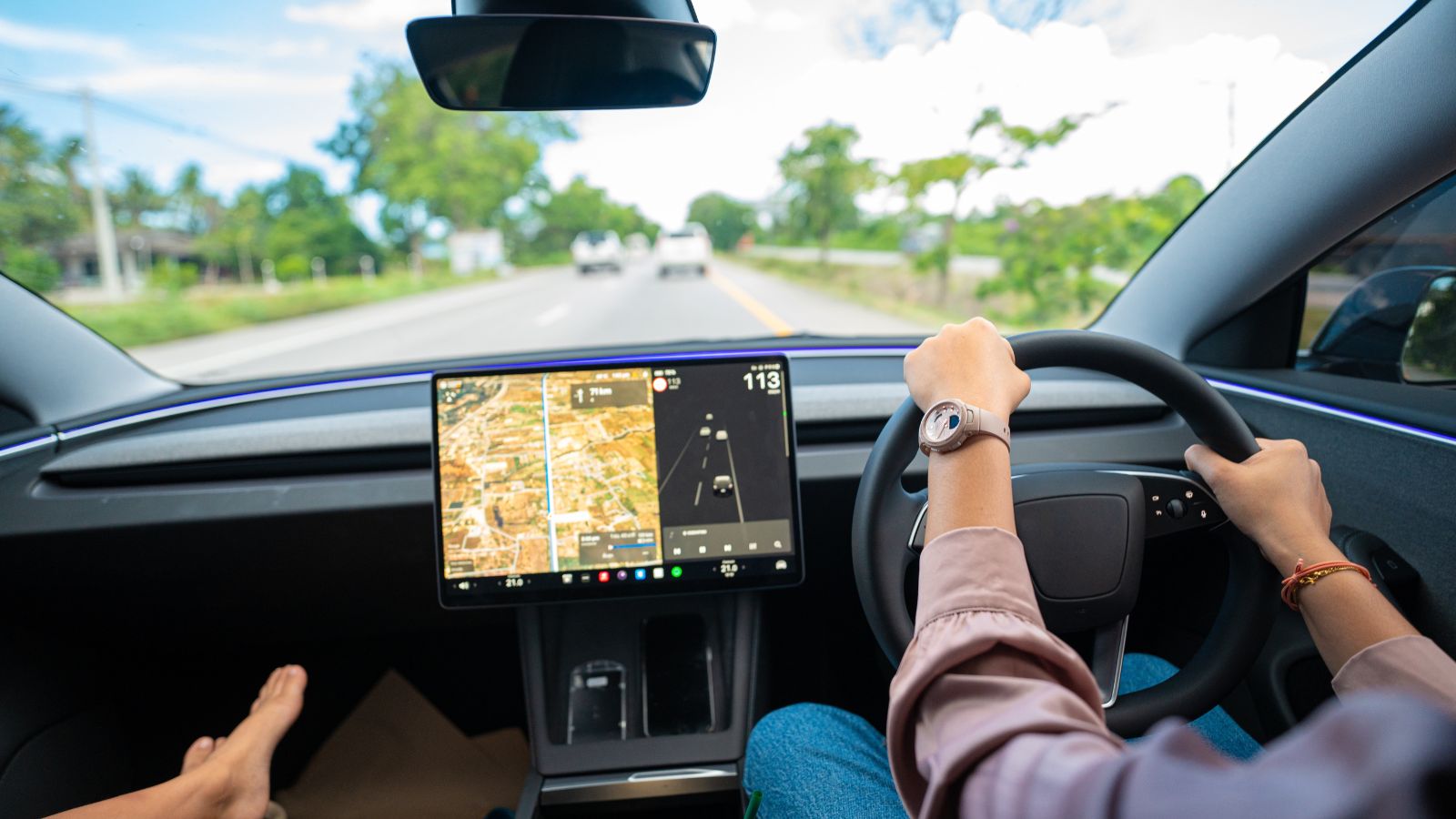
Connected features require communication between the vehicle, an app and outside servers. That can make the payment debate about more than money. A driver who wants remote controls, personalized services or connected navigation may also have to create accounts, accept privacy terms and permit certain information to move through the manufacturer’s digital ecosystem. The vehicle therefore becomes both transportation and a significant data-generating device.
Canada’s Privacy Commissioner has warned that connected vehicles can collect and transmit large amounts of personal information, including location history, driving behaviour and preferences. More recent work by the Commissioner’s office has examined what automakers require Canadian customers to accept in order to use connected applications and onboard features. Background material released in 2026 noted research suggesting that some manufacturers require information-sharing consent for access to certain connected features. The problem is not that every connected service misuses data. Rather, owners may feel that unlocking convenience increasingly requires accepting a continuing digital relationship that did not exist with traditional vehicle equipment.
Safety and Convenience Can Become Difficult to Separate
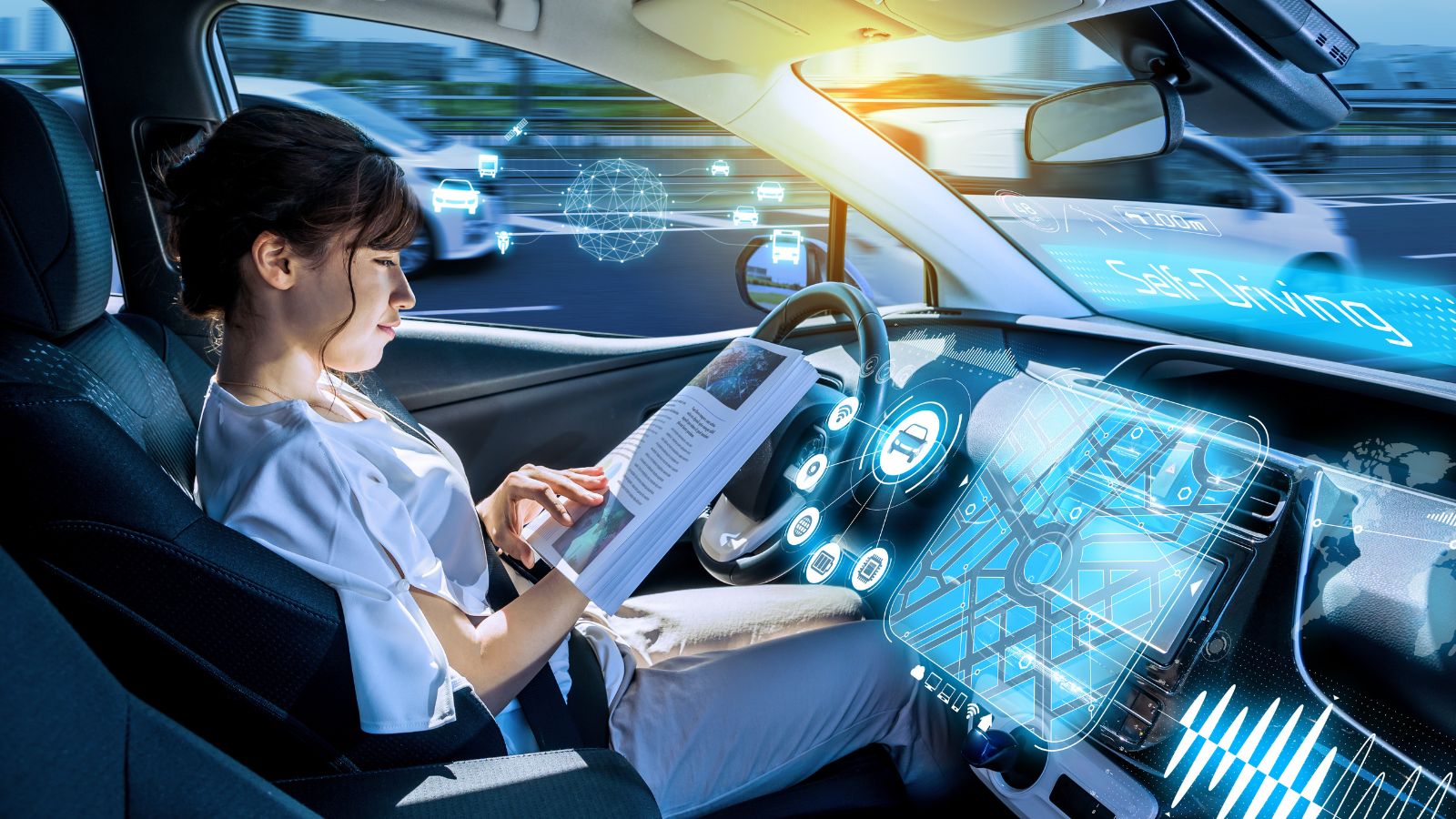
Subscriptions are easier to accept when they clearly pay for entertainment or extra data. Reaction becomes more complicated when services involve roadside help, crash response, driver assistance or navigation. Those features can sit somewhere between convenience and safety, making owners more sensitive to what is included permanently, what requires a plan and how long complimentary access lasts.
GM’s current Canadian approach demonstrates both sides of the issue. For 2025-and-newer vehicles, the company says OnStar Basics is included for up to eight years and includes Automatic Crash Response, remote commands and connectivity for selected navigation, voice-assistance and audio applications. More extensive OnStar plans remain available for additional monthly charges. Tesla similarly emphasizes that its paid Full Self-Driving product remains a supervised driver-assistance system rather than an autonomous vehicle. As cars become more software-defined, manufacturers face a difficult expectation: customers may tolerate charges for genuinely additional services while reacting much more strongly when they believe fundamental vehicle functionality or safety is being put behind a digital gate.
Buyers May Still Be Paying for the Disabled Hardware
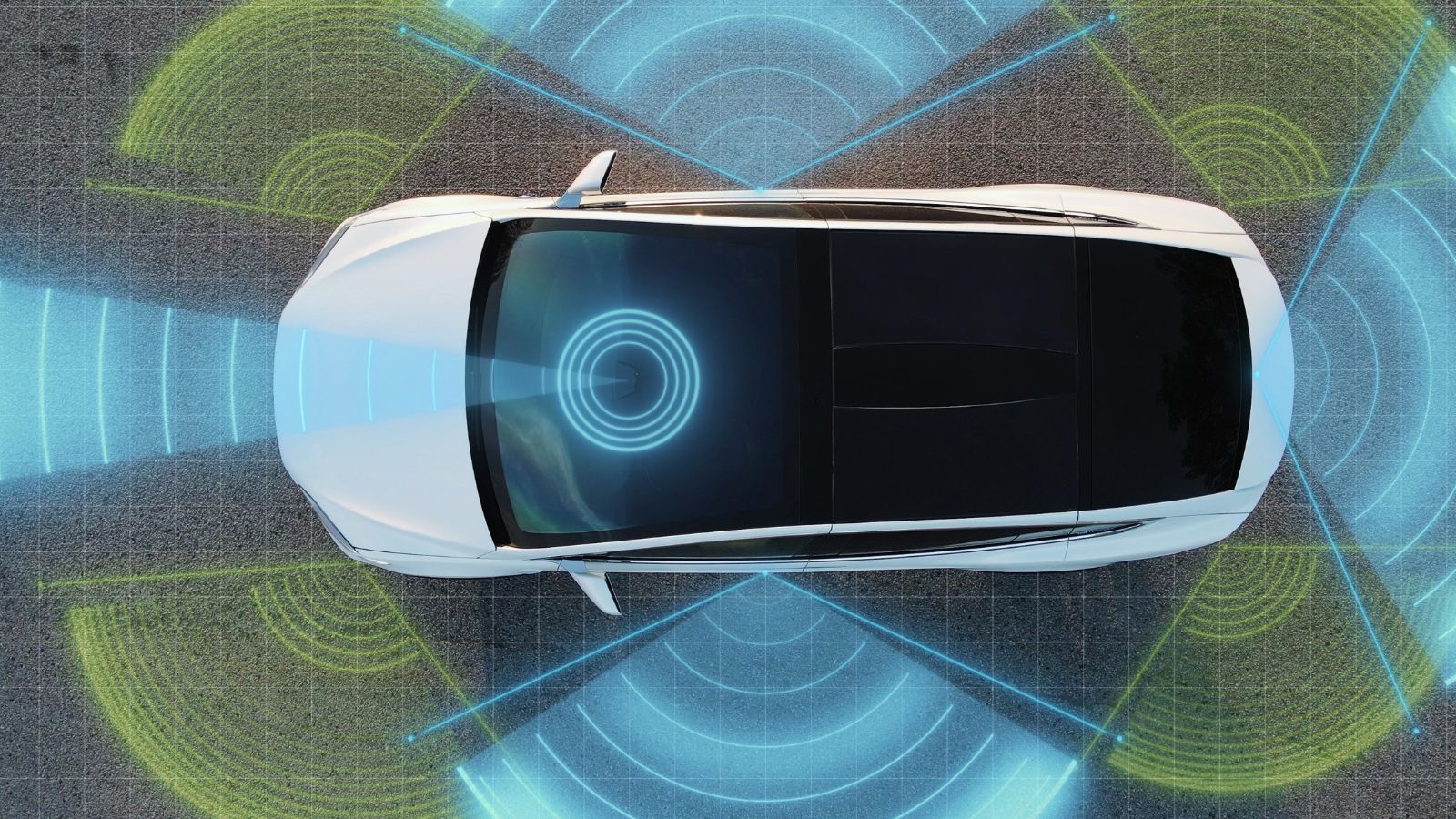
Installing common hardware across many vehicles can make manufacturing more efficient. Instead of building numerous physical versions of the same car, an automaker can produce more standardized vehicles and differentiate them through software. That approach potentially reduces production complexity and makes later upgrades possible. It also creates a question that understandably irritates some buyers: who paid for the equipment that is sitting unused?
Consumer Reports raised that concern when examining automotive subscriptions. Industry experts noted that installing sensors, heating elements or other hardware still costs money even if the purchaser never activates the related feature. Those costs ultimately have to be absorbed somewhere in the vehicle business. This does not mean that every locked feature directly increases the base price by its full component cost, because automotive pricing is far more complicated. Still, the optics are difficult. Drivers may reasonably wonder why a component was manufactured, installed, transported and sold with the vehicle, only for software to prevent its use until another payment is made.
Consumers Are Not Rejecting Every Subscription
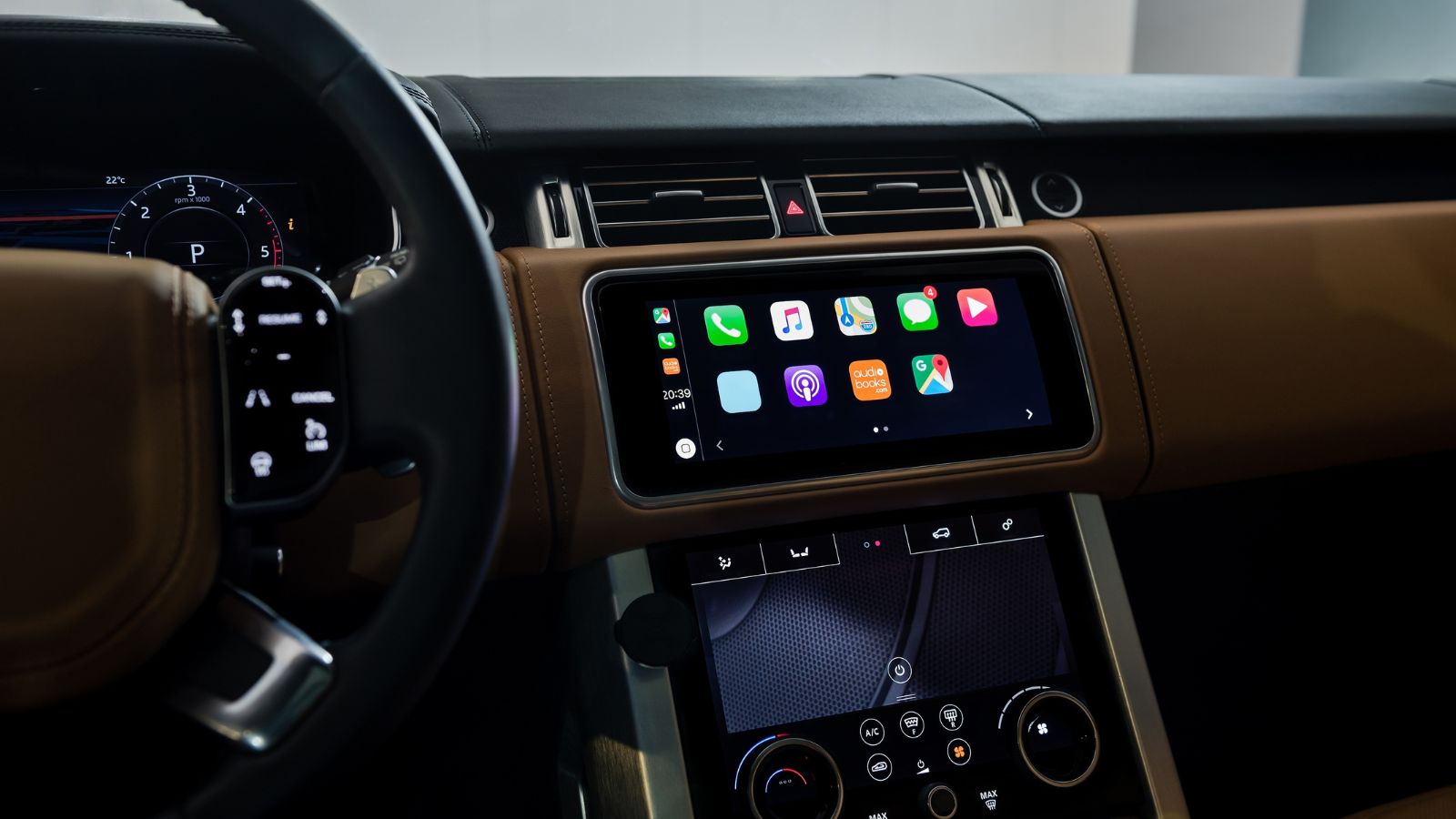
The backlash against software locks can make it appear that drivers want every digital feature permanently included. Research paints a more complicated picture. S&P Global Mobility found strong satisfaction among many people who had actually used connected services. In its 2023 global research, 82% of respondents with experience of a free trial or existing subscription said they would definitely or probably consider subscription-based services with a future vehicle.
The resistance depends heavily on what is being sold. The same S&P research found that fewer than 30% of respondents were willing to pay a monthly subscription for heated seats or a heated steering wheel. McKinsey has similarly found substantial interest in connected services while also reporting that consumers’ willingness to pay varies sharply by feature and price. That distinction explains much of the anger. Drivers often recognize that cellular data, continuously updated software or cloud-based services create continuing costs. What tends to provoke a stronger reaction is paying repeatedly to activate ordinary hardware that already exists inside a vehicle they believe they fully own.
19 Used Cars Canadians Should Avoid in 2026 (Based on Owner Complaints)

Buying a used car in Canada can feel safe until repair bills start stacking up. Owner complaints tell a different story than glossy listings. Transmission failures, electrical problems, and weak winter reliability show up again and again in consumer reports. Many of these issues appear after warranties expire, when owners least expect them. Some vehicles look affordable upfront, but become expensive to keep on the road. Others struggle in cold weather, urban driving, or long highway commutes. Here are 19 used cars Canadians should avoid in 2026 (based on owner complaints).
19 Used Cars Canadians Should Avoid in 2026 (Based on Owner Complaints)

Alanna Rosen is an experienced content writer that focuses on many EV and educational content. Her articles are regularly published on Get CyberTrucked and syndicated on large publications.