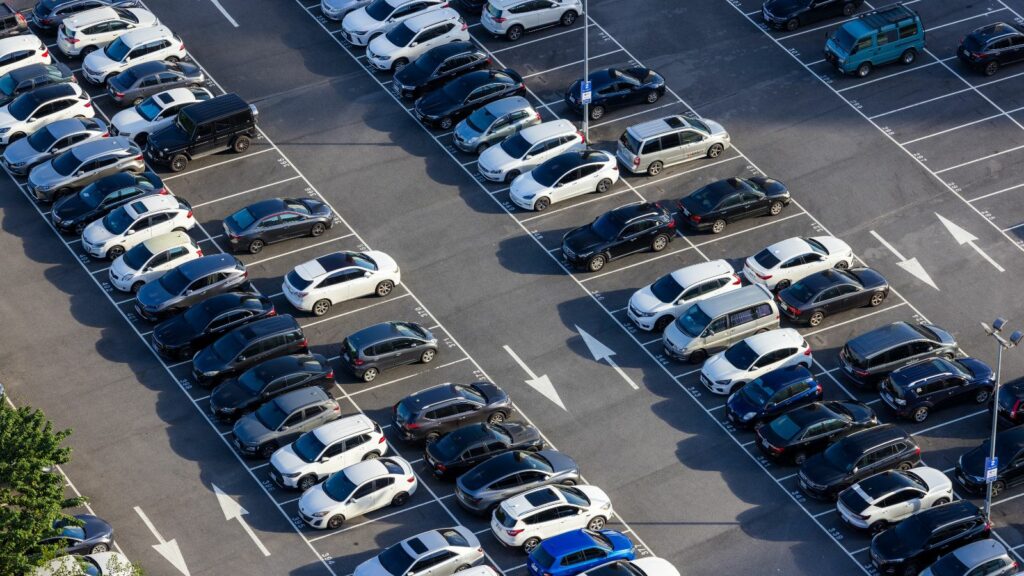
A crowded parking lot can turn a simple grocery run into a surprisingly complicated driving test. Cars emerge from stalls, pedestrians appear between SUVs, and drivers often make conflicting assumptions about who is supposed to move first. One of the biggest mistakes is treating every parking-lot encounter as though the same right-of-way rule applies.
The most useful principle is that a vehicle entering the traffic flow from a parking space generally has to yield, while priority between vehicles already travelling through the lot depends on lane type, signs and provincial rules. These 12 points explain where Canadian drivers commonly get parking-lot right-of-way wrong and why a few seconds of patience can matter more than claiming priority.
Leaving a Parking Stall Usually Means Yielding
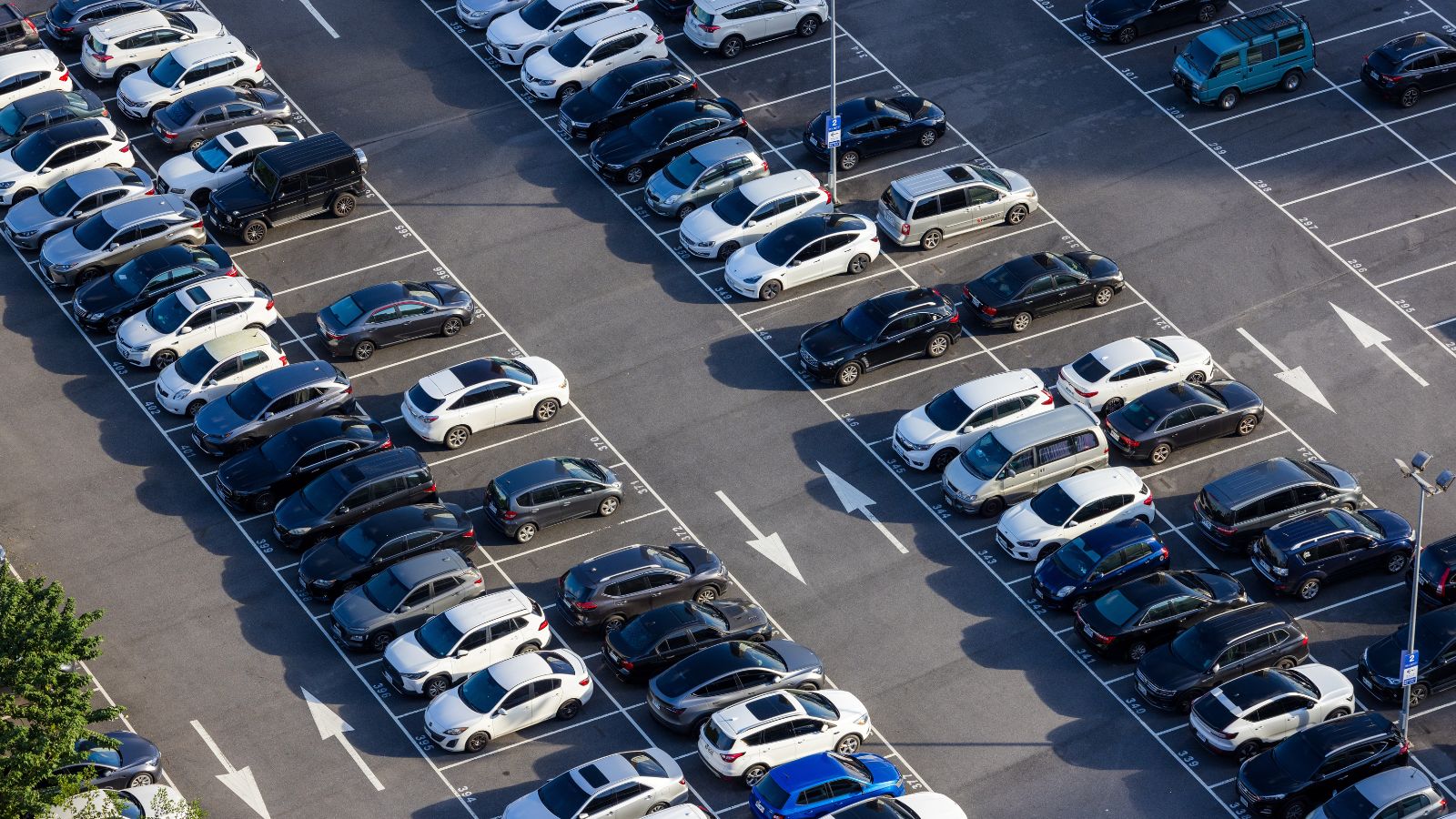
One of the clearest parking-lot principles is also one of the most frequently ignored: a vehicle pulling or backing out of a stall should not assume that surrounding traffic will stop. Ontario’s insurance fault rules specifically address parking-lot crashes and state that a driver leaving a parking space who fails to yield to a vehicle travelling on a feeder lane or thoroughfare can be assigned 100 per cent fault. British Columbia’s ICBC similarly shows a vehicle reversing from a parking spot and colliding with an approaching vehicle as fully responsible in its standard crash example.
Alberta’s driver guide delivers essentially the same practical message. When leaving an angled parking space, motorists are instructed to reverse carefully, check behind the vehicle and yield the right-of-way while backing out. Imagine a driver at a busy supermarket slowly emerging between two tall pickups. The driver in the aisle may choose to stop as a courtesy, but that courtesy should not be expected. Until the reversing driver can see that the lane is clear, the safer assumption is that the vehicle already moving through the aisle has priority.
Main Aisles Can Have Priority Over Smaller Parking Lanes
Not every strip of pavement between parked cars has equal status. Some parking lots have a recognizable main route carrying vehicles from the entrance toward the exit or through the property. Ontario’s Fault Determination Rules call this a “thoroughfare,” defining it as the main road used to enter, travel through or leave a parking lot. A smaller road within the lot is classified as a feeder lane. When a driver leaves a feeder lane and fails to yield to a vehicle on the thoroughfare, Ontario’s insurance rules can place full fault on the feeder-lane driver.
The same basic layout appears in B.C. guidance. ICBC describes the lane leading directly toward the road as the main lane and says traffic coming from a feeder lane must yield to it. Saskatchewan’s driver guidance also identifies thoroughfares and requires parking lanes and passageways to yield to them. That distinction matters in shopping centres where several narrow parking rows empty into one broad access route. A driver reaching the wider aisle should not assume the normal “vehicle on the right” idea automatically takes precedence over the parking lot’s main traffic route.
The Vehicle on the Right Rule Has Limits
The familiar rule about yielding to a vehicle approaching from the right can apply in a parking lot, but it is not a universal answer to every parking-lot conflict. Saskatchewan provides a useful example. Its driver handbook says that when parking lanes or passageways intersect without stop or yield signs, motorists should treat the location as an uncontrolled intersection. When two vehicles arrive at approximately the same time, the driver on the left yields to the vehicle on the right.
The important detail is that both vehicles need to be approaching an equivalent uncontrolled intersection. The rule does not give a driver emerging from a parking stall priority over an established traffic lane, nor does Saskatchewan apply it to a feeder lane crossing a designated thoroughfare. Consider two equally sized rows intersecting in the middle of a mall lot with no signs. The vehicle on the right may have priority under Saskatchewan guidance. Move that same encounter to a smaller parking row meeting the lot’s main access road, however, and the thoroughfare rule changes the answer. Identifying the type of lane comes before deciding who goes first.
Left-Turning Drivers Still Have to Watch Oncoming Traffic
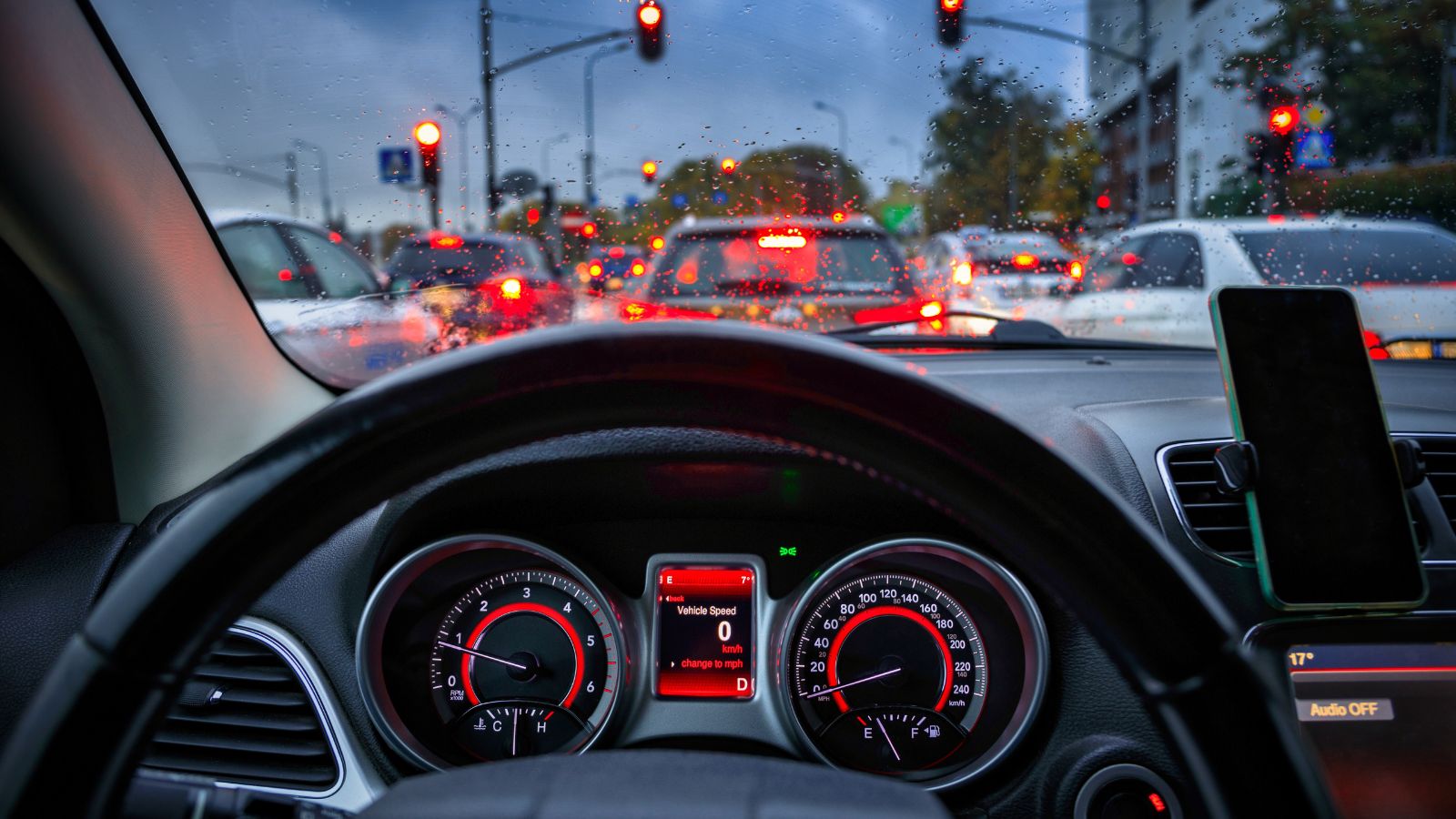
Parking-lot speeds are lower than highway speeds, but turning rules do not simply disappear once a vehicle enters a shopping centre. Saskatchewan’s parking-lot guidance specifically states that a driver turning left must give right-of-way to oncoming traffic. That means a motorist crossing the path of another vehicle to enter a stall, another aisle or an exit route should wait until the manoeuvre can be completed without interfering with traffic coming the other way.
B.C.’s ICBC applies the same fundamental principle in its crash-responsibility examples: a driver making a left turn must yield to oncoming traffic close enough to create an immediate hazard. In a parking lot, the situation can develop quickly because vehicles may be hidden behind parked vans or turning unexpectedly toward an open space. A driver who spots a coveted stall across the aisle may instinctively swing left before someone else gets it, yet the presence of an approaching vehicle still matters. Securing the parking space does not create a special right-of-way, and a hurried turn can turn an ordinary shopping trip into an insurance claim.
Stop Signs and Directional Controls Should Not Be Treated as Decorations
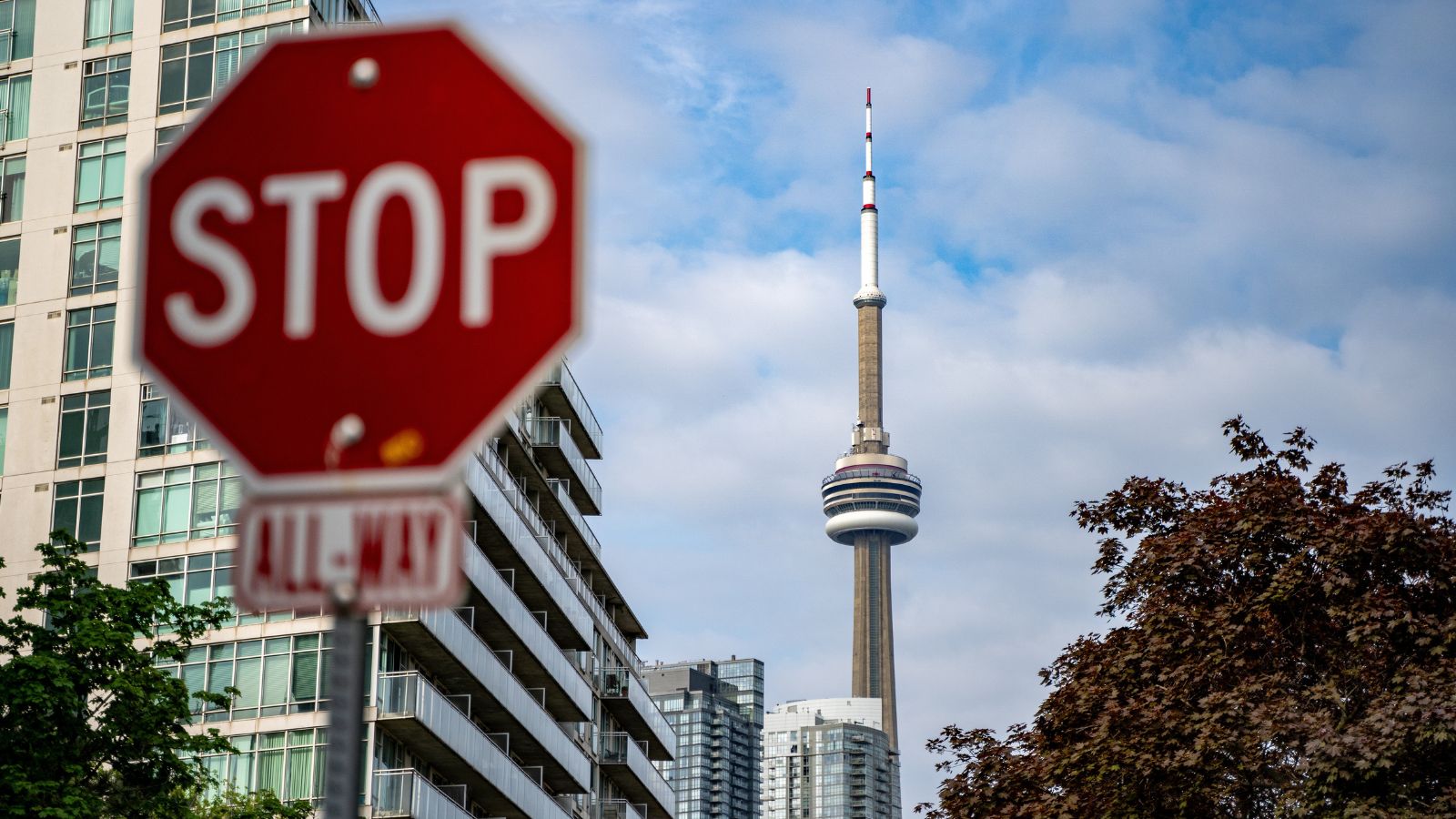
Some motorists become surprisingly casual about stop signs, arrows and other traffic controls once they leave a public street. That can be a costly habit. Saskatchewan’s driver handbook says many road rules also apply in parking lots, specifically mentioning traffic-control signs, turns, signalling and backing. ICBC likewise tells drivers to obey posted traffic signs when navigating parking areas. The practical message is straightforward: a stop sign installed at a busy parking-lot intersection should be treated as a real instruction, not as landscaping.
Exactly how a sign is enforced can depend on the province, municipality and ownership of the property. Ontario illustrates that complexity. Its Municipal Act gives local municipalities authority, under specified conditions, to regulate or prohibit traffic on privately owned land used as a parking lot, including requirements involving signs at the entrances. This is why sweeping claims such as “stop signs on private property never count” are unreliable. Even where the ticketing mechanism differs from a public roadway, ignoring a clearly posted control can still become important when insurers, property rules or investigators reconstruct what happened.
Pedestrians Can Change the Entire Right-of-Way Question

MFajarH/Shutterstock.
Drivers sometimes become so focused on which vehicle should move first that they overlook the person walking between them. Saskatchewan’s parking-lot guidance is especially direct, telling motorists to stop for pedestrians whether an intersection is marked or not. Its material explicitly includes people walking as well as those using wheelchairs, motorized wheelchairs or medical scooters. That is particularly relevant in grocery, hospital and shopping-centre lots, where pedestrian movement is frequent and rarely follows neat roadway patterns.
Visibility makes the danger worse. Quebec’s SAAQ warns that vehicle blind spots exist at the front, rear and sides and tells drivers to check them before backing or leaving a parking space. A pedestrian can disappear behind an adjacent pickup, van or windshield pillar just as a driver begins moving. This is where being technically correct about vehicle priority becomes almost irrelevant. A driver travelling along the aisle may have priority over a reversing vehicle, yet still needs to be ready for a shopper pushing a cart between parked cars. Parking-lot safety depends on anticipating people who may not be visible until the last moment.
Private Property Is Not a Legal Free-For-All
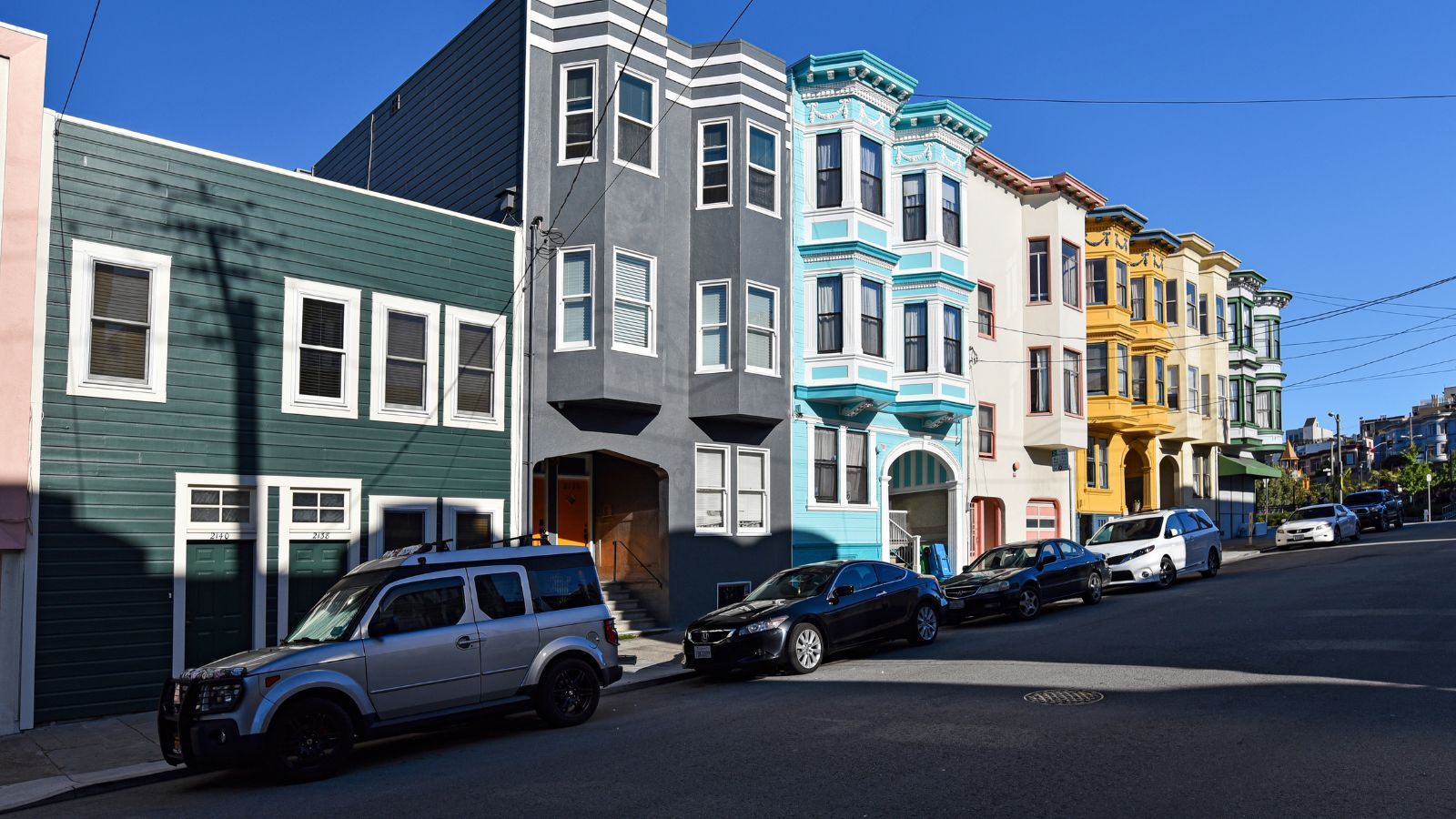
The phrase “private parking lot” sometimes creates the impression that ordinary driving responsibilities vanish at the property line. Canadian rules are more complicated. Ontario’s Highway Traffic Act, for example, defines a “highway” in terms of public passage, so whether a particular provision applies can depend on the nature of the location. At the same time, other laws provide mechanisms for regulating parking and traffic on privately owned parking land, while Ontario’s insurance Fault Determination Rules expressly contain a section dealing with parking-lot collisions.
B.C. offers another illustration of why “private property” does not mean “no rules.” ICBC publishes specific responsibility assessments for incidents involving parking-lot main lanes, feeder lanes, vehicles reversing from stalls and vehicles exiting lots onto public roads. A collision therefore does not become consequence-free merely because it occurs outside a conventional street. The applicable traffic charge, municipal bylaw and insurance assessment may involve different legal tests, but drivers can still face financial responsibility. The safer way to think about a parking lot is as a traffic environment with its own combination of provincial law, municipal rules, property controls and insurance standards.
Insurance Fault Is Not the Same Thing as Getting a Ticket

d_odin/Shutterstock.
After a minor parking-lot collision, drivers often assume the absence of a ticket means nobody was legally responsible. In Ontario, that assumption can be wrong. The Financial Services Regulatory Authority of Ontario explains that insurers determine fault by applying the Insurance Act and the province’s Fault Determination Rules. It also specifically notes that being charged with a driving offence does not automatically mean the driver will be found at fault for insurance purposes, while receiving no charge does not automatically produce a zero-fault insurance finding.
That distinction becomes particularly important in parking lots because Ontario’s Fault Determination Rules contain very specific scenarios. A vehicle that leaves a parking space without yielding to traffic in a feeder lane or thoroughfare can be assigned 100 per cent fault under the regulation. In other words, a police officer does not need to hand someone a ticket for an insurer to decide who bears responsibility for the collision. For a driver staring at two scraped bumpers outside a shopping mall, the important questions include where each vehicle was moving, whether one was reversing and what kind of lane each vehicle occupied.
Two Reversing Vehicles Can Share Responsibility
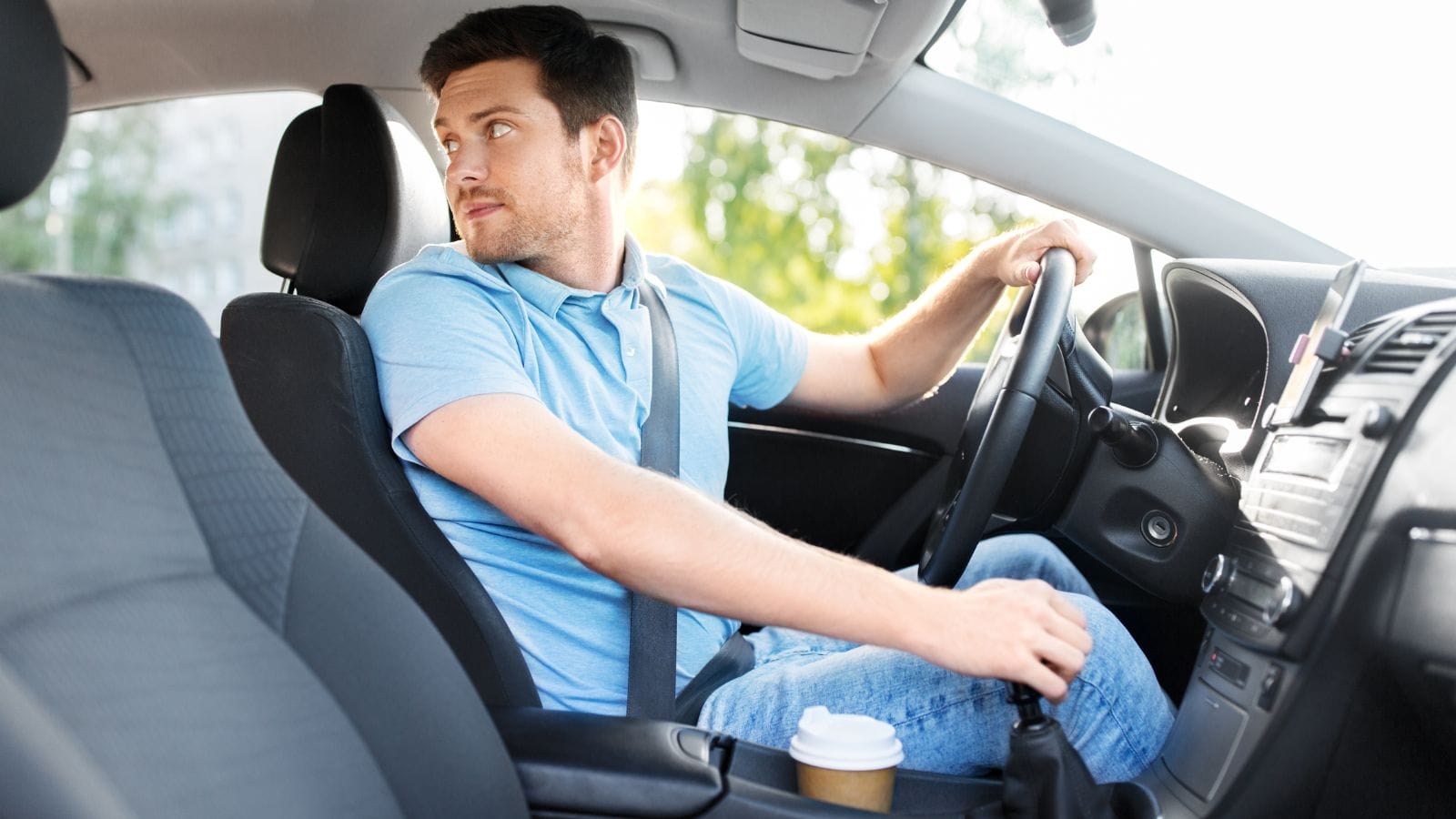
A common parking-lot argument begins with both drivers saying exactly the same thing: “I was backing out first.” B.C.’s ICBC shows why that may not settle the issue. In its example involving two vehicles reversing from facing parking spots at the same time and colliding, responsibility is divided equally at 50 per cent each. The reasoning is that both drivers have an obligation to make sure reversing can be completed safely.
ICBC also provides a more complicated example involving a vehicle reversing from a parking stall while another vehicle reverses along the parking-lot lane. In that scenario, the published example assigns 75 per cent responsibility to the vehicle leaving the stall and 25 per cent to the vehicle reversing in the lane. These examples demonstrate why parking-lot fault cannot always be reduced to who was moving first or which bumper was struck. Two people can make unsafe movements simultaneously. When reverse lights appear across the aisle, continuing to back simply because the manoeuvre has already started can turn a preventable near-miss into a collision for which both drivers bear responsibility.
A Backup Camera Does Not Transfer Responsibility
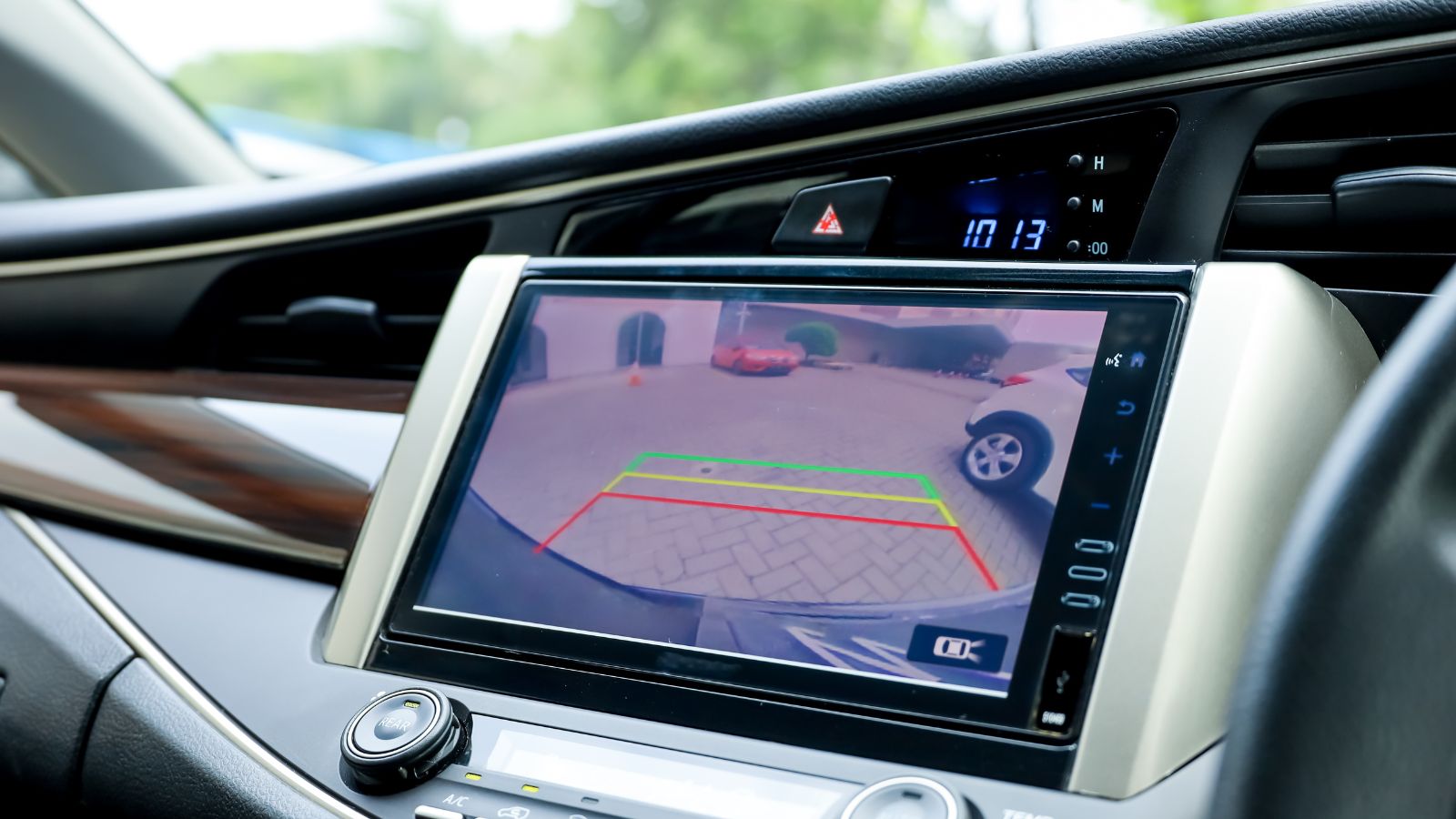
Modern vehicles provide a far better view behind the bumper than cars did a generation ago, but technology does not change the basic duty to reverse safely. Transport Canada says back-up cameras are required by regulation on passenger cars, SUVs, light pickup trucks and minivans. It also warns that rain, darkness, glare and dirt can reduce their usefulness and recommends checking over the shoulder, looking at the display and using mirrors rather than relying on one source of information.
Saskatchewan’s driver handbook makes the same point. It tells motorists not to depend primarily on the monitor when backing and notes that snow, dirt and sunlight can interfere with the image. Quebec’s SAAQ also instructs drivers to check blind spots before backing or leaving a parking space. The problem is easy to picture during a Canadian winter: the lens is partly coated in road grime, an SUV blocks the view to one side, and a pedestrian is approaching from outside the camera’s field. The screen is an aid, not permission to reverse without completing the rest of the safety check.
Reverse Parking Can Make the Hard Part Safer
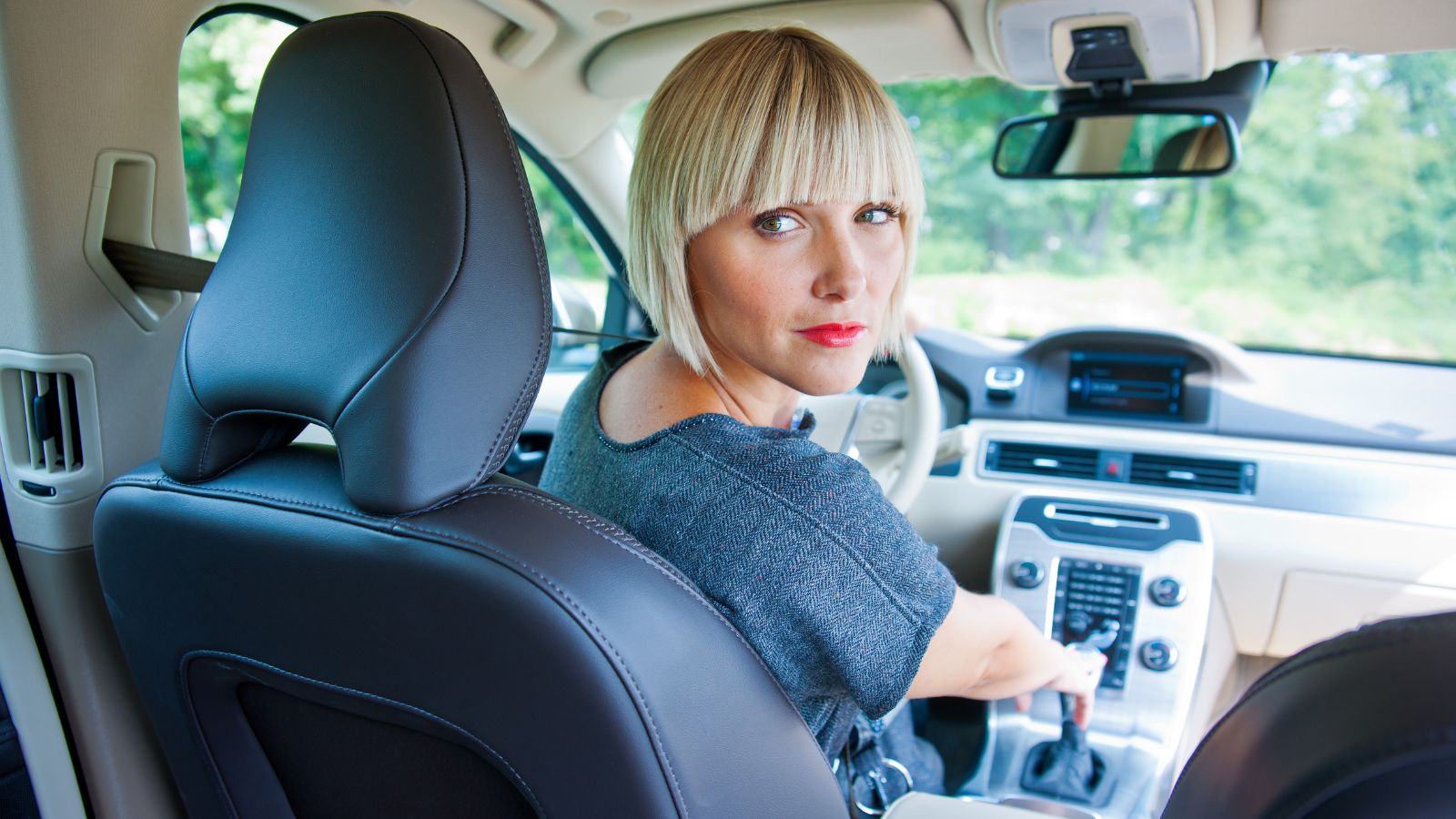
Backing into a stall may require a little more effort on arrival, but several Canadian road-safety authorities recommend it because the vehicle can later leave with much better visibility. Saskatchewan’s guidance recommends backing into a 90-degree parking space unless doing so is prohibited, noting that the driver is reversing into a known space instead of backing into traffic later. Quebec’s SAAQ similarly says backing into a parking space improves visibility when leaving and can reduce collision risk.
B.C. provides a striking indication of why parking technique matters. ICBC says almost one-third of crashes in the province occur in parking lots and lists roughly 85,835 parking-lot crashes annually. Its safety guidance recommends backing into stalls because doing so increases the driver’s field of vision and exposes less of the vehicle to moving traffic when leaving. ICBC has also reported that only 47 per cent of surveyed drivers said they reverse into stalls whenever possible. For a driver leaving between two large SUVs, moving forward into the aisle provides a much clearer view than slowly reversing several metres before seeing what is coming.
The Best Rule Is Not to Fight for the Right-of-Way
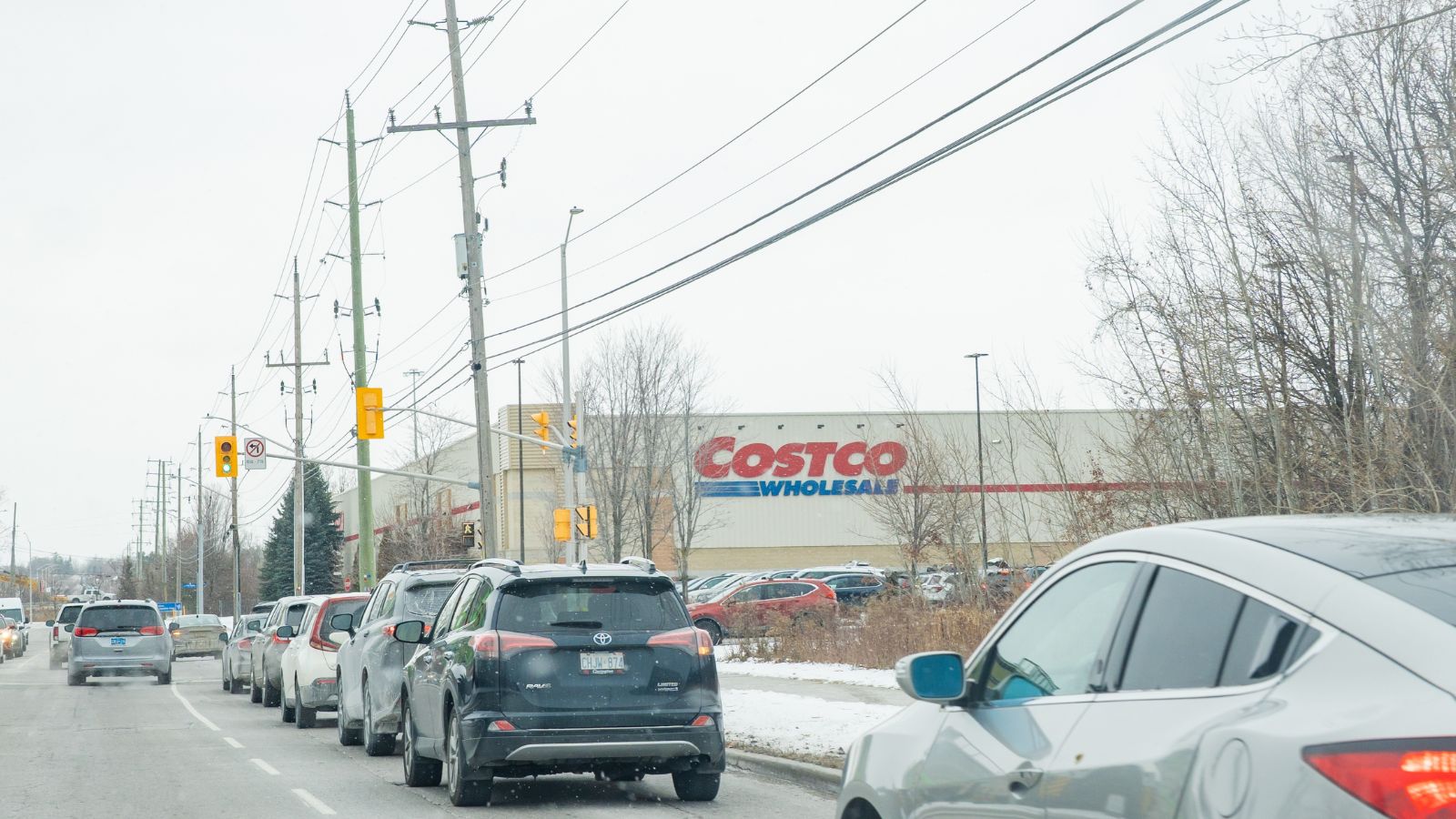
Right-of-way rules exist to organize traffic, not to give drivers permission to force their way through a conflict. Saskatchewan’s guidance on uncontrolled parking-lot intersections tells motorists to slow down, prepare to yield, look both ways and proceed only when it is safe. Its broader right-of-way guidance also reminds motorists that even a driver who has priority should try to avoid a collision when someone else refuses to yield. Being correct does not make a damaged bumper, injured pedestrian or insurance claim disappear.
ICBC offers similar practical advice for parking lots: slow down, keep scanning for pedestrians and vehicles, obey signs, signal intentions and leave room for motorists manoeuvring into stalls. That mindset solves many situations where the exact legal priority is uncertain. If two drivers hesitate at an intersection, an extra second costs virtually nothing. If someone begins backing unexpectedly, stopping is usually more sensible than proving that the aisle vehicle had priority. The parking-lot rule worth remembering is therefore broader than any single statute: establish who should yield, but never let the desire to be first override the duty to avoid a preventable collision.
19 Used Cars Canadians Should Avoid in 2026 (Based on Owner Complaints)

Buying a used car in Canada can feel safe until repair bills start stacking up. Owner complaints tell a different story than glossy listings. Transmission failures, electrical problems, and weak winter reliability show up again and again in consumer reports. Many of these issues appear after warranties expire, when owners least expect them. Some vehicles look affordable upfront, but become expensive to keep on the road. Others struggle in cold weather, urban driving, or long highway commutes. Here are 19 used cars Canadians should avoid in 2026 (based on owner complaints).
19 Used Cars Canadians Should Avoid in 2026 (Based on Owner Complaints)

Alanna Rosen is an experienced content writer that focuses on many EV and educational content. Her articles are regularly published on Get CyberTrucked and syndicated on large publications.