
Buying a vehicle and insuring it can feel like two separate transactions until an insurance quote changes the economics of the purchase. In Canada, insurers look beyond the driver and consider the vehicle itself, its claims history, theft exposure, repair costs, how it will be used and several other risk factors. Some complications simply produce a higher premium. Others can limit optional coverage, trigger special conditions or leave an owner searching for a specialty insurer.
Provincial rules also matter, meaning the same vehicle may encounter different insurance considerations depending on where it is registered. These 21 factors explain why an apparently ordinary purchase can sometimes become considerably more difficult—or expensive—to insure than expected.
A Model That Thieves Target

A vehicle can be perfectly reliable, reasonably priced and inexpensive to maintain yet still produce an unpleasant insurance surprise because thieves want it. Canadian insurers use historical claims information, including theft frequency, when evaluating vehicles. IBC’s CLEAR system specifically incorporates claims frequency, claim costs and the likelihood of theft when grouping passenger vehicles according to expected insurance losses.
The scale of the problem remains significant even after recent improvements. Équité Association reported that Canadian auto theft fell 18% year over year in 2025, yet insurance claims related to theft still amounted to an estimated $900 million. Insurers have responded in different ways. Some offer discounts for approved tracking or immobilization systems, while particular underwriting programs have applied surcharges to high-theft vehicles without approved recovery devices. That means two similarly priced SUVs can produce surprisingly different insurance quotes simply because one has developed a much worse theft record.
A History of Expensive Repairs

Insurance companies do not look only at how often a particular vehicle crashes. They also care about what happens financially once it reaches a body shop. Modern bumpers can conceal radar units, cameras, ultrasonic sensors and wiring. A relatively modest collision can therefore require replacement parts, calibration work and specialized labour that would have been unnecessary on an older, simpler car.
IBC says a vehicle’s make, model, model year, value and potential repair costs can all influence premiums. Its 2026 How Cars Measure Up data is built from actual Canadian insurance claims and allows vehicles to be compared by both claim frequency and cost. That distinction matters. A model does not necessarily need to crash more often to become expensive for insurers; unusually costly repairs can create their own problem. Buyers focused exclusively on reliability ratings may therefore miss an entirely different ownership risk: how expensive the vehicle becomes once insured damage actually occurs.
An Unusually High Vehicle Value

A six-figure vehicle represents a fundamentally different insurance exposure from an inexpensive commuter car. Even when two drivers have identical records, the potential property loss attached to an exotic, luxury SUV or limited-production performance model can be far higher. Replacement components may also be expensive, while seemingly minor cosmetic damage can involve specialized materials, electronics or finishes.
IBC identifies vehicle value as one of the factors insurers consider when pricing coverage. At the extreme end of the market, specialized insurance programs exist specifically for high-value and collector automobiles, illustrating how unusual values can push vehicles outside the assumptions behind ordinary policies. Hagerty, for example, applies specific eligibility requirements to newer collectibles and high-performance exotics, while specialist insurers may use agreed-value arrangements rather than ordinary depreciation-based settlements. The surprise for an owner is not necessarily that insurance is impossible, but that the vehicle may need different underwriting, documentation or coverage than a mass-market car.
Serious Performance Under the Hood
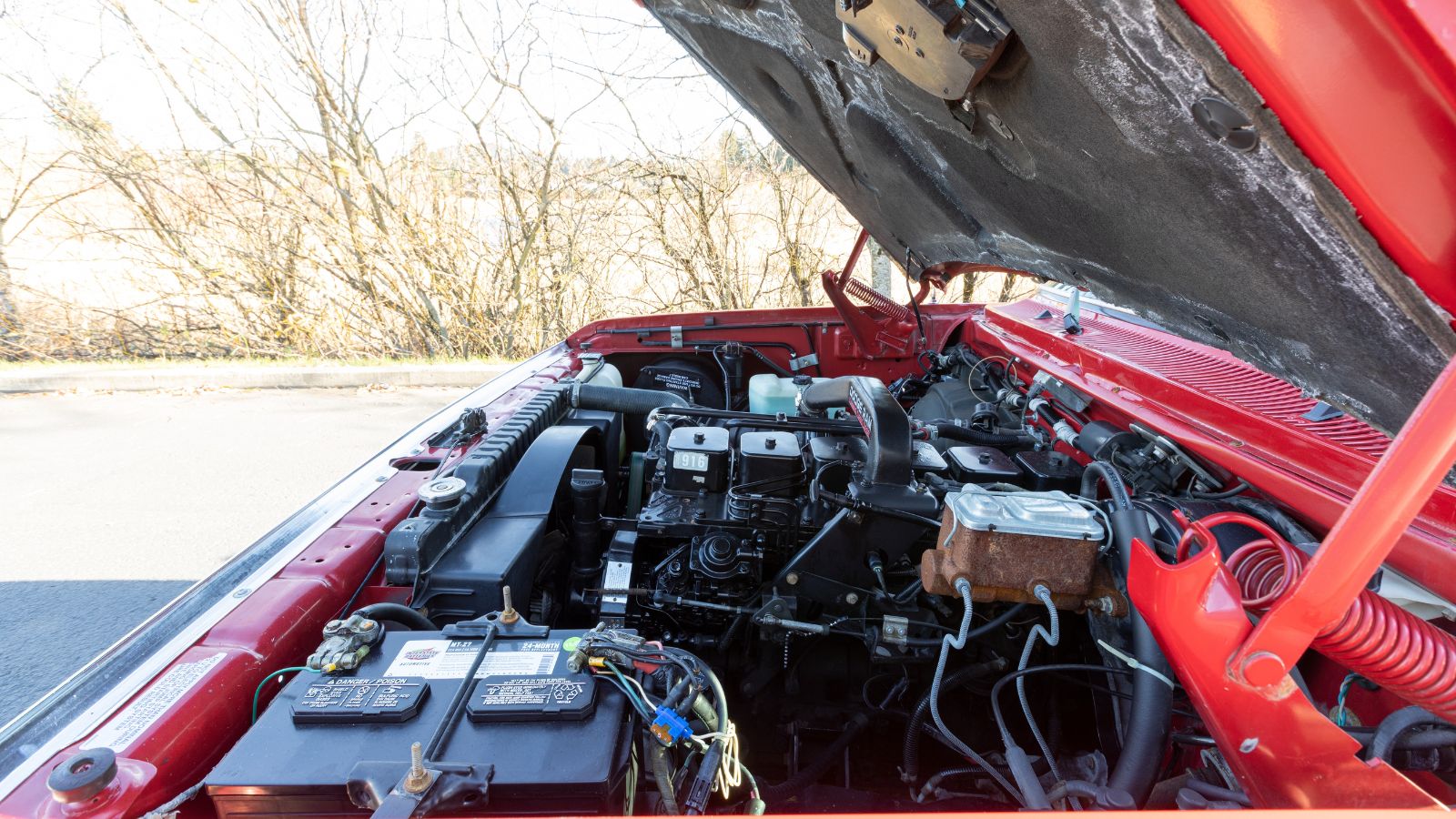
The insurance consequences of buying the most powerful version of a familiar car can be easy to underestimate. A base coupe and a high-output performance version may share a badge and much of their bodywork, yet insurers can view their risk characteristics very differently. Horsepower, acceleration capability, replacement value and the cost of performance components can all affect how a vehicle fits within an insurer’s underwriting rules.
There is no single Canadian definition that every insurer uses for a sports or high-performance car. Individual companies establish their own criteria. Evidence of those limits can be seen in specialty underwriting: Hagerty Canada, for example, says vehicles with 700 horsepower or more do not qualify under one of its collector programs. Mainstream underwriting manuals can also restrict performance-enhancing modifications. The important point is that the trim level matters. Assuming that insurance for a 500-horsepower version will resemble the quote for its 200-horsepower sibling can lead to an expensive surprise.
Major Aftermarket Modifications
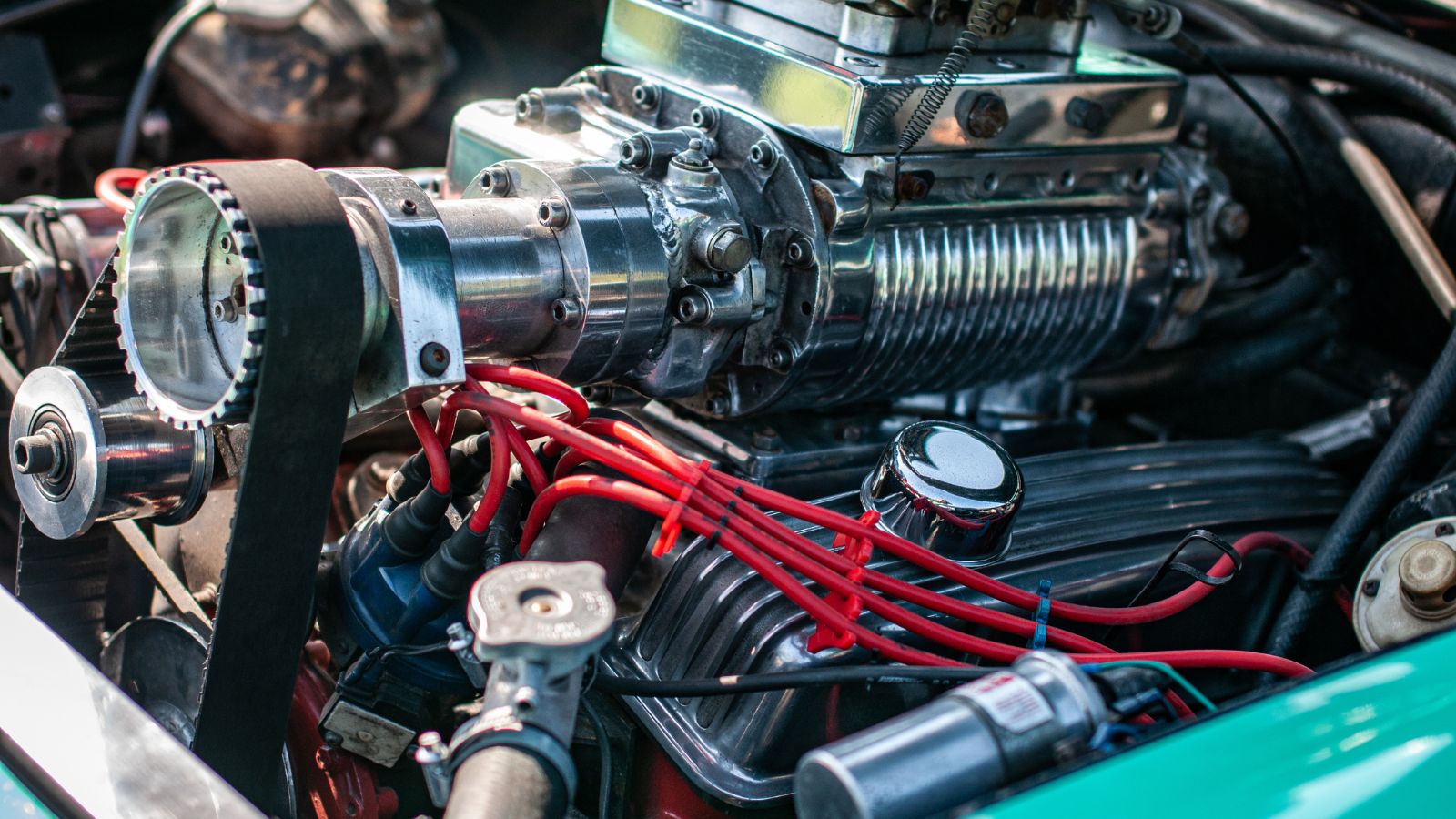
A modified vehicle can create questions that simply do not exist with a factory-standard car. Engine swaps, turbochargers, suspension changes, body alterations and other substantial upgrades can affect performance, market value, repair procedures and even safety characteristics. Insurers therefore want to know what has changed rather than discovering thousands of dollars in aftermarket equipment after a claim.
Sonnet says significant cosmetic or performance modifications may not fit its available coverage, while changes affecting vehicle safety can prevent it from offering coverage in some circumstances. Aviva’s Ontario underwriting material similarly identifies numerous performance and handling modifications that can fall outside standard acceptance criteria. British Columbia also has a formal registration process for substantially modified vehicles involving documentation and inspections. Minor accessories are not necessarily a problem, but major changes can turn an otherwise ordinary model into a specialty risk. Before spending heavily on modifications, checking the insurance consequences can be just as important as checking whether the parts physically fit.
Substantial Damage That Has Not Been Repaired
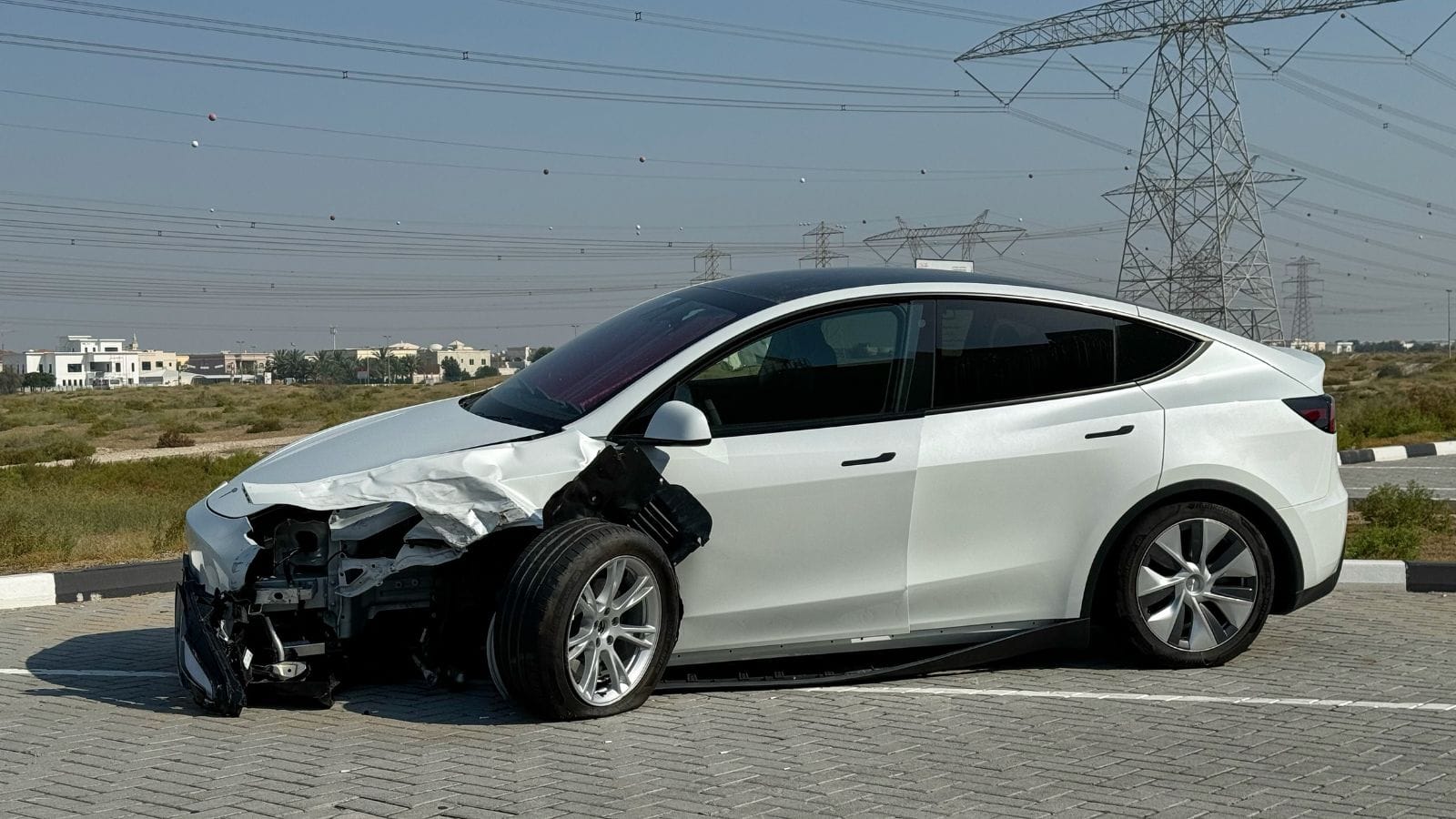
A cheap used vehicle with visible damage may look like an opportunity for someone comfortable performing repairs. An insurer can see something different: an automobile whose existing condition makes future losses difficult to separate from old ones and whose roadworthiness may be uncertain. That becomes especially important when the damage involves structural parts, braking components, lighting or other safety-related equipment.
TD Insurance lists substantial unrepaired damage, or a vehicle that is unfit or unsafe, among factors that can prevent it from issuing coverage under its eligibility rules. Provincial systems can impose inspection requirements as well. The practical problem is straightforward. Insurance is designed to respond to future covered losses, not restore damage that existed before the policy began. A vehicle bought cheaply because it needs extensive work may therefore require repairs, inspections or supporting documentation before an owner can obtain the coverage anticipated. The purchase price is only the beginning of the calculation.
A Rebuilt or Salvage History
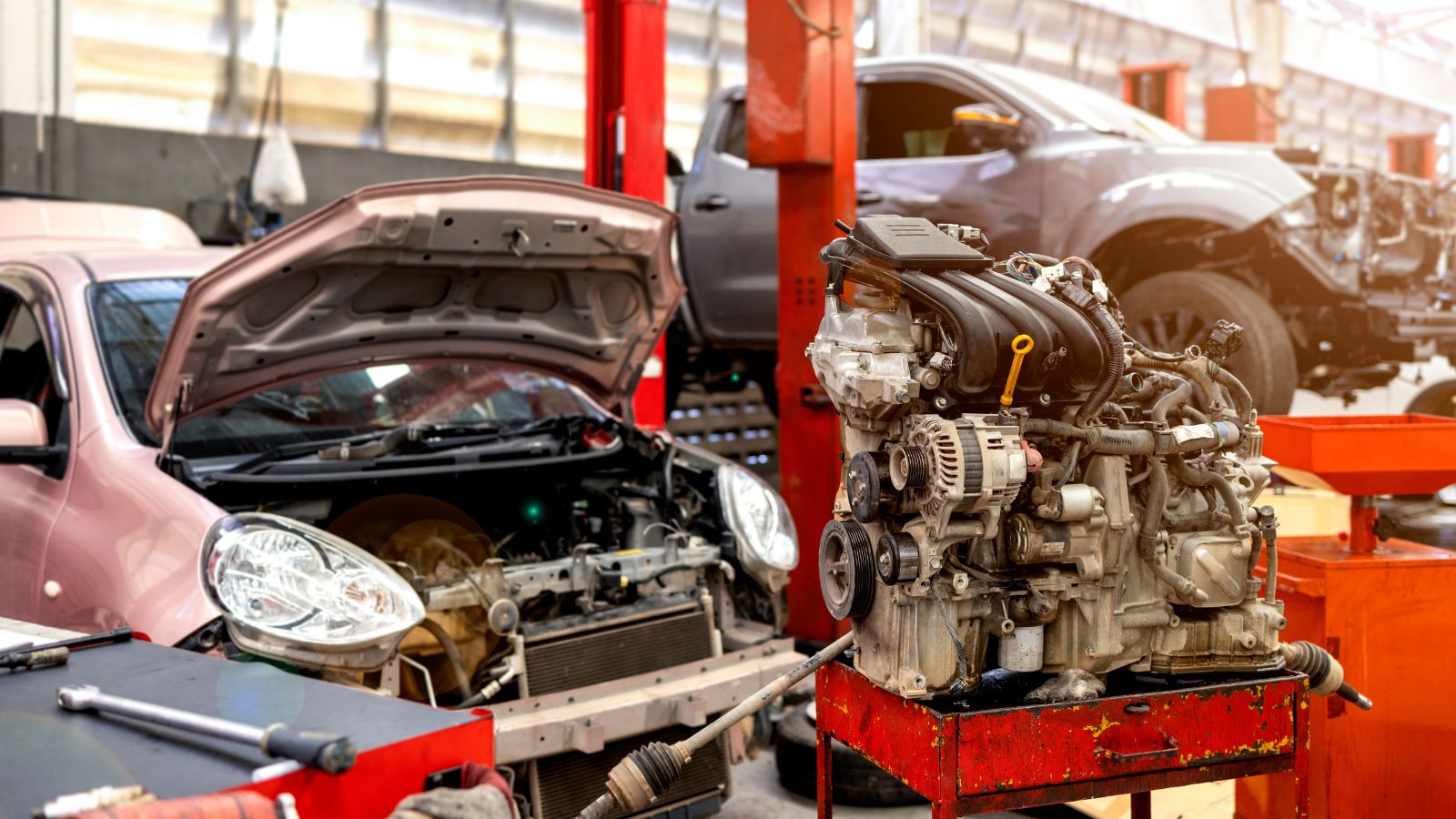
The word “rebuilt” can make an inexpensive used vehicle appear more reassuring than “salvage,” but the history does not disappear. In Ontario, for example, a salvage-branded vehicle is one that has been written off as a total loss. Returning it to the road involves prescribed repairs, documentation and structural inspection requirements before it can obtain rebuilt status.
Insurance can remain more complicated afterward. TD Insurance notes that the coverages and endorsements available on rebuilt vehicles can vary according to the original damage and the insurer’s guidelines. Canadian insurance comparison resources likewise report that some companies restrict physical-damage coverage or require additional inspections for previously salvaged cars. The concern is not that every rebuilt vehicle is unsafe; many are professionally repaired. Instead, the previous loss introduces extra questions about condition, value and future repairability. A bargain-priced rebuilt vehicle can consequently require more insurance shopping and documentation than a comparable car carrying a clean history.
A Grey-Market or Right-Hand-Drive Import

Imported enthusiast cars can offer specifications that were never officially sold in Canada, but their unusual origins can create insurance complications. Right-hand-drive Japanese vehicles are one obvious example. Parts availability, vehicle valuation, repair expertise and underwriting experience can differ substantially from those of a mainstream Canadian-market vehicle.
Transport Canada also imposes specific importation rules. Most vehicles originally built for markets outside the United States and Mexico cannot simply be modified after arrival to comply with Canadian standards, although older vehicles can qualify for age-related exemptions. Even successful importation does not guarantee provincial registration. On the insurance side, specialty programs may impose additional restrictions: Hagerty Canada, for example, identifies right-hand-drive vehicles newer than 25 years, including certain Japanese imports, among vehicles that do not qualify for one of its programs. Import paperwork may therefore be only the first hurdle; finding suitable coverage can require a broker or insurer familiar with uncommon vehicles.
Classic, Collector or Specialty Status

Owning a beautifully restored classic does not necessarily mean treating it like an ordinary 10-year-old sedan for insurance purposes. Its market value may depend on originality, restoration quality, rarity and enthusiast demand rather than conventional depreciation tables. Replacement parts can also be difficult to locate, while the appropriate repair shop may be a specialist rather than a typical collision centre.
That is why collector policies frequently operate differently. Hagerty Canada offers agreed or guaranteed-value coverage for qualifying collector vehicles and bases eligibility partly on usage, storage and driving history. ICBC’s collector programs likewise impose specific vehicle-condition and usage requirements, with reduced-premium programs carrying additional eligibility conditions. A classic used only for weekend drives may fit comfortably into specialty coverage, while the same car used as a daily commuter may not. The challenge is often not finding insurance at all, but finding a policy whose valuation and usage conditions match the way the car will actually be driven.
An EV With Costly Collision Repairs
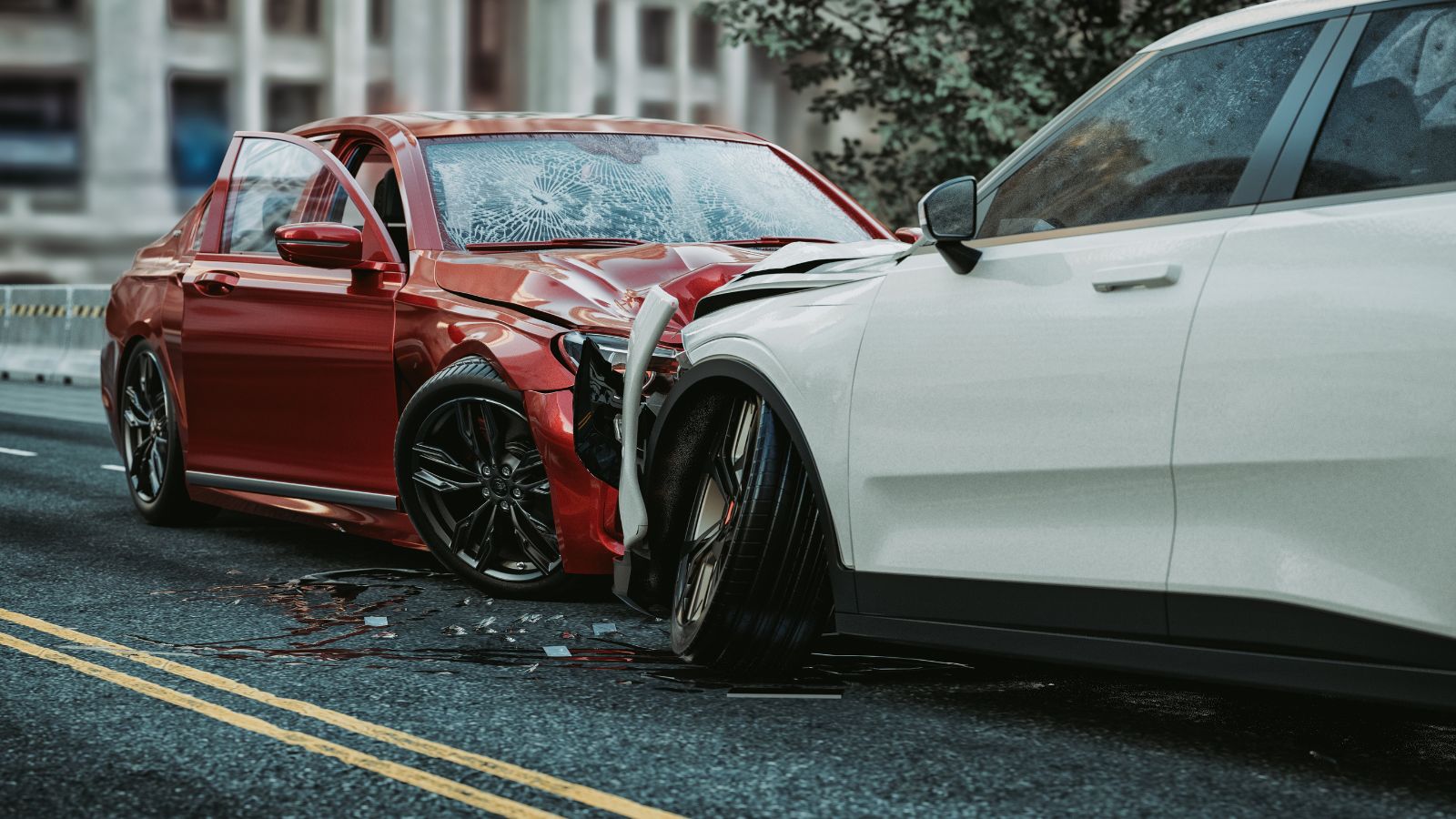
Electric vehicles are no longer new to Canadian insurers, and expanding claims data has made their risk easier to price. That does not mean repair costs are identical to gasoline vehicles. High-voltage systems, extensive electronics, specialized procedures and vehicle construction can still make some collision repairs comparatively expensive.
Mitchell’s Canadian collision data for the second quarter of 2026 found average repairable claim severity of $6,645 for battery-electric vehicles, compared with $5,411 for internal-combustion vehicles. The gap has been shrinking, but BEVs remained more expensive to repair in the dataset. Ontario’s FSRA has similarly noted that insurers increasingly have enough EV claims experience to adjust earlier assumptions and EV-specific rating differentials. An electric powertrain therefore does not automatically make a vehicle difficult to insure, and experiences vary widely by model. The more useful lesson is that buyers should obtain a model-specific quote rather than assuming lower fuel and maintenance expenses automatically translate into lower insurance costs.
Using the Car for Ridesharing

The moment passengers begin paying for transportation, an ordinary personal-use vehicle can enter a different insurance category. Personal auto policies are priced around assumptions about how often the vehicle is driven, who is in it and why it is on the road. Ridesharing changes those assumptions by adding commercial activity, greater road exposure and paying passengers.
Ontario’s FSRA specifically warns that ordinary personal coverage does not automatically apply when a vehicle is used as a taxi or to carry paying passengers through a ridesharing service. Drivers are advised to make sure appropriate approved coverage is in place. The details vary by province and platform because some ridesharing companies maintain commercial policies covering particular phases of a trip. Even so, relying on a standard personal policy without disclosing the activity can create a serious coverage problem. A vehicle that seemed inexpensive to insure for commuting may therefore require a different arrangement once it begins generating rideshare income.
Delivering Food or Packages

Delivery work can look less commercially significant than carrying passengers, but insurers still care about it. A vehicle making repeated restaurant pickups, parcel stops or grocery deliveries can spend considerably more time in traffic than a typical pleasure-use car. It may also operate during busy periods, stop frequently and accumulate kilometres quickly.
British Columbia provides a clear illustration of the distinction. ICBC uses separate rate classes for pleasure, commuting, business and delivery use, and specifically cites services such as Uber Eats when discussing delivery classifications. It warns customers that being in the wrong rate class could affect coverage and potentially leave them responsible for claim costs. Private insurers elsewhere may structure the rules differently, but the underlying principle remains similar: the declared use has to match reality. Someone who buys an inexpensive hatchback to earn extra money delivering meals should therefore price the appropriate insurance before assuming the personal-use premium will remain unchanged.
Regular Business Use

Driving to a workplace is not necessarily the same insurance risk as spending the workday driving between customers. A salesperson visiting clients, a contractor travelling between jobs or a real estate professional repeatedly showing properties can put substantially more business-related exposure on a vehicle than an ordinary commuter does.
Canadian regulators and insurers account for that distinction. Quebec’s AMF lists business use—such as driving to visit clients—among the factors that can affect an automobile premium. ICBC likewise maintains a specific business rate class for vehicles used in activities such as meeting customers. Ontario requires policyholders to report material changes in how a vehicle is used, including changes connected with work. The complication often appears when a vehicle starts as personal transportation and gradually becomes part of a business. Insurance assumptions do not automatically update with that change, so an inexpensive personal policy cannot safely be treated as permanent when the vehicle’s job changes.
A Long Commute and Heavy Annual Mileage
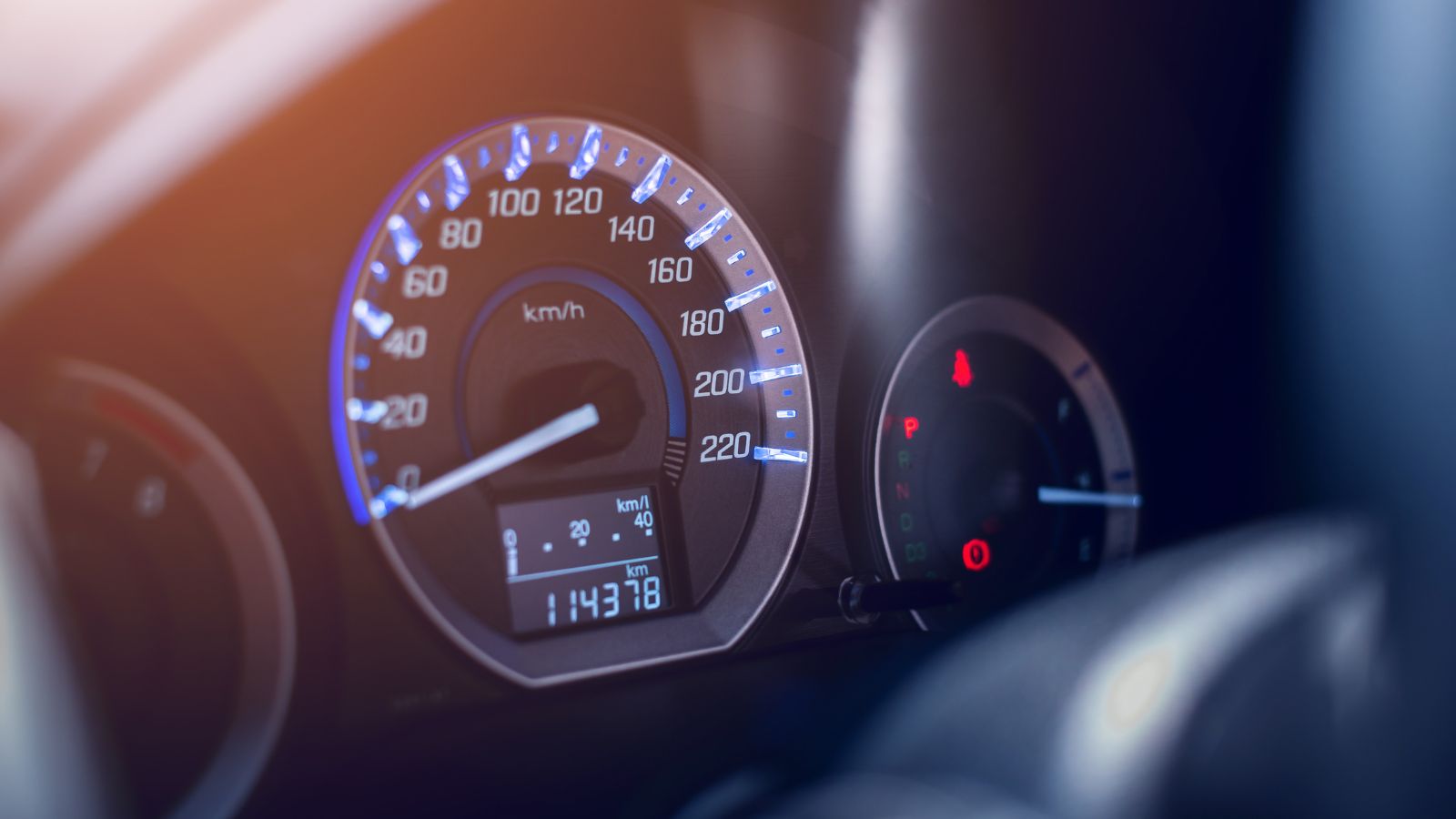
Two identical cars parked beside each other can generate different premiums simply because one spends much more time on the road. Greater annual mileage generally means greater exposure to situations in which a collision can occur. Commuting patterns can matter too, especially when a vehicle travels long distances regularly rather than being used mainly for errands and occasional trips.
Ontario’s FSRA states that annual kilometres and whether a vehicle is driven to work or school affect auto insurance rates, with greater mileage generally associated with higher premiums. Quebec’s AMF also identifies distance travelled as a pricing consideration. In British Columbia, ICBC separates pleasure and commuting use and even differentiates certain commuting rate classes according to distance. The issue is particularly easy to overlook when a move, job change or return to office dramatically increases driving. The vehicle itself has not changed, but the exposure represented by that vehicle has—and the insurance calculation can change with it.
Other Household Drivers With Riskier Records

The person buying the vehicle is not always the only driver an insurer needs to consider. Teenagers, spouses, adult children or other household members who regularly use the car can become part of its insurance profile. That matters because insurance generally follows the insured vehicle when it is lent, meaning a collision caused by another permitted driver can still affect the vehicle owner’s policy.
IBC highlighted this issue in 2026 while explaining that lending a vehicle can expose the owner’s policy to a claim. ICBC similarly states that the experience and crash history of people who drive an insured vehicle are considered when pricing coverage. Ontario insurers can also use approved underwriting rules involving drivers in the household. The practical surprise often occurs when a parent buys a modest vehicle expecting a modest premium, then adds a newly licensed or poor-record household driver. The automobile may not have become riskier mechanically, but the group of people expected to operate it has changed substantially.
Several At-Fault Accidents

A car with perfectly ordinary specifications can become much harder to insure when its principal driver brings a record of repeated at-fault collisions. Insurers use prior experience because past claims are one of the variables available for estimating future loss exposure. A single accident may result mainly in a premium increase, depending on circumstances and available accident-forgiveness protection, while repeated losses can create more significant underwriting difficulties.
FSRA says Ontario insurers commonly have approved underwriting rules dealing with drivers who exceed specified numbers of at-fault accidents. ICBC similarly states that drivers who cause more crashes generally pay more for insurance. Quebec maintains a central automobile claims database that allows authorized insurers to verify reported claims information during underwriting. Provincial systems differ, so there is no universal Canadian cutoff at which coverage suddenly becomes difficult. Nevertheless, a history containing several chargeable accidents can transform an otherwise ordinary vehicle into a policy that fewer standard-market options price attractively.
Too Many Traffic Convictions
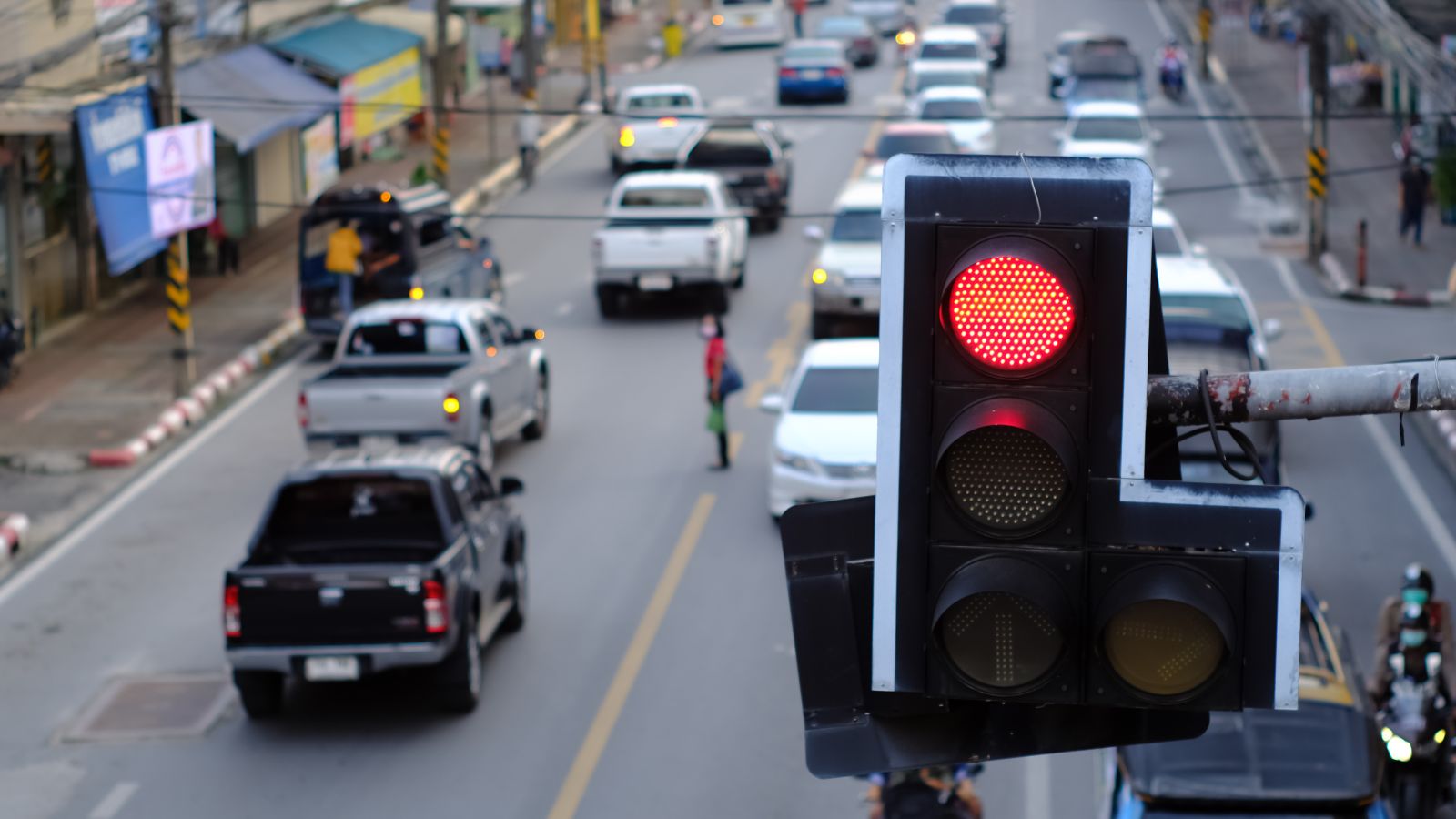
Insurance companies distinguish between the mechanical characteristics of the vehicle and the behaviour of the people driving it. Traffic convictions become part of that behavioural picture. Speeding tickets, serious violations and other convictions can affect premiums, while multiple offences can move an applicant beyond the underwriting appetite of some insurers.
Ontario’s FSRA identifies driving convictions among the common factors contained in insurer underwriting rules and says companies may decline coverage when an approved rule concerning the number of convictions is triggered. Its consumer information also lists speeding tickets and driving convictions among the components of a driver’s insurance record. Specialty insurers can impose their own eligibility standards as well; Hagerty Canada says serious recent infractions can make a driver ineligible for its collector program. One ticket does not automatically make a vehicle impossible to insure, but a pattern of convictions can sharply reduce how ordinary the insurance-shopping process feels, regardless of how sensible the car itself appears.
A Previous Policy Cancellation for Non-Payment

Insurance history can follow a driver long after the vehicle associated with the original policy is gone. One particularly important issue is cancellation for failing to pay premiums. A temporary cash-flow problem can therefore become relevant when insurance is purchased again months later for a completely different car.
FSRA states that Ontario insurers commonly maintain approved underwriting rules dealing with previous cancellations for non-payment. It also warns that if non-payment causes a lapse in coverage, an insurance company may charge a higher premium for a future policy. The effect should not be generalized identically across every province or every reason for a gap in insurance; provincial regulations and underwriting rules differ. Still, a cancellation is materially different from voluntarily selling a car and going without coverage. Someone returning to the market after a non-payment cancellation may discover that the vehicle is easy to buy but securing the expected insurance price is considerably more complicated.
Missing or Incorrect Information on the Application
Insurance applications can seem full of routine questions, but the answers matter because they describe the risk the insurer is agreeing to cover. Incorrect information about drivers, vehicle use, modifications or other material facts can change how an insurer would have priced—or accepted—the policy in the first place.
Ontario’s FSRA says failure to provide correct or complete information can be part of an insurer’s approved underwriting rules. It also explains that an insurer may terminate a policy in certain circumstances involving false information, misrepresentation or failure to disclose a material change in risk. TD similarly warns that omitting facts capable of changing an insurer’s willingness to offer coverage can affect the validity of the policy or a claim. A seemingly harmless shortcut, such as describing a delivery vehicle as pleasure-only or failing to disclose a substantial modification, can therefore become far more consequential than saving a few dollars on the initial quote.
Living Where Claims and Theft Are More Frequent

An owner can change nothing about a car and still see a different insurance price after moving. Claims patterns vary geographically because traffic density, collision frequency, theft and other loss exposures are not evenly distributed. Insurers therefore use location-related data when permitted by provincial rating systems.
Ontario’s FSRA says premiums are usually higher in urban areas where collisions and auto theft occur more frequently. Quebec’s AMF likewise explains that theft risk varies among neighbourhoods and regions, affecting premiums. ICBC divides British Columbia into 14 insurance territories reflecting differences in traffic and other driving risks. The regulatory distinction is important: in Ontario, location may affect approved rating, but FSRA says an insurer cannot use where someone lives or where the vehicle is located as an underwriting rule to deny coverage. In practice, the surprise is usually a price difference rather than outright uninsurability—but that difference can still be substantial enough to change the affordability of a vehicle.
Racing, Competition or Track-Oriented Use

A road car may be legally capable of impressive performance, but using it in organized racing or competition can place it far outside an ordinary personal auto policy. Racing introduces speeds, conditions and damage exposure that standard insurance was not designed to assume. The distinction can extend beyond professional motorsport to timed events or other competitive activities.
TD Insurance identifies vehicles used for racing or competition among circumstances that can prevent coverage under its personal-auto eligibility rules. Hagerty Canada’s collector program similarly excludes vehicles used for racing, timed events, autocross or certain driver-education activities, and it places restrictions on some heavily track-oriented modifications. Owners should not assume that having collision coverage for public-road driving automatically means the same protection continues on a racetrack. A weekend track habit can therefore become the final unexpected complication: the car may be perfectly insurable for ordinary roads while requiring separate arrangements—or carrying significant exclusions—when used competitively.
19 Used Cars Canadians Should Avoid in 2026 (Based on Owner Complaints)

Buying a used car in Canada can feel safe until repair bills start stacking up. Owner complaints tell a different story than glossy listings. Transmission failures, electrical problems, and weak winter reliability show up again and again in consumer reports. Many of these issues appear after warranties expire, when owners least expect them. Some vehicles look affordable upfront, but become expensive to keep on the road. Others struggle in cold weather, urban driving, or long highway commutes. Here are 19 used cars Canadians should avoid in 2026 (based on owner complaints).
19 Used Cars Canadians Should Avoid in 2026 (Based on Owner Complaints)

Alanna Rosen is an experienced content writer that focuses on many EV and educational content. Her articles are regularly published on Get CyberTrucked and syndicated on large publications.