
Modern bumpers are no longer just sacrificial pieces of plastic designed to absorb the occasional parking-lot scrape. On many newer vehicles, they conceal radar modules, ultrasonic sensors, cameras, wiring and mounting hardware that support everything from parking assistance to automatic emergency braking. That technology can prevent crashes, but when damage does occur, seemingly ordinary bumper repairs can become surprisingly complicated.
Research from insurers, safety organizations and repair-industry groups shows why repair costs are becoming part of the vehicle-buying calculation. A small minority of owners who have already experienced repairs even say they would avoid the technology next time. These 13 reasons explain why sensor-packed bumpers are making some cost-conscious drivers think more carefully about which vehicle they bring home.
A Minor Bumper Tap Can Become a Major Repair Bill

There was a time when a slow-speed bumper collision might mean a scuff, a dent and a relatively straightforward trip to a body shop. Modern driver-assistance equipment has changed that calculation. AAA examined three 2023-model vehicles and found that replacing ADAS components after a minor front-end collision averaged about $1,540. That expense represented 13.2% of the average total repair estimate in the scenario studied, before considering how dramatically costs can vary between individual vehicles.
The numbers become especially noticeable because the damaged technology may be hidden. AAA found front radar-related repairs could run roughly $500 to $1,300, while other cameras and sensors could add hundreds or even more than $1,000. For an owner staring at a bumper that still looks reasonably intact, receiving a four-figure estimate can be jarring. Buyers who frequently park on crowded streets or keep vehicles for many years may therefore see a simpler bumper design as one less expensive vulnerability.
The Sensors Sit Right Where Cars Commonly Get Hit
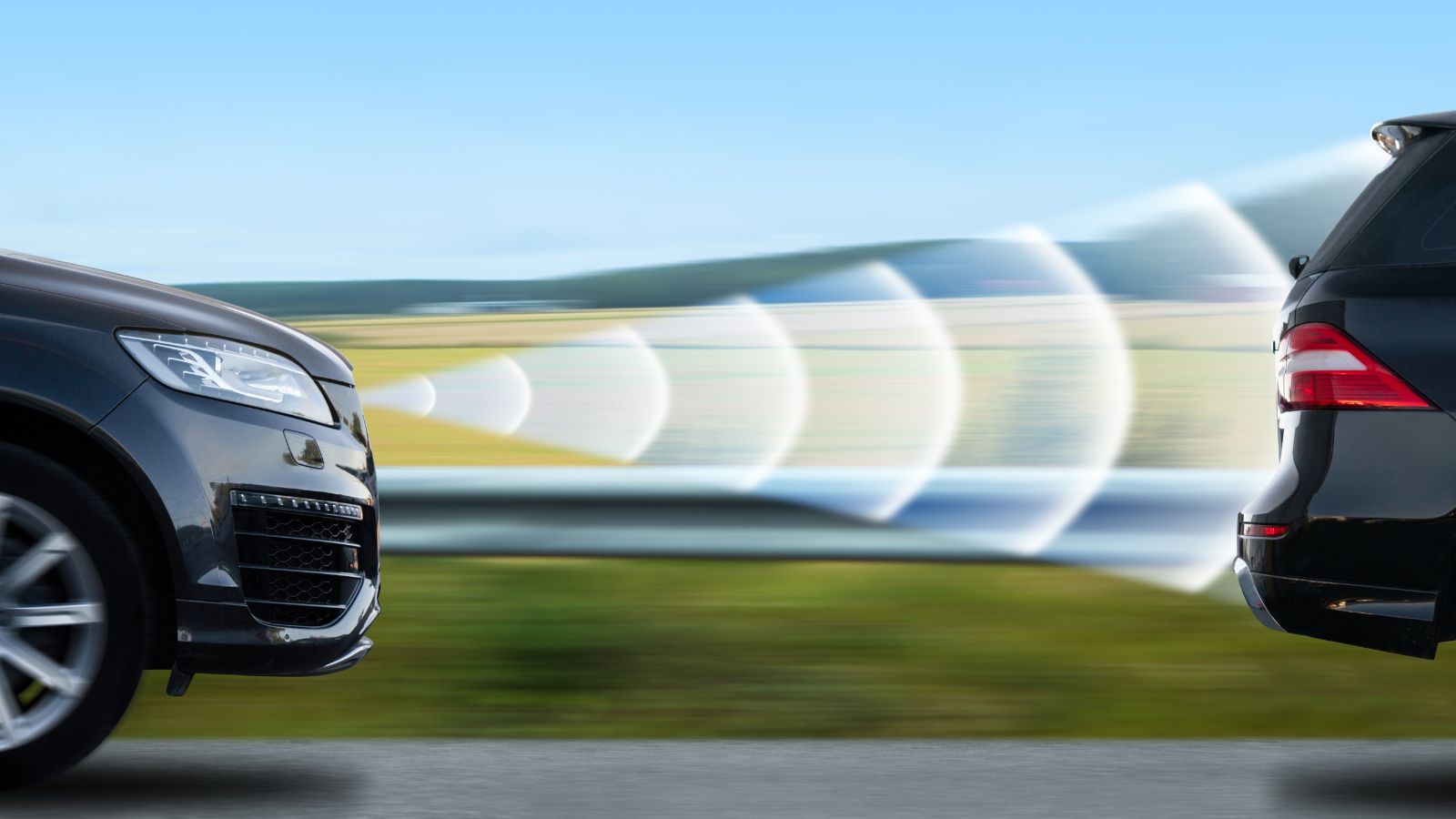
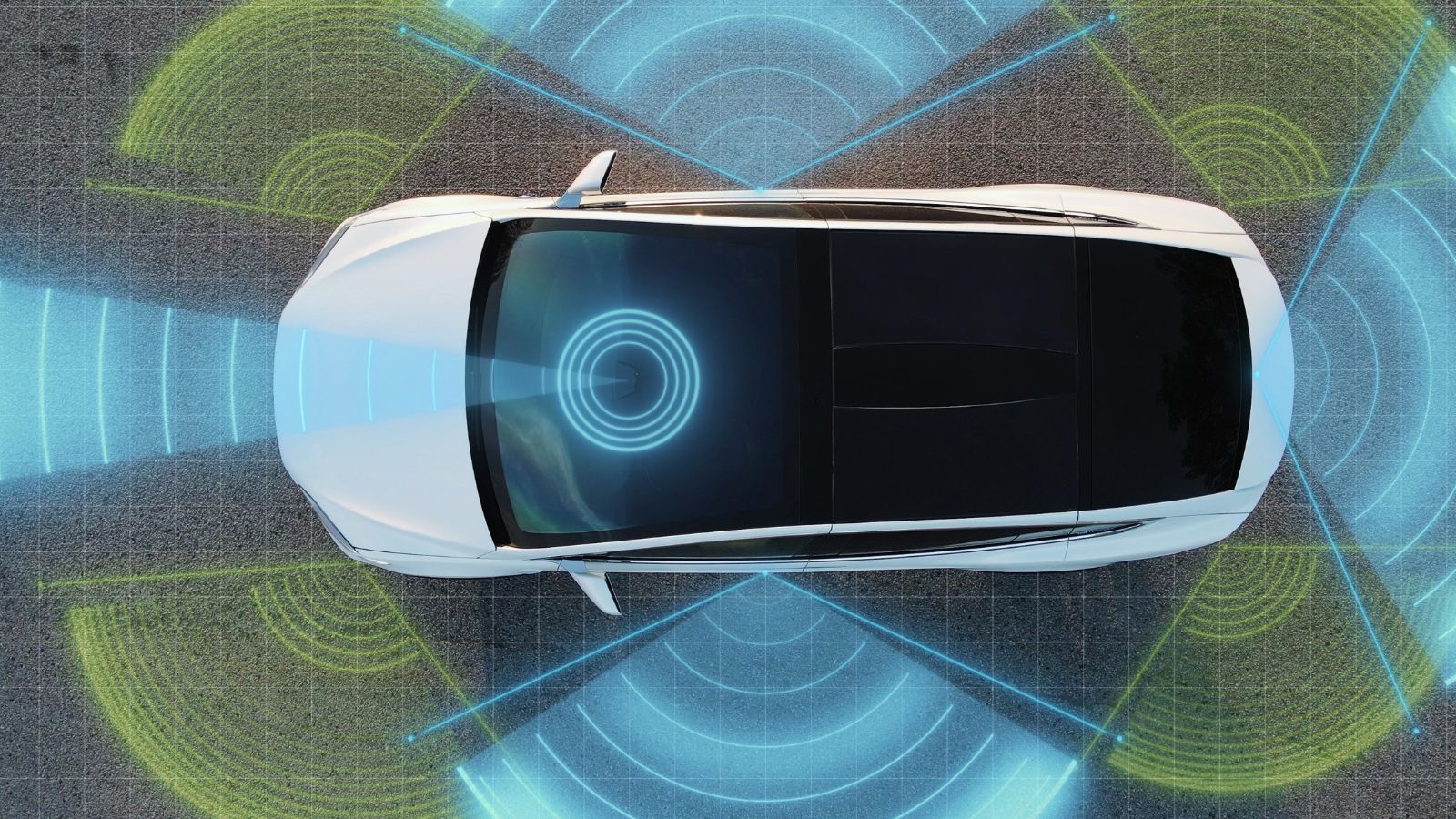
Much of the problem comes down to location. Radar units used for adaptive cruise control and automatic emergency braking are frequently mounted behind a grille or bumper cover. Blind-spot and rear cross-traffic systems may place radar units behind the corners of the rear bumper, while ultrasonic parking sensors are commonly fitted directly into front and rear bumper covers. These are precisely the areas exposed during low-speed impacts.
Consumer Reports notes that an impact can affect sensors concealed behind a plastic bumper even when the exterior does not appear badly damaged. AAA has similarly warned that the technology can be affected by incidents as ordinary as hitting an object while leaving a garage. That changes the psychological value of a bumper. Instead of being a relatively expendable exterior component protecting more valuable hardware behind it, the bumper area can effectively become part of the vehicle’s electronics system. For some buyers, that makes crowded parking lots suddenly look considerably more expensive.
Calibration Adds Another Layer to the Repair
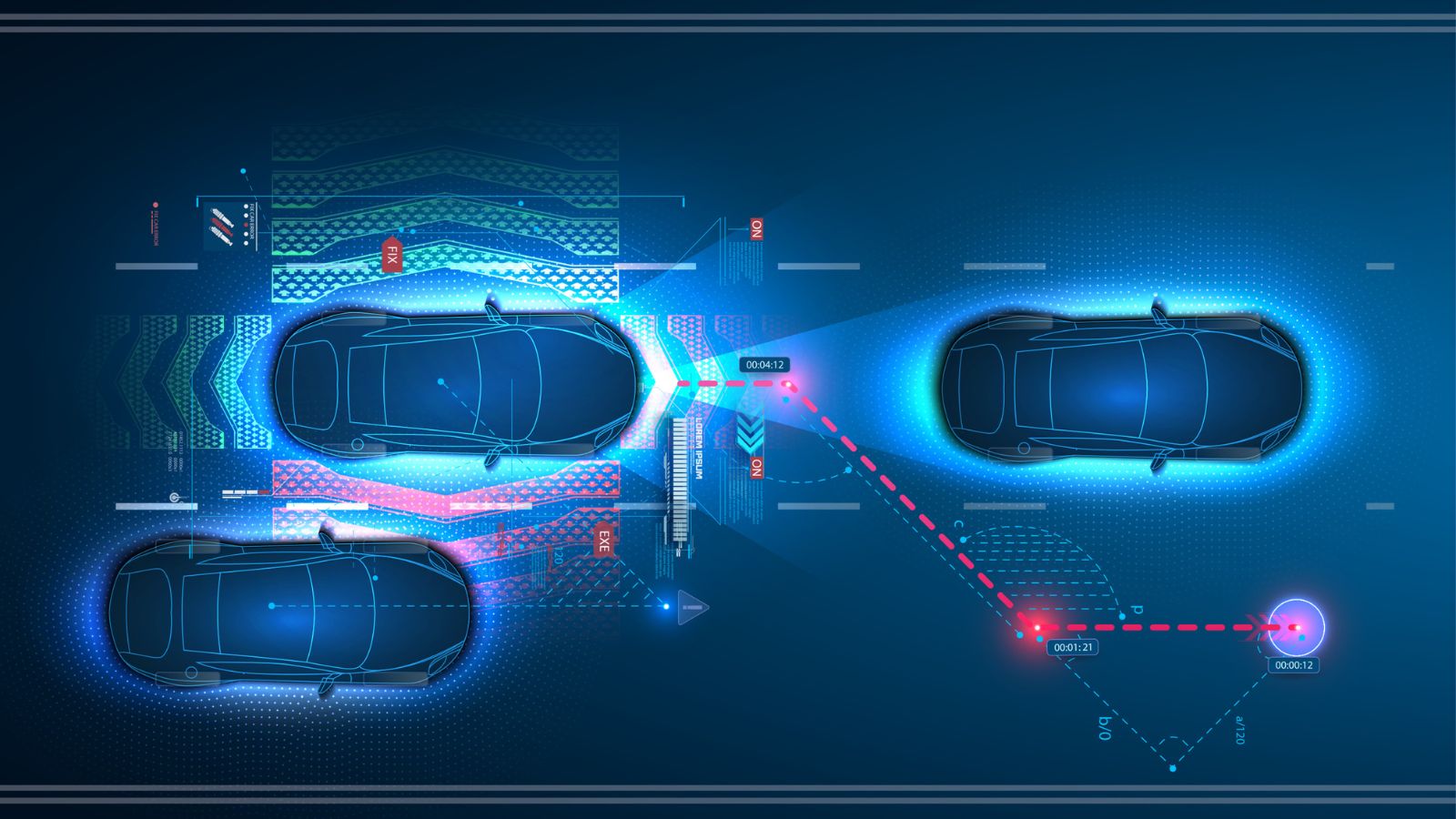
Replacing a damaged radar module is not necessarily the end of the job. Many advanced driver-assistance sensors need to be aimed, initialized or calibrated after removal, replacement or certain nearby repairs. The goal is precision: a sensor responsible for identifying another vehicle dozens of metres ahead has to know exactly where it is looking. Even a perfectly functioning replacement component can be unreliable if its position is incorrect.
Calibration has become common enough to represent a significant collision-repair business on its own. Enlyte’s 2026 industry analysis reported that the share of estimates containing a calibration line increased sharply during 2025, with an average cost of $688 on estimates where calibration appeared. Some vehicles require static calibration using carefully positioned targets. Others need dynamic calibration while being driven under specified conditions, and some require both. That extra labour, equipment and diagnostic work helps explain why buyers accustomed to inexpensive bumper repairs may hesitate when evaluating heavily sensor-equipped models.
Damage Can Be Invisible From the Outside
One unnerving feature of modern bumper damage is that appearances can be misleading. A plastic bumper cover may flex during a low-speed impact and return surprisingly close to its original shape. Behind it, however, brackets, reinforcement components or sensor mounts can shift. Technical guidance distributed through NHTSA’s service-bulletin database has warned that even small radar misalignment can interfere with system operation.
Consumer Reports has offered similar advice, noting that sensors behind a bumper can be knocked out of alignment even when obvious exterior damage is limited. That creates an ownership problem older vehicles rarely presented. A driver might once have decided to live with a tiny parking scar rather than file an insurance claim. With radar hidden underneath, ignoring the same impact can raise questions about whether adaptive cruise control, automatic braking or another system is still seeing the road correctly. For buyers who value mechanical simplicity, invisible damage is almost as concerning as the repair invoice itself.
Rear Bumpers Can Be Surprisingly Expensive Too
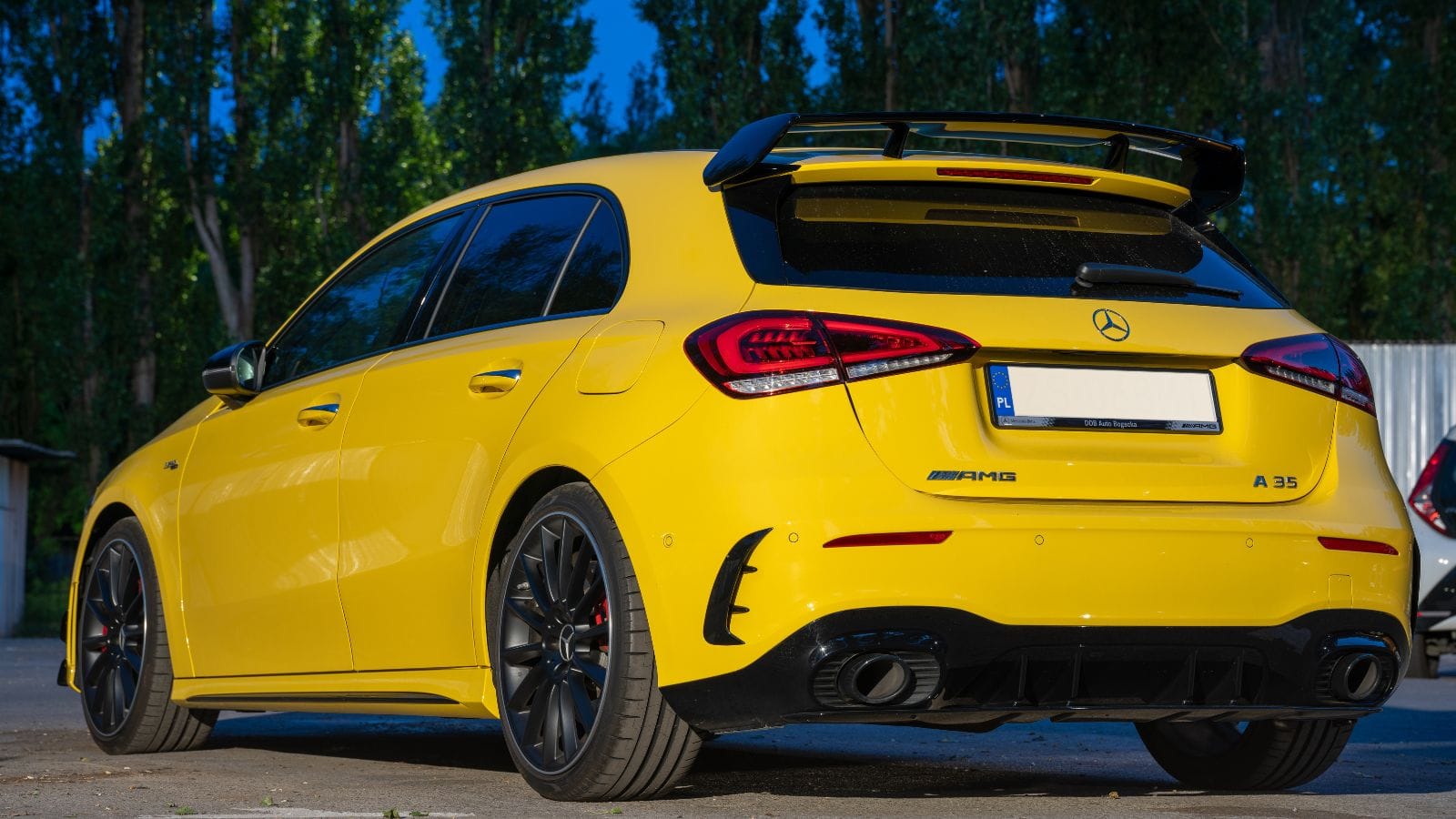
Front-end sensors often receive the most attention because they support features such as automatic emergency braking and adaptive cruise control. Rear bumpers, however, can be packed with their own electronics. Blind-spot monitoring, rear cross-traffic alert and parking assistance may rely on radar or ultrasonic units positioned around the rear corners, making a common parking-lot collision more technologically complicated than it appears.
AAA’s 2023 study found that ADAS-related components in its minor rear-collision scenario averaged $684, accounting for 40.9% of the $1,698 average estimate. The percentage is striking because the underlying collision was not intended to represent catastrophic damage. Earlier AAA research also found potentially substantial costs for rear radar systems used by blind-spot and cross-traffic technology. For an owner who regularly parallel parks, carries children through busy school lots or leaves a vehicle at a crowded shopping centre, the realization that both ends of the vehicle contain costly electronics can influence what feels like a sensible long-term purchase.
Parking Sensors Make Tiny Mishaps More Complicated
Those small circular dots visible across many bumpers are usually ultrasonic parking sensors. Individually, they look inexpensive enough, but they are part of systems designed around precise positioning. AAA’s 2023 repair analysis placed typical front or rear ultrasonic sensor-related repair costs in a range of roughly $300 to $1,000, depending on the vehicle and work required. Those figures were in addition to ordinary collision-related body repairs.
Ultrasonic sensors are generally less complicated than some radar systems and do not always require the same calibration procedures. Yet placement still matters. Automotive repair guidance warns that sensors need to sit at the correct location and orientation to detect nearby objects properly. That can make distorted, poorly repaired or incorrectly drilled bumper covers problematic. Ironically, the technology intended to help prevent parking damage can make the damage that still occurs more expensive. Drivers who rarely use automated parking or proximity features may therefore question whether having numerous sensors built into vulnerable exterior panels is worth the additional repair exposure.
Some Bumpers Can No Longer Be Patched the Old-Fashioned Way
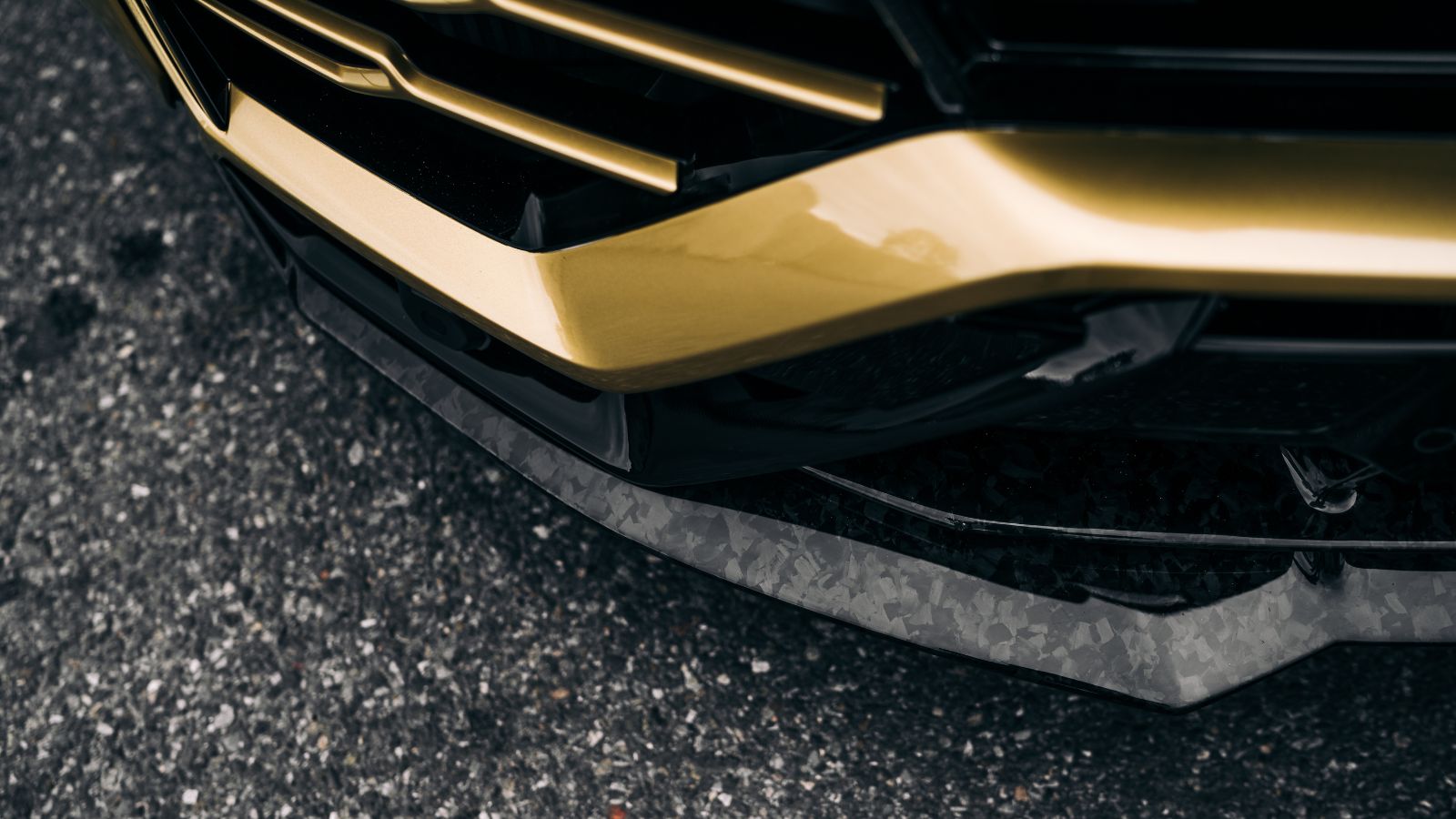
Traditional body repair depended heavily on techniques such as plastic welding, sanding, filling and localized refinishing. Sensor-equipped bumpers can restrict those options. Automaker repair procedures increasingly specify areas around radar modules where fillers, substrate repairs or certain refinishing work should not be performed. In some circumstances, replacing the bumper cover becomes the approved repair rather than simply restoring the damaged area.
Recent I-CAR summaries illustrate how vehicle-specific these rules have become. Mazda guidance for certain models calls for bumper replacement when damage occurs in specified radar-sensitive areas. Stellantis guidance places restrictions on repair materials around blind-spot sensors. Nissan and Infiniti have also issued restrictions against repairs, filler and paint work in areas covering some rear radar units. None of this means every scratch automatically requires a new bumper, but it does mean the technician must check the exact manufacturer procedure first. That loss of repair flexibility is one reason cost-conscious owners may prefer less complicated exterior designs.
Even Paint Thickness Can Matter
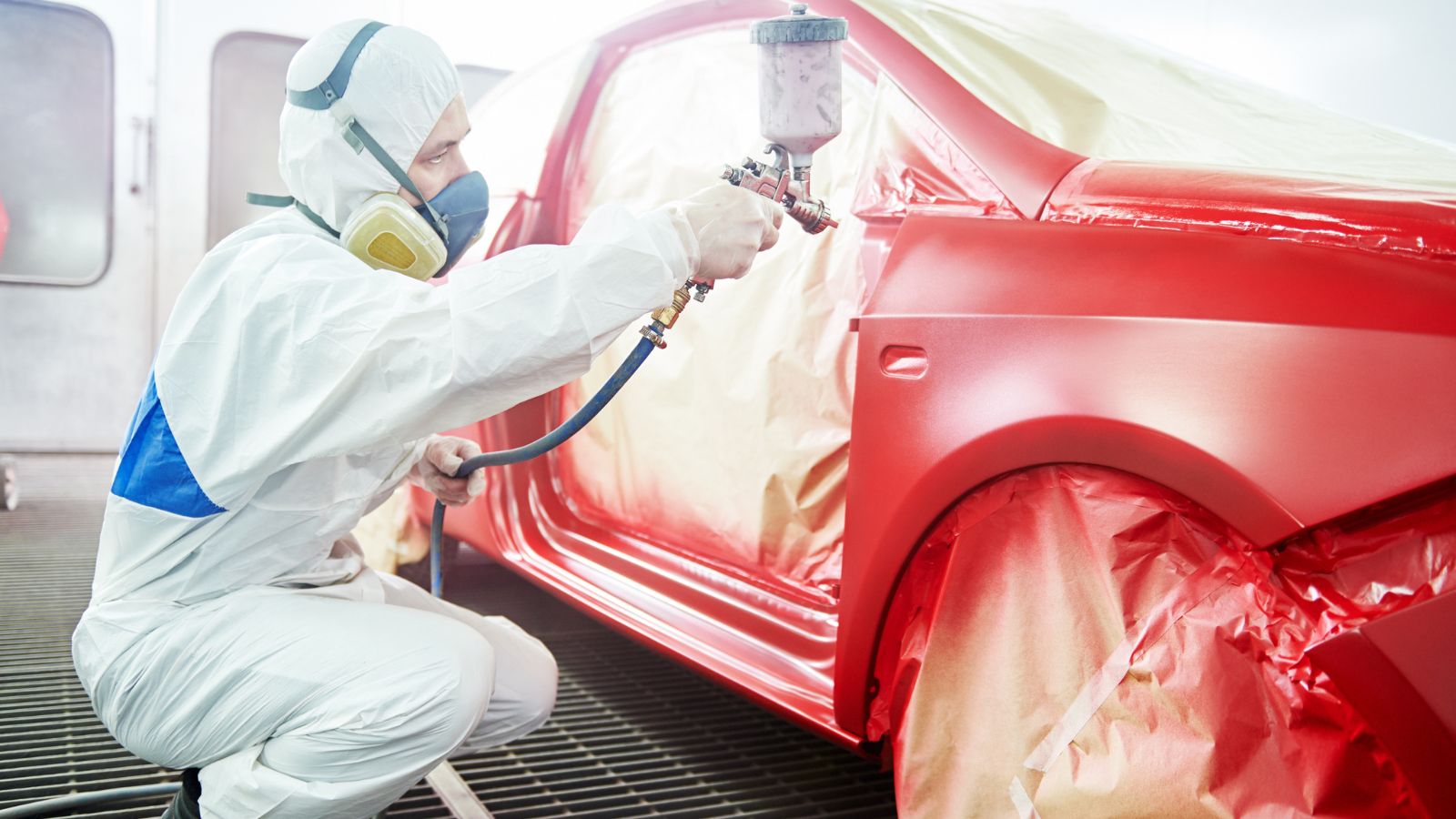
Paint seems harmless compared with an electronic radar module, yet the materials between a radar sensor and the outside world can affect how the system operates. That is why some manufacturers specify limits on paint thickness, repair filler and refinishing procedures around sensor locations. A bumper can look flawless after cosmetic work while still creating a problem if the repair materials interfere with radar transmission.
I-CAR’s summaries of OEM procedures provide several examples. Honda and Acura warn against performing certain repairs close to blind-spot radar units because repair materials or increased material thickness can interfere with operation. Audi has published restrictions involving paint thickness and filler around radar areas, while Stellantis has issued detailed limits covering substrate repair, topcoat thickness and fillers near some blind-spot sensors. These requirements turn what once looked like routine bodywork into precision work. Drivers who expect an older vehicle’s inexpensive spot-repair experience may be surprised to discover that even repainting a modern bumper sometimes requires ADAS-specific knowledge.
Finding the Right Repair Shop Is Part of the Cost
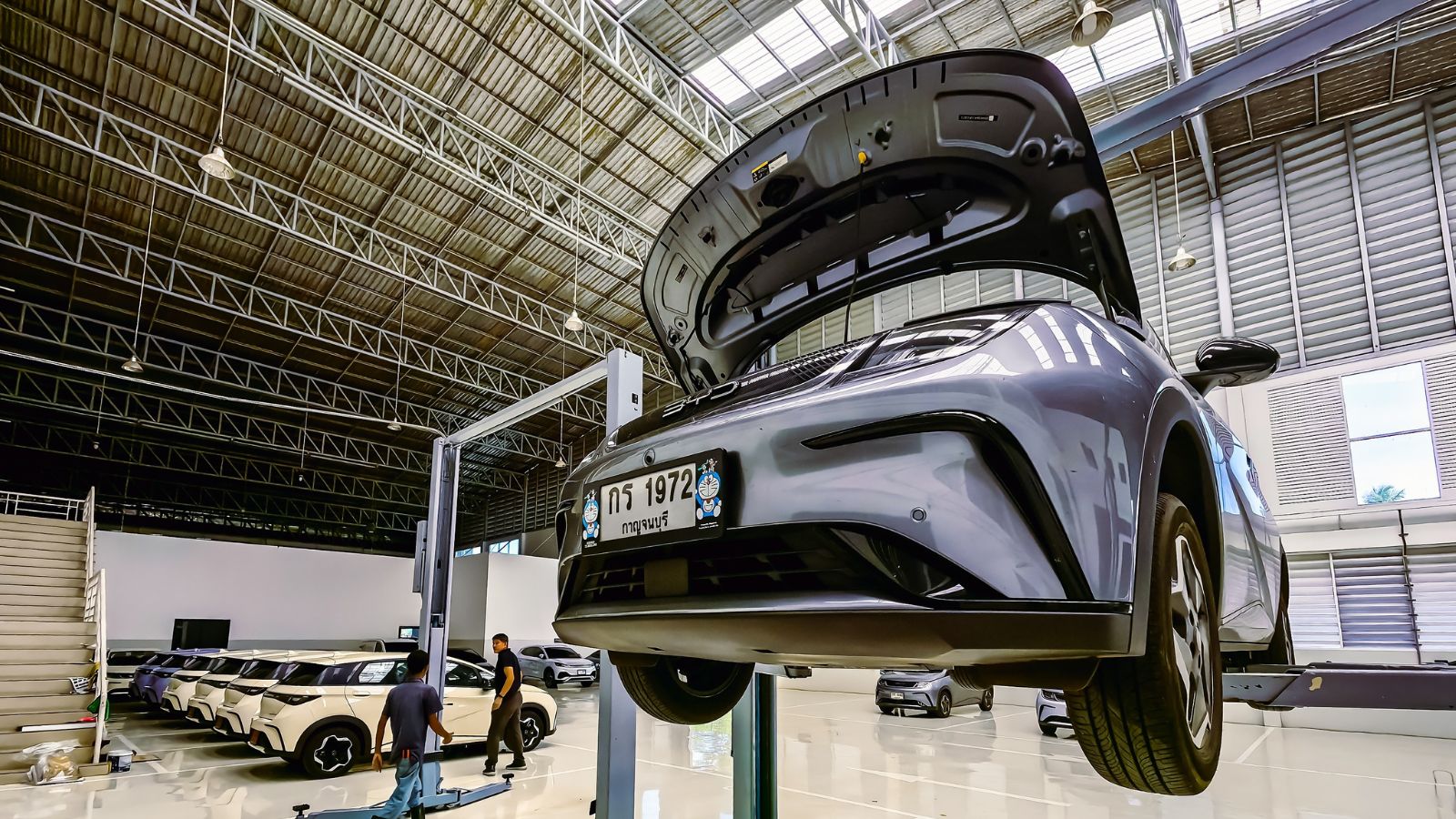
A collision centre capable of straightening sheet metal and applying excellent paint is not automatically equipped to calibrate every modern radar and camera system. Calibration procedures differ between manufacturers and can require specialized scan tools, software, targets, alignment equipment and carefully controlled workshop space. IIHS has specifically identified training, equipment and a lack of standardized procedures as challenges facing repair businesses.
That can affect owners even when insurance is paying most of the bill. Some body shops perform calibrations in-house, while others send the vehicle to a dealership or specialist. CCC has reported that diagnostics and calibration are becoming routine parts of collision estimates, while calibration providers and repairers continue investing in dedicated equipment. Moving a vehicle between facilities creates another scheduling step and potentially another invoice. For a buyer living far from a large dealership or sophisticated collision centre, repair access can matter nearly as much as parts prices. Mechanical simplicity is particularly attractive when the alternative may require specialist equipment every time the front bumper is disturbed.
A Sensor Repair Can Keep the Car in the Shop Longer
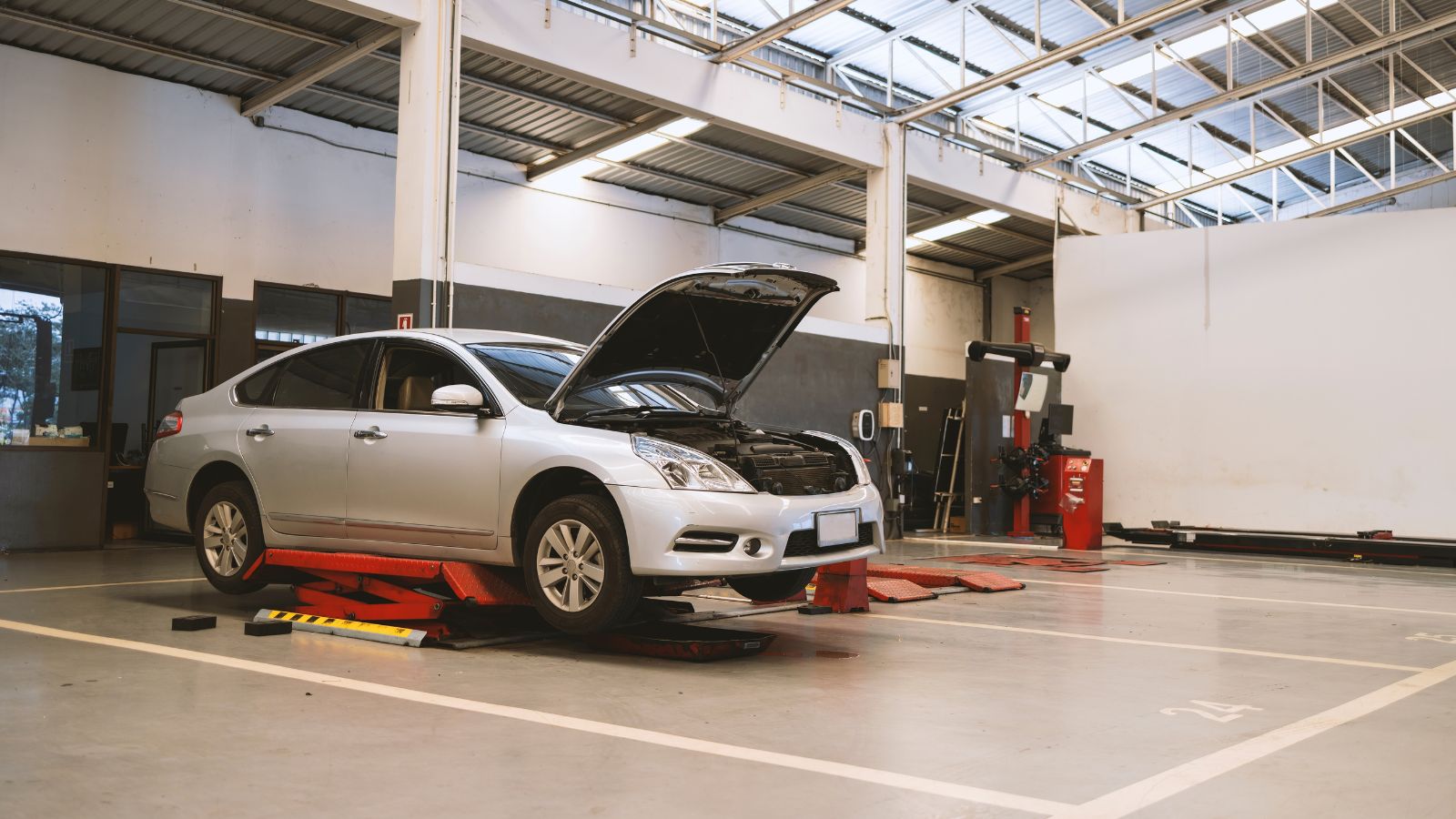
Repair cost is only one part of the inconvenience. Collision repairs involving advanced calibration can also take longer because the electronic work often occurs late in the process. A bumper may need to be repaired and refinished, components reinstalled, the vehicle scanned, wheel alignment checked and only then the appropriate driver-assistance systems calibrated. If the shop cannot perform the procedure itself, another business may have to become involved.
CCC’s 2025 claims analysis found a noticeable cycle-time difference. Repairs involving multiple calibrations averaged more than 17 days from vehicle arrival to departure, compared with roughly 13 days for vehicles without calibration. Jobs involving one calibration averaged about 15.5 days. CCC also found that many calibration charges first appeared as supplements rather than on initial estimates, illustrating how extra procedures can emerge after repairs have begun. For anyone who depends on one vehicle for commuting or family obligations, several extra days without it can turn a small collision into a disproportionately disruptive event.
Insurance Does Not Make the Expense Disappear
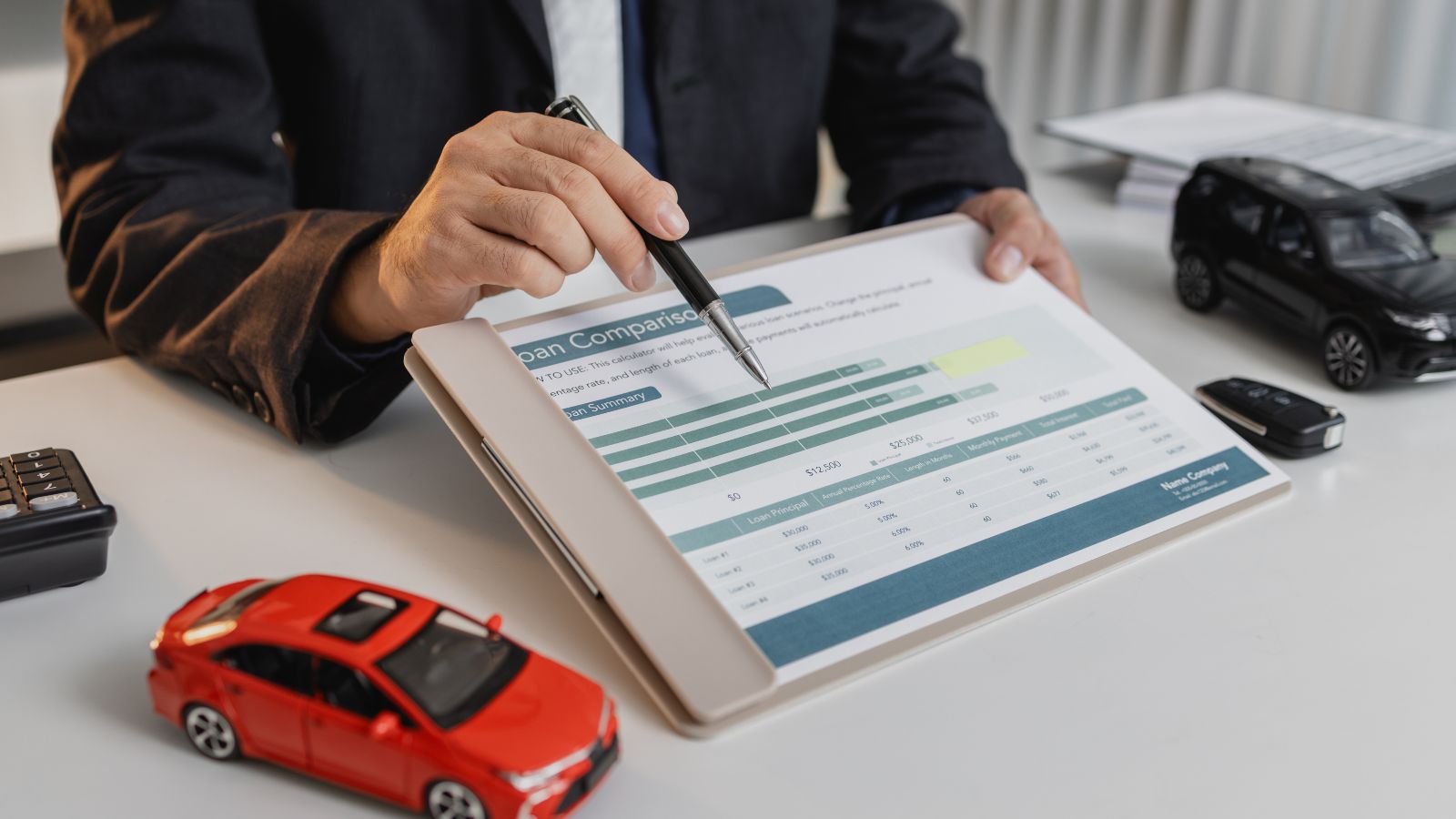
Collision coverage may protect an owner from the full cost of an expensive bumper repair, but insurance does not make repair economics irrelevant. Deductibles remain the driver’s responsibility in many claims, and vehicle repair costs are one factor insurers consider when pricing coverage. In Canada, the Insurance Bureau of Canada specifically lists a vehicle’s make, model, value and potential repair costs among the factors that can affect insurance pricing.
The relationship is not completely one-sided. Crash-prevention equipment can reduce claims, which can offset some of the additional expense of repairing the technology. Still, rising deductibles mean owners may feel more of the smaller claims themselves. CCC reported in 2025 that $1,000 deductibles had become more common in its data while the traditional $500 deductible had lost share compared with 2021. Faced with an $800 or $1,200 sensor-related expense after an otherwise modest impact, an owner may decide the distinction between “insured” and “affordable” is larger than it first appeared.
Snow, Ice and Road Grime Add Another Ownership Quirk
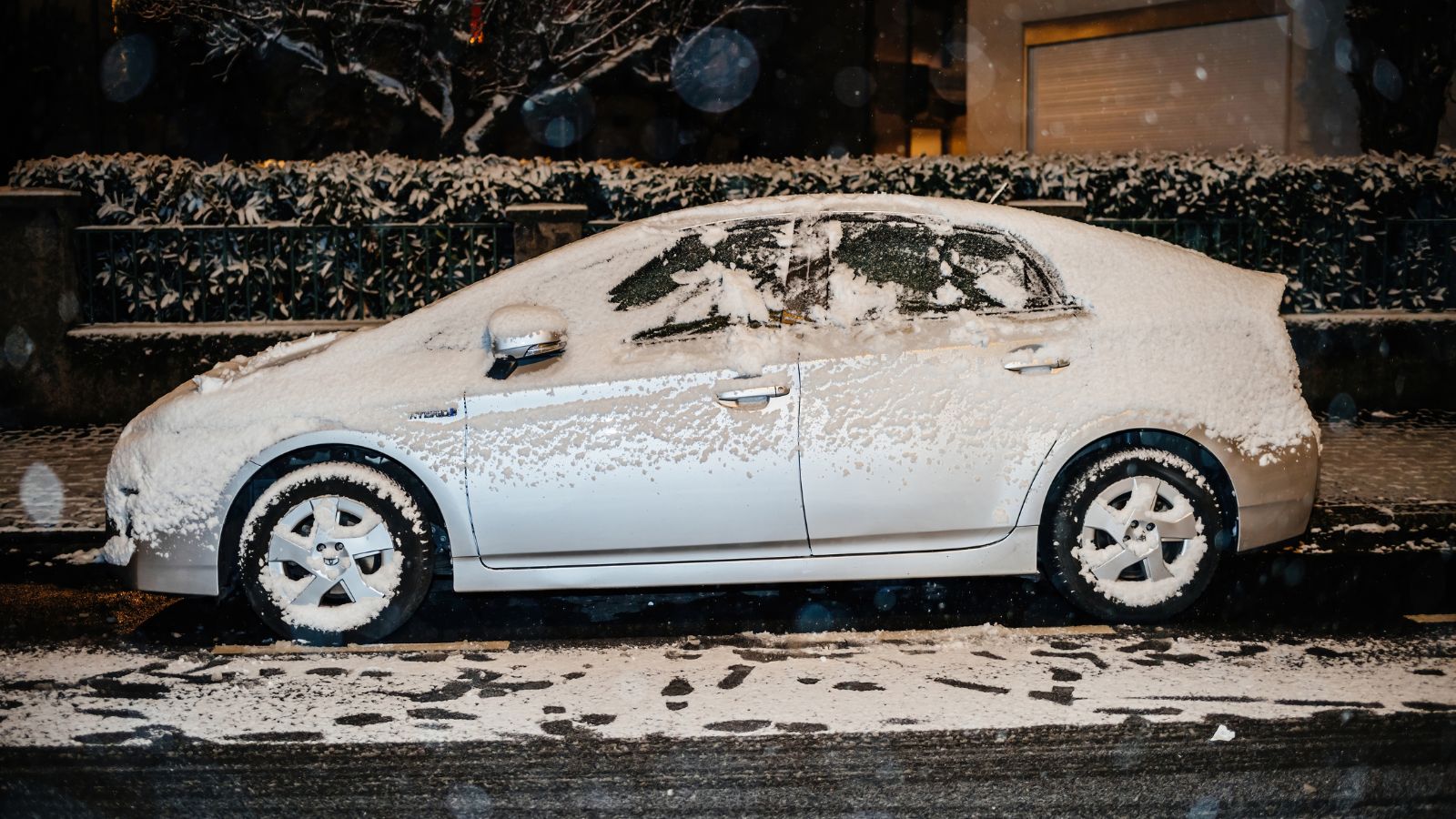
Sensor bumpers are not only vulnerable during collisions. They also need an unobstructed view of their surroundings. Automaker manuals routinely warn that snow, ice, mud or heavy contamination around radar and ultrasonic sensors can cause driver-assistance features to become temporarily unavailable. Toyota’s current manuals, for example, direct owners to remove snow, ice, water or dirt when parking-assist or radar sensors become blocked.
This is normally an inconvenience rather than a costly failure. Once the obstruction is removed, the system can often return to normal operation. Nevertheless, it illustrates how dependent modern vehicles have become on exterior electronics being clean and correctly positioned. In snowy climates, a bumper caked with winter slush may temporarily take parking assistance or other safety functions offline just when conditions are difficult. Buyers who prefer straightforward vehicles sometimes see that dependence as one more layer of complexity—especially when the same sensor that needs to be kept clean is also expensive to replace after a collision.
The Safety Benefits Make the Decision Less Simple
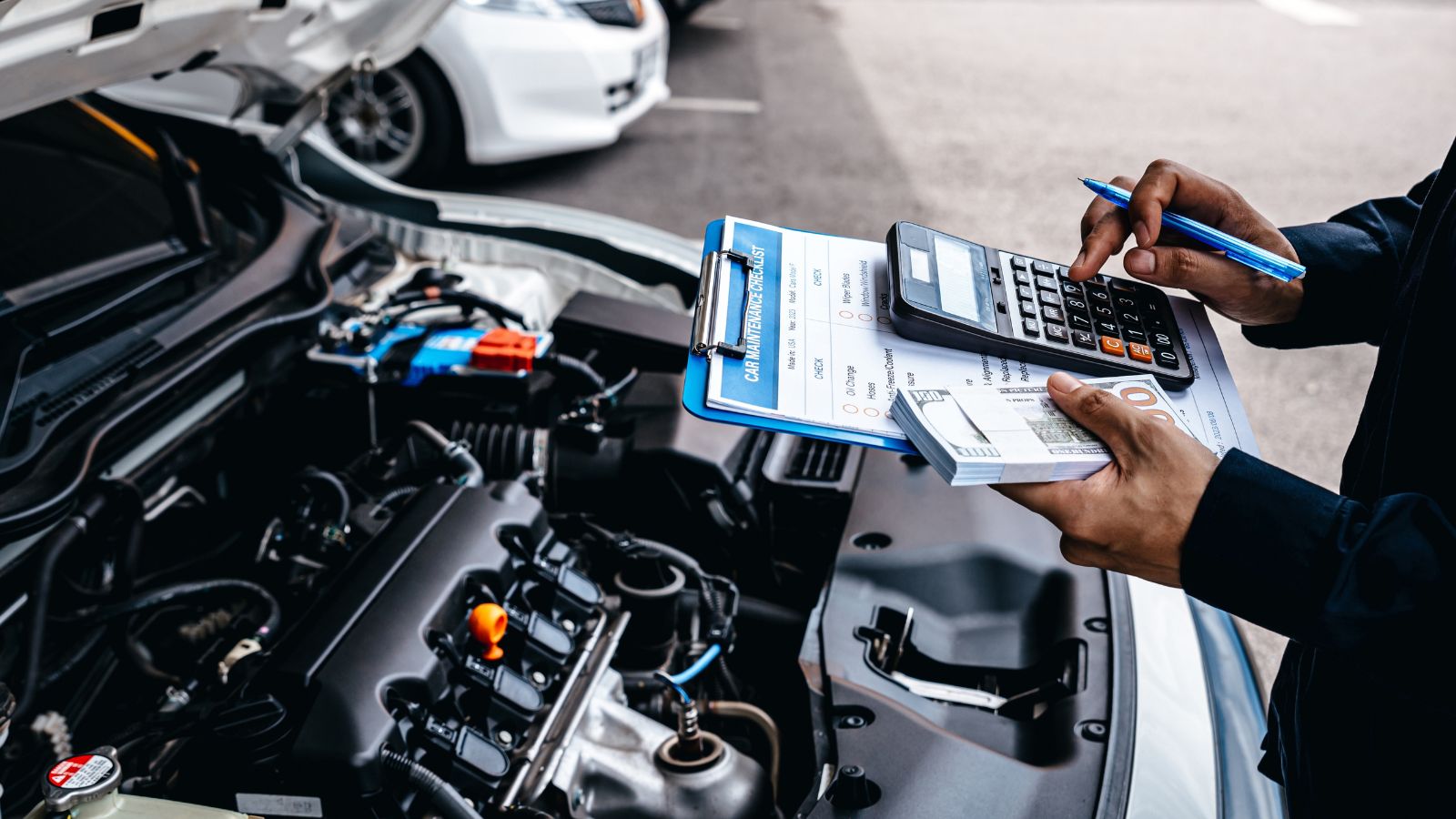
Expensive repairs do not mean sensor-based driver assistance lacks value. In fact, the safety evidence is one of the strongest arguments against dismissing the technology purely on repair cost. IIHS and the Highway Loss Data Institute have repeatedly found that crash-avoidance systems reduce the crashes they are designed to prevent. A 2026 HLDI comparison found vehicles with a bundle of driver-assistance features had about 10% fewer collision claims and almost 40% fewer property-damage-liability claims than comparable vehicles without the package.
That helps explain why outright rejection remains uncommon. In an IIHS study of owners who had crash-avoidance systems repaired, only a little more than 5% said they would not buy another vehicle with the feature involved. Most still valued the technology despite repair complications. The real issue, then, is not simply sensors versus no sensors. Buyers are increasingly balancing proven safety benefits against repairability, deductibles, local shop capabilities and the potential cost of the seemingly harmless bumper tap that modern technology has made far less harmless.
19 Used Cars Canadians Should Avoid in 2026 (Based on Owner Complaints)

Buying a used car in Canada can feel safe until repair bills start stacking up. Owner complaints tell a different story than glossy listings. Transmission failures, electrical problems, and weak winter reliability show up again and again in consumer reports. Many of these issues appear after warranties expire, when owners least expect them. Some vehicles look affordable upfront, but become expensive to keep on the road. Others struggle in cold weather, urban driving, or long highway commutes. Here are 19 used cars Canadians should avoid in 2026 (based on owner complaints).
19 Used Cars Canadians Should Avoid in 2026 (Based on Owner Complaints)

Alanna Rosen is an experienced content writer that focuses on many EV and educational content. Her articles are regularly published on Get CyberTrucked and syndicated on large publications.