
A used car can look spotless, drive quietly and come with a convincing stack of paperwork while still hiding a costly history. Canadian regulators and police continue to warn about illegal sellers, altered odometers, re-VINned stolen vehicles, undisclosed damage and increasingly convincing online fraud. Some schemes are outright criminal fraud; others involve deceptive sales practices or failures to make disclosures required under provincial consumer-protection rules. The details vary across Canada, making independent verification especially important when a vehicle has moved between provinces. These 22 used car scams and deceptive tactics show how a bargain can become a financial headache long after the keys change hands—and why the strongest defence often comes from checking the seller, VIN, ownership, history, financing and physical condition separately.
The “Private Seller” Who Is Actually an Illegal Dealer

The driveway looks ordinary. The seller says the SUV belongs to a relative, explains that the family no longer needs it and insists the price has been lowered for a quick sale. What the buyer may actually be dealing with is a curbsider—an unregistered dealer operating illegally while pretending to sell a personal vehicle. Ontario regulator OMVIC warns that curbsiders frequently misrepresent both themselves and their vehicles, including selling former write-offs, damaged cars and vehicles with altered odometers. One warning sign is a seller who seems to have several vehicles available or whose name does not match the registration.
This is hardly an obscure problem. OMVIC reported that its 2025 enforcement work contributed to 895 charges against 174 alleged curbsiders, while curbsiding penalties and other enforcement actions produced more than $1.9 million in fines. The problem with buying from such a seller is not merely the vehicle itself. Buyers may lose regulatory protections available when dealing with registered dealers. Once the transaction is finished, the seller who seemed so friendly in the driveway may become remarkably difficult to locate.
The Odometer Rollback That Makes an Old Car Look Young
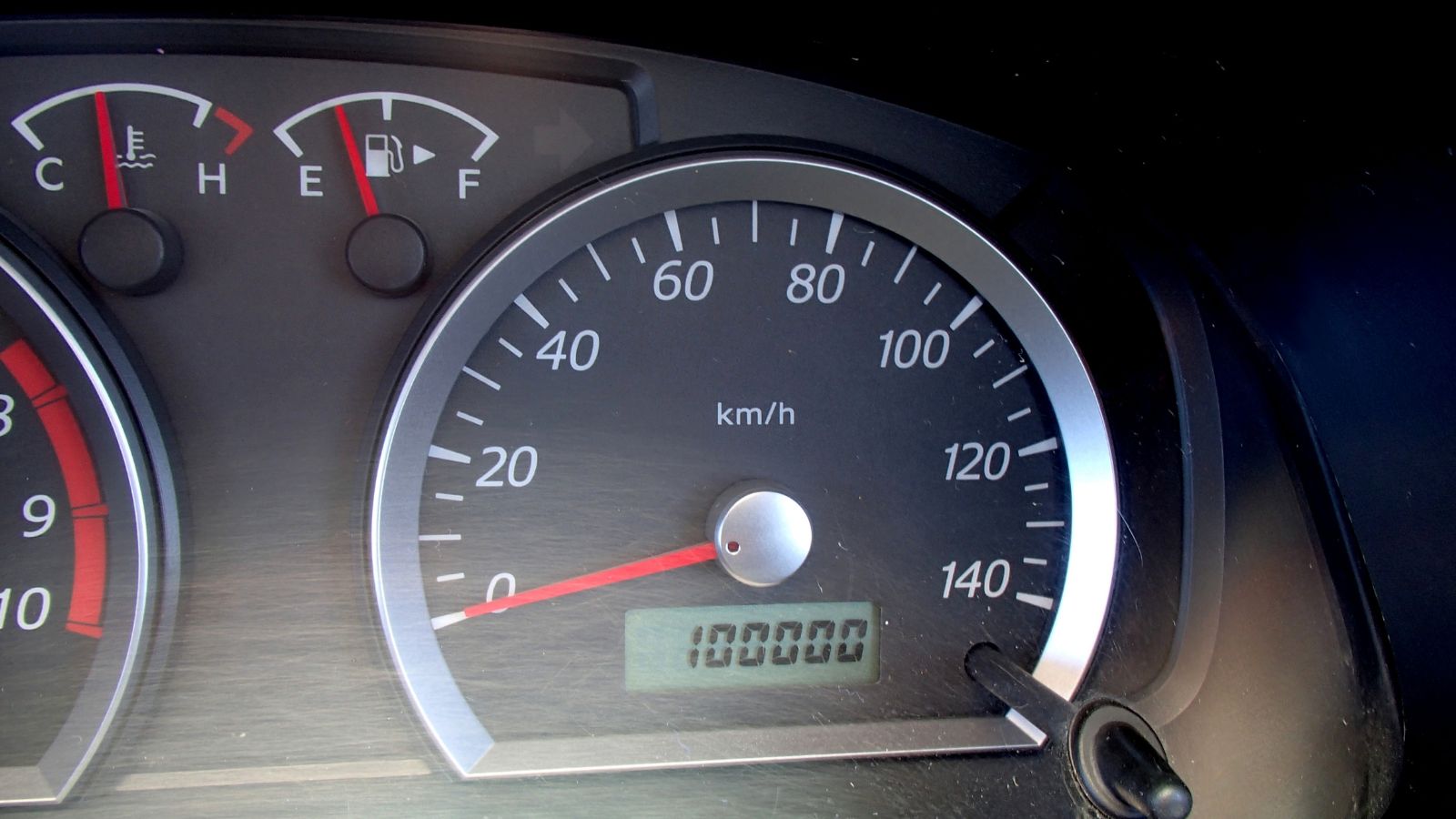
A vehicle showing 72,000 kilometres generally creates a very different impression from the same vehicle showing 172,000. That difference creates an obvious incentive for dishonest sellers to manipulate mileage. Modern digital odometers have not eliminated the practice. OMVIC warns that devices capable of reprogramming odometers are readily available and that advertisements for so-called odometer-correction services can be found online. A suspiciously low reading therefore deserves verification rather than admiration.
Historical records can reveal the inconsistency. In Ontario, a Used Vehicle Information Package may contain past odometer readings, while vehicle-history records can provide additional mileage points. Physical wear matters too. OMVIC lists worn steering wheels, upholstery, pedals, suspension parts and heavily pitted windshields as clues that a low-mileage reading might not match the vehicle’s real life. The expensive part of the scam is not just paying too much. Maintenance schedules, remaining component life and resale value can all look better on paper when thousands of kilometres have disappeared from the dashboard.
The Stolen Vehicle With a New VIN
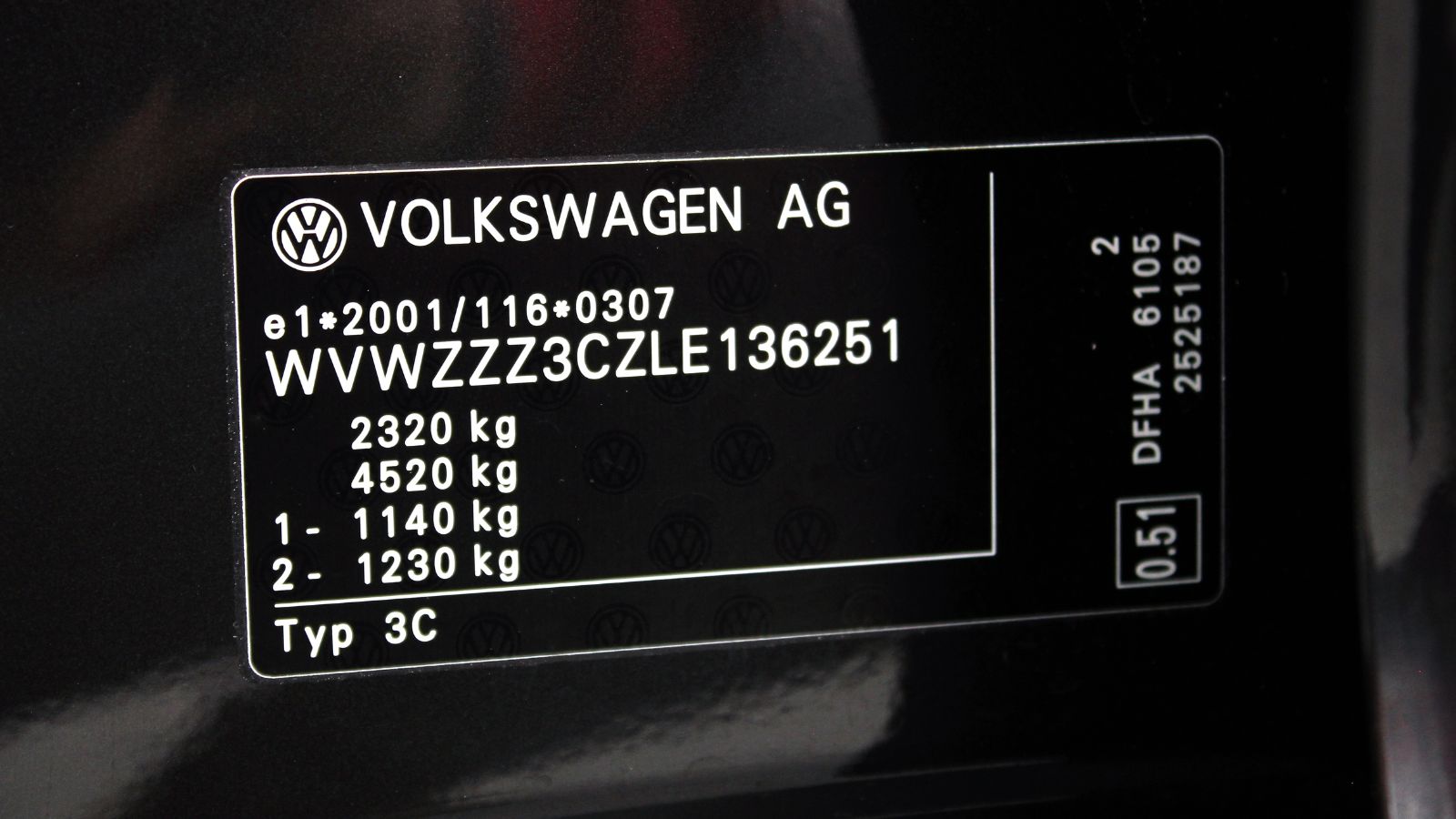
One of the most serious scams starts with a perfectly real vehicle that belongs to somebody else. Criminals can alter or replace identifying information and attempt to register the stolen vehicle under a different identity, a practice commonly described as re-VINning or VIN cloning. To a buyer, the truck or SUV can appear legitimate: it may have plates, paperwork and a VIN that produces information when searched. The underlying vehicle, however, may still be stolen property.
Canadian police continue to investigate such operations. In 2025, Cochrane RCMP described an investigation into re-VINning and fraudulent registration that extended across Alberta and Saskatchewan. Police recovered several vehicles, including a re-VINned Dodge Ram, with the total value of recovered vehicles exceeding $200,000. A buyer can reduce the risk by comparing the VIN visible through the windshield with identifiers elsewhere on the vehicle, checking the registration and verifying the VIN through independent history and stolen-vehicle databases. A mismatched plate, strange rivets or unexplained paperwork discrepancy should never be dismissed as clerical trivia.
The Fake Dealership Employee

Some scams borrow the credibility of a real business rather than creating a fake one from scratch. Fraudsters copy photographs, names, dealership branding and vehicle information from legitimate websites, then create marketplace advertisements or social-media accounts that appear connected to the real dealer. The buyer sees a recognizable business name, speaks with someone claiming to be a salesperson and becomes comfortable enough to send a deposit.
OMVIC documented this tactic after its enforcement team identified fraudulent listings created with material stolen from genuine dealership websites. In some cases, victims sent deposits and later arrived at the legitimate dealership only to learn that the business knew nothing about the salesperson, vehicle or transaction. The simplest defence is surprisingly effective: independently locate the dealership’s official telephone number rather than calling a number provided in the advertisement. Then confirm the salesperson and vehicle directly. A familiar logo in a Facebook Marketplace profile proves almost nothing because copying a dealership’s digital identity takes considerably less effort than operating an actual dealership.
The Phantom Car That Disappears With the Deposit

A desirable used vehicle appears online at an unusually attractive price. The seller claims to be away for work, moving across the country or handling the sale for an elderly relative. There is always a reason the vehicle cannot conveniently be inspected that afternoon. There is also urgency: several other buyers are interested, so a deposit is supposedly needed to hold the car. Once money changes hands, the listing, profile and seller disappear.
The Canadian Anti-Fraud Centre specifically warns about non-delivery merchandise fraud, in which criminals advertise items they do not actually intend to provide. Motor vehicles are among the products used in fraudulent online advertisements. A low price and a newly created seller profile are among the warning signs identified by the CAFC. OMVIC has separately documented scammers taking deposits on vehicles that did not exist. A legitimate seller may reasonably request a deposit during a transaction, but a buyer should first verify that both the vehicle and seller exist. No dramatic shipping story makes that verification unnecessary.
The Altered Vehicle-History Paperwork

Paperwork feels authoritative, which is precisely why falsified paperwork works. A seller can hand over what appears to be an official vehicle-history document and allow the buyer to believe that the administrative work has already been done. Ontario’s Used Vehicle Information Package is particularly valuable because it can contain ownership history, previous odometer readings and lien information. Those details can also expose exactly the information a dishonest seller would prefer to hide.
OMVIC warns buyers to consider obtaining their own UVIP rather than automatically accepting the seller’s copy because some sellers have altered packages to remove mileage or lien information. That warning illustrates a broader principle: documents supplied by the person receiving the purchase money should not be the only source used to verify the transaction. Ontario buyers can order a UVIP independently, while buyers elsewhere should use the appropriate provincial registry, lien-search system and reputable vehicle-history source. A beautifully printed report is evidence only after its origin has been independently confirmed.
The Car That Comes With Someone Else’s Debt

A shiny used car can arrive with an invisible passenger: a lien. A lien represents a registered financial claim against the vehicle. If the seller still owes money and the lien remains in place, the buyer can become entangled in a dispute involving an asset that has already been pledged to a creditor. The seller’s promise that the loan “will be paid off next week” is not the same thing as proof that the registration has actually been cleared.
The federal Financial Consumer Agency of Canada advises used-vehicle buyers to check for liens before purchasing. It also notes that a vehicle can have more than one lien and that relevant searches may need to consider more than one province or territory. Registered dealers are expected to ensure that used vehicles they sell are lien-free, while private transactions place more of the verification burden on the buyer. The VIN is central to the search. If a seller refuses to provide it before money changes hands, the transaction has already produced a reason to walk away.
The Seller Whose Name Is Not on the Ownership

A common story sounds harmless: the vehicle belongs to a brother, girlfriend, uncle, employer or friend who happens to be unavailable. The seller promises that everything is legitimate and may even have documents that appear to support the explanation. Yet the mismatch between the person collecting the money and the person registered as owner can be a sign of an illegal curbsider, forged paperwork or a stolen vehicle.
OMVIC specifically advises buyers to compare the seller’s identification with the vehicle ownership and notes that curbsiders often sell vehicles that are not registered in their own names. Police investigations into re-VINning have also involved forged documents and fraudulent registrations, demonstrating why identity verification is more than administrative fussiness. Buyers should expect a coherent chain: seller identity, registration, VIN and bill of sale should all make sense together. Legitimate unusual situations certainly occur, but they require additional verification—not less. “The owner could not make it today” is an explanation, not proof of authority to sell a $30,000 vehicle.
The Rebuilt Write-Off Presented as an Ordinary Used Car
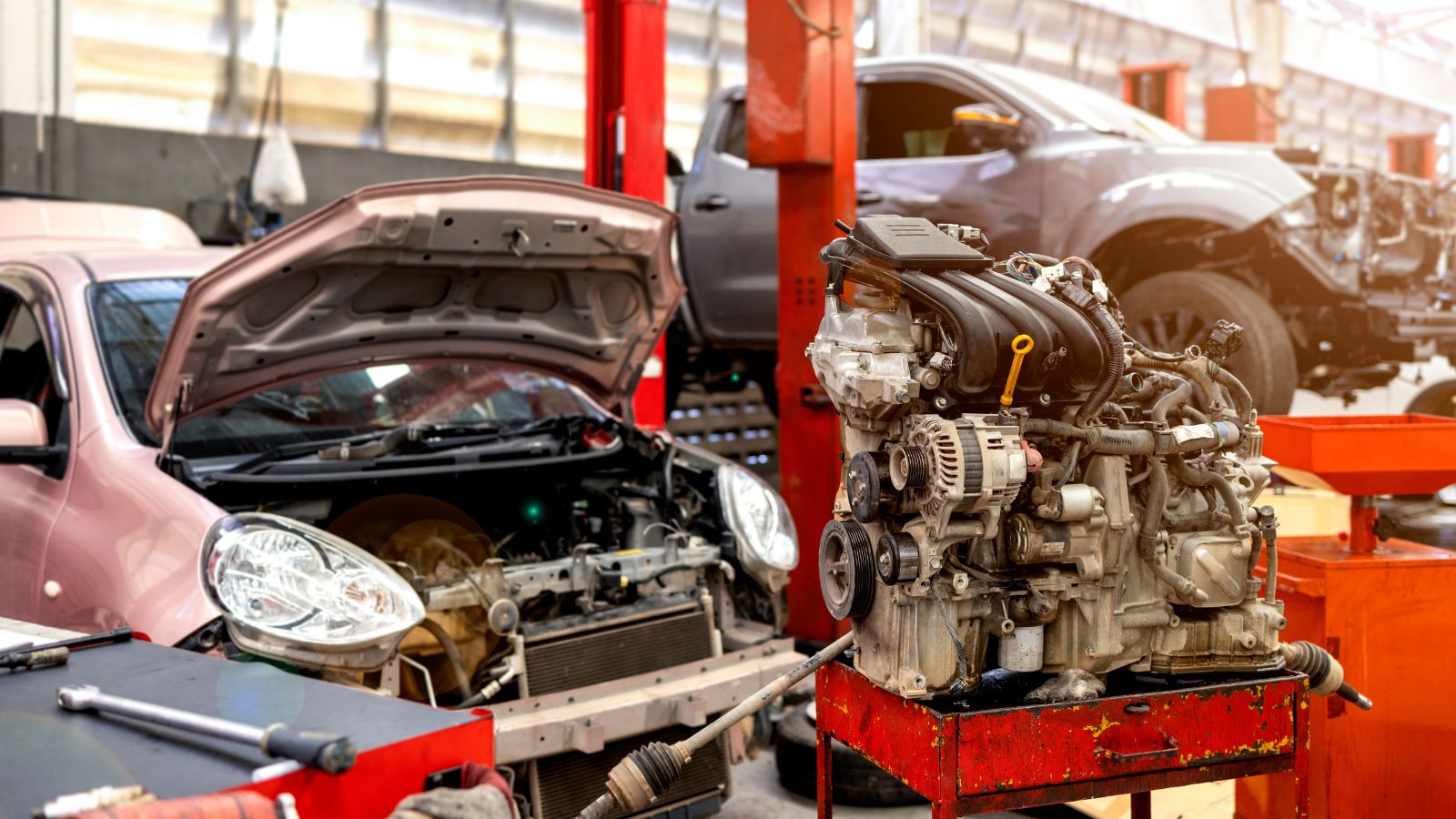
A vehicle can be repaired after severe damage and legally return to the road under the appropriate rules. The scam occurs when that history is concealed and the buyer is encouraged to value the car as though nothing significant ever happened. Ontario dealers have specific disclosure obligations concerning vehicles classified as irreparable, salvage or rebuilt. B.C. similarly uses statuses including normal, rebuilt, salvage, altered and non-repairable.
One especially important point is that registration terminology should not be overinterpreted. ICBC explains that a vehicle with “normal” status is not automatically a vehicle that has never been damaged or one that is mechanically sound. Buyers therefore need both status information and broader history. In Ontario, registered dealers must also disclose if an insurer previously declared the vehicle a total loss, even when it was not formally classified as salvage or irreparable. A professional paint finish can make a former wreck look impressive under showroom lighting; the paperwork and structural inspection reveal the part of the story that polishing cannot.
The Flood Car That Has Been Dried, Detailed and Deodorized
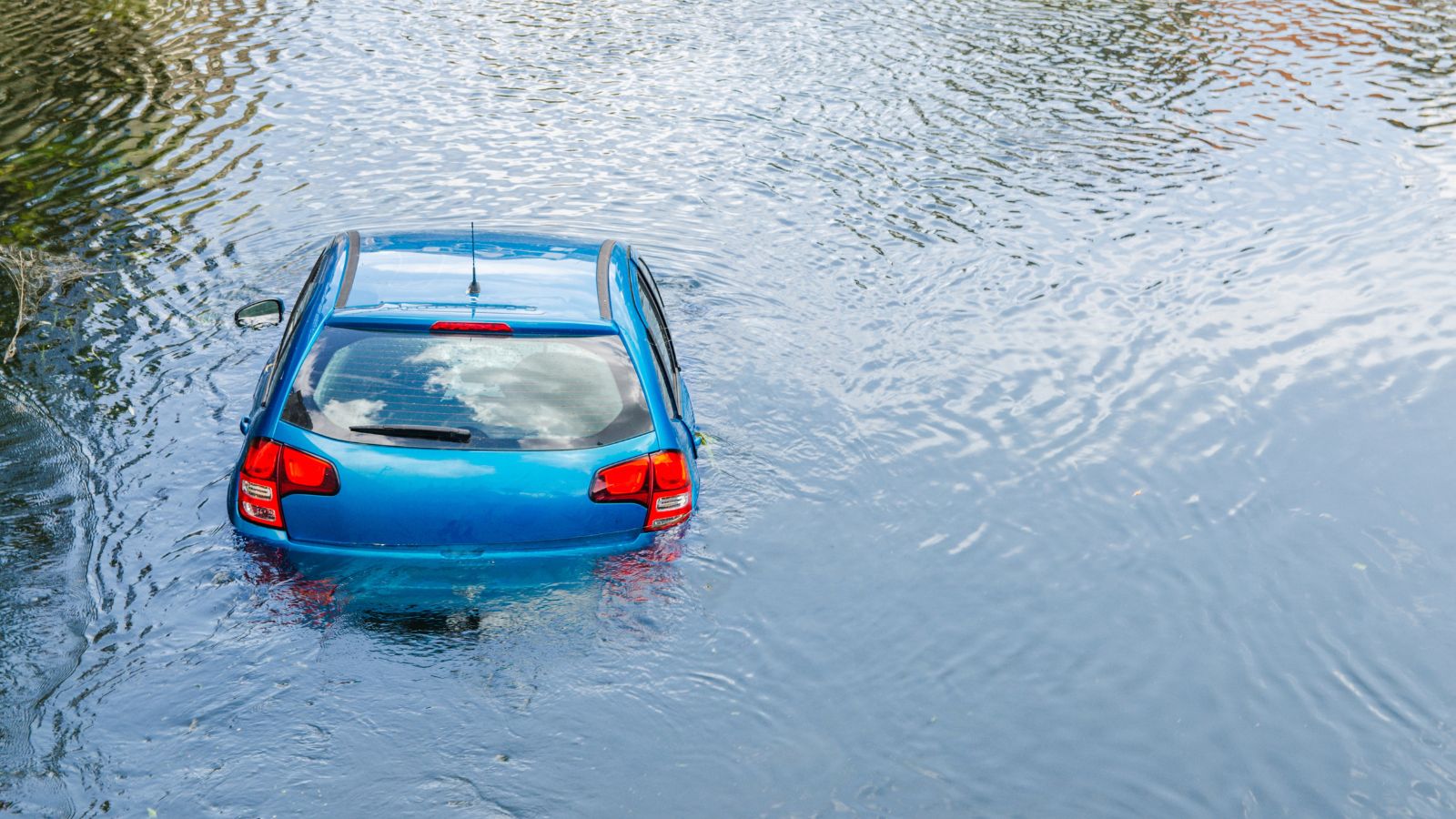
Water damage is unusually easy to disguise temporarily. Carpets can be replaced, interiors shampooed and unpleasant smells masked. The danger may remain inside electrical connectors, modules and hidden cavities long after the seats feel dry. ICBC warns consumers about people attempting to sell water-damaged vehicles at bargain prices and recommends checking for musty odours, mud or rust in unusual areas, rusty brackets beneath seats and mismatched or poorly fitted carpeting.
Flood history is also significant enough to trigger disclosure rules in some provinces. Ontario registered dealers must disclose flooding or liquid immersion reaching at least the interior floorboards. Buyers should remember that history reports are useful but not magical; damage that was never properly reported may be harder to detect. An independent technician experienced with automotive electronics can be particularly valuable when flood exposure is suspected. A car that suffered serious immersion can operate normally during a short test drive while corrosion quietly develops in wiring and electronic connections that are expensive to diagnose later.
The “Minor Accident” That Was Anything but Minor

A seller says there was a small fender-bender. The bumper looks straight, the paint shines and the test drive seems normal. The description may be technically based on an accident that happened, yet omit the part that matters: structural repairs, replaced body sections or a previous insurance write-off. OMVIC said in 2026 that it was seeing cases where customers were told vaguely that a vehicle had been “in an incident” without being given the complete significance of the damage.
Ontario’s disclosure rules illustrate how detailed that information can be. Registered dealers must disclose structural damage or structural repairs, certain significant body-panel replacements, damage from an incident costing more than $3,000 to repair when applicable, and prior total-loss declarations. That does not mean $3,000 is a universal Canadian definition of serious damage; it is an Ontario disclosure threshold. The broader lesson applies everywhere: descriptions such as “minor accident,” “cosmetic damage” and “professionally repaired” should be checked against repair records, history reports and an independent inspection.
The Out-of-Province Car With a Conveniently Vague Past
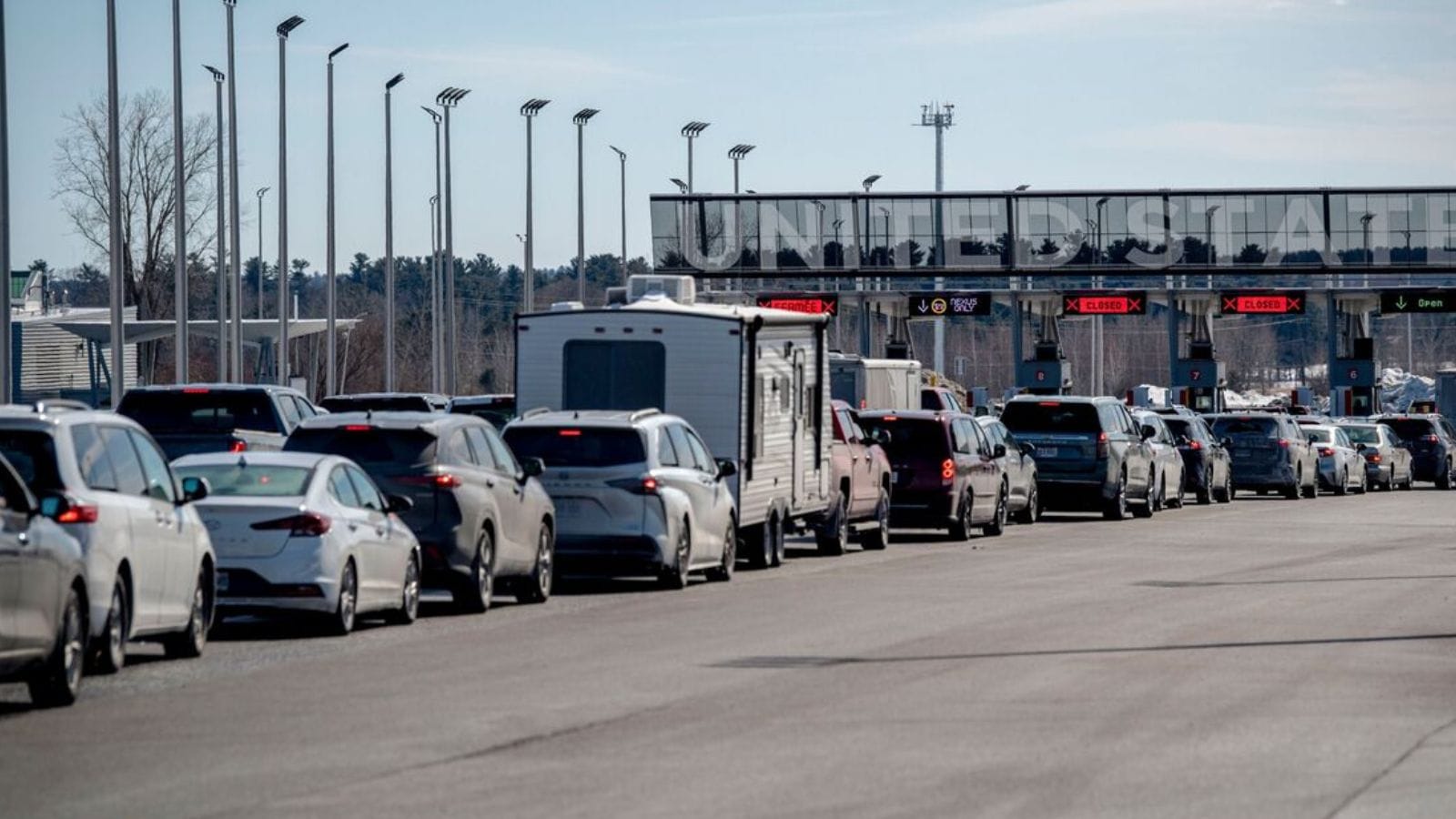
Crossing a provincial or international border can make a vehicle’s history harder for an ordinary buyer to follow. Ownership systems, branding terminology, insurer data and reporting timelines are not identical everywhere. A seller may exploit that complexity by emphasizing the car’s current local registration while saying little about where it spent the rest of its life.
Ontario recognizes the relevance of this information by requiring registered dealers, in specified circumstances, to disclose jurisdictions outside Ontario where a vehicle was previously registered. ICBC also cautions that registry status may not always describe a vehicle perfectly, including cases involving imported vehicles whose status was incorrect in the jurisdiction from which they came. That is why a recent local registration should not be treated as a clean bill of health. Buyers should review the full geographic history, especially when an inexpensive vehicle suddenly appeared in another province after an accident, flood or insurance event. Provincial borders should not become gaps in the due-diligence process.
The Former Taxi, Rental or Police Vehicle With a New Story

Not every former fleet vehicle is a bad purchase. The deception begins when previous commercial or emergency-service use is intentionally hidden because the seller knows it might change how a buyer values the car. A vehicle that looks like an ordinary family sedan today may have accumulated its kilometres through daily rental duty, taxi service or emergency work.
Ontario’s mandatory dealer disclosures specifically include prior use as a daily rental in certain circumstances, as a police or emergency-services vehicle, or as a taxi or limousine. That requirement demonstrates that previous use can be material to a purchasing decision. Fleet vehicles can vary enormously: some receive disciplined scheduled maintenance, while others experience frequent short trips, multiple drivers or demanding operating conditions. The point is not to reject every former fleet vehicle automatically. It is to price and inspect the car with accurate information. When a seller confidently describes a vehicle as a privately owned commuter, documentation should support that story rather than merely repeat it.
The Airbag Warning Light With a More Expensive Explanation
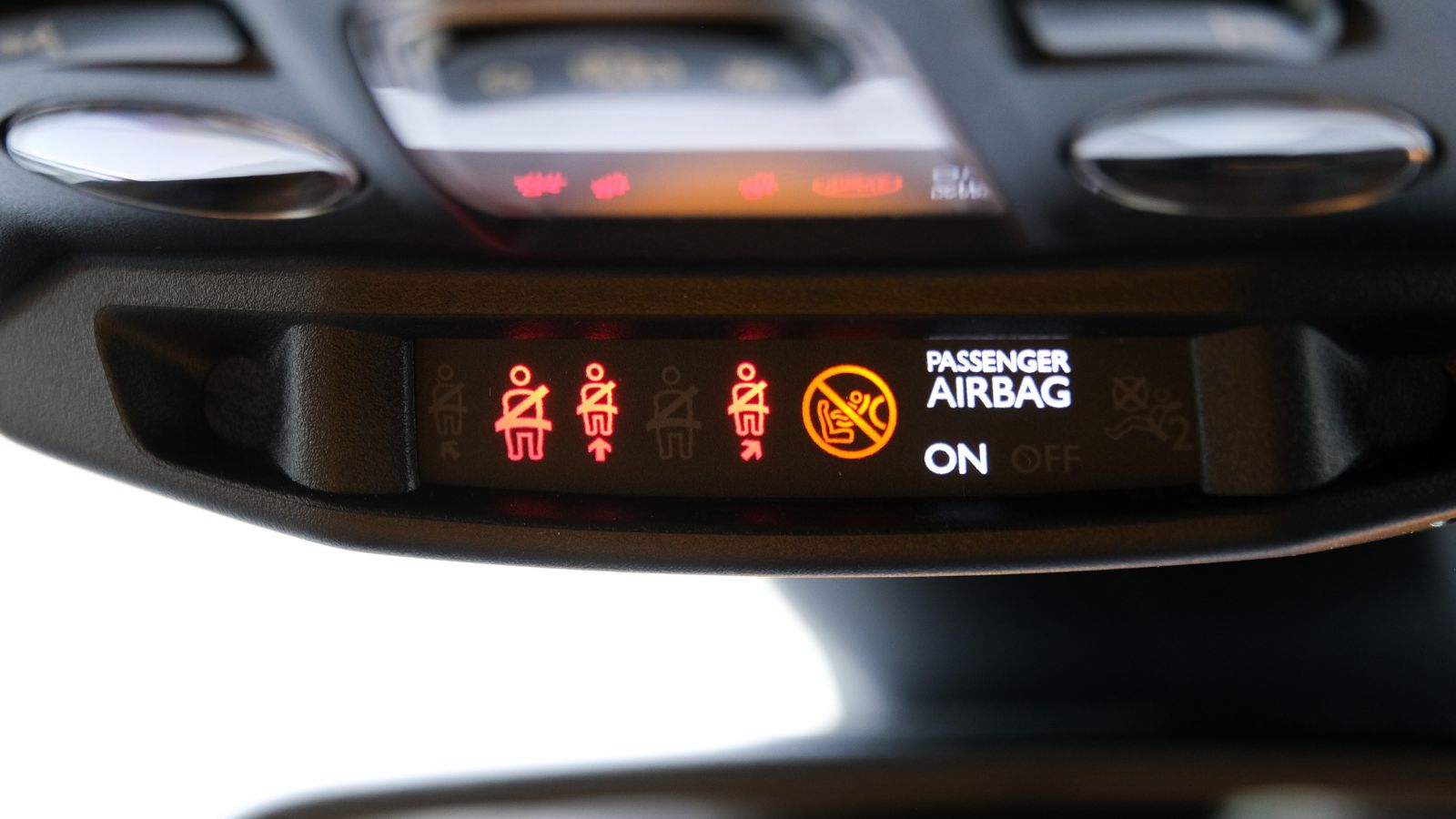
A collision can leave behind a problem that is invisible until the next crash: missing or non-functioning airbags. A dishonest repair may focus on making the dashboard look normal rather than restoring every safety component correctly. Because an airbag does nothing during an ordinary test drive, a buyer could drive away believing the vehicle is fully repaired without ever testing the system that matters most in an emergency.
Ontario treats the issue seriously enough that registered dealers must disclose when airbags are missing or not operational. Non-functioning anti-lock braking systems are also among the specified disclosures. This is one reason a pre-purchase inspection should include diagnostic scanning rather than only a look at tires, brakes and fluid levels. Warning lights that illuminate when the ignition is switched on and then behave normally are reassuring, but they are not a substitute for professional verification when a vehicle has collision history. A bargain price loses its appeal rapidly if the savings were achieved by leaving critical safety equipment unrepaired.
The Known Mechanical Problem That Never Reaches the Contract
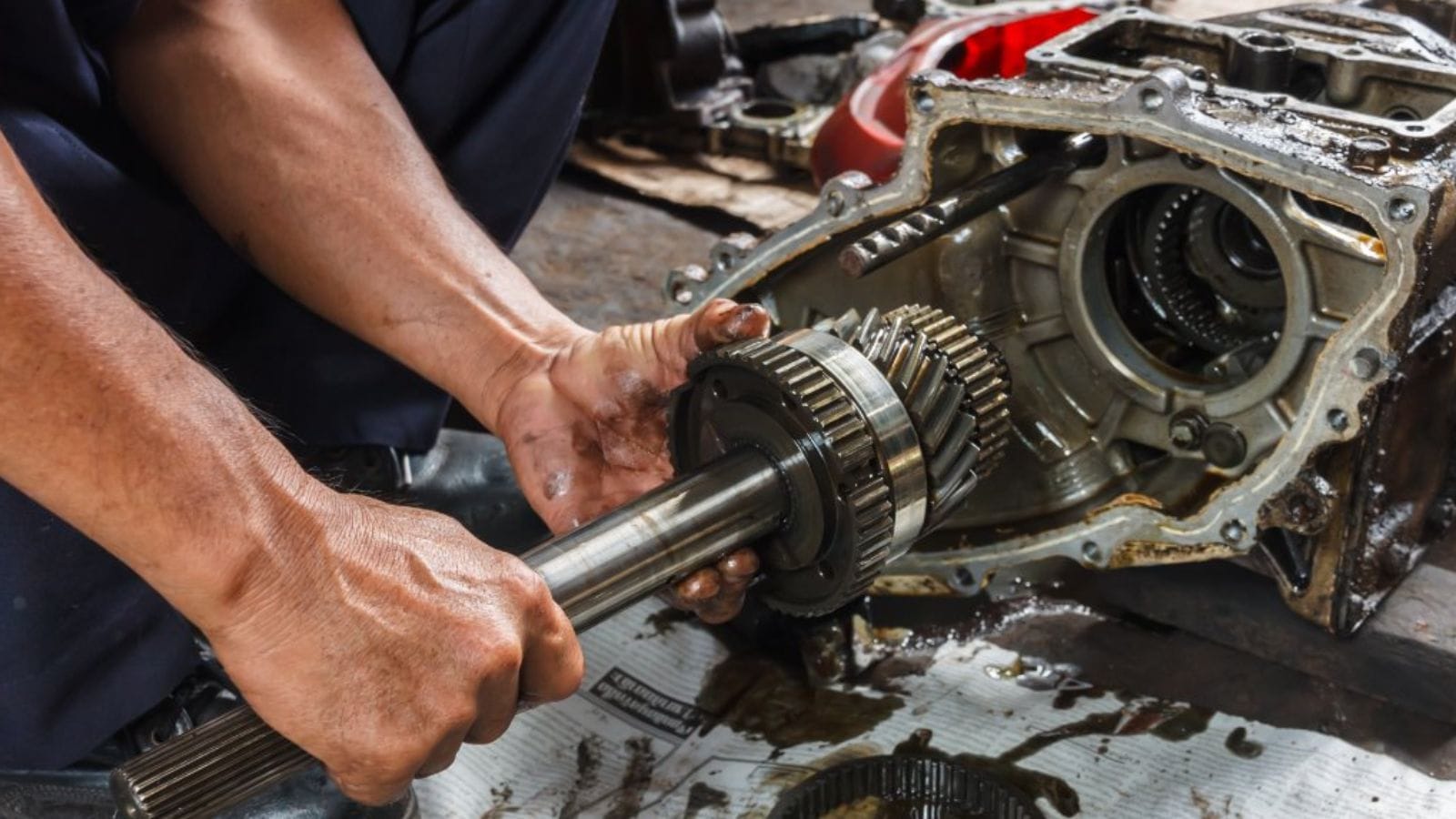
Some scams do not require sophisticated technology. The seller simply knows the transmission is failing, an electrical module is unreliable or the engine has an expensive defect and stays quiet long enough to complete the sale. A short test drive may not reveal an intermittent problem, especially after the vehicle has been warmed up, codes have been cleared or the appointment has been carefully timed.
Ontario’s disclosure requirements for registered dealers include known repair needs involving major systems such as the engine, transmission or powertrain, subframe or suspension, computer equipment, electrical system, fuel system and air conditioning. Alberta’s AMVIC separately recommends a professional pre-purchase mechanical inspection because it can identify the vehicle’s current condition, previous repairs and components likely to require attention. Private transactions can offer fewer regulatory remedies, making the independent inspection even more valuable. The critical word is independent. A seller saying “my mechanic already checked it” should not prevent a buyer from paying another qualified technician to check it again.
The Safety Certificate Presented as a Warranty
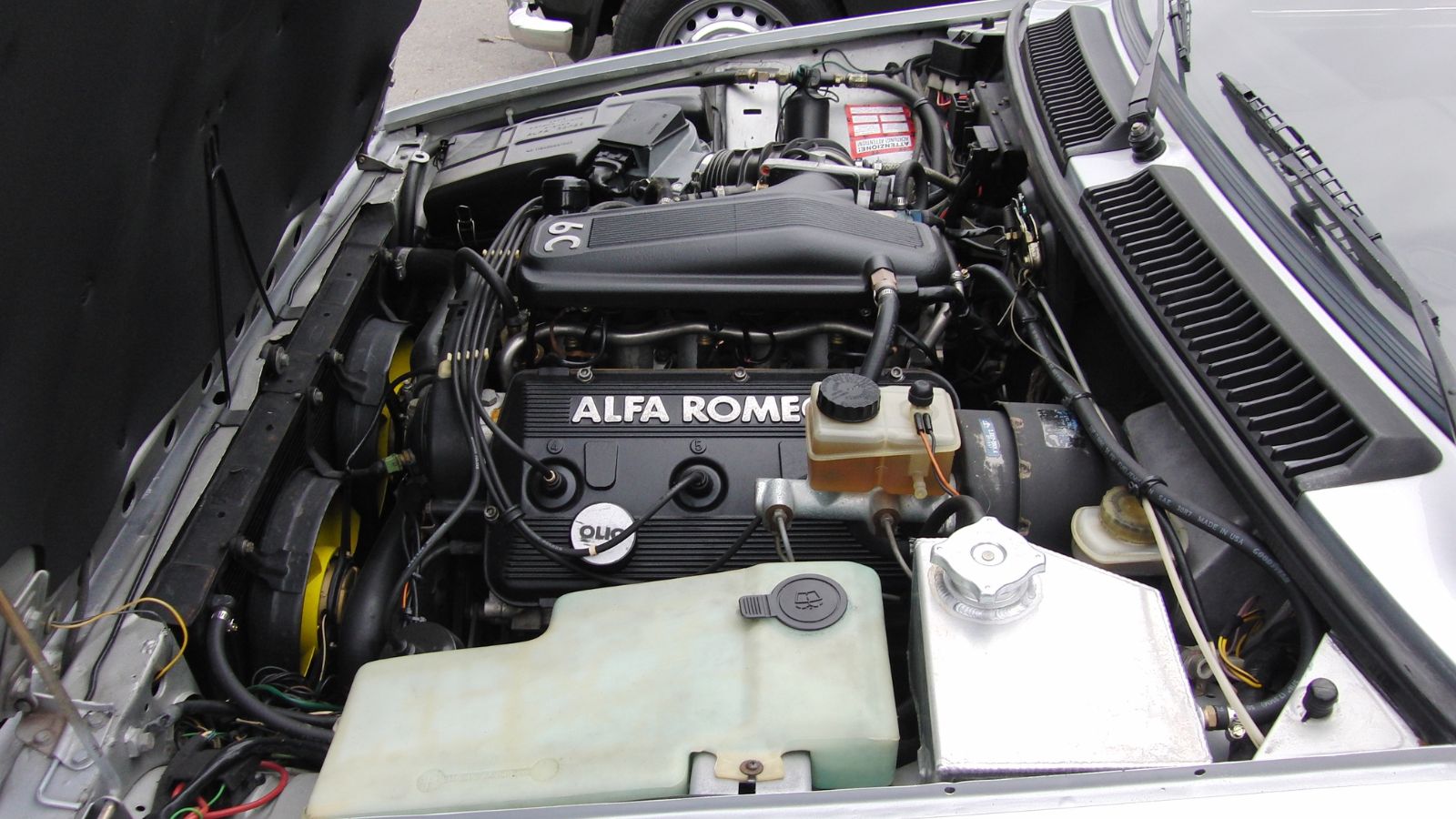
The phrase “comes safetied” can sound far more reassuring than it really is. Some buyers hear it as a promise that the engine, transmission, air conditioning and other expensive components are in good condition. In Ontario, that is not what a Safety Standards Certificate means. OMVIC explicitly states that the certificate is not a warranty. It indicates that the vehicle met specified minimum safety criteria on the date it was inspected.
OMVIC also notes that an Ontario Safety Standards Certificate is valid for 36 days, reinforcing that it is tied to a particular inspection rather than offering long-term protection. A vehicle can satisfy safety requirements and still have mechanical problems that will cost thousands of dollars to correct. The deceptive tactic is therefore not the certificate itself; it is using the certificate to create the impression that it guarantees overall quality. Buyers should separate three questions: Can the car be legally certified? Is it mechanically healthy? Does it have warranty coverage? Those are different questions, and one piece of paper should not be allowed to answer all three.
The Seller Who Will Allow Any Inspection—Except an Independent One

The vehicle has supposedly been “fully inspected.” There may even be a checklist sitting on the passenger seat. Trouble begins when the buyer asks to take it to an independent technician. Suddenly the seller is too busy, the insurance supposedly does not permit it, another buyer is coming in an hour or the seller insists an additional inspection is unnecessary.
Regulators consistently treat independent inspection as a valuable safeguard. ICBC recommends a professional inspection when buying used, while AMVIC recommends a pre-purchase inspection by an automotive technician or journeyperson. Alberta buyers should also understand that the Mechanical Fitness Assessment supplied by licensed businesses is an assessment rather than a simple pass-or-fail guarantee, and AMVIC says it is valid for 120 days. OMVIC identifies refusal of a buyer’s mechanic as a curbsider warning sign. A seller may have perfectly innocent logistical concerns, but there is little reason for a buyer to assume thousands of dollars of mechanical risk simply because the seller dislikes a second opinion.
The Advertised Price That Grows at the Desk

The listing says $18,995. By the time the paperwork appears, the same vehicle suddenly costs hundreds or thousands more because of administration fees, preparation charges, mandatory protection packages or other additions. This tactic is effective because the buyer has already invested time in the vehicle, taken a test drive and mentally committed to owning it before the real price appears.
Rules vary provincially, but Ontario requires dealer-advertised vehicle prices to include mandatory charges the dealer intends to collect, with HST and licensing being the principal permitted additions when properly disclosed. Alberta also has all-in advertised-pricing requirements with its own details. At the federal level, the Competition Bureau describes “drip pricing” as promoting an unattainable price and later adding mandatory charges, and notes that such representations raise concerns under the Competition Act except for applicable government-imposed charges. The safest comparison is therefore not the monthly payment or the giant number in the advertisement. It is the complete written purchase price before the buyer becomes emotionally committed.
The “Mandatory” Warranty or Protection Package That Is Not Really Mandatory

A buyer agrees on the vehicle price, only to be told that financing approval requires an extended warranty, theft package, window etching, insurance product or protection plan. The salesperson may present the product as unavoidable rather than optional. By the time the conversation reaches that stage, walking away feels harder because financing has been discussed and paperwork may already be underway.
OMVIC describes this kind of practice as tied selling when a seller requires or induces a consumer to purchase one product or service as a condition of obtaining another. Its advertising guidance specifically uses examples such as extended warranties, accessories or insurance policies being represented as mandatory. Ontario all-in pricing rules also require mandatory dealer charges to be reflected appropriately in advertised prices. Buyers should insist that optional products be identified clearly and priced separately before signing. Extras may sometimes offer value, but their value should be judged on coverage and cost—not on a false claim that the car cannot be purchased without them.
The “Sign Now, We’ll Finalize the Financing Tomorrow” Deal

Financing creates an opportunity for a particularly costly bait-and-switch. The buyer discusses an acceptable interest rate and monthly payment, then is asked to sign a vehicle contract before final approval arrives. The salesperson offers reassurance that the financing details will be sorted out later. When approval finally appears, the rate is much higher, the term is longer or the overall cost bears little resemblance to the conversation.
OMVIC highlighted this issue in February 2026, using an example in which a customer expected financing near 8% but was later presented with an 18% approval after signing. The regulator stressed that key financing information must be provided clearly when financing is part of an Ontario transaction. Verbal assurances should not be treated as substitutes for written terms. A buyer needs the APR, payment amount, term, cost of borrowing and other applicable financing details before becoming contractually committed. The excitement of securing the vehicle should not outrun the arithmetic of securing the loan.
The Cheap Monthly Payment That Hides the Expensive Loan

A payment of $199 or $299 can dominate an advertisement while the numbers that determine the actual cost receive far less attention. Longer loan terms can make an expensive vehicle look affordable on a weekly or biweekly basis even though the borrower pays for years. The deception becomes more serious when required credit information is obscured, omitted or presented in a way that leaves the buyer focused almost entirely on the payment.
Ontario rules for vehicle finance advertising require disclosures including the annual percentage rate, term, cash price and, where applicable, cost of borrowing. OMVIC says mandatory financing information cannot simply be replaced with vague language such as “see dealer for details.” The federal Financial Consumer Agency of Canada also identifies long-term loans, depreciation and negative equity among the financial risks consumers should consider when financing vehicles. Buyers therefore need to compare total amounts, not just payment size. Stretching a loan can make the number beside “biweekly” smaller without making the vehicle itself cheaper.
The Warranty That May Not Be There When the Car Breaks

An extended warranty can make a used vehicle feel safer to purchase. That reassurance depends entirely on whether the contract is legitimate, properly backed and capable of paying claims. A thick booklet and professional-looking logo do not guarantee that the company standing behind the warranty is authorized or financially secured.
Ontario provides a striking example. OMVIC requires dealers selling extended warranties to use products that are appropriately insured or secured through the required letter-of-credit framework. In 2025 it issued guidance concerning warranty providers that lacked the required security arrangements. In March 2026, OMVIC also relayed an Ontario Financial Services Regulatory Authority warning about Assureway Protection Corporation and certain GAP products; FSRA had reported that the company was not a licensed Ontario insurer and warned that associated policies or claims might not be honoured. The lesson extends beyond any single company: warranty coverage should be verified before purchase. A promise to pay future repair bills is valuable only when a legitimate organization is actually obligated and able to honour it.
19 Used Cars Canadians Should Avoid in 2026 (Based on Owner Complaints)

Buying a used car in Canada can feel safe until repair bills start stacking up. Owner complaints tell a different story than glossy listings. Transmission failures, electrical problems, and weak winter reliability show up again and again in consumer reports. Many of these issues appear after warranties expire, when owners least expect them. Some vehicles look affordable upfront, but become expensive to keep on the road. Others struggle in cold weather, urban driving, or long highway commutes. Here are 19 used cars Canadians should avoid in 2026 (based on owner complaints).
19 Used Cars Canadians Should Avoid in 2026 (Based on Owner Complaints)

Alanna Rosen is an experienced content writer that focuses on many EV and educational content. Her articles are regularly published on Get CyberTrucked and syndicated on large publications.