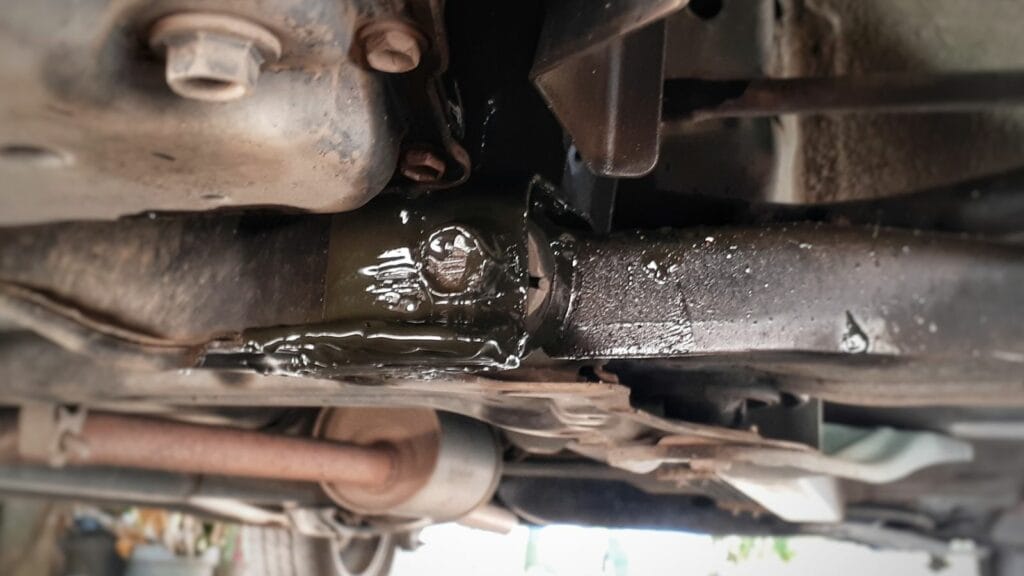
A used car can look immaculate after a wash, polish and interior detail, yet still carry years of neglected maintenance underneath. The most revealing clues often appear in places that are harder to disguise: service records, fluids, tires, brakes, warning lights, suspension parts and the way the engine behaves from a cold start. None of these signs should be treated as automatic proof that a previous owner abused a vehicle, because normal age, climate and ordinary wear can create similar symptoms. What matters is the pattern. These 17 signs help separate harmless aging from evidence that routine care may have been delayed, skipped or handled cheaply, giving buyers a clearer picture before repair bills become their responsibility.
Service Records Are Patchy or Missing
A cared-for car leaves a paper trail. Oil changes, tire rotations, brake inspections and major repairs may appear on invoices, dealer histories or a vehicle-history report. CARFAX notes that service and repair information can be included in its reports, while also warning that no history report contains every event. That means one missing entry is not proof of neglect. A long stretch with no receipts, no dates and no explanation, however, deserves attention, especially when the seller cannot describe what maintenance was performed.
The strongest concern is inconsistency between the car and the story. A seller may claim meticulous upkeep while producing no records for years of ownership, or a maintenance log may stop just before expensive services were due. Buyers should compare mileage, dates and visible condition, then request a pre-purchase inspection. A well-kept vehicle can lack paperwork, but gaps increase uncertainty about whether basic maintenance happened on schedule.
Engine Oil Looks Thick, Sludgy or Severely Neglected
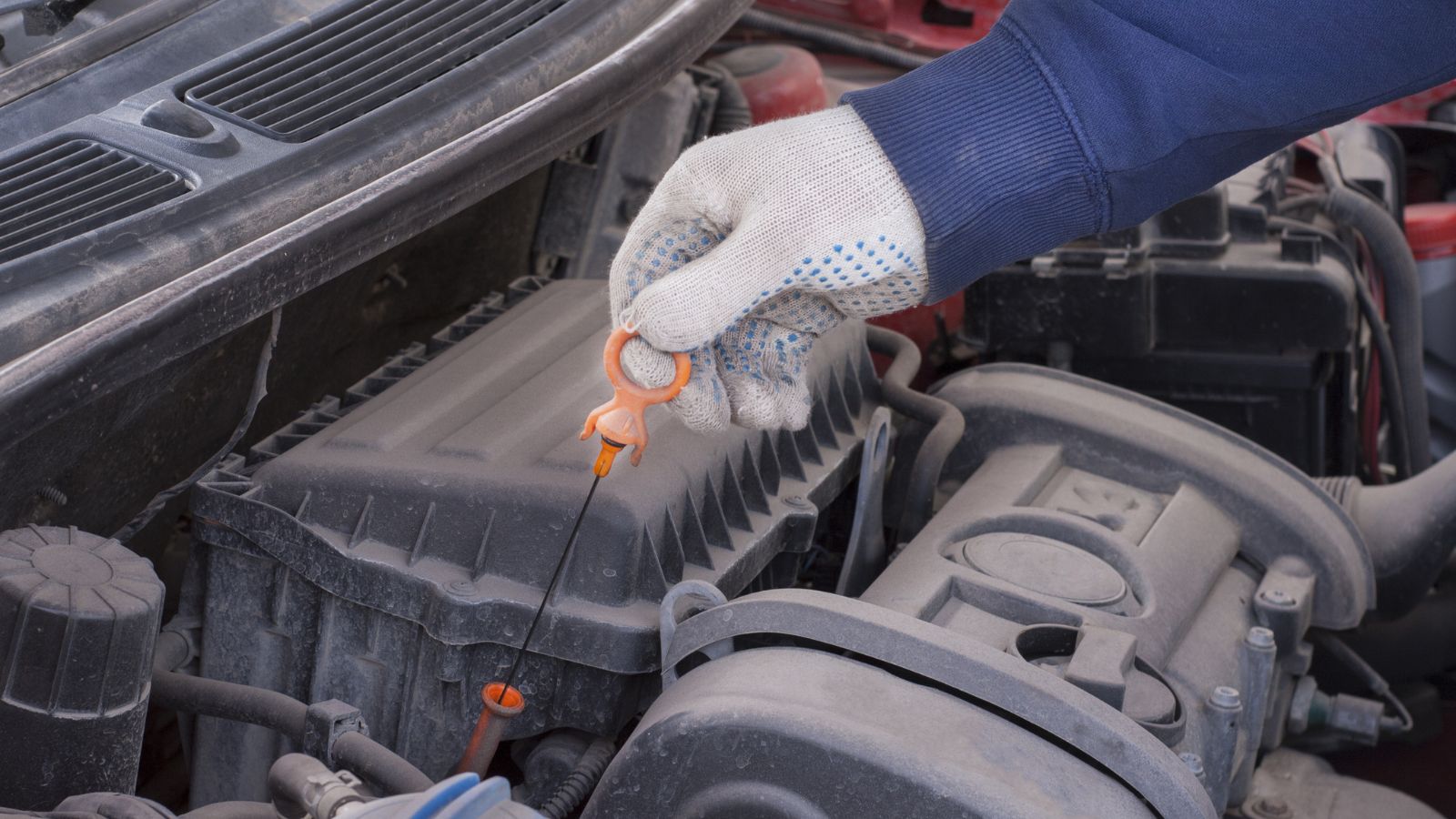
Oil condition can reveal a great deal about how an engine was treated. Motor oil lubricates moving parts, carries contaminants and helps control heat. AAA warns that extended oil-change delays allow contamination and sludge to build, potentially restricting oil flow and accelerating wear. Dark oil alone is not an automatic failure. Thick deposits under the oil cap, heavy sludge, an extremely low dipstick reading or a seller who cannot remember the last change are much more meaningful clues.
Neglected lubrication can become an expensive engine problem. AAA notes that deteriorated oil can increase friction and component wear, while accumulated sludge may clog oil passages. Judge the pattern, not a single colour check. If the engine bay shows old oil residue, the level is low and records also reveal long service gaps, the previous owner may have treated oil changes as optional rather than essential. That combination deserves scrutiny before purchase.
Other Fluids Are Low, Dirty or Smell Burned

Reservoirs can expose habits that a polished exterior hides. Coolant, brake fluid, transmission fluid and power-steering fluid, where applicable, all have specific jobs and inspection procedures. AAA advises owners to monitor fluid levels and condition because low or contaminated fluid can point to leaks, deterioration or overdue service. Burned-smelling transmission fluid, dirty coolant or reservoirs sitting below their normal marks deserve investigation rather than a casual top-up before a sale.
Some vehicles use sealed transmissions, different fluid colours or electronic level checks, so the owner’s manual matters more than generic rules. Still, several neglected fluids at once are difficult to dismiss. A car with fresh detailing but brown coolant, a low brake-fluid reservoir and a transmission dipstick that smells scorched suggests attention may have been cosmetic rather than mechanical. Before purchase, a technician can test condition, identify leaks and determine whether servicing has merely been delayed or damage has started.
Uneven Tire Wear or Four Mismatched Tires
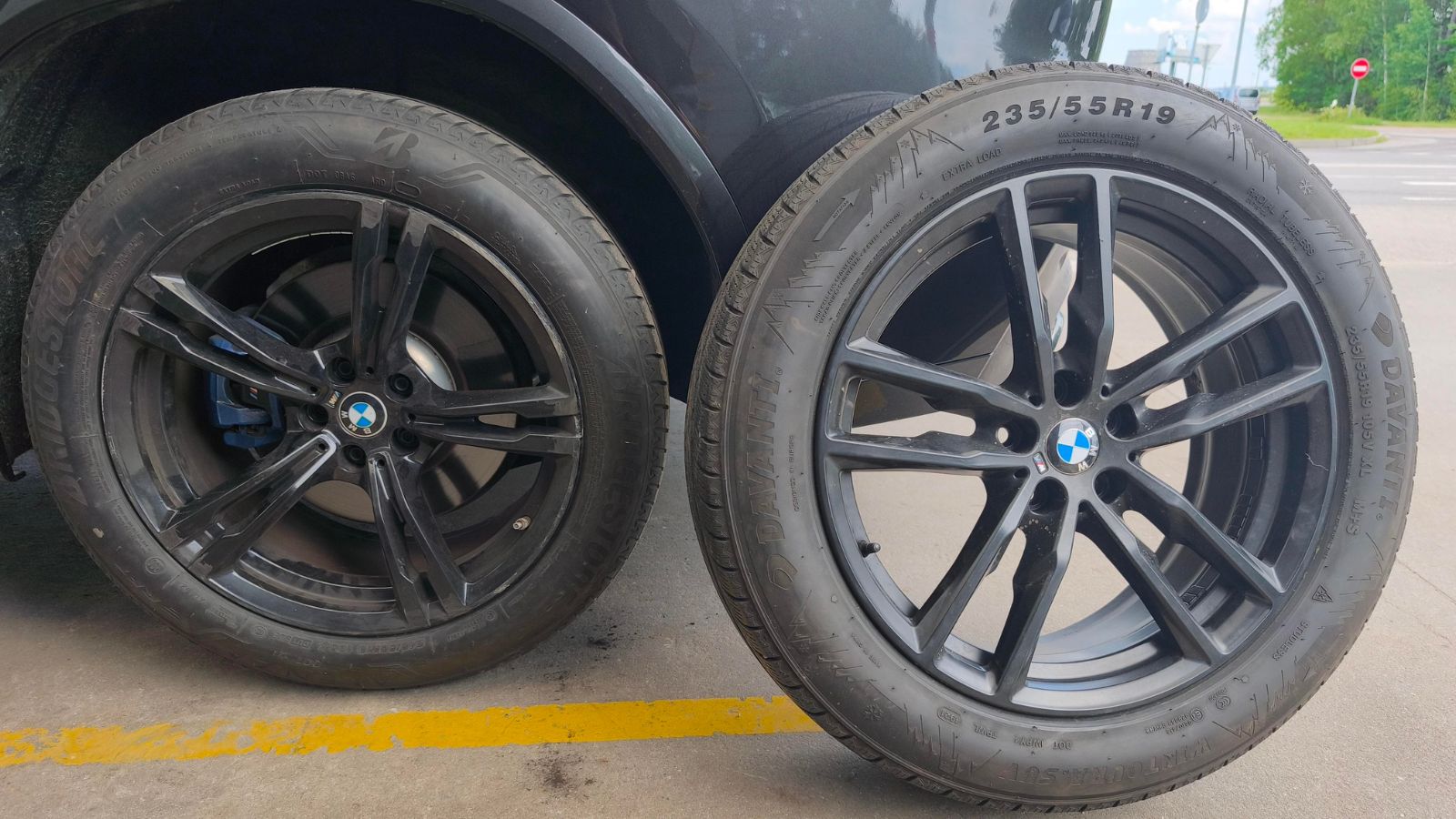
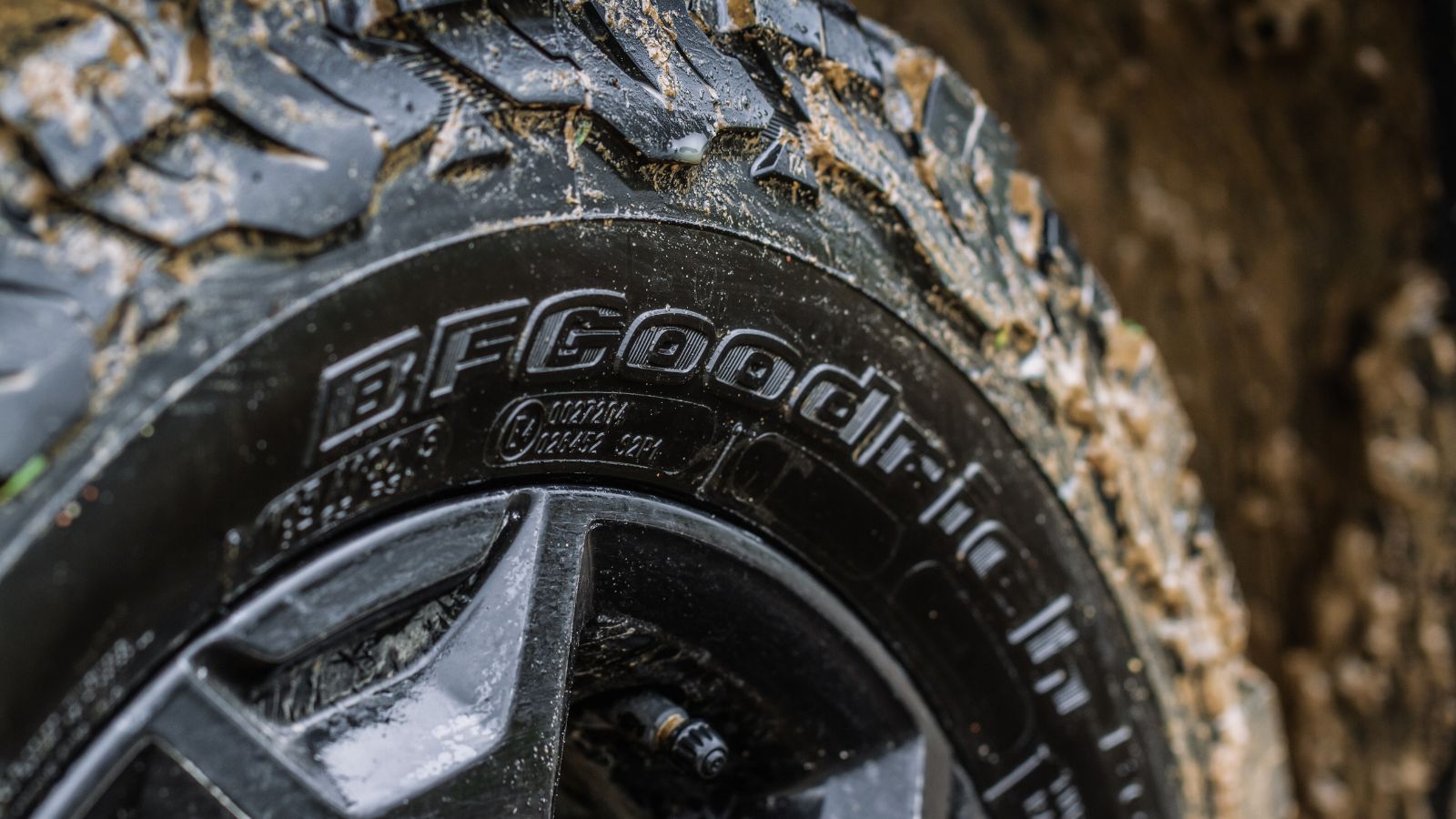
Tires can reveal a history of deferred care. NHTSA says irregular wear can be associated with alignment, inflation or suspension problems, and recommends regular pressure checks, rotations and alignment service. The agency also says tires should be replaced when tread reaches 2/32 of an inch. Bald shoulders, cupping, different tread depths or one-at-a-time replacements may reflect missed rotations, alignment checks or pressure maintenance.
Mismatched brands are not automatically dangerous, and some owners replace a single damaged tire when the vehicle and manufacturer allow it. What matters is whether the set makes sense for the drivetrain and shows a coherent maintenance history. If one axle is nearly bald while the other looks new, or each corner carries a different bargain tire, the car may have been maintained reactively. Uneven wear can also flag suspension or crash-related alignment issues, making a professional inspection valuable before anyone assumes the tires are the problem.
Curbed Wheels, Damaged Rims and Persistent Vibration
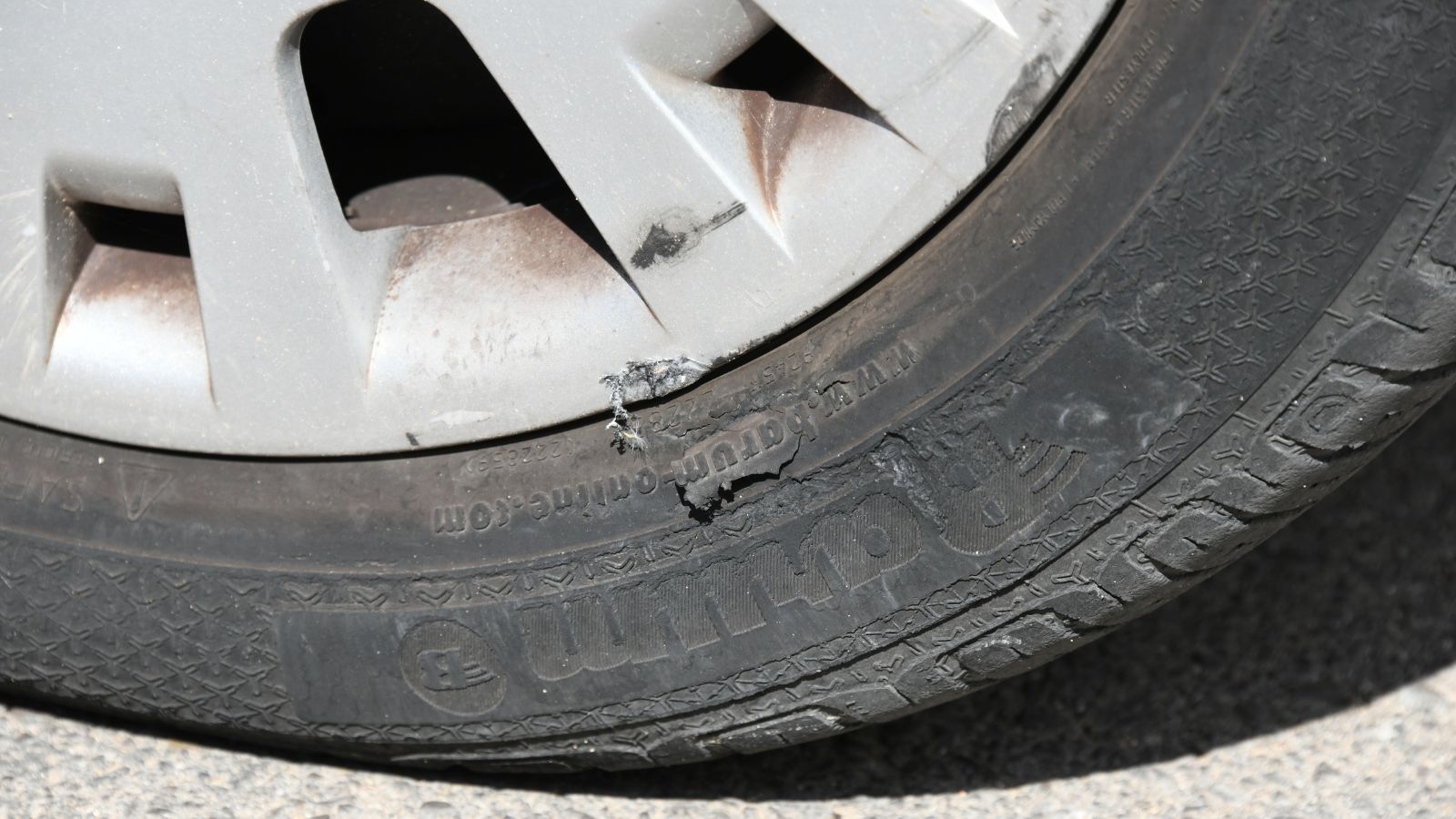
Scraped wheels are common, so light curb rash should not condemn a car. Concern grows when damage accompanies bent rims, sidewall injuries or vibration. AAA says wheel imbalance can cause steering-wheel, seat or floor vibration at speed, and notes that hitting curbs or rough roads can knock wheel weights loose. Damaged or warped rims can also contribute to tire-pressure and wear problems.
Look for a pattern across all four corners. Deep gouges, chunks missing from sidewalls, fresh wheel weights, a steering wheel that shakes on the highway and uneven tread together suggest the car may have endured potholes, curbs or hard impacts without prompt correction. That does not prove reckless driving, but it raises the possibility that alignment and wheel damage were ignored. A road test and lift inspection can separate cosmetic scuffs from bent wheels, worn suspension parts or unsafe tires before a buyer treats the issue as cosmetic.
Brakes Squeal, Grind or Shake Under Stopping
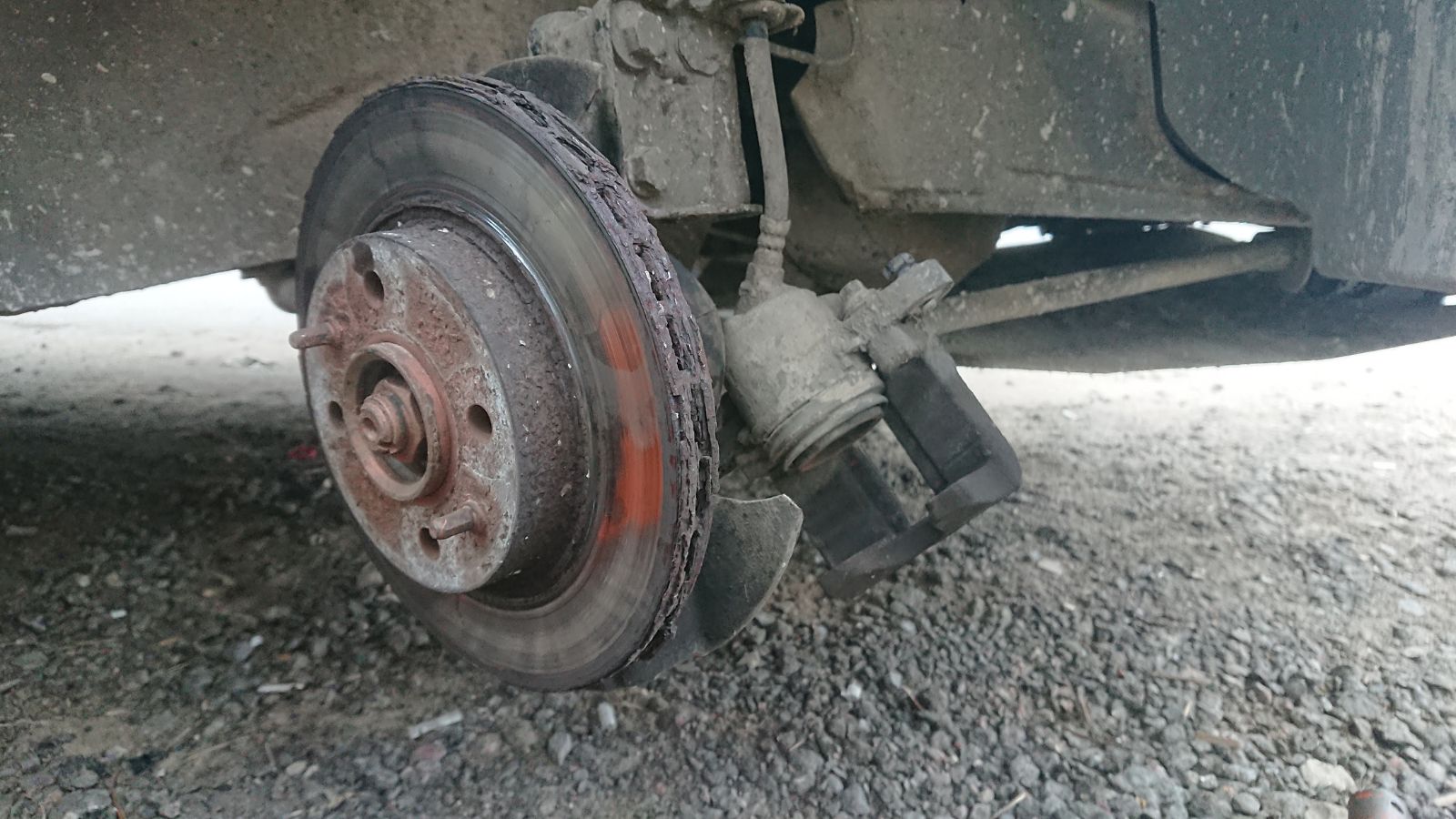
Brake wear is normal; ignoring brake wear is not. Many brake pads use metal wear indicators that squeal as friction material gets thin. AAA warns that grinding can mean the pads are worn far enough for metal backing to contact the rotor, potentially turning a routine pad job into a costlier rotor repair. A steering wheel or pedal that shakes during braking can also indicate problems that deserve diagnosis rather than dismissal as an old-car quirk.
During a test drive, symptoms are more revealing than an occasional morning squeak caused by moisture. Grinding, pulsation, pulling, a soft pedal or a burning smell suggest brakes need attention. If the seller says the noise has been present “for months,” that admission says something about maintenance priorities. Brakes are consumable components, but a conscientious owner addresses warning signs promptly. Deferred brake work can hint that other maintenance was postponed too, so investigate promptly.
Warning Lights Stay On or Have Suspiciously Disappeared
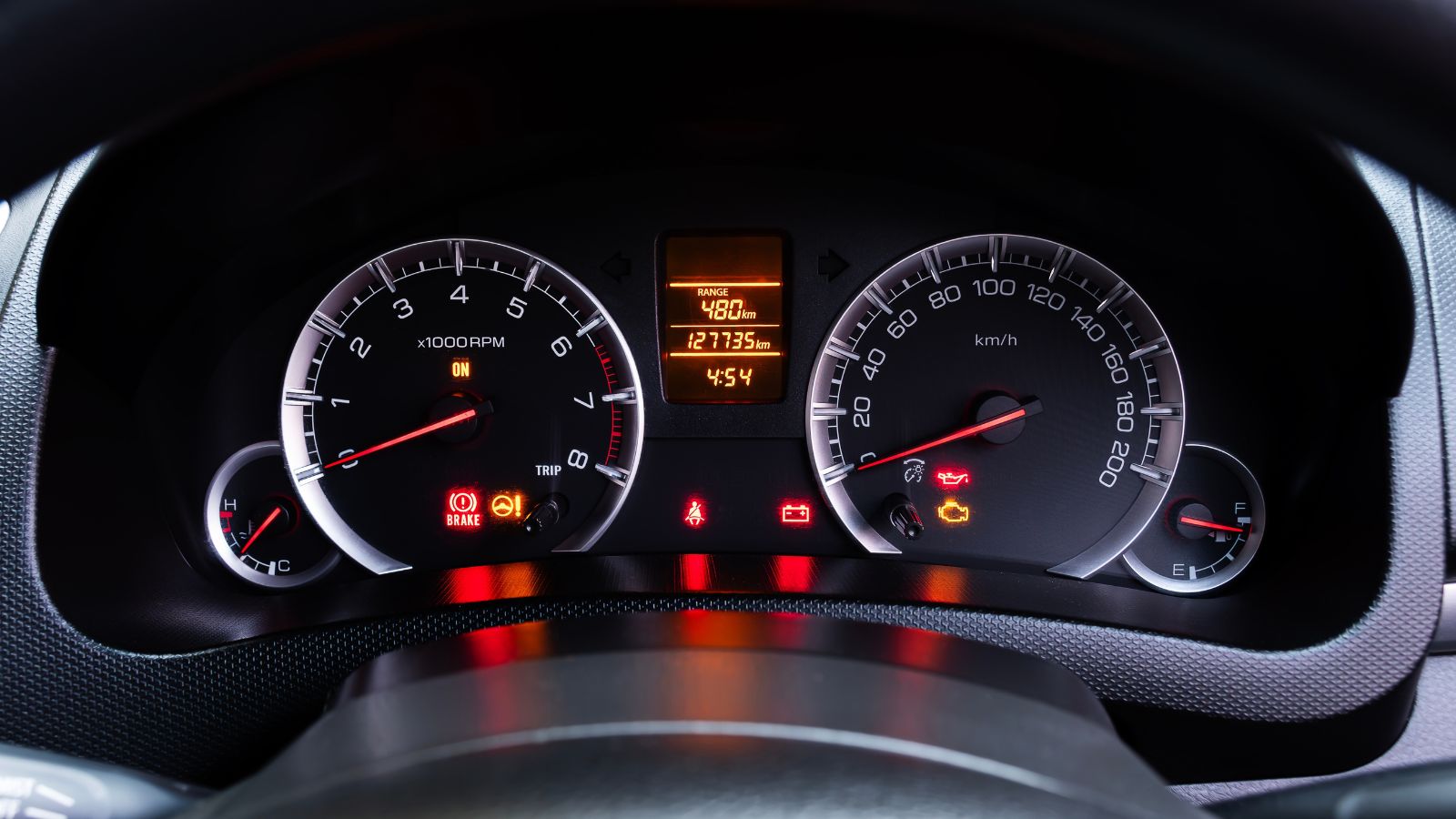
Dashboard warning lights flag faults. On 1996-and-newer light-duty vehicles in the United States, OBD systems monitor emissions-related components and use the check-engine light to alert the driver when a malfunction is detected. Other systems have their own indicators, including ABS, airbag and charging warnings. Multiple active lights suggest unresolved problems until diagnostic testing shows otherwise.
A different concern appears when expected lights do not illuminate briefly during startup. Many warning lamps perform a bulb or system check when the ignition is switched on. If a seller claims a troublesome light “went away” without a repair record, a scan for stored diagnostic codes is sensible. Not every warning means catastrophe; a loose fuel cap can trigger a check-engine light on some vehicles. Ignored lights, erased codes and vague explanations can reveal symptoms being cleared instead of causes fixed. A scan can reveal whether the warning deserves a fix or deeper diagnosis.
Filters Look Like They Have Been Forgotten for Years
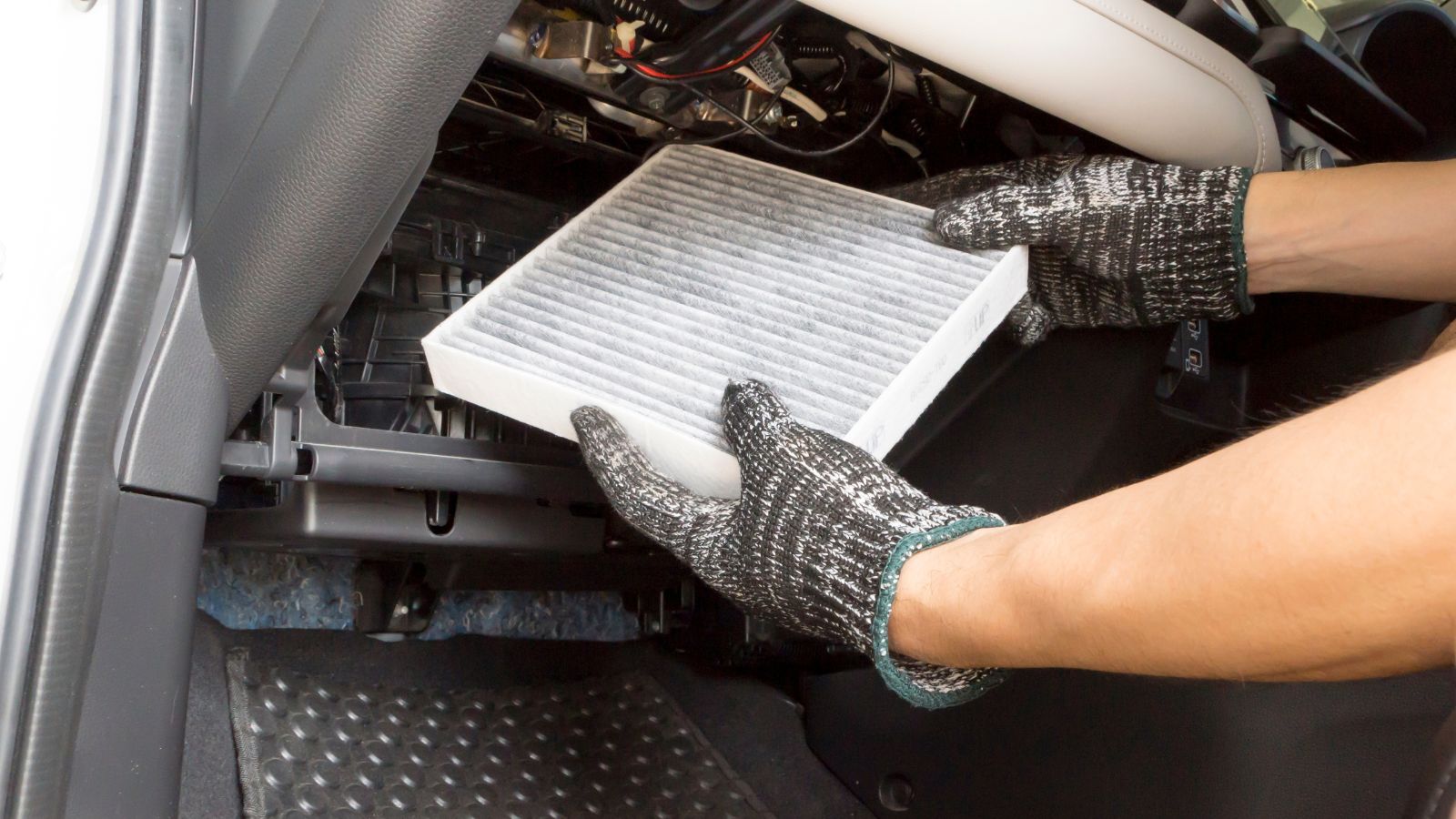
Filters are inexpensive, making extreme neglect revealing. The engine air filter keeps dirt and debris out of the intake, while the cabin filter captures dust and other particles before air reaches the interior. AAA says manufacturers commonly recommend engine-air-filter replacement around 15,000 to 30,000 miles, although dusty conditions can require earlier attention. Cabin-filter intervals also vary by vehicle and environment, so the owner’s manual remains the proper reference.
A filter packed with leaves, insects or debris does not prove abuse. It does show that a basic inspection may have been skipped for a long time. Reduced vent airflow, persistent musty odours and heavy dust can point toward an overdue cabin filter, while a severely restricted engine filter may reduce maximum engine power. When forgotten filters appear alongside old fluids and missing records, the evidence of deferred maintenance becomes much stronger. It can reveal whether checks were performed consistently over time.
Battery Terminals Are Corroded and Starting Is Weak
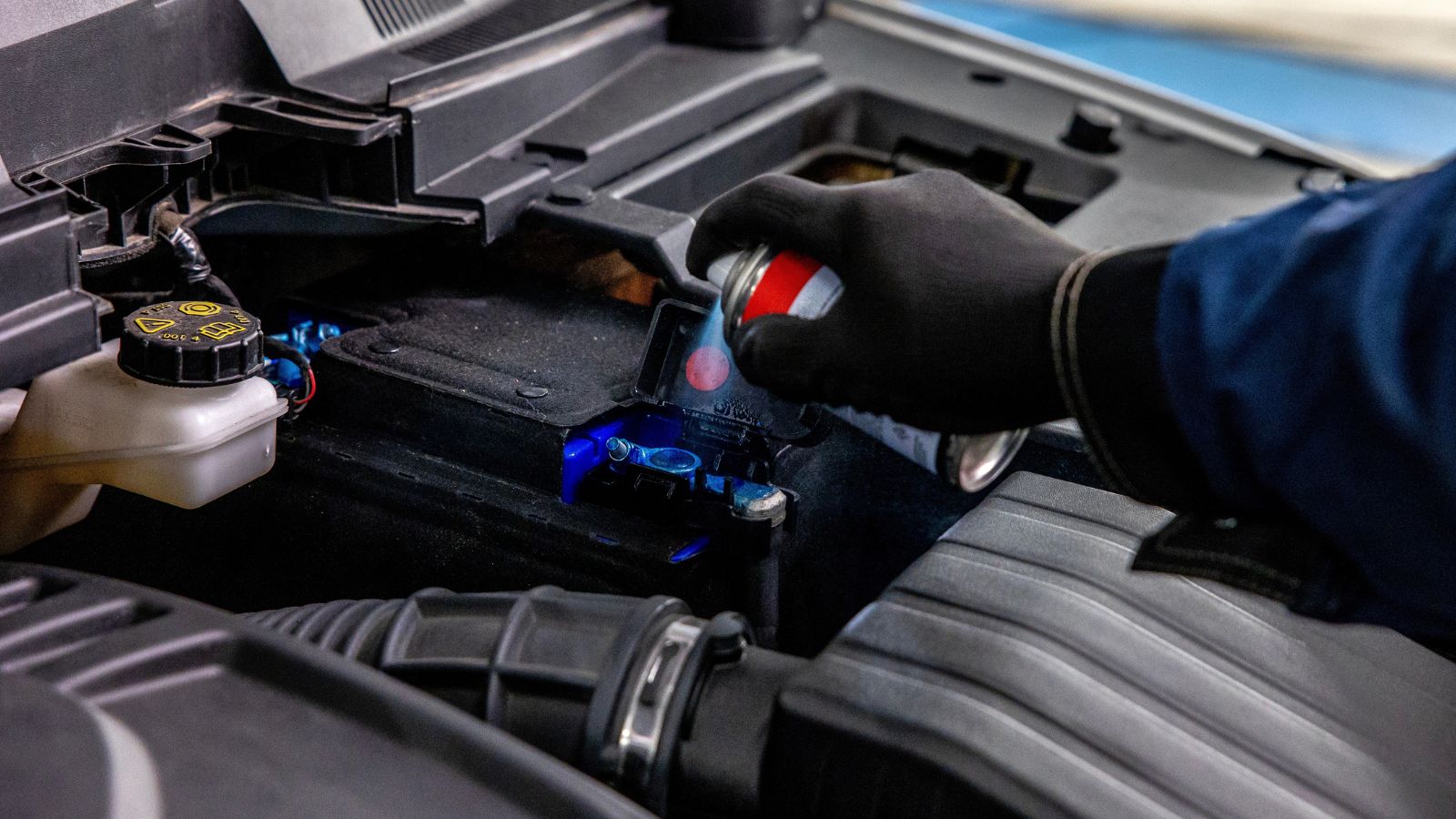
A weak start can show under-hood checks were not a priority. AAA says typical automotive batteries often last about three to five years, with heat, short trips, electrical demand and maintenance affecting lifespan. Slow cranking, clicking, dim lights and visible terminal corrosion are common warning signs of a weakening battery or poor connection. An old battery is not neglect by itself; leaving corrosion and repeated starting trouble unaddressed is more telling.
Inspect the installation as well as the battery’s date. The case should be secure, cables should be tight and the terminals should not be buried under heavy blue-green or white deposits. A car that “always needs a jump in winter” may have an undiagnosed problem. Battery issues can also come from the charging system or parasitic electrical draw, so testing voltage, charging output and battery condition immediately before purchase is more useful than simply installing a fresh battery alone.
Belts and Hoses Are Cracked, Frayed or Bulging
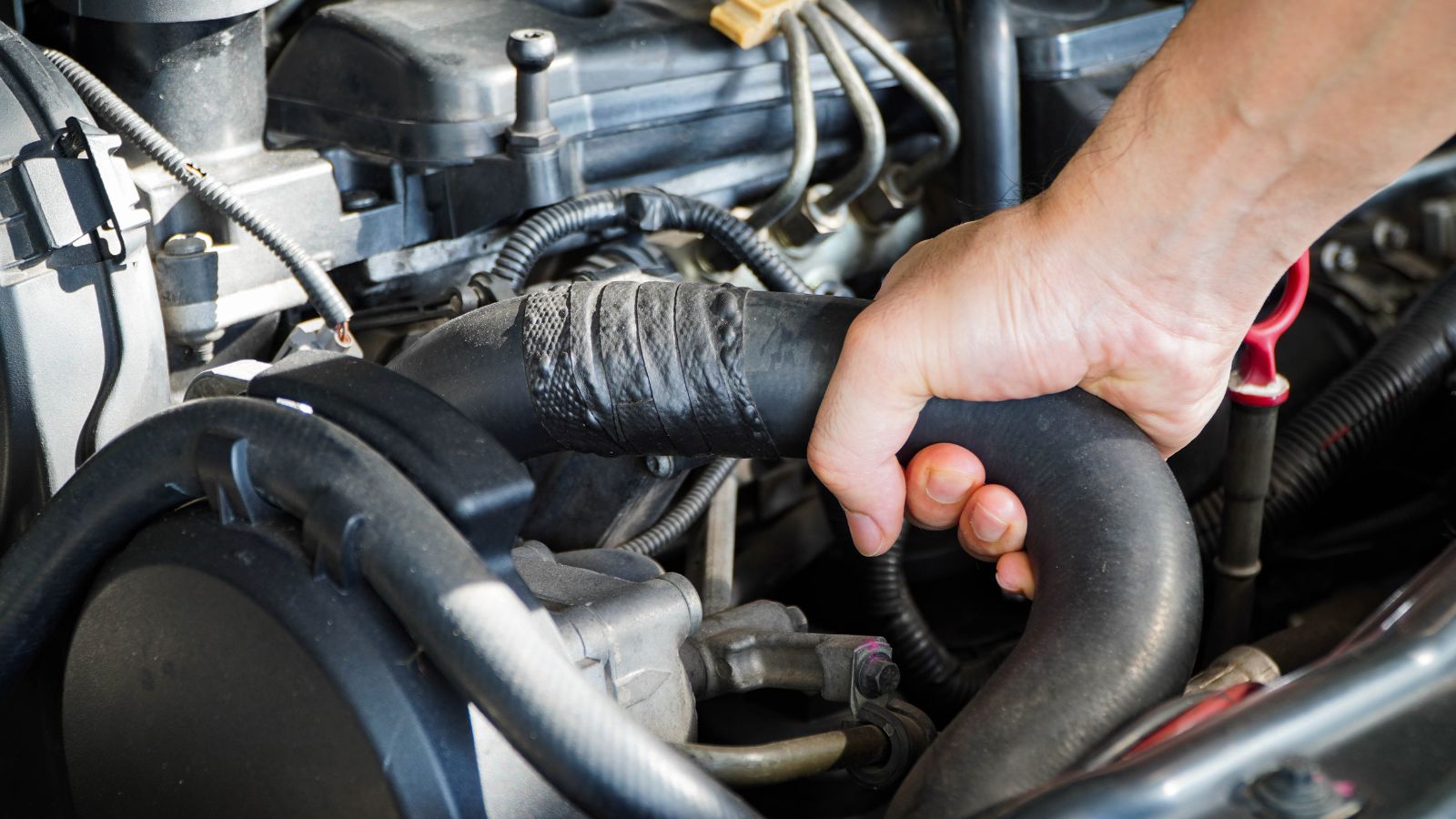
Rubber ages, but obvious deterioration suggests inspections were skipped. AAA recommends checking drive belts for cracking, fraying or glazing and hoses for cracks, leaks, bulges or abnormal softness. Belts can drive critical accessories such as the alternator, air-conditioning compressor and, on some engines, the water pump. Hoses carry coolant and other fluids through systems that depend on pressure. Failure can cause breakdowns, overheating or lost system performance.
Age alone does not prove poor ownership because modern belts may wear without obvious cracks, and intervals vary. The concern is a collection of visible warning signs that no one addressed. A badly frayed belt beside dried coolant crust, swollen hoses and loose clamps suggests the engine bay was rarely inspected. Timing belts, where fitted, are even more important because many manufacturers specify replacement by mileage or time. During inspection, documentation of scheduled belt service is more reassuring than a carefully washed engine.
Fresh Puddles, Wet Components or Burned Odours Appear
A clean driveway does not guarantee a used car is leak-free. After a test drive, look underneath and around the engine, transmission and cooling system for fresh wetness. AAA notes that oil, coolant, transmission fluid, brake fluid and power-steering fluid can often be distinguished by their appearance, location and odour. Leaks may come from seals, hoses, gaskets or reservoirs and become serious when levels fall.
Smell adds another layer of evidence. A sweet odour can accompany coolant, while overheated transmission fluid may smell burned; an acrid brake smell after normal driving also deserves investigation. One tiny seep may be manageable, but multiple active leaks suggest deferred repairs. Be especially cautious if the underside was freshly pressure-washed yet wetness quickly returns. A mechanic can identify the fluid and source before purchase, which matters because repair costs can range from a simple hose or gasket to major transmission or engine work later.
The Suspension Clunks, Bounces or Feels Loose
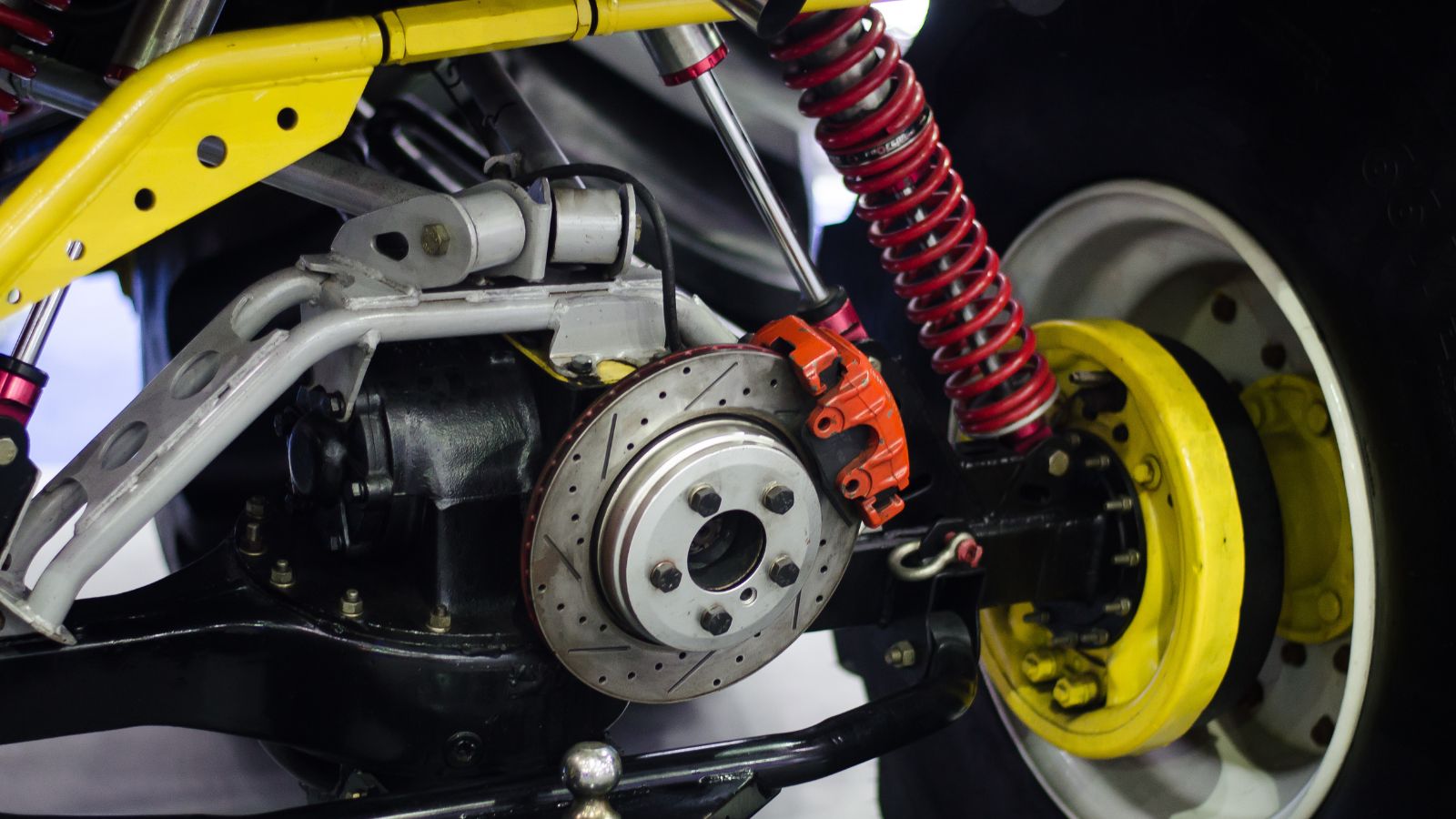
Suspension wear develops gradually, so an owner may adapt to a deteriorating ride. AAA recommends inspecting shocks, struts, springs, ball joints, bushings, steering components and alignment as part of a thorough vehicle check. Clunking over bumps, unusual looseness, pulling and excessive bouncing can all justify closer examination. Pushing down on a corner and watching repeated bouncing is only a rough screening test.
The stronger clue is how many symptoms appear together. A car that clunks over driveway entrances, wanders on a straight road and has cupped tires may have worn suspension parts or an alignment problem that went uncorrected. That matters because suspension condition influences tire contact, handling and wear. A previous owner may simply have tolerated a worsening problem. Either way, neglected suspension can transfer costs to the next owner through tires, bushings, struts, control arms or alignment work. Those costs can accumulate when several components need attention together.
Rust Is More Than Light Surface Discoloration
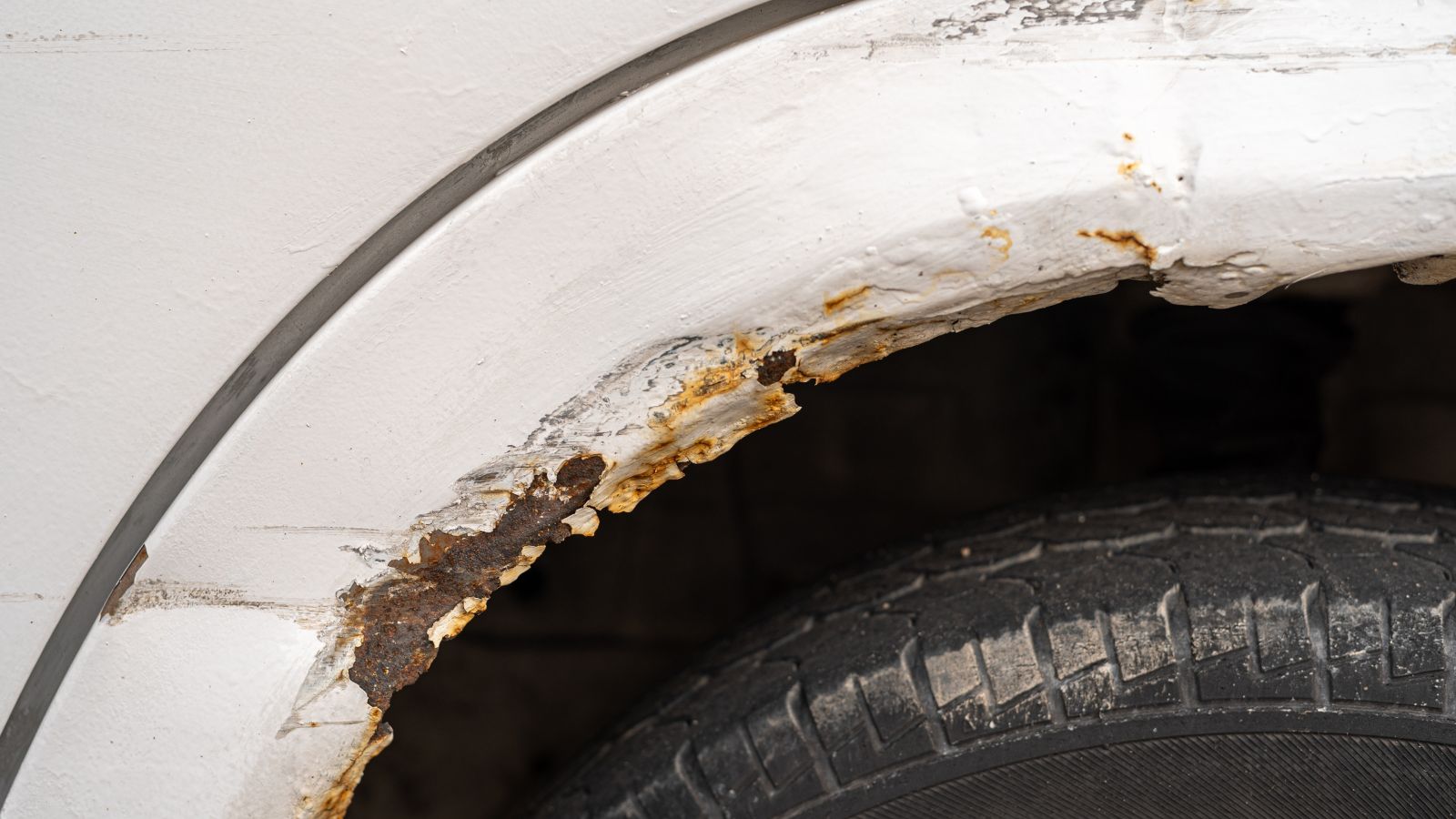
Not all rust means neglect. Uncoated steel components can develop surface corrosion, especially in regions that use road salt, and some manufacturers consider light oxidation on certain underbody parts normal. Concern rises when corrosion flakes, swells, perforates metal or attacks structural, suspension, fuel or brake-line areas. NHTSA-related service information warns that road chemicals can accelerate corrosion and that suspension rust can progress from superficial damage to a structural defect in severe cases.
A car driven through salty winters can rust despite responsible ownership, but regular washing of the underbody and prompt treatment of paint chips can reduce exposure. Check rocker panels, subframes, suspension mounts, brake lines, wheel arches and the spare-tire well rather than judging only visible body panels. Fresh black undercoating over heavily scaled metal deserves scrutiny, because it can hide rather than cure corrosion. A lift inspection can distinguish surface rust from deterioration that may become safety-related later.
Musty Odours, Damp Carpet or Water Stains Keep Showing Up
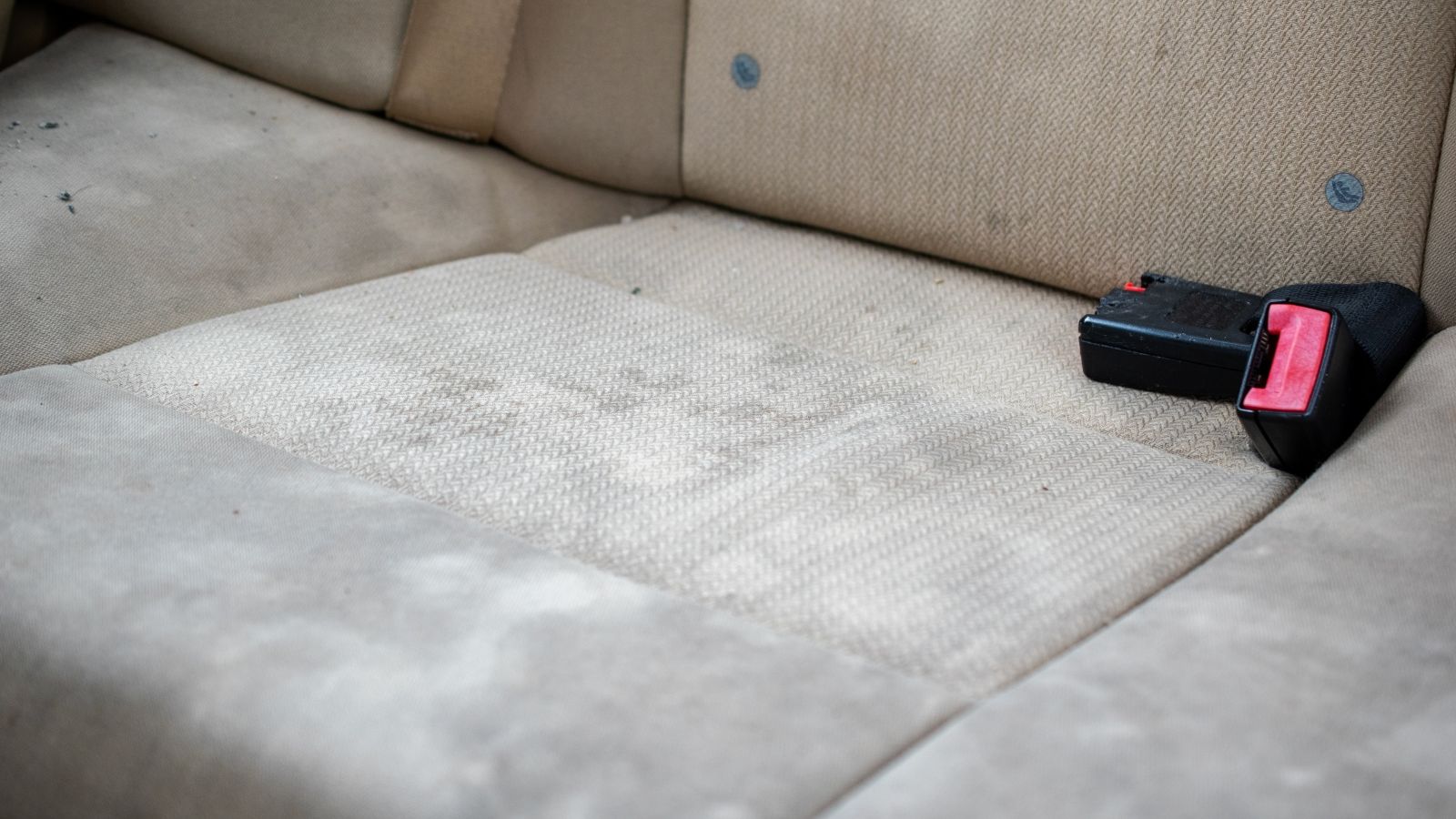
An interior can reveal problems detailing cannot erase. Musty odours, damp carpeting, rust on seat mounts, silt under trim, fogged lamps or moisture in hidden compartments can indicate water intrusion. AAA specifically advises used-car buyers to look for these signs when screening for flood damage. AAA, citing CARFAX, reported more than 480,000 flood-damaged vehicles operating in the United States in 2025.
Water does not always come from floods. Clogged drains, leaking sunroofs, damaged weather seals or poorly installed glass can also soak a cabin. The maintenance clue is whether the underlying cause was repaired or merely covered with shampoo, fragrance and new floor mats. Check beneath carpets, inside the trunk and around electrical connectors. Floodwater can affect wiring, modules, sensors, brakes and power accessories, and some failures appear later. A persistent mildew smell plus corrosion or mud in hidden areas warrants a thorough professional inspection before any money changes hands.
Paint, Panel Gaps or Overspray Suggest Hasty Body Repairs

Accident repair does not automatically make a car bad. Quality collision work can restore a vehicle, and documented repairs are easier to evaluate. What should raise concern is evidence of rushed or concealed bodywork. CARFAX recommends checking for mismatched colour or texture, paint overspray, uneven panel gaps and doors, hoods or liftgates that do not open and close smoothly. These clues can indicate repainting or earlier repairs worth examining.
Look in places a quick cosmetic job often misses: door jambs, weather stripping, behind bumper covers, under the hood and inside the trunk. Fresh paint on one panel combined with overspray on rubber seals and inconsistent gaps is more significant than a minor parking-lot dent. Compare any visible repair with vehicle-history report, but remember that not every incident is reported to databases. A body shop can inspect welds, mounting points and structural areas to determine whether repairs were cosmetic or consequential.
Aftermarket Wiring Looks Spliced, Loose or Improvised
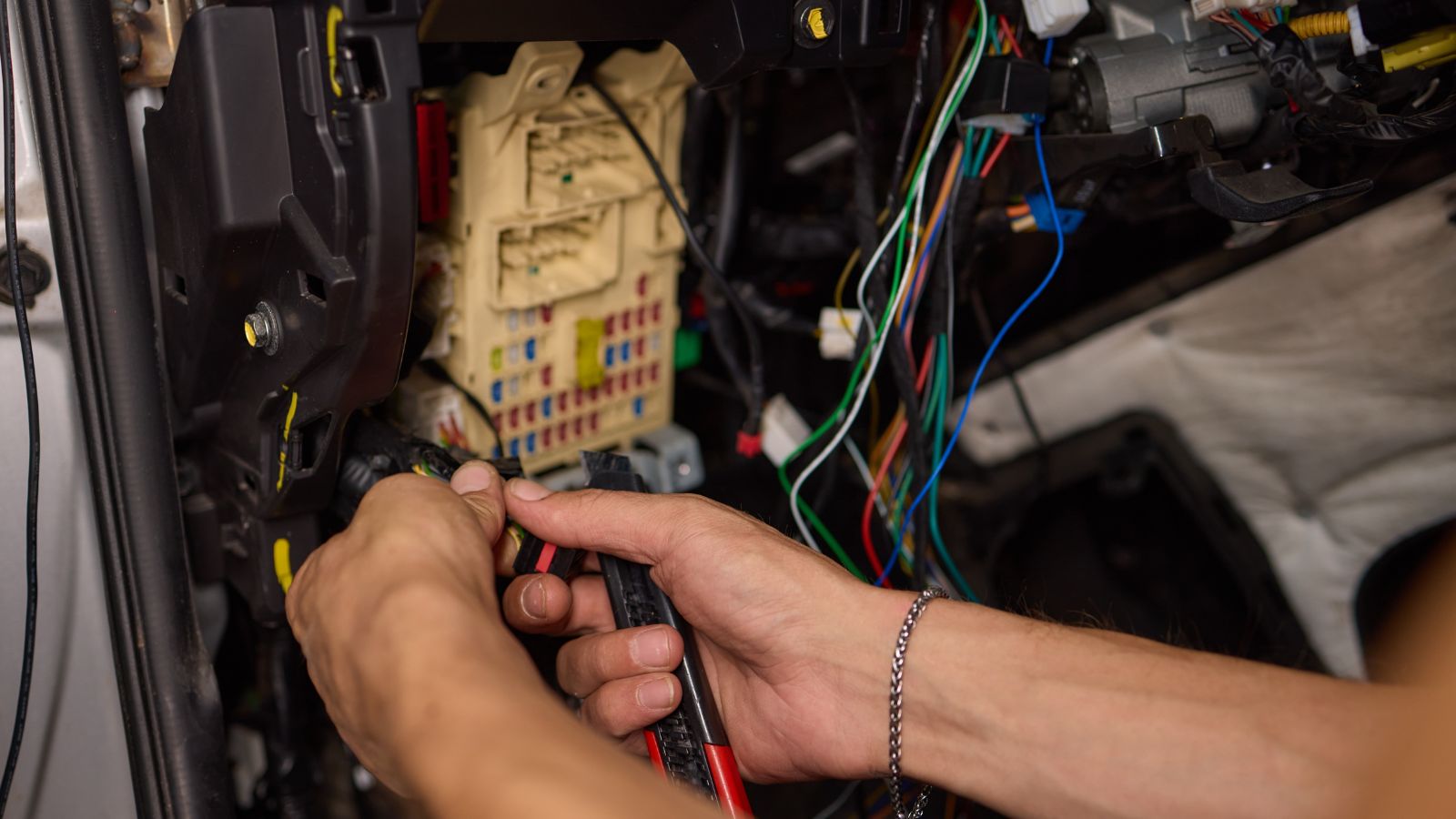
Modifications can be safe when designed and installed correctly. The red flag is improvised electrical work: twisted wires, household connectors, dangling fuse holders, poorly routed power cables or factory harnesses that have been cut without clear documentation. AAA warns that incorrectly installed aftermarket stereos and alarms can create parasitic battery drain. Manufacturer information filed with NHTSA cautions that poor aftermarket electrical work can contribute to shorts, malfunctions and fire hazards.
A modified vehicle deserves careful electrical inspection, not automatic rejection. Ask what was installed, who performed the work and whether receipts or wiring diagrams exist. Test every accessory, then look for warning lights, intermittent functions or a battery that goes flat after sitting. Professional installations usually use appropriate fusing, connectors, grounds and protected routing. A tangle of unlabelled splices under the dash suggests the previous owner may have prioritized getting accessories working quickly rather than preserving the factory electrical system.
Cold Starts Produce Persistent Smoke, Knocks or Rough Running

A pre-warmed car can hide problems easiest to hear when cold. Whenever practical, inspect a used vehicle from a genuinely cold start. Consumer Reports notes brief thin white vapour can be normal condensation. Persistent blue or gray smoke is more concerning because it can indicate oil burning, while black smoke after warm-up can point to an overly rich fuel mixture. Billowing white smoke can signal coolant entering combustion.
A healthy engine should settle into a reasonably smooth idle without persistent knocking, grinding or severe rattling. Some engines have known start-up noises that are normal or model-specific, so diagnosis should not rely on sound alone. The warning sign is a repeated abnormal noise combined with smoke, low oil, warning lights or poor records. If the seller refuses a cold start, inspect again after the vehicle has sat for several hours. That request can reveal symptoms that disappear once the engine warms.
19 Used Cars Canadians Should Avoid in 2026 (Based on Owner Complaints)

Buying a used car in Canada can feel safe until repair bills start stacking up. Owner complaints tell a different story than glossy listings. Transmission failures, electrical problems, and weak winter reliability show up again and again in consumer reports. Many of these issues appear after warranties expire, when owners least expect them. Some vehicles look affordable upfront, but become expensive to keep on the road. Others struggle in cold weather, urban driving, or long highway commutes. Here are 19 used cars Canadians should avoid in 2026 (based on owner complaints).
19 Used Cars Canadians Should Avoid in 2026 (Based on Owner Complaints)

Alanna Rosen is an experienced content writer that focuses on many EV and educational content. Her articles are regularly published on Get CyberTrucked and syndicated on large publications.