
A deep freeze can turn a minor automotive weakness into a morning that begins with warning lights, strange noises, poor visibility, or a car that refuses to move. Extreme cold changes the behaviour of batteries, fluids, rubber, glass, fuel, tires, and even some electronic systems. Just as importantly, frozen roads and winter chemicals create problems that may not become obvious until temperatures begin rising again.
These 19 car problems deserve extra attention after a severe cold snap. Some are direct consequences of low temperatures, while others are existing defects that become much easier to notice when a vehicle is asked to operate in unusually harsh conditions.
A Weak Battery Can Finally Give Up
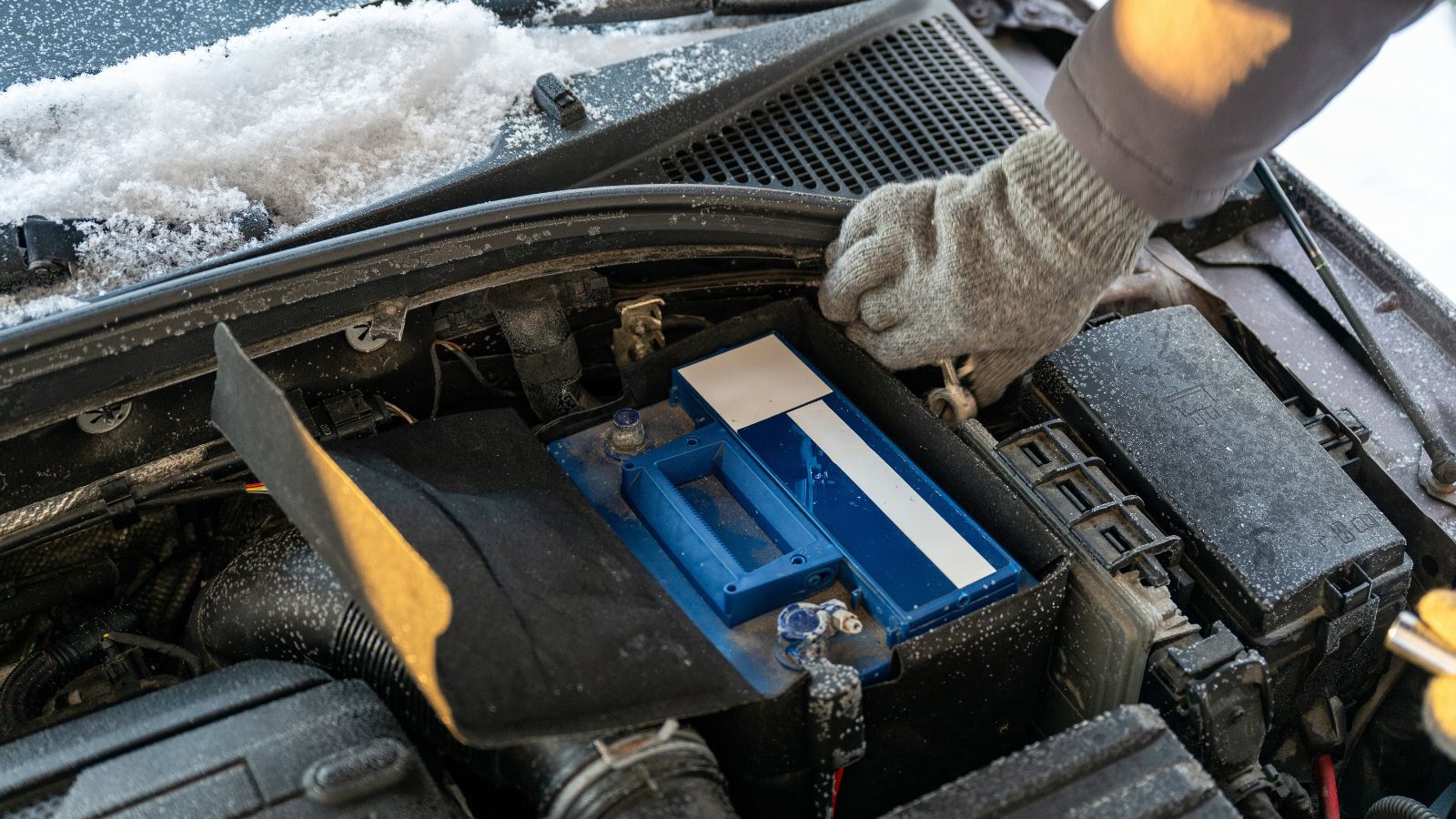
A battery that seemed perfectly adequate during milder weather can suddenly struggle after several nights of severe cold. Lead-acid batteries depend on chemical reactions to produce electricity, and those reactions slow considerably as temperatures fall. At the same time, a cold gasoline or diesel engine requires more effort to crank. AAA notes that a vehicle may require roughly 30% more energy to start around the freezing point, while available battery capacity can fall substantially during much colder conditions. That combination explains why an aging battery often reveals itself during the first serious cold snap.
The warning signs are usually familiar: slow cranking, clicking when the key is turned or start button is pressed, dim lights, or repeated jump-starts. A deep freeze does not necessarily ruin an otherwise healthy battery overnight, but it can expose capacity that had already been lost through age, heat, corrosion, short trips, or chronic undercharging. A battery that survives after being boosted should therefore not automatically be considered healthy. Testing the battery and charging system can distinguish a one-time discharge from a battery nearing the end of its useful life.
Thick Engine Oil Can Make Cold Starts Much Harder
Motor oil becomes more viscous as temperatures fall, which means it does not flow as easily through a cold engine. Modern multigrade oils are specifically engineered to remain useful across a broad temperature range, but even appropriate oil flows differently during an extremely cold start than it does after reaching operating temperature. That additional resistance makes the starter and battery work harder at precisely the moment when battery output is already reduced. Using an oil viscosity that is not approved for the vehicle can magnify the problem.
Drivers may notice slower cranking, a rougher first few seconds after startup, or an engine that simply sounds more reluctant than usual. This is one reason the viscosity grade specified in the owner’s manual matters, particularly in climates that experience prolonged sub-zero temperatures. The “W” portion of a multigrade oil specification reflects cold-temperature performance. A deep freeze can also expose maintenance problems such as an overdue oil change or an incorrect lubricant. Rather than switching to a thinner oil arbitrarily, the safest approach is to follow the manufacturer’s approved grades for the expected temperature range.
Hydraulic Power Steering Can Become Sluggish

Vehicles with traditional hydraulic power steering can feel surprisingly different after an extreme overnight freeze. Hydraulic steering depends on fluid moving rapidly through a pump, hoses, valves, and steering gear. When that fluid becomes unusually viscous, power assistance may temporarily decrease and the pump can become noticeably noisier. General Motors has previously issued technical guidance for certain vehicles noting that extremely low temperatures can thicken power-steering fluid enough to increase system pressures, create noise, contribute to leaks, or damage components.
The issue does not apply in the same way to vehicles equipped with fully electric power steering, which have no hydraulic steering fluid. On an older hydraulic system, however, a deep freeze can expose worn hoses, marginal seals, contaminated fluid, or a struggling pump. Steering that remains unusually heavy after the vehicle has warmed up deserves more attention than the brief stiffness sometimes experienced immediately after a cold start. Visible fluid beneath the car, groaning noises while turning, or a reservoir that repeatedly needs topping up can indicate that the cold has revealed an underlying leak or component problem rather than a harmless temperature-related change.
A Marginal Charging System Can Fall Behind
A winter no-start is often blamed entirely on the battery, but the charging system deserves attention as well. Once an engine is running, the alternator must replenish energy taken from the battery while simultaneously supplying electrical loads. Winter adds plenty of them: headlights operate longer, blowers and defrosters run frequently, heated seats may stay on, and wipers work through snow and road spray. Short trips can make matters worse because the alternator has less time to restore the energy used during a demanding cold start.
A weak alternator, loose belt, corroded battery connection, or another charging-system defect may therefore become much more noticeable after a deep freeze. Transport Canada specifically recommends checking the battery, charging system, and belts as part of winter vehicle preparation. A glowing battery warning light, repeated dead batteries, dimming lamps, or electrical behaviour that changes with engine speed should not be dismissed as “just the cold.” Cold weather can reveal the problem, but repeated battery failure may actually be a symptom of insufficient charging rather than a defective battery alone.
Tire Pressure Can Drop Enough to Trigger Warnings
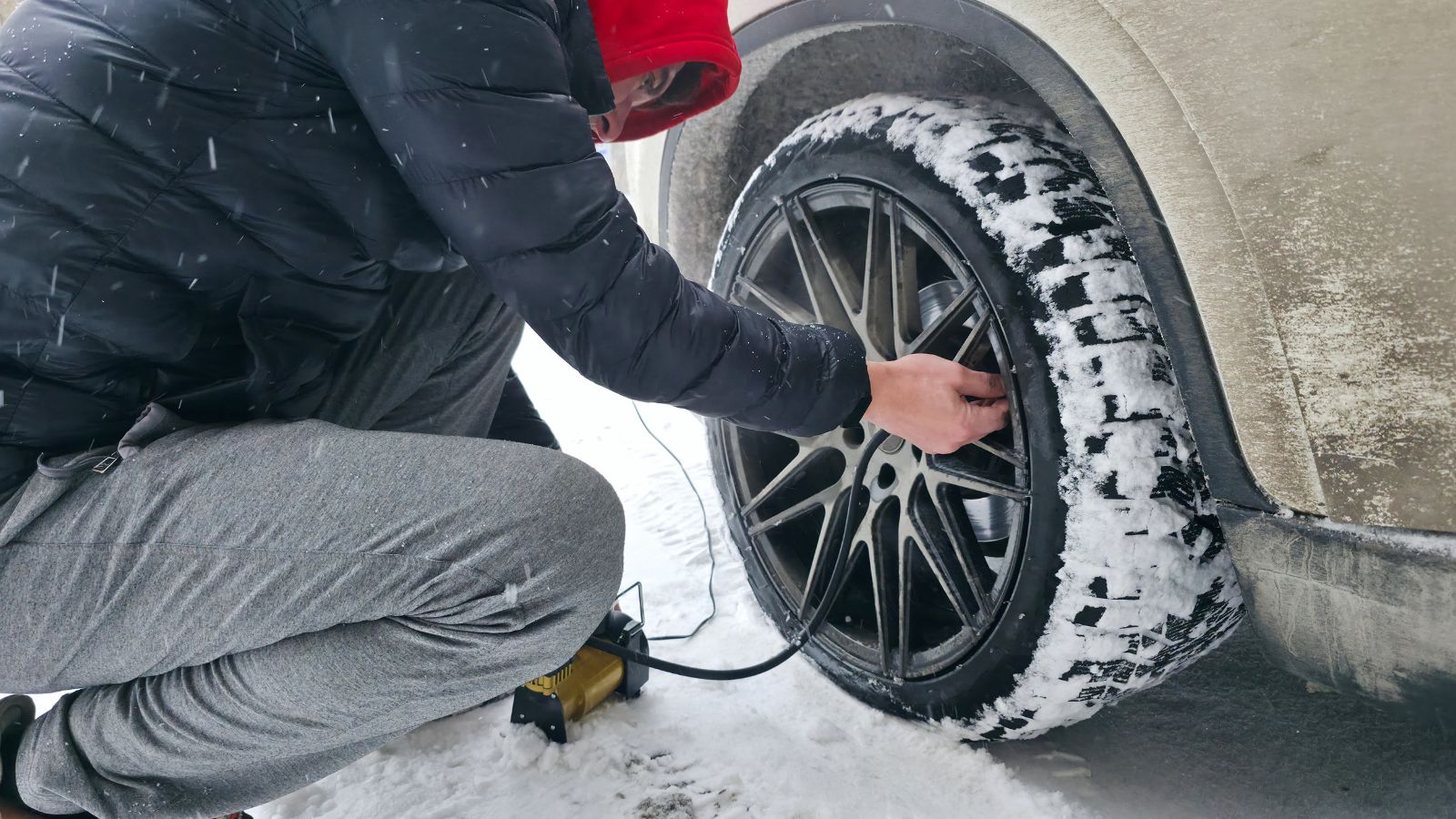
One of the most predictable effects of rapidly falling temperatures happens inside the tires. Transport Canada states that tire pressure can drop by about 7 kPa, or 1 psi, for every 5°C decline in air temperature. A vehicle that was properly inflated during a mild afternoon can therefore be several psi low after an abrupt cold snap, even when there is no puncture. That is why tire-pressure monitoring warnings often seem to appear all at once on bitterly cold mornings.
Underinflation is more than an annoyance on the dashboard. It changes how the tire supports the vehicle, can worsen handling, increases tire flex, and contributes to uneven or accelerated wear. The correct comparison is always the manufacturer’s recommended cold pressure shown on the vehicle placard—not the maximum pressure molded into the tire sidewall. Pressure should also be checked when the tires themselves are cold. If one tire loses substantially more pressure than the others or repeatedly becomes low after reinflation, the freeze may simply have exposed a slow leak from a puncture, valve, bead, or wheel problem.
Worn Tires Can Lose Even More Useful Grip
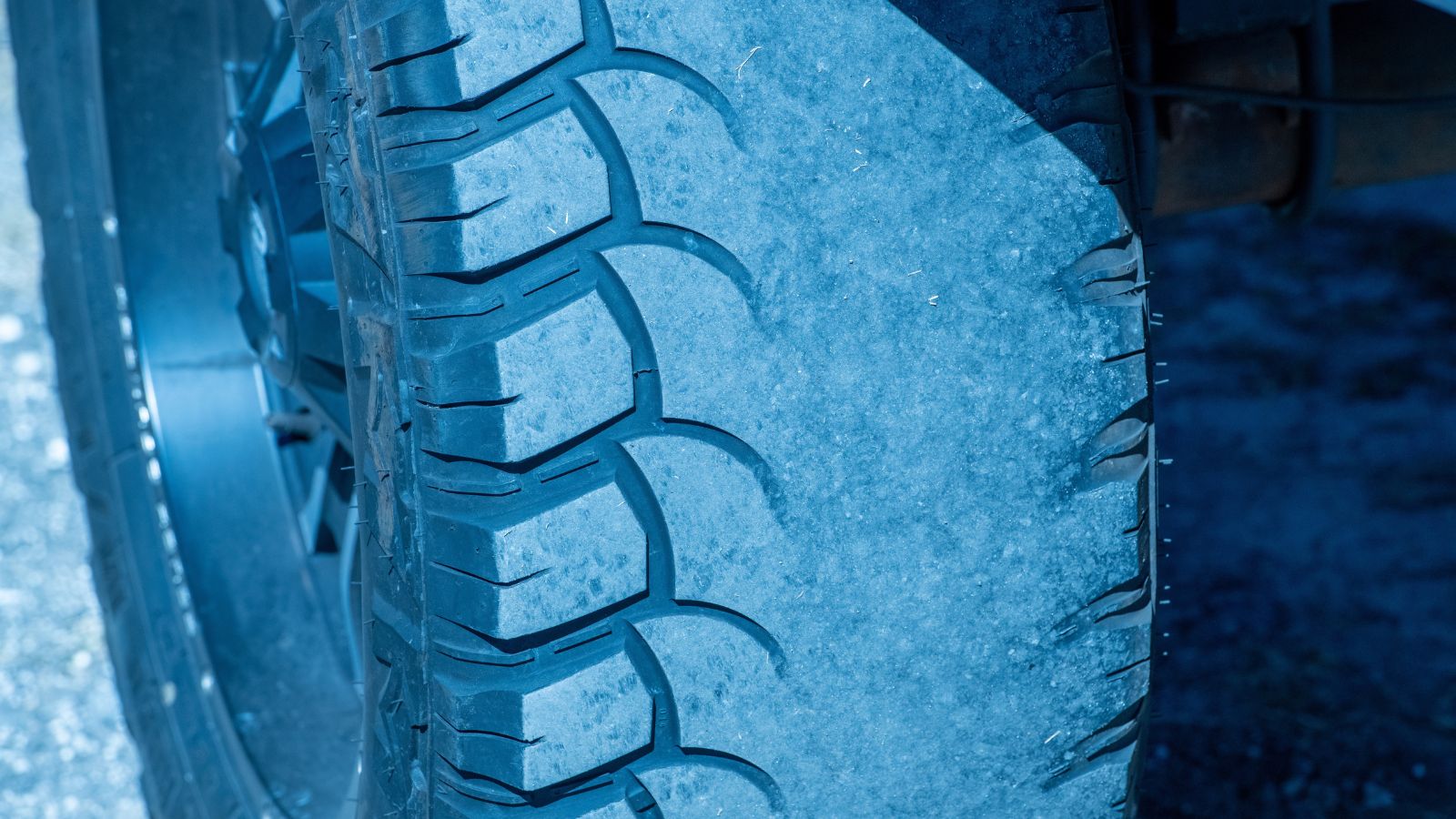
A deep freeze can make an already marginal set of tires considerably less reassuring. Transport Canada says all-season and summer tires begin losing elasticity below about 7°C, while purpose-built winter tires are designed to remain more flexible at much lower temperatures. That distinction matters even on roads that look clear, because a harder tread compound cannot conform to a cold road surface as effectively. Add packed snow, polished intersections, or black ice and the limitations become more apparent.
Tread depth matters just as much as the compound. Transport Canada advises against using tires worn close to 4 mm of tread depth on snow-covered roads and recommends winter tires on all four wheels for cold, snowy, or icy conditions. A deep freeze can therefore expose a tire problem that had been easy to overlook in autumn. Spinning during modest acceleration, unusually early ABS intervention, longer stopping distances, or difficulty holding a line through corners can all indicate inadequate winter traction. Four-wheel drive may help a vehicle accelerate, but it cannot give worn or hardened tires extra grip when braking.
A Small Windshield Chip Can Become a Long Crack
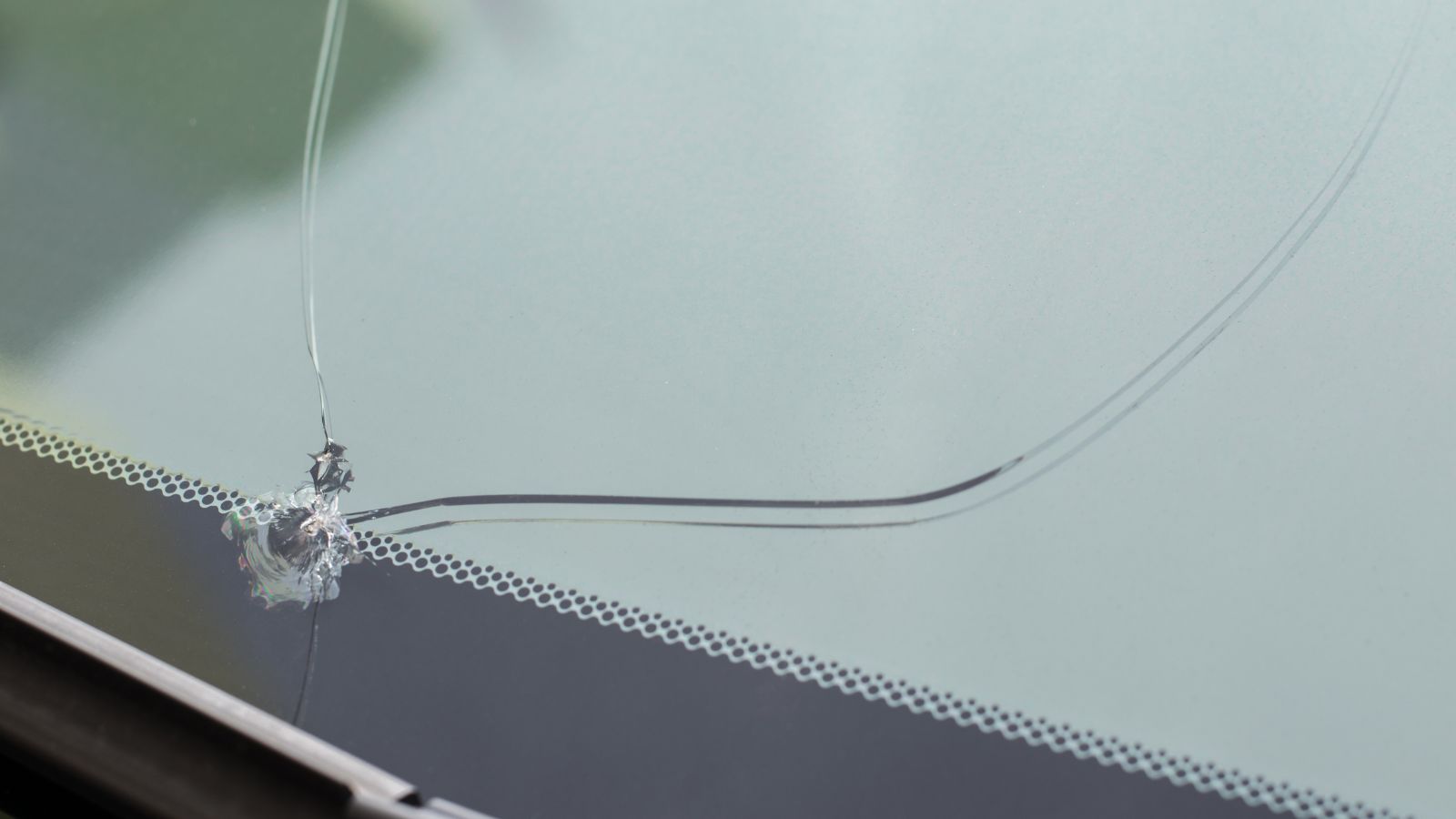
That tiny stone chip that remained unchanged for months can become much more serious during extreme cold. Automotive glass expands and contracts as its temperature changes, and damaged glass contains a natural stress concentration around the chip or crack. When the exterior of a windshield is extremely cold while warm defroster air heats the inside surface, the temperature difference can increase stress around the existing damage. A crack may suddenly travel several centimetres—or much farther—across the glass.
Rapid heating makes the situation worse. Pouring hot water over an iced windshield is particularly risky because the abrupt temperature change can crack the glass. AAA advises against the practice, while major auto-glass specialists also warn that cold weather and temperature differences can cause pre-existing chips to spread. The practical lesson is that a chip should not be ignored simply because it remained stable during warmer weather. After a deep freeze, inspect it before driving and avoid extreme attempts to thaw the windshield. Repairing a small, repairable chip early can prevent it from becoming a replacement-sized crack.
Frozen Wipers Can Tear or Damage Their Mechanism
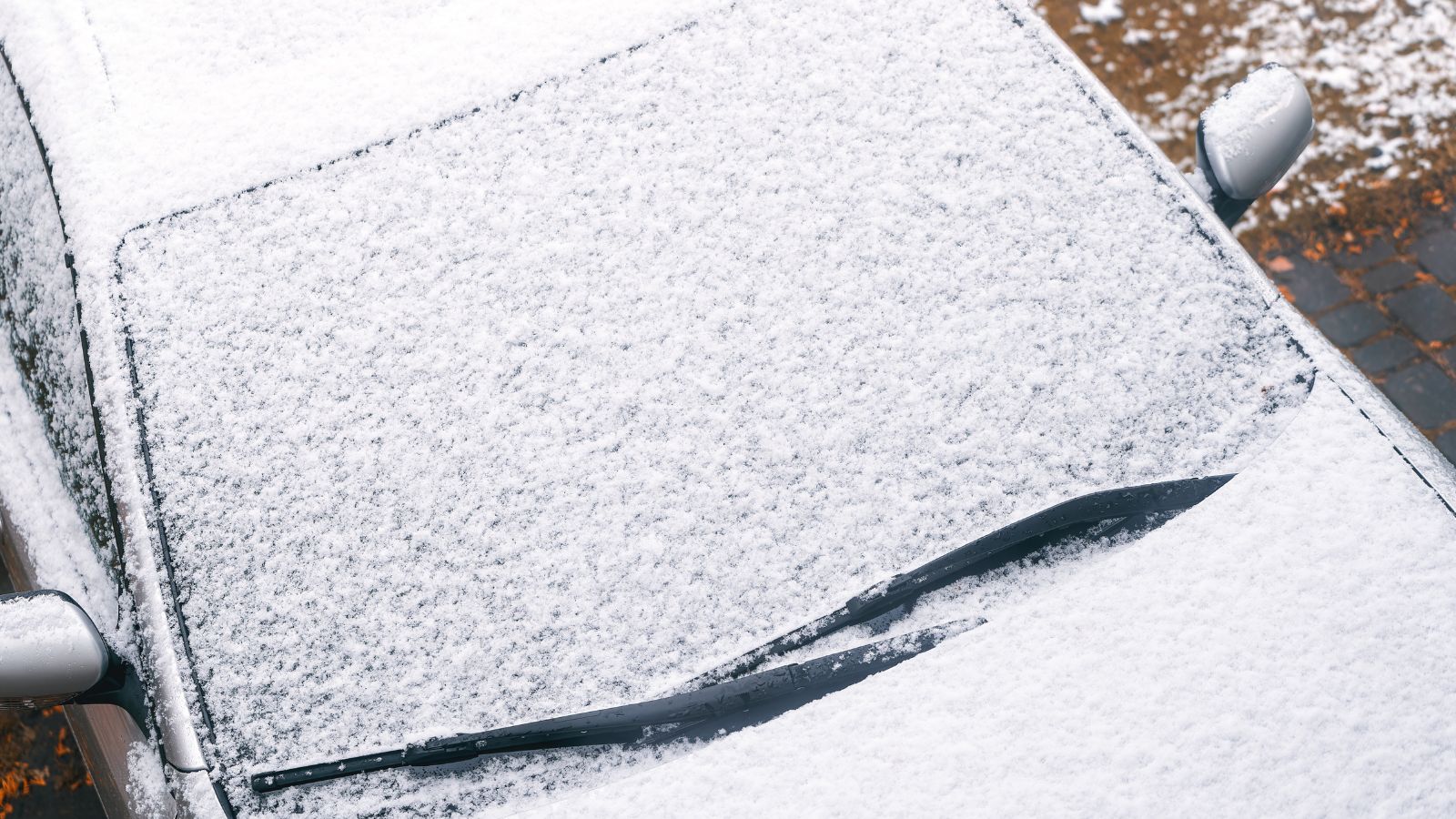
Windshield wipers are easy to forget until visibility suddenly depends on them. During a deep freeze, rubber blades can stiffen while moisture freezes the blades directly to the windshield. Activating the wipers in that condition forces the motor and linkage to work against ice they were never designed to move. AAA warns that doing so can damage the rubber blades, bend components, harm joints, or overload the wiper motor and linkage.
Pulling frozen blades off the windshield by force is not much better. The rubber can tear, particularly if it was already hardened, split, or worn. A safer approach is to use the vehicle’s defroster and an appropriate scraper until the ice releases naturally. Once moving, blades that chatter, streak, miss large portions of the windshield, or leave a hazy film are telling signs that winter has taken its toll. Wipers are ultimately a safety component: poor clearing performance during blowing snow or salty highway spray can reduce forward visibility in seconds, making a relatively inexpensive maintenance item far more important after a severe freeze.
Washer Fluid and Spray Nozzles Can Freeze
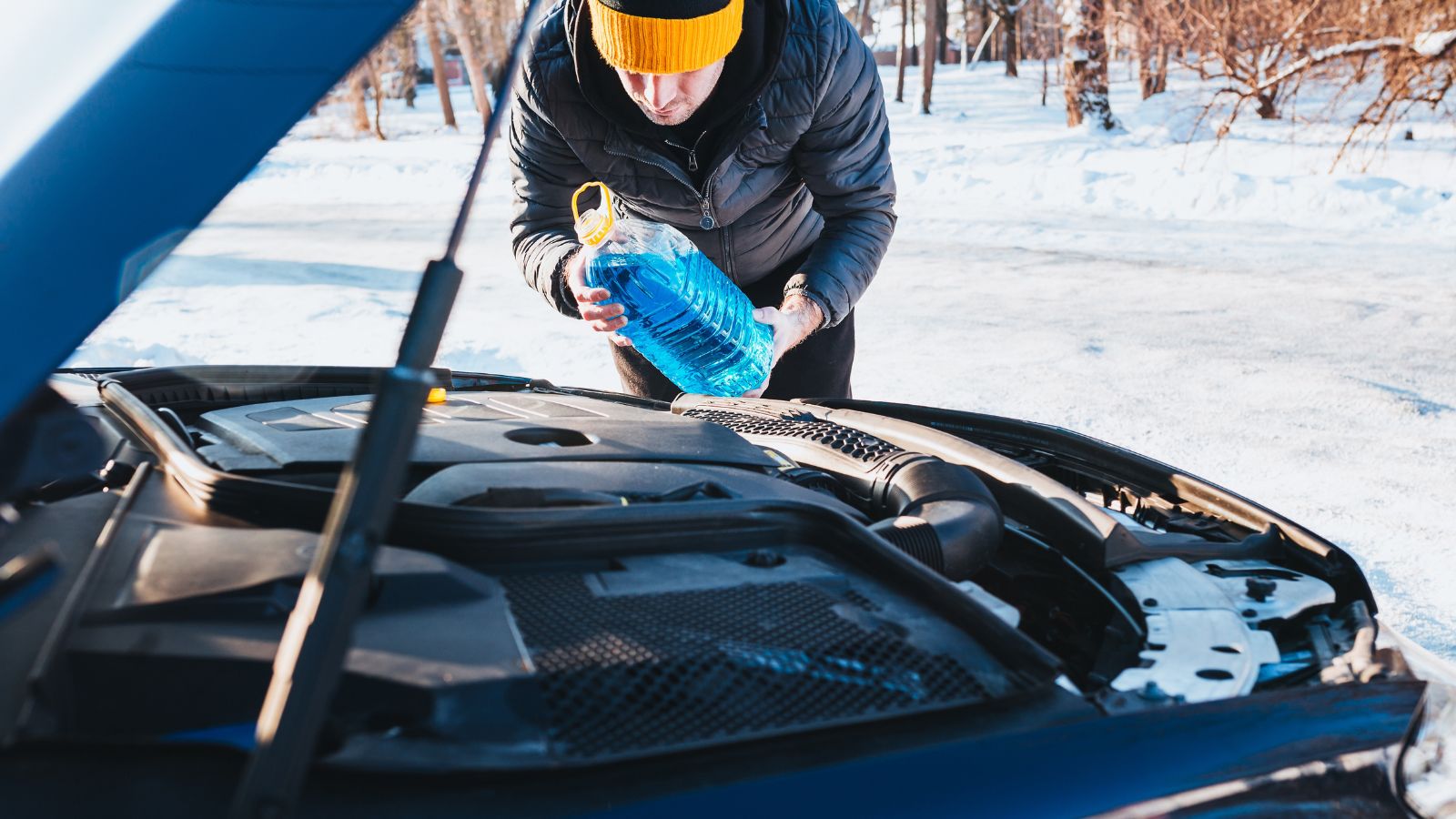
A full washer reservoir provides little help if the fluid inside it is not designed for the temperature outside. Some warmer-weather washer products can freeze when exposed to sufficiently low temperatures. That may leave the windshield without cleaning fluid and can potentially stress the washer reservoir, pump, hoses, or nozzles. Transport Canada recommends winter washer fluid rated to approximately -40°C for severe Canadian conditions and suggests carrying an extra container during winter travel.
The problem can linger even after the weather improves. Fluid may thaw in the reservoir while ice remains in narrow hoses or nozzles, producing weak spray or no spray at all. Repeatedly holding the washer switch when nothing comes out can place unnecessary demand on the pump. This becomes particularly troublesome on salted roads, where dirty spray can cover a windshield quickly. After a deep freeze, drivers should confirm that the washers operate normally before entering fast-moving traffic. If the reservoir contains a weak summer mixture, adding winter fluid may not immediately restore sufficient freeze protection because the remaining fluids mix together.
Weak Coolant Protection Can Become an Expensive Problem
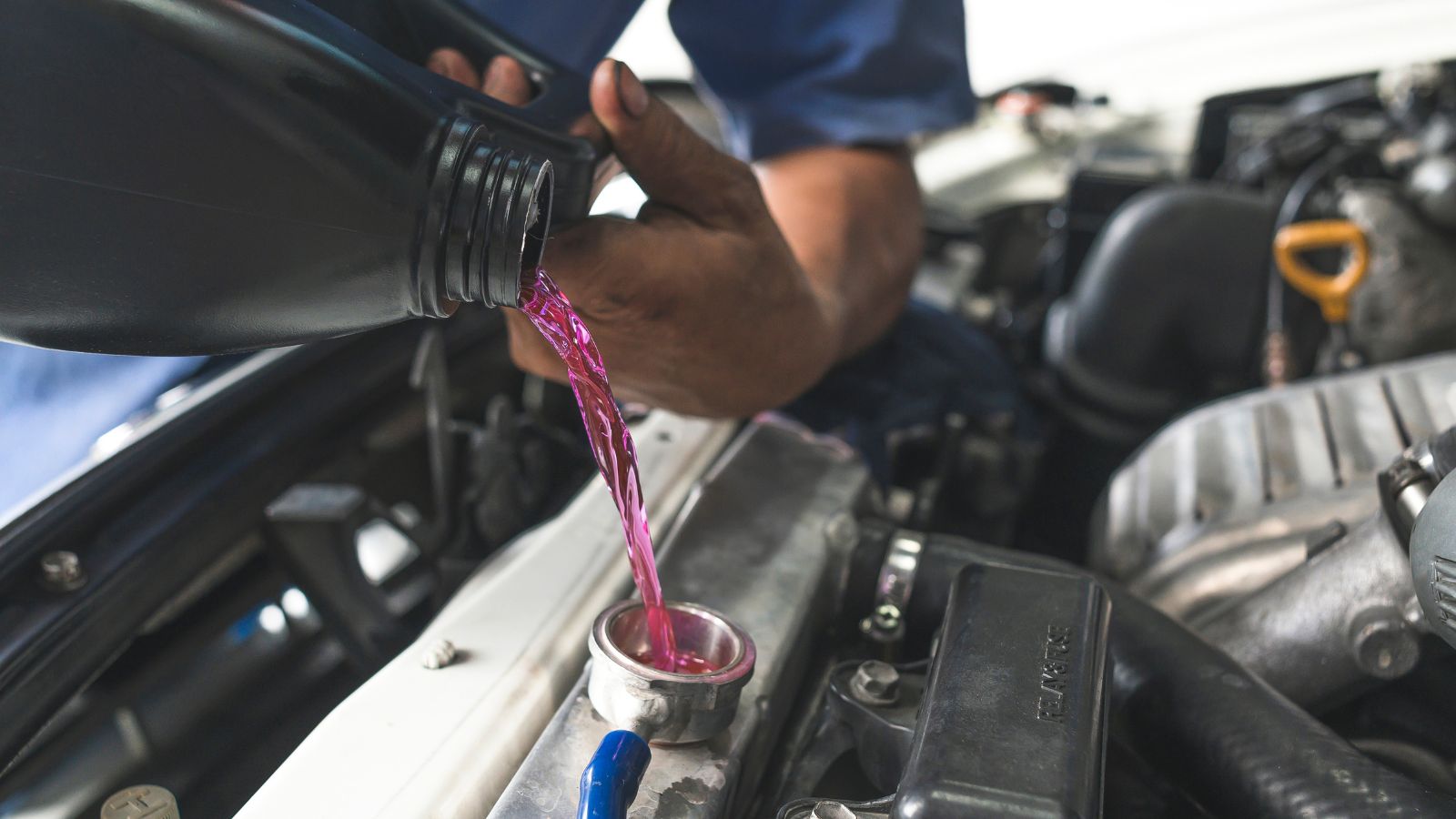
Engine coolant is designed to do much more than prevent overheating. The correct mixture also protects the cooling system against freezing, corrosion, and internal damage. If coolant has been excessively diluted with plain water, contaminated, or neglected, a deep freeze can expose the weakness. Water expands when it freezes, so coolant with inadequate freeze protection can create damaging pressure inside the engine and cooling system. AAA specifically warns that frozen coolant can leave an engine block vulnerable to cracking.
The cooling system has several other components worth examining after extreme cold, including the radiator, reservoir, cap, thermostat, hoses, and water pump. Transport Canada recommends testing coolant strength and level as part of winter preparation. An unexplained puddle, sweet coolant smell, fluctuating heater output, temperature warning, or steadily declining reservoir level deserves investigation. Different vehicles also require different coolant formulations, so topping up with whichever antifreeze happens to be available is not always appropriate. The correct specification and concentration should come from the owner’s manual or manufacturer rather than a universal winter rule.
Brittle Hoses and Worn Belts Can Reveal Their Age
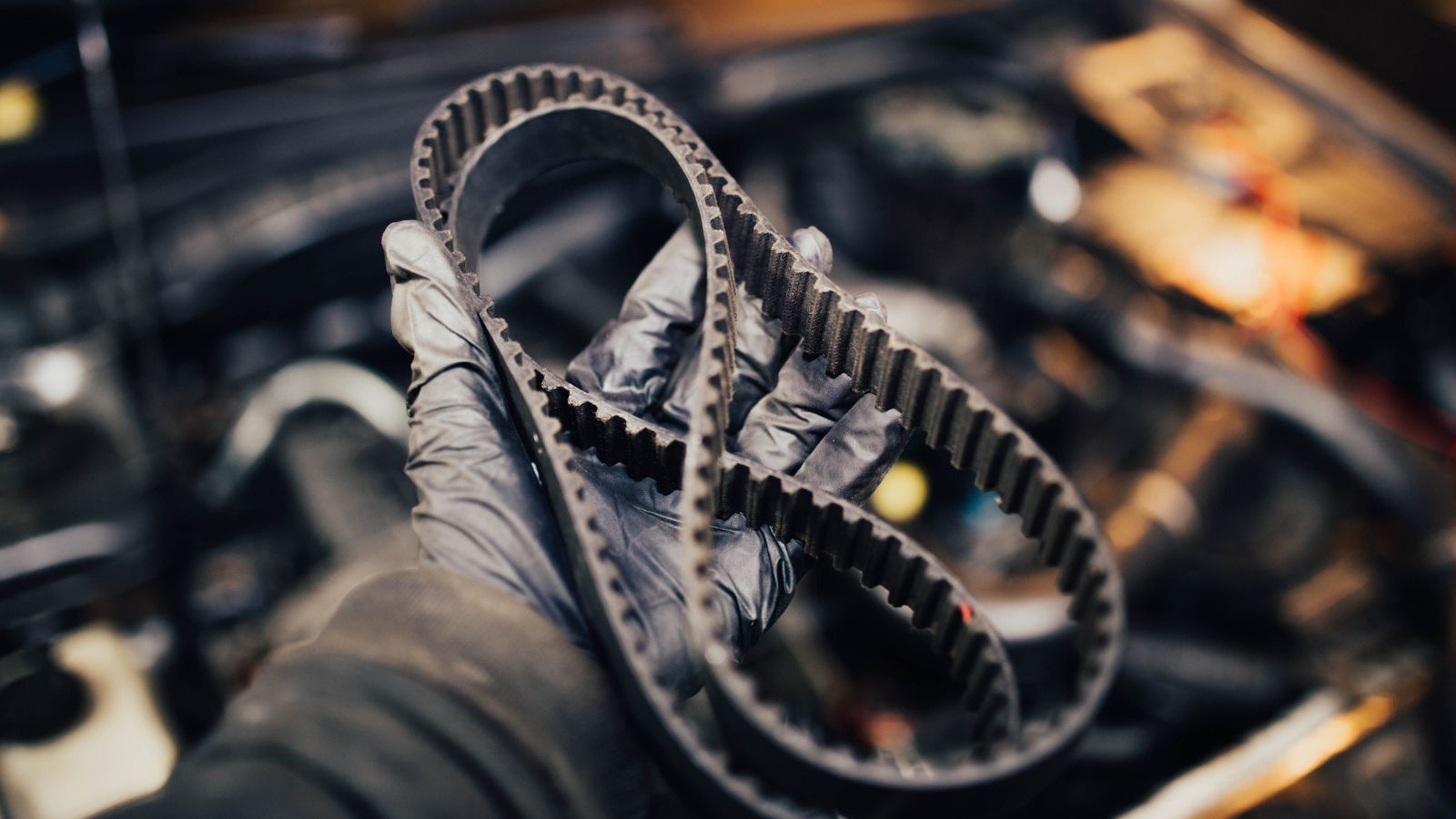
A drive belt or cooling hose does not need to fail completely to be overdue for attention. Cracks, fraying, loose clamps, bulges, soft spots, and brittle rubber are all signs that components have aged. Extreme winter conditions add another demanding operating cycle: the vehicle sits cold for hours, starts at a very low temperature, and then heats rapidly toward normal operating temperature. Components that were already marginal can become much easier to notice during this repeated cold-to-hot routine.
Transport Canada recommends inspecting radiator hoses and drive belts for cracks and leaks during winter preparation, while AAA advises checking cooling-system hoses for brittleness, sponginess, leakage, and loose clamps. A belt problem may announce itself through squealing or charging trouble, while a compromised cooling hose can leak only after the engine warms and system pressure rises. Drivers who discover fresh fluid beneath a vehicle after a cold snap should not automatically assume it is melted snow. Colour, smell, location, and repeated fluid loss can help distinguish harmless meltwater from a cooling-system leak that needs professional inspection.
Diesel Fuel Can Gel and Restrict the Filter
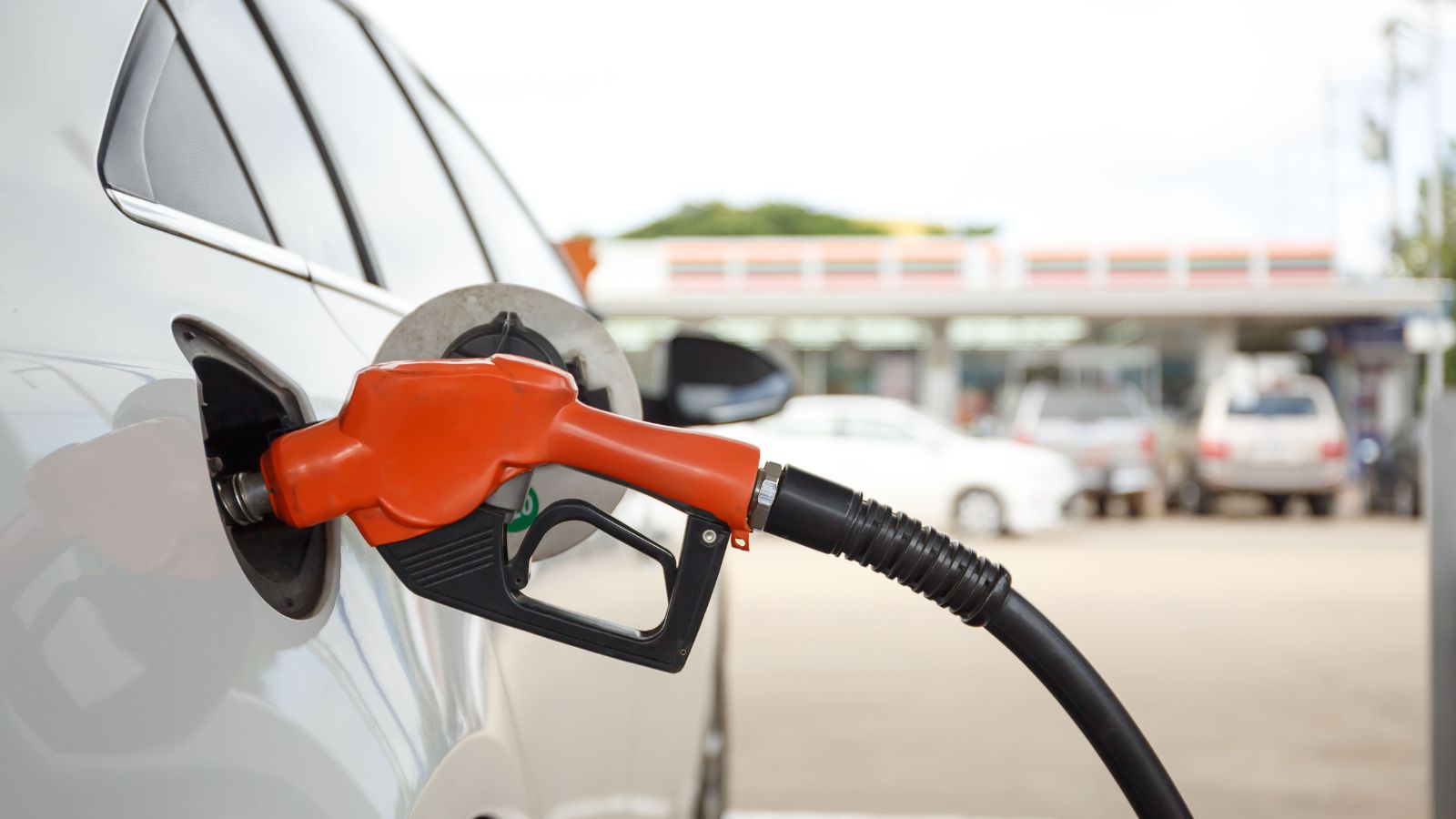
Diesel vehicles face a cold-weather problem that gasoline engines generally do not: wax crystals can form in the fuel as temperatures drop. Diesel naturally contains paraffinic components, and sufficiently cold conditions can cause those materials to congeal. AAA explains that cold-weather fuel gelling can restrict fuel flow by blocking filters and lines. Water trapped in the fuel system or water separator can also freeze independently, creating another possible restriction.
Symptoms can include difficult starting, loss of power, rough running, or an engine that starts and then stalls because adequate fuel cannot reach the injection system. Winter diesel formulations are adjusted regionally to improve cold-temperature operation, and some manufacturers permit specific cold-flow additives under defined circumstances. Owners should follow the vehicle manufacturer’s guidance rather than improvising chemical treatments. Diesel trouble immediately after an unusually deep freeze does not automatically mean an injector or high-pressure pump has failed. Fuel condition and filter restriction are important possibilities, especially when the vehicle operated normally before temperatures plunged.
The Parking Brake Can Freeze in Place
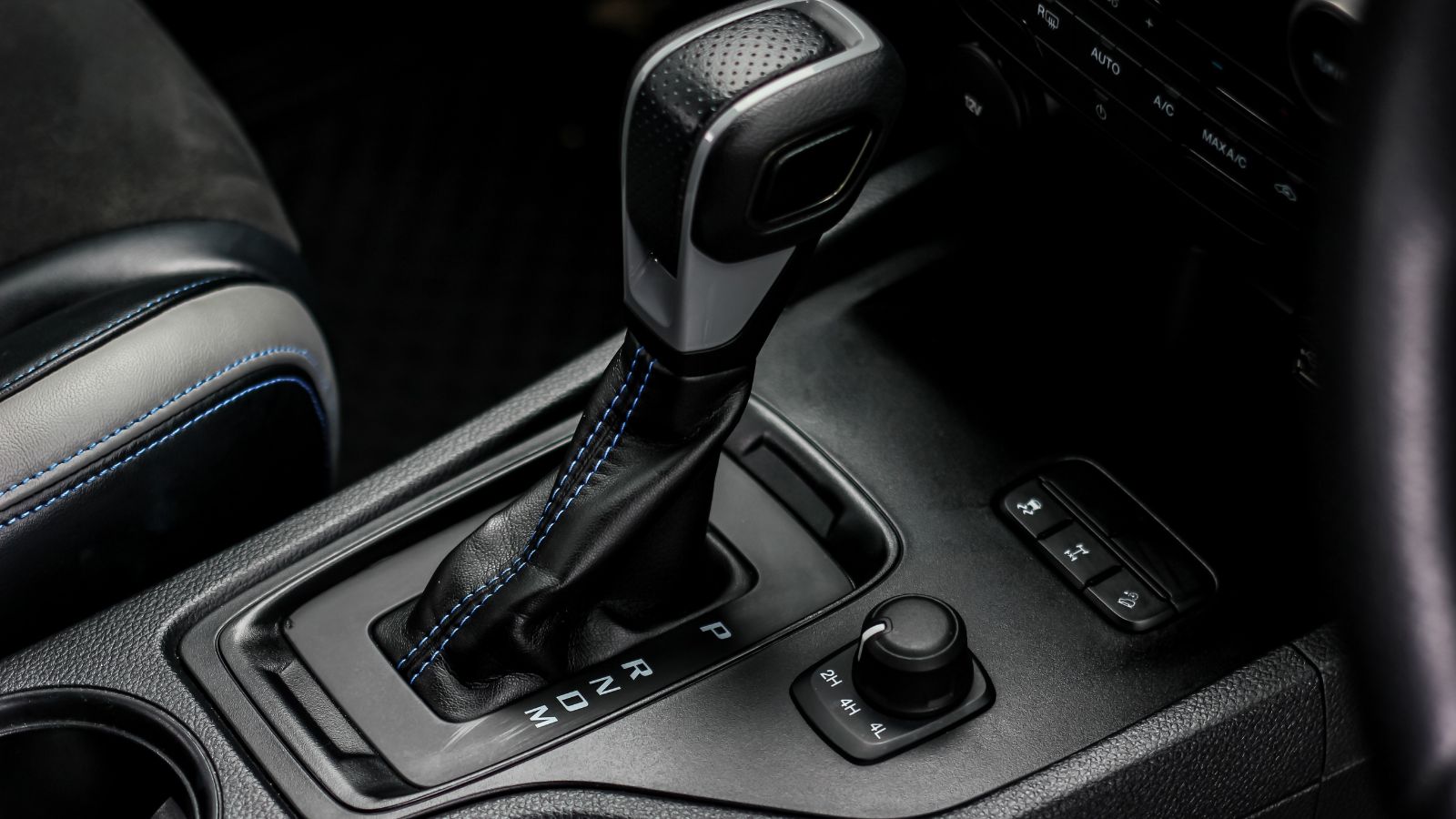
A parking brake works differently from the vehicle’s normal hydraulic service brakes on many models. Traditional systems use cables and mechanical linkages to apply the rear brakes. When moisture gets into exposed or aging components, freezing conditions can prevent the cable or mechanism from moving normally. AAA cautions that parking-brake cables can freeze or lock in below-freezing weather and has advised drivers to be particularly cautious with parking brakes during cold, wet, or snowy conditions.
A frozen parking brake may feel as though the vehicle is being held back even after the lever or pedal is released. Forcing the car to move can overheat or damage brake components, while aggressively working the control can damage cables or linkages. Electronic parking brakes use different hardware and may behave differently, so the owner’s manual matters. If a brake will not release, moving the vehicle to warmer surroundings or having the system inspected is safer than overpowering it. A cable that repeatedly freezes may already have damaged sealing, corrosion, or another condition allowing moisture into the mechanism.
Door Seals, Locks, and Handles Can Be Damaged

Sometimes the first problem after a deep freeze occurs before the engine is even started. Moisture can collect around rubber door seals, locks, handles, and window channels before freezing them together. AAA notes that trapped moisture can freeze a door gasket against the body, while traditional key cylinders can also become immobilized. Pulling harder may seem like the natural response, but excessive force can damage a rubber seal or even break a door handle.
The risk is greater when freezing rain, wet snow, or a car wash is immediately followed by a sharp temperature drop. Prevention usually involves limiting moisture and treating appropriate rubber seals with a manufacturer-compatible product such as silicone or glycerin-based protectant. Once frozen, gradual thawing is preferable to brute force or extremely hot water. Owners should also be cautious around frameless windows and powered door mechanisms, which may have model-specific cold-weather procedures. If a seal tears during the struggle, the damage can later allow wind noise or water intrusion long after the freeze itself has ended.
Moisture in a Fuel Line Can Freeze
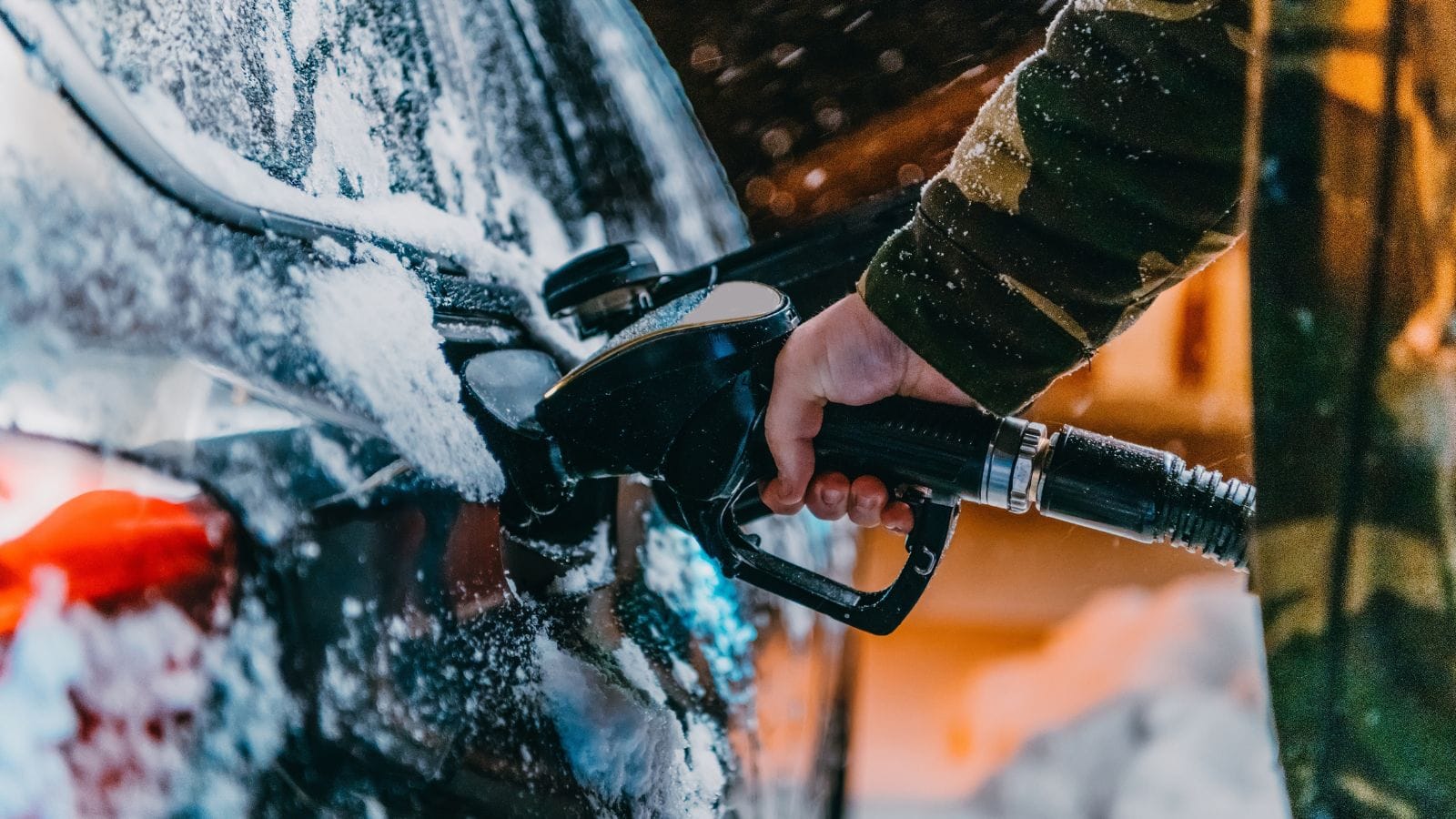
Gasoline itself is unlikely to freeze during most ordinary winter driving conditions, but water is another matter. Moisture from condensation or contamination can collect in a fuel system, and AAA notes that this water can freeze in sufficiently cold conditions. Ice restricting fuel flow can contribute to hard starting or rough, sputtering operation. The actual risk varies greatly by vehicle design and circumstances, but the underlying problem is frozen water—not a tank full of solid gasoline.
Keeping adequate fuel in the tank during severe winter weather is commonly recommended because it provides more operating reserve and can reduce the inconvenience of becoming stranded during delays. More importantly, recurring symptoms should not simply be treated by repeatedly adding products to the tank. A vehicle that consistently hesitates, stalls, or refuses to start after cold exposure may have a fuel-quality, filter, pressure, ignition, or electrical problem requiring diagnosis. The freeze can narrow the list of suspects, but it does not eliminate the need for proper troubleshooting when the behaviour persists after the car has fully warmed.
Freeze-Thaw Potholes Can Finish Off Worn Suspension Parts
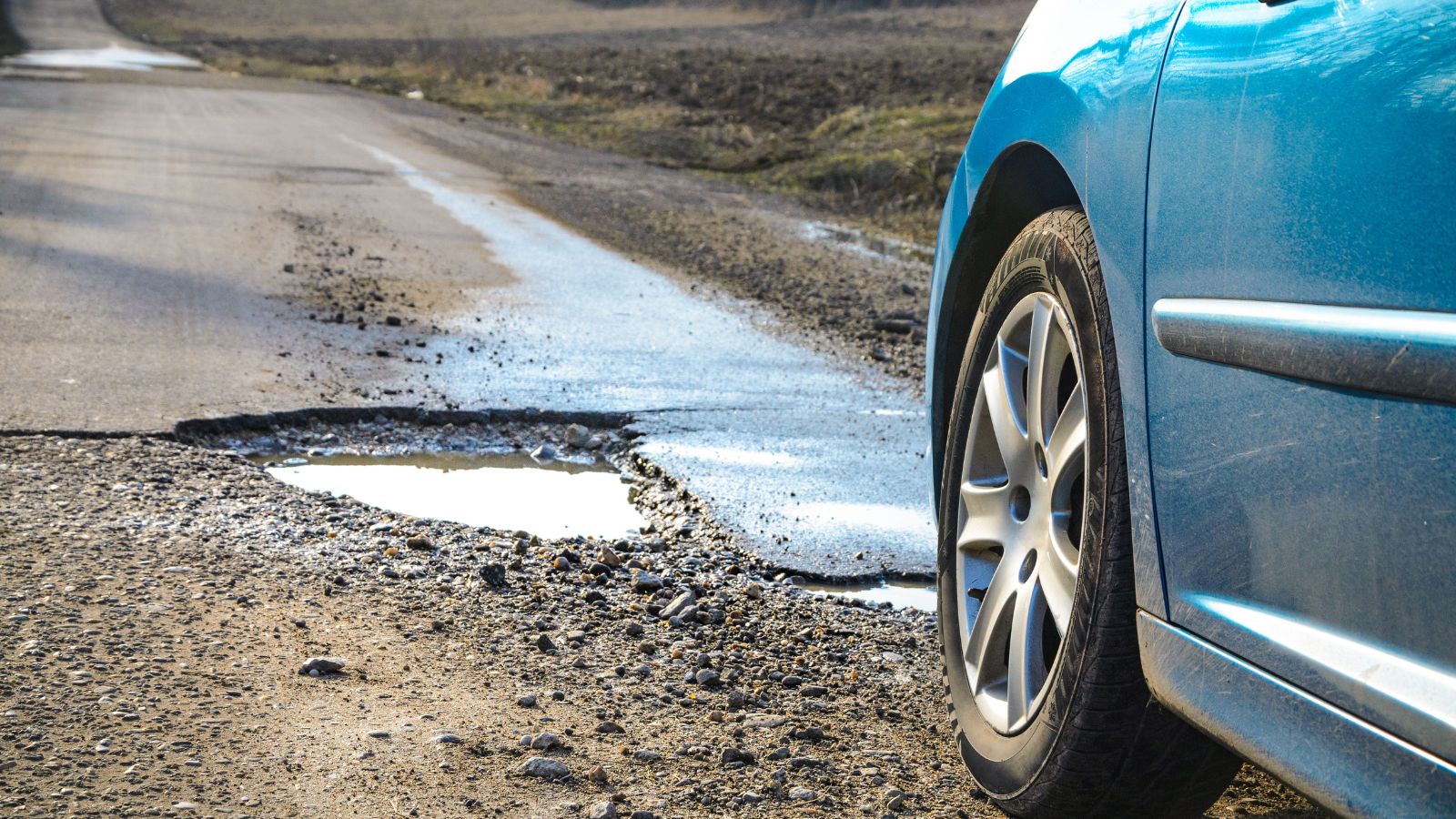
Some of the most expensive consequences of a deep freeze come from the road rather than the vehicle. Water seeps into cracks in pavement, freezes, expands, thaws, and allows the surface to deteriorate further under traffic. The result can be a sudden crop of potholes after repeated winter temperature swings. AAA notes that pothole impacts commonly damage tires, wheels, alignment, shocks, and other suspension components.
The damage is not always immediately dramatic. A wheel may be slightly bent, alignment can shift, or an already-worn strut or bushing may deteriorate after a particularly severe impact. Warning signs include a new vibration, steering wheel that no longer sits straight, pulling to one side, unusual suspension noise, a tire bulge, or sudden air loss. AAA has estimated the average pothole-related repair in recent guidance at roughly US$406, although actual costs vary widely by vehicle and damage. After a major impact, inspecting the tire sidewall as well as paying attention to steering and vibration can uncover problems before they produce accelerated tire wear or a roadside failure.
Road Salt Can Accelerate Hidden Corrosion
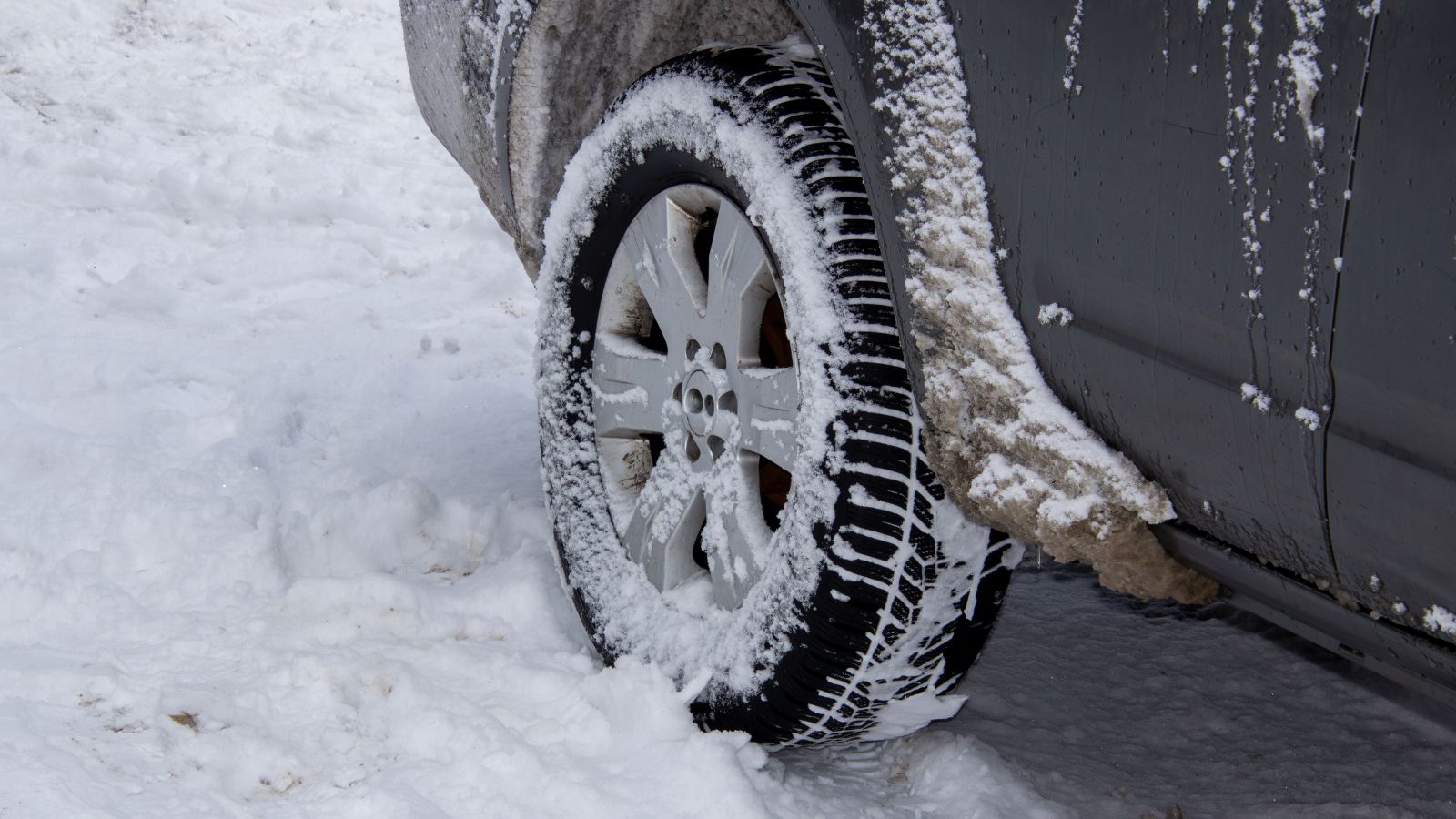
Deep freezes often bring heavier use of road salt and liquid de-icers, and the damage they cause does not disappear when the snow melts. Salt mixed with water can accelerate corrosion on exposed metal, particularly underneath a vehicle where deposits collect on brake lines, suspension hardware, exhaust components, fasteners, and structural areas. AAA warned again in 2026 that winter road salt can create hidden undercarriage damage and specifically identified brake lines and suspension systems among vulnerable components.
This is one reason a car can emerge from winter looking fine on top while deterioration progresses underneath. Existing chips, damaged protective coatings, and older corrosion can make the problem worse. Regular underbody rinsing helps remove deposits before they remain trapped in seams and crevices. Drivers should pay particular attention to symptoms that could indicate more serious deterioration: a soft brake pedal, leaking fluid, an unusually loud exhaust, visible scaling rust, or warning lamps. Corrosion develops over time, but repeated deep-freeze treatment cycles can create the salty, wet environment that accelerates it.
EV Range and Charging Can Deteriorate Sharply
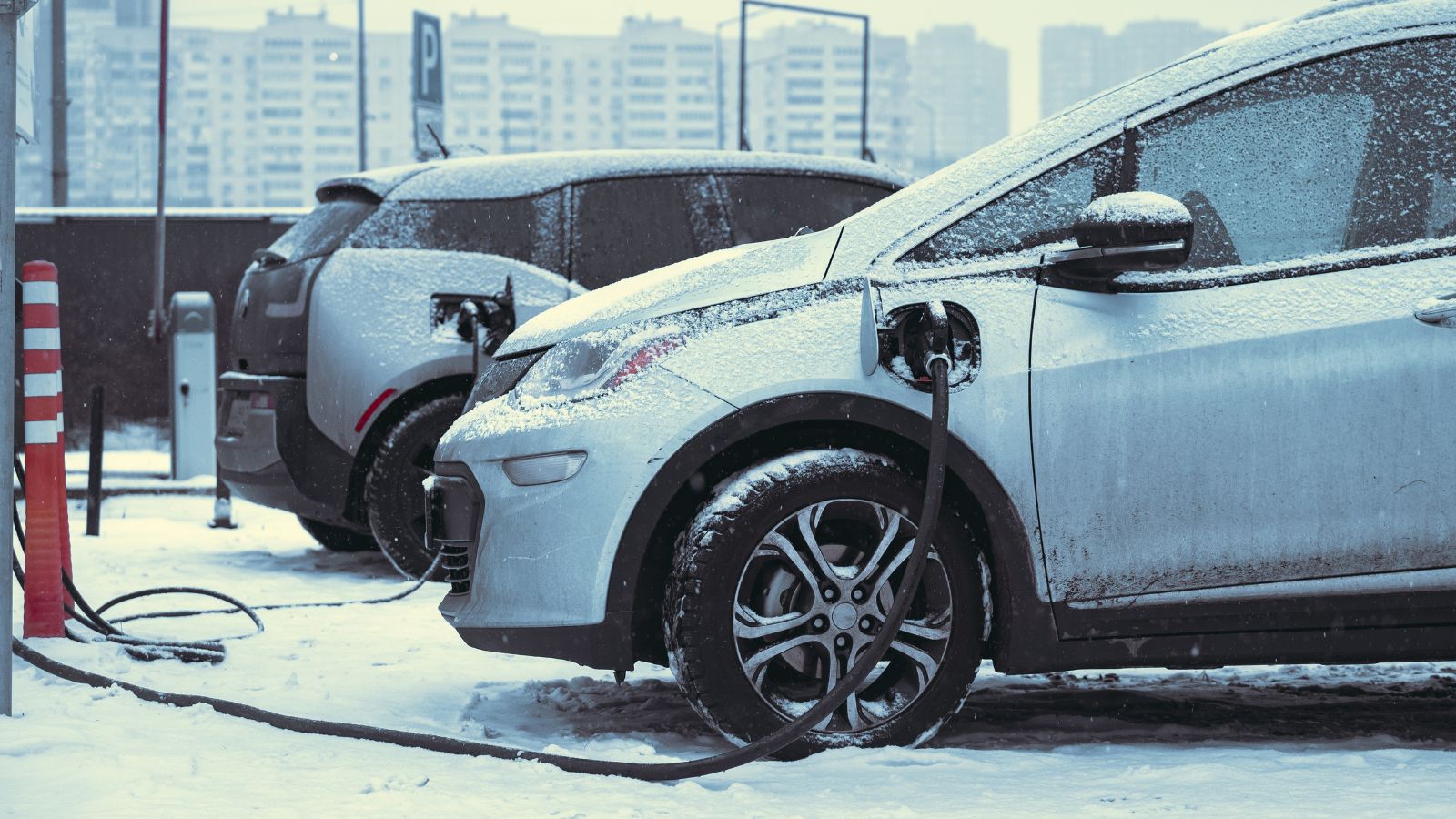
Electric vehicles remain fully usable in winter, but severe cold can make familiar range estimates look very different. Lithium-ion batteries deliver and accept energy less efficiently when cold, while cabin heating places additional demand on the battery. In 2026 testing, AAA reported that electric vehicles tested at 20°F experienced a 39% decrease in calculated driving range compared with testing at 75°F under its test conditions. Actual losses vary significantly with vehicle design, trip length, speed, heating use, battery temperature, and driving behaviour.
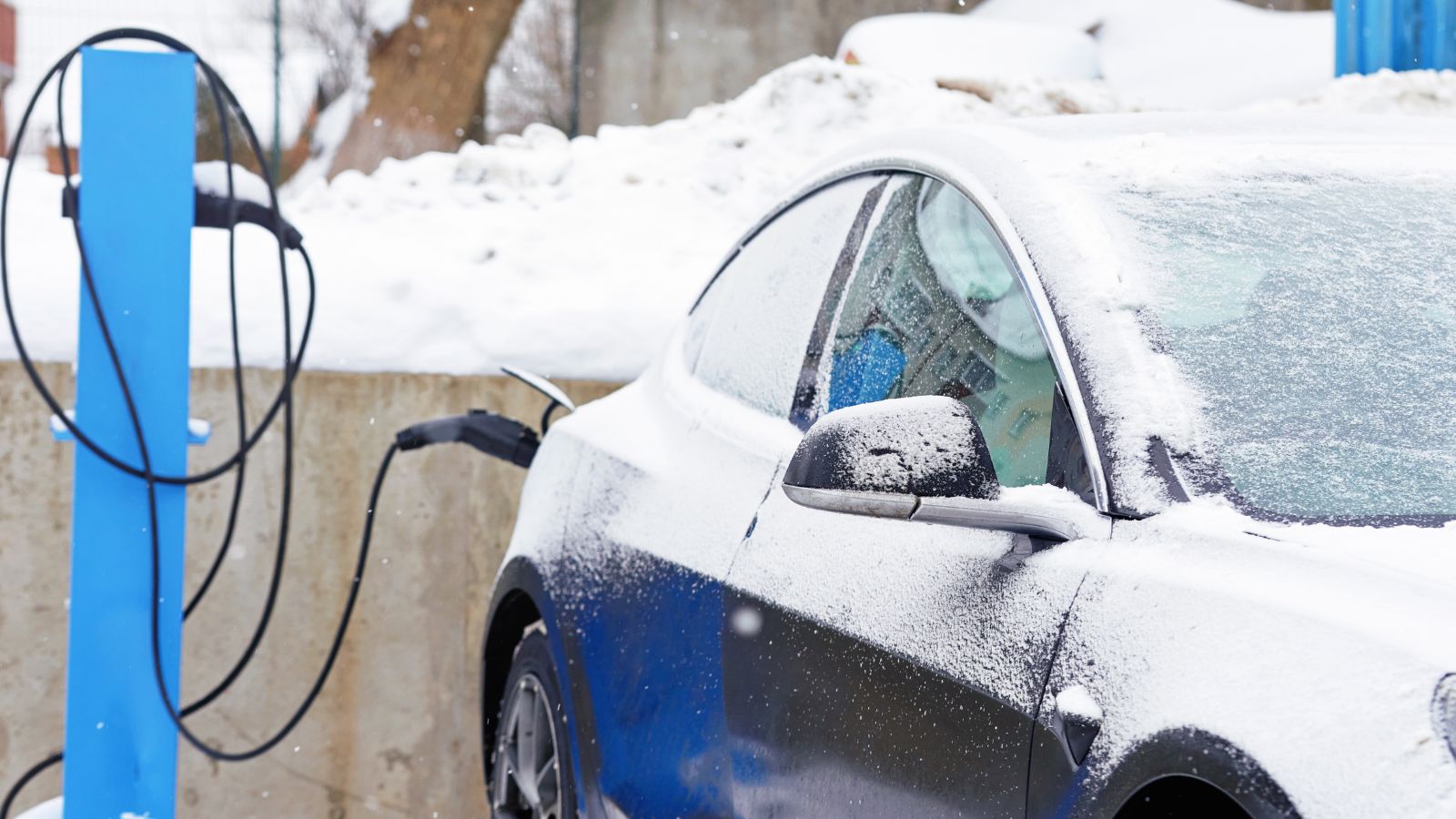
Charging can also be affected. Battery-management systems may limit charging power while the battery is very cold to protect the cells, which can make a fast-charging stop take longer than expected until the pack warms. The U.S. Department of Energy recommends preconditioning an EV while it is plugged in when possible. It also notes that outdoor charging connectors can freeze after heavy snow or sleet. A deep freeze therefore does not necessarily indicate battery failure when range drops or charging initially slows, but an unusually severe or persistent change after temperatures recover may justify diagnostic attention.
Snow and Ice Can Temporarily Disable Driver-Assistance Sensors
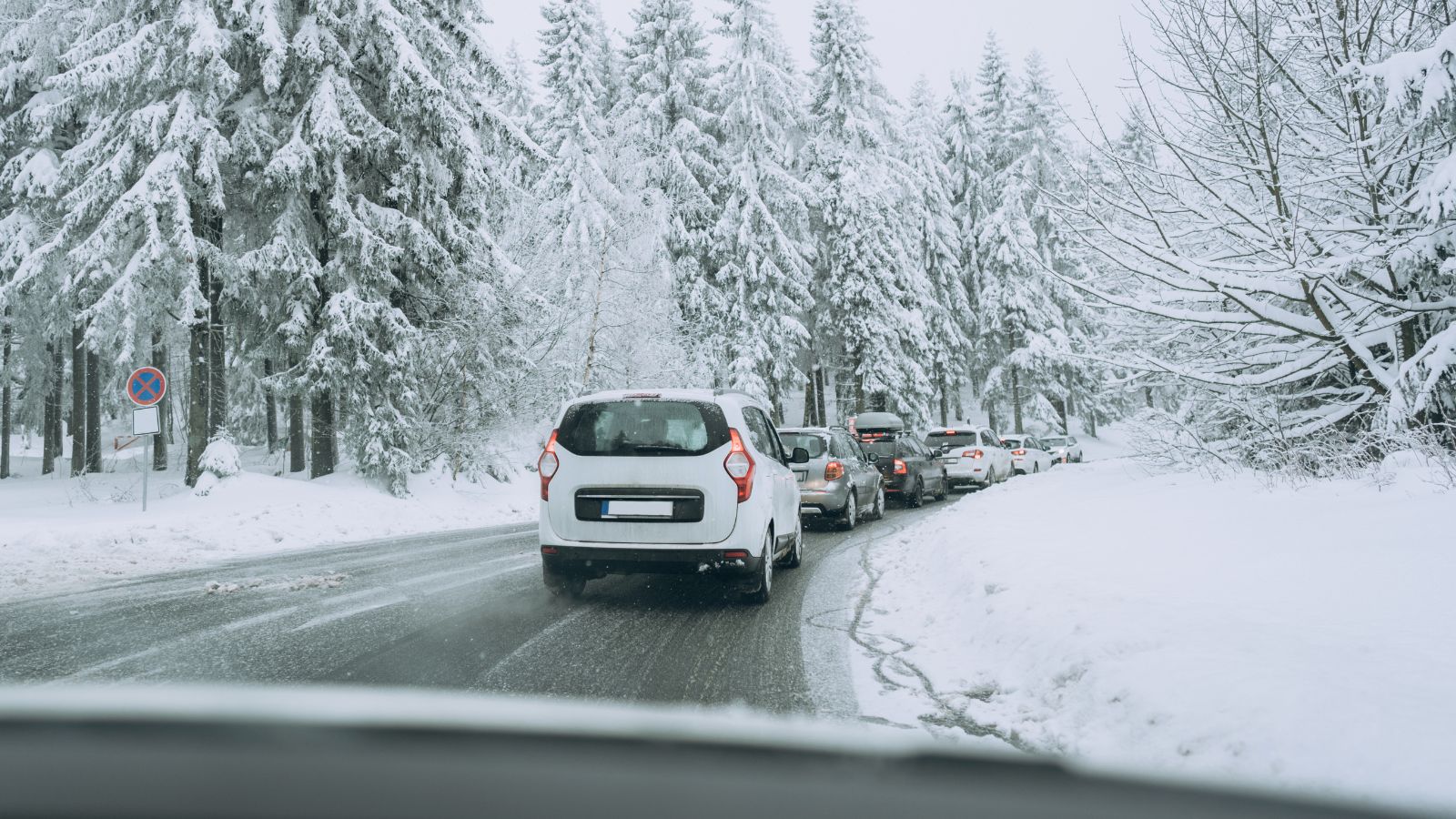
Modern cars rely increasingly on cameras, radar, and ultrasonic sensors for features such as automatic emergency braking, adaptive cruise control, lane assistance, blind-spot monitoring, and parking aids. Those sensors cannot always see through packed snow, frost, road grime, or ice. AAA has documented that snow and other contamination can block ADAS sensors, while manufacturer manuals commonly instruct owners to keep radar covers and the windshield area in front of cameras clean.
After a deep freeze, the vehicle may display messages indicating that a camera, radar sensor, collision system, or driver-assistance feature is temporarily unavailable. That does not necessarily mean an electronic component has failed. Ice may be covering a bumper-mounted radar unit, a camera may be looking through a frosted windshield, or frozen grime may be obscuring parking sensors. Cleaning only with methods approved by the manufacturer is important because sensors and their covers can be damaged. Most importantly, driver-assistance features remain aids rather than substitutes for attentive driving; NHTSA emphasizes that drivers remain responsible for steering, braking, accelerating, and monitoring the road.
19 Used Cars Canadians Should Avoid in 2026 (Based on Owner Complaints)

Buying a used car in Canada can feel safe until repair bills start stacking up. Owner complaints tell a different story than glossy listings. Transmission failures, electrical problems, and weak winter reliability show up again and again in consumer reports. Many of these issues appear after warranties expire, when owners least expect them. Some vehicles look affordable upfront, but become expensive to keep on the road. Others struggle in cold weather, urban driving, or long highway commutes. Here are 19 used cars Canadians should avoid in 2026 (based on owner complaints).
19 Used Cars Canadians Should Avoid in 2026 (Based on Owner Complaints)

Alanna Rosen is an experienced content writer that focuses on many EV and educational content. Her articles are regularly published on Get CyberTrucked and syndicated on large publications.