Canadian roads can make even a well-built vehicle show its age sooner than expected. Deep winter cold, repeated freeze-thaw cycles, road salt, spring potholes and long-distance driving all add stress, but climate is only part of the equation. Everyday habits often determine whether those stresses remain routine maintenance issues or turn into premature wear.
These 21 common driving and maintenance habits can shorten the useful life of tires, brakes, batteries, fluids, bodywork and major mechanical components. Some cause gradual deterioration that is easy to overlook; others can turn one harsh winter or neglected warning sign into a surprisingly expensive repair. Many are also avoidable without treating a vehicle like a museum piece.
Treating a Cold Start Like a Warm Engine
A Canadian winter morning is not the ideal moment for full-throttle acceleration. Engine oil is more viscous when cold, and the engine and drivetrain need time to reach normal operating conditions. Honda Canada notes that appropriate low-viscosity oil circulates quickly during cold starts, a period when engine protection is particularly important. Immediately demanding maximum power from a freshly started engine works against that gradual warm-up process.
That does not mean a vehicle needs to sit in the driveway for 15 minutes. Natural Resources Canada recommends a short initial idle followed by moderate driving, which warms the engine, drivetrain and cabin more effectively. A driver leaving an underground garage may barely notice the difference, while someone starting a vehicle outside at -25°C certainly will. Smooth acceleration for the first few minutes is a modest habit, but over years of Canadian winters it is a more mechanically sympathetic routine than repeatedly treating every cold start like a highway on-ramp launch.
Idling for Ages to “Warm Up” the Car

Long winter warm-ups remain a familiar Canadian ritual: start the vehicle, return indoors, finish breakfast and come back to a hot cabin. Modern guidance does not support lengthy idling simply for mechanical warm-up. Natural Resources Canada says idling for more than roughly 30 to 60 seconds generally provides no vehicle benefit under ordinary winter conditions, while gentle driving brings the engine and other moving components toward operating temperature.
The wasted fuel can also become substantial. NRCan estimates that 10 minutes of idling can consume roughly 0.25 to 0.5 litres of fuel, depending on the vehicle. More importantly for vehicle use, the engine accumulates operating time while the transmission, wheel bearings and other drivetrain components remain largely stationary and cold. Defrosting windows sufficiently for safe visibility is obviously necessary, but that is different from habitually leaving an engine running for 15 or 20 minutes. A short warm-up followed by moderate driving is generally the more efficient routine.
Making Nearly Every Trip a Short One

A five-minute run to the coffee shop, another trip for groceries and a separate school pickup may seem gentle because none involves much mileage. The problem is that repeated short trips keep forcing the vehicle through its least efficient warm-up phase. Natural Resources Canada notes that trips shorter than roughly five kilometres may not allow a cold internal-combustion engine to reach its most efficient operating temperature.
Combining nearby errands therefore does more than reduce kilometres. It lets the engine remain warm between stops and reduces the number of cold starts packed into the same distance. This matters particularly during a Prairie cold snap or an Ontario winter morning, when warming the powertrain takes longer than it does in July. A car that travels 15 kilometres in one continuous outing experiences a different operating pattern from one making three separate five-kilometre journeys hours apart. Where practical, consolidating errands is an easy way to reduce repeated cold-operation cycles while also cutting fuel consumption and emissions.
Stretching Oil Changes Beyond the Recommended Schedule
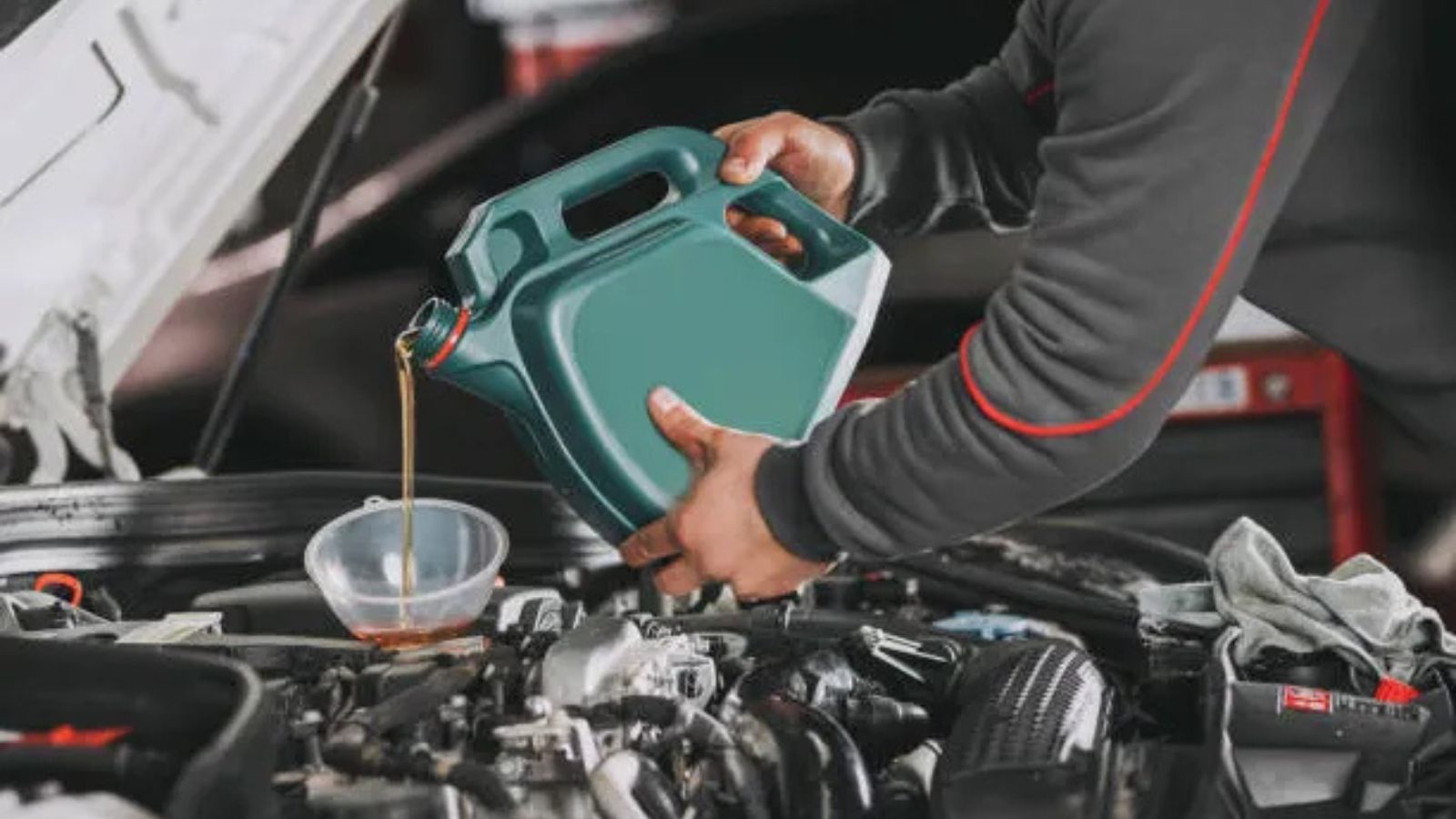
Engine oil does several jobs simultaneously: it lubricates moving components, reduces friction, carries heat and helps protect internal surfaces. Honda Canada warns that oil deteriorates over time and gradually loses its ability to provide the intended protection. Toyota similarly describes the lubrication system as essential for limiting friction, wear and overheating. Delaying service indefinitely because the dipstick still shows oil can therefore be a costly false economy.
There is no single kilometre interval that applies to every Canadian vehicle. Modern maintenance systems can account for operating conditions, while manufacturer schedules vary by engine, model and usage. Frequent short trips, severe temperatures and heavy towing may also change maintenance requirements. The sensible reference is the owner’s manual or the vehicle’s maintenance monitor rather than an interval remembered from a previous car. Saving one oil change looks insignificant beside the cost of accelerated internal wear, sludge-related problems or an engine that has spent years running on lubricant far beyond its intended service life.
Ignoring Coolant, Brake Fluid and Fluid Leaks
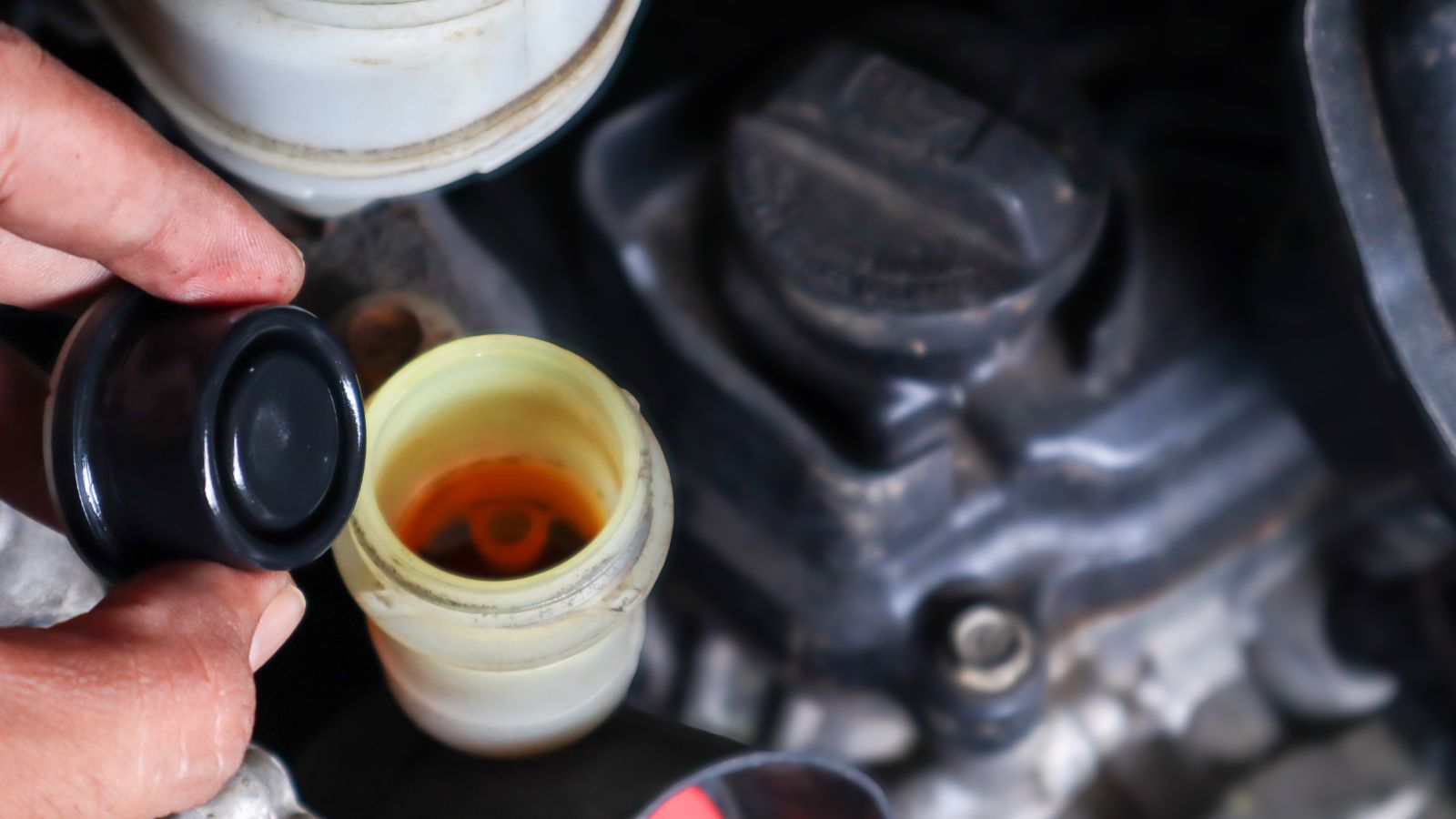
A few drops under a parked vehicle can be easy to dismiss, particularly when an older car already has cosmetic flaws. Fluid loss deserves more attention. Honda Canada notes that coolant loss can indicate a problem or leak, and insufficient cooling can lead to overheating and engine damage. Transmission fluid also serves cooling and lubrication functions, while its useful properties deteriorate with time and service.
Brake fluid has its own maintenance requirements because it can absorb moisture. Honda, for example, specifies periodic brake-fluid replacement on its vehicles rather than treating the fluid as permanent. Exact intervals vary, so the manufacturer schedule matters more than a universal rule. A slowly dropping reservoir, oily residue beneath the engine bay or unexplained spots on the driveway are therefore clues rather than merely annoyances. Fixing a small hose, seal or connection early can be far cheaper than allowing a lubrication, hydraulic or cooling problem to progress until another component suffers damage.
Running Tires Below Their Proper Pressure
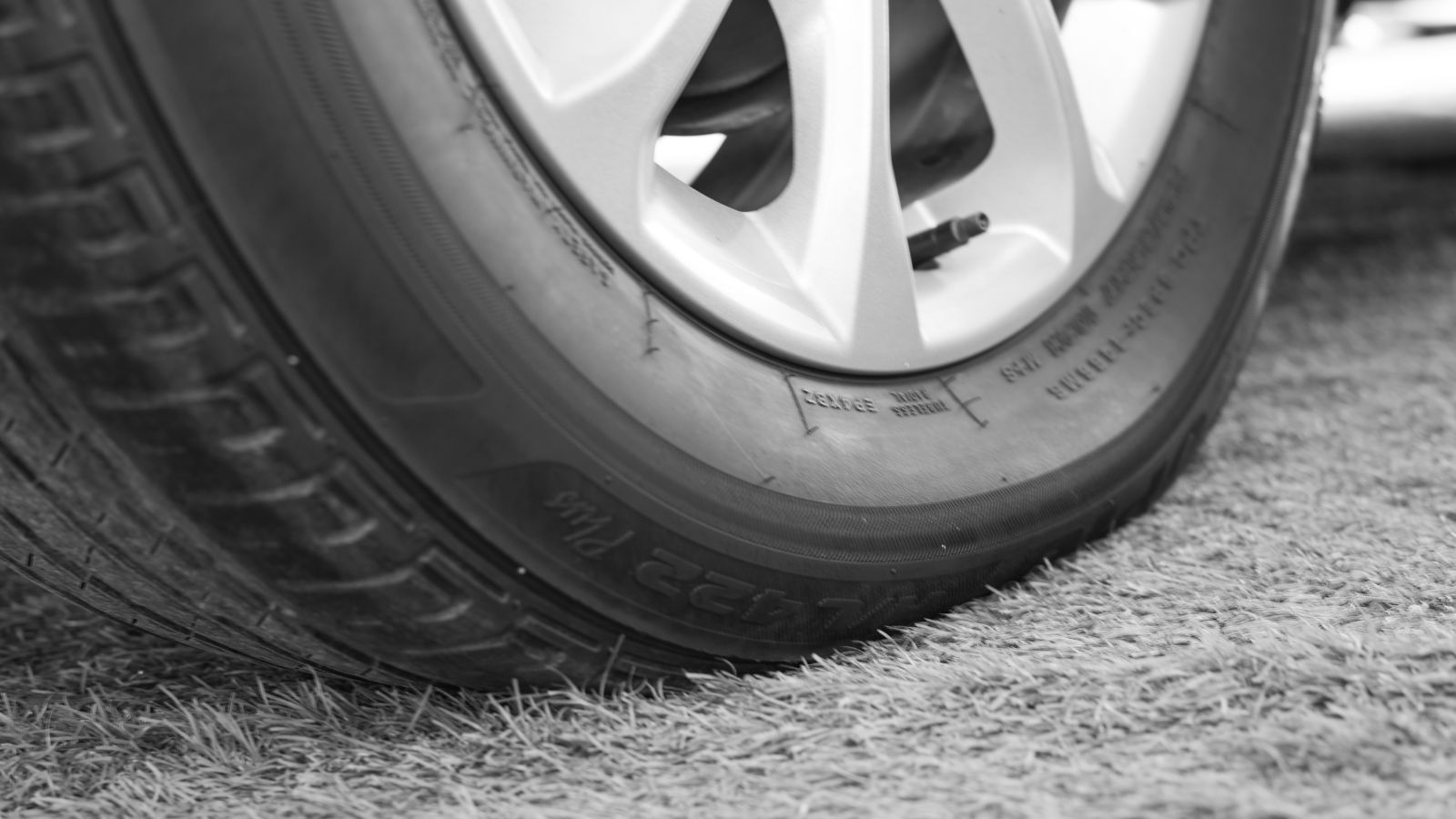
Few maintenance mistakes shorten a consumable’s life as quietly as underinflation. Transport Canada has reported that operating a tire about 56 kPa, or 8 psi, below its proper pressure can shorten tire life by as much as 15,000 kilometres. The same degree of underinflation can also increase fuel consumption. Instead of wearing evenly, an improperly inflated tire flexes and generates more heat while placing unnecessary stress on its structure.
Canadian temperature swings make the issue particularly relevant. A tire set correctly during a mild autumn afternoon can read noticeably lower after the first serious cold snap. Transport Canada recommends checking tires regularly, including pressure and visible wear, rather than relying solely on appearance. The pressure listed on the vehicle placard—not the maximum printed on the tire sidewall—is the important reference. A monthly check takes only minutes, yet it can preserve thousands of kilometres of tread and reveal slow leaks before a tire becomes severely underinflated.
Leaving Winter Tires On All Summer
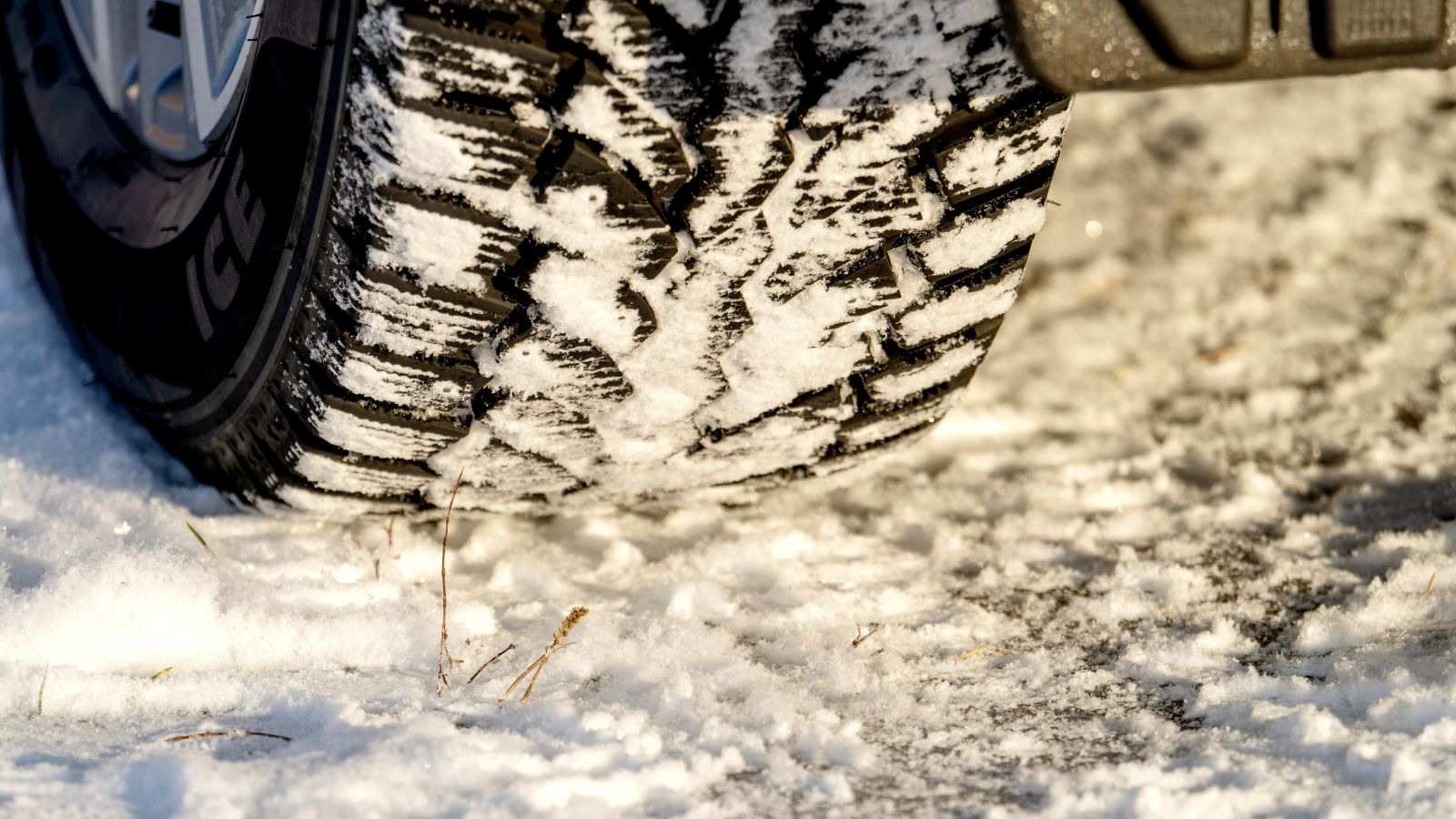
Winter tires earn their reputation because their compounds are designed to remain flexible in cold conditions. That advantage becomes a disadvantage when summer pavement gets hot. Michelin Canada advises that winter tires deteriorate and wear more quickly in warm conditions because their softer compounds are not optimized for hot asphalt. The company uses approximately 7°C as the familiar temperature point for deciding when seasonal tire changes become appropriate.
That means delaying the spring swap until July can consume expensive winter tread for no useful winter benefit. The exact changeover date naturally varies between Vancouver, Calgary, Toronto and northern communities; consistent temperatures matter more than the calendar. A driver trying to “get one more summer” from a winter set may discover there is much less usable tread when snow returns. Seasonal tires last longest when they spend most of their kilometres in the conditions for which they were engineered. Proper storage during the off-season also helps preserve the investment rather than sacrificing winter rubber to months of hot-weather driving.
Letting Road Salt Stay Caked Underneath
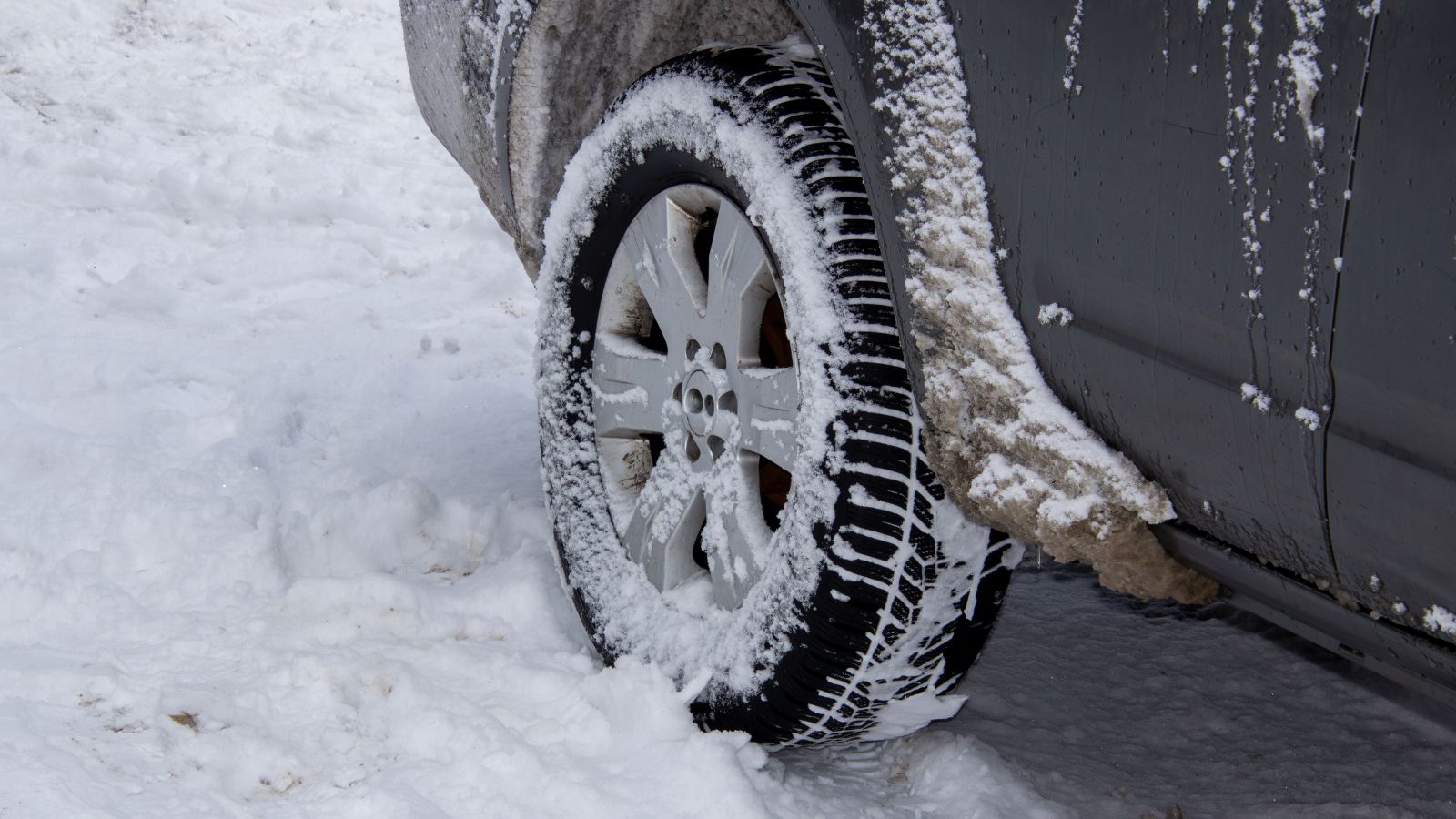
Winter salt rarely makes a car fail overnight. Its damage is more patient. Honda Canada identifies accumulated mud and salt beneath a vehicle as an important contributor to body corrosion, while Toyota recommends regular winter washing with particular attention to the undercarriage, wheel wells and lower body panels. Areas that cannot easily be seen from above can hold salty moisture long after the road itself has dried.
The problem becomes especially noticeable on vehicles that spend years travelling heavily salted highways in Ontario, Quebec or Atlantic Canada. Waiting until April for the first underbody rinse gives residue months to remain in seams, suspension areas and metal crevices. Toyota suggests periodic winter washing rather than treating the spring detail as the only important clean. A spotless hood is largely cosmetic; removing corrosive deposits beneath the car is preservation. Even drivers who do not care about showroom paint can benefit from washing places where corrosion may eventually affect fasteners, panels and structural components.
Leaving Stone Chips and Deep Scratches Exposed
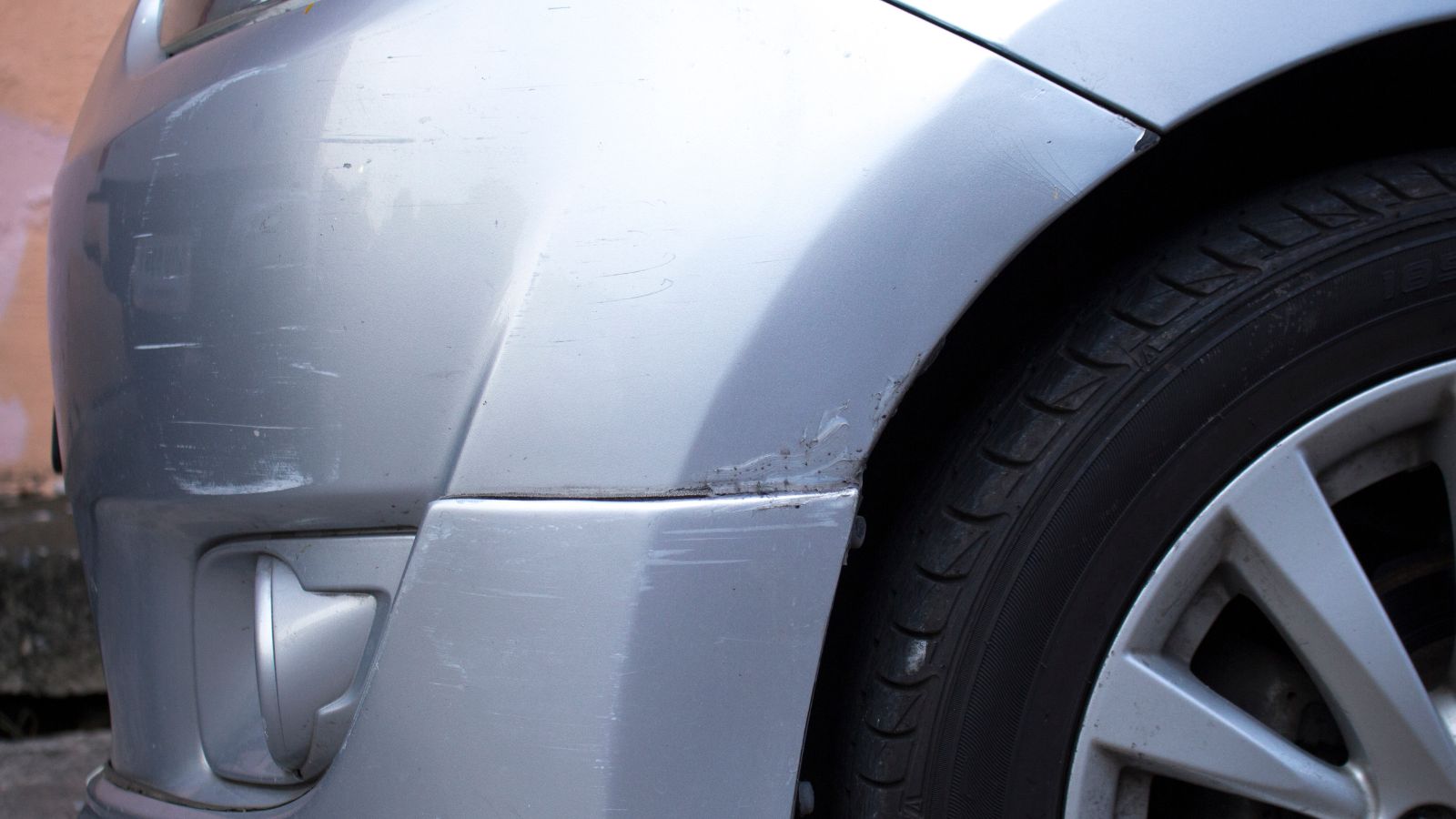
A pea-sized stone chip on the hood barely changes how a vehicle looks from ten metres away, which is why it can remain untreated for months. Once a chip penetrates the protective paint layers and exposes metal, however, it creates an opening for moisture and road contaminants. Honda Canada advises treating exposed metal from chips promptly, and Toyota describes touch-up coatings as a way to slow rust while protecting damaged paint.
Canadian winters make those small openings particularly inconvenient. Salt spray repeatedly wets the leading edge of the hood, wheel arches, rocker areas and lower doors—the same places that commonly collect minor chips. A tiny blemish can therefore develop into bubbling paint and a larger corrosion repair later. Not every scratch reaches bare metal, so owners do not need to panic over every surface mark. But chips that clearly expose metal deserve more urgency than their size suggests. Early touch-up work is inexpensive compared with repairing corrosion once it spreads underneath intact-looking paint.
Hitting a Pothole and Assuming Nothing Happened
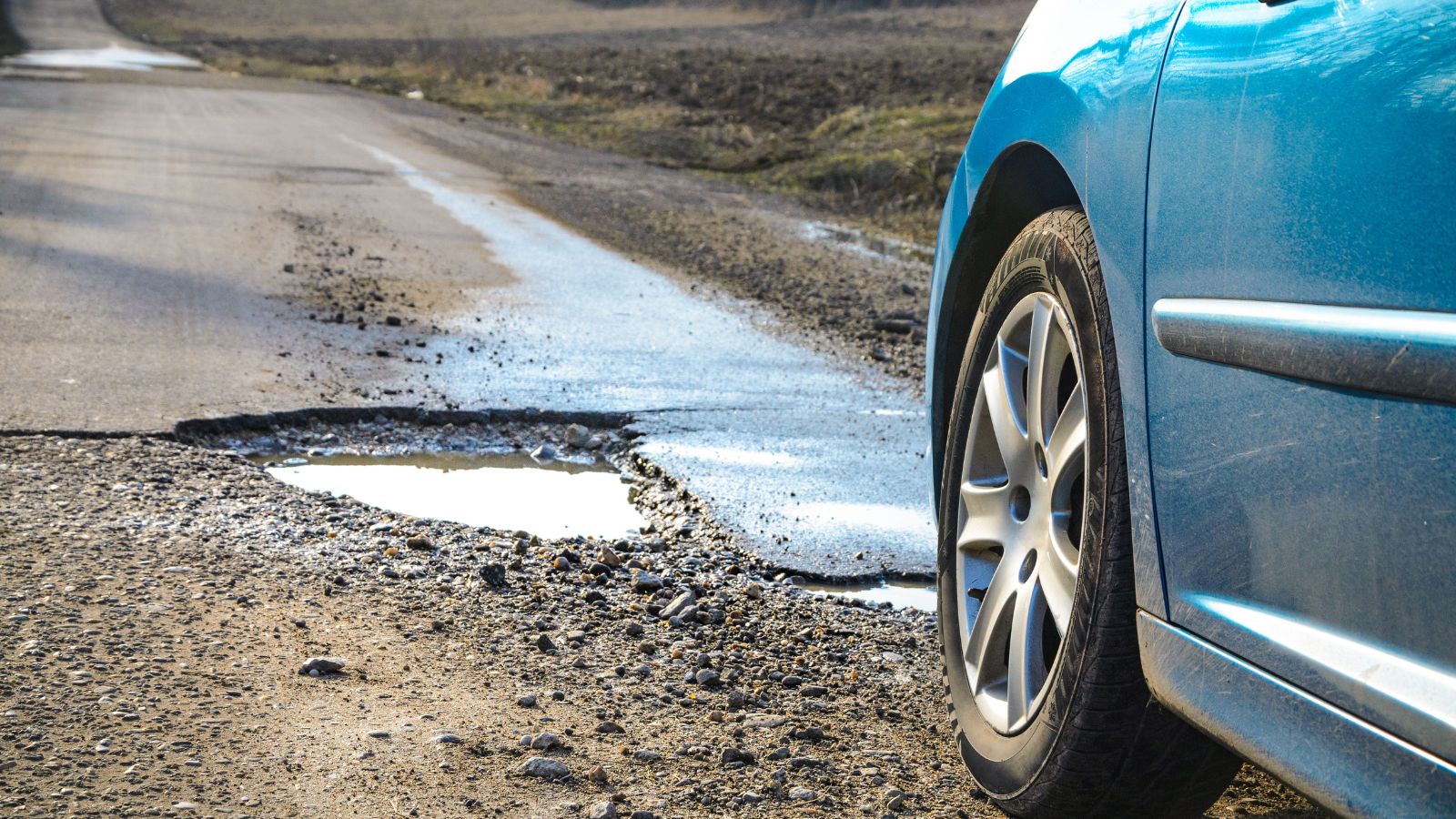
Spring potholes are almost a seasonal feature of Canadian driving, but surviving the impact without a flat tire does not guarantee that everything escaped unharmed. Toyota Canada warns that pothole strikes can produce alignment problems that are not immediately obvious. Poor alignment can then cause tires to wear quickly and unevenly, turning a single road impact into months of accelerated tread loss.
Tires can also suffer internal damage. Michelin Canada notes that a hard pothole impact can damage internal cords and create a sidewall bulge, even when the tire did not burst at the moment of impact. After a particularly severe hit, new vibration, steering pull, an off-centre steering wheel or unusual tire wear deserves investigation. A visual check for sidewall bubbles and wheel damage is worthwhile as well. Continuing to drive thousands of kilometres because “the tire held air” can allow hidden impact damage or misalignment to keep ageing other components long after the pothole has been forgotten.
Grinding Tires and Wheels Against Curbs
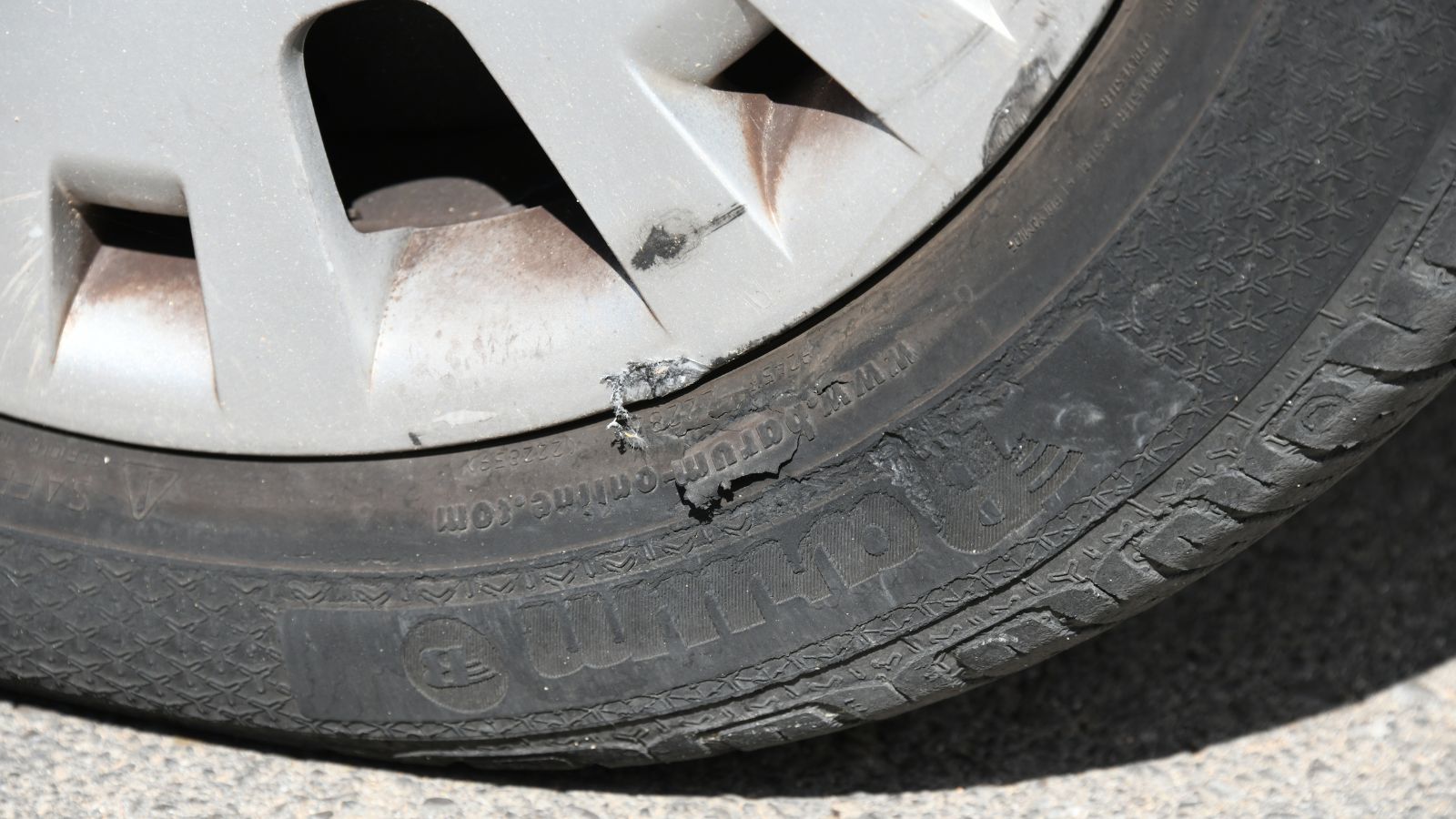
Low-speed parking does not look mechanically demanding, yet curb impacts can be surprisingly hard on tires. Michelin Canada explains that striking a curb can damage a tire’s internal structure and produce a bulge or bubble in the sidewall. A visible bulge is particularly serious because it can indicate damaged reinforcing cords rather than a harmless surface scuff.
The common habit of using the curb as a parking guide can also repeatedly scrape wheel finishes and place impacts into the same sidewall area. A light cosmetic rub is not automatically catastrophic, but a sharp strike followed by a new vibration, steering change, cut or bulge should not be ignored. Michelin advises replacement when structural sidewall damage is evident because that portion of the tire is not safely repairable in the same way as certain tread punctures. In crowded urban parking, leaving a few extra centimetres between the wheel and concrete is a simple way to avoid turning routine parking into premature tire replacement.
Accelerating Hard and Braking at the Last Moment
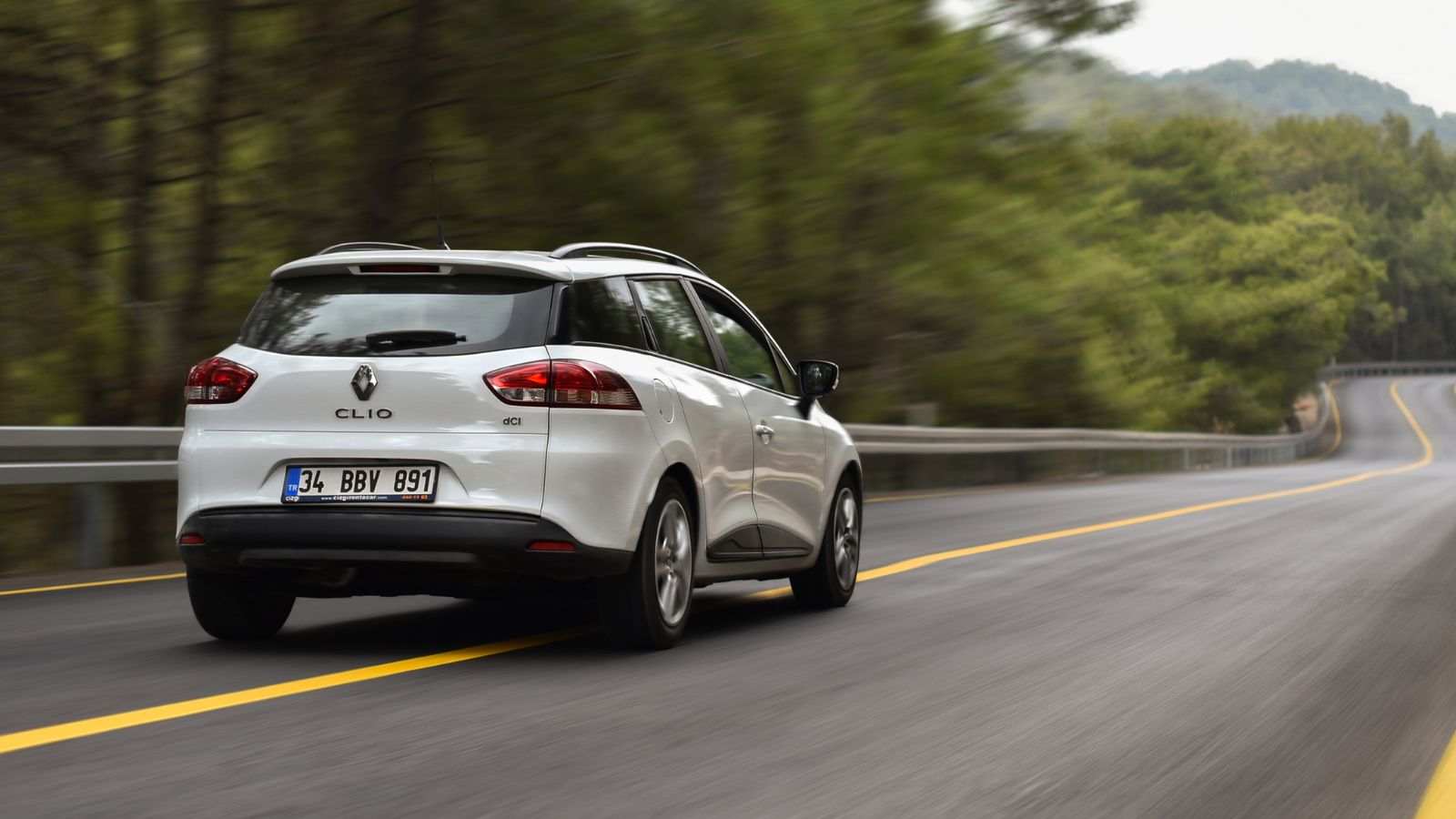
Rapid acceleration can be entertaining, especially in modern turbocharged cars and high-torque EVs, but repeated aggressive inputs make several wear items work harder. Natural Resources Canada points out that harder acceleration consumes more energy, while Michelin notes that aggressive acceleration can accelerate tire wear, particularly when high torque reaches the road instantly. Smooth throttle use reduces the amount of work demanded from the contact patches during everyday driving.
The same pattern appears at the other end of the block. Honda Canada explains that every brake application gradually wears friction material and that driving habits influence how quickly brake components need replacement. A driver who races toward each red light and brakes heavily converts far more vehicle energy into brake heat than someone who anticipates traffic and slows progressively. One enthusiastic merge will not age a car dramatically. Making maximum acceleration and abrupt stopping the default style, however, can noticeably shorten the useful life of tires and brakes over tens of thousands of kilometres.
Riding the Brakes Down Long Hills
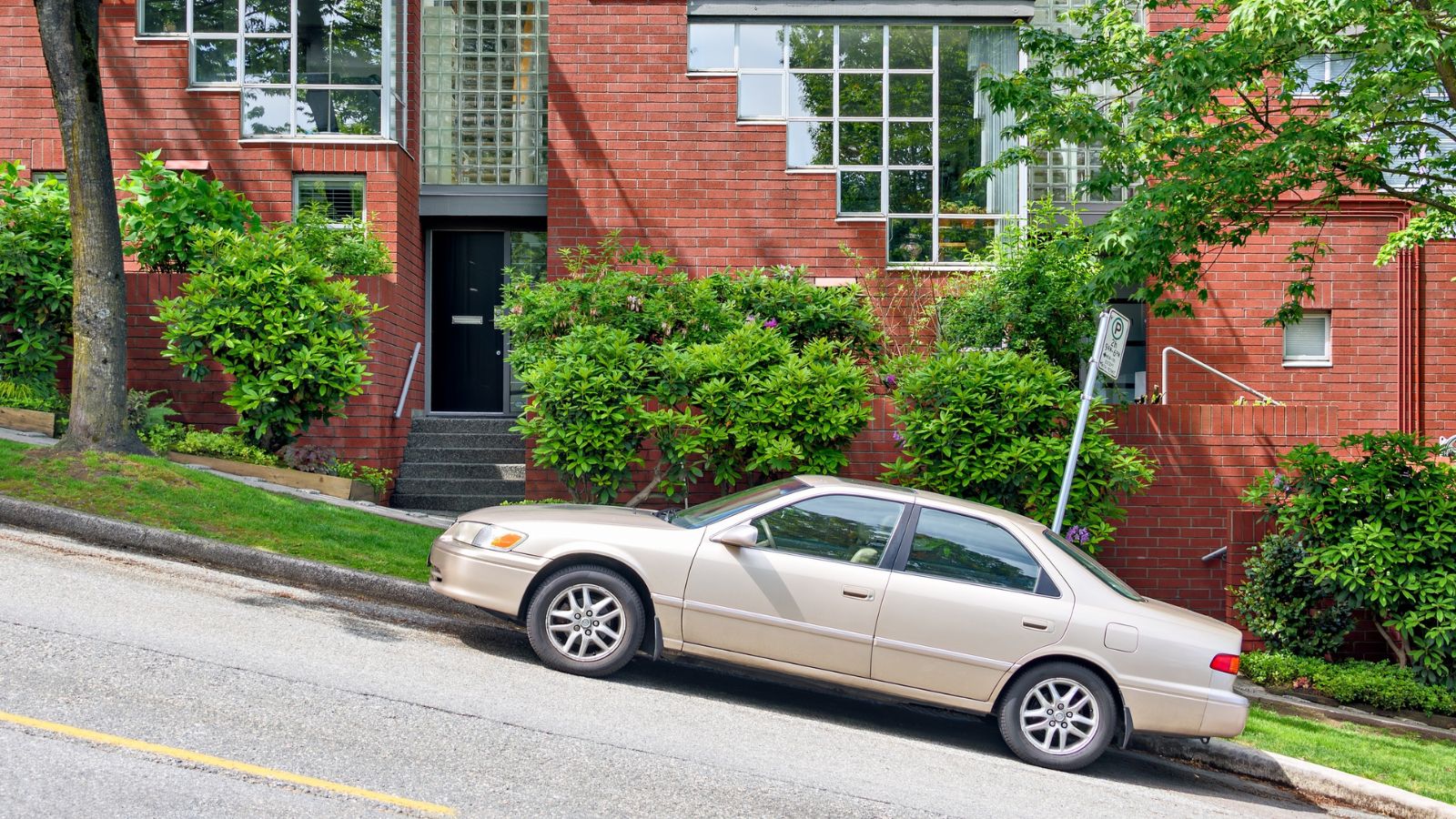
Holding the brake pedal continuously down a long descent feels controlled, but the braking system is turning the vehicle’s energy into heat for the entire time. Toyota Canada notes that steep declines can generate high brake temperatures. Because braking depends on friction, repeated or sustained heavy use also consumes pads and can place substantial thermal stress on rotors and surrounding components.
Canada has plenty of places where this matters, from mountain highways in British Columbia and Alberta to steep roads in parts of Quebec and Atlantic Canada. Modern vehicles may offer lower transmission ranges, engine braking, regenerative braking or dedicated downhill modes, depending on the powertrain. The owner’s manual is the correct guide because the recommended technique differs between conventional automatics, hybrids and EVs. The larger principle is simple: relying exclusively on the friction brakes for an entire extended descent makes them do more work than necessary. Controlled speed and the vehicle’s designed downhill features can reduce that burden.
Loading or Towing Beyond the Vehicle’s Ratings
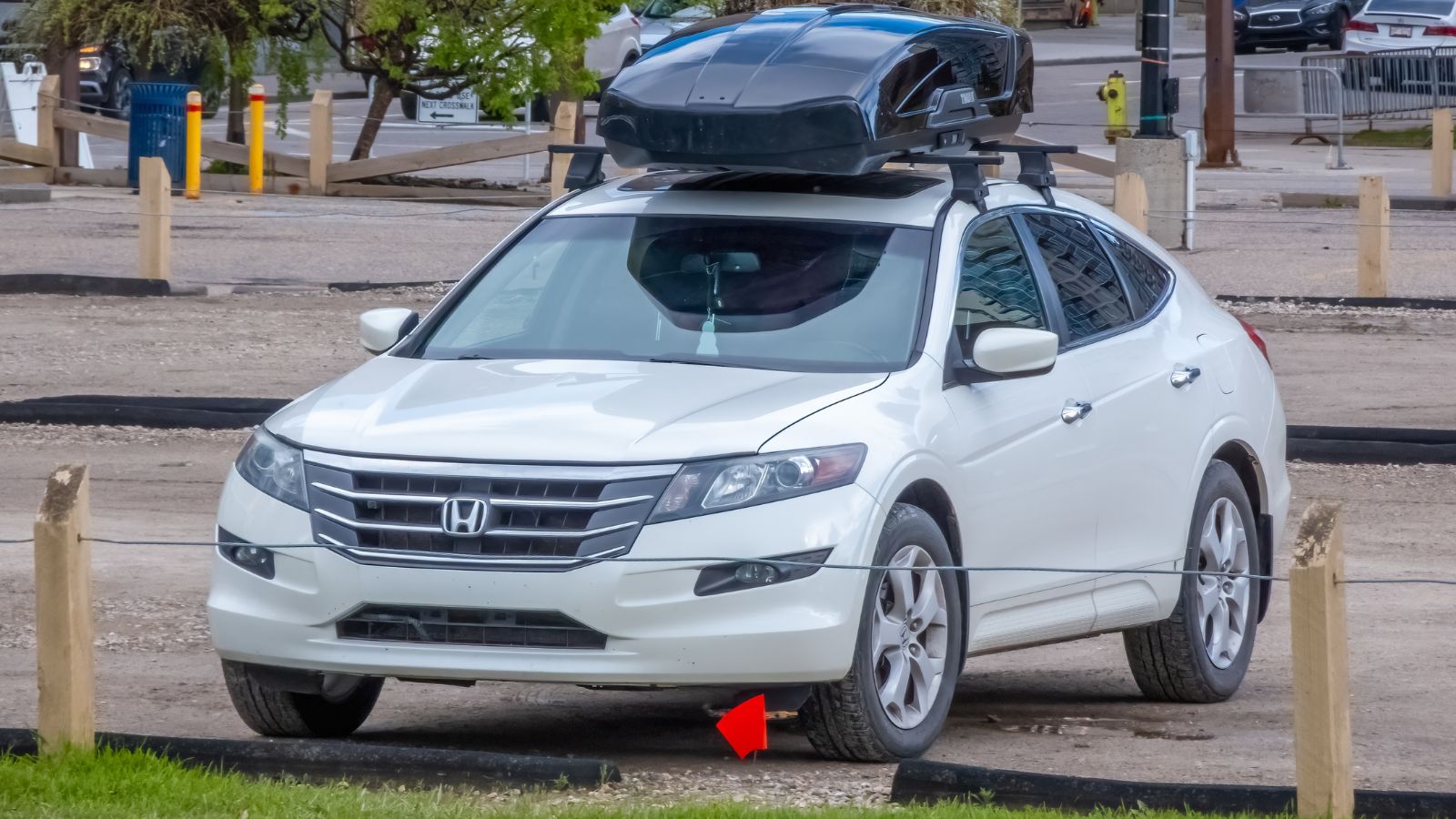
A vehicle may physically move with an overloaded cargo area or oversized trailer, but being able to pull away from the curb does not mean the combination is within its engineered limits. Ford Canada defines the Gross Vehicle Weight Rating as the maximum allowable loaded weight, while payload and towing limits account for passengers, cargo and equipment. Those numbers are safety and durability limits, not performance suggestions.
Canadian cottage and camping season creates familiar opportunities to get this wrong: four occupants, coolers, bicycles, roof cargo and a trailer can add weight faster than expected. Heavy towing may also qualify as severe service under some manufacturers’ maintenance requirements. Honda, for example, identifies heavy trailer use as an operating condition that can require additional maintenance attention. Drivers should therefore calculate total loads rather than looking only at the trailer’s empty weight. Staying within the ratings protects tires, brakes and powertrain components from loads they were not designed to carry.
Skipping Tire Rotations for Tens of Thousands of Kilometres
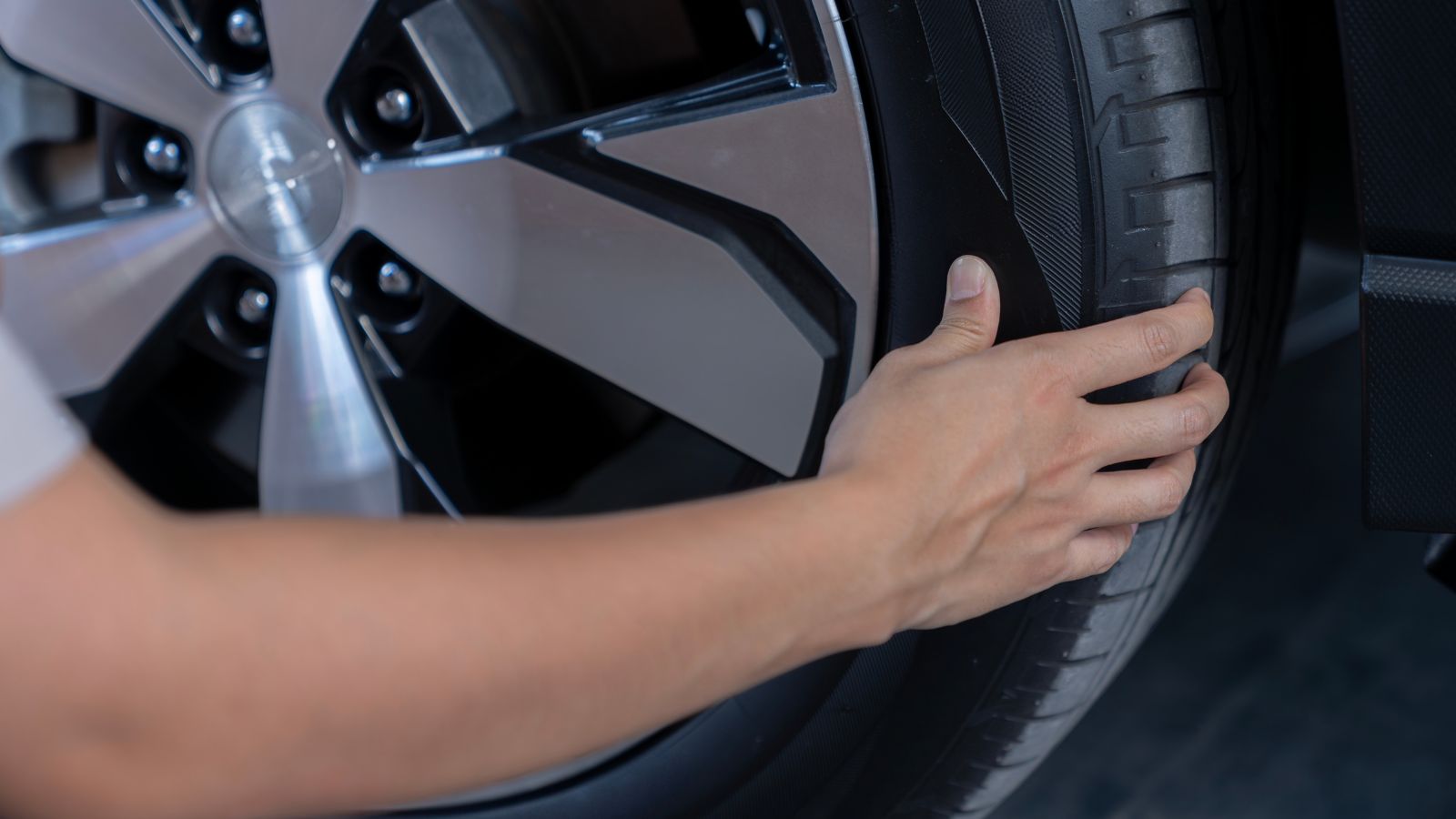
Tires do not normally wear at identical rates on every corner. Steering, braking, driven-wheel forces and vehicle weight distribution create different wear patterns. Michelin Canada says regular rotation can promote more even wear and extend tire life; without it, one pair may reach its replacement point while substantial tread remains on the other pair.
Michelin commonly discusses rotation in roughly the 8,000-to-12,000-kilometre range, although the vehicle manufacturer’s pattern and schedule should take priority. Toyota Canada likewise includes regular tire inspection and rotation in its Canadian maintenance guidance. A front-wheel-drive commuter that spends years without rotations may develop worn front shoulders while the rear tires still appear healthy, creating the impression that the tire model itself has poor longevity. Rotation cannot undo tread that is already gone, which is why waiting until the difference becomes obvious misses much of the benefit. Consistency, rather than one late rotation, is what helps a full set age more evenly.
Ignoring Signs That the Wheels Are Out of Alignment
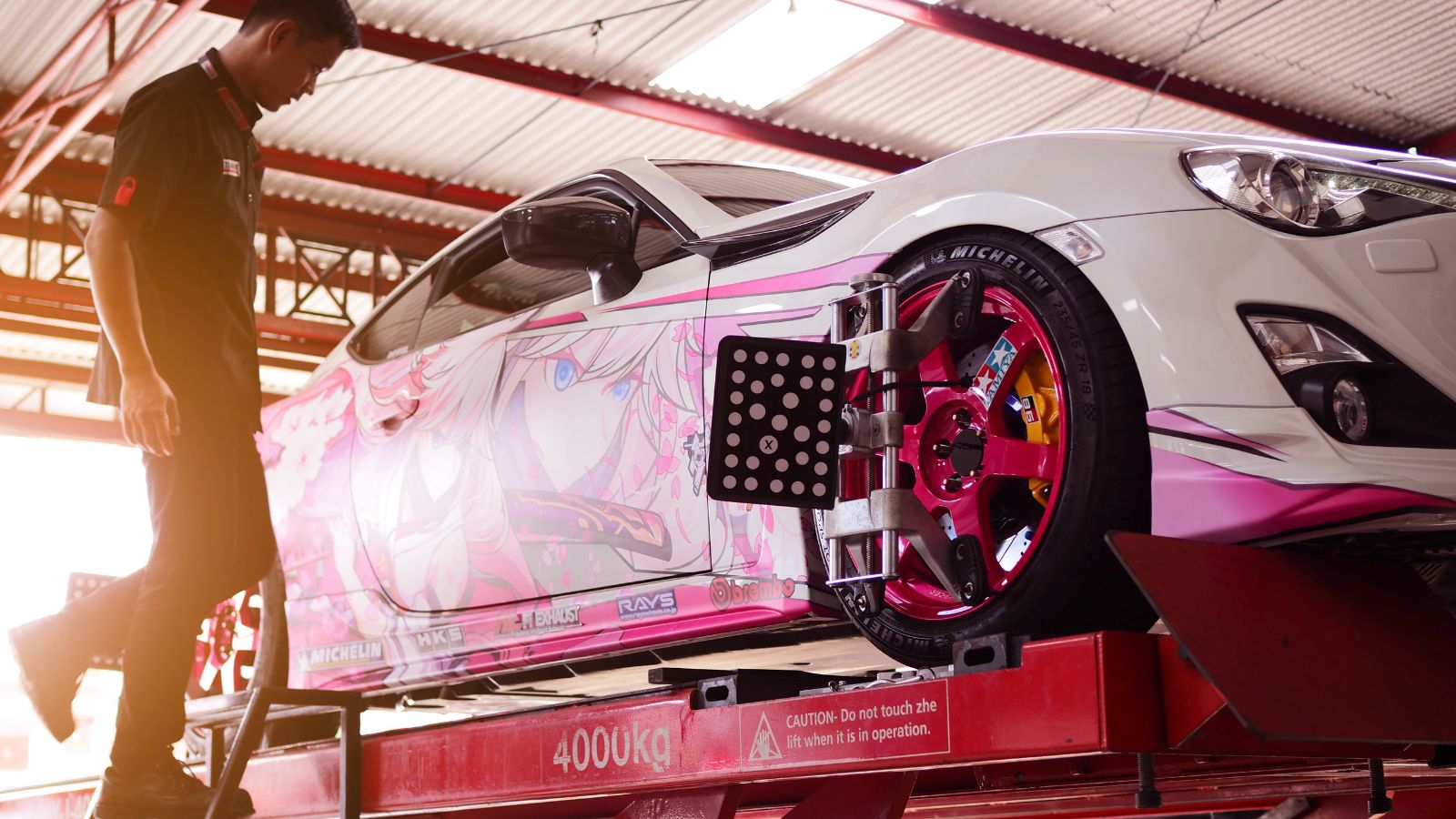
A steering wheel that sits slightly crooked on a straight road can become something a driver simply learns to tolerate. The tires cannot adapt in the same way. Michelin Canada warns that poor wheel alignment can produce rapid, uneven tread wear and shorten tire life. Instead of rolling squarely down the road, a misaligned tire may constantly scrub against the pavement at an incorrect angle.
Potholes and curb strikes are common triggers, but unusual wear, pulling or steering changes can provide the first clue. Alignment is therefore different from tire rotation: rotation moves tires between positions, while alignment corrects the angles at which the wheels meet the road. Rotating a badly misaligned set merely moves the wear problem somewhere else. After a hard spring pothole hit or repeated urban curb encounters, checking alignment can preserve tires that might otherwise be ruined long before their normal tread life. Uneven inner-edge wear is especially easy to miss unless the tires are inspected rather than viewed casually from beside the car.
Waiting for the 12-Volt Battery to Fail in Winter
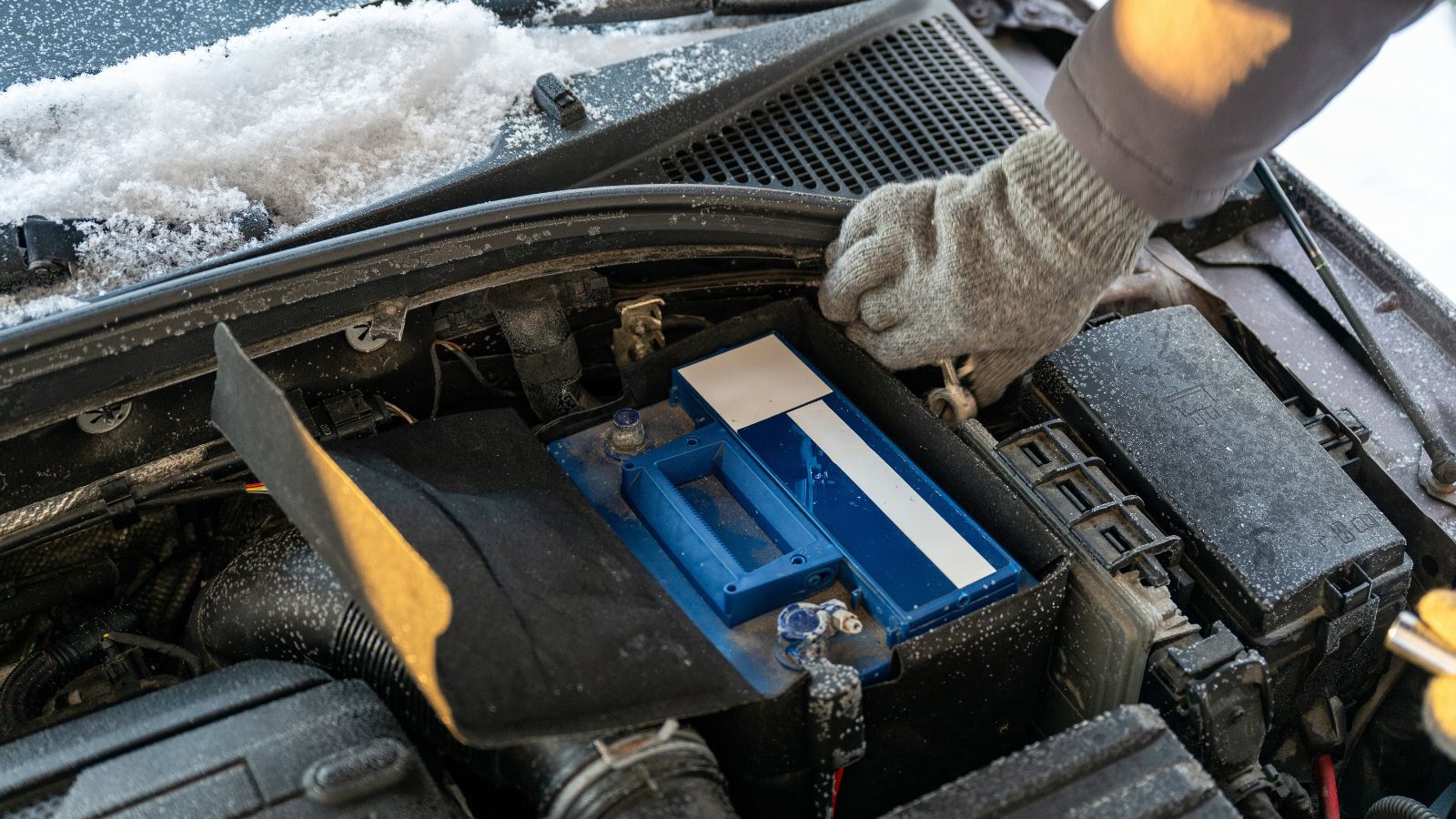
Many Canadian drivers think about the battery only after the starter produces a slow groan on the coldest morning of the year. Toyota Canada recommends checking battery condition and keeping terminals free of corrosion as part of winter preparation. Cold conditions expose weakness that may have been much less obvious during summer, especially as a conventional lead-acid battery gets older.
Battery life varies significantly with vehicle, climate and driving habits, but Toyota Canada has previously cited roughly 4.5 to five years as a typical lifespan for batteries in Canadian light vehicles. That is not an expiry date; some fail earlier and others last longer. It is a reminder that an ageing battery deserves testing rather than blind optimism. Short-trip vehicles can be particularly easy to overlook because they may start normally for months before winter reveals reduced reserve capacity. Cleaning corroded terminals and having an older battery tested before severe cold is far easier than discovering its condition in a frozen parking lot.
Treating Red Dashboard Warnings Like Optional Reminders
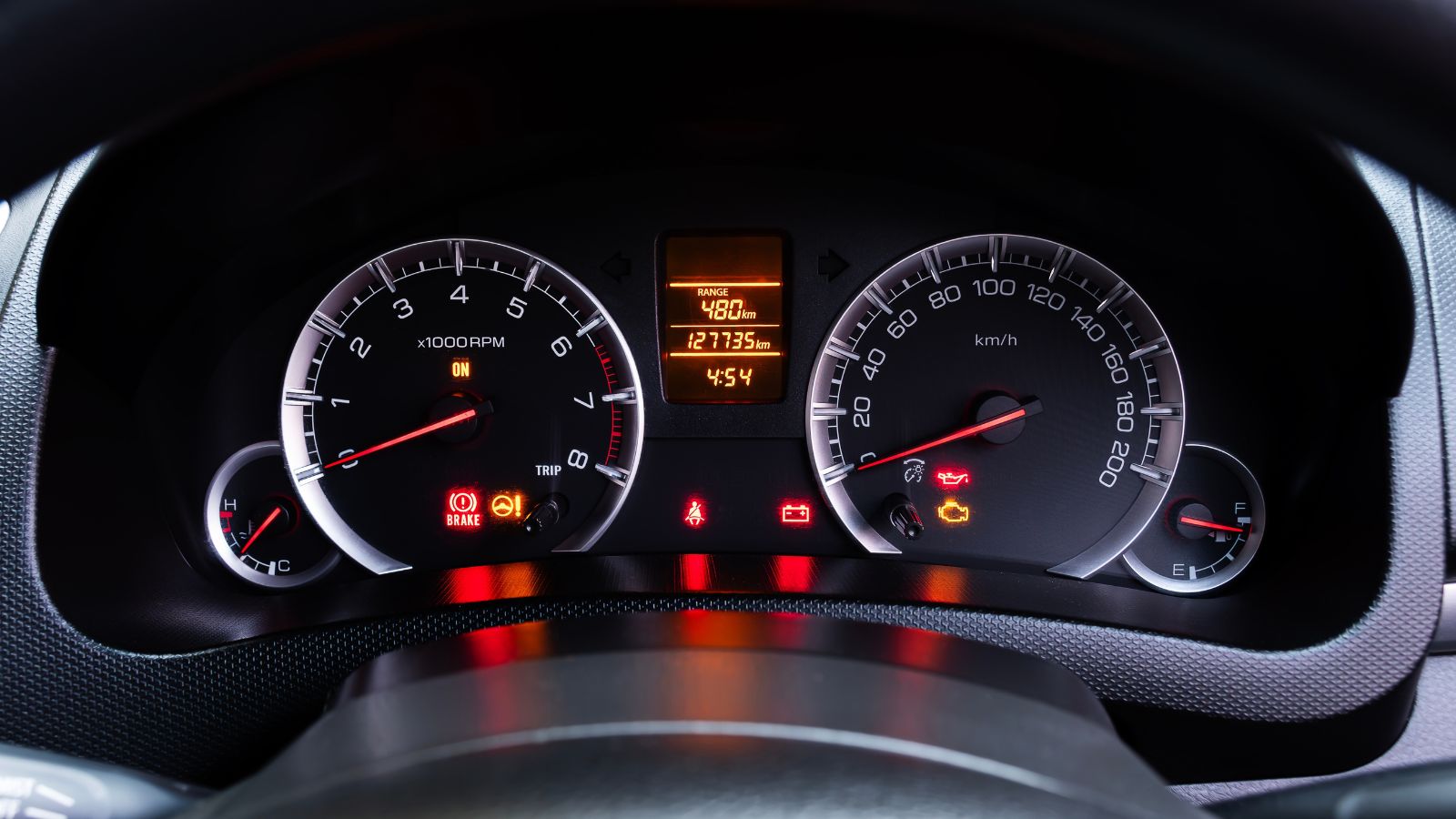
Not every dashboard symbol means immediate mechanical danger, but some emphatically do. Honda Canada instructs drivers to stop and investigate when a low engine-oil-pressure warning appears, and its guidance likewise treats overheating and certain temperature warnings as conditions requiring prompt action. Continuing to drive with inadequate oil pressure or serious overheating can move a problem from repairable to catastrophic very quickly.
That distinction matters because modern dashboards contain everything from maintenance reminders to urgent red alerts. A yellow service message that schedules routine maintenance is not equivalent to a red oil-pressure or temperature warning. Drivers who become accustomed to living with harmless-looking lights can begin treating all of them as background decoration. The better habit is to learn what the vehicle’s specific symbols mean in the owner’s manual. If a warning indicates loss of lubrication or excessive temperature, “getting home first” may be an expensive gamble. Promptly stopping where safe can protect an engine from damage that progresses with every additional kilometre.
Pouring In Whatever Engine Oil Happens to Be Available
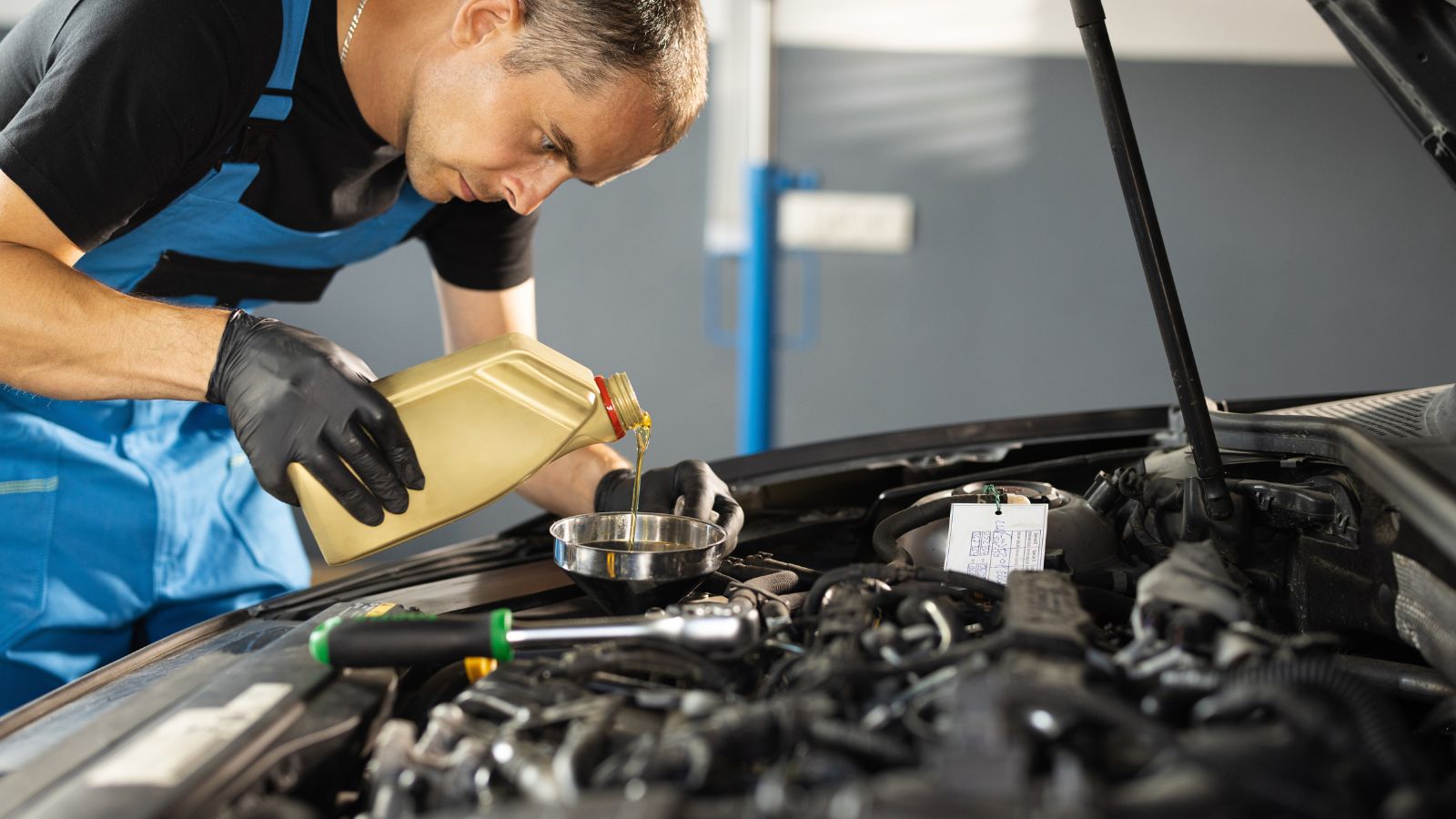
Engine oil is not interchangeable simply because two bottles look similar. Manufacturers specify viscosity grades and performance standards for particular engines, and those specifications can be especially important during Canadian cold starts. Honda Canada explains that suitable low-viscosity oil can circulate more rapidly when cold, improving lubrication during a period when engine wear protection matters greatly. Ford Canada likewise directs owners to use oil specified for the particular model year, model and engine.
That does not mean every Canadian car should receive 0W-20, nor that thicker oil automatically provides better protection in an older engine. Different engines require different grades and standards. The oil-filler cap and owner’s manual normally provide the correct starting point. Substituting a random viscosity based on what was used in a previous vehicle can alter cold-flow behaviour and move the engine away from its intended lubrication specification. During a January start at deeply sub-zero temperatures, choosing the manufacturer-approved oil is considerably more meaningful than choosing whatever bottle was cheapest at the service counter.
Forgetting the Timing Belt on Engines That Still Use One
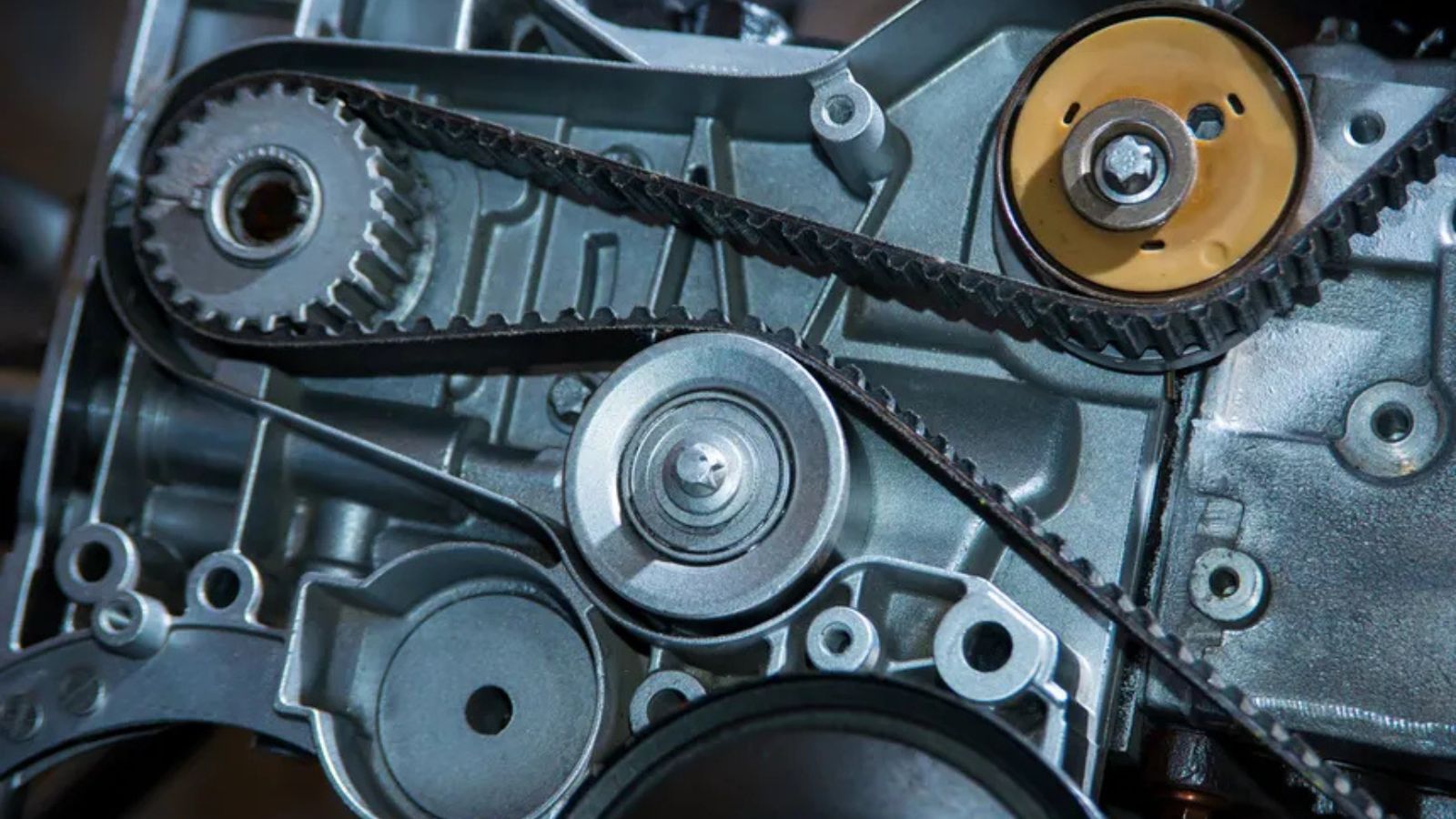
Timing belts are easy to neglect because they can remain hidden behind covers and operate normally until the day they do not. Honda Canada describes replacement at the specified interval as critical for vehicles equipped with a timing belt. Toyota similarly warns that belts can stretch, crack and become brittle over time and that a broken belt can result in major internal engine damage.
This does not apply to every vehicle. Many engines use timing chains instead, and belt replacement schedules vary substantially by manufacturer and engine. The vulnerable situation is often an older used car whose service records disappeared several owners ago. A vehicle may look immaculate and run perfectly while an overdue belt remains one of its largest unanswered maintenance questions. Checking the maintenance history soon after purchasing a used vehicle can therefore matter more than immediately replacing cosmetic items. When an engine is belt-equipped, scheduled preventive replacement is far cheaper and more predictable than discovering the belt’s service limit through sudden mechanical failure.
Driving on Worn Brakes Until They Grind
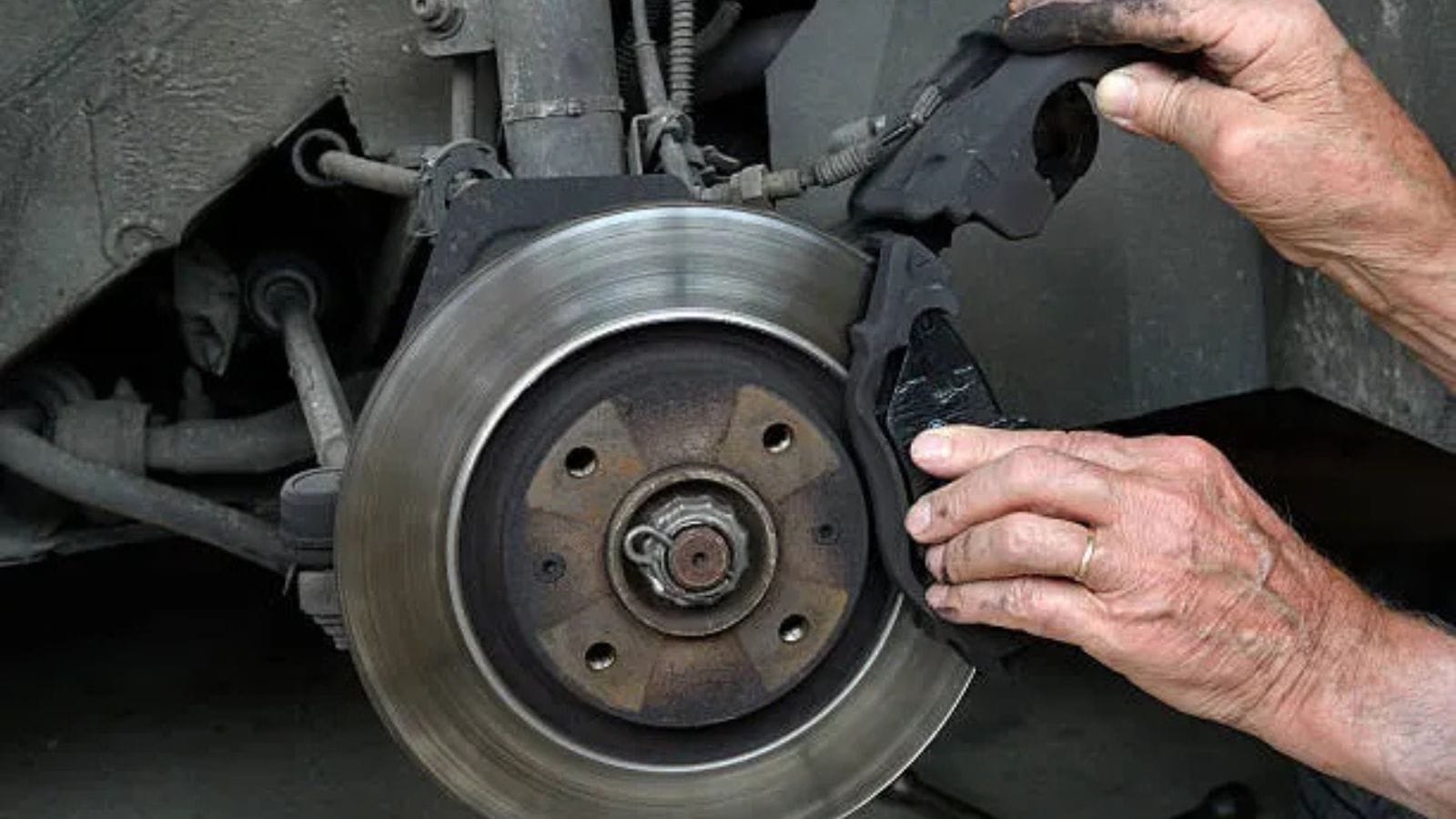
Brake pads are designed to wear, but the rest of the braking system should not have to wear with them. Honda Canada notes that every brake application gradually consumes friction material and that replacement timing depends partly on driving conditions and habits. Toyota recommends regular brake inspection and service to promote smooth operation and even wear, particularly where winter moisture, road contamination and corrosion are involved.
Waiting for a grinding sound can mean the inexpensive wear material has already reached a point where harder components are being affected. Toyota identifies deep rotor grooving as a sign of severe brake wear. In Canadian conditions, winter salt and moisture add another reason not to treat brake servicing as a summer-only concern. A squeal, vibration, change in pedal feel or grinding noise deserves inspection rather than months of adaptation. Brake pads are ordinary maintenance items; damaged rotors, seized hardware and badly deteriorated assemblies cost considerably more. Servicing wear components while they are still doing their intended job helps keep the entire braking system ageing normally.
19 Used Cars Canadians Should Avoid in 2026 (Based on Owner Complaints)

Buying a used car in Canada can feel safe until repair bills start stacking up. Owner complaints tell a different story than glossy listings. Transmission failures, electrical problems, and weak winter reliability show up again and again in consumer reports. Many of these issues appear after warranties expire, when owners least expect them. Some vehicles look affordable upfront, but become expensive to keep on the road. Others struggle in cold weather, urban driving, or long highway commutes. Here are 19 used cars Canadians should avoid in 2026 (based on owner complaints).
19 Used Cars Canadians Should Avoid in 2026 (Based on Owner Complaints)

Alanna Rosen is an experienced content writer that focuses on many EV and educational content. Her articles are regularly published on Get CyberTrucked and syndicated on large publications.