
The first snowfall has a way of exposing problems that seemed harmless in mild weather. A weak battery suddenly refuses to turn the engine, worn tires struggle for grip, and neglected wipers turn a routine commute into a visibility problem. Preparing before snow reaches the pavement gives drivers time to correct those issues without the pressure of a storm already underway.
These 21 checks cover the parts of a vehicle most likely to matter when temperatures fall and roads become snowy, icy or slushy. Some involve familiar maintenance, while others—such as checking the spare tire, floor mats, exhaust system and charging strategy for an electric vehicle—are easy to overlook. A careful fall inspection can make the first serious winter drive far less eventful.
Install Proper Winter Tires Before Snow Arrives
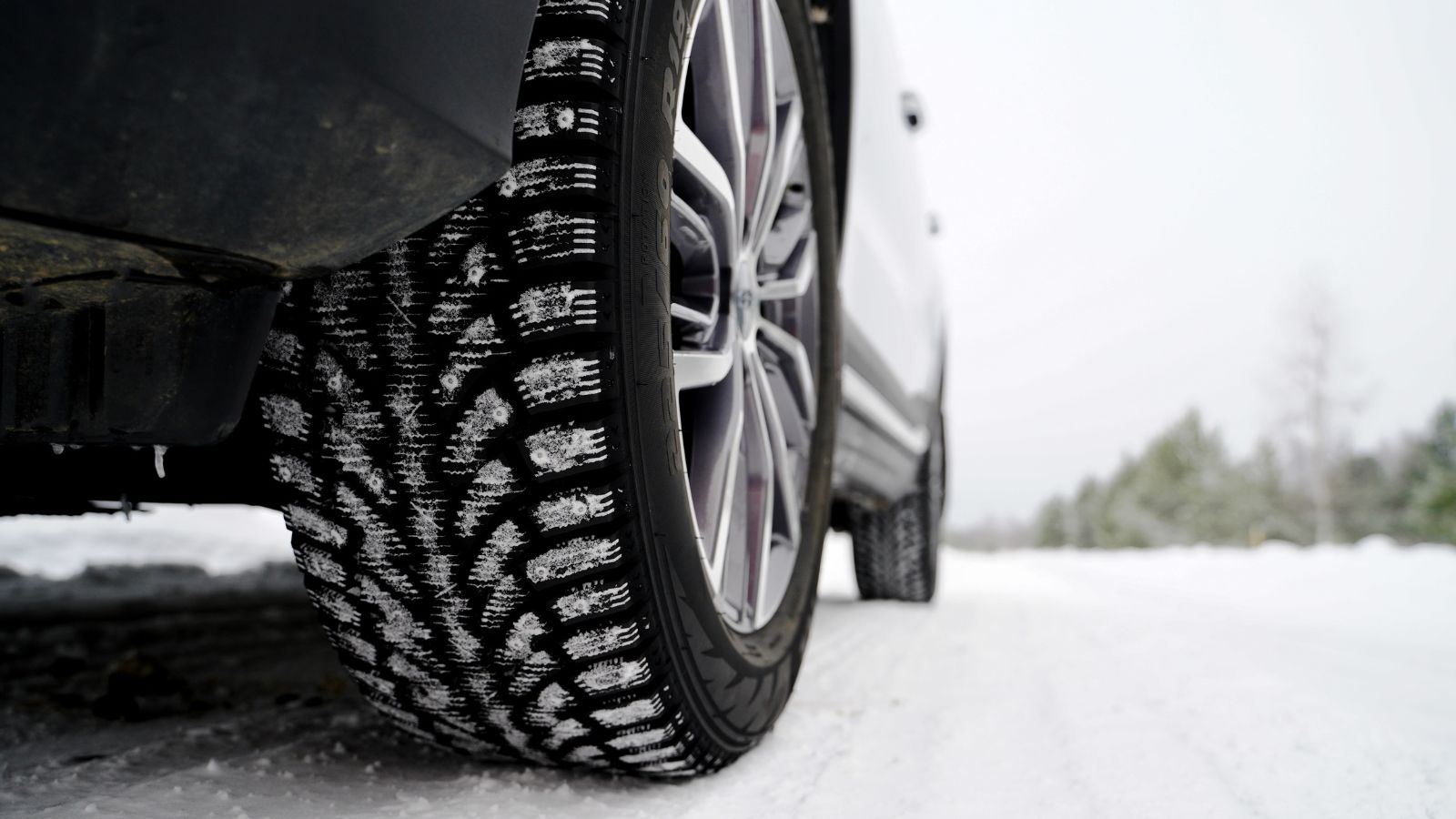
Winter tires should be treated as preparation for cold weather rather than something to buy after the first difficult commute. Transport Canada recommends winter tires on all wheels when driving in cold, snowy or icy conditions. Their rubber compounds and tread patterns are designed specifically to maintain better traction as temperatures fall.
Installing four matching winter tires also helps preserve predictable handling. Mixing tire types can leave the front and rear axles with different levels of grip, particularly during braking or cornering. CAA notes that winter-tire rubber remains flexible in cold conditions while conventional all-season compounds become less flexible around temperatures below 7°C. That means a dry but freezing November morning can already provide a reason to have the seasonal change completed. Booking installation early also avoids the familiar rush that begins when a forecast suddenly includes the season’s first significant snowfall.
Measure the Tread Instead of Judging Tires by Appearance

A winter tire can still look aggressive while having lost much of the tread depth that made it effective when new. Drivers should inspect all four tires for worn areas, cuts, bulges, cracking and objects embedded in the tread rather than assuming another season of service remains simply because the tire still looks usable.
Transport Canada advises against using tires worn close to 4 mm, or 5/32 of an inch, on snow-covered roads. That recommendation is more conservative than the minimum tread depths commonly associated with basic tire replacement because winter traction depends heavily on adequate tread. Deep grooves help the tire work through loose snow and slush instead of simply riding over them. Uneven wear deserves attention as well because it may point to alignment, suspension or inflation problems. Measuring several points around each tire takes only minutes and can reveal considerably more than a quick glance in the driveway.
Check Tire Pressure While the Tires Are Cold
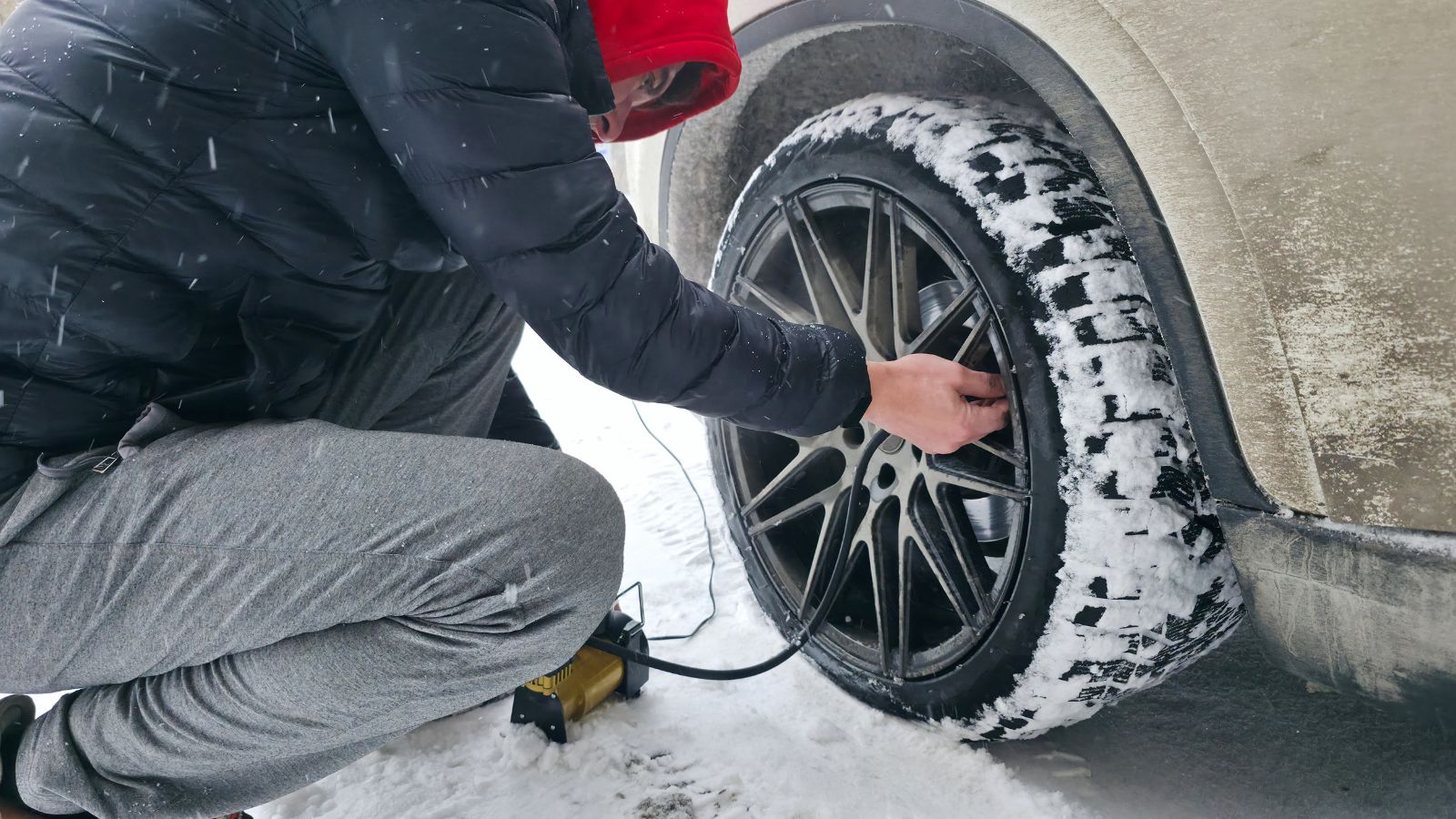
One of autumn’s first cold mornings can produce an unexpected tire-pressure warning even when no tire has developed a leak. Air pressure naturally falls as temperature falls. Transport Canada says tire pressure decreases by roughly 7 kPa, or 1 psi, for every 5°C drop in temperature, making fall an especially important time for inflation checks.
Pressure should be measured when the tires are cold and adjusted to the vehicle manufacturer’s specification shown on the door-frame placard or in the owner’s manual. The maximum pressure printed on a tire’s sidewall is not the vehicle’s recommended operating pressure. NHTSA recommends checking tires at least monthly and notes that a tire-pressure monitoring system is not a replacement for manual inspection. A September pressure reading that seemed perfect can therefore be noticeably low after several weeks of falling temperatures. Rechecking after the first major cold snap is an inexpensive habit that helps maintain consistent handling and tire performance.
Inspect the Spare Tire or Emergency Repair Equipment
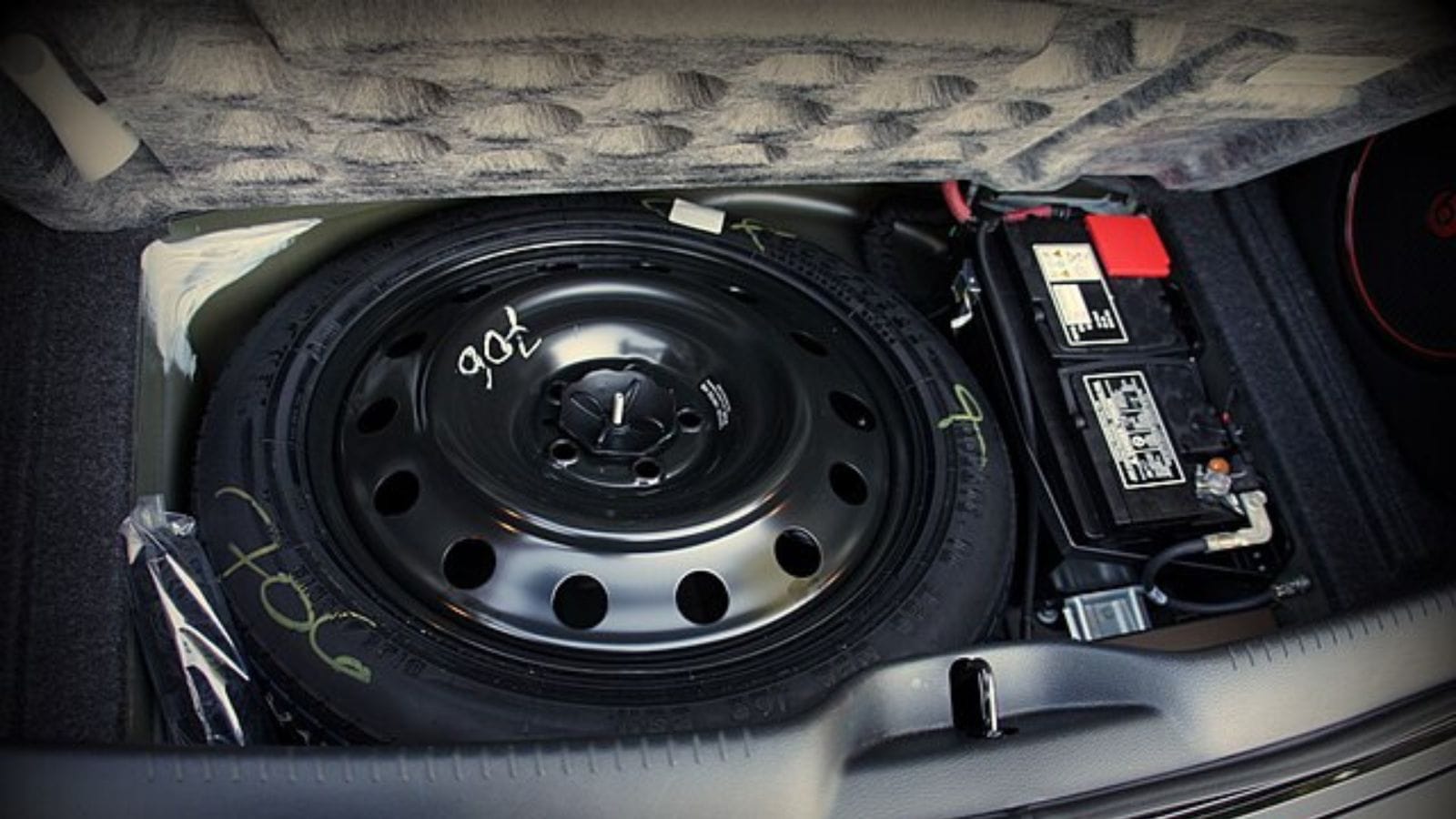
Drivers often inspect the four tires touching the pavement while forgetting the one hidden underneath the cargo floor. NHTSA specifically recommends checking the spare during regular tire inspections. A rarely used spare can quietly lose pressure for months or years, leaving it practically useless when a puncture occurs on a snowy roadside.
The preparation is slightly different for vehicles that no longer carry a conventional spare. Many newer cars instead come with an inflator, compressor, sealant kit or another temporary mobility system. Drivers should identify what their particular vehicle actually provides and review the owner’s manual before an emergency occurs. Imagine discovering at night, during freezing rain, that the jack is missing or that nobody in the vehicle knows where the tow hook is stored. Checking the equipment in a warm garage takes far less effort. The goal is not simply having emergency hardware onboard; it is knowing that everything needed for the vehicle’s particular system is present and ready to use.
Have the Battery and Charging System Tested
Cold weather is unforgiving toward a marginal 12-volt battery. NHTSA notes that battery power decreases as temperatures fall while gasoline and diesel engines require more battery power to start in cold conditions. A vehicle that started normally throughout summer can therefore become a no-start vehicle on the first genuinely cold morning.
CAA recommends inspecting the battery for corrosion, moisture, swelling and other visible problems and notes that batteries in the three-to-five-year age range may be approaching failure. A proper test can evaluate more than whether the engine happens to start today; technicians can assess battery condition and charging-system performance before winter puts them under heavier demand. Connections should also be secure and free from problematic corrosion. The human side of this check is familiar to anyone who has heard a starter slow to a reluctant crawl outside an office at the end of a freezing day. Testing beforehand is considerably easier than arranging a boost afterward.
Check the Ignition System on Gasoline Engines
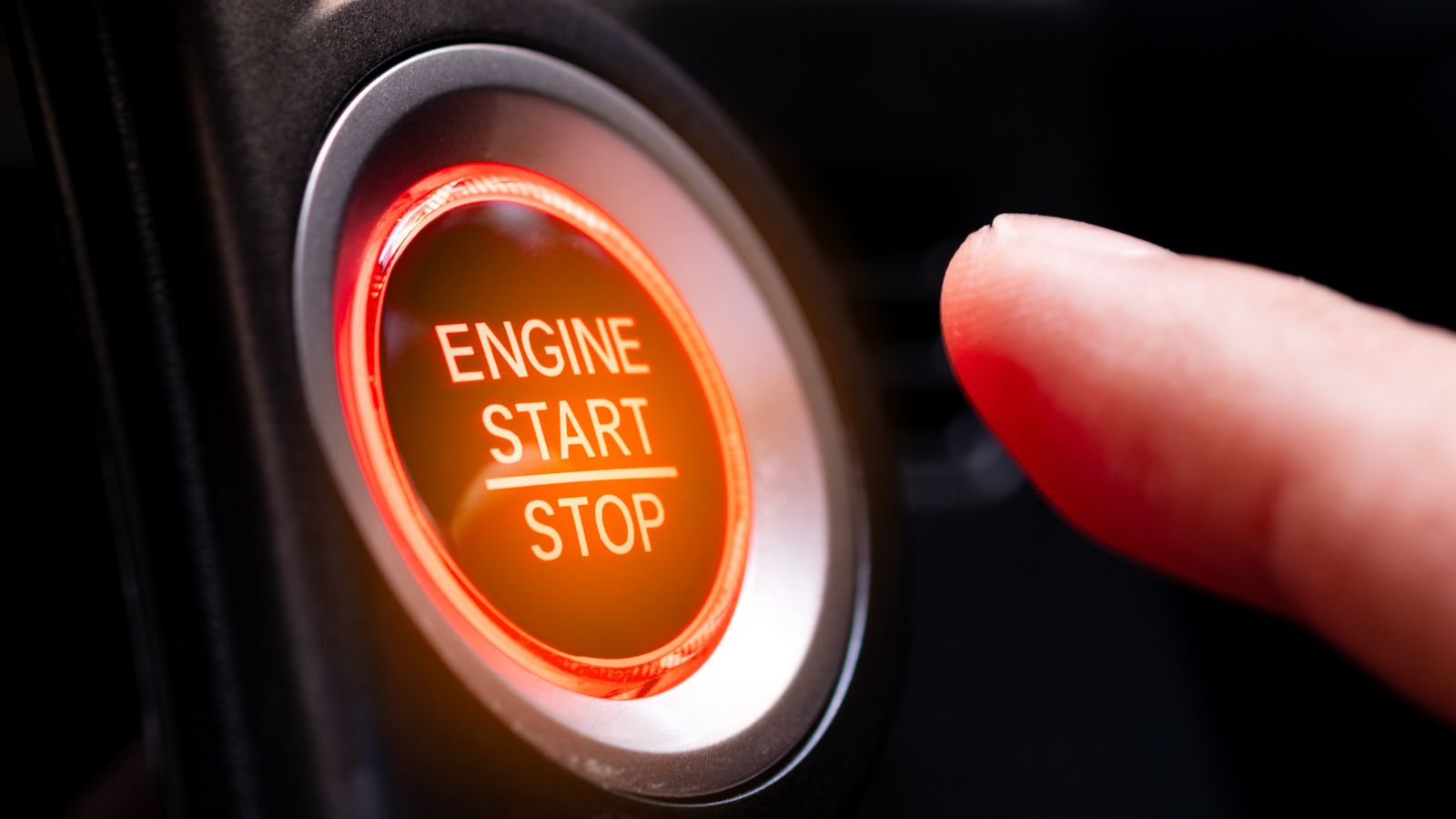
A healthy battery cannot compensate indefinitely for an engine that already has ignition problems. CAA recommends checking ignition components as part of winter preparation, including spark plugs and, on vehicles that use them, ignition wires and distributor components. Modern vehicles may use coil-on-plug ignition systems instead, so the appropriate service depends on the model.
Drivers should pay attention to symptoms that have already appeared during warmer weather: extended cranking, rough starts, hesitation, misfires or an illuminated check-engine light. Cold starts can place additional demands on an engine, making fall a poor time to ignore a problem that has been developing quietly. The answer is not to replace ignition parts arbitrarily; service intervals and diagnostic procedures vary substantially between vehicles. Instead, maintenance records and the owner’s manual should guide the inspection. A vehicle that starts promptly and runs cleanly before temperatures plunge is much less likely to transform the first cold morning into an unexpected troubleshooting session.
Test the Coolant and Antifreeze Protection
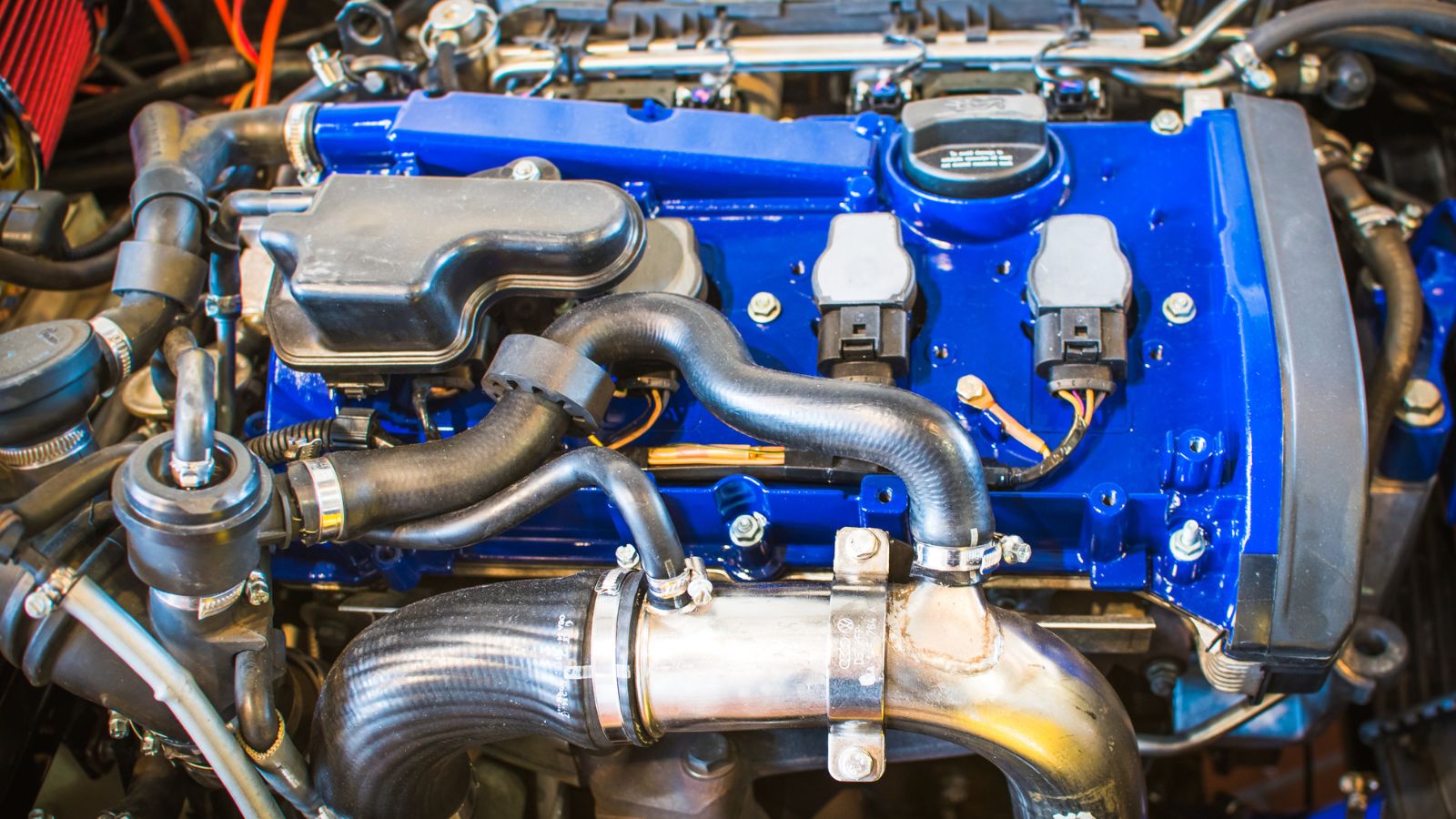
Coolant earns attention in both summer and winter because the cooling system must operate across a wide temperature range. Before winter, NHTSA recommends checking that the vehicle contains enough coolant, that it meets the manufacturer’s specifications, and that the system is inspected for leaks. Coolant condition and freeze protection can also be tested rather than guessed.
Drivers should resist the temptation to top up a modern cooling system with whatever bottle happens to be available. Manufacturers specify particular coolant formulations, and requirements vary by vehicle. The reservoir should be checked according to the owner’s manual, normally when the engine is safely cool. Any unexplained drop in level, visible leak or recurring temperature warning deserves investigation. CAA also recommends testing coolant strength and ensuring the heating and cooling system works correctly. That simple check matters because the same system helping protect the engine from freezing temperatures is also tied closely to cabin heating and windshield defrosting on many combustion-powered vehicles.
Fill the Reservoir With Winter Windshield Washer Fluid
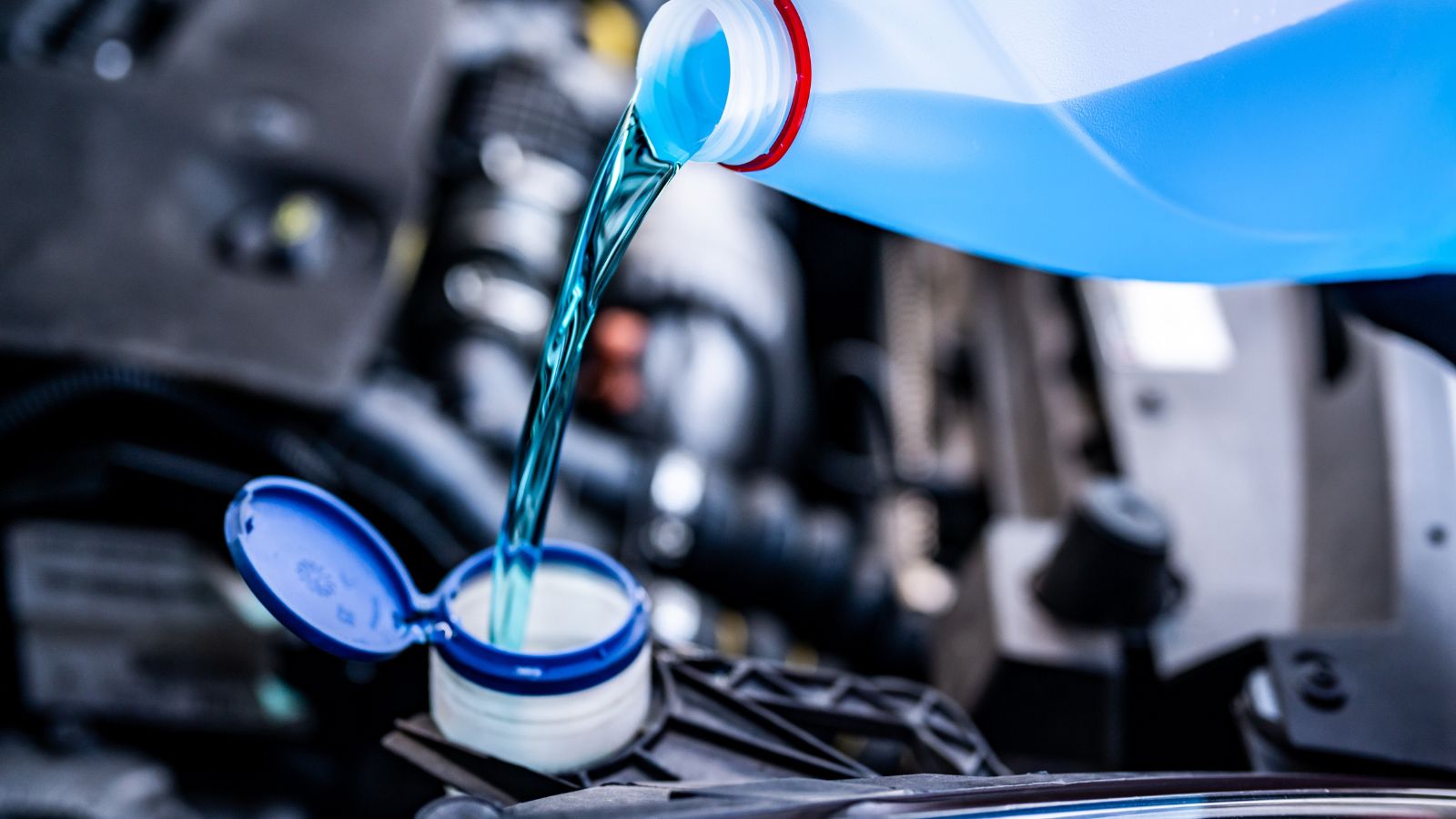
A nearly empty washer reservoir can become a significant problem once roads are coated with salt, sand and dirty slush. NHTSA warns that vehicles can consume a large quantity of washer fluid during a single snowstorm and recommends filling the reservoir with winter-grade fluid containing de-icer before winter conditions arrive.
The temperature rating matters. CAA recommends winter washer fluid rated to approximately -40°C for severe Canadian conditions and advises carrying additional fluid in the vehicle. Drivers should therefore check the label rather than assuming every blue liquid on a store shelf offers the same freeze protection. A useful real-world test is simple: activate the washers before the first storm and confirm that the pump, nozzles and spray pattern work properly. Discovering a clogged nozzle while following a transport truck through salty highway spray is far less convenient. Visibility problems develop quickly in winter, making a full reservoir one of the cheapest and most practical preparations on the entire list.
Replace Wipers That Streak, Skip or Leave Uncleared Areas
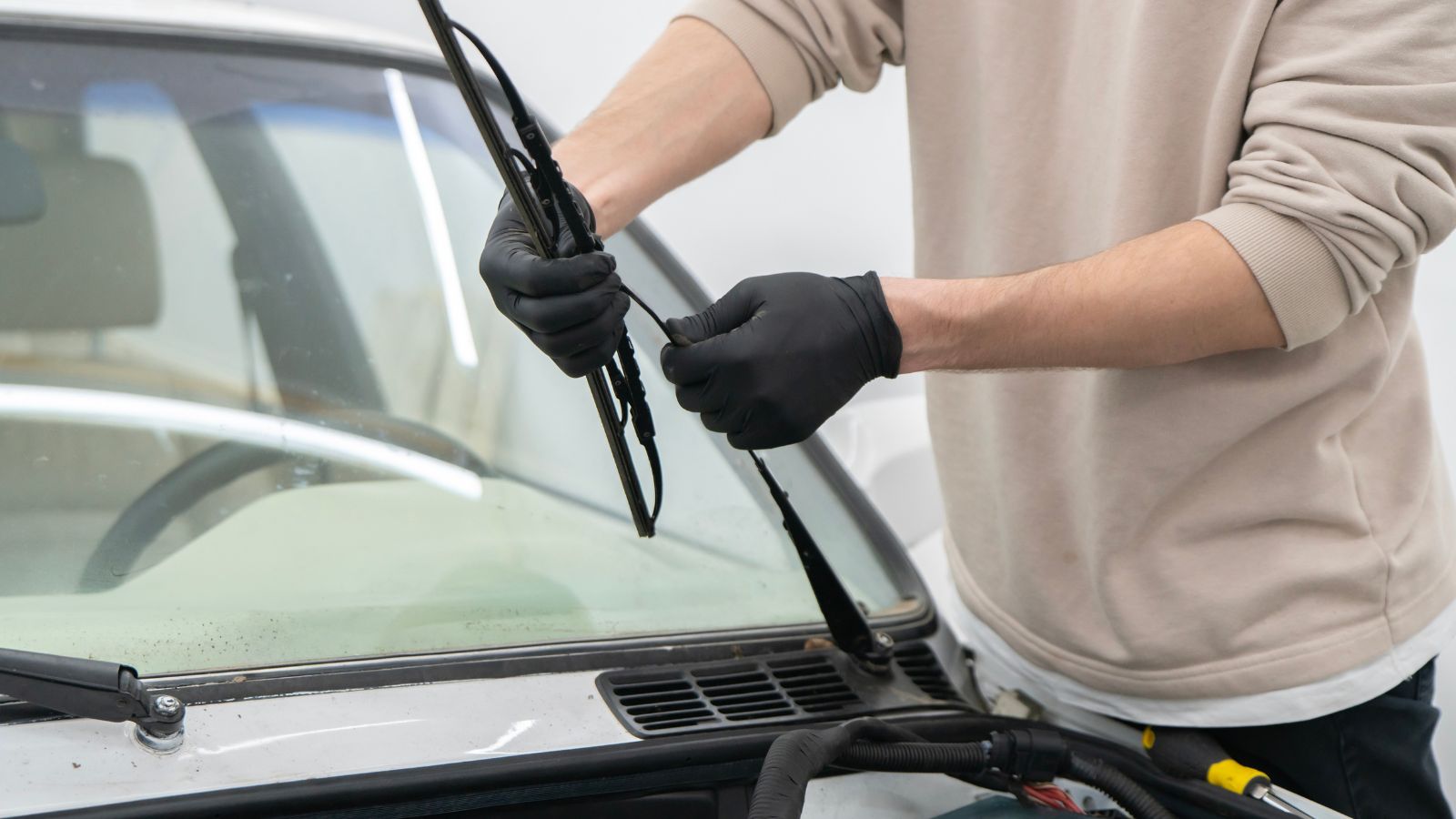
Windshield wipers often deteriorate gradually enough that drivers adapt to worsening performance without noticing how much visibility has been lost. Fall provides a good opportunity to operate both front and rear wipers, where fitted, and look for streaking, chatter, missed sections, cracked rubber or blades that no longer sit properly against the glass.
NHTSA recommends replacing worn blades and says drivers in areas receiving substantial snow and ice may consider heavy-duty winter wipers. CAA notes that an average wiper blade may last only about six months, although actual service life varies with climate, use and blade construction. The important test is performance, not simply age. A worn blade that seems tolerable during light autumn rain can become frustrating when confronted with wet snow and road spray. Washer fluid and wipers work as a system, so both need to be functional before snowfall. Spending a few minutes watching the blades sweep a wet windshield can reveal problems that are otherwise easy to miss.
Test the Heater and Both Defrosters
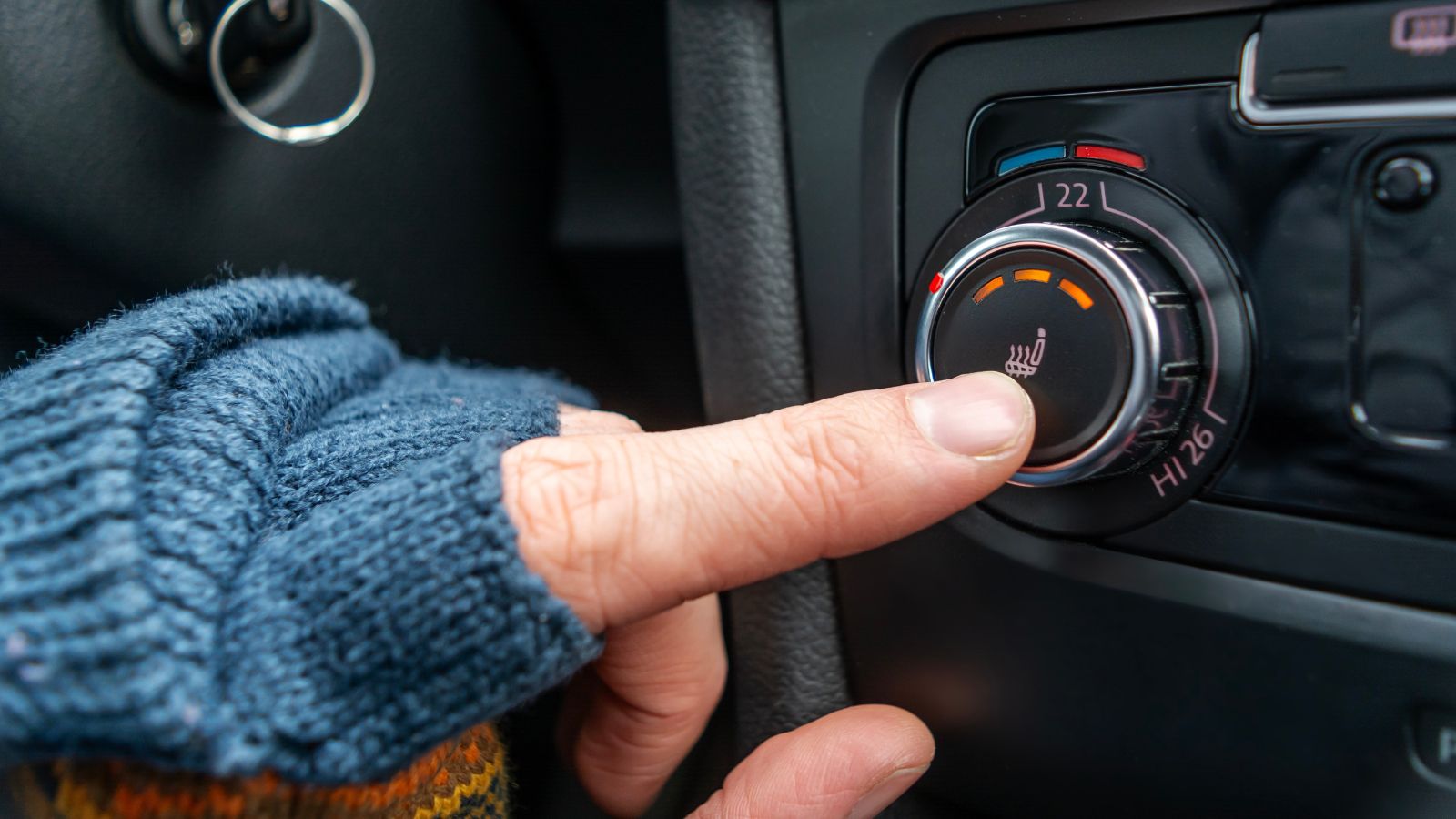
Cabin heat is usually discussed as a comfort feature, but the defrosting system serves a direct visibility function. NHTSA recommends confirming that defrosters work before winter, including rear-window equipment where fitted. CAA likewise includes the heater and defroster in its winter vehicle check.
The inspection should happen before the windshield is covered in frost. Start the vehicle, select the appropriate defrost setting and make sure strong airflow reaches the windshield. Check the rear defroster and heated mirrors if the vehicle has them. Weak airflow, unusual smells or a system that never produces adequate heat can indicate a problem worth diagnosing before temperatures fall further. Drivers should also learn the climate-control settings recommended in their owner’s manual; newer automatic systems may manage humidity and airflow differently from older vehicles. Anyone who has scraped the outside of a windshield only to have the inside immediately fog over understands why a properly functioning defroster deserves to be considered safety equipment rather than merely a winter convenience.
Check Every Exterior Light
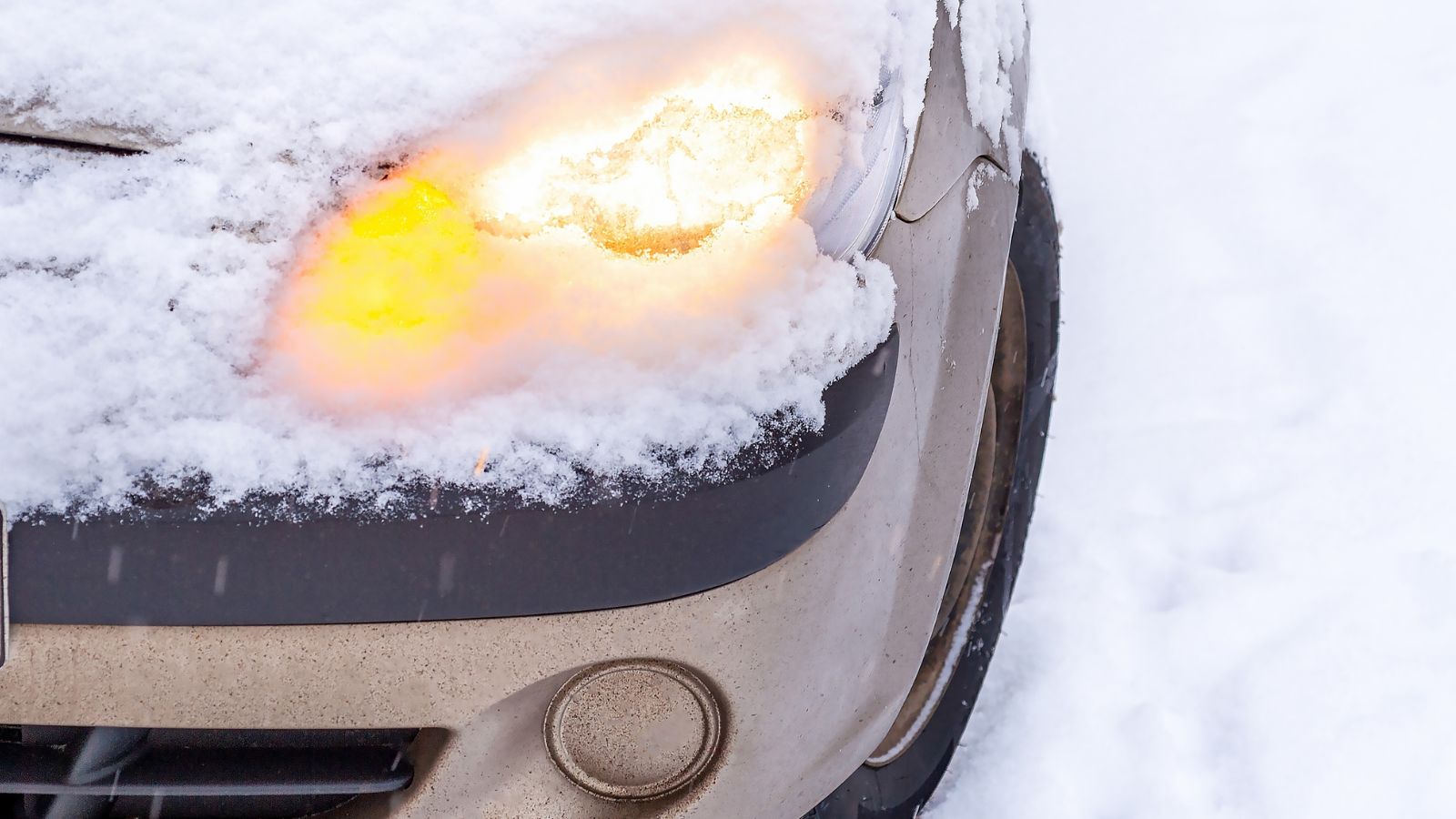
Winter driving often combines darkness, falling snow, spray and reduced contrast, so functioning lights become especially important. NHTSA’s winter checklist specifically calls for inspection of headlights, brake lights, turn signals, emergency flashers and interior lights, along with trailer lighting when applicable.
A complete check is easier with two people, although reflections from a garage door or building can help a lone driver verify some functions. Test low beams, high beams, signals, four-way flashers, brake lamps and reverse lamps, then look for cracked housings or accumulated dirt. CAA also recommends making sure headlights are properly aimed. A bulb that failed unnoticed during a bright summer evening becomes much more obvious during a dark snowstorm. Modern vehicles may use LED assemblies rather than replaceable bulbs, but that does not eliminate the need to check them. The objective is simple: before weather deteriorates, confirm that the driver can see the roadway and that other road users can clearly see the vehicle’s intentions.
Have Questionable Brakes Inspected Before Roads Become Slick
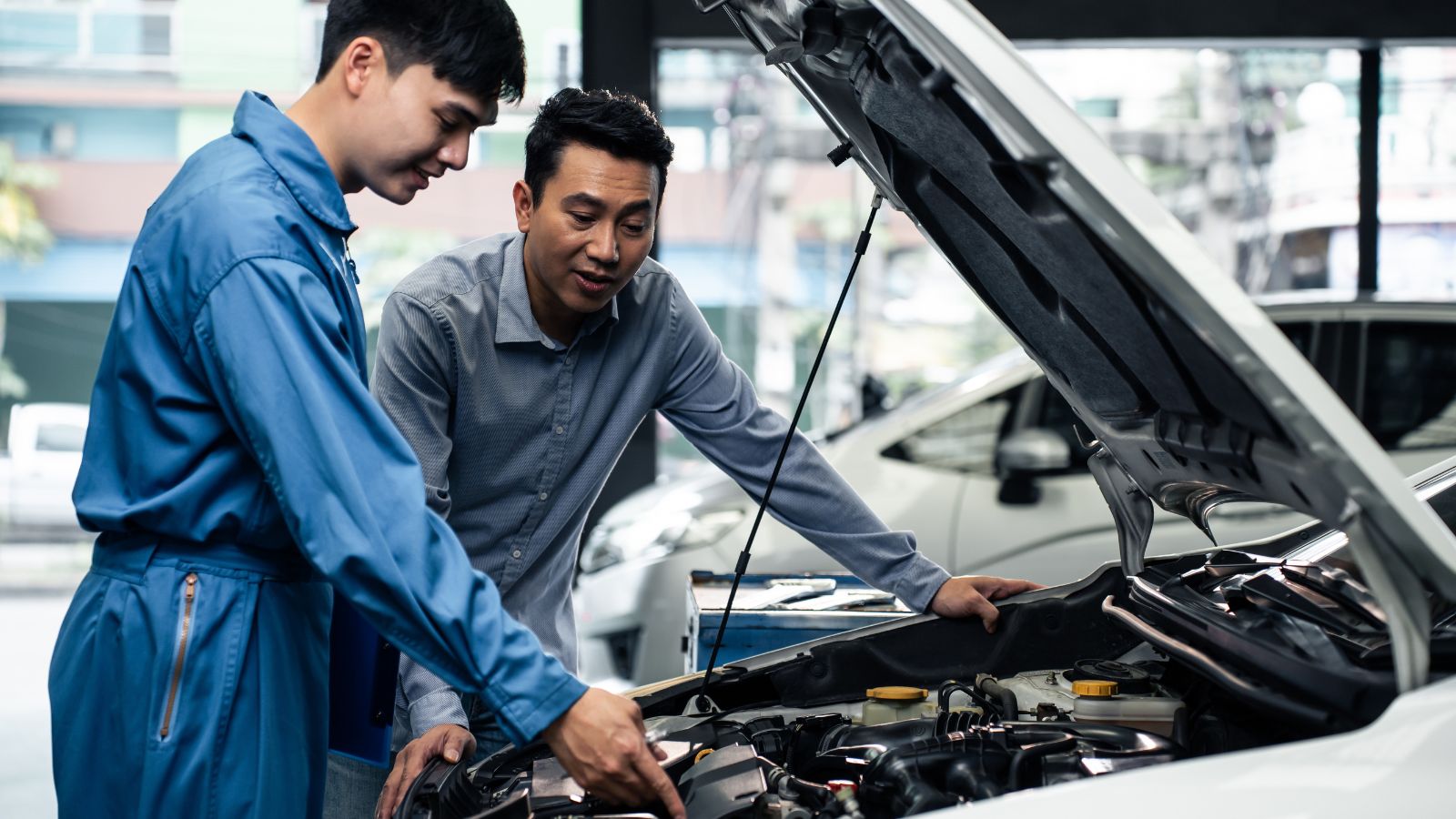
Snow and ice cannot be overcome by perfect brakes, but worn or malfunctioning brakes add another problem to an already reduced-traction environment. CAA advises servicing brakes when drivers notice changes in pedal feel or sounds such as squealing or grinding. Those warning signs should be addressed before the first slippery commute rather than monitored through winter.
An inspection may include pad or shoe condition, rotors or drums, fluid condition and the operation of relevant brake-system components. Drivers should also know whether their vehicle has an anti-lock braking system. NHTSA explains that ABS is designed to prevent wheel lock during braking and generally calls for firm, continuous pedal pressure rather than pumping the pedal when ABS is operating. That technology does not create extra tire grip; tires still determine how effectively braking forces can reach the road. A vehicle with healthy brakes and good winter tires therefore starts the season with two critical parts of its stopping system functioning as intended.
Review Oil and Other Essential Fluid Levels
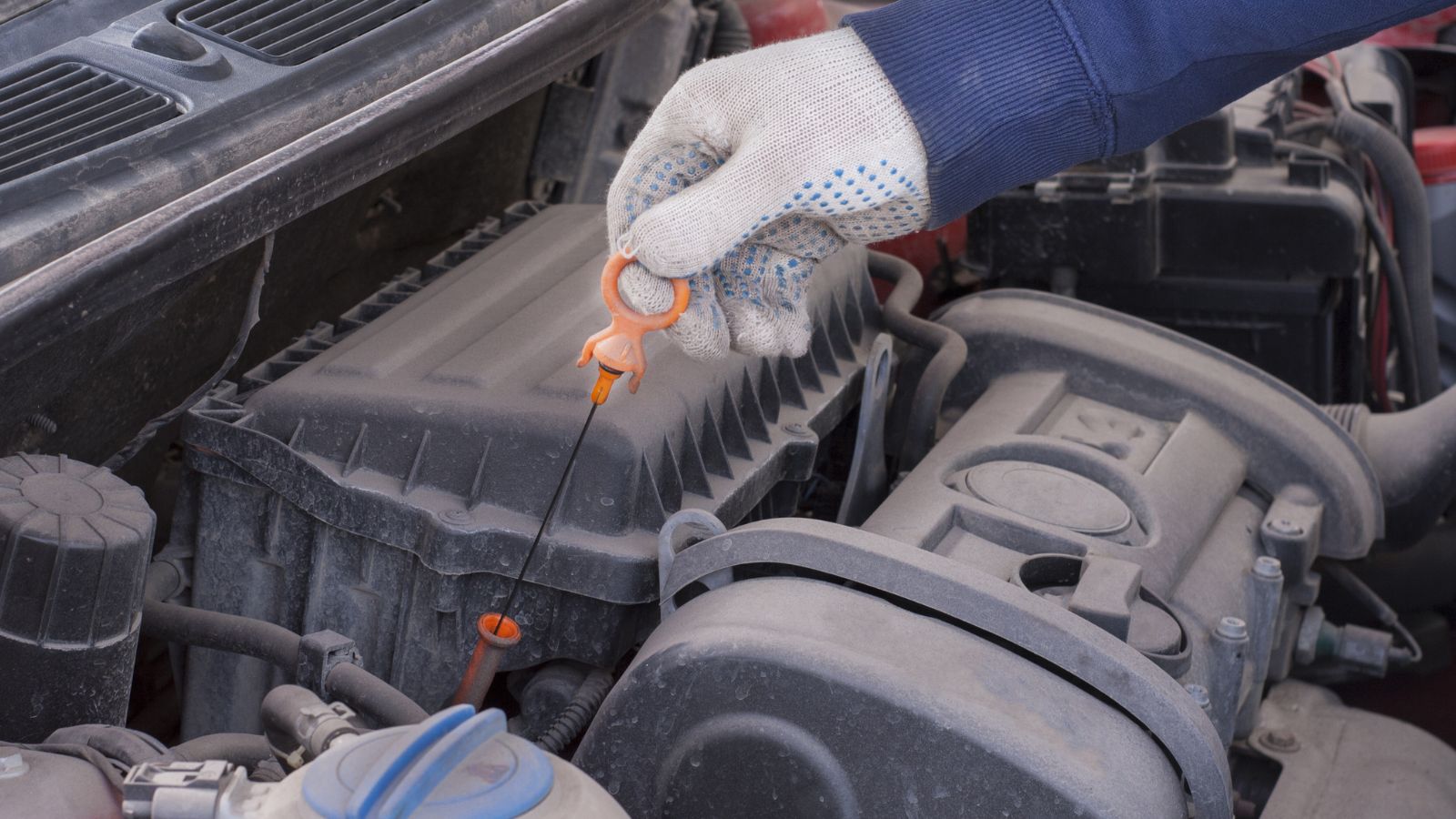
Winter preparation is a useful reminder to catch overdue routine maintenance. NHTSA recommends checking engine oil along with brake fluid, transmission or clutch fluid, power-steering fluid where applicable, and windshield washer fluid. Electric vehicles have fewer conventional service fluids, but owners should still follow the applicable fluid inspections specified by their manufacturers.
The key is to follow the vehicle’s maintenance schedule rather than relying on a universal mileage or calendar rule. Modern engines may specify different oil viscosities, standards and service intervals, while some transmissions have very specific inspection procedures. Drivers should look underneath the vehicle and around the engine compartment for evidence of unexplained leakage. A low reservoir should not automatically be treated as something that merely needs topping up; repeated fluid loss can indicate a repair issue. Completing scheduled maintenance before winter also reduces the chance that a service warning will appear just as temperatures plunge and appointment schedules at repair shops become crowded with cold-weather breakdowns.
Inspect Belts and Hoses for Visible Deterioration
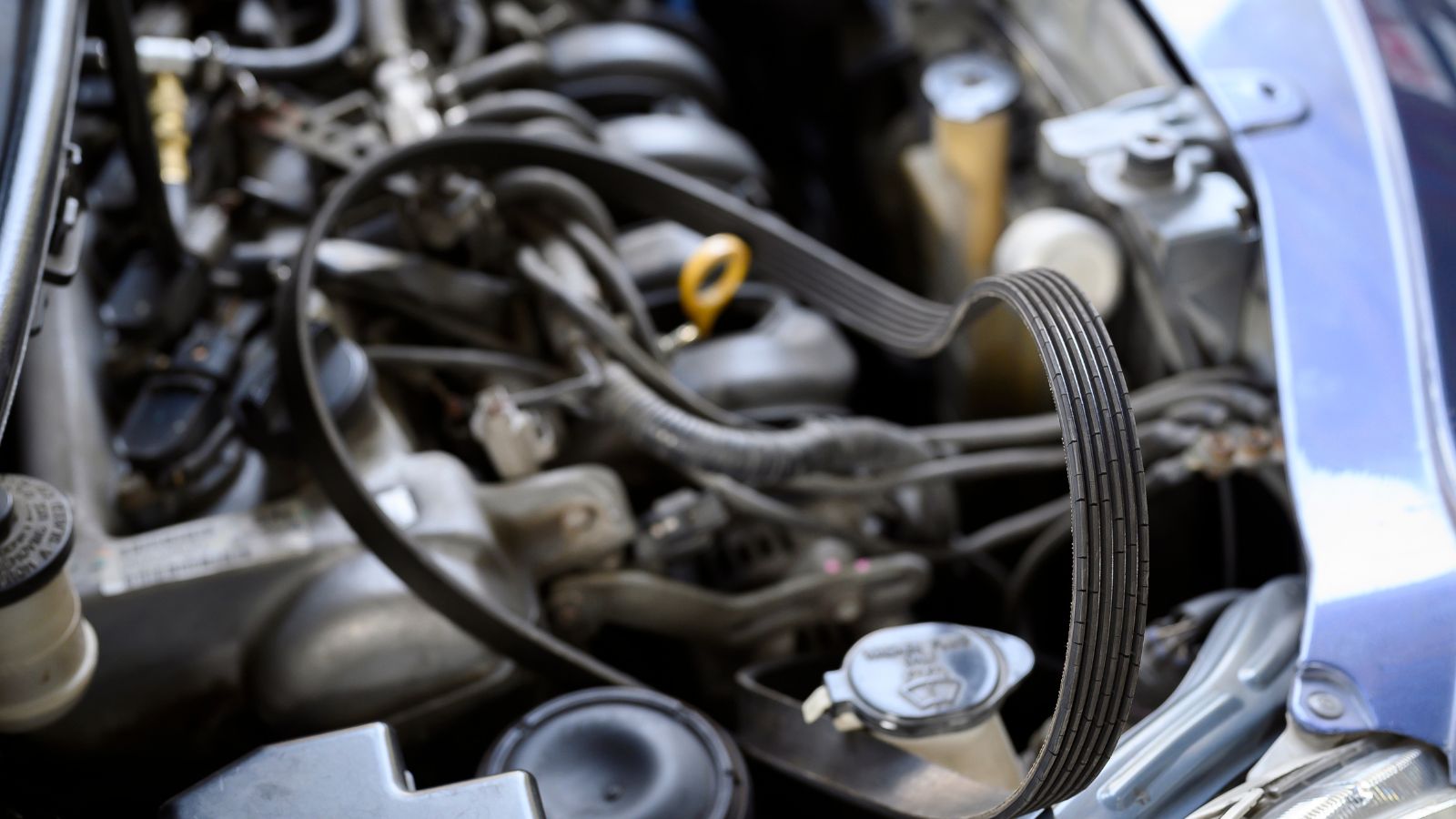
Rubber components hidden under the hood rarely receive the attention given to tires, yet a failed belt or hose can disable a vehicle quickly. NHTSA recommends checking for badly worn hoses and other components during seasonal preparation, while CAA specifically advises inspecting radiator hoses and drive belts for cracks and leaks.
Drivers who are comfortable making a basic visual inspection can look for cracking, cuts, bulging, fraying or obvious fluid residue, but diagnosing belt tension or internal hose deterioration may require professional attention. The exact arrangement differs greatly between vehicles; some engines use one serpentine belt to operate several accessories, while others use different configurations. A hose that has already begun leaking in October is unlikely to become more convenient to repair on a freezing roadside in January. The value of this check is preventive rather than dramatic. It catches parts that may cost relatively little to address during scheduled service before their failure causes overheating, charging problems or an unexpected tow.
Inspect the Exhaust and Keep the Tailpipe Clear
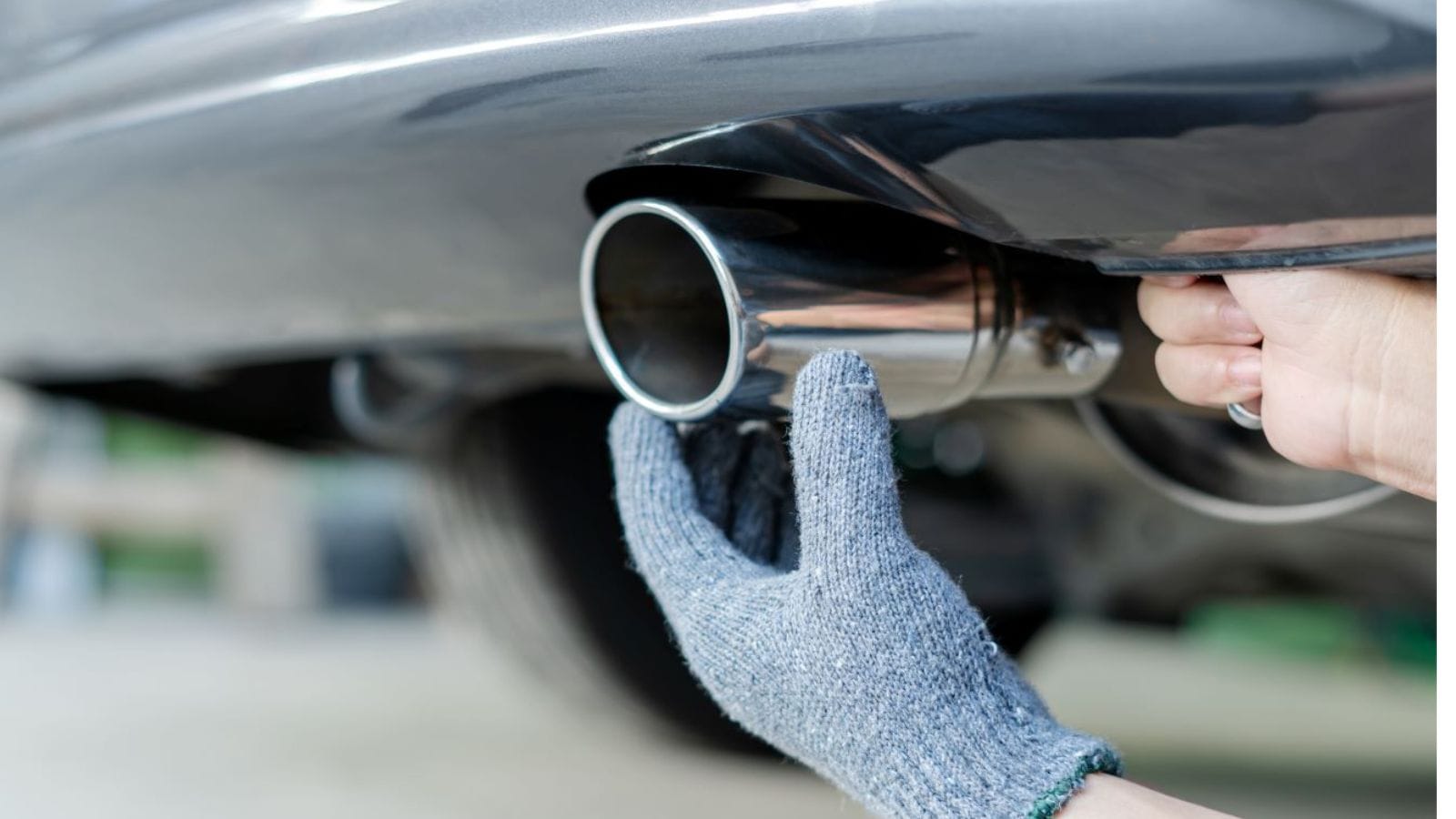
The exhaust system deserves special winter attention because its condition affects more than noise. CAA recommends checking for exhaust leaks that could allow carbon monoxide to enter the passenger compartment. Carbon monoxide is particularly dangerous because people cannot rely on smell or colour to recognize its presence.
Snow introduces another risk. The U.S. Centers for Disease Control and Prevention warns that a tailpipe blocked by snow can allow carbon monoxide to build up inside a vehicle. This is especially important when a vehicle is stuck or parked in deep snow with the engine running. Before winter, unusual exhaust sounds, damaged components or suspected leaks should be inspected. After substantial snowfall, drivers should make sure the exhaust outlet is clear before sitting in an idling vehicle. A person digging out a car naturally concentrates on the windshield, wheels and doors, yet the small opening at the rear can be just as important. Clearing it takes seconds and can prevent a potentially life-threatening situation.
Keep Enough Fuel for Delays and Cold-Weather Problems
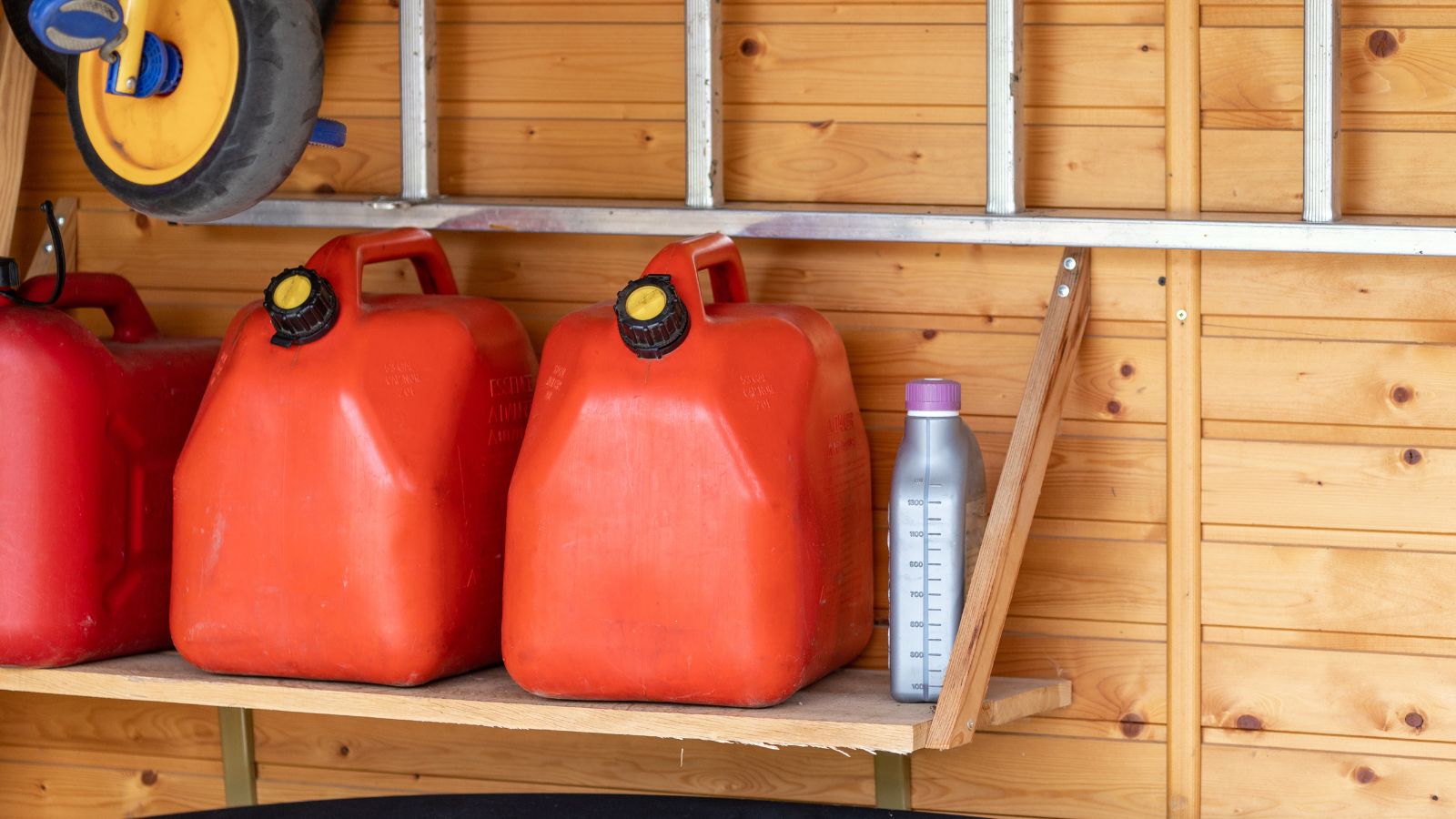
Running a fuel tank close to empty is inconvenient at any time, but winter gives drivers additional reasons to maintain a reserve. Government of Canada winter-storm guidance recommends preparing a vehicle with a full tank of gas, while CAA suggests keeping at least half a tank to help limit condensation concerns in cold weather.
Extra fuel also provides practical flexibility when traffic stops, roads close or a normal trip takes considerably longer than expected. That does not mean leaving a gasoline or diesel engine running continuously when stranded; carbon-monoxide precautions remain essential, particularly around deep snow. Hybrid owners should remember that NHTSA recommends keeping gasoline available to support the combustion engine in vehicles that use one. A commuter who normally waits for the low-fuel warning may therefore want to change that habit once winter arrives. Filling up before a forecast storm is usually easier than searching for an open station during deteriorating weather or wondering whether the remaining range is enough to survive an unexpected detour.
Test the Block Heater and Its Cord Before the Deep Freeze
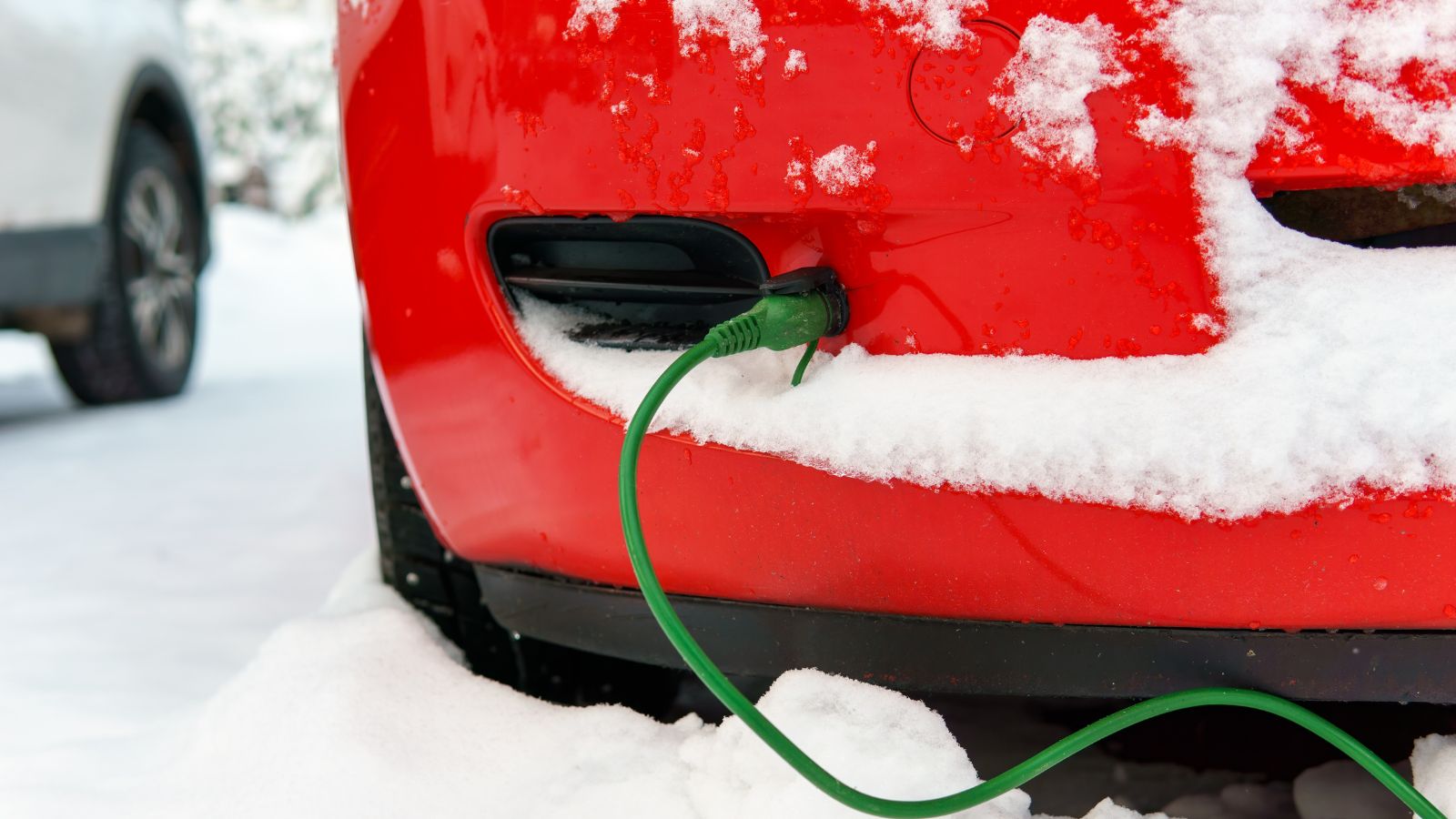
In very cold regions, a block heater can make winter starts easier by warming the engine or its fluids before startup. CAA recommends considering block-heater use when temperatures fall below about -15°C, and Alberta’s driver guidance likewise identifies block heaters as a tool for making cold starts easier.
The equipment should be checked before the first night it is genuinely needed. Inspect the vehicle’s plug and any extension cord for damage rather than discovering a broken connector at 6 a.m. Manitoba Hydro advises replacing damaged cords, using outdoor-rated extension cords and avoiding unsafe practices such as overloaded outlets. Drivers should also check the vehicle manufacturer’s recommendations because heaters and required plug-in times vary. Alberta and Saskatchewan guidance encourages timer use rather than leaving a block heater operating unnecessarily for an entire night. The familiar sight of a cord hanging from a grille is easy to take for granted, but it remains electrical equipment exposed to moisture, snow, road salt and repeated handling.
Rebuild the Winter Emergency Kit
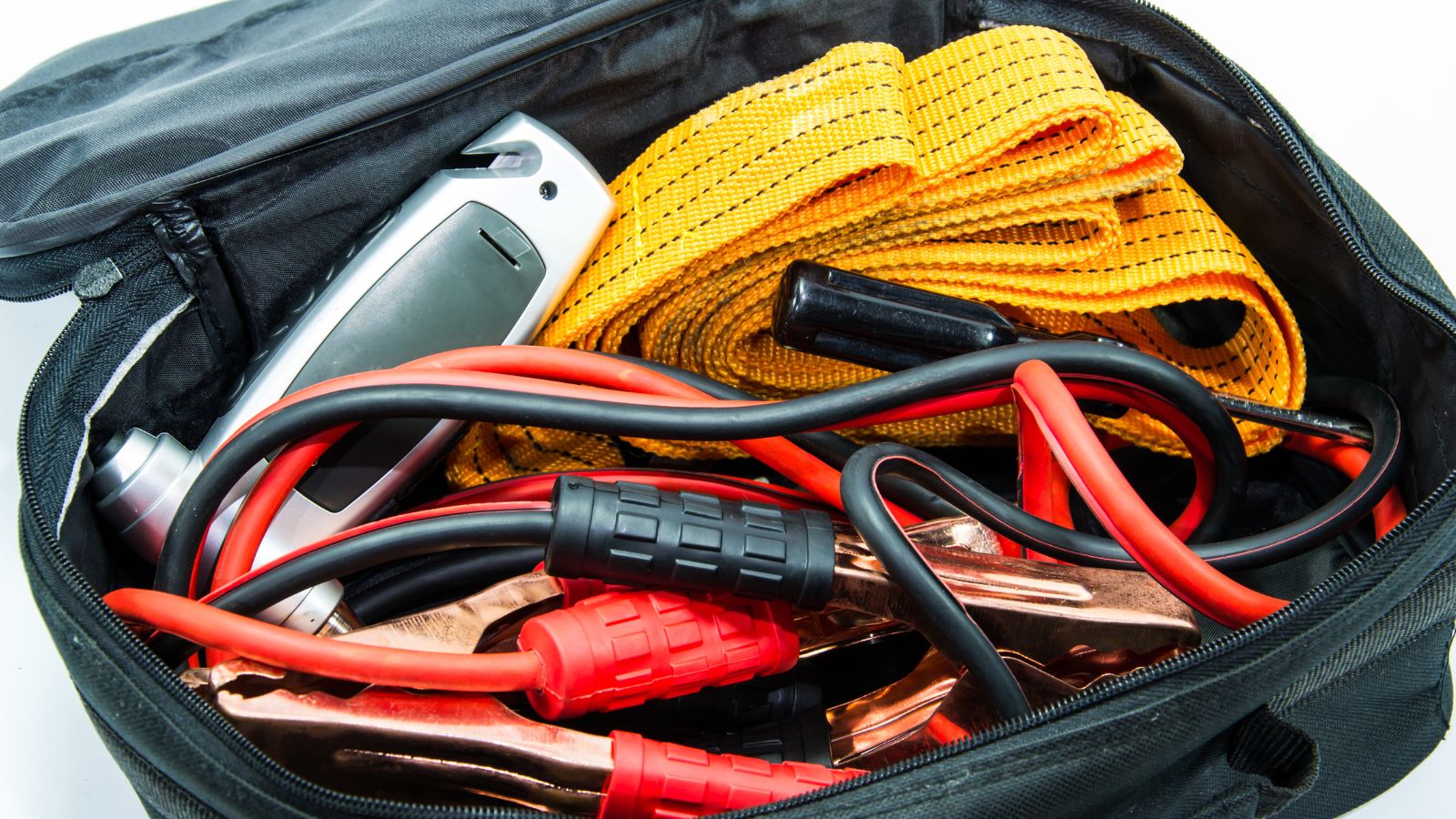
An emergency kit that has lived untouched in the trunk for several years is worth opening before winter. Supplies disappear, flashlight batteries weaken, snacks expire and items get borrowed. Government of Canada guidance recommends a vehicle kit containing food, water, blankets, extra clothing, a first-aid kit, warning equipment and other emergency supplies.
Winter-specific additions include jumper cables, traction material, washer fluid and equipment for clearing snow. A phone charger is also useful, while necessary medications should be considered for longer trips. The point is not to turn every trunk into a wilderness-expedition locker. A modest kit can make an ordinary breakdown substantially easier to manage while help is on the way. Consider the difference between waiting two hours in a cold vehicle wearing office clothes and making the same wait with a blanket, gloves, water and a flashlight. Checking the kit each autumn keeps those supplies intentional rather than allowing the trunk to become a collection of forgotten items.
Make Sure the Snow Brush, Scraper and Shovel Are Actually in the Car
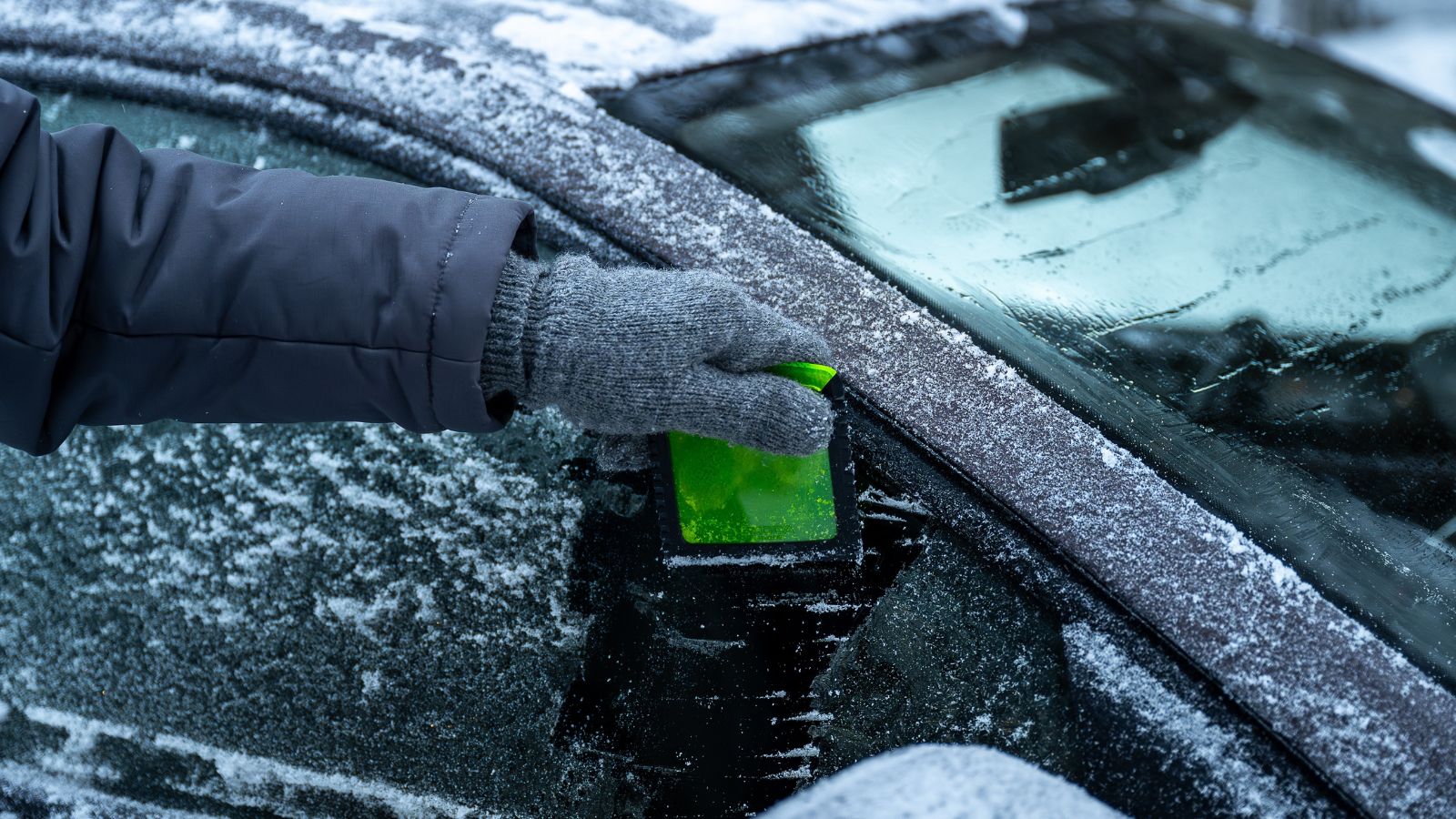
Few winter preparations are simpler than checking for basic snow-removal tools, yet these are often stored in a garage precisely when an unexpected snowfall occurs somewhere else. Government of Canada emergency guidance recommends keeping a small shovel, scraper and snowbrush in the vehicle, while Transport Canada also includes snow-clearing tools among recommended winter supplies.
A long-handled brush makes it easier to clear the roof, hood, lights and windows instead of creating a narrow viewing slot in the windshield. A sturdy scraper deals with frost and ice without requiring the wiper blades to do work they were never designed to handle. A compact shovel can become invaluable when a plow leaves a ridge behind a parked car or the wheels become buried. Traction material such as sand or non-clumping cat litter can also help in some situations. The best tool is the one that remains in the vehicle rather than hanging neatly on a garage wall when snow begins falling during the workday.
Prepare an EV or Plug-In Hybrid for Reduced Cold-Weather Range
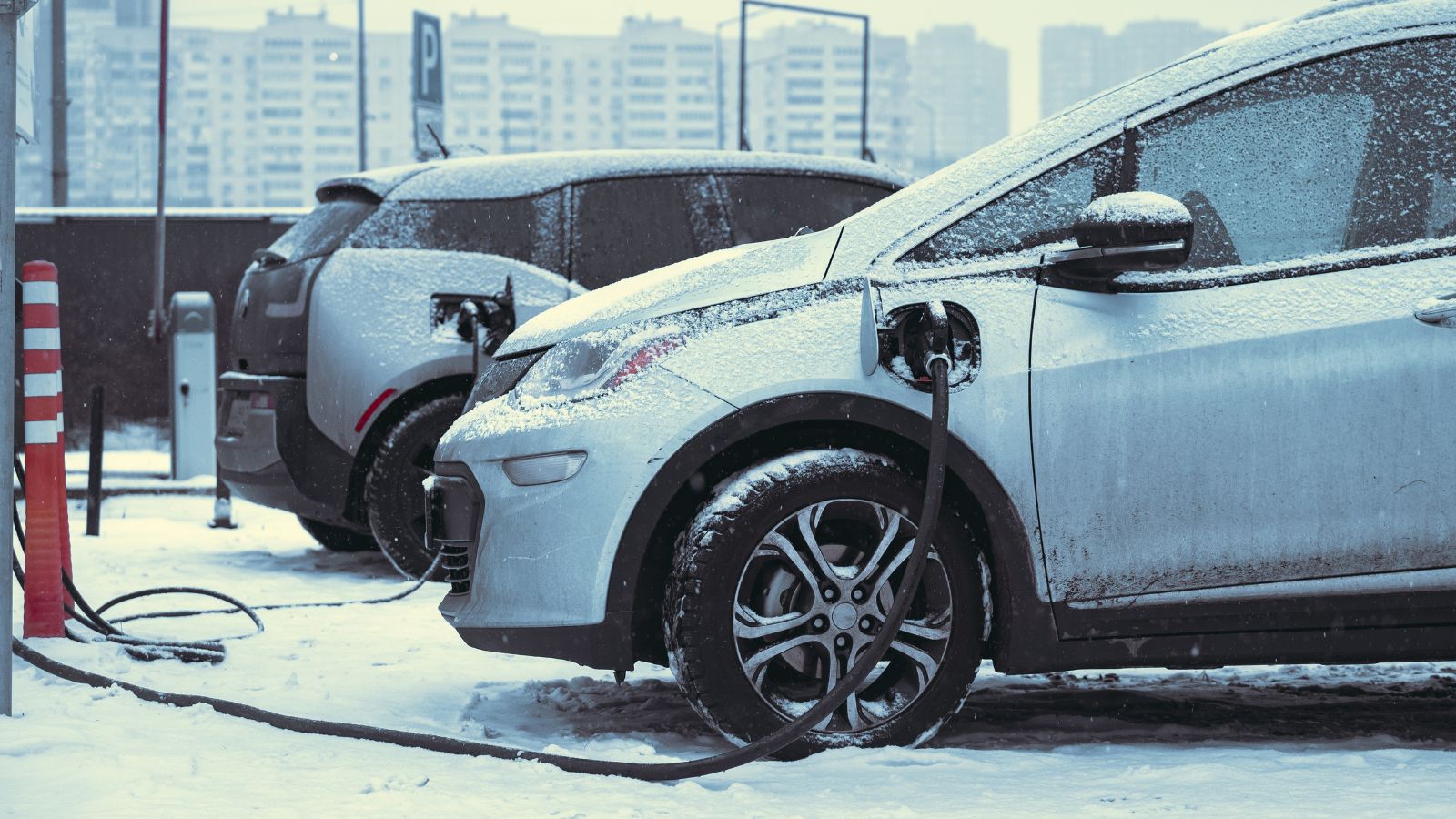
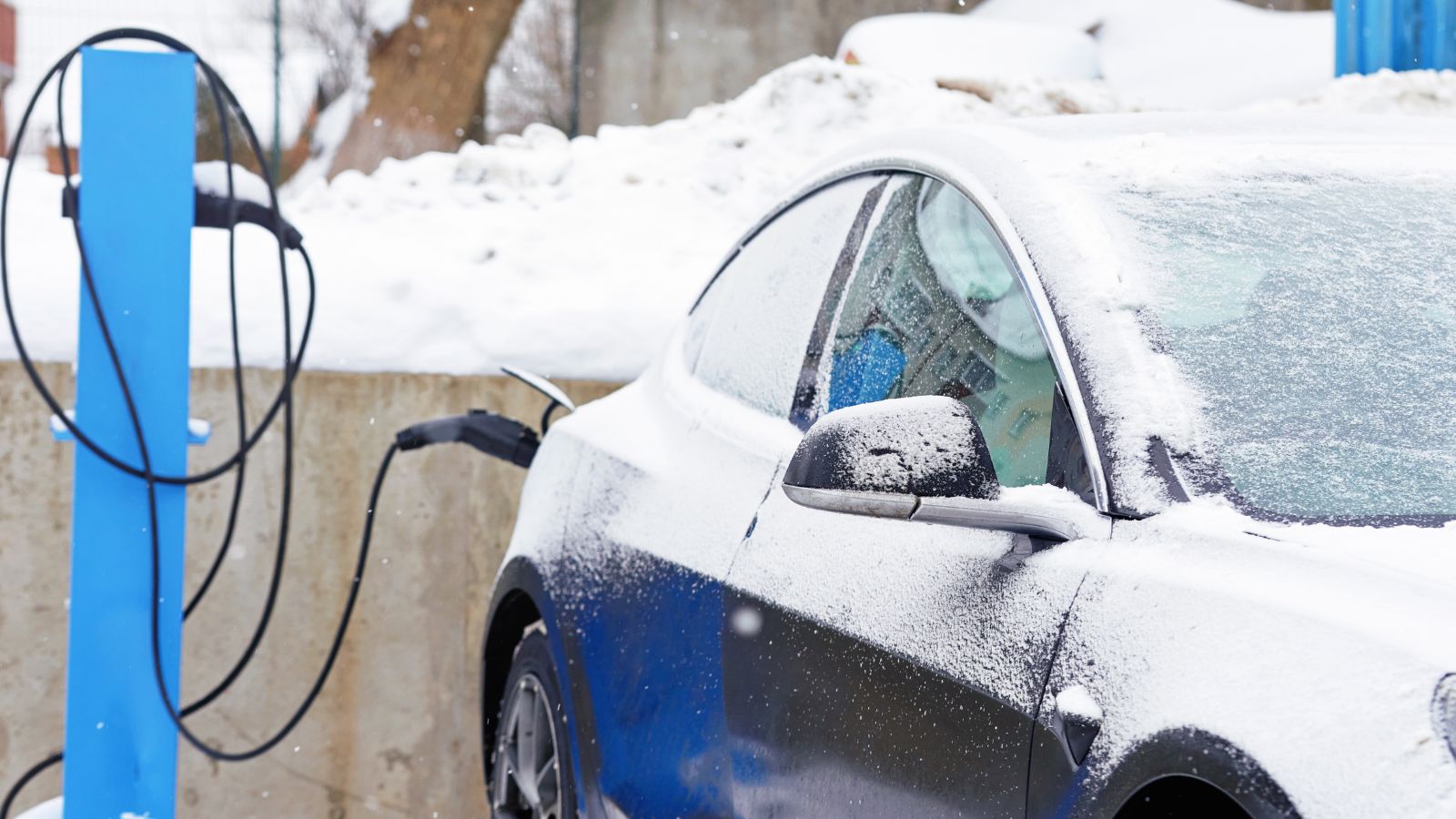
Electric-vehicle owners have an additional winter system to consider: the high-voltage battery and charging routine. Cold temperatures can reduce available driving range and affect charging performance. In CAA’s 2025 Canadian winter test, participating EVs travelled 14% to 39% less than their official rated ranges under the sub-zero test conditions.
That result does not mean every EV will experience the same loss; vehicle design, temperature, speed, heating demand and trip pattern all matter. It does show why drivers should understand their own vehicle before winter. The U.S. Department of Energy recommends maintaining adequate charge and using preconditioning when available, ideally while the vehicle remains plugged in so the cabin and battery can warm without drawing as heavily from stored driving energy. Charging locations used regularly should also be identified before a storm. A commute that consumes 20% of the battery in mild weather may require a noticeably different routine during a severe cold spell.
Secure Winter Floor Mats So They Cannot Reach the Pedals
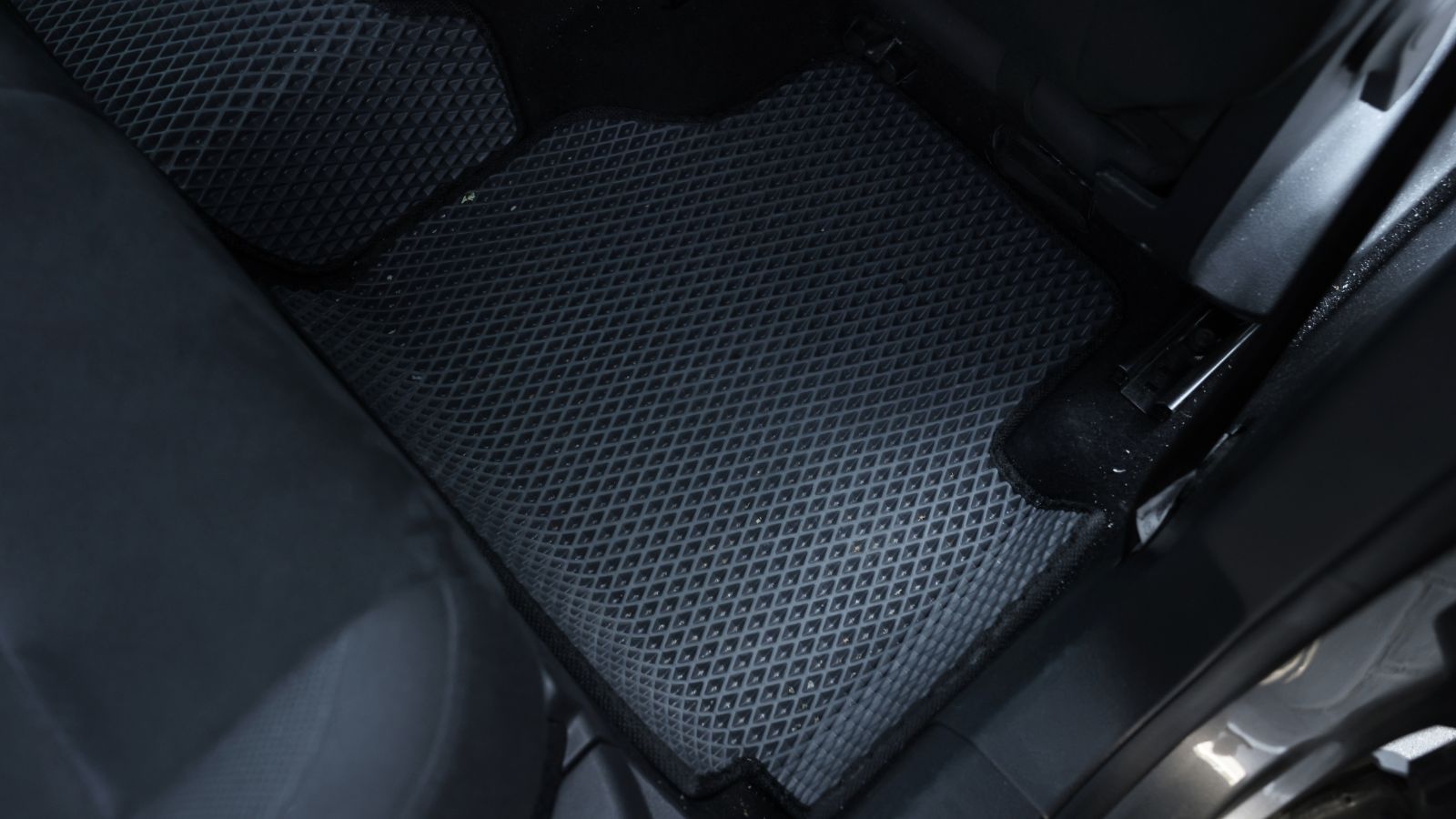
Switching to rubber or all-weather floor mats is common when snow and salty slush begin entering the cabin. The overlooked part is making sure the driver’s mat fits correctly. NHTSA warns that improperly installed floor mats can interfere with accelerator or brake-pedal operation and increase crash risk.
Drivers should use a mat designed to fit the vehicle, attach it to the original retention points where provided and make sure it cannot slide forward. NHTSA specifically advises against stacking one floor mat on top of another. This check takes less than a minute: push the mat firmly into position, verify the clips are engaged and press each pedal through its normal range while the vehicle is safely parked. Winter mats are useful because they contain water, grit and slush, but a heavy mat that has crept toward the pedals creates an entirely different hazard. Among all 21 checks, this may be the easiest to perform—and one of the easiest to overlook.
19 Used Cars Canadians Should Avoid in 2026 (Based on Owner Complaints)

Buying a used car in Canada can feel safe until repair bills start stacking up. Owner complaints tell a different story than glossy listings. Transmission failures, electrical problems, and weak winter reliability show up again and again in consumer reports. Many of these issues appear after warranties expire, when owners least expect them. Some vehicles look affordable upfront, but become expensive to keep on the road. Others struggle in cold weather, urban driving, or long highway commutes. Here are 19 used cars Canadians should avoid in 2026 (based on owner complaints).
19 Used Cars Canadians Should Avoid in 2026 (Based on Owner Complaints)

Alanna Rosen is an experienced content writer that focuses on many EV and educational content. Her articles are regularly published on Get CyberTrucked and syndicated on large publications.