Canada has always been a country that is hard on vehicles. Long winters, rough pavement, brutal cold starts, salt covered highways, and endless distances mean a car has to be tough to survive here. Yet some models that look great in dealership ads fall apart when they meet real Canadian driving. In 2025, complaint forums, ownership groups, and service departments are buzzing louder than ever. These 12 vehicles dominate the frustration charts and Canadians are not shy about saying why.
Jeep Wrangler
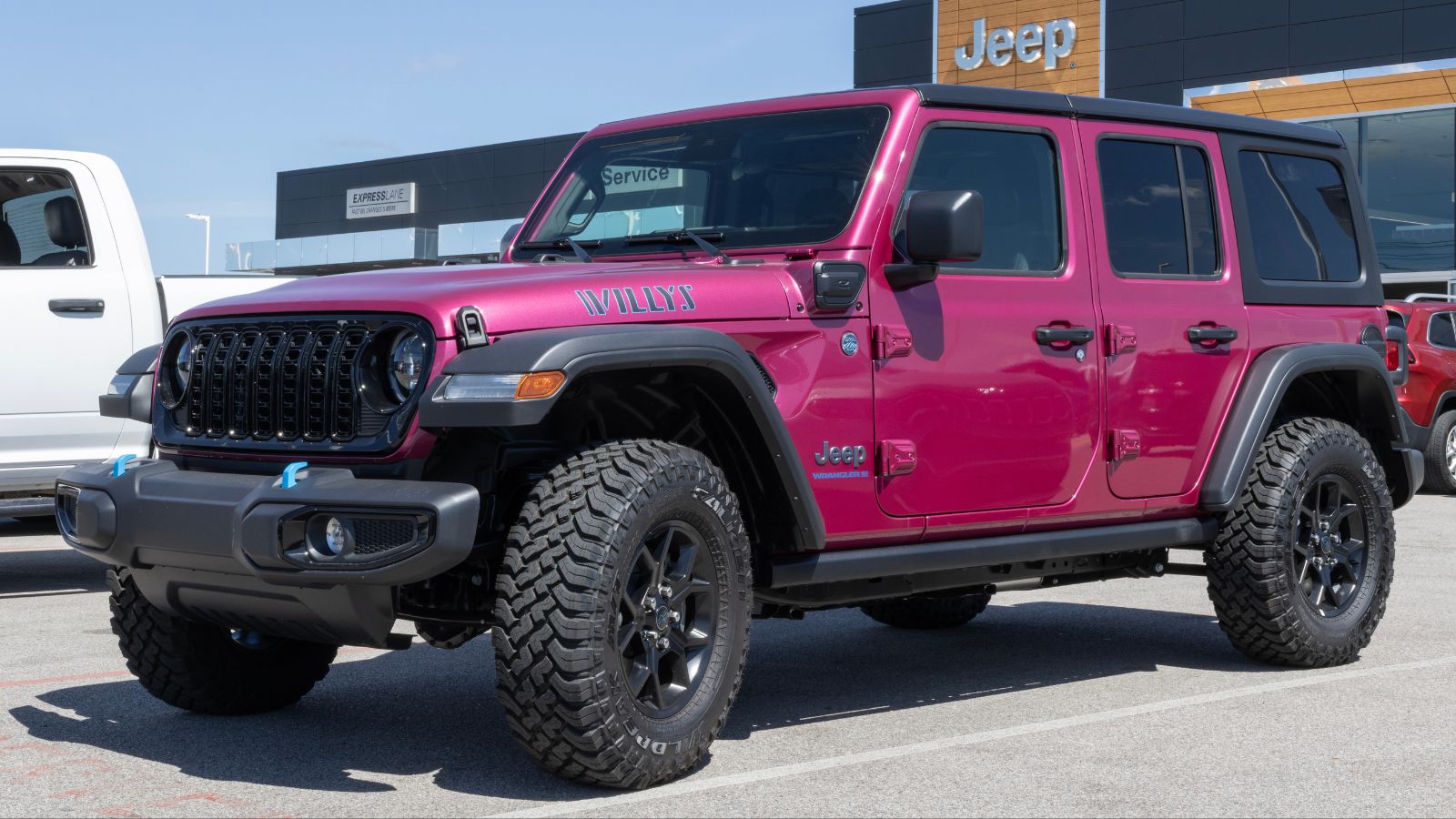
The Wrangler is the most complained-about vehicle not because people dislike it, but because owners love it while constantly fixing it. It leaks water through roof seams, throws electrical warnings like confetti, and drives stiff and nervous on icy highways. The passion for the Wrangler keeps people buying it, but the reliability record keeps owners on a first-name basis with their local mechanic. Many admit that when it works, it is the coolest thing on four wheels, but when it breaks, it breaks your patience.
Volkswagen ID4
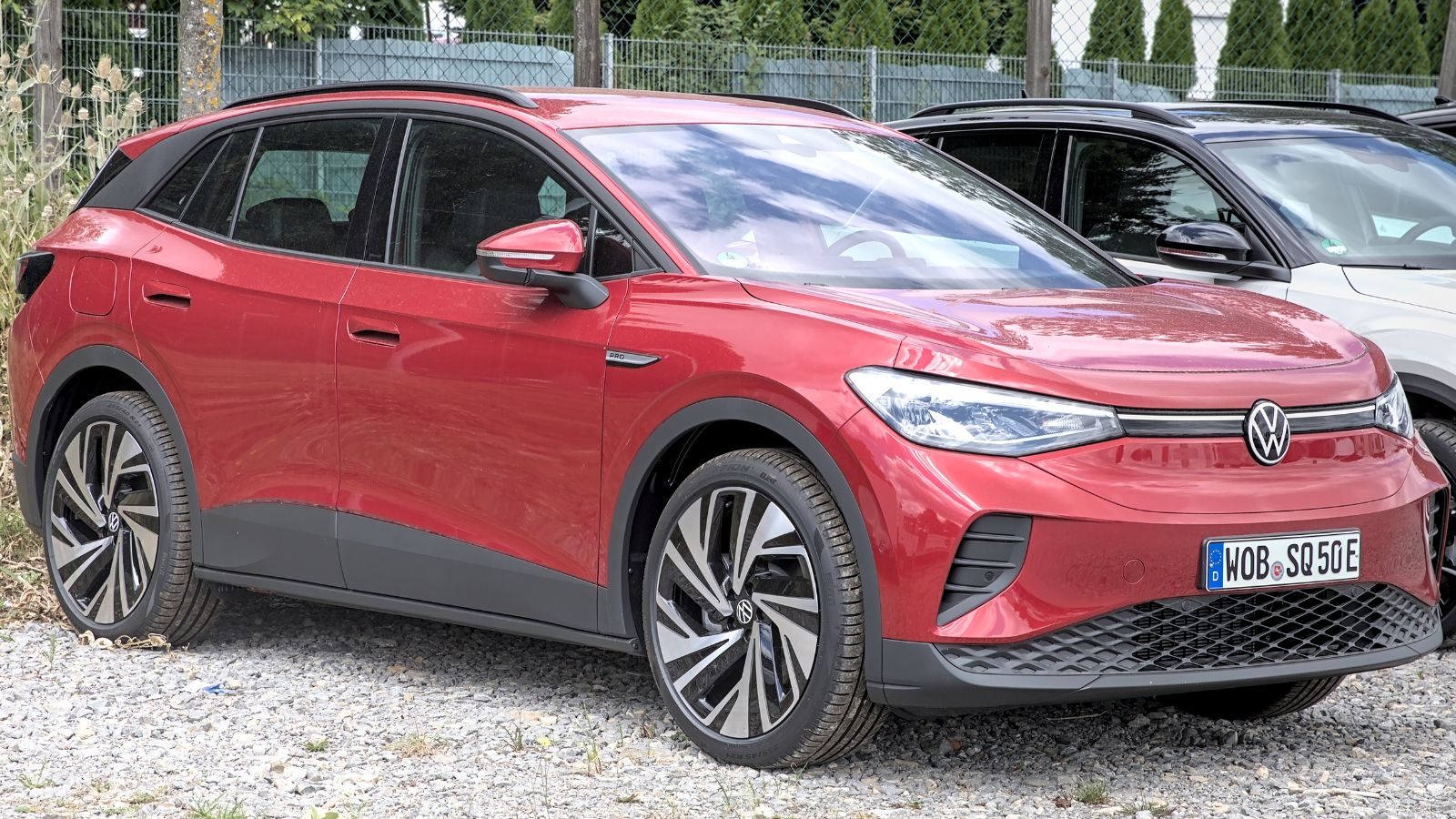
The ID4 was supposed to be the EV for everyday drivers. Instead, Canadian owners report winter battery loss, climate control failures, charging interruptions, and numerous digital dashboard warnings that appear without explanation. In moderate climates reviewers say it is fine, but Canada exposes weaknesses quickly. It still appeals to tech fans, but for households that need a dependable winter commuter, the ID4 has become a gamble many regret.
Jeep Grand Cherokee and Grand Cherokee L
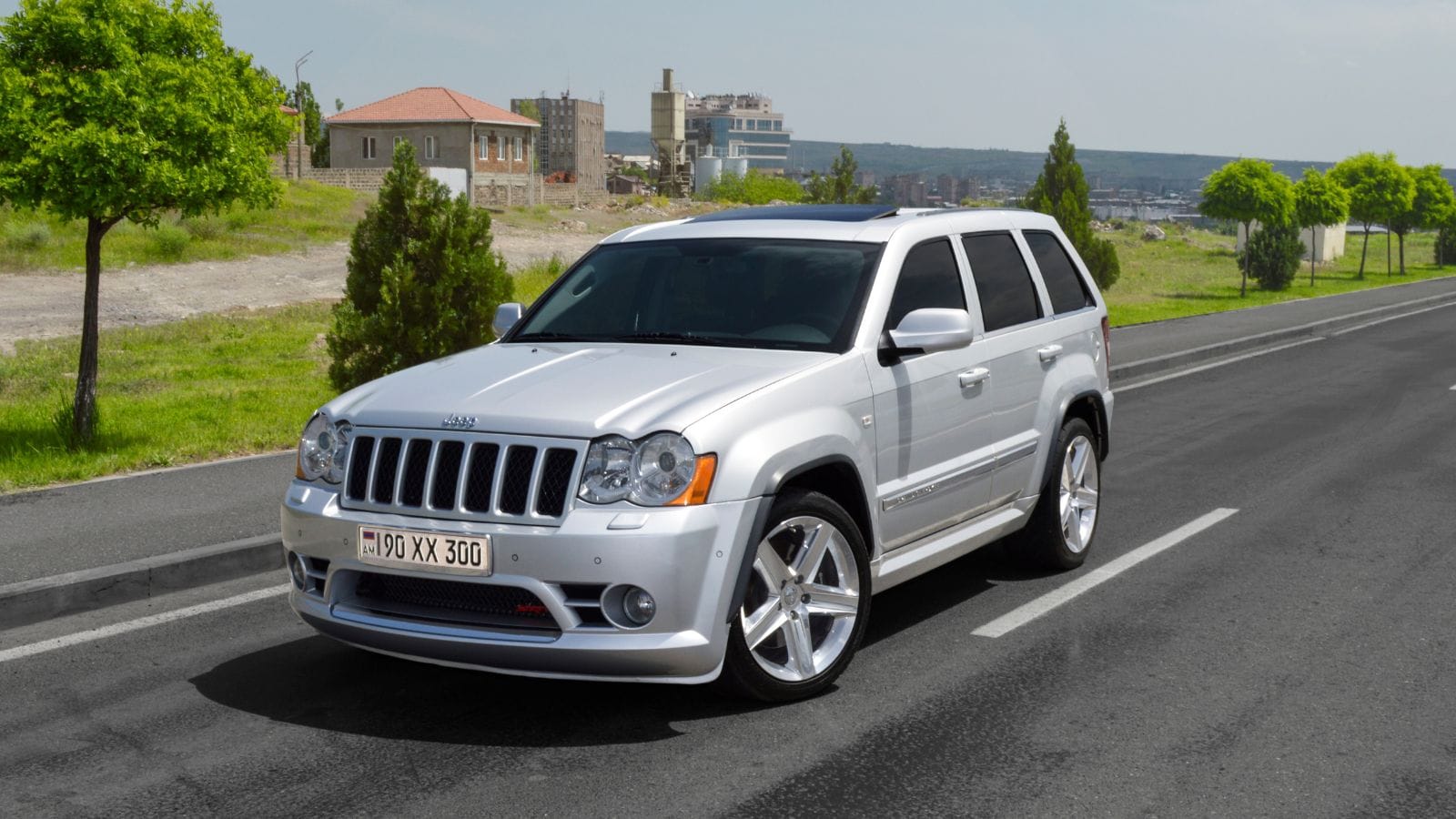
The Grand Cherokee promises rugged luxury. Reality is less glamorous. Owners complain about jerky transmission behaviour, glitchy infotainment, suspension problems, and rapidly rising repair costs once the warranty runs out. If you tow or drive long distances, issues appear even sooner. It looks and feels expensive, but the ownership experience too often matches the bill.
Ford F150 Lightning
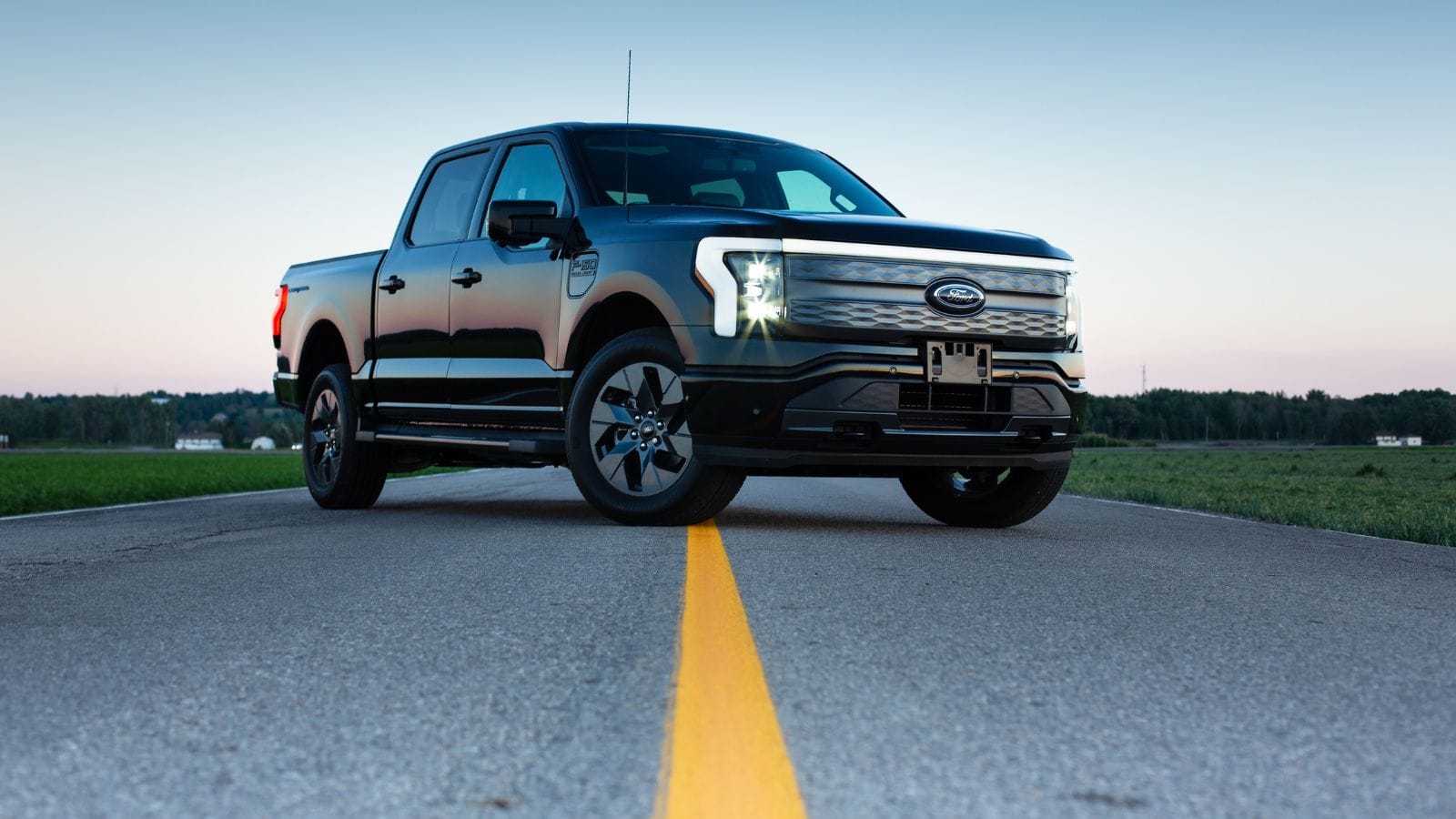
The Lightning is an engineering milestone, but Canadian drivers are discovering that real winters do not care about milestones. Cold weather range drop, slow charging, navigation software bugs, and towing drains that shock first-time EV truck buyers all fuel the complaints. Owners love the smooth power, but too many say they spend more time planning around charging than enjoying the ownership experience.
Chevrolet Colorado and GMC Canyon
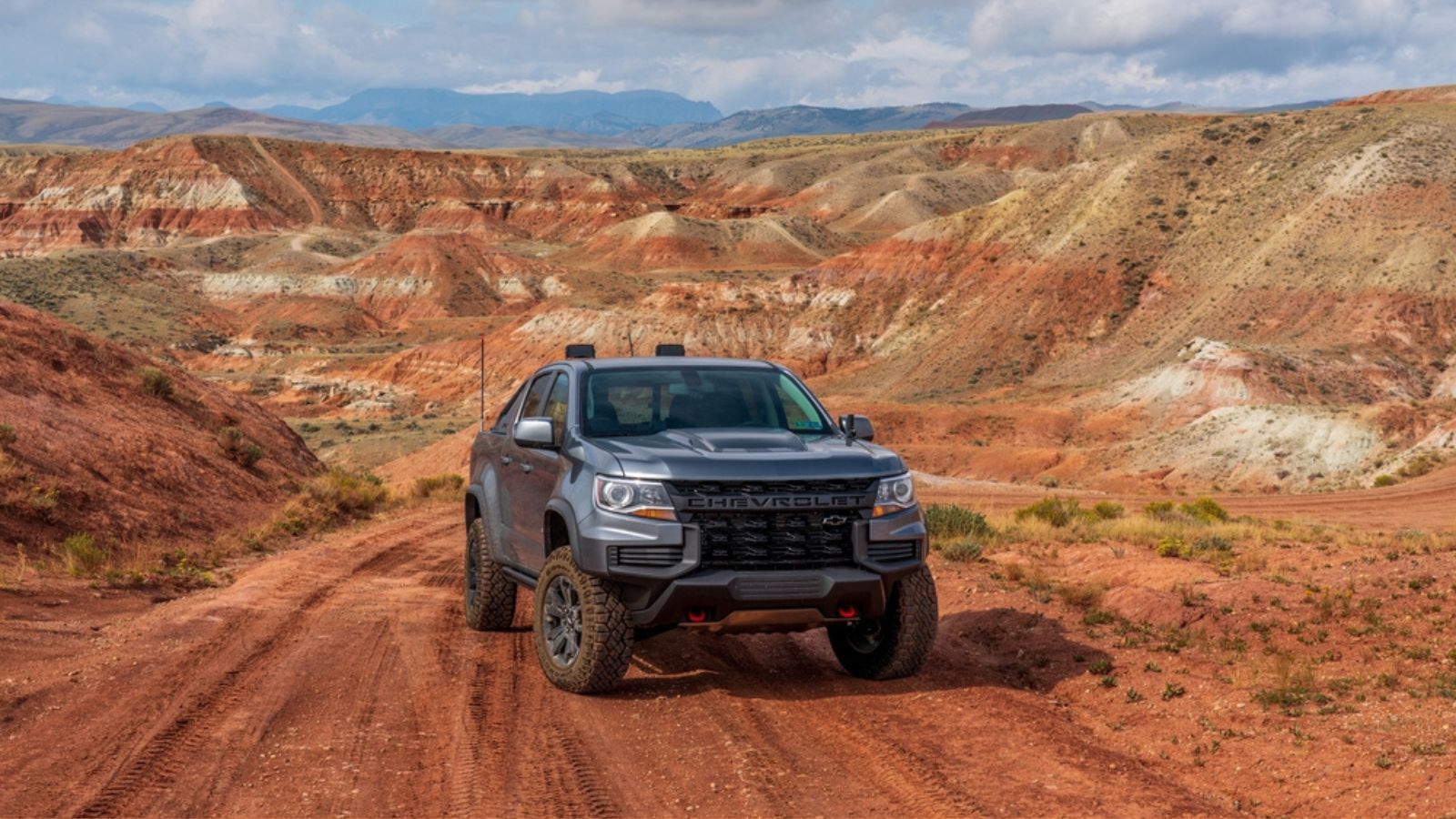
Canadian drivers embraced these mid size trucks hoping for practicality without full size cost. Instead they got complaints about transmissions, electrical systems, sensors, and premature rust on the underbody. The power and handling are praised, but long term durability has not matched expectations in a climate where salt eats metal for breakfast.
Volkswagen Tiguan
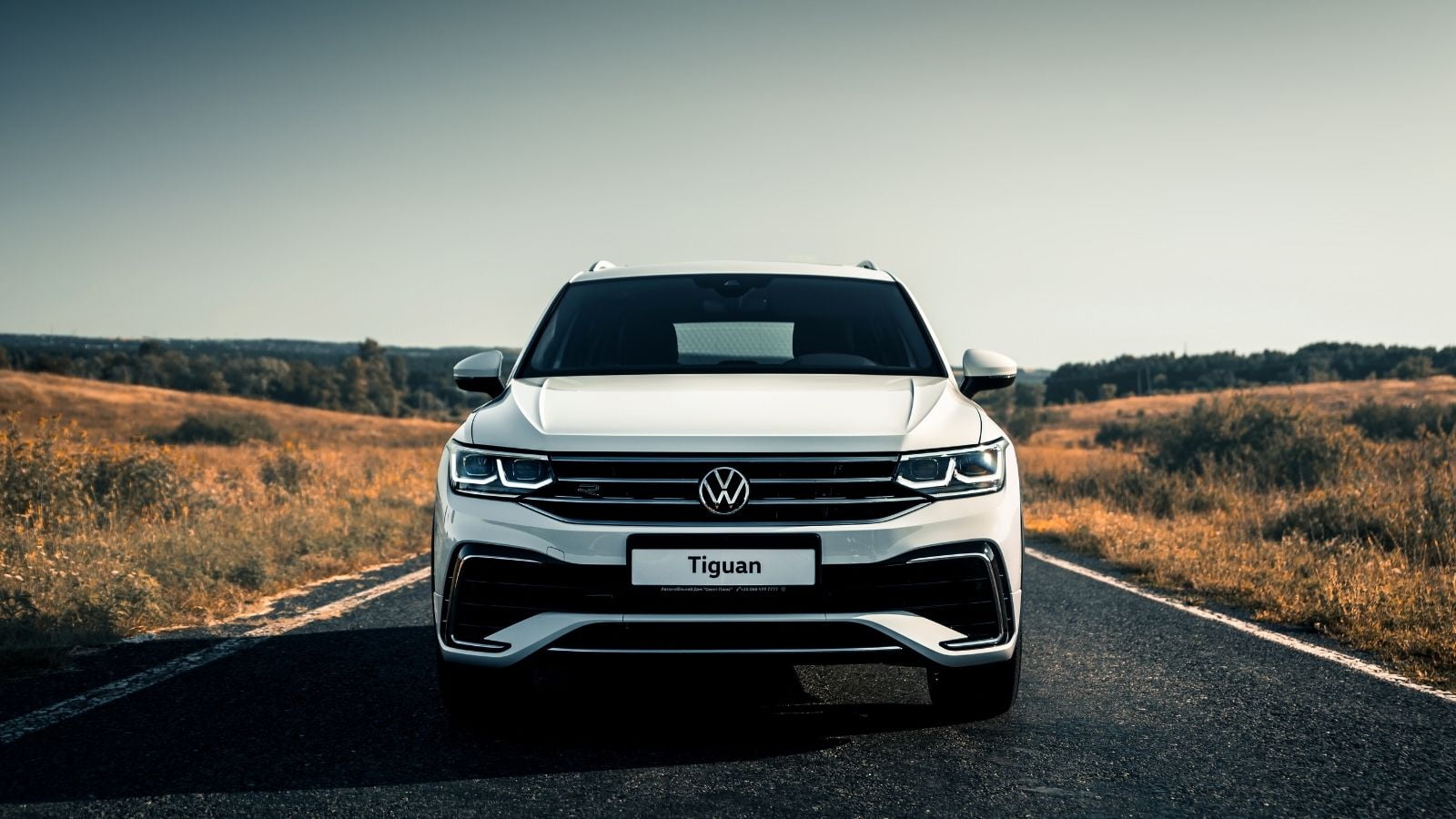
The Tiguan attracts families looking for European feel without a luxury price. The problem is the reliability history has not kept up with the marketing. Electrical faults, repeated sensor failures, engine light triggers, and poor cold weather fuel economy dominate ownership complaints. Many drivers say the Tiguan is perfect from the driver’s seat, as long as you ignore the dash full of warnings.
Tesla Model Y
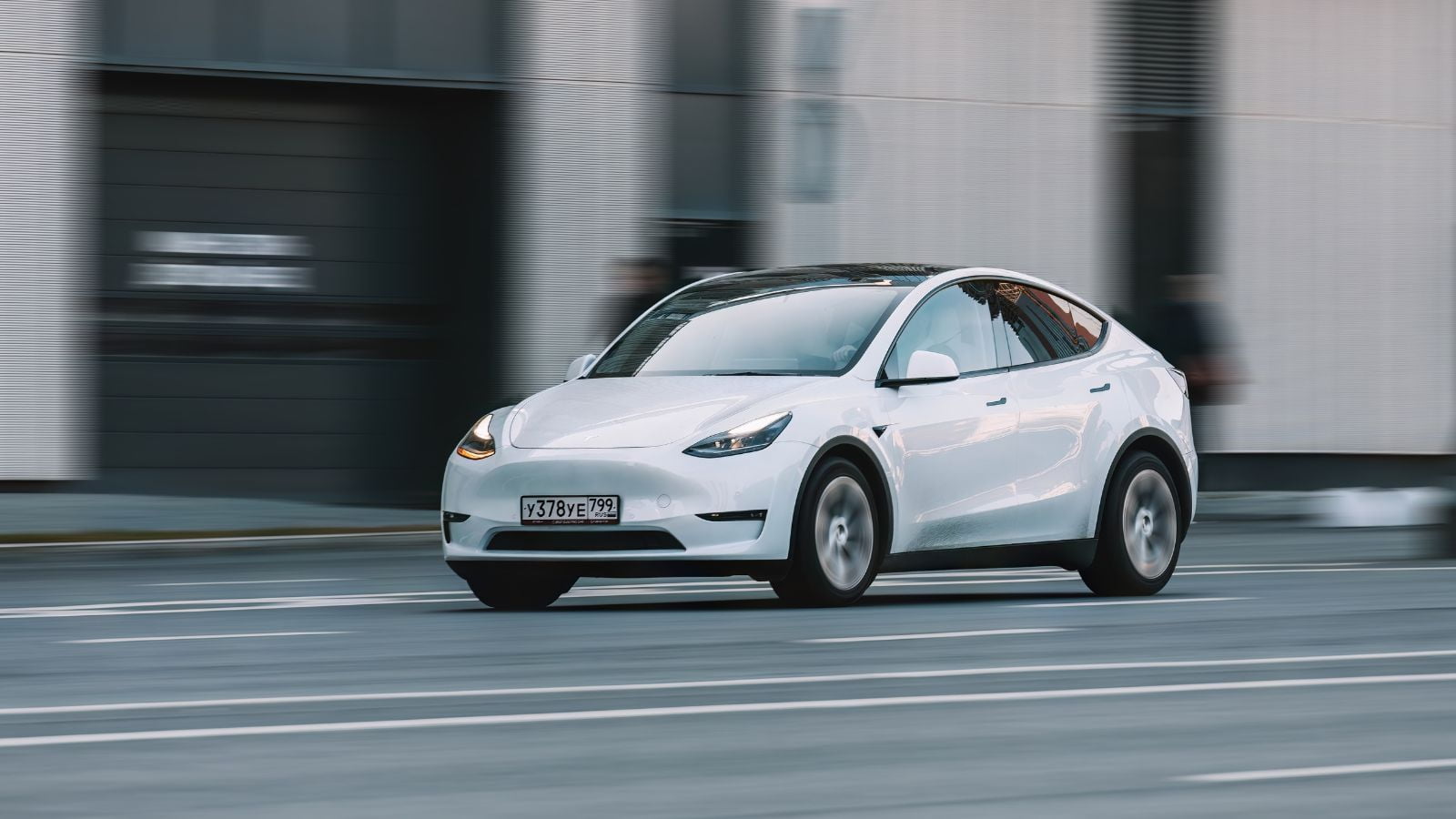
The Model Y sells like wildfire, but high sales also mean high complaint volume. Canadian owners talk about winter charging slowdown, interior rattles, fit and finish problems, door seals freezing shut, and suspension wear on rough roads. The acceleration still blows minds, but too many owners feel like unpaid software testers waiting for the next update to fix the last update.
Hyundai Elantra with CVT
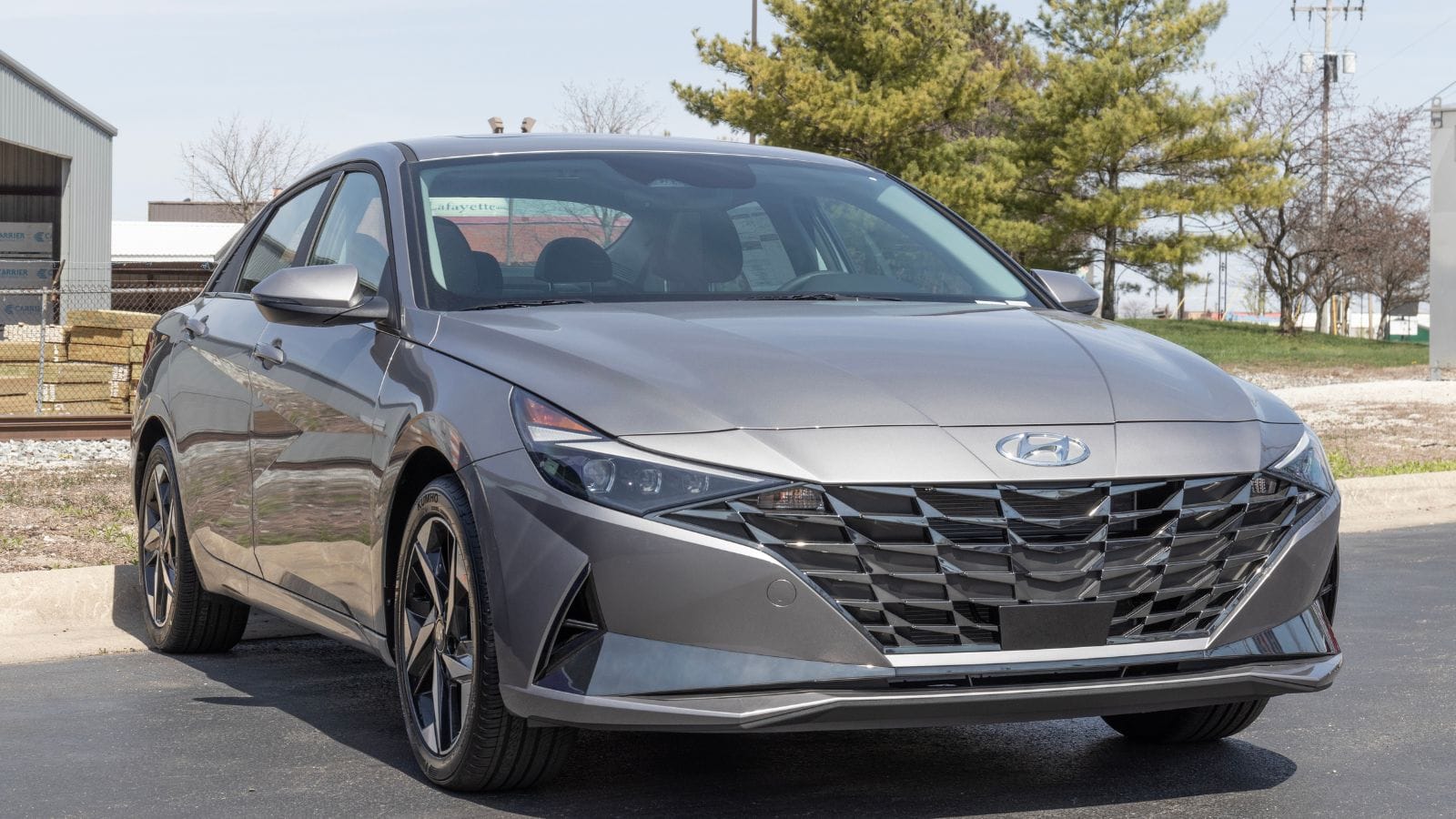
The Elantra offers great value on paper, which is why so many Canadians drive one. But the CVT transmission is the weak link. Complaints describe shuddering during acceleration, delayed power delivery, and early transmission fatigue on long commutes. The car itself is great for fuel budgets, yet the long term reliability of the drivetrain remains the shadow hanging over ownership.
Subaru Ascent
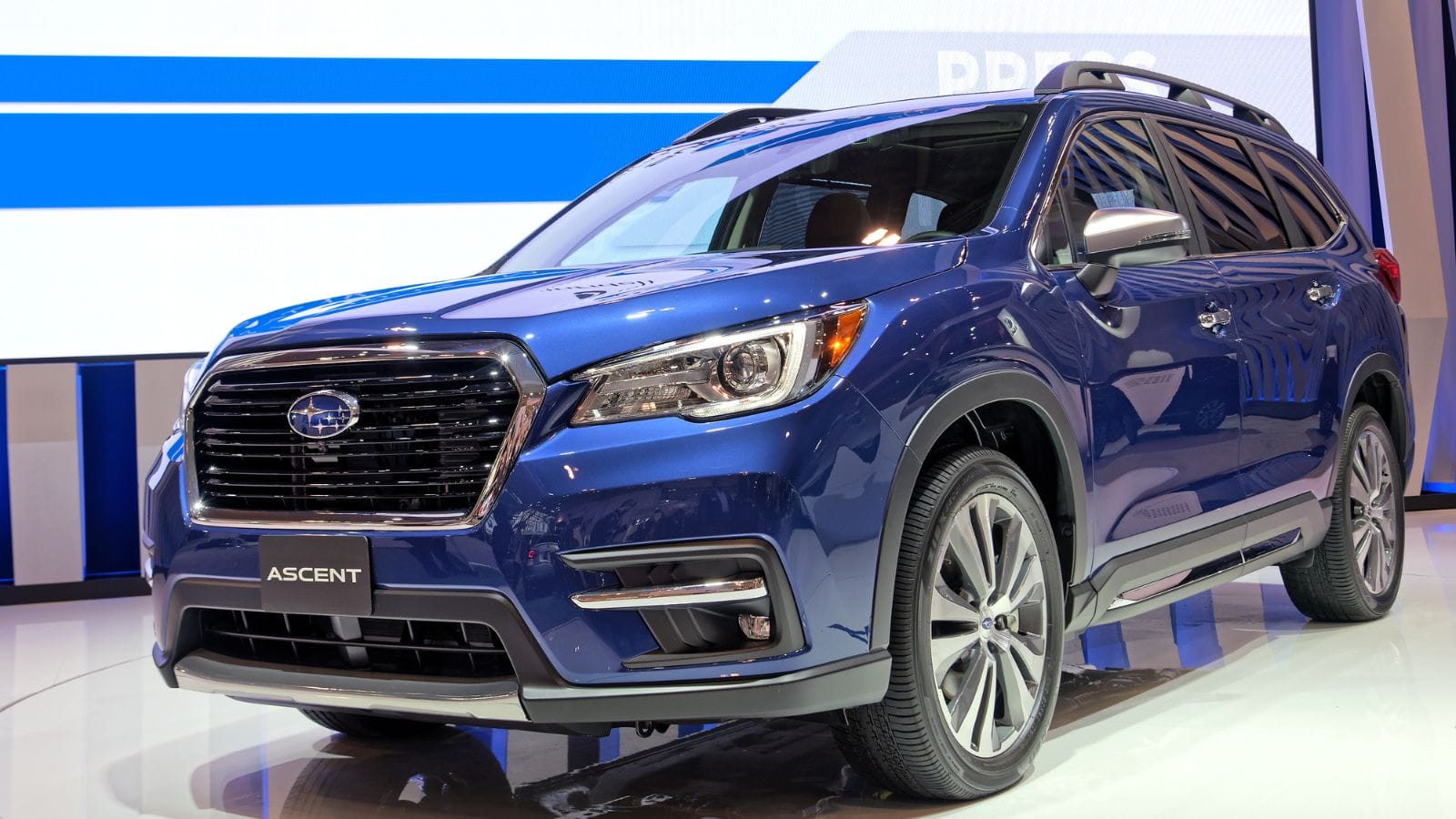
Subaru fans expected the Ascent to be the perfect Canadian family hauler. Instead they report engine noise, cold start issues, transmission quirks, and unexpected warning lights that lead to expensive dealership visits. The all wheel drive system and winter confidence keep loyalty high, but many owners say the Ascent has become the most problematic Subaru they have owned.
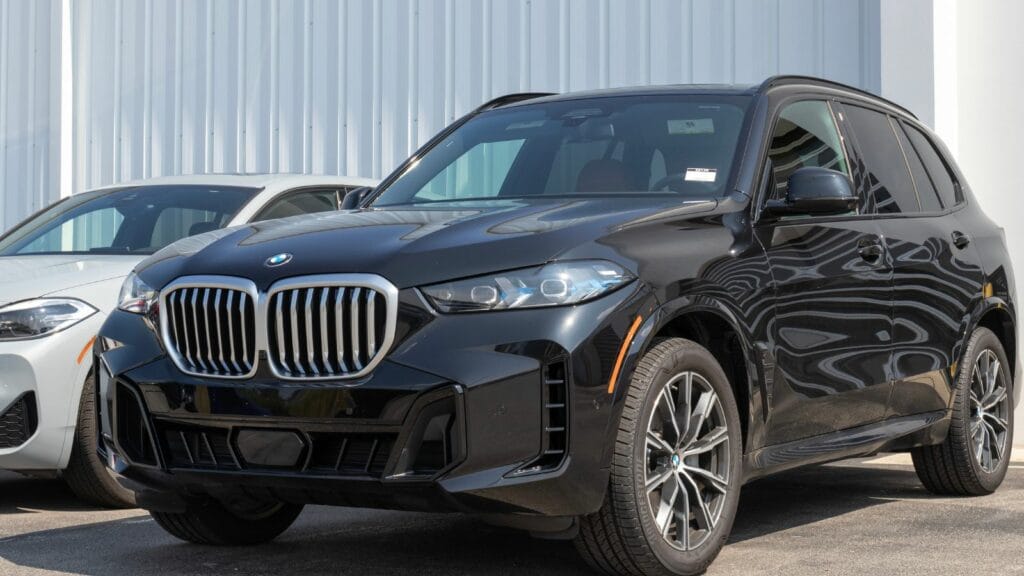
BMW X5
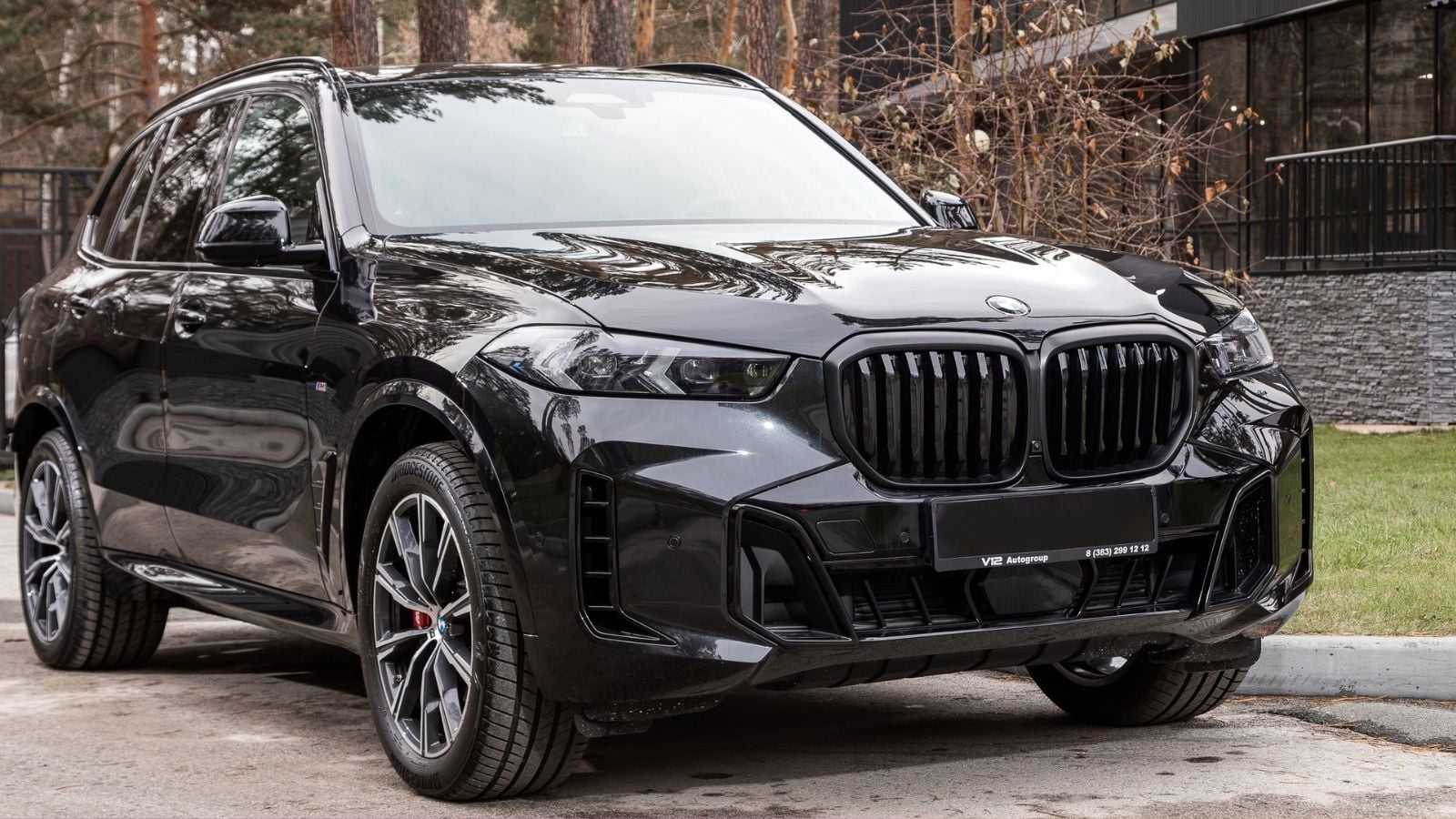
Luxury buyers expect bulletproof engineering. What they get instead is a heavy SUV full of electronics and adaptive systems that break before the payments end. Adaptive suspension repairs, engine warnings, malfunctioning sensors, and expensive diagnostics top the complaint list. The X5 drives beautifully, no question. The problem is that everything is expensive once something stops working.
Nissan Rogue
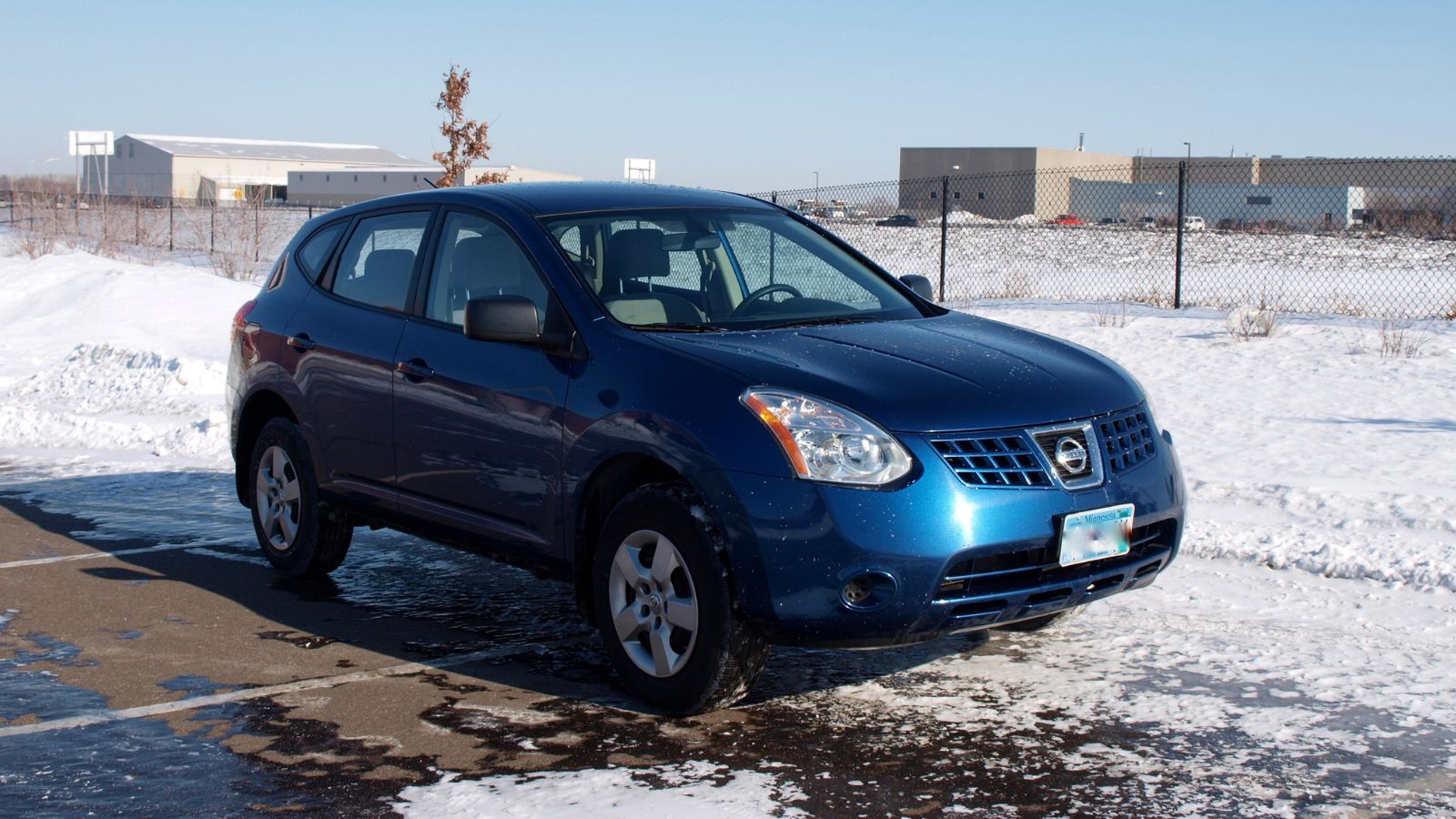
The Rogue built its reputation as the safe family pick, then the CVT situation damaged confidence. Complaints about slipping, overheating, and early wear still appear constantly among Canadian owners. It remains popular in sales because the price looks attractive upfront. But many owners admit that a low monthly payment is wiped out fast with a transmission bill.
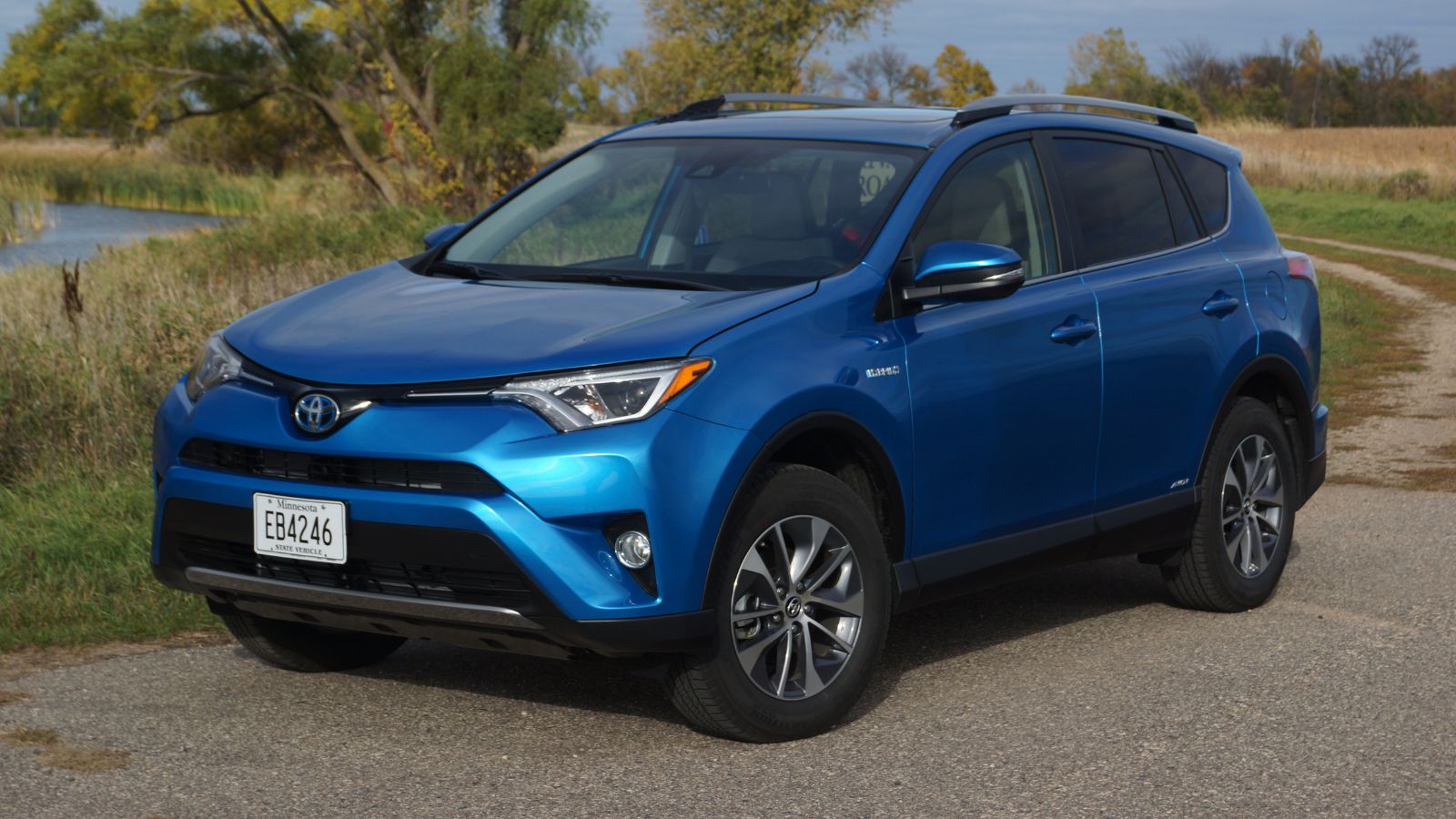
Nothing sparks surprise like seeing a Toyota on a complaints list, but the 2025 update demands it. Owners love the RAV4 Hybrid overall but complain heavily about unpredictable fuel system and battery behaviour during winter short trips. The problem is not catastrophic, but it is annoying enough that drivers are more vocal than usual about it. It is still a standout in long term durability, but it is not immune to criticism.
The Bigger Picture

Complaints do not always mean a car is bad. Sometimes they mean a car is popular enough that millions of people share their frustrations. Sometimes they mean a vehicle is good at one thing but terrible at another. What this list really shows is that Canada exposes weaknesses that easier climates hide. Our roads, snow, temperature swings, and long drives turn marketing promises into reality checks.
