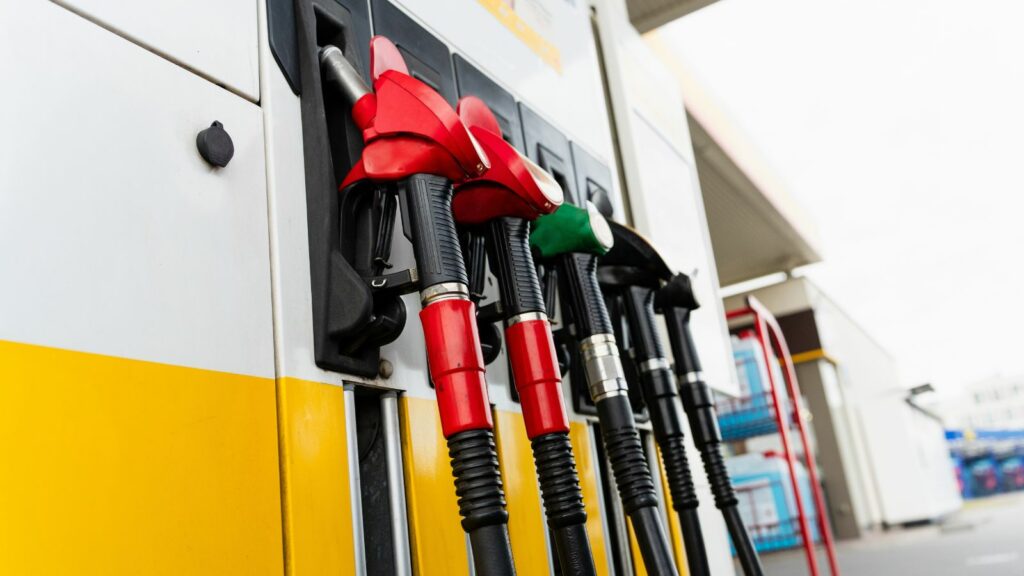
Gas prices are climbing again in Newfoundland and Labrador, bringing another change at the pumps as motorists continue to navigate unpredictable fuel costs. The latest adjustment, effective Thursday, November 26, 2026, increased the maximum price of regular gasoline by approximately two cents per litre in areas where daily price changes apply.
On the Avalon Peninsula, regular gasoline now has a maximum price of $1.662 per litre. However, the situation is considerably more expensive in parts of Labrador, where regulated prices reach $2.139 per litre.
The difference highlights the financial challenges facing drivers across the province, particularly in communities where fuel transportation and seasonal supply arrangements influence prices. With another provincial fuel-tax reduction approaching in December, residents are watching closely to see whether meaningful relief is finally on the horizon.
Gas Prices Increase Overnight After Wednesday’s Brief Relief
Drivers across much of Newfoundland and Labrador woke up Thursday to another increase in gasoline prices. The Public Utilities Board’s latest adjustment raised the maximum price of regular self-serve gasoline on the Avalon Peninsula from $1.644 to $1.662 per litre, an increase of 1.8 cents. Local broadcaster VOCM described the change as a roughly two-cent increase, with other fuel categories remaining relatively stable.
The increase follows a more substantial reduction on Wednesday, November 25, when gasoline prices fell by approximately four cents per litre. That earlier decrease provided some welcome relief after weeks of fluctuations. Thursday’s adjustment reversed part of those savings, demonstrating how quickly fuel prices can move in either direction.
For a motorist purchasing 50 litres of gasoline, the latest 1.8-cent increase adds approximately 90 cents to the cost of filling up. Although relatively modest on its own, the change is another reminder that prices remain unpredictable. Importantly, the figures represent regulated maximum prices, meaning individual stations may charge less than the published ceiling.
Some Labrador Communities Face Gas Prices Above $2.13 Per Litre
While drivers on the Avalon Peninsula are paying considerably less than they were during earlier autumn price spikes, residents in certain Labrador communities face a much different situation. The published maximum price for regular self-serve gasoline stands at $2.139 per litre in the Labrador Straits-to-Red Bay pricing zone and the Labrador South zone covering Lodge Bay and Pinsent’s Arm.
Coastal Labrador South and Coastal Labrador North also have maximum gasoline prices above $2.13, at $2.132 per litre. These figures are significantly higher than the Avalon Peninsula’s $1.662 maximum, creating a difference of up to 47.7 cents per litre between regulated pricing zones.
For a household filling a 50-litre tank, that difference represents an additional $23.85 at the maximum prices. The financial pressure can become especially noticeable for residents who depend on personal vehicles for employment, appointments, groceries and other essential travel. However, the higher prices do not apply uniformly across Labrador, where regional supply arrangements create substantial variations between communities.
Gas Prices Vary Dramatically Between Labrador Communities
The unusually high prices in parts of Labrador do not tell the entire story. Published maximums for November 26 show regular gasoline at $1.734 per litre in Western Labrador, including the Labrador City and Wabush region. Churchill Falls has a maximum of $1.759, while Central Labrador, which includes Happy Valley-Goose Bay, is listed at $1.896 per litre. Cartwright’s maximum is higher again, at $1.988.
These differences demonstrate why a single provincial gasoline average cannot adequately describe what motorists experience. A driver in Western Labrador could face a substantially lower regulated maximum than someone living along the southern Labrador coast, despite both locations being part of the same region of the province. The gap between Western Labrador’s $1.734 maximum and the $2.139 ceiling in the most expensive Labrador zones is 40.5 cents per litre.
For residents making frequent trips to work or carrying out essential errands, location can therefore make a meaningful difference to transportation expenses. The variation also means that gasoline prices reported for St. John’s offer little guidance about what people in more isolated Labrador communities can expect to pay.
Remote Fuel Deliveries Help Explain Labrador’s Higher Prices
Geography plays an important role in determining gasoline costs across Newfoundland and Labrador. Unlike larger urban centres with established transportation networks and relatively frequent deliveries, some northern and coastal communities depend on seasonal fuel shipments. These arrangements create additional transportation, storage and distribution expenses that can influence regulated prices.
The province’s petroleum pricing system accounts for these regional differences through separate pricing zones. The Public Utilities Board uses market benchmarks and adds permitted wholesale and retail margins, regional delivery allowances and applicable taxes. Some Labrador communities receive petroleum products by marine tanker during the shipping season, while Western Labrador and Churchill Falls can receive supplies by rail or road from Quebec.
Seasonal deliveries also help explain why gasoline prices in some Labrador communities may remain elevated even as prices elsewhere decline. The regulator can suspend adjustments in particular zones during winter supply restrictions, rather than continually applying the same pricing changes used on the island. Consequently, the price of gasoline may reflect fuel purchased and delivered at an earlier point in the year. This makes the contrast between Labrador’s different pricing zones more complicated than a simple comparison of current oil prices.
Daily Pricing Changes Have Made Pump Prices Harder to Predict
Newfoundland and Labrador’s gasoline market has experienced an unusually volatile year. The Public Utilities Board moved to more frequent price adjustments in April 2026 as fluctuations in petroleum markets created significant uncertainty. Instead of relying solely on the traditional weekly adjustment schedule, the regulator has been updating maximum prices on successive days, generally Tuesday through Saturday.
Recent figures show just how much prices can change over a relatively short period. The Avalon Peninsula’s regular gasoline maximum reached $1.780 per litre on November 14, declined to $1.699 by November 18, and fell further to $1.644 on November 25. Thursday’s increase to $1.662 represents another change in that continuing pattern.
The longer-term comparison is even more striking. Statistics Canada’s October 2026 data recorded an average regular gasoline price of 210.4 cents per litre in St. John’s, substantially higher than the regulated maximum reported on November 26. Although a monthly average and a single day’s maximum are different measurements, the comparison illustrates the significant movement in gasoline prices. For households managing fixed transportation budgets, such volatility makes it more difficult to estimate fuel expenses several weeks ahead.
Diesel and Heating Fuel Prices Remain a Major Concern
Although gasoline attracted most of the attention in Thursday’s adjustment, other petroleum products continue to represent substantial expenses for Newfoundland and Labrador households and businesses. On November 26, the maximum regulated diesel price on the Avalon Peninsula stood at $2.280 per litre, approximately 61.8 cents higher than regular gasoline. In Coastal Labrador South and Coastal Labrador North, diesel maximums reached $2.377 per litre.
There was some encouraging news earlier in the week. On November 25, diesel prices fell by more than nine cents per litre, while furnace oil and stove oil declined by more than eight cents. Thursday brought relatively little additional movement in those categories, according to VOCM’s daily fuel update.
For businesses operating diesel-powered delivery vehicles, commercial equipment or transportation fleets, these higher fuel costs can place pressure on operating budgets. Households relying on heating oil face a different but equally important challenge as winter approaches. Even when prices fall for several consecutive days, families and businesses must still account for the possibility of renewed increases when calculating their monthly expenses.
Labrador’s Fuel Costs Have Prompted Additional Government Support
The financial challenges facing Labrador communities have already prompted targeted provincial assistance. On November 5, the Newfoundland and Labrador government announced a one-time $500,000 winter fuel subsidy intended to reduce heating expenses in seven northern and isolated communities: Rigolet, Hopedale, Postville, Nain, Makkovik, Natuashish and Black Tickle.
The program is designed to help eligible residents purchase stove oil at a price comparable to the lowest available rate in Labrador during the winter fuel price freeze. Rather than requiring households to wait for reimbursement, the subsidy is applied at the point of sale. However, this assistance specifically addresses home heating costs and does not directly reduce gasoline prices for motorists.
The province has also doubled the maximum benefit under its 2026 Home Heating Supplement Program from $500 to $1,000 for eligible households using furnace or stove oil. Additional payments began being issued on November 20, and applications remain open until January 15, 2027. Together, the measures demonstrate how transportation and heating expenses have become overlapping affordability concerns, particularly in communities facing limited fuel delivery options.
Provincial Gas Tax Elimination Will Begin December 1
A more substantial change is approaching for motorists throughout Newfoundland and Labrador. Beginning December 1, 2026, the provincial government will eliminate its gasoline and diesel taxes temporarily, following legislative changes that received royal assent on November 20. The measure is intended to provide relief to residents and businesses struggling with elevated transportation costs.
The provincial gasoline tax currently stands at 7.5 cents per litre, while diesel carries a 9.5-cent provincial tax. Once the associated Harmonized Sales Tax savings are included, the government estimates that gasoline drivers will save approximately 8.625 cents per litre and diesel users will save 10.925 cents per litre. For a motorist buying 50 litres of gasoline, that represents approximately $4.31 in savings, assuming other pricing components remain unchanged.
The tax elimination is scheduled to remain in effect through March 31, 2027. Legislation also provides for continued tax relief in subsequent calendar quarters when oil prices meet a prescribed threshold. However, the tax reduction does not guarantee that gasoline prices will fall by exactly the same amount on December 1. Changes in wholesale markets and regulated pricing adjustments could partly offset the savings, making the final posted pump prices particularly important.
Drivers Face More Price Adjustments as December Approaches
The latest gasoline increase comes at an important moment for Newfoundland and Labrador motorists. With daily adjustments continuing in response to changing petroleum markets, another scheduled pricing update is expected on Friday, November 27. The direction of that adjustment remains uncertain until the Public Utilities Board publishes its next figures.
Attention will then turn toward December 1, when the provincial tax reduction takes effect. Drivers may see savings associated with the tax change, but the overall price will still depend on market conditions and the regulated maximum established for their particular zone. In Labrador, seasonal supply arrangements add another consideration, since some communities operate under pricing restrictions that differ from those affecting the island.
For households trying to control transportation expenses, the distinction between a regulated maximum and an actual posted pump price remains important. Comparing prices within the correct region, fuel grade and service category provides a more accurate picture of what filling a tank will cost.
Thursday’s increase may be relatively small for many Newfoundland drivers, but the figures above $2.13 in parts of Labrador illustrate a much larger affordability divide. Whether the approaching tax changes produce lasting relief will depend partly on how fuel markets behave in the weeks ahead.
