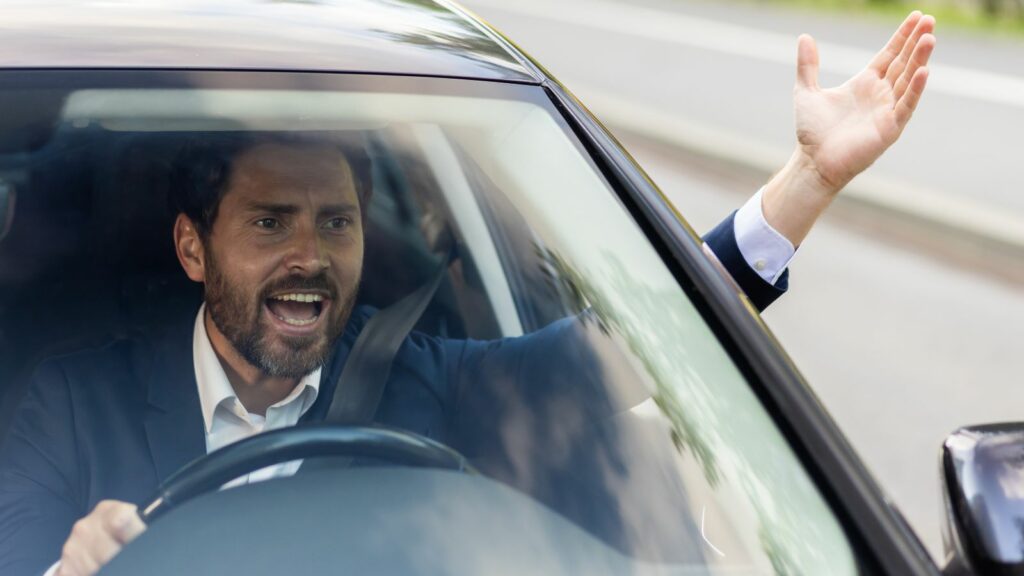
A quiet shift is happening in the automotive world. Governments around the globe are exploring technology that can automatically limit your speed, intervene when you accelerate too hard or even slow your vehicle without asking. The idea is wrapped in safety language, but the thought of losing control over your own car makes many Canadian drivers uneasy. As connected vehicles become the norm, this debate is about to get louder. Here is what this could mean for the future of driving.
The Rise of Intelligent Speed Assistance Systems
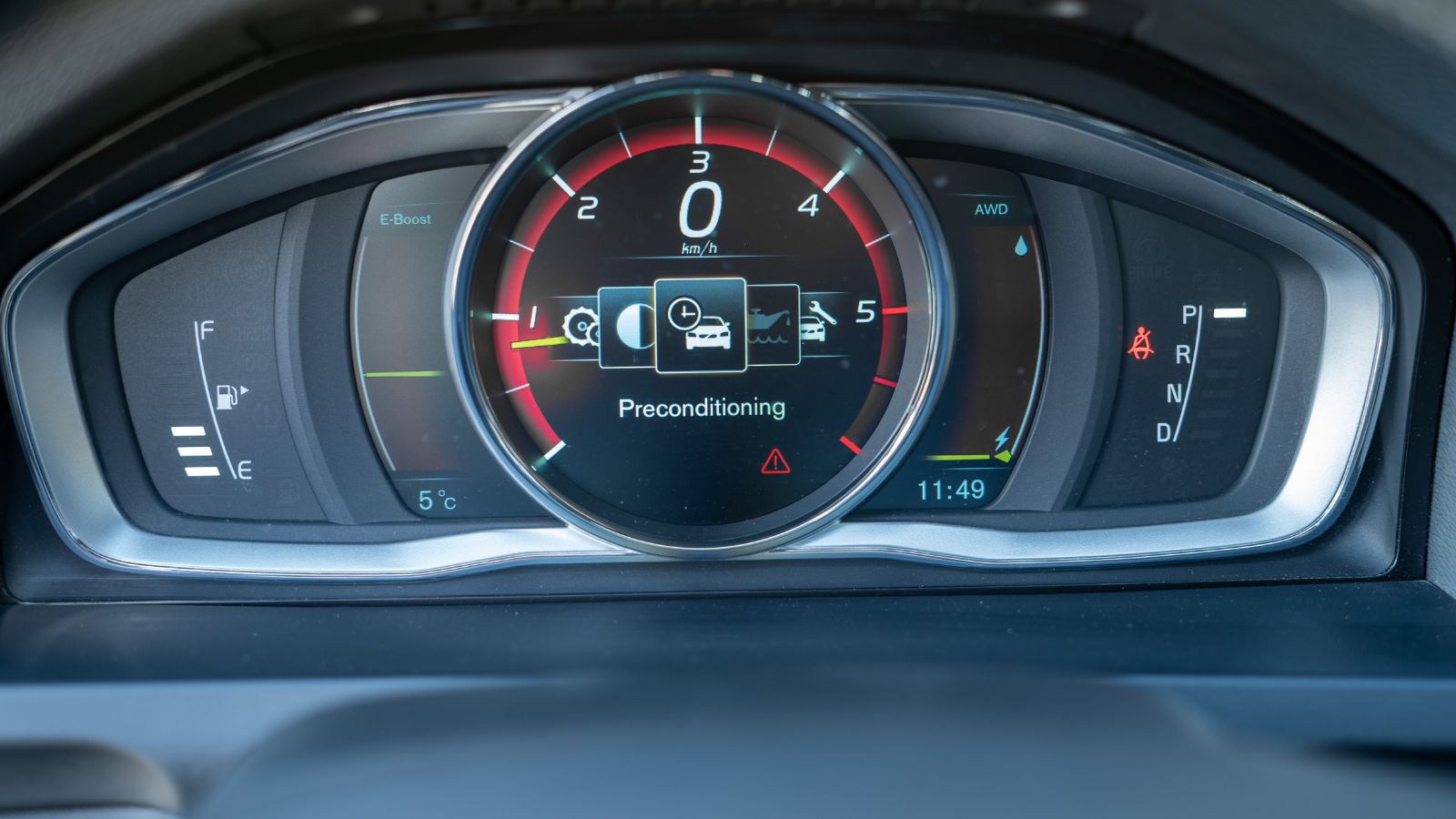
Several countries are already experimenting with speed limiters that communicate with road signs or GPS databases. These systems warn you when you exceed the posted limit, but the next phase could do more than warn. Cars may automatically reduce throttle to match the limit. Supporters say this will reduce collisions and improve pedestrian safety. Critics argue that speed adaptation should stay in the driver’s hands rather than becoming an enforced algorithm.
Connected Cars Make Real Time Control Possible
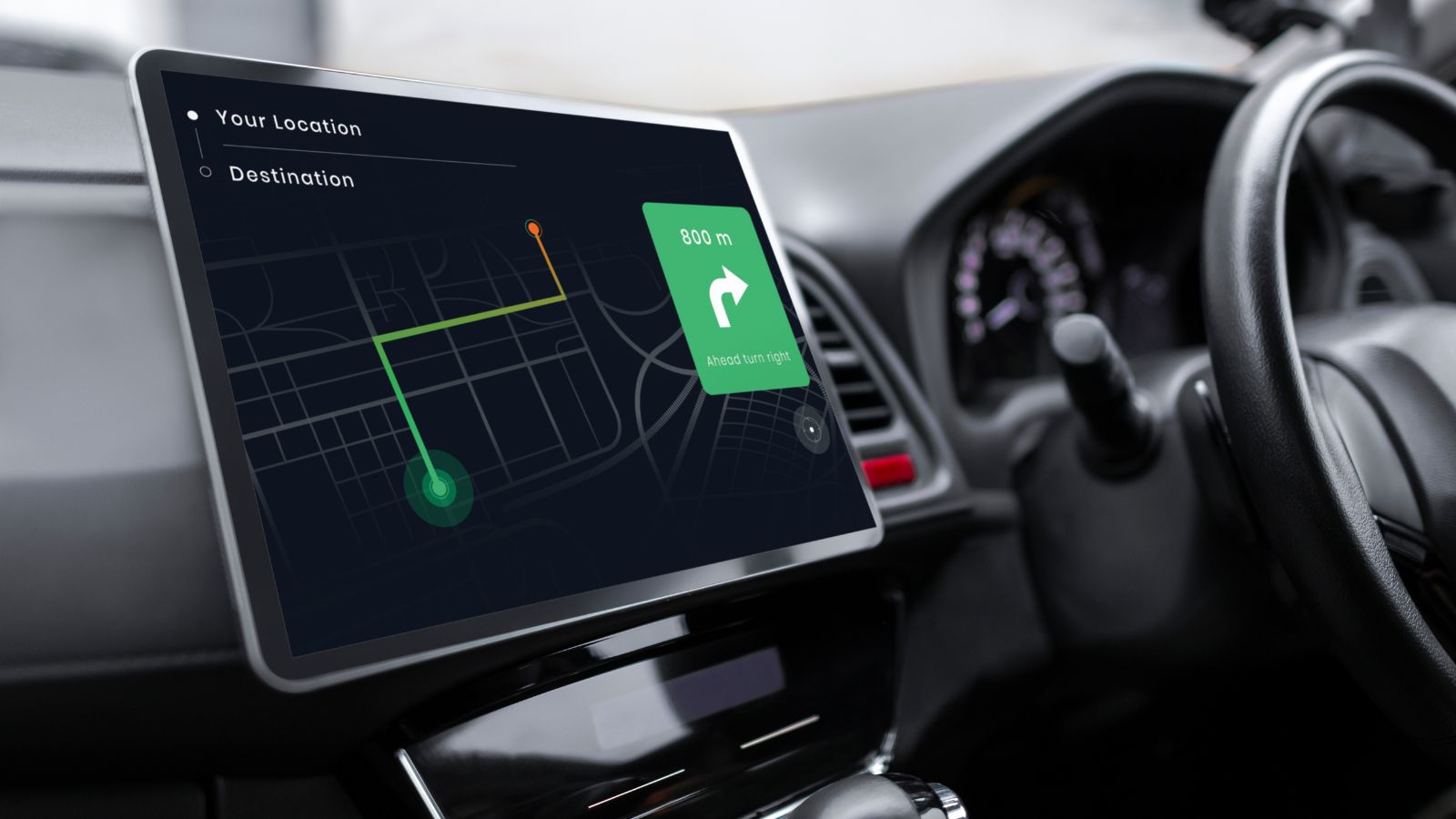
Modern vehicles already transmit huge amounts of data. GPS location, throttle position, braking patterns and even how quickly you take corners are fed into onboard computers. As 5G networks grow, governments could use digital infrastructure to interact with vehicles in real time. That means speed zones, school areas and construction sites could soon issue automatic commands to cars. The technology exists right now. It is simply waiting for legislation to follow.
Safety Advocates Say It Will Save Lives
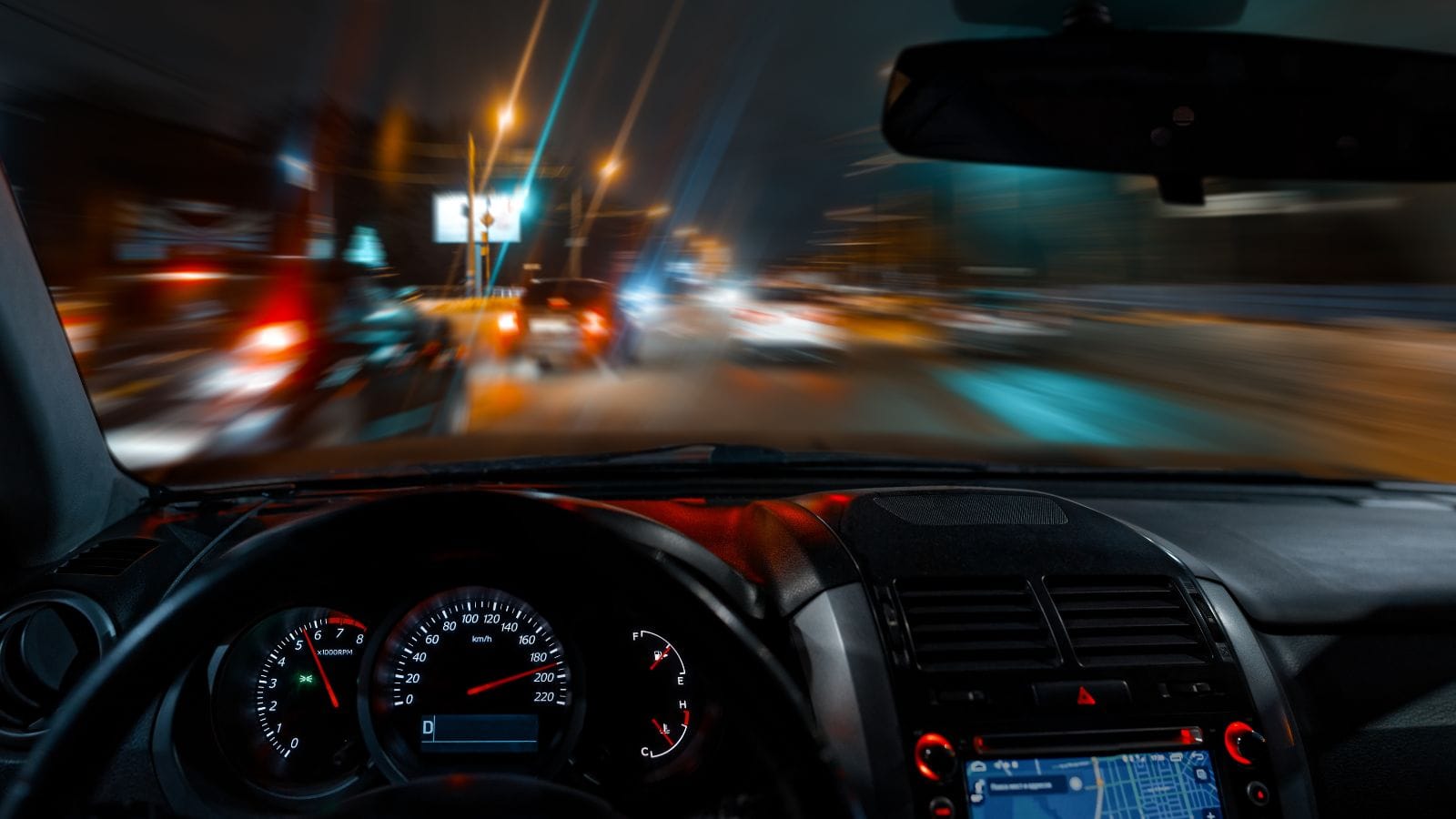
Supporters highlight that excessive speed remains one of the top contributors to road fatalities. By limiting vehicles during dangerous conditions, the system could reduce injuries and collisions. They see it as the logical next step after seat belts, air bags and traction control. From their perspective, if the technology exists to prevent fatal crashes, it becomes difficult to justify not using it.
Drivers Worry About Lost Autonomy

Canadian drivers, especially those in rural areas, push back against automated speed restrictions. Wide open roads, unpredictable wildlife and inconsistent signage make relying on digital maps risky. Many drivers also believe moment to moment judgment cannot be replaced by a computer. The idea that the government might slow your car during a merge, a pass or an emergency feels intrusive and potentially dangerous.
Errors in Limit Detection Create New Problems
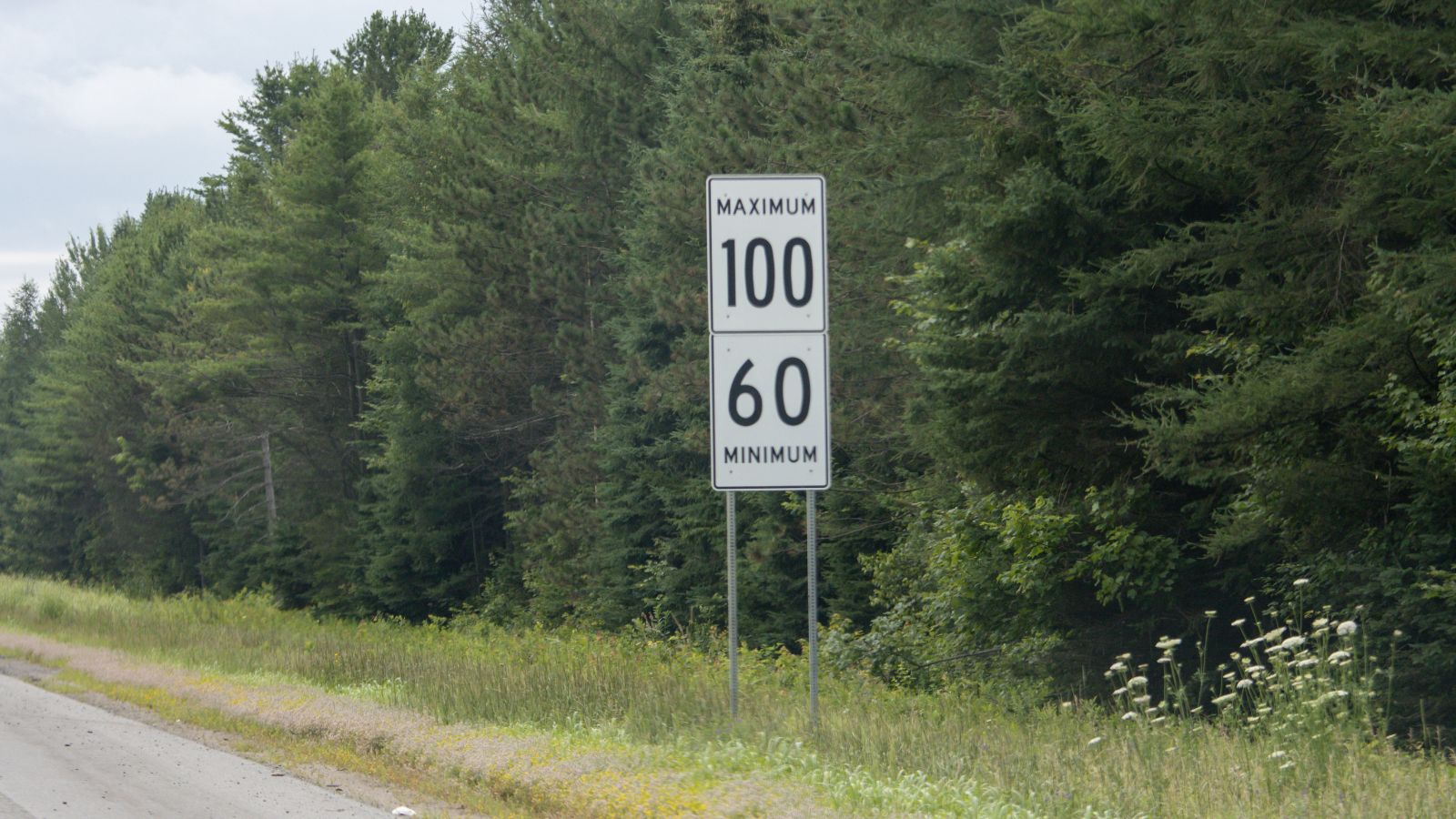
Anyone who has used GPS knows digital maps are not perfect. Speed limits can be outdated, misread or missing entirely. A vehicle that suddenly slows because it “thinks” the limit changed could create far more danger than it prevents. Even camera based detection has flaws when signs are blocked by snow, dirt or commercial trucks. The technology is improving, but it is not flawless.
Questions About Who Controls the System
If the government can slow your car, who else might have access The debate extends beyond safety. Insurance companies, law enforcement agencies and private tech firms may request data or even influence system design. With modern cars behaving more like rolling computers, concerns about surveillance and unauthorized control are growing fast.
Emergency Situations Expose the Limitations
Speed limiters do not understand urgency. If you need to accelerate to avoid a merging semi, bypass a hazard or escape a collision, the computer may not react quickly enough. Most drivers can recall moments where a quick burst of speed prevented an accident. Critics fear that removing this option could make rare but critical situations far more dangerous.
Manufacturers Are Preparing Even Without Laws
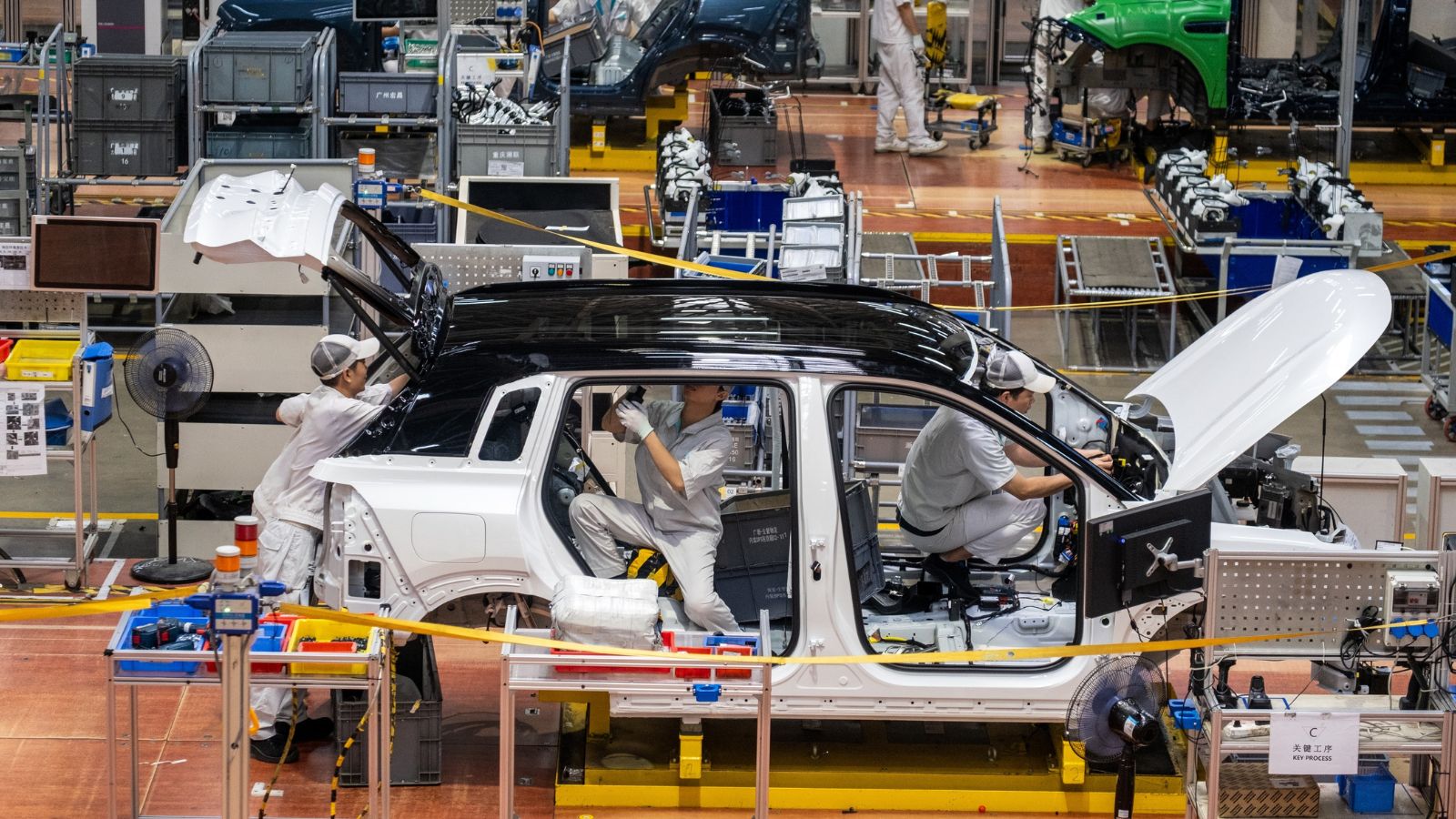
Many new models already include the hardware needed for automated speed control. Embedded cameras read signs, sensors track vehicle behaviour and software can adjust speed with barely any input. Automakers are preparing because European regulations are pushing this direction, and global companies rarely build separate systems for single markets. Canada may not mandate limiters yet, but the groundwork is being laid.
The Slippery Slope of Future Enforcement
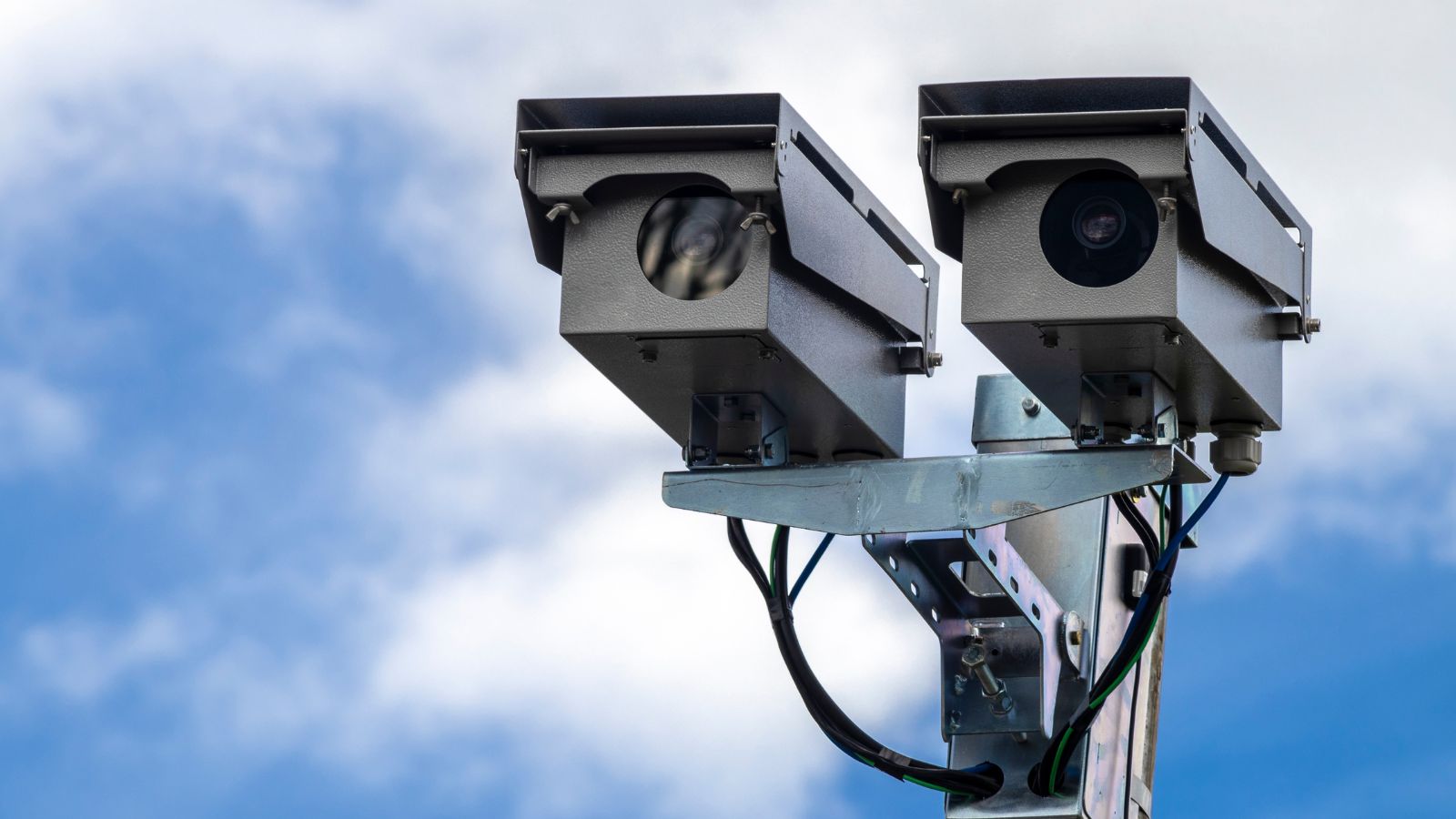
Once vehicles can be remotely slowed or governed, expanding control becomes easier. Temporary event zones, national speed policies, weather based enforcement or even insurance driven restrictions could follow. What begins as a safety measure may turn into a powerful regulatory tool. This is the scenario most drivers fear, not the technology itself.
The Debate Is Just Getting Started
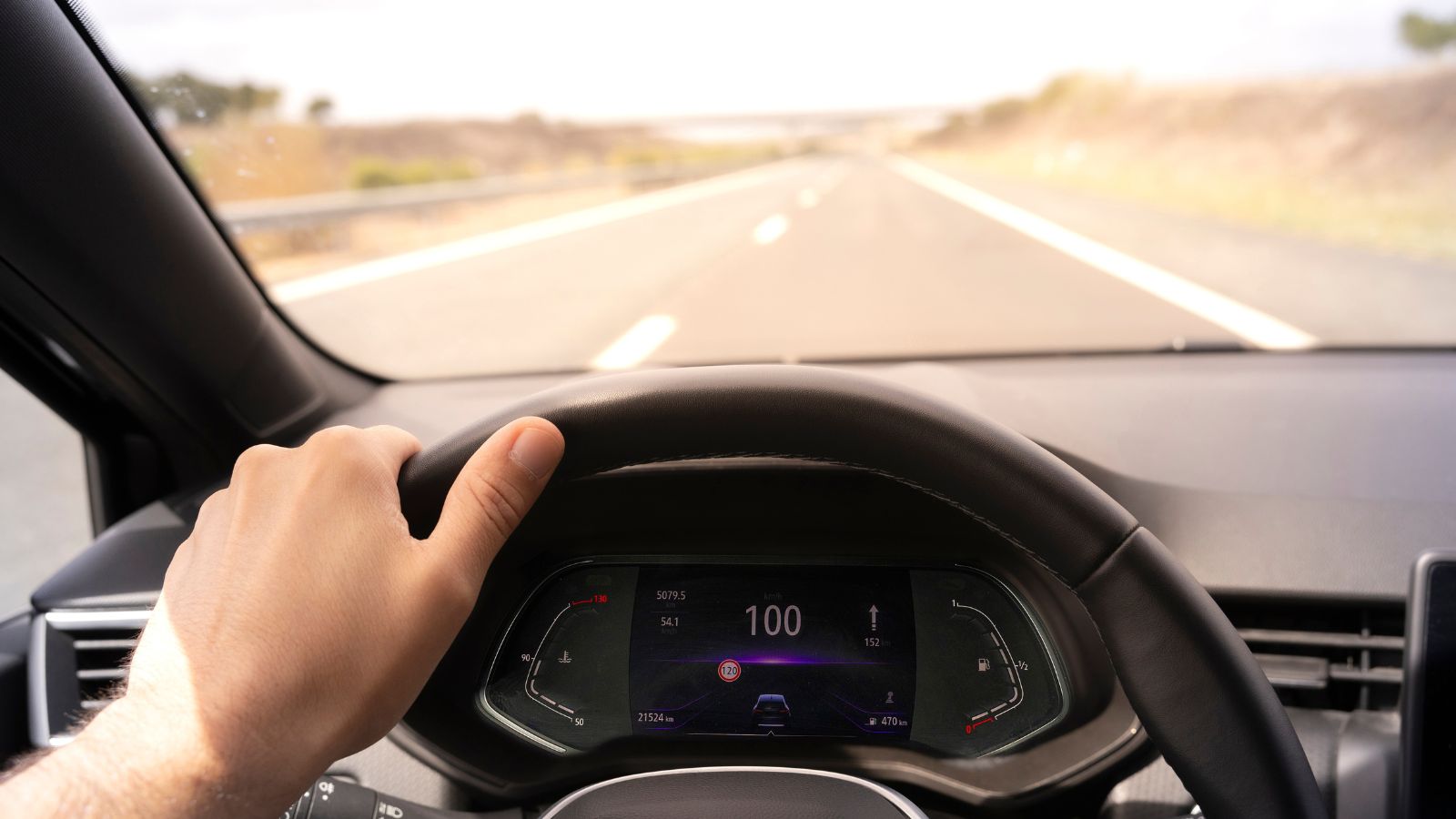
The push for automated speed control will continue as cars become more connected and governments seek new ways to reduce accidents. Some drivers will welcome the extra safety. Others will see it as unacceptable interference. The truth likely sits somewhere in between. What is clear is that the future of driving will involve a negotiation between personal freedom and digital oversight in ways Canadians have never experienced before.
25 Facts About Car Loans That Most Drivers Don’t Realize

Car loans are one of the most common ways people fund car purchases. Like any other kind of loan, car loans can have certain features that can be regarded as an advantage or a disadvantage to the borrower. Understanding all essential facts about car loans and how they work to ensure that you get the best deal for your financial situation is essential. Here are 25 shocking facts about car loans that most drivers don’t realize:
25 Facts About Car Loans That Most Drivers Don’t Realize
