A freezing morning can make an otherwise healthy vehicle feel sluggish, noisy, and reluctant to move. One habit can add unnecessary strain at exactly the wrong moment: demanding hard acceleration or high engine speeds immediately after a cold start. Low temperatures increase friction, affect lubricant flow, and keep the powertrain away from its normal operating conditions for longer. Modern engines are designed to handle winter starts, but that does not mean maximum power should be requested seconds after ignition. Nor does the solution involve idling in the driveway for 10 or 15 minutes. These 12 points explain what happens inside a cold powertrain, why aggressive driving immediately after startup can be counterproductive, and how a short period of gentle operation can make winter driving easier on both the engine and the fuel budget.
The Mistake Happens in the First Few Minutes
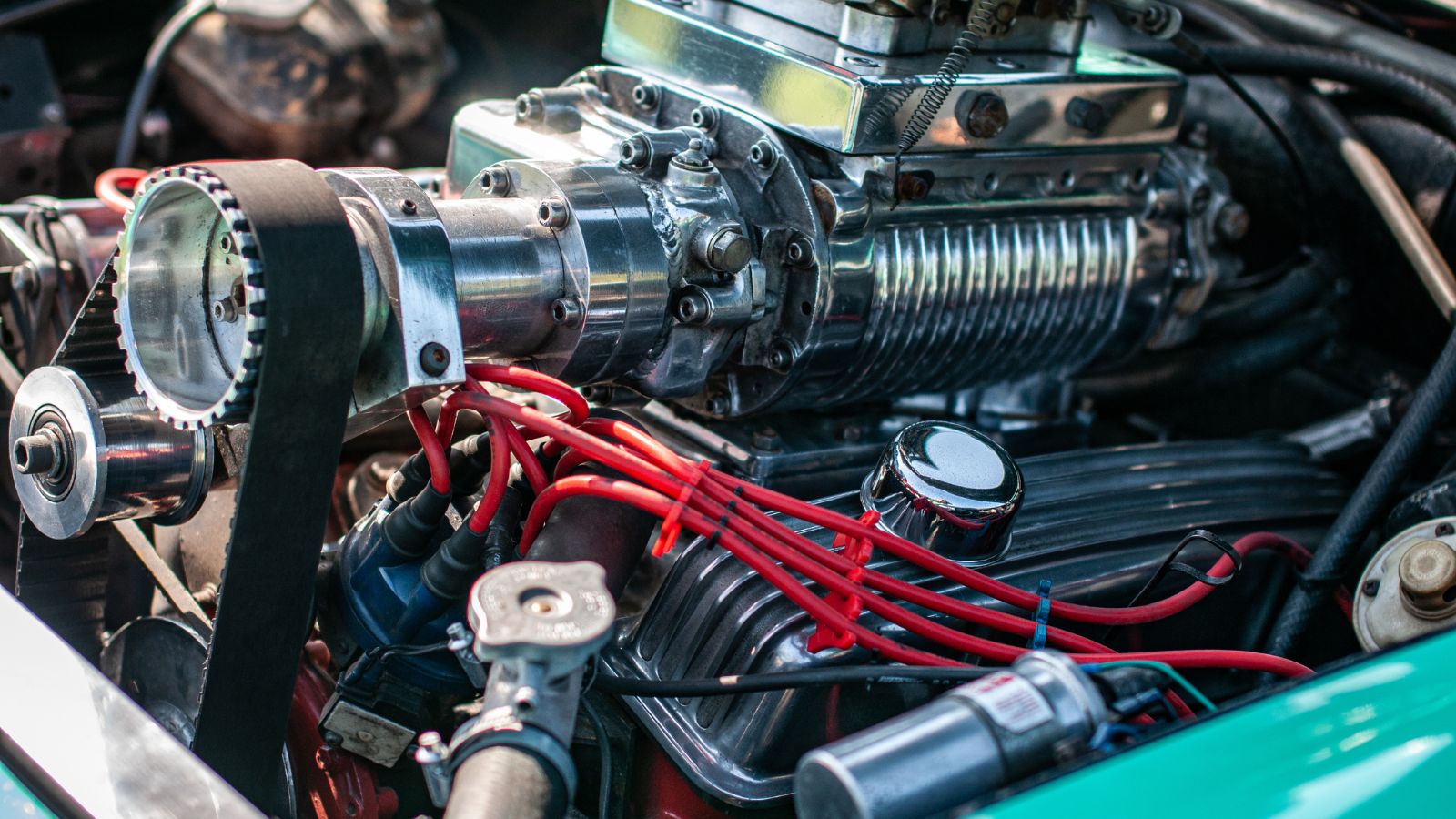
The problematic habit is simple: starting an ice-cold vehicle and immediately asking the engine for heavy acceleration, high RPM, or sustained high-speed performance. A modern fuel-injected engine may start cleanly and settle into a stable idle almost immediately, which can create the impression that everything underneath the hood is equally ready. Internally, however, the lubricants and mechanical components are still much colder than they will be during normal operation.
Manufacturers sometimes make that limitation surprisingly explicit. Ford, for example, instructs drivers of certain performance models to wait until the engine is properly warmed before using high engine speeds. Some Ford diesel systems go further in extreme cold by temporarily preventing accelerator use while lubrication begins. Those are model-specific examples rather than rules for every vehicle, but the engineering principle is useful: a successful start is not the same thing as full operating readiness. Smooth, moderate driving initially places a much more reasonable demand on a cold engine.
Cold Oil Creates More Resistance
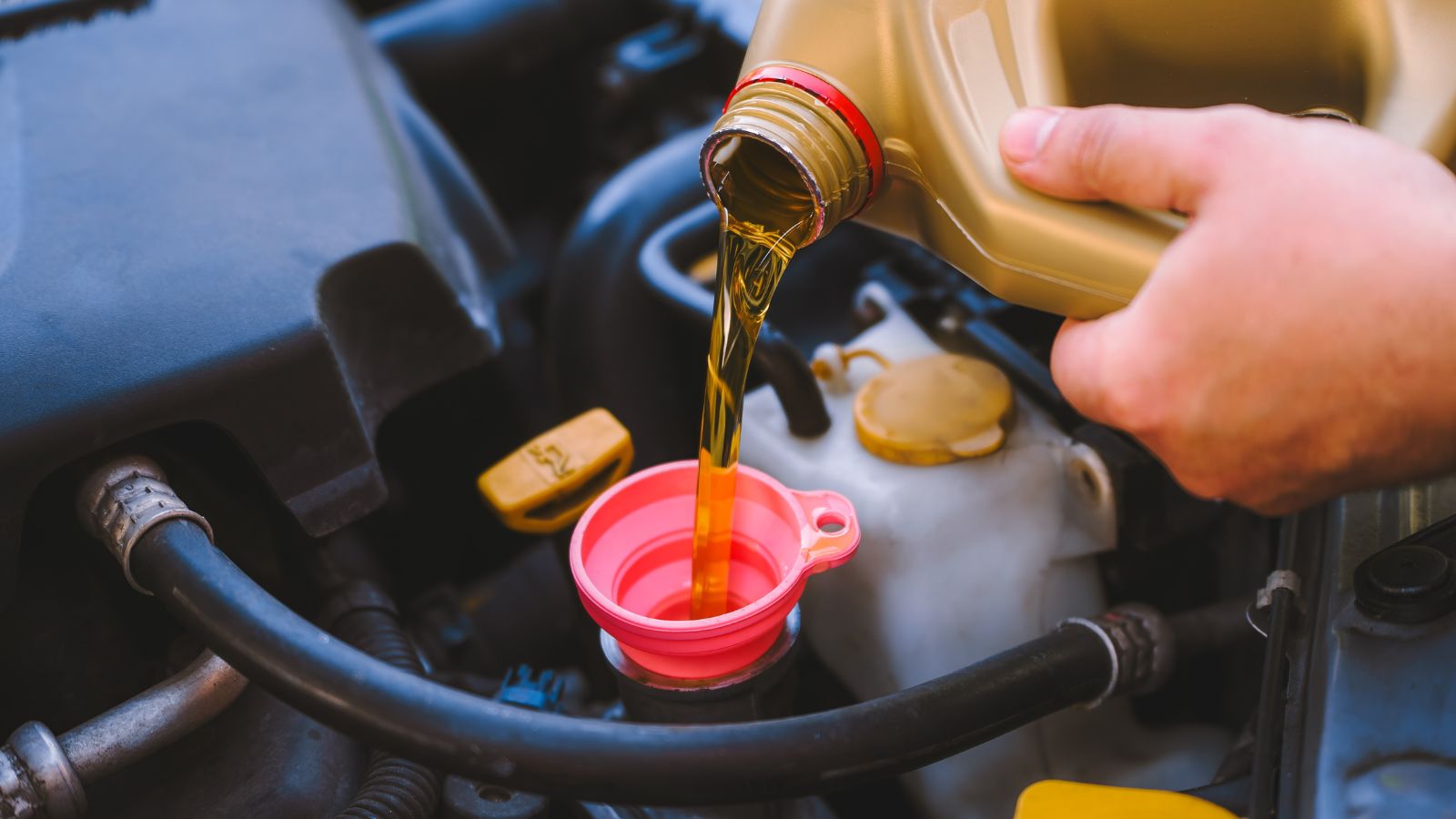
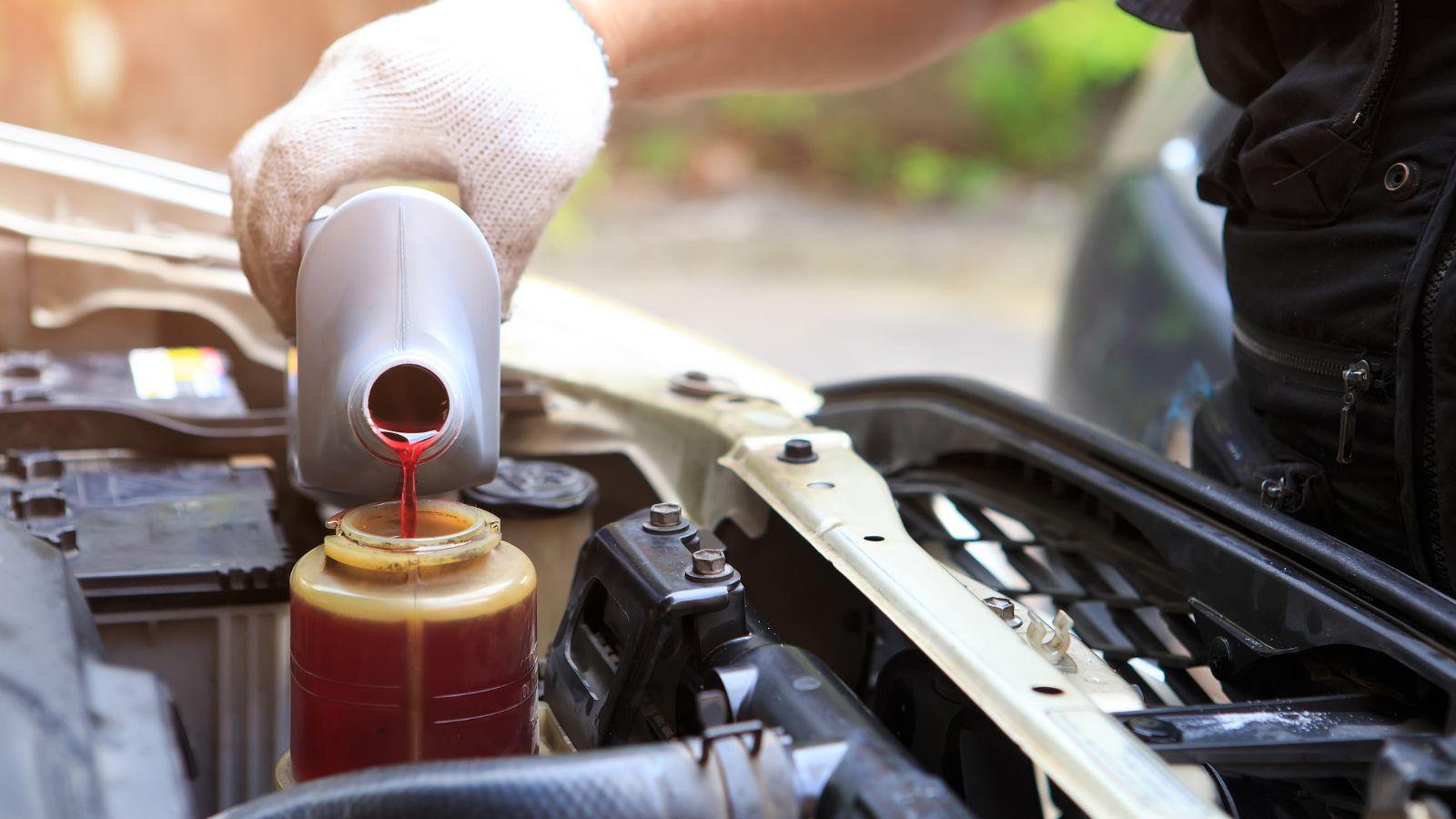
Engine oil is designed to form a protective film between rapidly moving metal components, but its behaviour changes with temperature. Cold lubricants resist flow more than they do once warmed, and the U.S. Department of Energy and Environmental Protection Agency specifically identify cold engine oil and driveline fluids as reasons engine and transmission friction increases during winter. That additional resistance means more of the engine’s effort is being consumed internally before useful power ever reaches the wheels.
Laboratory research provides a useful illustration of how dramatic temperature and viscosity effects can become. In an SAE study involving a diesel engine tested between -20°C and -30°C, changing among oils with different viscosities produced major differences in the torque required during cranking. The least-viscous oil reduced initial torque-to-turn by almost 36% compared with the most-viscous oil tested. That specific figure should not be applied to every modern vehicle, but it demonstrates why cold lubrication is a genuine engineering consideration rather than simply an old winter-driving myth.
Oil Pressure and Lubrication Need Time to Stabilize
Oil begins circulating as soon as the engine starts, but extremely low temperatures can affect how quickly the lubrication system reaches its intended conditions. The same SAE cold-start study found that, under its severe laboratory conditions, one of the more viscous oils tested took more than 23 seconds to reach normal oil pressure. Researchers cautioned that delayed pressure under cold-climate conditions could contribute to premature component wear. That test involved a particular diesel engine and should not be treated as a universal 23-second rule.
Manufacturer behaviour reinforces the underlying concern. Ford documentation for certain diesel applications describes a cold-weather starting strategy that can disable the accelerator for 30 seconds specifically to allow engine oil to lubricate the bearings. Other instructions tell operators not to increase engine speed until normal oil pressure is indicated. Most passenger cars require no such elaborate procedure, but the lesson transfers well: immediately racing a freshly started engine provides little benefit while demanding more from components during a period when lubrication conditions are still changing.
A Cold Engine Is Also a Less Efficient Engine
Extra mechanical resistance is only part of the winter penalty. An engine also needs time to reach the temperature range in which it operates most efficiently. Until then, its fuel-management strategy, combustion conditions, fluids, and emissions-control equipment are dealing with temperatures far below their normal operating range. Hard acceleration during this phase adds demand just when the powertrain is already operating under less favourable conditions.
Current FuelEconomy.gov data, administered by Oak Ridge National Laboratory for the U.S. Department of Energy and EPA, illustrate the difference. Testing indicates that a conventional gasoline vehicle’s city fuel economy can be roughly 15% lower at 20°F (-7°C) than at 77°F (25°C). The agency attributes some of that decline directly to the longer time required for the engine to reach its most fuel-efficient temperature. Winter driving therefore starts with an unavoidable efficiency disadvantage. An aggressive launch from the driveway does not overcome it; it simply requests additional power while the vehicle is still working its way toward normal operating conditions.
The Rest of the Drivetrain Is Cold Too
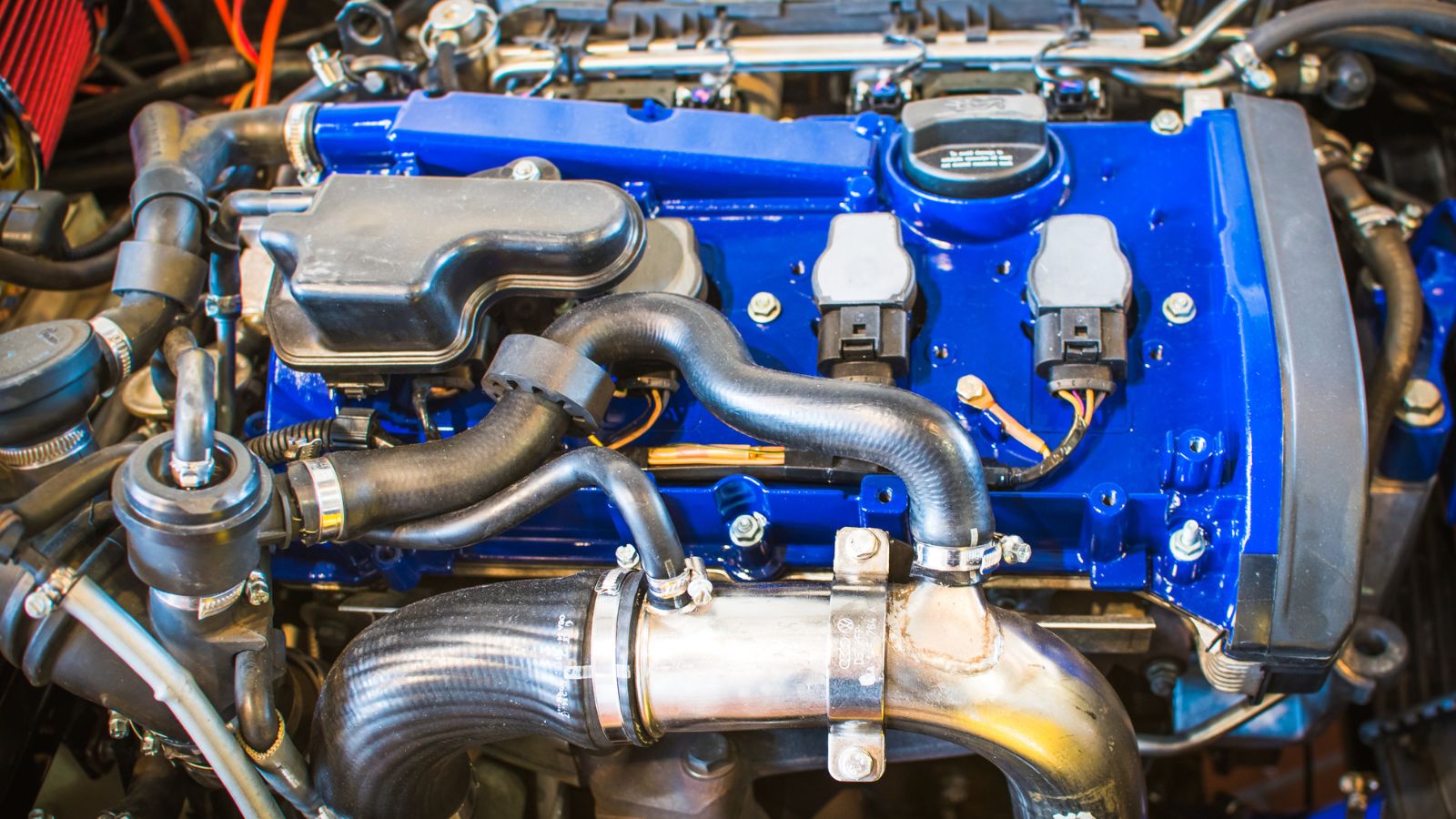
Focusing only on engine coolant can hide another winter reality: the transmission and other driveline components are cold as well. FuelEconomy.gov notes that low temperatures increase friction not only because of cold engine oil but also because other driveline fluids are cold. That means the powertrain can feel heavier or less responsive during the opening minutes even when the engine itself sounds perfectly normal.
This matters when a driver tries to force the vehicle to behave exactly as it does on a summer afternoon. A large throttle input may prompt an automatic transmission to select a lower gear and raise engine speed to produce the requested acceleration. Meanwhile, the drivetrain is still overcoming greater cold-fluid resistance. Gentle throttle gives the complete system time to come up in temperature while the vehicle is moving. It also has a practical winter-safety benefit: on snow or ice, smoother power delivery reduces the likelihood of demanding more tire grip than the road can provide. The warm-up period benefits more than one component.
Ten Minutes of Idling Is Not the Answer

Avoiding hard acceleration does not mean leaving a modern vehicle idling until the cabin is tropical. Extended warm-up idling is an inefficient substitute for gentle driving. FuelEconomy.gov points out that a vehicle sitting stationary receives zero miles per gallon, while U.S. Department of Energy guidance says driving allows modern engines to reach their ideal operating temperature faster than idling. Long driveway warm-ups therefore consume fuel without warming every moving component in the same way that actual driving does.
The distinction is important because two outdated habits often appear together: either driving aggressively immediately after startup or idling excessively to avoid doing so. A better approach falls between those extremes. Federal guidance says most manufacturers recommend starting to drive gently after roughly 30 seconds in ordinary cold-weather conditions. There are legitimate reasons to idle longer, including the time needed to obtain safe windshield visibility and manufacturer requirements in extreme cold. The goal is not to eliminate warm-up entirely; it is to avoid confusing prolonged stationary idling with careful mechanical treatment.
Gentle Driving Warms the Vehicle More Effectively

Once the engine has settled after startup and the windows are safe to see through, moderate driving usually provides the useful middle ground. Under light-to-moderate load, the engine generates heat while circulating oil, coolant, and other fluids through working systems. FuelEconomy.gov specifically advises minimizing warm-up idling and driving away gently after about 30 seconds for most vehicles because the engine warms faster when the vehicle is driven.
“Gently” does not require crawling through a neighbourhood at walking speed. It means avoiding unnecessary full-throttle launches, repeated high-RPM operation, and immediately demanding maximum performance. Normal acceleration that keeps up with traffic is generally very different from flooring the accelerator onto the first major road. Drivers of older vehicles, diesels, performance cars, and vehicles operating in exceptionally low temperatures should follow their manuals because recommendations can differ. For the typical modern gasoline vehicle, however, smooth driving is a more effective warm-up strategy than either racing a cold engine or allowing it to sit stationary for an extended period.
Short Winter Trips Magnify the Cold-Start Penalty

A five-minute winter errand can be disproportionately hard on fuel economy because much of the journey may occur before the engine reaches efficient operating temperature. According to current FuelEconomy.gov testing, conventional gasoline cars can lose as much as 24% of their fuel economy on short three-to-four-mile trips at 20°F compared with operation at 77°F. Across winter city driving more broadly, the agency gives a typical conventional-vehicle loss of roughly 10% to 20%.
That explains a familiar seasonal experience: a vehicle that delivers respectable mileage on a long commute can appear unusually thirsty when used mainly for school runs, grocery pickups, or repeated errands a few kilometres apart. Each fully cooled engine has to go through another warm-up cycle. Combining nearby errands when practical allows the already-warming engine to remain closer to normal temperature instead of repeatedly starting from cold. It also reduces the temptation to “make up time” with hard acceleration during several consecutive cold starts, precisely when smoother operation is preferable.
Using the Correct Oil Grade Matters in Winter
The numbers printed on a bottle of multigrade engine oil are not decorative. The portion containing the “W” describes low-temperature viscosity behaviour. Industry guidance explains that, within comparable viscosity classifications, a lower winter number is associated with easier flow at cold startup. That is one reason manufacturers carefully specify oils capable of meeting the lubrication needs of a particular engine over its expected temperature range.
That does not mean drivers should simply switch to the thinnest oil they can find. Clearances, oil pumps, variable-valve systems, turbochargers, emissions equipment, and other engine components are engineered around specific lubricant requirements. FuelEconomy.gov advises using the manufacturer’s recommended oil for cold-weather driving, and Ford similarly emphasizes the correct oil grade in freezing conditions for its applicable engines. The owner’s manual therefore matters more than a generic winter tip. Correct oil can help the engine behave as designed during a cold start; an unapproved viscosity chosen solely because it appears “better for winter” can create an entirely different set of problems.
A Block Heater Can Improve the Starting Conditions
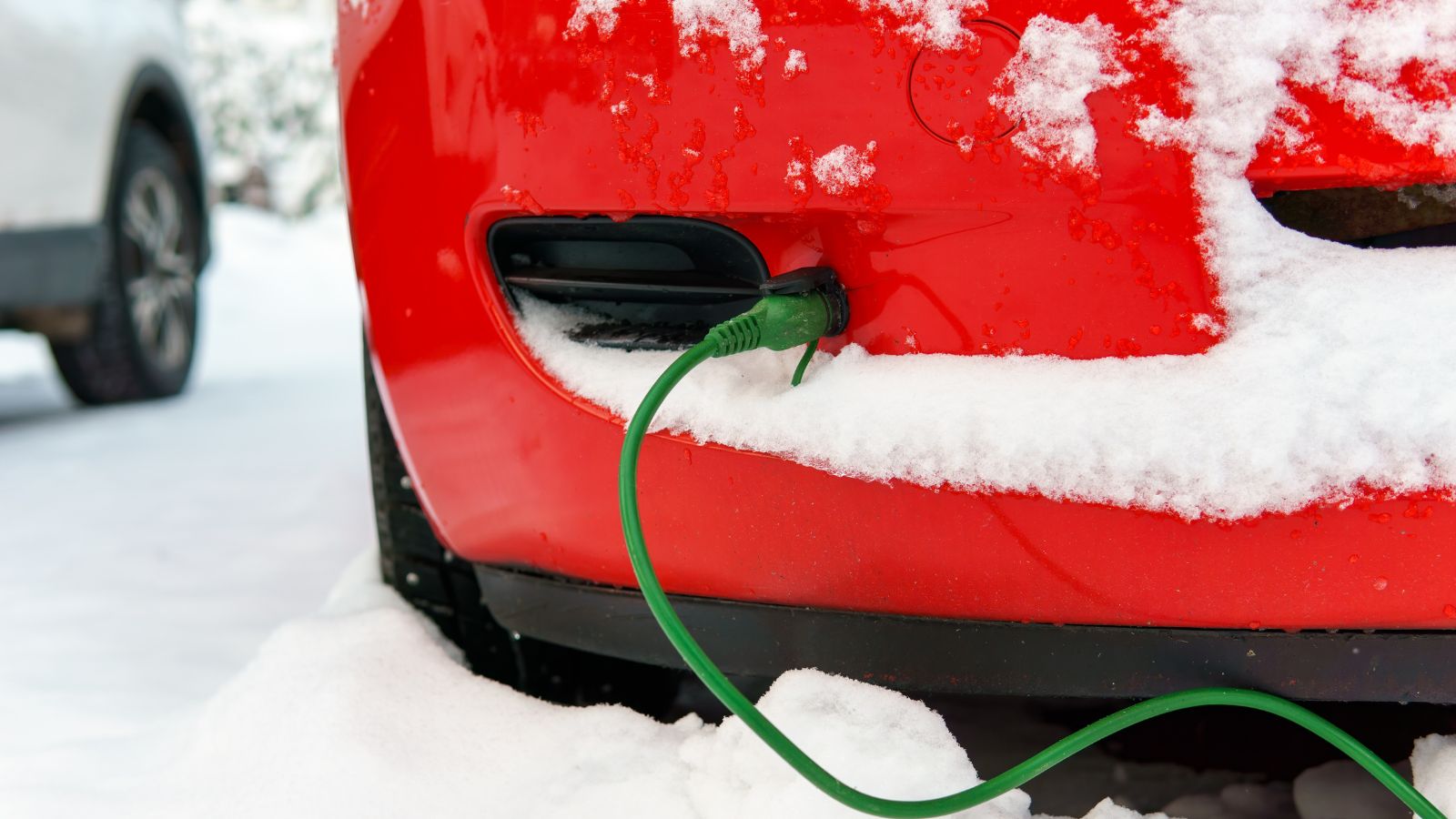
In genuinely severe climates, preventing the engine from becoming completely cold-soaked can be more useful than trying to warm it after startup. Engine block heaters warm part of the engine before ignition, reducing the temperature gap that the powertrain must overcome. Natural Resources Canada describes block heaters as a way to warm the engine in advance and reduce the fuel required during warm-up, particularly in colder conditions.
Manufacturer recommendations show how climate-dependent this advice can be. Ford, for example, recommends block-heater use for certain diesel vehicles at approximately -23°C (-9°F) and below. The exact threshold varies by model, so that temperature is not a universal trigger for every car or truck. For drivers living where overnight temperatures routinely plunge well below freezing, checking the owner’s manual for block-heater guidance can be far more useful than adopting an arbitrary idling routine. Preheating changes the engine’s initial conditions before the starter even turns, which directly addresses the mechanical difficulty created by extreme cold.
Extreme Cold Can Change the Rules
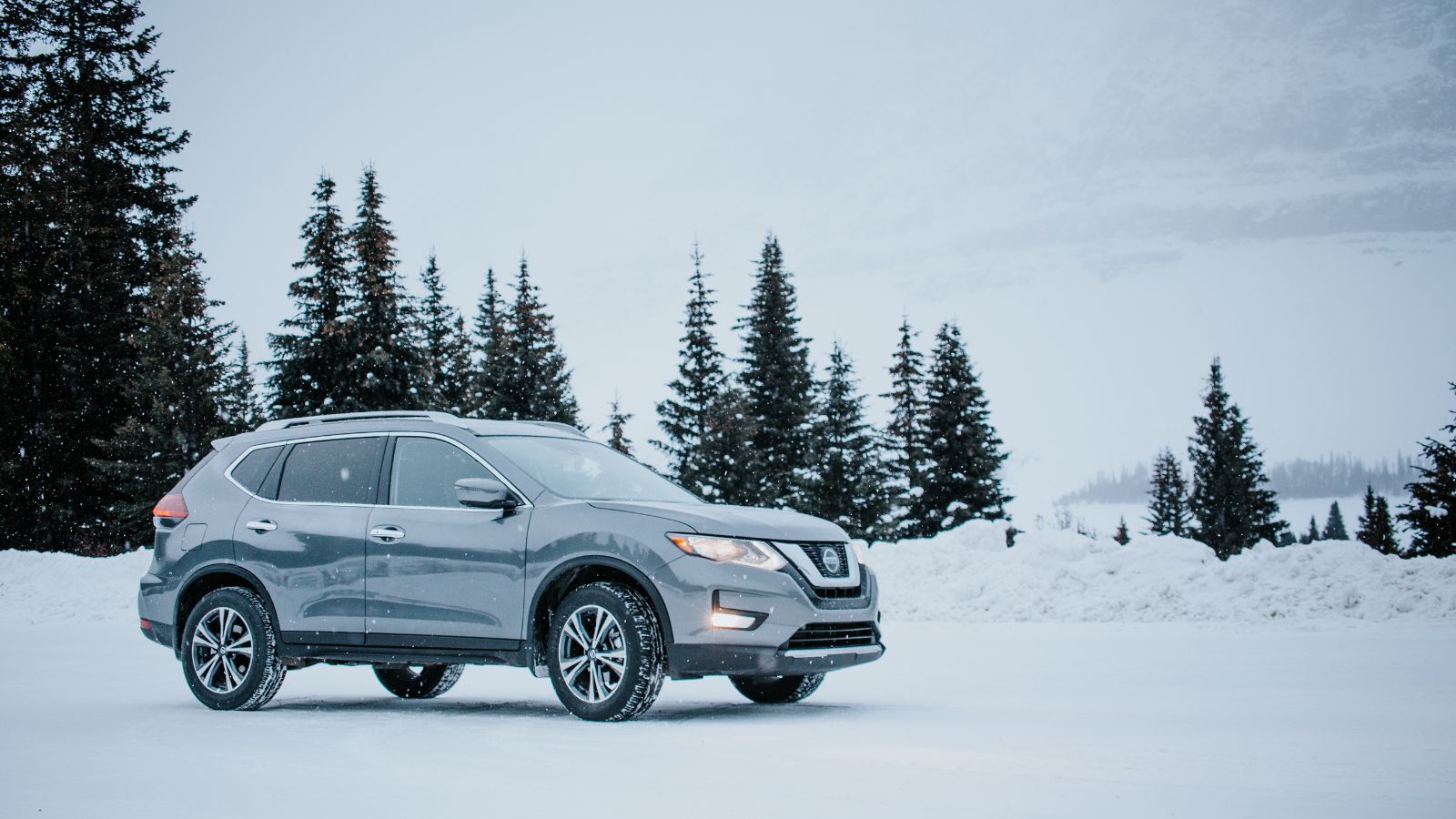
Generic advice such as “drive after 30 seconds” has an important limitation: winter at -5°C is not the same engineering environment as winter at -30°C. Manufacturers can prescribe additional procedures once temperatures become extreme, especially for diesel engines. One Ford diesel manual, for example, recommends allowing the engine to idle for several minutes when starting at approximately -26°C (-15°F), while also recommending a block heater at about -23°C (-9°F) or below.
Some systems even reduce driver control temporarily. Ford describes cold-weather programming on certain vehicles that prevents accelerator use for 30 seconds so that engine lubrication can develop before additional demand is permitted. Those examples demonstrate why universal internet rules should never override model-specific instructions. Gasoline engines, diesels, hybrids, performance vehicles, and older cars can have substantially different cold-start strategies. What remains consistent is the principle of avoiding unnecessary engine stress. When temperatures become exceptionally low, the owner’s manual—not a fixed folklore rule about five, 10, or 20 minutes of idling—should decide the procedure.
The Better Cold-Start Routine Is Simple
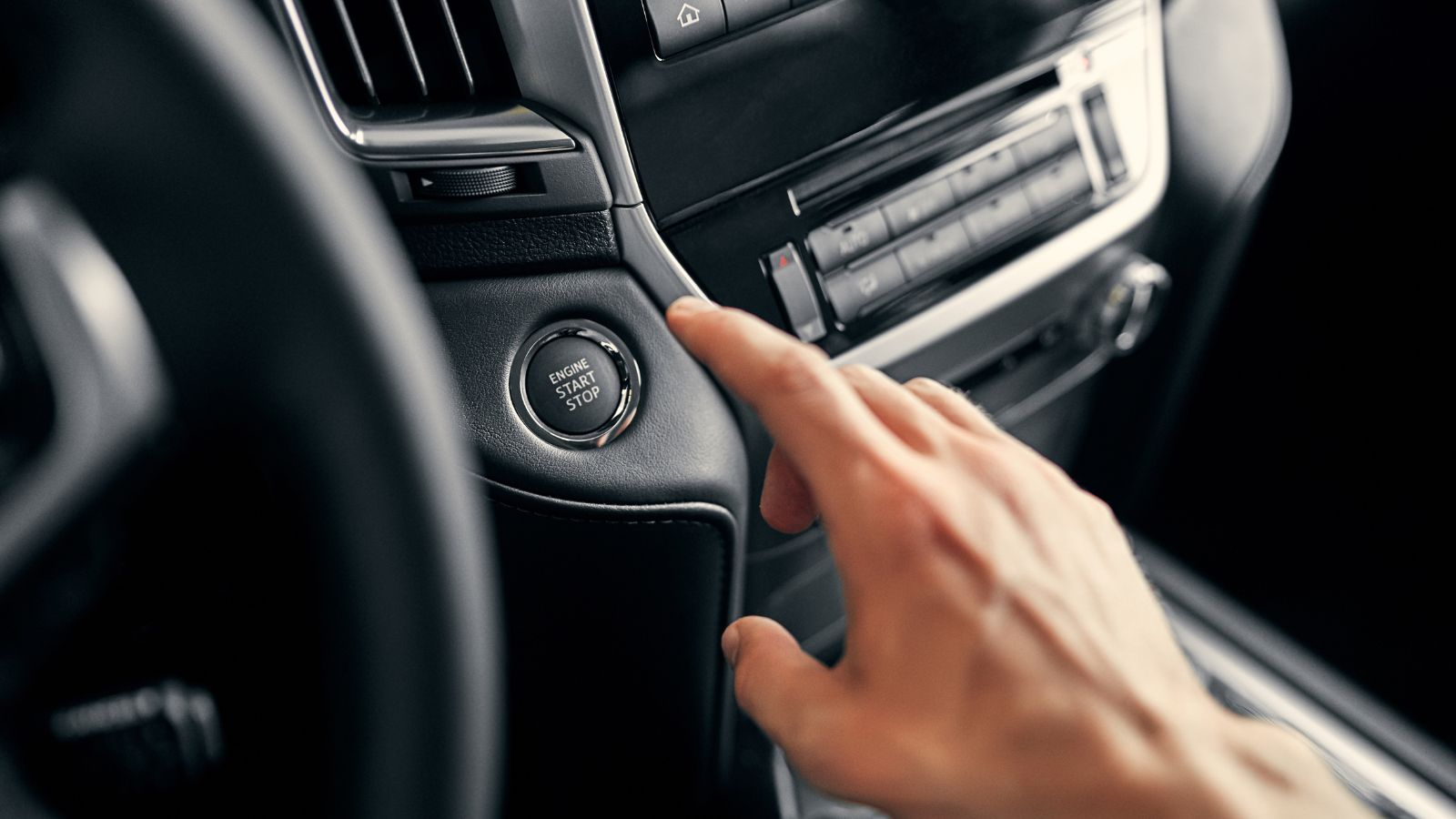
For most modern gasoline vehicles in ordinary winter conditions, the sensible routine is uncomplicated. Start the engine without unnecessary accelerator input, use the brief settling period to buckle up and prepare the cabin controls, make sure snow and ice have been removed and visibility is safe, then pull away smoothly. FuelEconomy.gov says most manufacturers recommend gentle driving after roughly 30 seconds rather than prolonged warm-up idling. High engine speeds can wait until the powertrain has had time to warm.
There is no need to treat a cold engine as though it were dangerously fragile, but there is equally little reason to demand maximum output immediately. The first few minutes are a poor time for full-throttle acceleration, unnecessary revving, or aggressive driving. When the weather becomes exceptionally severe, the vehicle has special diesel starting procedures, or the manufacturer specifies a different routine, those instructions take priority. The most effective winter habit is therefore less about watching a stopwatch and more about mechanical sympathy: correct oil, appropriate preheating where recommended, a brief startup period, and smooth operation until normal temperatures develop.
19 Used Cars Canadians Should Avoid in 2026 (Based on Owner Complaints)

Buying a used car in Canada can feel safe until repair bills start stacking up. Owner complaints tell a different story than glossy listings. Transmission failures, electrical problems, and weak winter reliability show up again and again in consumer reports. Many of these issues appear after warranties expire, when owners least expect them. Some vehicles look affordable upfront, but become expensive to keep on the road. Others struggle in cold weather, urban driving, or long highway commutes. Here are 19 used cars Canadians should avoid in 2026 (based on owner complaints).
19 Used Cars Canadians Should Avoid in 2026 (Based on Owner Complaints)

Alanna Rosen is an experienced content writer that focuses on many EV and educational content. Her articles are regularly published on Get CyberTrucked and syndicated on large publications.