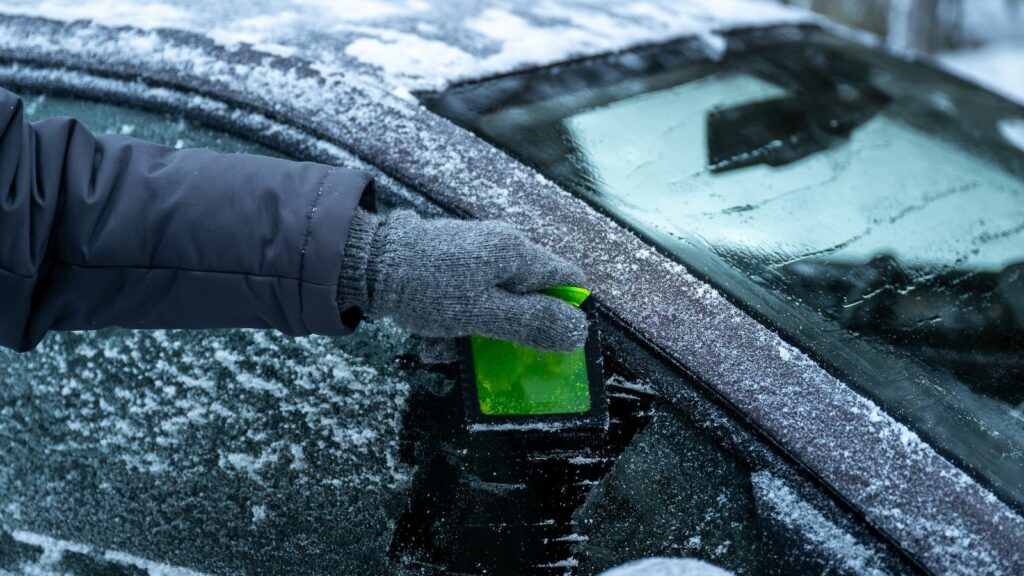
A frozen windshield creates a uniquely persuasive kind of impatience. The cabin is cold, the clock is moving, and a shortcut that promises instant visibility can seem harmless. Yet the wrong defrosting method can turn an ordinary winter morning into a costly glass replacement—especially when the windshield already carries a small chip or hidden edge flaw.
These 12 points explain the mistake most likely to crack cold glass, the physics behind thermal shock, the safest way to combine heat, air conditioning, washer fluid, and scraping, and the steps that reduce frost before it forms. They also show why modern cameras, sensors, and laminated construction make proper windshield care more important than it first appears.
Hot Water Creates the Most Dangerous Temperature Jump
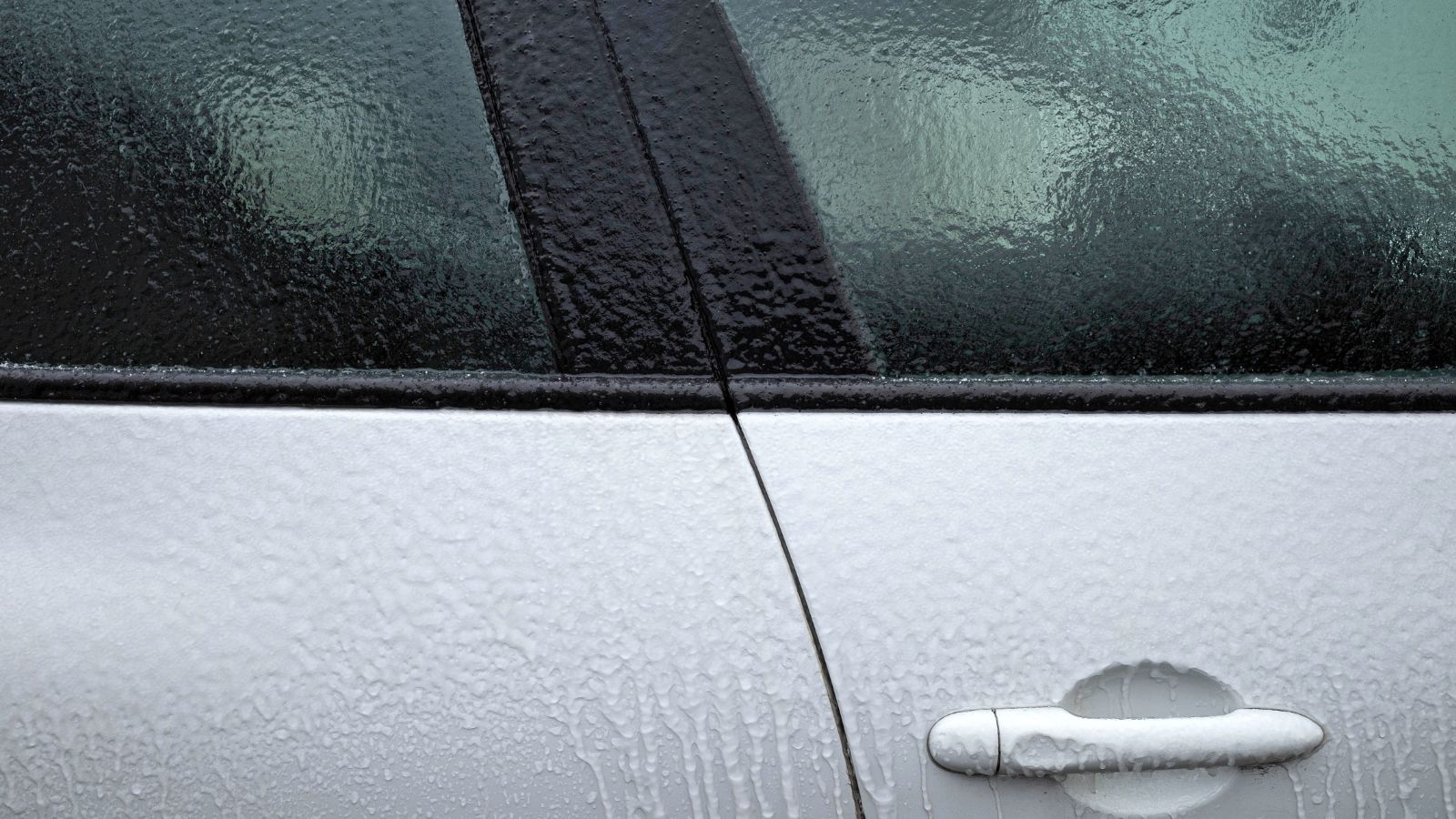
The classic shortcut is also the central mistake: pouring hot or boiling water onto a windshield that has been sitting below freezing. The ice may disappear instantly, but the glass underneath is forced to warm far faster than the surrounding edges and inner layer. That abrupt mismatch is called thermal shock, and automotive organizations repeatedly warn that it can start or extend a crack.
A commuter facing a late departure may see a kettle as a thirty-second solution. In reality, the repair bill can arrive before the driveway is cleared. Even water that feels merely warm can create a sharp enough contrast when outdoor temperatures are very low. The safer principle is simple: let the vehicle’s defroster raise the glass temperature progressively, then remove softened ice with a plastic scraper. Saving several minutes is rarely worth gambling with a large, curved piece of laminated safety glass. The risk is unnecessary.
Glass Breaks From Uneven Heating, Not Heat Alone
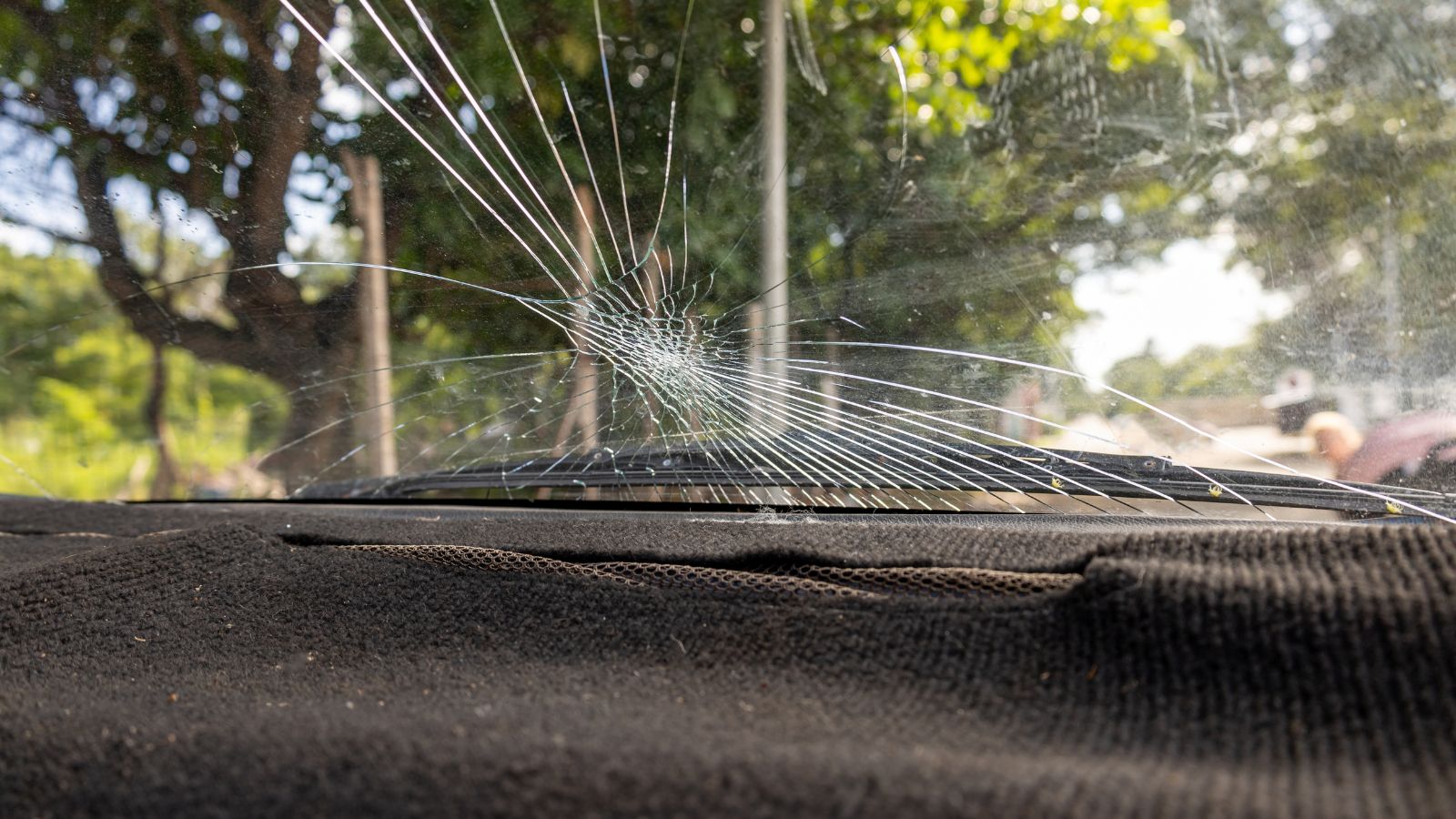
A windshield does not usually fail because it becomes warm. The greater threat is uneven warming. Glass expands as its temperature rises, but a frozen windshield cannot expand uniformly when one area is heated suddenly. The warmer section tries to grow while colder sections resist that movement, creating internal stress. Materials research on glazing shows that temperature gradients are a key driver of thermal cracking.
This explains why a small patch of very hot water can be worse than slowly warming the whole surface. It also explains why damage may appear a moment after the water is poured rather than at first contact. The stress concentrates near edges, mounting points, scratches, or existing flaws, then travels along the weakest path. A driver may hear a faint tick and watch a line spread across the glass. The event looks spontaneous, but the physics began with an uneven temperature change. Every time.
Modern Windshields Are Strong, but They Are Not Invincible
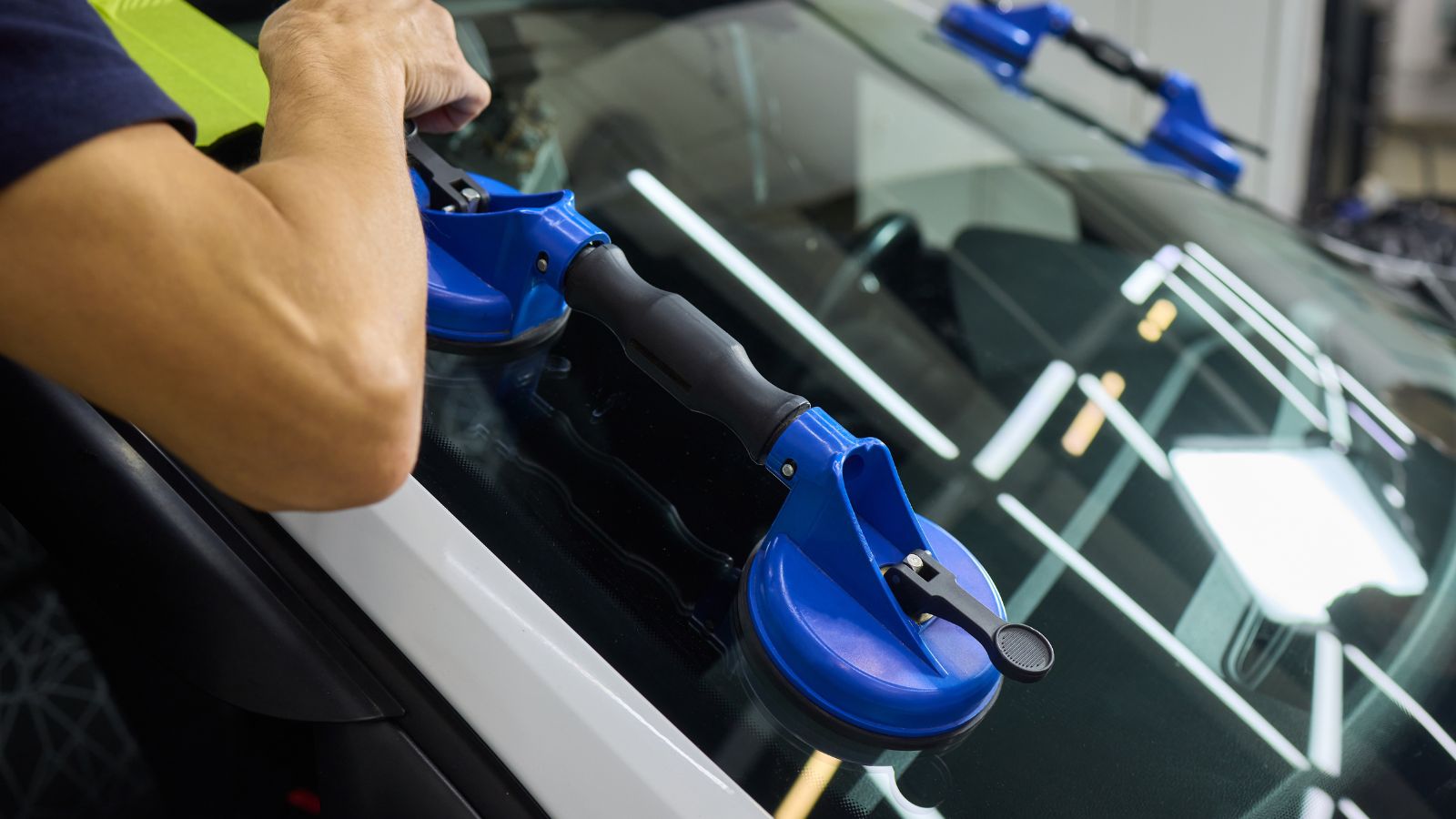
Most modern windshields use laminated safety glass rather than the tempered glass commonly found in side windows. Laminated construction typically sandwiches a plastic interlayer between two glass layers. The design helps the windshield remain together after impact and reduces the chance of large, sharp fragments entering the cabin. Federal glazing standards regulate the performance of automotive safety glass.
That safety engineering can create false confidence. Lamination helps control the consequences of breakage; it does not make the outer glass layer immune to thermal stress. A crack may stay contained by the interlayer, yet still spread far enough to obstruct vision or require replacement. Consider a stone chip that survives months of summer driving. On a bitter morning, a sudden blast of hot water may provide the extra stress needed to turn that small blemish into a long fracture. Safety glass is protective, not indestructible. Lamination cannot erase every hidden flaw.
Existing Chips Turn a Shortcut Into a Bigger Gamble

A tiny chip is more than a cosmetic mark. It is a stress concentrator, meaning force can gather around the damaged area instead of being distributed evenly through the glass. Cold weather adds repeated contraction, while cabin heat and defrost cycles add expansion. AAA guidance notes that freezing conditions and rapid temperature changes can cause small windshield damage to spread.
The risk is easy to underestimate because the original impact may have happened weeks earlier. A pebble leaves a star-shaped chip on a highway trip, the vehicle continues operating normally, and the flaw becomes part of the background. Then the first severe freeze arrives. Hot water, aggressive scraping, or a strong localized heat source can push the weakened area past its limit. Early repair is usually simpler than waiting for a crack to cross the driver’s field of view, reach an edge, or interfere with windshield-mounted equipment. That timing matters.
The Defroster Should Warm the Glass Progressively
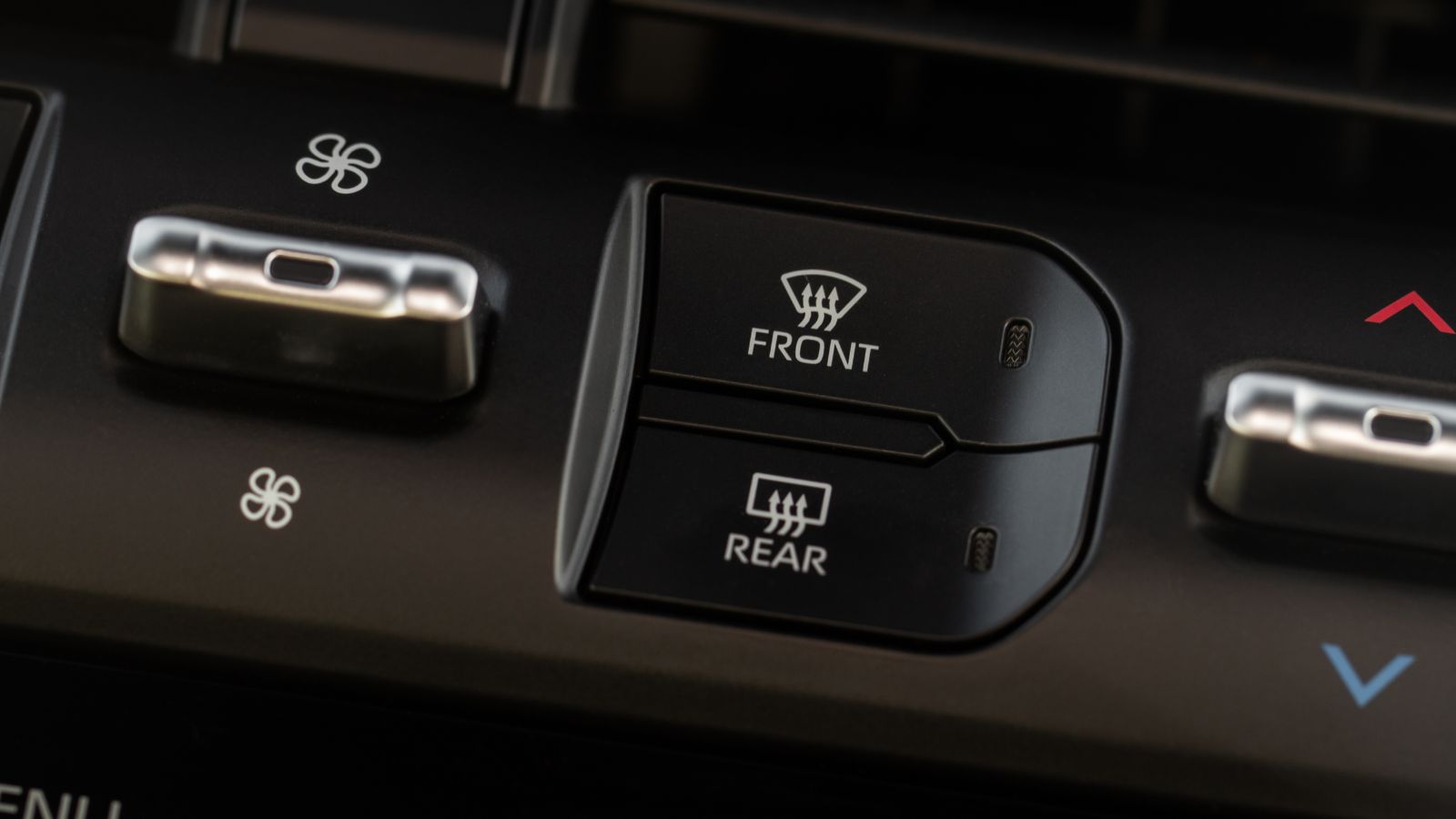
The built-in defroster is designed to clear the windshield by directing conditioned air across a broad area. Some motoring guidance recommends beginning with cooler air and increasing the temperature as moisture is removed, especially when the glass is extremely cold. Other vehicles automate the process through a dedicated maximum-defrost setting. The owner’s manual remains the best guide for the specific climate-control system.
The practical goal is not to keep the windshield cold; it is to avoid shocking one section while the rest remains frozen. A patient routine works well: start the vehicle outdoors, select defrost, allow airflow to spread, and wait until the ice begins loosening. Then use a plastic scraper rather than forcing solid ice away. A few extra minutes give the glass, dashboard vents, and cabin air time to approach a safer balance. Gradual heating is less dramatic than a kettle, but far more predictable. Patience protects glass.
Air Conditioning Helps Even When the Weather Is Freezing
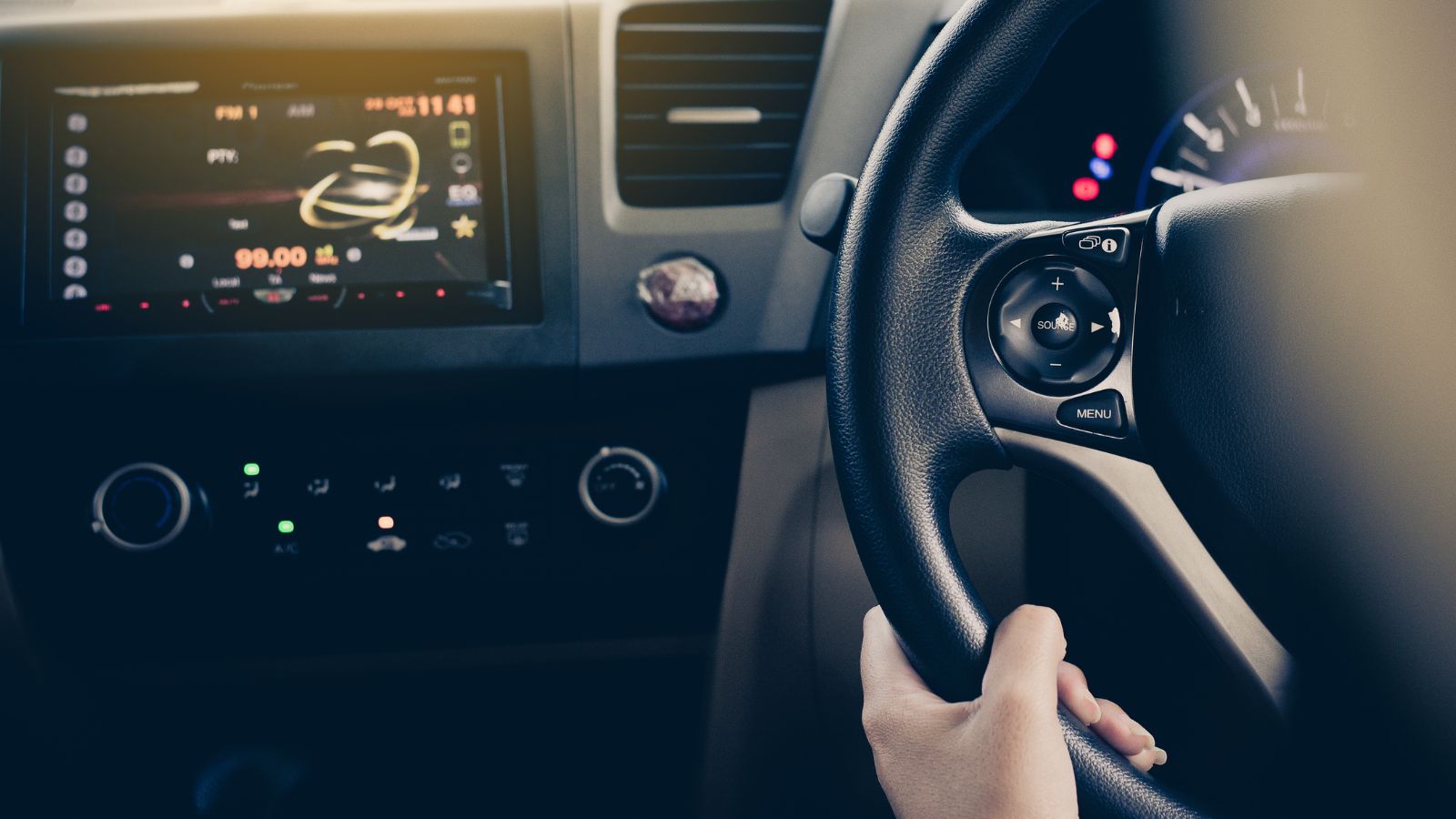
Air conditioning is not only a summer feature. When paired with heat, it can remove moisture from cabin air and speed interior defogging. RAC and AAA guidance describe the air-conditioning system as a dehumidifier, which is why many vehicles activate the compressor automatically in defrost mode. Drier air can absorb more moisture from the inside surface of the glass.
Fresh-air mode is often useful because wet boots, snowy clothing, and passengers’ breath can raise cabin humidity. Recirculating that damp air may keep fog returning, although vehicle designs differ and some automatic systems manage the intake themselves. A typical winter example occurs after several people enter a cold car during snowfall: the outside may be iced while the inside fogs almost immediately. Directing dry, warmed air at the windshield addresses the interior moisture without creating the concentrated thermal shock caused by pouring water onto the exterior. That can restore clear visibility.
Plastic Scrapers Are Safer Than Metal or Force
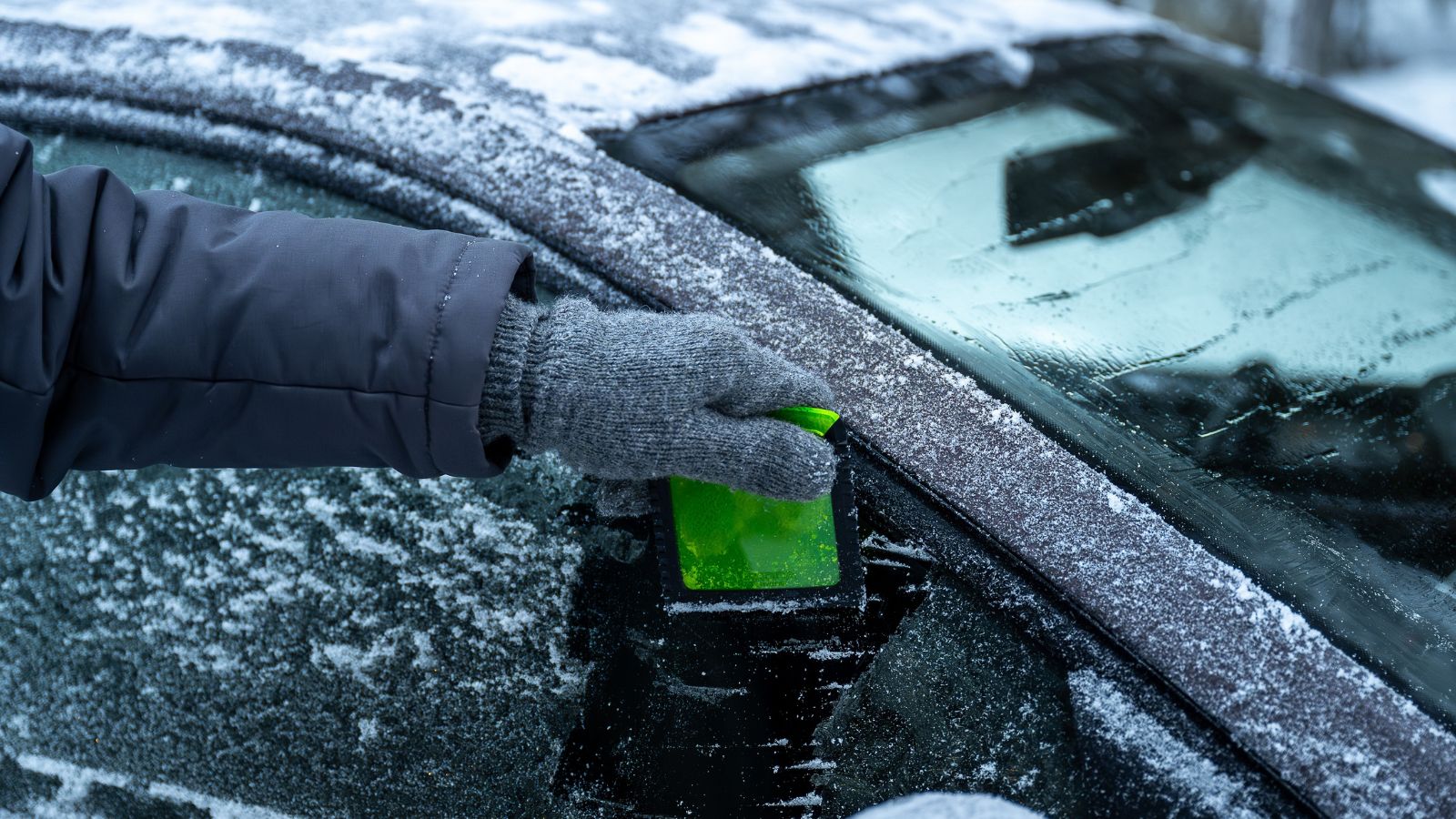
Once the defroster has begun softening the bond between ice and glass, a plastic scraper can remove the remaining layer with controlled pressure. AAA advises against metal scrapers because they can scratch the windshield and damage wiper blades. Tapping, chopping, or striking the ice is also risky, particularly when a chip or edge crack is already present.
The same caution applies to using frozen wipers as ice-clearing tools. Blades stuck to the glass can tear, and the motor or linkage may be strained when the switch is activated against resistance. A hurried driver may see the wipers move once and assume the method worked, only to discover streaking during the next snowfall. The better sequence is to free the blades by hand after the ice softens, scrape the glass, and confirm that the rubber edges are intact. Mechanical force should finish the job, not start it. Controlled pressure protects surfaces.
Winter Washer Fluid Is Helpful, but It Is Not a Kettle Substitute
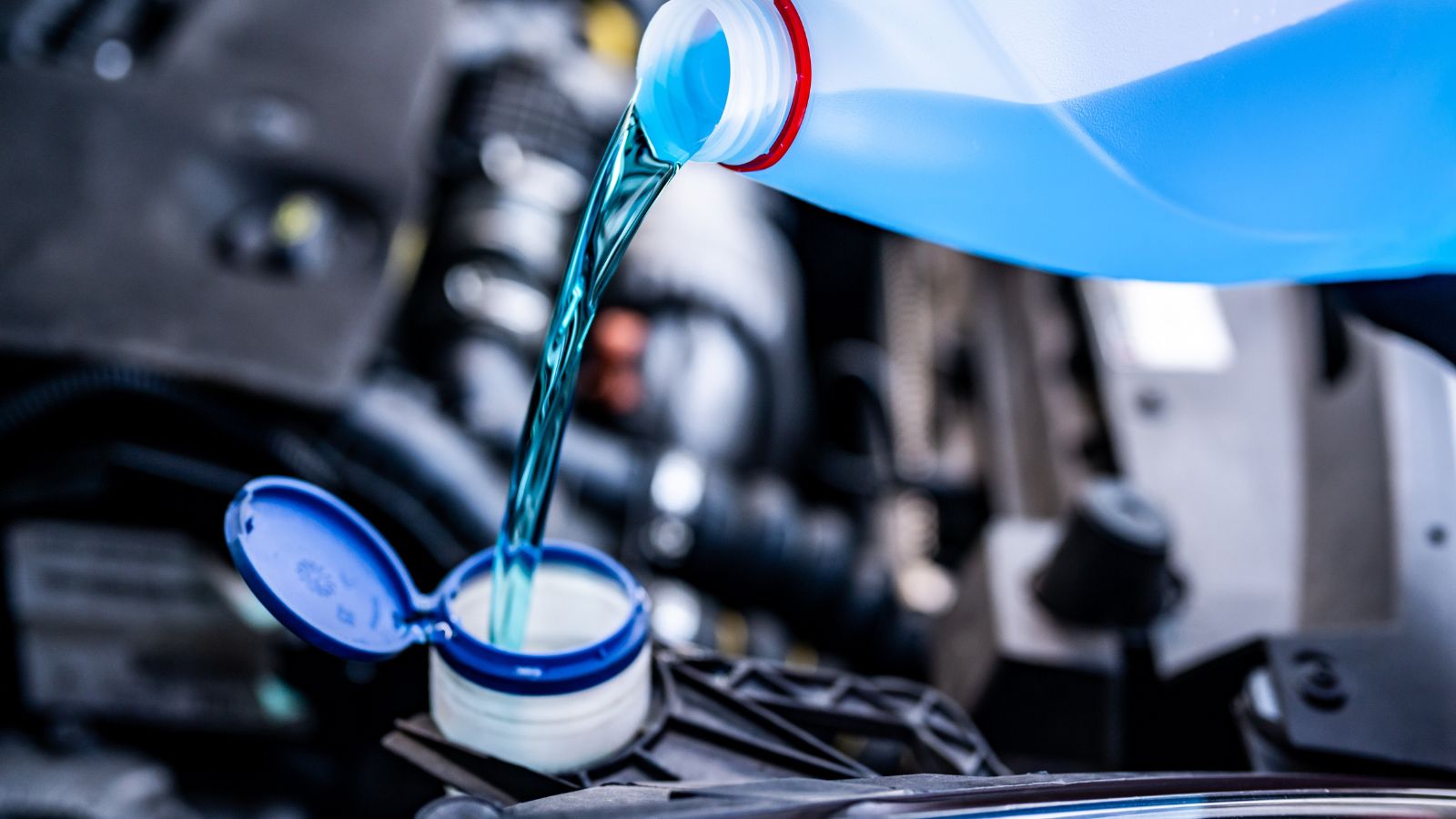
Winter-grade washer fluid contains ingredients intended to remain usable below freezing and may include de-icing agents. NHTSA and AAA winter guidance emphasize keeping the reservoir full and choosing fluid rated for cold conditions. Summer fluid can freeze in the tank, lines, or nozzles, leaving the driver without an important visibility tool during slushy weather.
Washer fluid still has limits. It works best on light frost, road spray, and softened ice, not on a thick overnight sheet bonded firmly to the windshield. Spraying repeatedly while the wipers are frozen can waste fluid and strain the blades. A sensible routine checks the product’s temperature rating, clears blocked nozzles, and uses the defroster and scraper for heavy buildup. The example matters during a highway thaw: salty spray can coat a windshield in seconds, and a frozen washer system may turn a preventable visibility problem into an emergency. Preparation preserves visibility when conditions deteriorate.
Clearing One Small Viewing Hole Is Not Enough
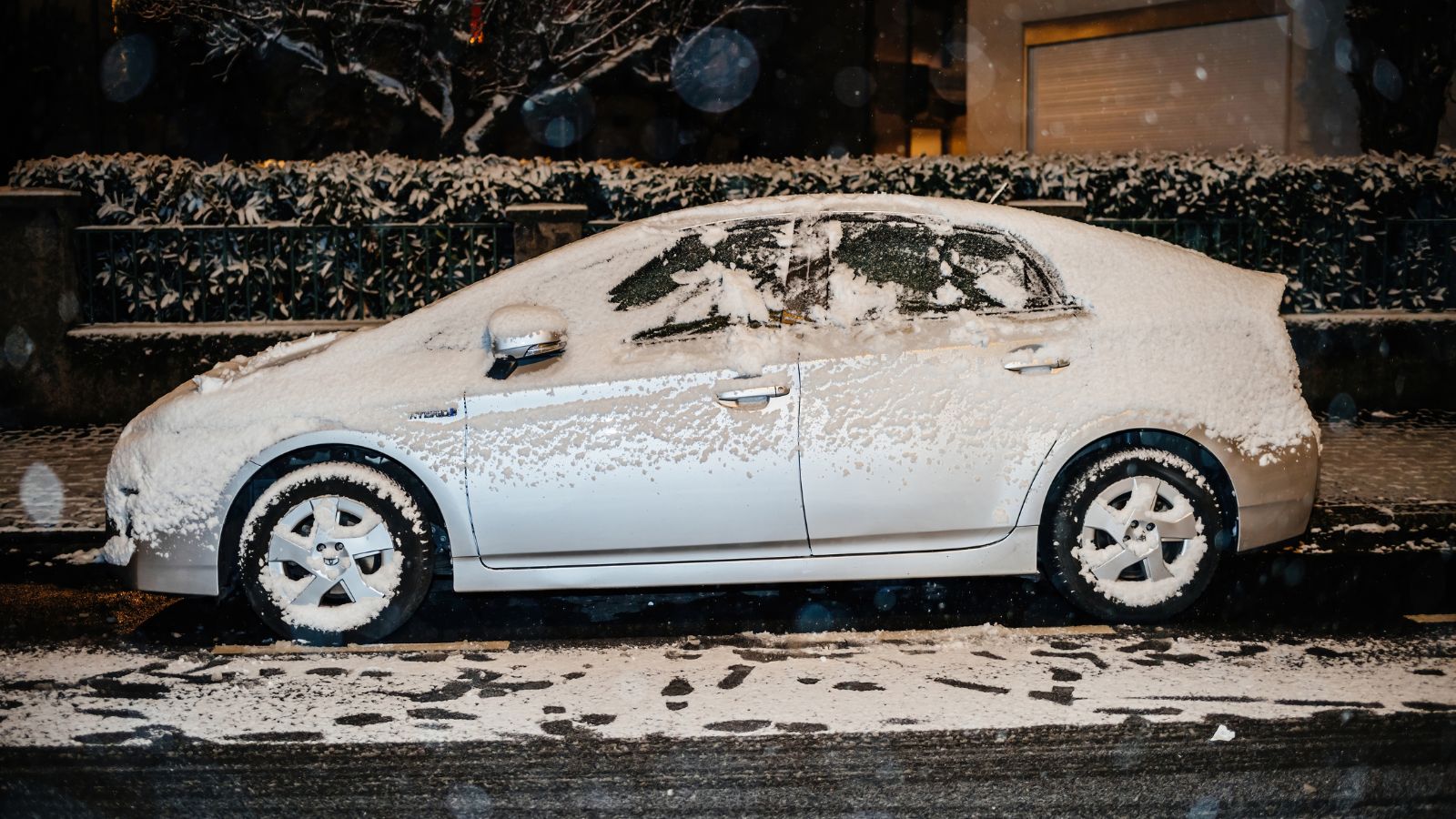
A windshield can survive the morning routine and still leave the vehicle unsafe if only a narrow patch has been cleared. Transport Canada advises removing snow from the hood, roof, windows, and lights, while clearing every window of frost and fog. Snow left on the roof can slide forward under braking or blow onto another vehicle, suddenly undoing careful defrosting.
The familiar “porthole” approach may seem acceptable for a short neighbourhood trip, but it removes peripheral vision and makes pedestrians, cyclists, and cross traffic harder to detect. It can also place extra reliance on mirrors that may still be iced. In 2023, NHTSA counted 320 fatal crashes and an estimated 22,293 injury crashes in snow or sleet conditions, illustrating how quickly winter risks accumulate. Full visibility should be treated as a departure requirement, not an optional improvement once the vehicle is moving. That broader field of view can be lifesaving.
Preventing Ice Is Easier Than Fighting It at Dawn
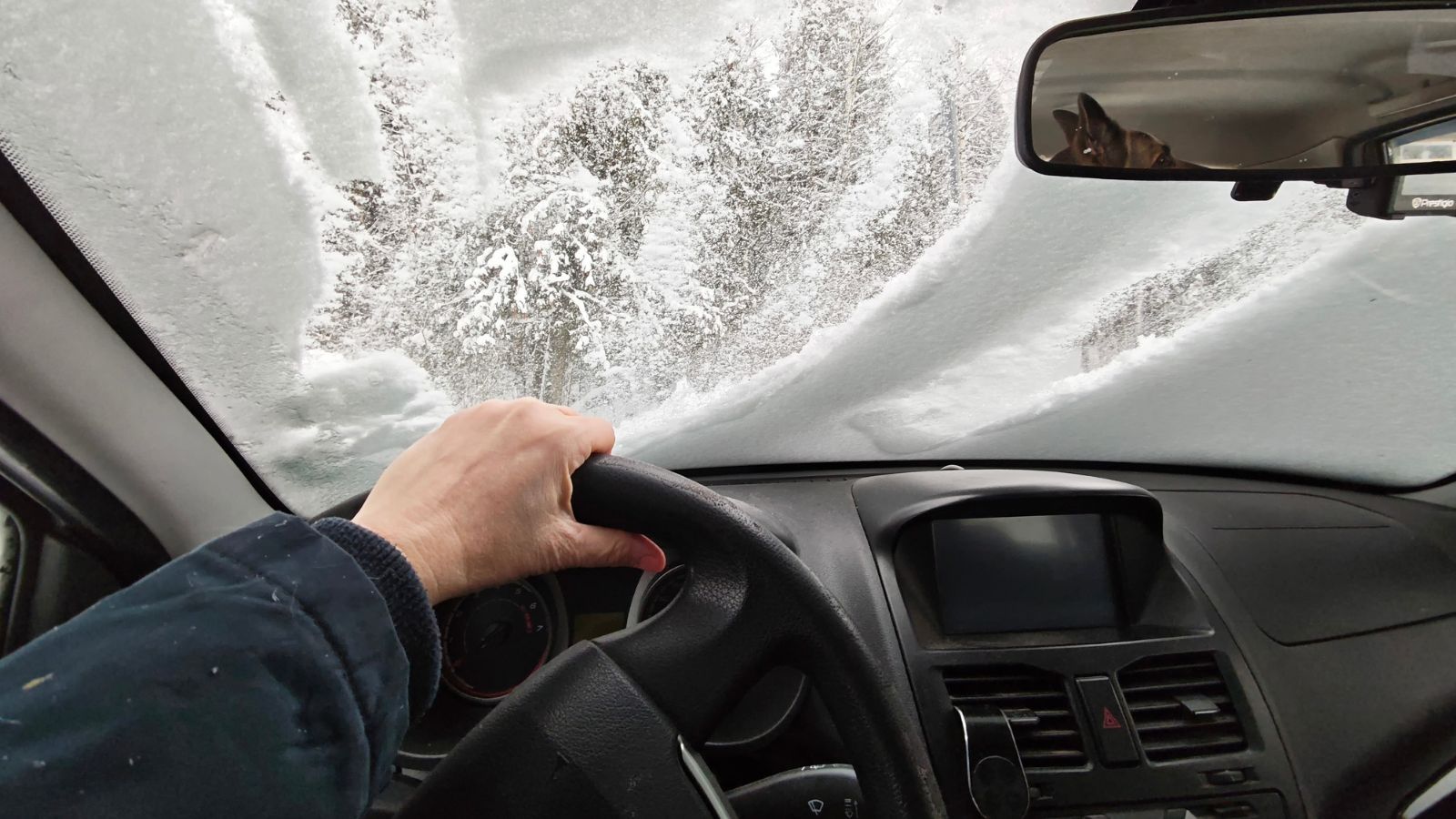
A properly fitted windshield cover can keep frost and snow from bonding directly to the glass. AAA guidance also suggests sheltering the vehicle when possible and covering the windshield before expected accumulation. Prevention reduces scraping time, protects wiper blades, and lowers the temptation to reach for hot water during a rushed morning.
Small habits inside the cabin matter as well. Wet floor mats, melting snow, and damp clothing add moisture that can condense on cold glass overnight. Removing excess snow from footwear, drying soaked mats, and avoiding damp items left in the vehicle can reduce interior fogging. For example, a family returning from a ski hill may leave several wet gloves and jackets in the cabin; by morning, the inside windshield can be coated with frost even when the exterior was covered. Prevention works best on both sides of the glass. It also reduces frantic, last-minute decisions before the commute.
Remote Start Must Be Used Outdoors and With Patience

Remote start can begin warming the cabin and activating the defroster before anyone enters, but it does not make unsafe shortcuts acceptable. The vehicle should remain outdoors, and ice still needs to be checked and physically removed before driving. A running engine cannot guarantee that wipers, cameras, mirrors, and the entire windshield are clear.
Carbon monoxide adds a separate winter danger. Health Canada and the CDC warn against running a vehicle in an attached garage even when the garage door is open, because exhaust can enter the home. This matters on mornings when a driver starts the engine, returns indoors, and assumes partial ventilation is enough. Remote start is useful when it creates time for gradual defrosting in open air. Used in an enclosed space, it can replace a cracked-glass risk with a far more serious poisoning hazard. The safest winter warm-up is always outdoors, patient, and carefully supervised nearby.
A New Crack Should Be Assessed Before the Next Freeze
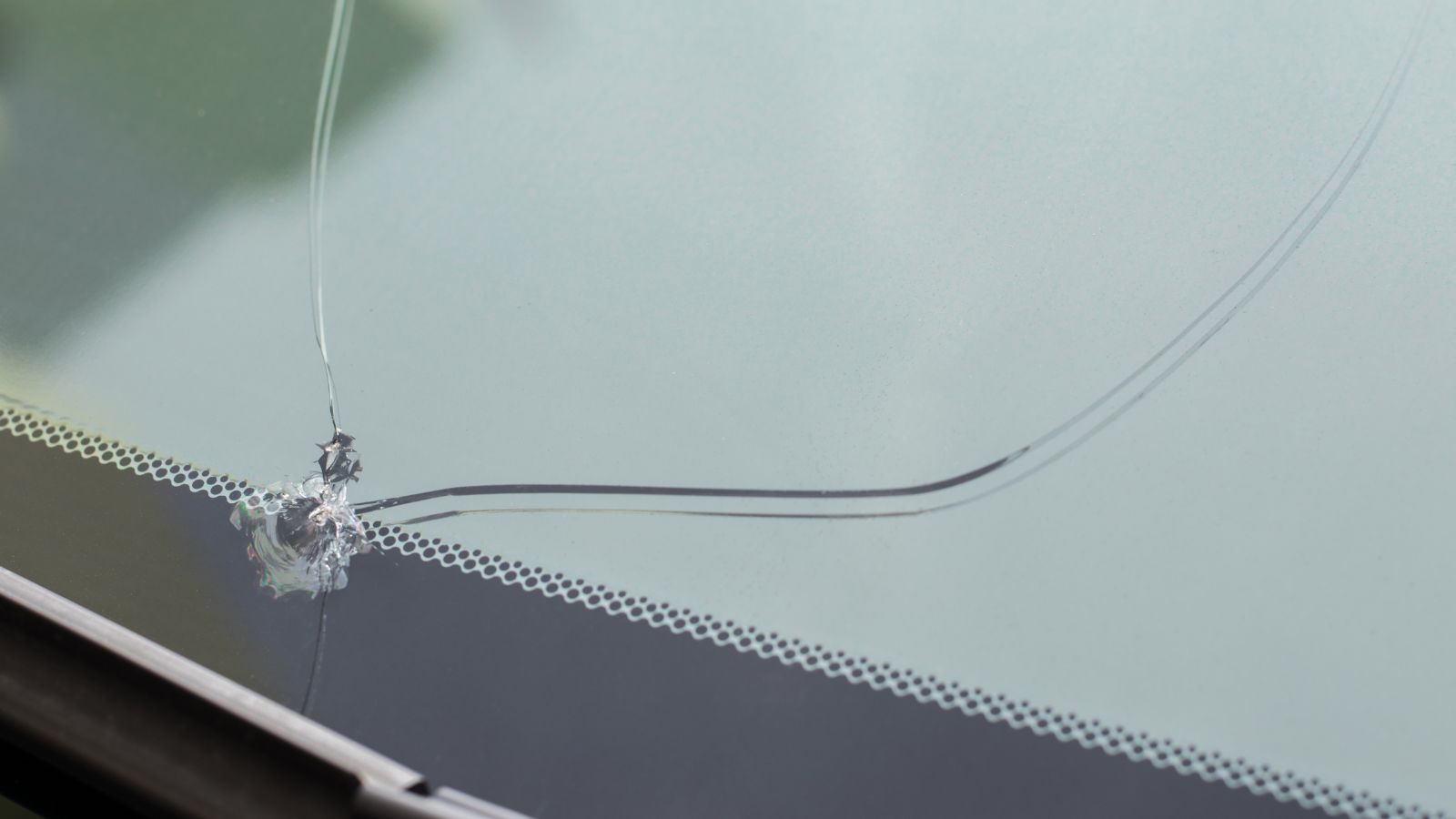
Once a chip becomes a crack, waiting can make the outcome more expensive. Temperature swings, vibration, moisture, and road impacts can extend damage, while location and depth influence whether repair is possible. AAA recommends dealing with windshield damage promptly rather than assuming a small mark will remain stable through winter.
Replacement can involve more than installing glass. Many newer vehicles place cameras or sensors near the windshield for lane support, automatic emergency braking, or adaptive cruise control. AAA notes that these systems may require calibration after windshield replacement; its 2023 research found an average of $360 for transferring and calibrating windshield-mounted ADAS equipment in the tested vehicles. A crack caused by one rushed defrost can therefore lead to glass, labour, and calibration costs. Professional assessment protects visibility and helps ensure driver-assistance features continue aiming correctly. The bill can grow quickly, but restored visibility and reliable safety systems matter more ultimately.
22 Things Canadians Do to Their Cars in Spring That Mechanics Hate

Spring brings relief to many Canadian drivers after months of snow, freezing temperatures, and icy roads that put serious strain on vehicles. As temperatures rise across the country, drivers begin washing cars, switching tires, and preparing vehicles for warmer weather and upcoming road trips. However, mechanics across Canada notice the same mistakes every spring when drivers attempt to recover from winter damage. Road salt, potholes, and harsh winter driving conditions often leave vehicles with hidden problems that drivers ignore. Some spring habits even create new mechanical issues that could have been avoided with proper maintenance. Here are 22 things Canadians do to their cars in spring that mechanics hate.

Alanna Rosen is an experienced content writer that focuses on many EV and educational content. Her articles are regularly published on Get CyberTrucked and syndicated on large publications.