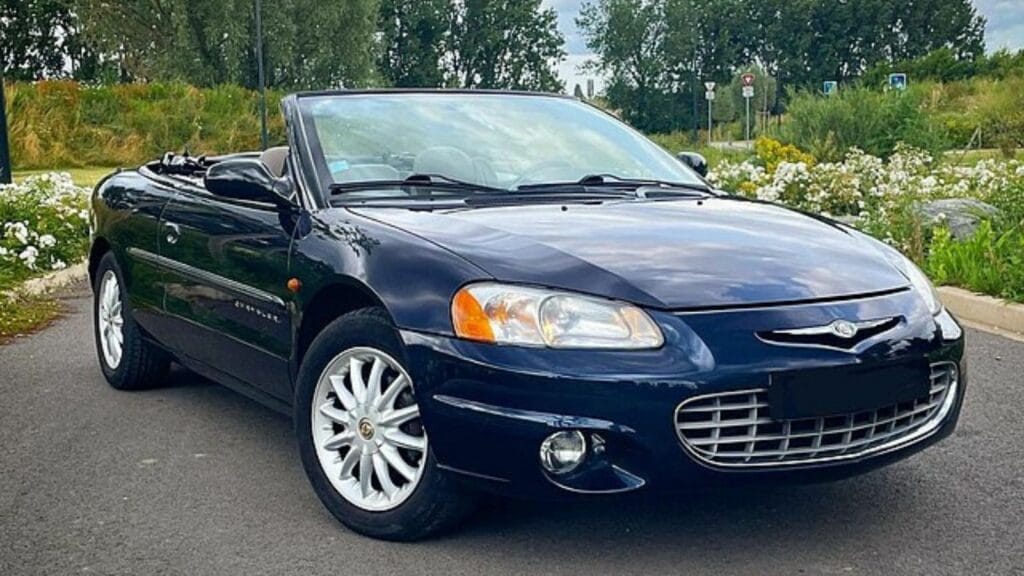
Four cylinder engines built some of the greatest small cars in history, but a few engines were so poorly designed or badly executed that they dragged entire models down with them. These cars earned reputations for blown gaskets, shaky idle, weak acceleration and repair bills that made owners swear off the brand forever. These are the four cylinder disasters drivers still talk about.
Dodge Neon
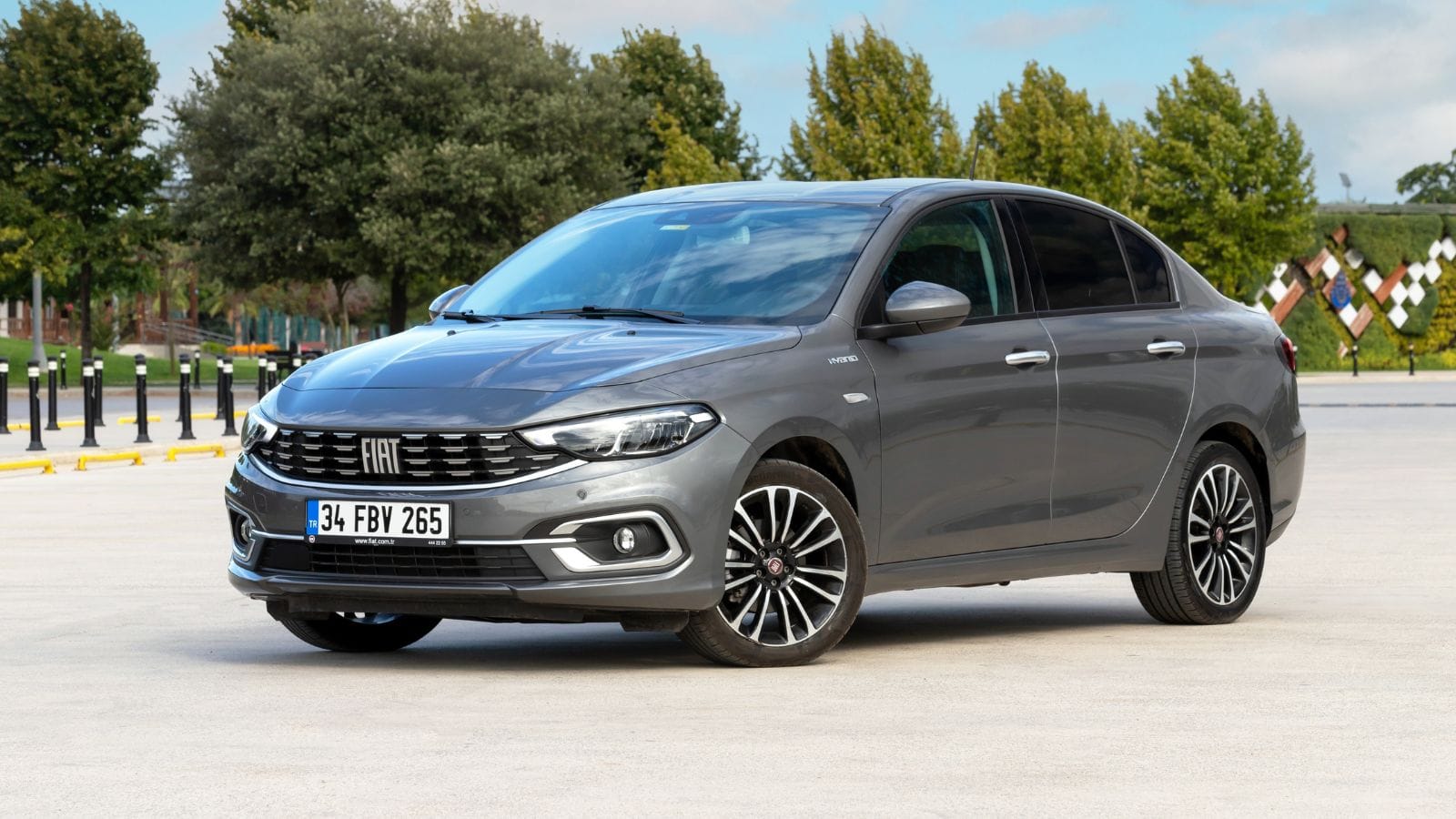
The Neon arrived in the mid nineties with plenty of optimism but its engine quickly became its downfall. Head gasket failures were so common that many owners expected the repair before they even bought the car. The engine shook at idle, burned oil early and struggled with long term durability. Even when new the Neon felt strained which turned a once promising compact into a cautionary tale.
Chevrolet Cavalier
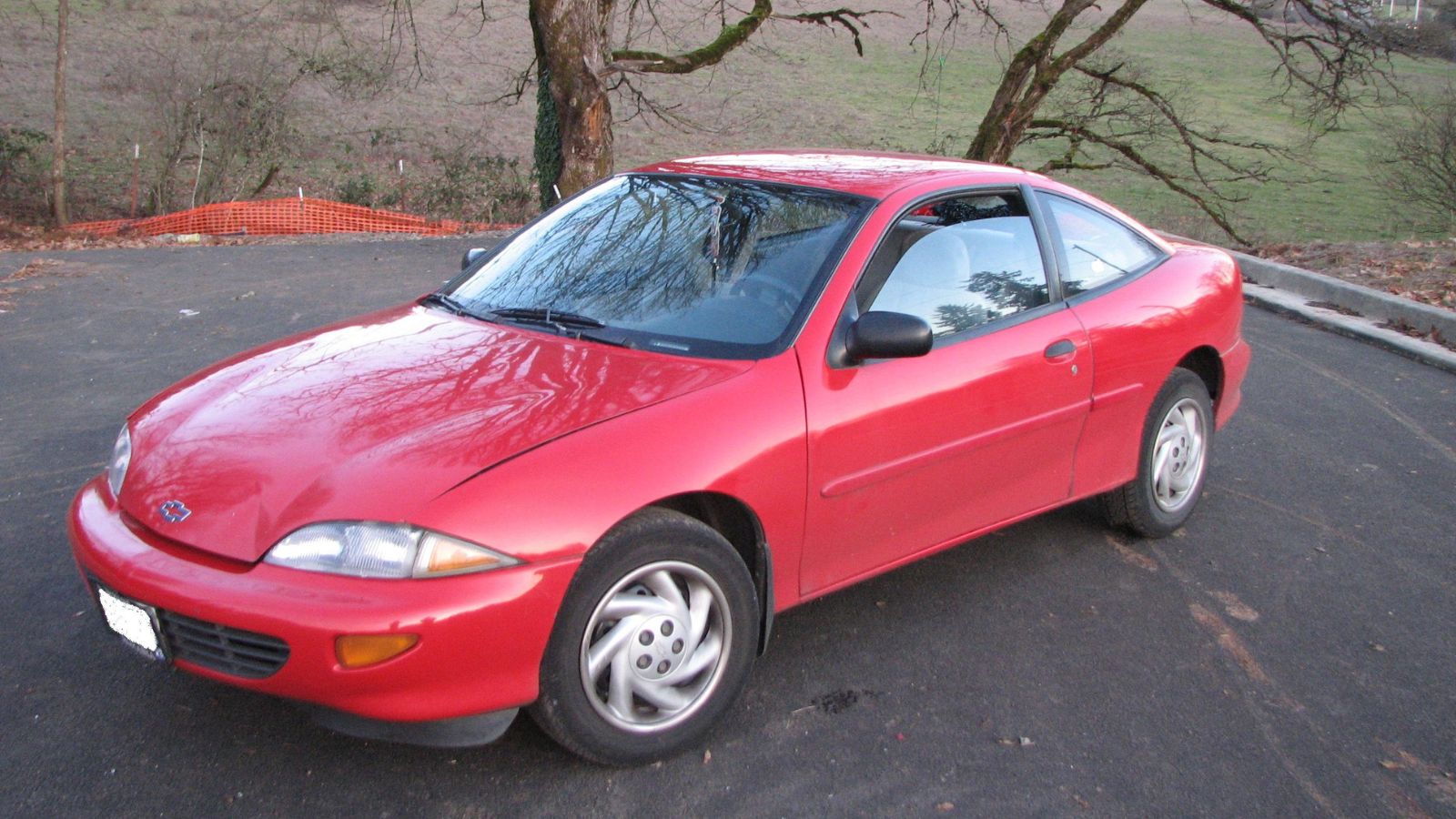
The Cavalier used a basic four cylinder that felt ancient even in the early 2000s. It vibrated at every stoplight and delivered sluggish acceleration that embarrassed owners merging onto highways. The engine wore out long before the rest of the car which added to its poor reputation. Mechanics often joked that the Cavalier taught people what not to buy which says everything about its long term quality.
Mitsubishi Mirage
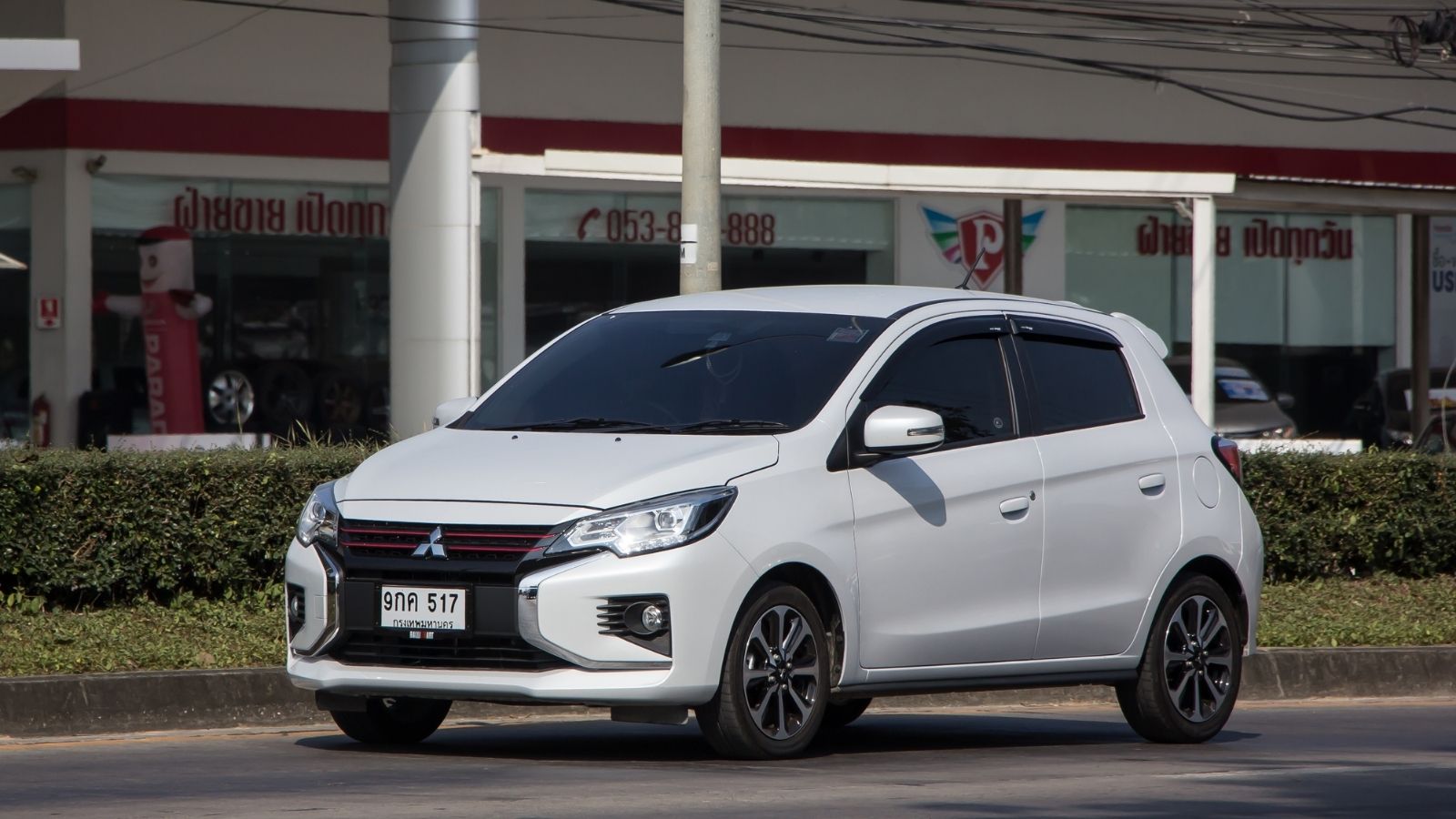
The Mirage returned to Canada with tiny displacement and almost no power. The engine constantly felt overwhelmed which made simple highway driving a chore. Owners complained about noisy operation and weak build quality. The Mirage became known more for slow performance and buzzing engine note than for any real value. It showed how a small four cylinder can cross the line from efficient to unpleasant.
Chrysler Sebring Four Cylinder Models
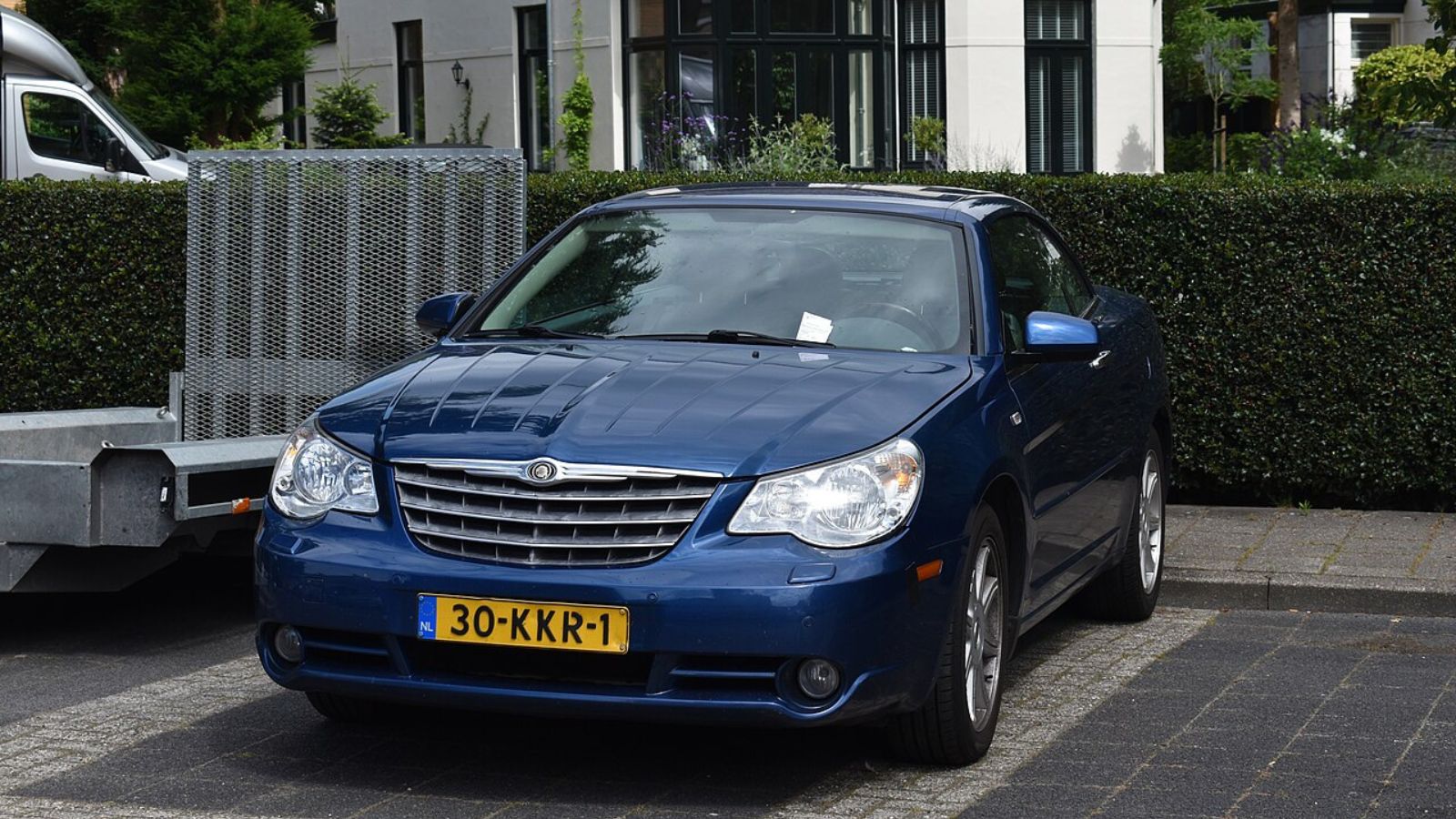
The Sebring already struggled for identity but the four cylinder version made things worse. The engine felt coarse and underpowered in such a heavy car which meant constant high revs just to keep up with traffic. Those high revs often led to early wear and complaints about reliability. The lack of refinement made drivers feel like they were in a budget rental at all times.
Ford Focus Early Models
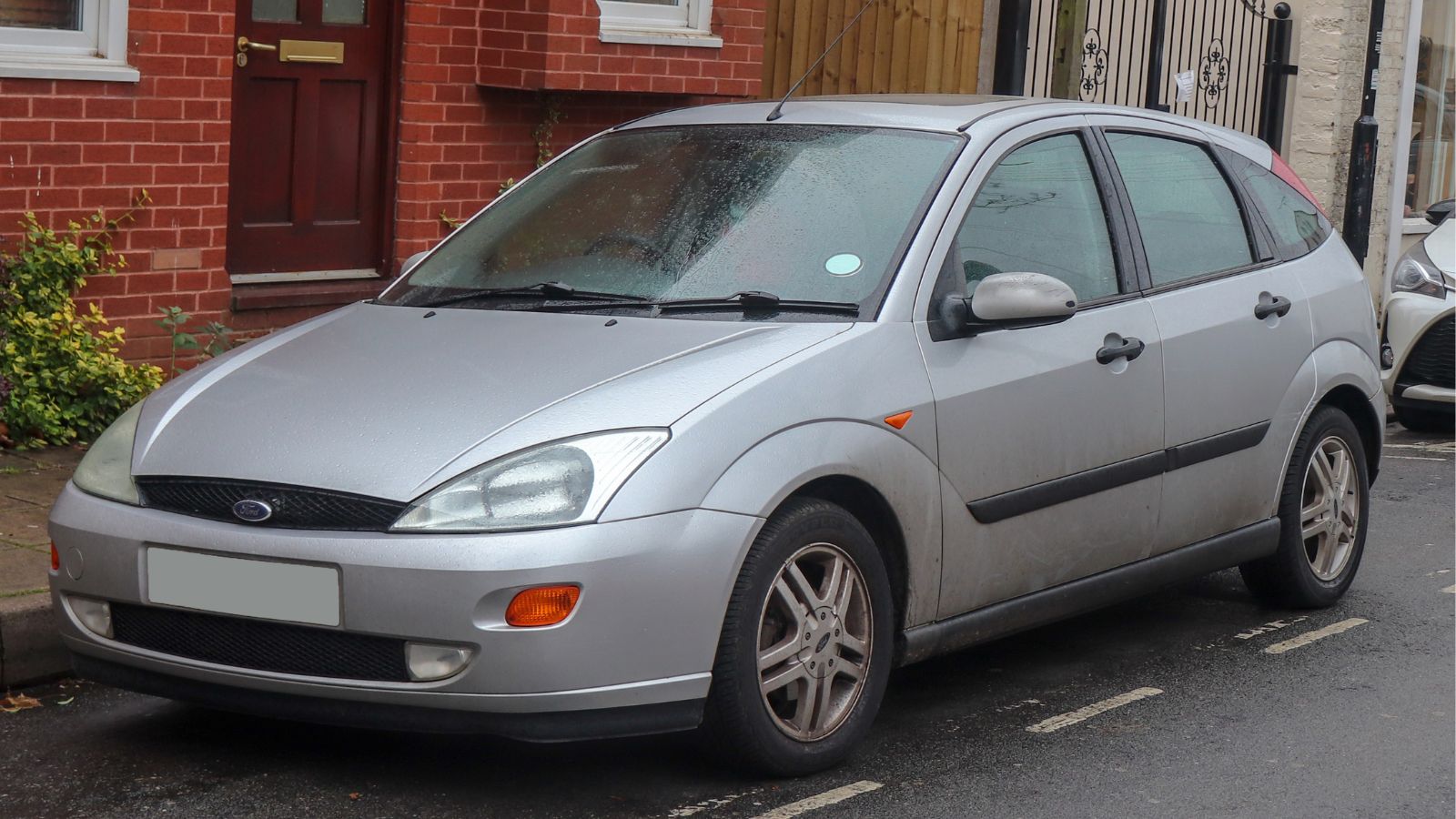
The first generation Focus was fun to drive but the base four cylinder developed issues that frustrated owners. Timing belt failures and rough idle were the two most common complaints. Many cars suffered misfires that even dealers struggled to diagnose. A lively chassis could not hide the engine’s flaws which kept the early Focus from reaching its full potential.
Pontiac Sunfire
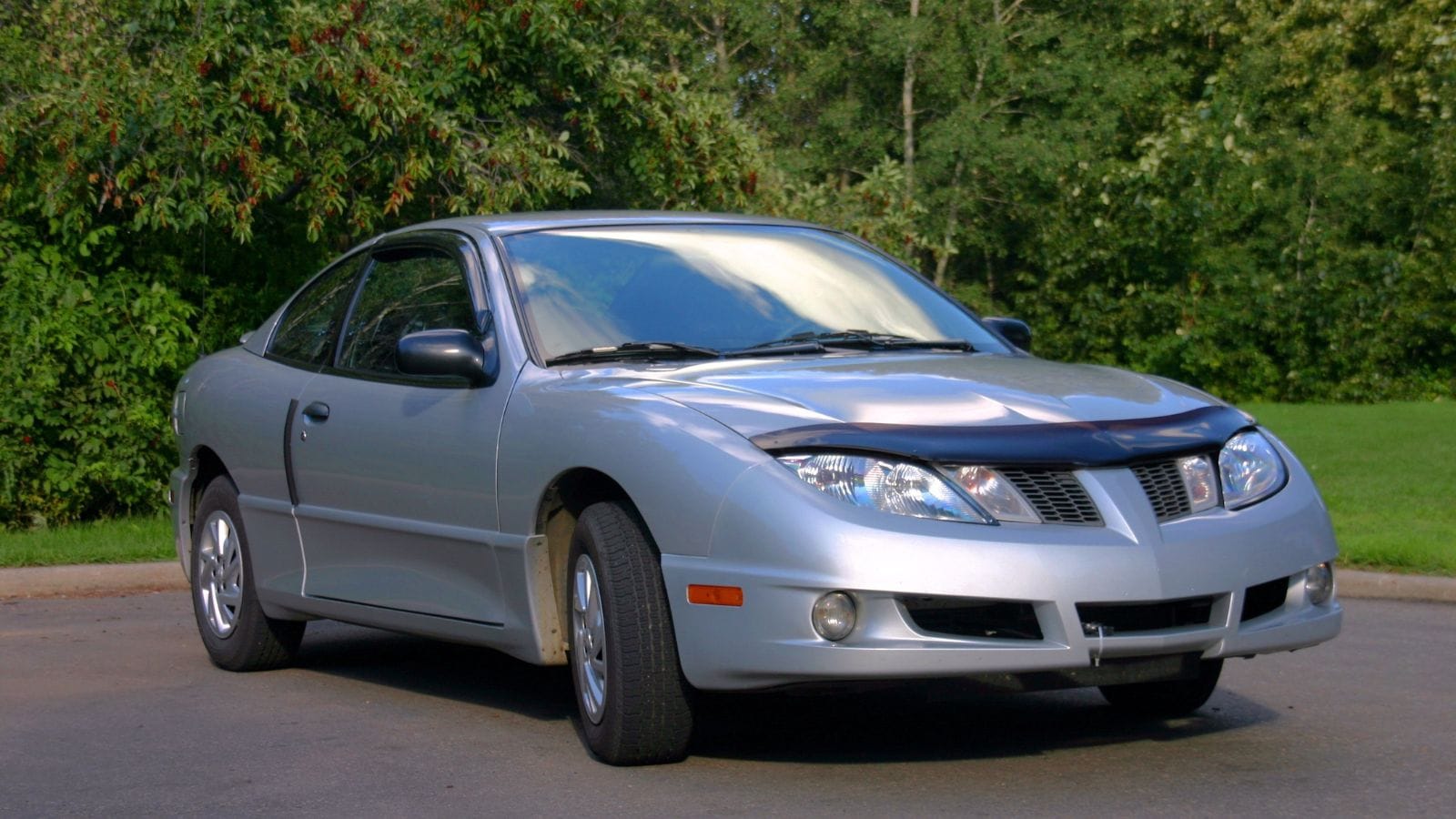
The Sunfire inherited the same four cylinder headaches as the Cavalier. Rough operation and constant mechanical noise made every drive feel like something was about to break. Oil leaks appeared early in ownership and only grew worse with age. Performance was weak and reliability suffered which convinced many buyers to abandon the brand entirely. The engine held back what could have been a solid compact.
Hyundai Elantra Early Two Thousands Models
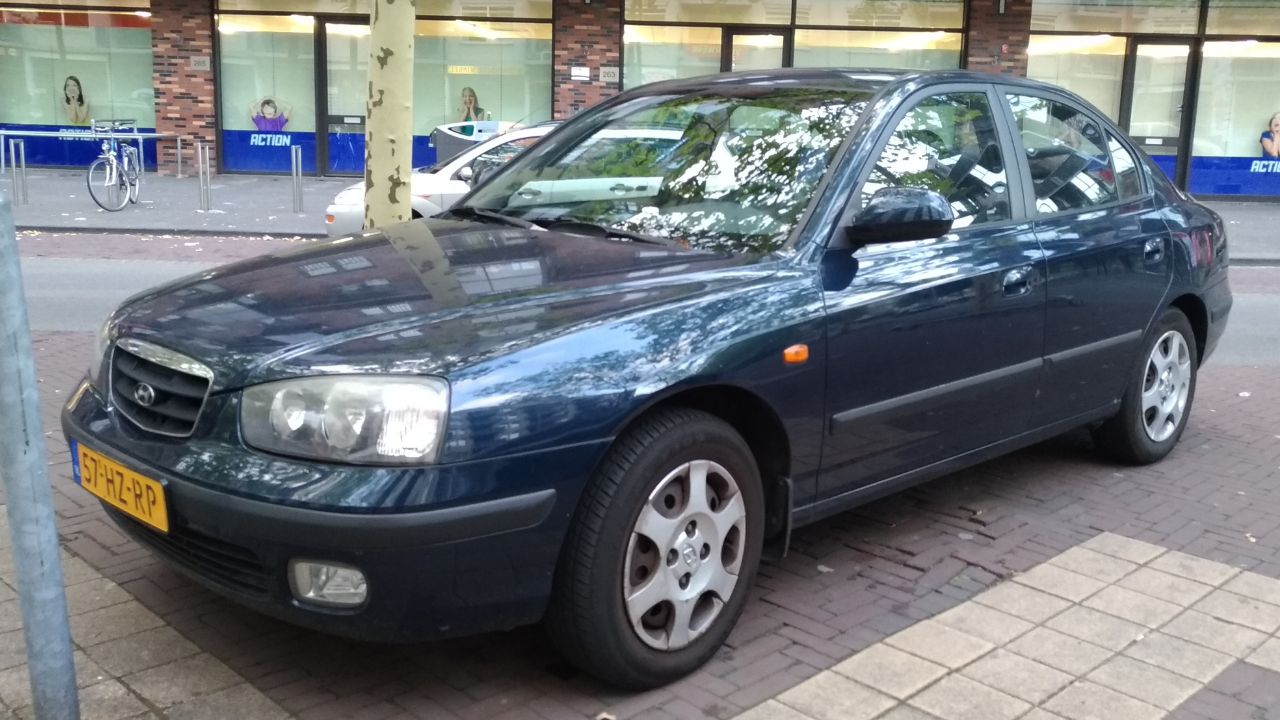
Hyundai improved dramatically over the years but early two thousands Elantras had engines that felt fragile. Premature wear, tapping noises and uneven power delivery were common. Many owners experienced engine trouble before hitting modest mileage. These issues helped shape Hyundai’s early reputation for cheap rather than dependable transportation which the brand worked hard to move past in later years.
Saturn Ion
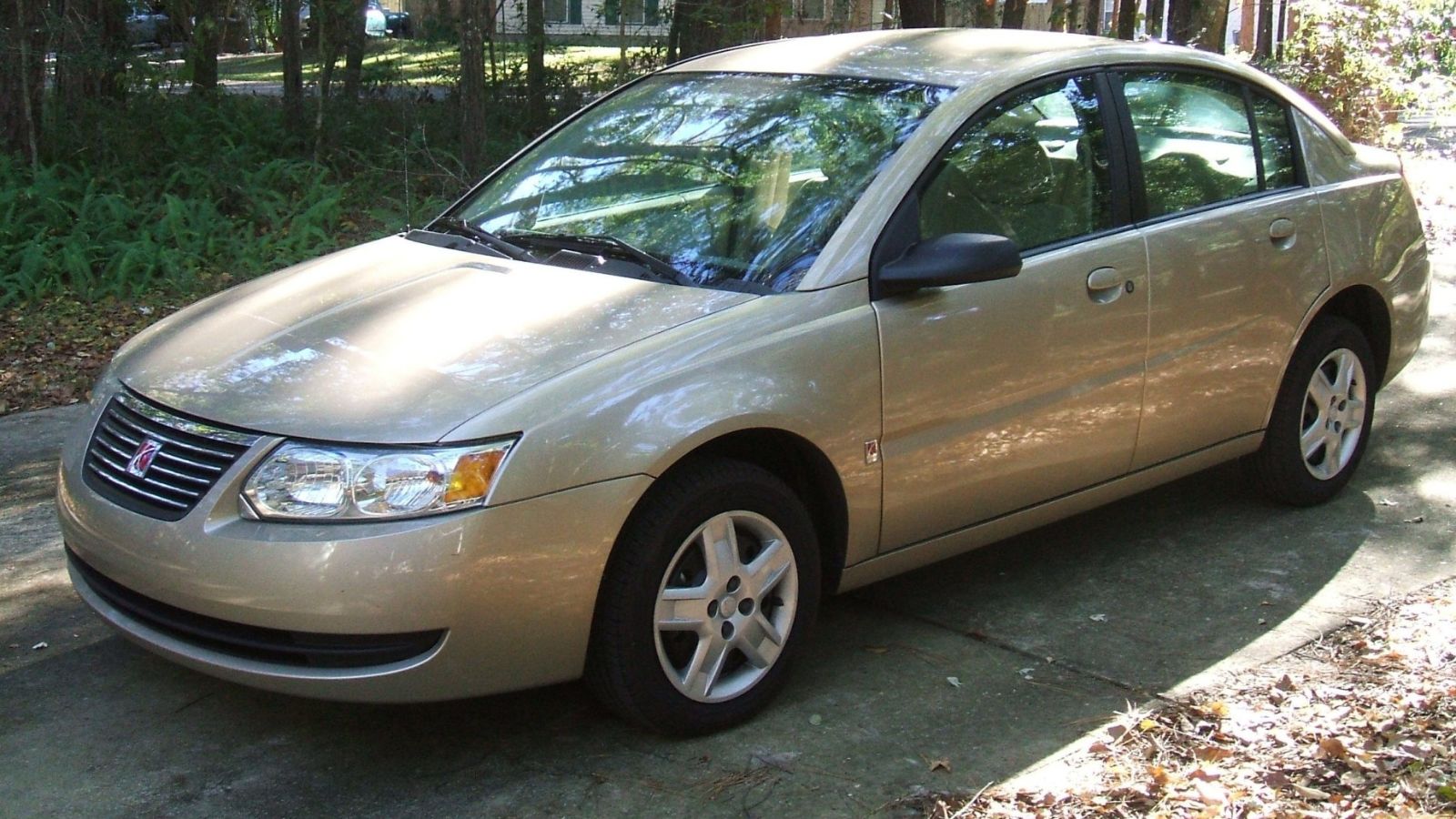
The Ion’s four cylinder engine sounded rough even when new. Power delivery felt uneven and the car struggled at highway speeds. Many owners complained about noisy timing chains and early internal wear. The Ion became known for poor driving feel and questionable engineering. Even though later models improved the first impression stuck and the engine earned a permanent spot on worst lists.
Suzuki Forenza

The Forenza used a four cylinder that never felt suited to Canadian driving. It was loud, thirsty and surprisingly unreliable for a car marketed as simple transportation. Frequent check engine lights and early transmission strain were tied back to the engine’s weak output. The Forenza faded from the market quickly which reflected how poorly its powertrain performed in real world use.
Jeep Compass First Generation
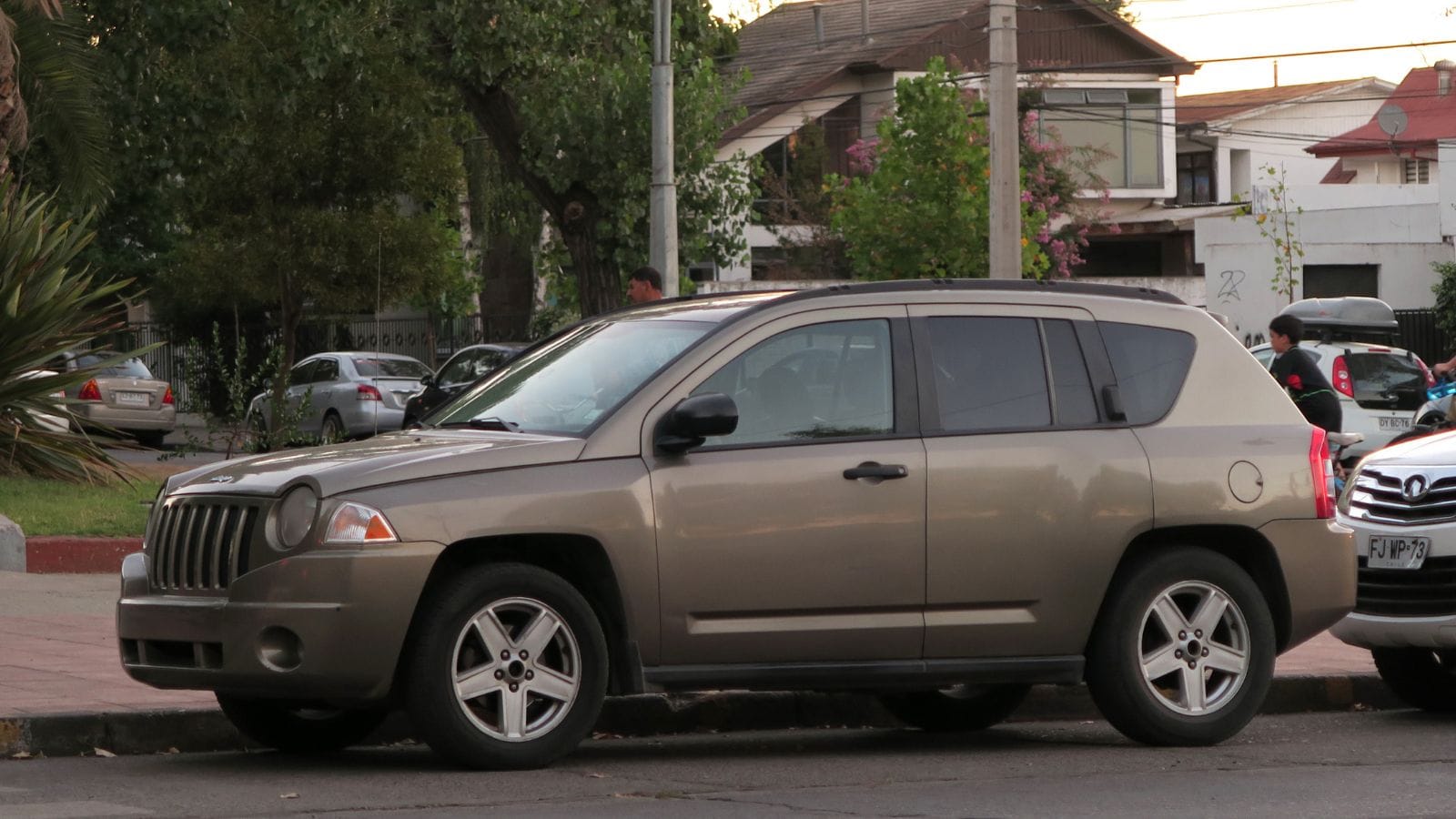
The first Compass relied on a four cylinder that simply was not strong enough for an SUV. Acceleration was slow and the engine roared loudly without delivering meaningful power. Drivers felt unsafe during highway merges and overtaking. Reliability complaints added to the frustration. The weak engine became the defining flaw of an already troubled model which hurt Jeep’s early crossover efforts.
25 Facts About Car Loans That Most Drivers Don’t Realize

Car loans are one of the most common ways people fund car purchases. Like any other kind of loan, car loans can have certain features that can be regarded as an advantage or a disadvantage to the borrower. Understanding all essential facts about car loans and how they work to ensure that you get the best deal for your financial situation is essential. Here are 25 shocking facts about car loans that most drivers don’t realize:
25 Facts About Car Loans That Most Drivers Don’t Realize
