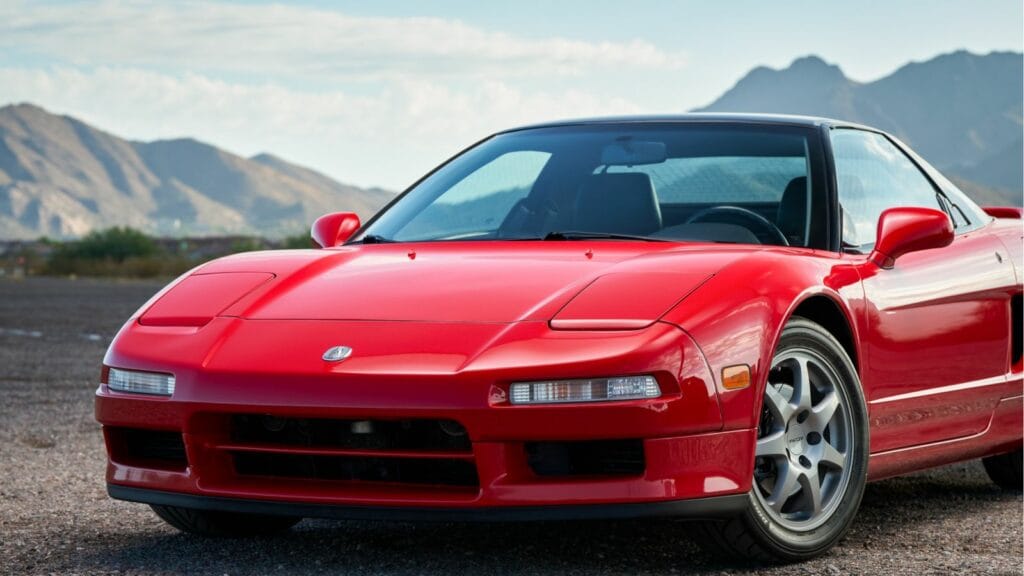
Japan has built some of the fastest and most technically advanced performance cars in the world, but design is the real secret behind their global cult following. JDM legends were never just about horsepower numbers or lap times. They were about presence. Kids put them on posters, adults dreamed of owning them someday, and even people who knew nothing about cars could instantly recognize their silhouettes. While European supercars chased extravagance and American muscle focused on intimidation, JDM design balanced beauty with purpose. These Japanese machines shaped street racing culture, anime and video game worlds, and car enthusiasm across generations. They still stop traffic today because they were engineered not only to perform, but to be adored.
Toyota Supra Mk4
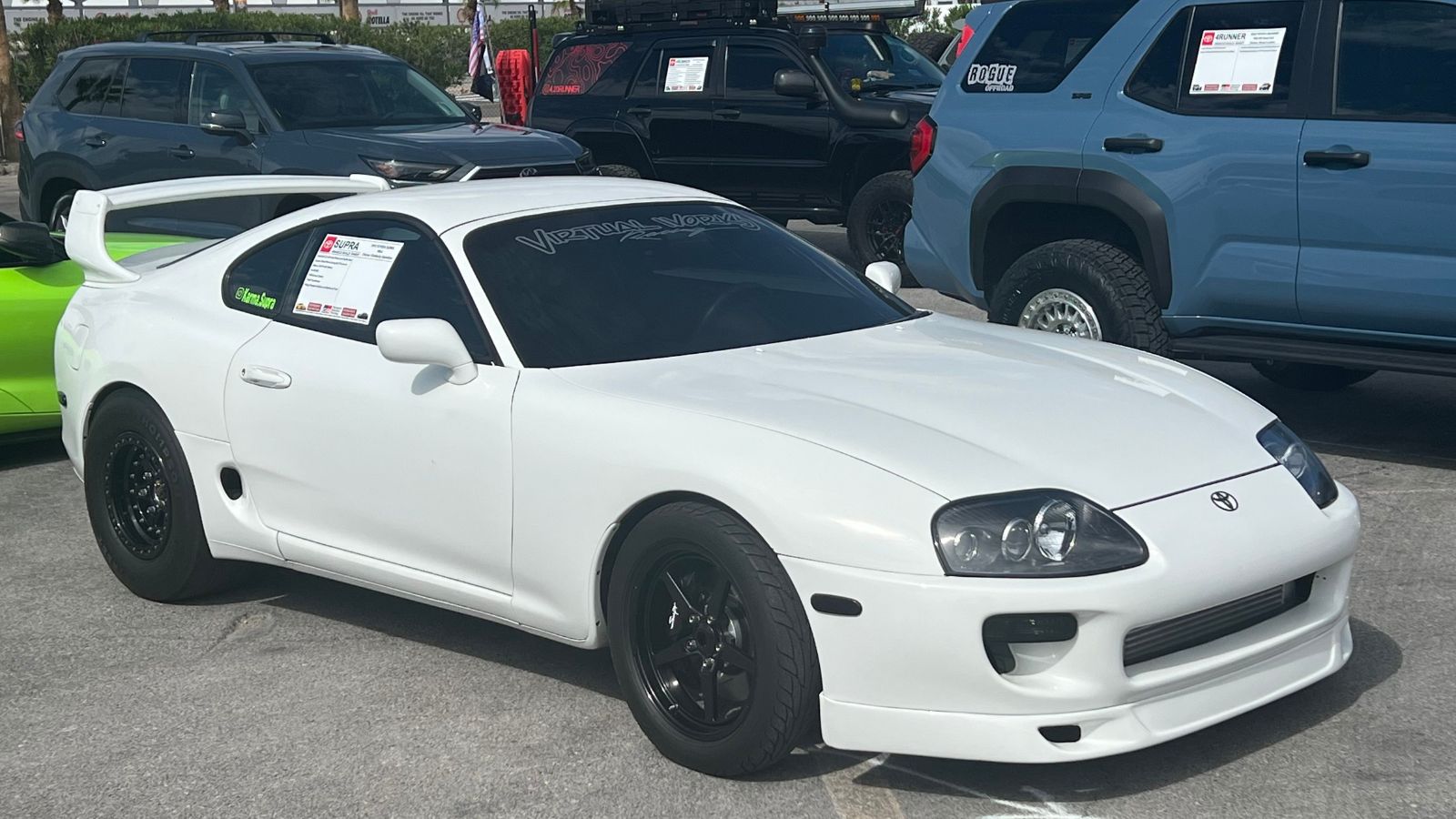
Few automotive shapes from the 1990s have aged as gracefully as the Supra Mk4. The long hood and smooth arches give it an aggressive stance while keeping it clean and sculptural. Its proportions feel both muscular and refined, and that iconic rear spoiler completes the silhouette in a way that is instantly recognizable even in shadow. The Supra looked like a high performance car without needing exaggerated vents or styling gimmicks.
What makes it even more impressive is how well the design adapts to modification. Wide body kits, polished wheels, huge turbos, or a completely stock appearance all work beautifully with the original body lines. The Supra is a tuner favorite because the foundation is so good that almost anything built onto it fits naturally. Beauty and versatility rarely go hand in hand, yet the Supra does it effortlessly.
Nissan Skyline GT R R34

The R34 GT R has the kind of presence that feels inevitable, as if the car already knew it would become a worldwide icon. The squared shoulders, thick stance, and aerodynamic shaping give it a serious high tech vibe without ever becoming flamboyant. It communicates performance and dominance before the engine even fires. The four round taillights framed by the angular bodywork remain some of the most recognizable design cues in automotive history.
Even decades later, the R34 does not look dated. It looks purposeful, intimidating, and ready for battle. It feels sculpted for the track but comfortable on the street, a hybrid of racing toughness and daily driver confidence. No wonder it became the heroic car of a generation raised on video games, anime, and street racing culture.
Honda NSX
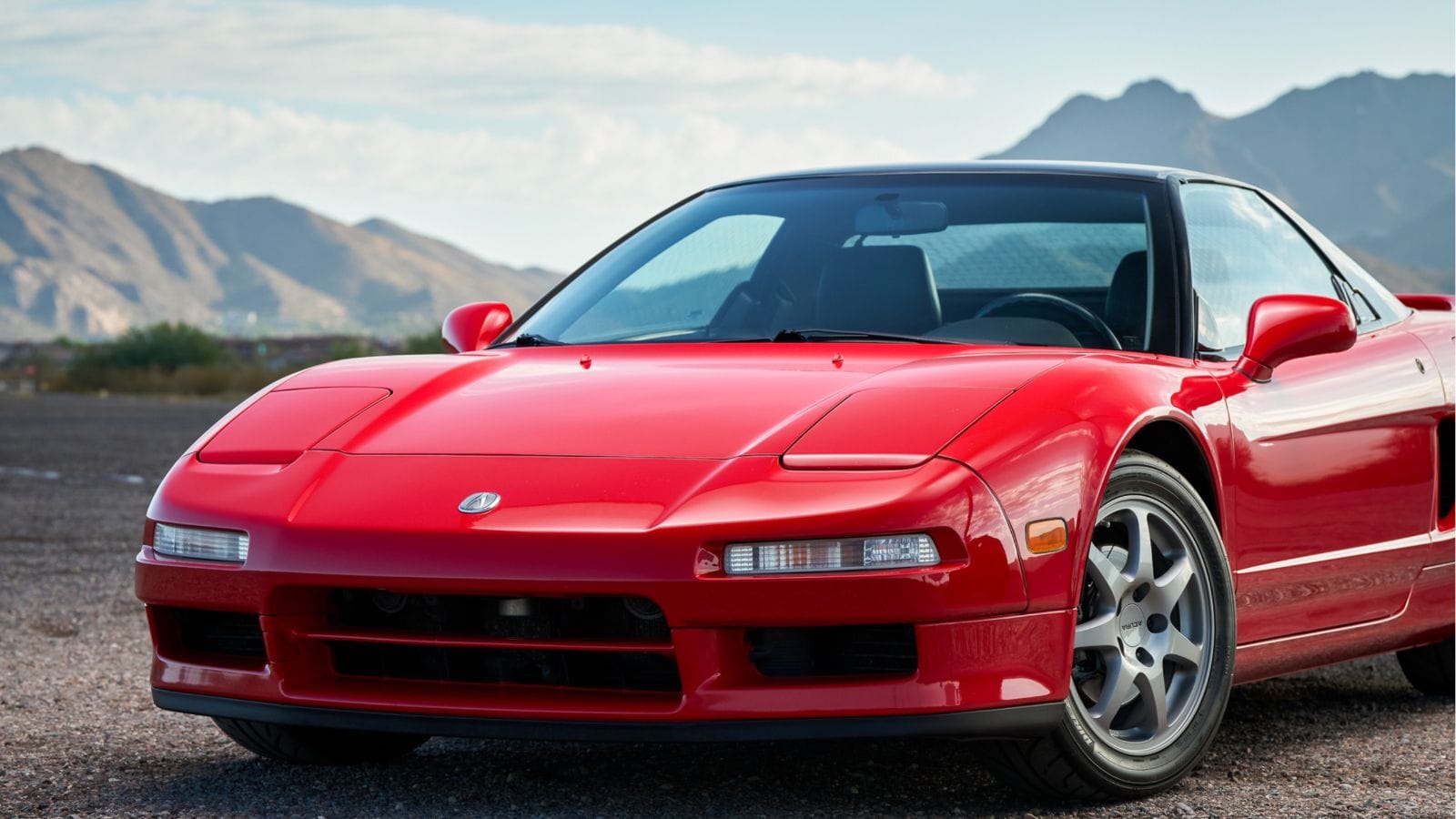
The first generation NSX was a revolution not only in engineering but in automotive elegance. While other sports cars of the era chased drama, the NSX made simplicity aspirational. Sleek lines, perfect proportions, and a low glass canopy created a timeless wedge profile that still feels modern. It was exotic without arrogance, fast without shouting about it.
Part of the beauty of the NSX is how naturally its styling fits its identity. It was engineered with input from Formula One legend Ayrton Senna, and the car looks exactly like a machine built around the driver rather than design trends. Sit inside and the view over the hood is low, clear, and uninterrupted, just like the cockpit of a fighter jet. The exterior and driving experience connect seamlessly, which is why the NSX is still regarded as one of the most artistically disciplined performance cars ever built.
Mazda RX 7 FD

The RX 7 FD is perhaps the most visually fluid sports car to ever come out of Japan. Every surface feels sculpted by airflow rather than dictated by designers. The long, tapered nose, tucked waist, and wide rear hips come together in a shape that looks alive and almost organic. The pop up headlights add charm rather than nostalgia, and the entire design flows in a single motion from front to back.
Unlike many sports cars of its era, the RX 7 does not need aero add ons to look purposeful. It looks fast completely stock. And when enhanced for the street or track, nearly every variation looks natural because the basic form is such a strong canvas. Of all JDM cars, the RX 7 might be the most universally admired by both design critics and performance enthusiasts alike.
Mitsubishi 3000GT VR4
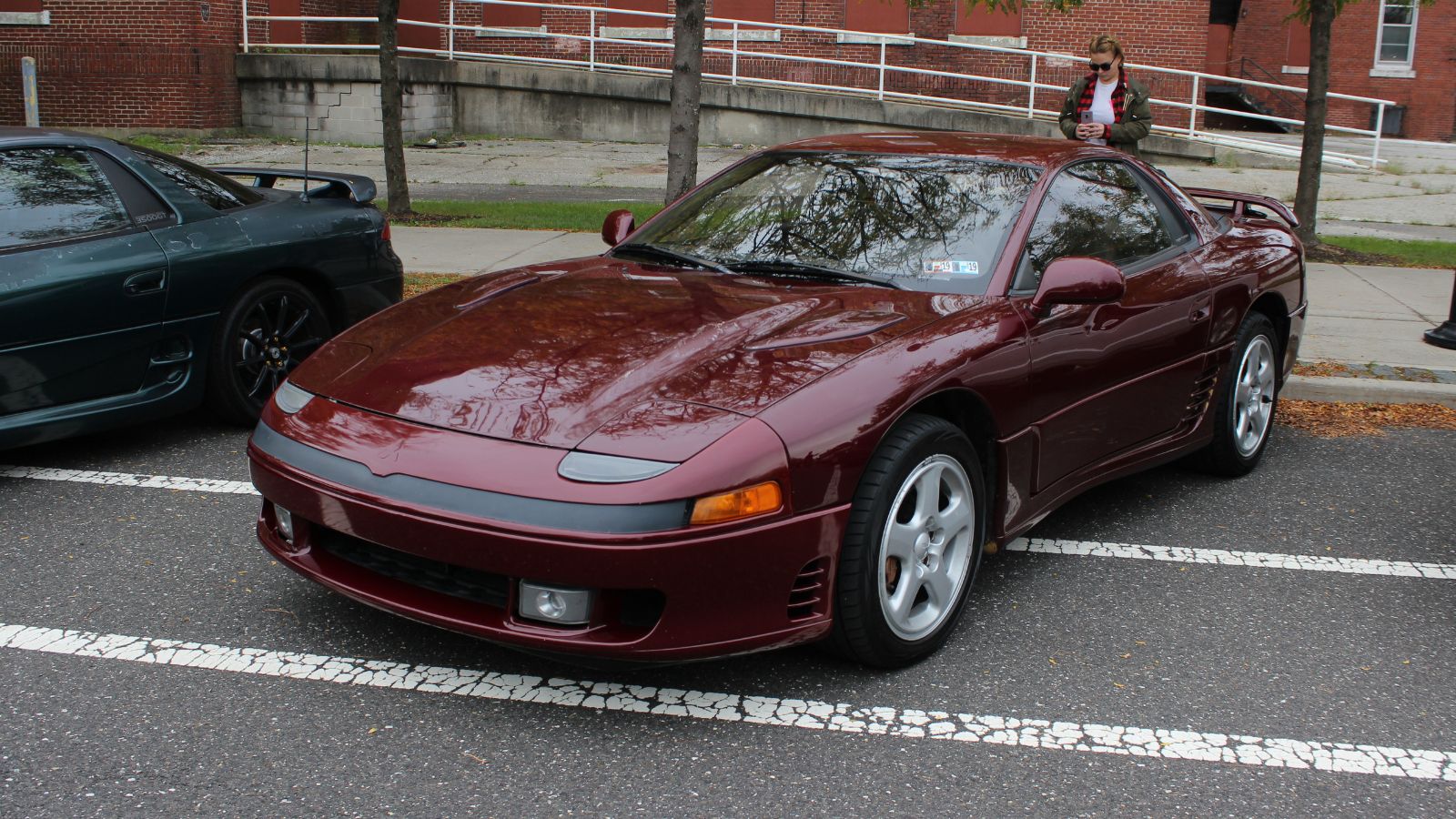
The 3000GT VR4 is a perfect snapshot of 1990s Japanese ambition. Rather than minimalist elegance, it celebrates futuristic aggression. The low wide body, muscular arches, and dramatic front fascia give it an unmistakable presence. It was filled with technology, and the styling reflected that engineering attitude. Active aero, wide track stance, and bold proportions made the car feel like it belonged in a sci fi world.
With modern eyes, the VR4 looks like a car that arrived too early. Today people appreciate how daring the shape really was. It stands out in any lineup of 1990s cars because it does not blend in or play safe. It is unapologetically dramatic, and the bold design is finally getting the admiration it always deserved.
Nissan Silvia S15
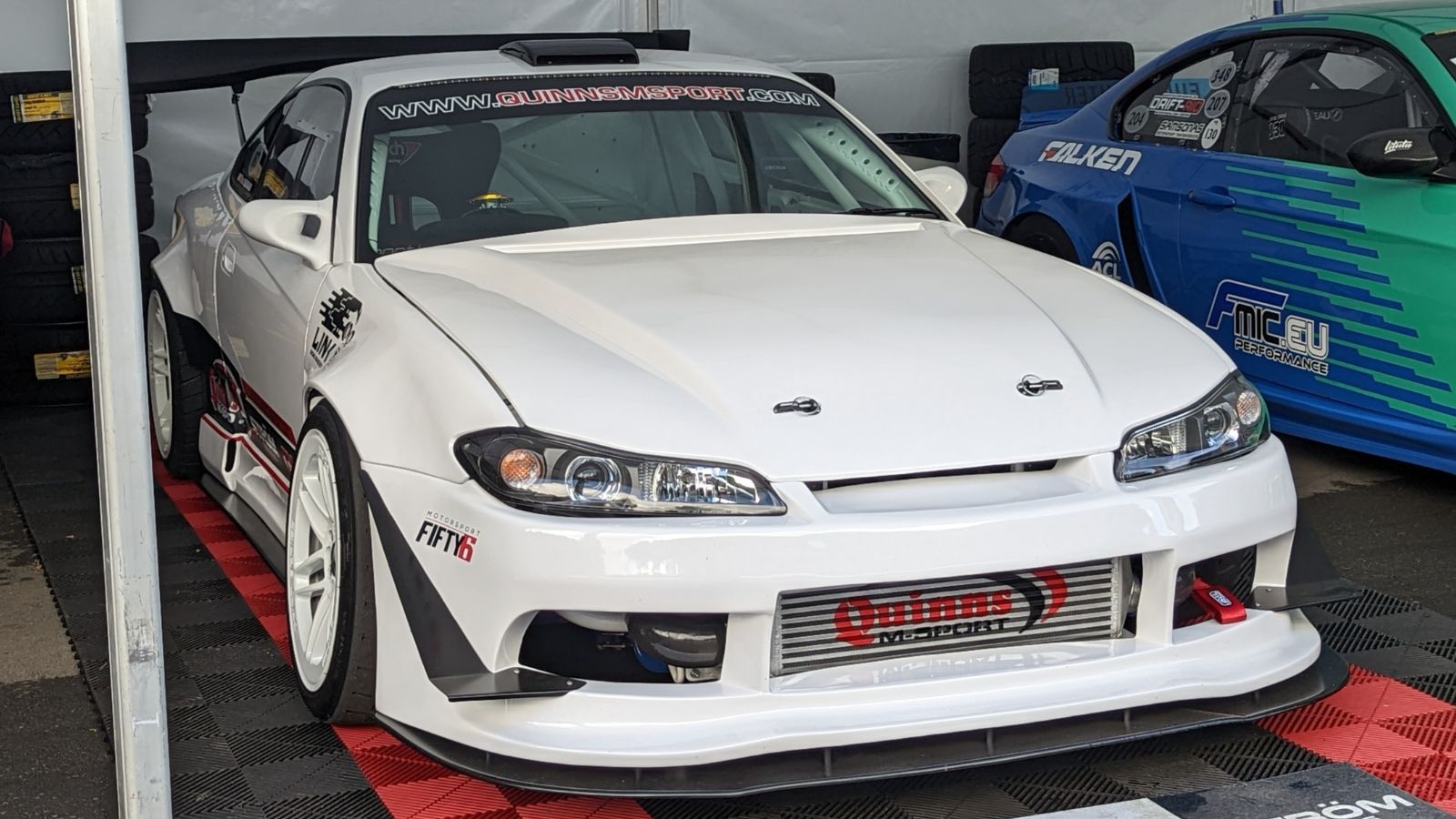
The Silvia S15 has a design that appeals to purists. It is sharp where it needs to be and smooth everywhere else, striking the perfect middle ground between aggression and subtlety. Its proportions make it look light on its feet, and the body lines flow without distraction. It is one of those cars that instantly communicates agility and precision.
On the street or on a track, it looks like it belongs in motion. That is part of the reason the S15 became the face of drifting. It does not need a big wing or a loud body kit to turn heads. It is attractive because it looks fast and focused without trying to steal attention. It is the definition of clean performance design.
Lexus LC 500
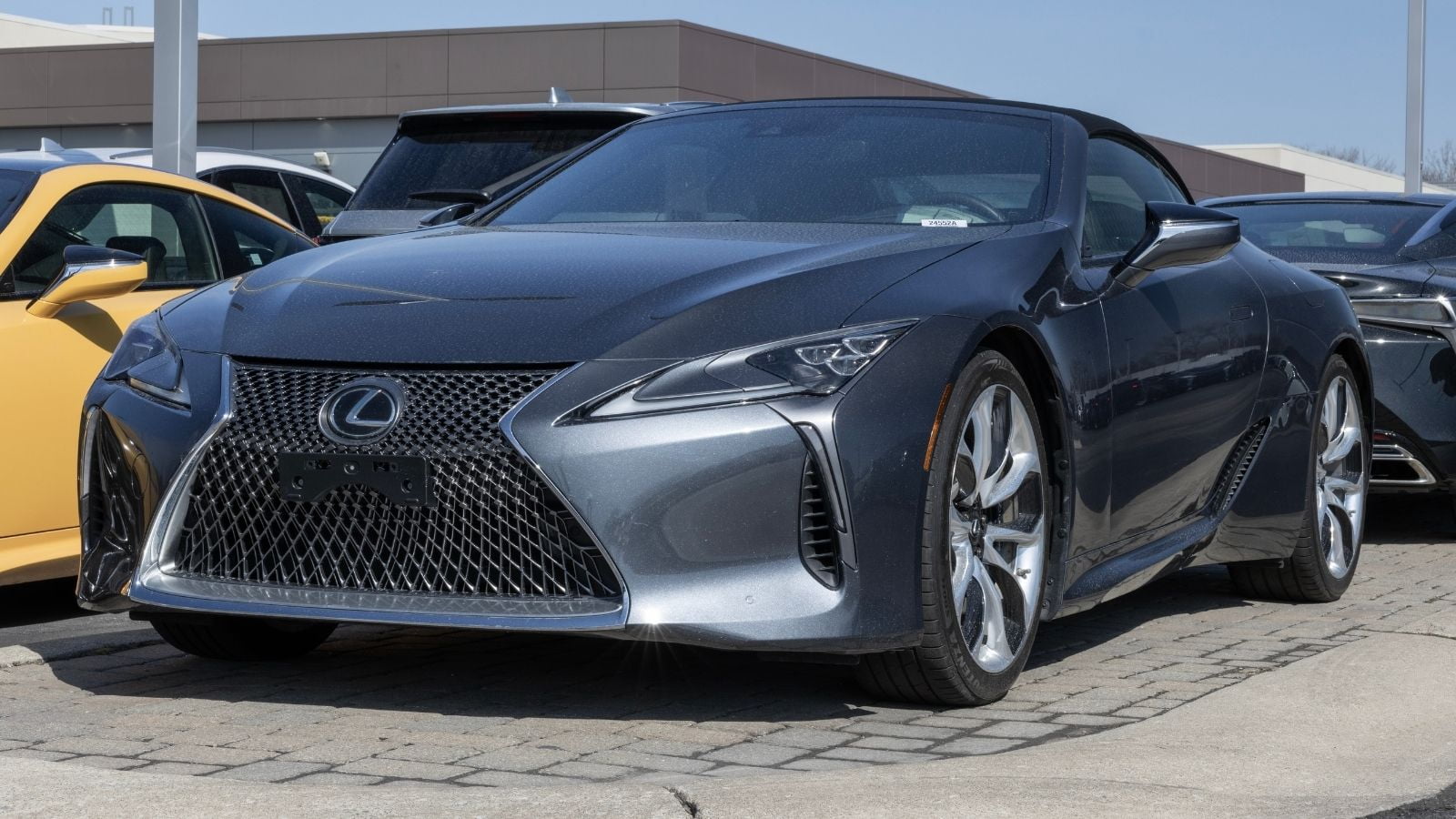
The LC 500 proves that modern JDM design can still produce jaw dropping beauty. It is a grand tourer that blends sharp origami inspired lines with smooth organic shapes in a way no other car has attempted. The massive spindle grille and slim headlights create a futuristic front profile, while the wide hips and long glass roof make it look like a sculpture in motion.
For many enthusiasts, the LC 500 has already crossed the line from contemporary design to instant classic. It looks like a concept car that somehow escaped the show floor and ended up on the road unchanged. There is no bad angle, no excess, and no compromise in its styling. It is one of the most visually stunning cars of the modern era, JDM or otherwise.
Subaru Impreza 22B
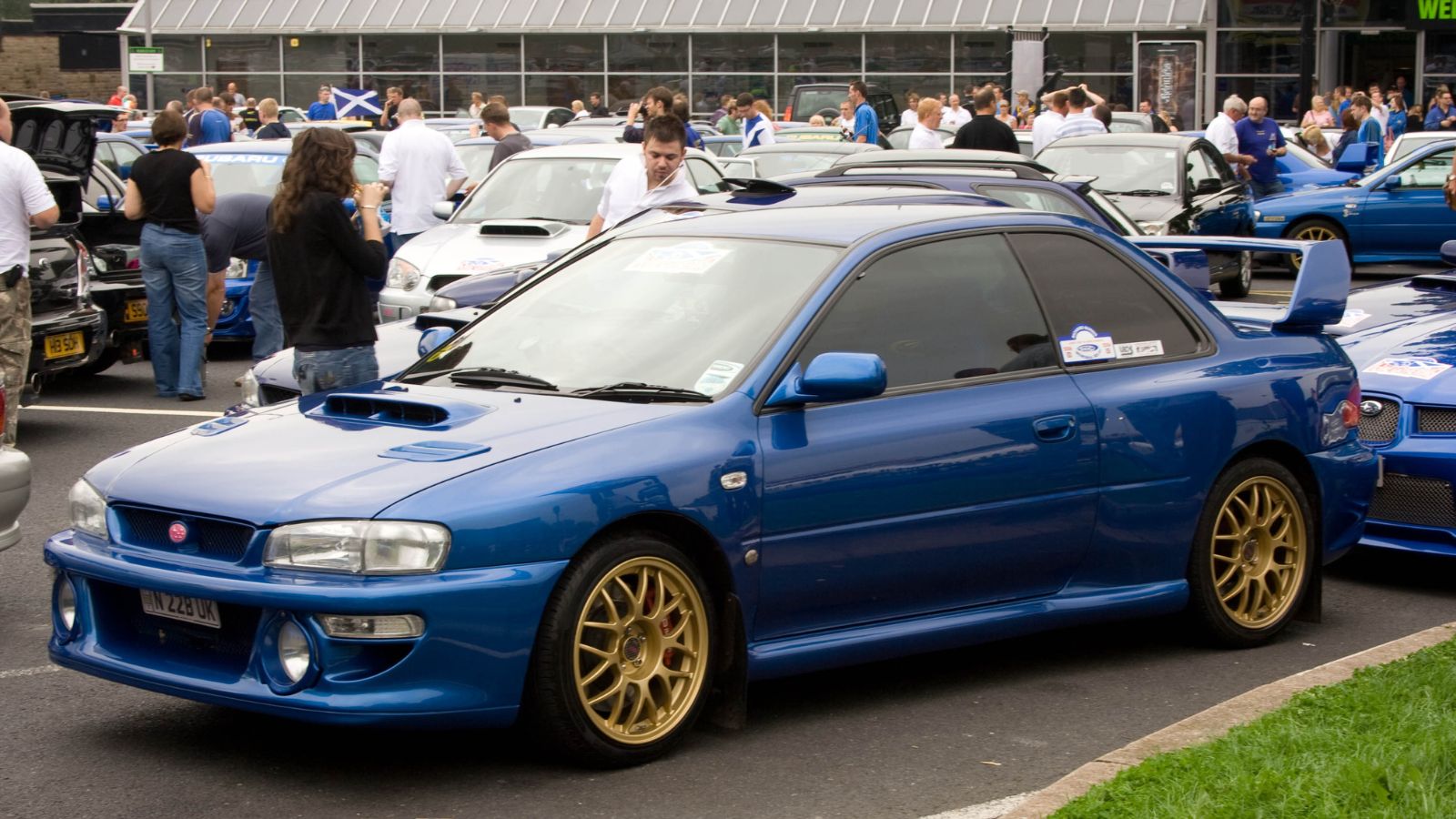
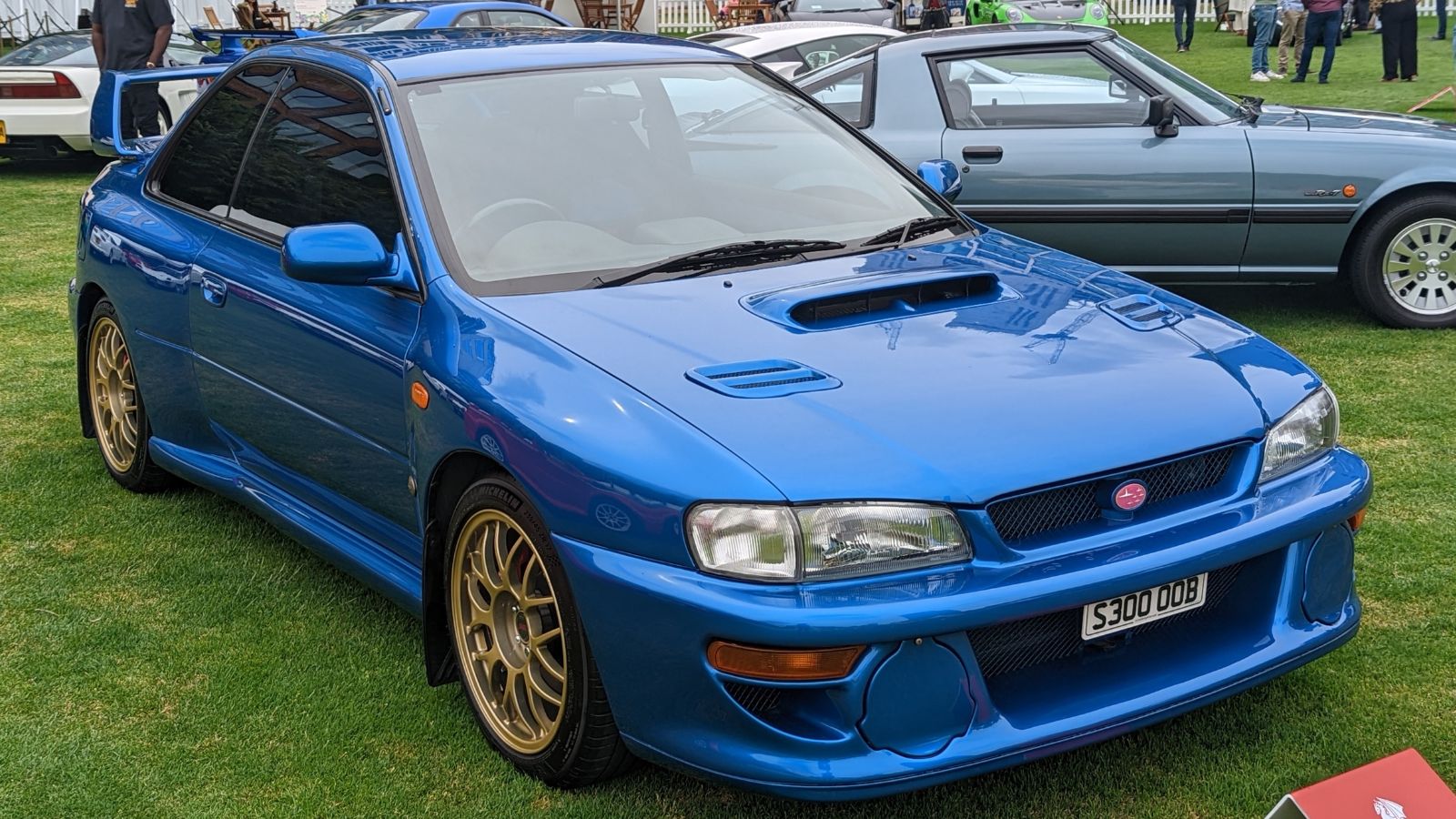
The 22B is proof that beauty does not require subtlety. It is aggressive, muscular, and unapologetically built for domination. The wide body, flared fenders, tall wing, hood scoop, and gold wheels form a look that screams rally engineering rather than vanity. It looks like a race car with plates, and that honesty is what makes it gorgeous.
The design has become inseparable from the legend of Subaru rally history. Every detail feels authentic because every detail was built for performance. There is nothing artificial or decorative. Beauty in the 22B comes from its determination to be fast, strong, and unmatched on dirt or tarmac. Among fans of functional design, it stands unrivaled.
Eastern Promise
These cars prove that Japan has a unique gift for combining performance with emotion. Some look elegant, some look angry, some look futuristic, and some look engineered purely for battle. But every one of them evokes passion long before the engine starts. JDM style became a global phenomenon because it connected with enthusiasts on every level.
Whether your heart belongs to the graceful RX 7, the menacing R34, the refined NSX, or the futuristic LC 500, the truth is simple. Japan did not just build fast cars. It built automotive art. And the world will always remember them for it.
25 Facts About Car Loans That Most Drivers Don’t Realize

Car loans are one of the most common ways people fund car purchases. Like any other kind of loan, car loans can have certain features that can be regarded as an advantage or a disadvantage to the borrower. Understanding all essential facts about car loans and how they work to ensure that you get the best deal for your financial situation is essential. Here are 25 shocking facts about car loans that most drivers don’t realize:
25 Facts About Car Loans That Most Drivers Don’t Realize
