
All V8 engines are not created equal. Two very different crankshaft designs define how a V8 sounds, revs, vibrates and delivers power. Flat plane and cross plane V8s may share the same cylinder count, but they behave like entirely different animals. To understand why, it helps to look at two real world examples that represent each philosophy perfectly.
What a Flat Plane V8 Really Is

A flat plane V8 uses a crankshaft layout similar to two inline four engines joined together. The crank pins sit opposite each other, creating evenly spaced firing intervals. This design allows the engine to rev freely and breathe efficiently at high rpm. The tradeoff is vibration. Without the natural balancing effect of a cross plane crank, flat plane engines require stiffer mounts and accept more harshness. What they deliver in return is razor sharp throttle response and an unmistakable high pitched scream.
Ferrari’s Flat Plane V8 Philosophy

Ferrari has built its identity around flat plane V8 engines for decades. A perfect example is the V8 used in the Ferrari 458 Italia. This engine revs incredibly high and responds instantly to throttle inputs. The sound builds into a mechanical wail rather than a rumble. Ferrari values precision, lightweight internals and track focused performance. The flat plane design supports that goal by reducing rotating mass and improving exhaust scavenging at high engine speeds.
Voodoo Flat Plane V8 in the Ford Mustang

A well known flat plane V8 outside of Ferrari is the Ford 5.2-litre “Voodoo” V8 used in the Ford Mustang Shelby GT350. This engine was a major statement from Ford. It revs to over 8,000 rpm, produces a sharp, exotic exhaust note and behaves far more like a European race engine than a traditional American V8. Ford chose a flat plane crank specifically to reduce rotating mass and improve high rpm breathing, accepting extra vibration in exchange for throttle response and character.
How a Cross Plane V8 Is Different

A cross plane V8 uses a crankshaft with crank pins spaced at ninety degrees. This layout naturally balances the engine and dramatically reduces vibration. The result is smoother operation and stronger low end torque. The downside is complexity. Cross plane engines require heavier counterweights and more complex exhaust routing, which limits high rpm breathing compared to flat plane designs. What you gain is refinement, durability and that classic V8 burble.
Chevrolet’s Cross Plane V8 Tradition

Chevrolet’s small block V8 lineage is built around the cross plane design. A modern example is the Chevrolet LS V8 family. These engines deliver strong torque across a wide rpm range and feel effortless in daily driving. They idle smoothly, pull hard from low speed and tolerate long term use with minimal stress. Chevrolet favors broad usability and reliability, which makes the cross plane crank the logical choice.
Sound Is the Most Obvious Difference
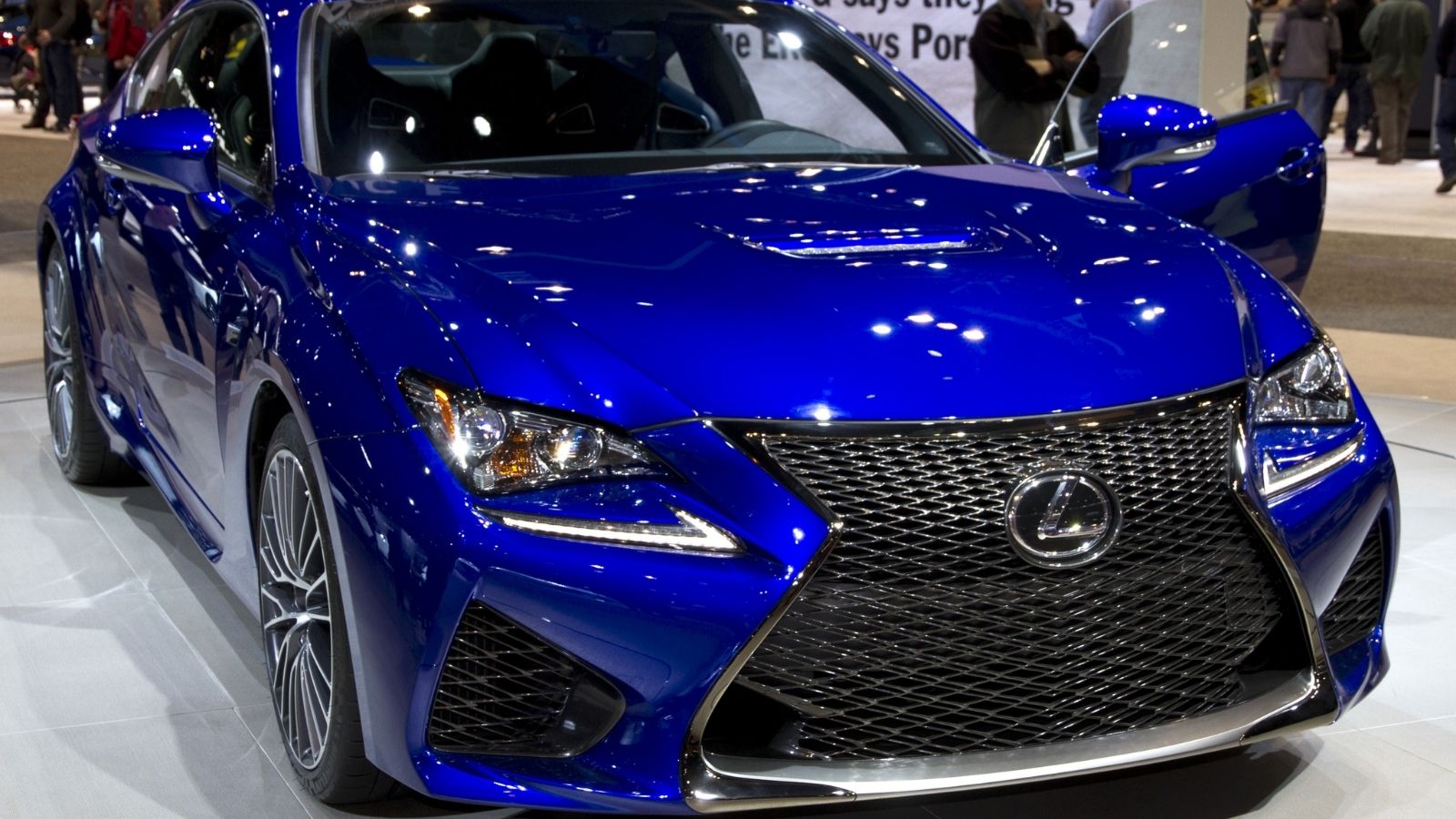
The easiest way to tell these engines apart is by sound. Flat plane V8s sound sharp, exotic and urgent. They resemble race engines and reward high rev driving. Cross plane V8s sound deep, uneven and thunderous. The firing order creates the uneven pulses people associate with American muscle. Neither sound is better, but they communicate very different personalities.
Driving Feel Separates Them Completely
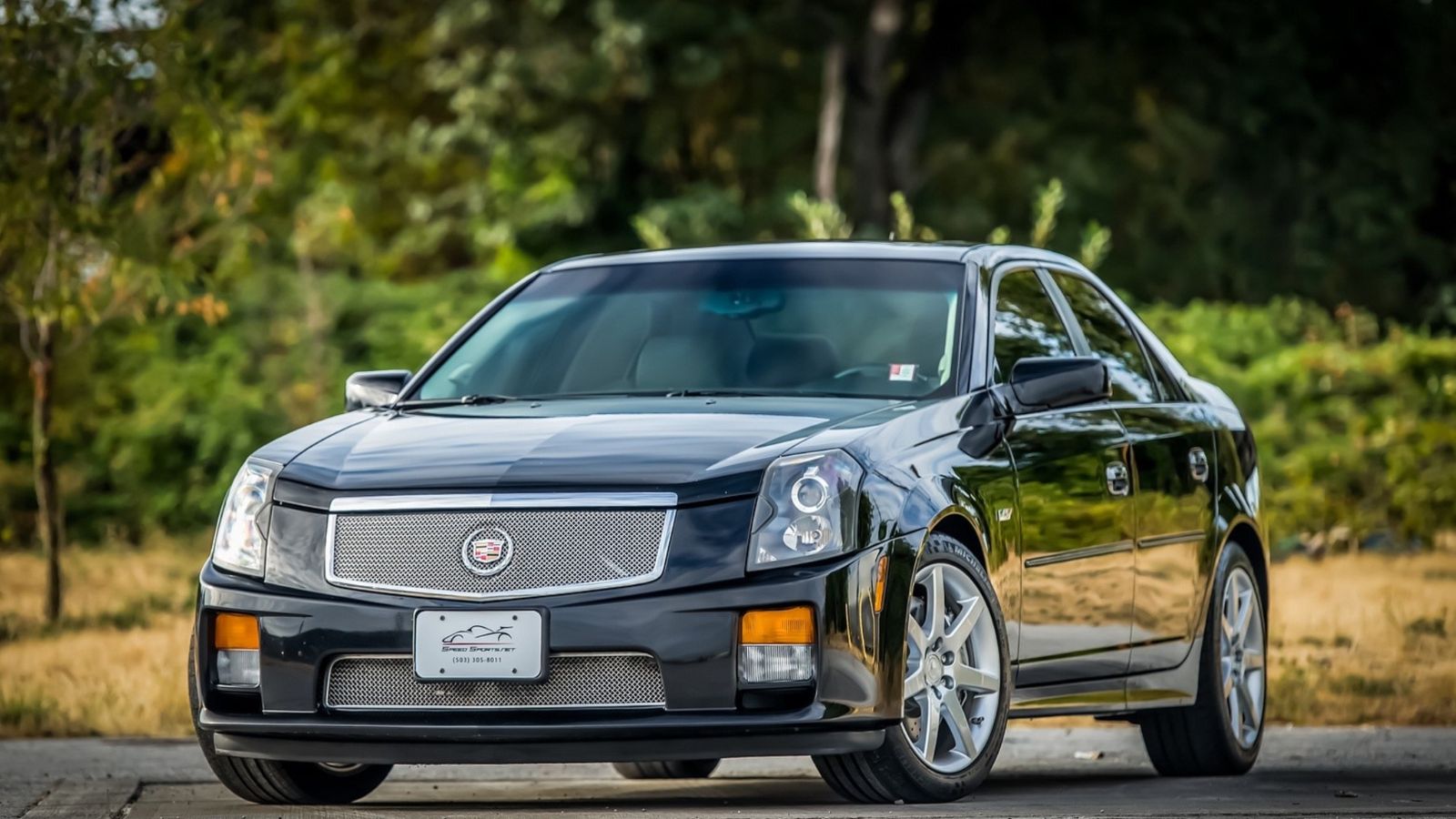
Behind the wheel, the difference is immediate. Flat plane V8s feel alive at the top end. They encourage aggressive driving and precise inputs. Cross plane V8s feel relaxed and muscular. They deliver effortless acceleration without needing to chase redline. One rewards commitment, the other rewards confidence.
Why Manufacturers Choose One Over the Other

Manufacturers do not pick crankshaft designs randomly. Brands focused on track performance, lightweight engineering and high rpm behavior lean toward flat plane designs. Brands focused on comfort, durability and everyday drivability choose cross plane layouts. The choice reflects philosophy more than technology level.
Which One Is Better

Neither design is superior in isolation. Flat plane V8s excel in sports cars where sound, response and revs matter most. Cross plane V8s dominate in muscle cars, trucks and grand tourers where torque and smoothness define the experience. Understanding the difference explains why a Ferrari feels nothing like a Corvette even when both have eight cylinders.
Two V8s, Two Identities

A Ferrari flat plane V8 and a Chevrolet cross plane V8 represent opposite ends of the performance spectrum. One screams and demands attention. The other rumbles and delivers effortlessness. Both are correct. They simply answer different questions about what a V8 should be.
25 Facts About Car Loans That Most Drivers Don’t Realize

Car loans are one of the most common ways people fund car purchases. Like any other kind of loan, car loans can have certain features that can be regarded as an advantage or a disadvantage to the borrower. Understanding all essential facts about car loans and how they work to ensure that you get the best deal for your financial situation is essential. Here are 25 shocking facts about car loans that most drivers don’t realize:
25 Facts About Car Loans That Most Drivers Don’t Realize
