
Buying American-made vehicles has obvious appeal. Big engines, strong towing numbers, aggressive styling, and a long manufacturing legacy. But Canadian buyers tend to look past the badge and think long term. Climate, fuel prices, resale value, and ownership costs all weigh heavily on the decision. Before signing on the dotted line, these are the ten downsides Canadians commonly consider when shopping American-built cars and trucks.
Higher Fuel Consumption
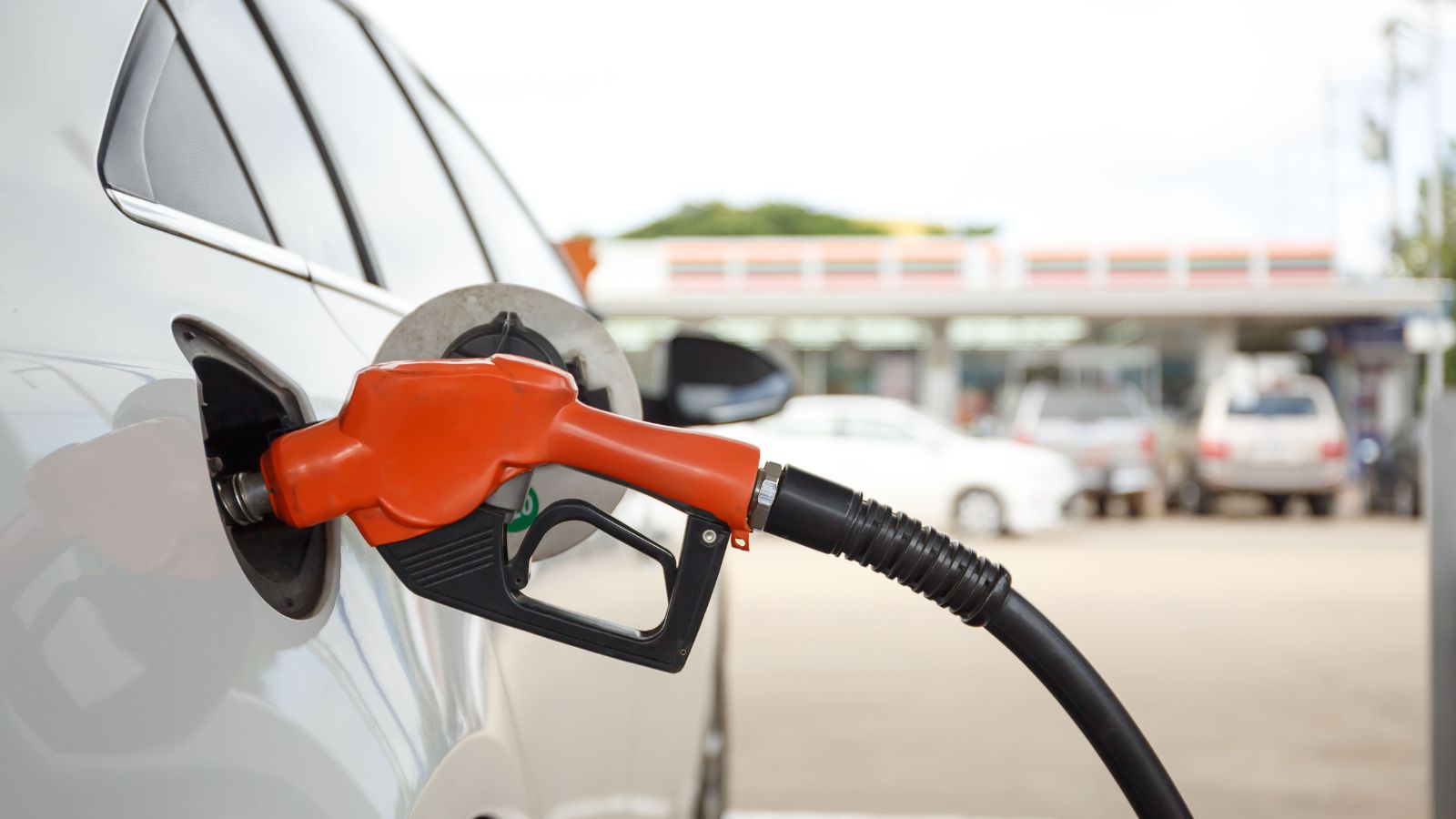
Many American vehicles still prioritize size and power over efficiency. Larger engines and heavier platforms often translate to higher fuel costs, especially painful during long Canadian commutes or winter warm-ups when fuel consumption rises even further.
Winter Reliability Concerns
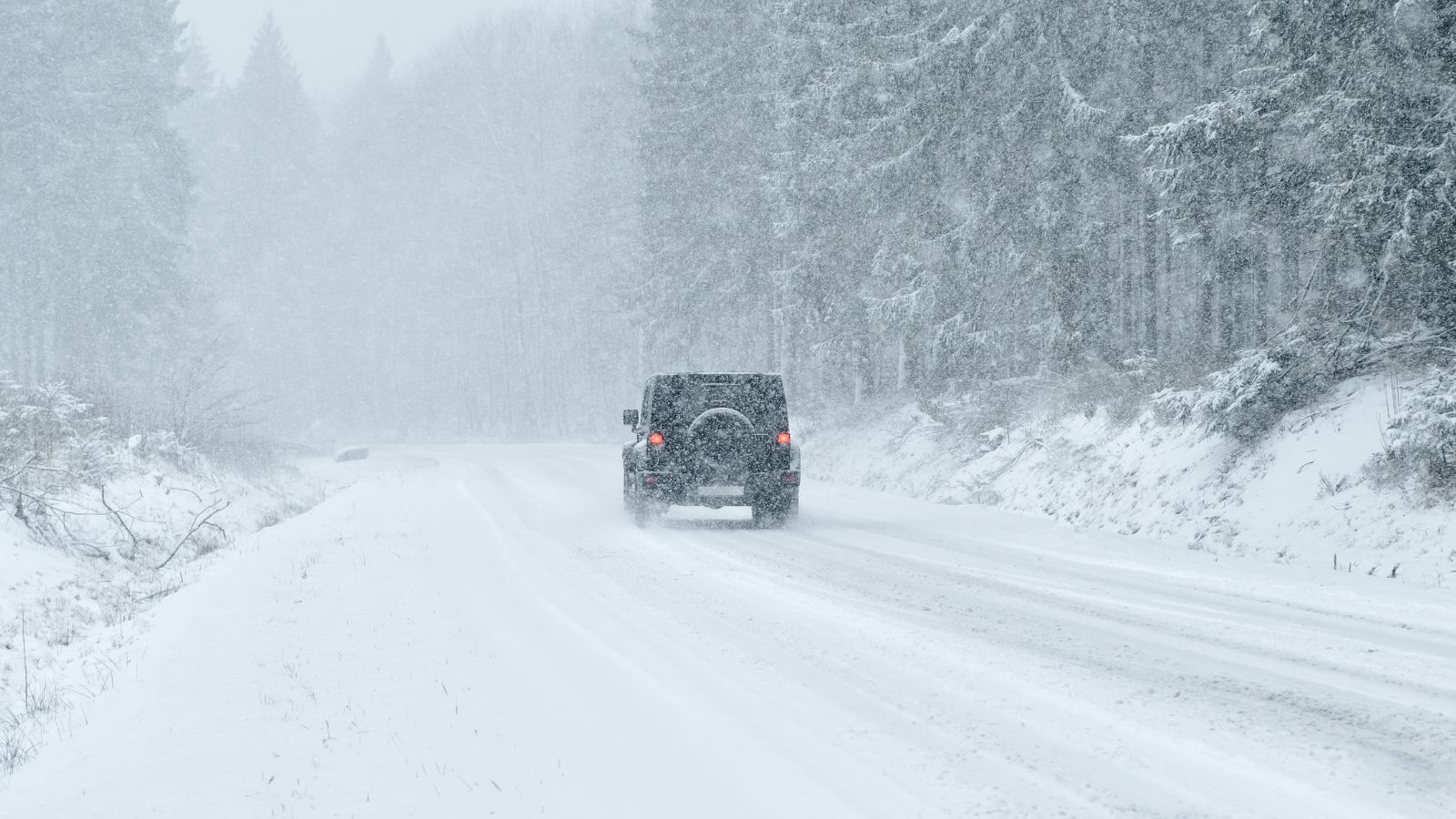
Canadian winters expose weaknesses quickly. Cold starts, battery drain, electronic glitches, and corrosion issues tend to show up sooner in harsher climates. Buyers often worry whether a vehicle engineered primarily for warmer regions will cope long term.
Interior Material Durability
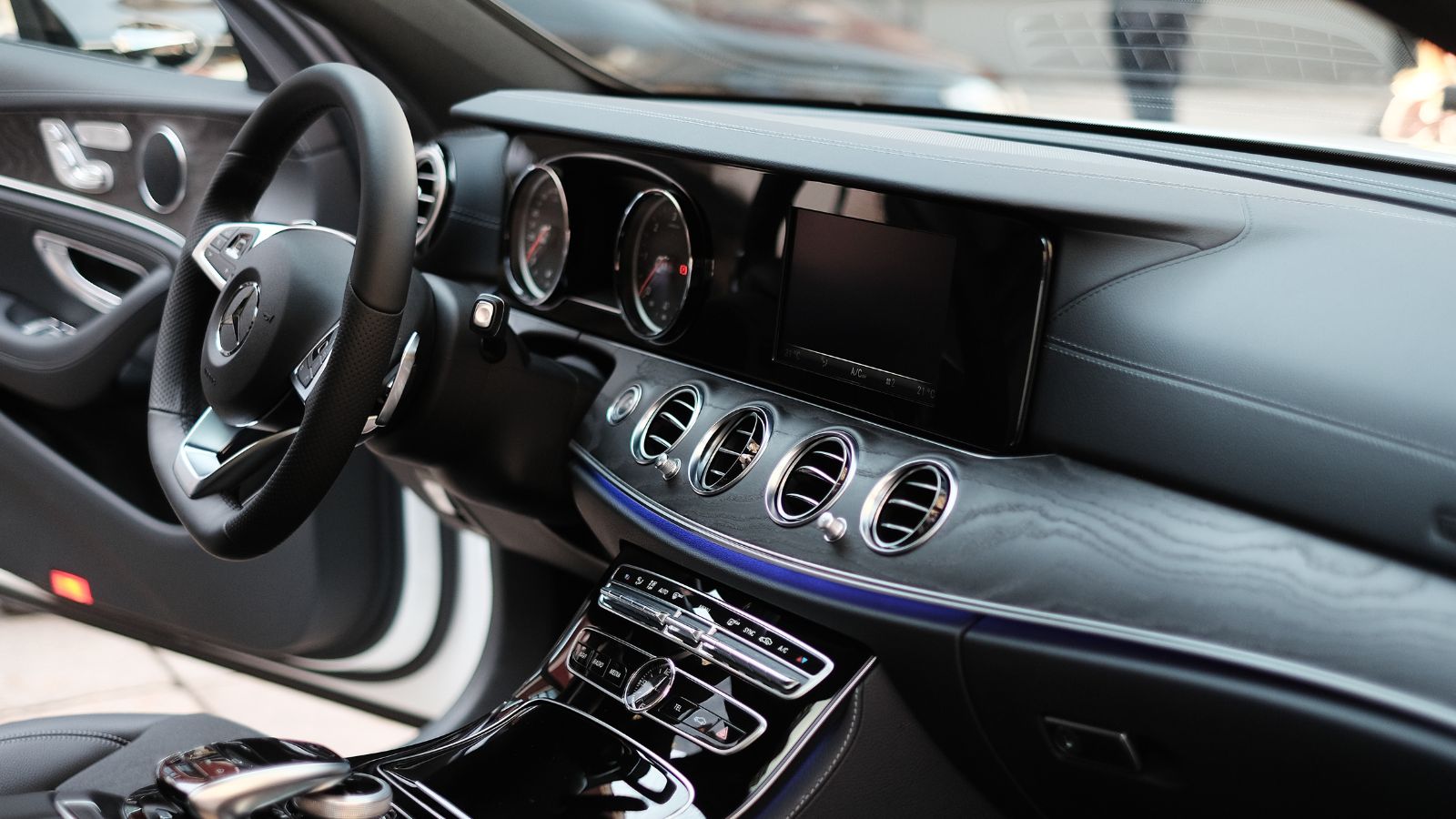
Soft plastics, seat materials, and switchgear take a beating in cold temperatures. Canadians frequently report cracked trim, stiff controls, and premature interior wear when temperatures drop well below freezing for extended periods.
Resale Value Drops Faster

Compared to Japanese rivals, many American vehicles depreciate more aggressively in Canada. Buyers know that resale value matters, especially in provinces where vehicles are replaced more frequently due to salt exposure and rust.
Rust and Corrosion Anxiety
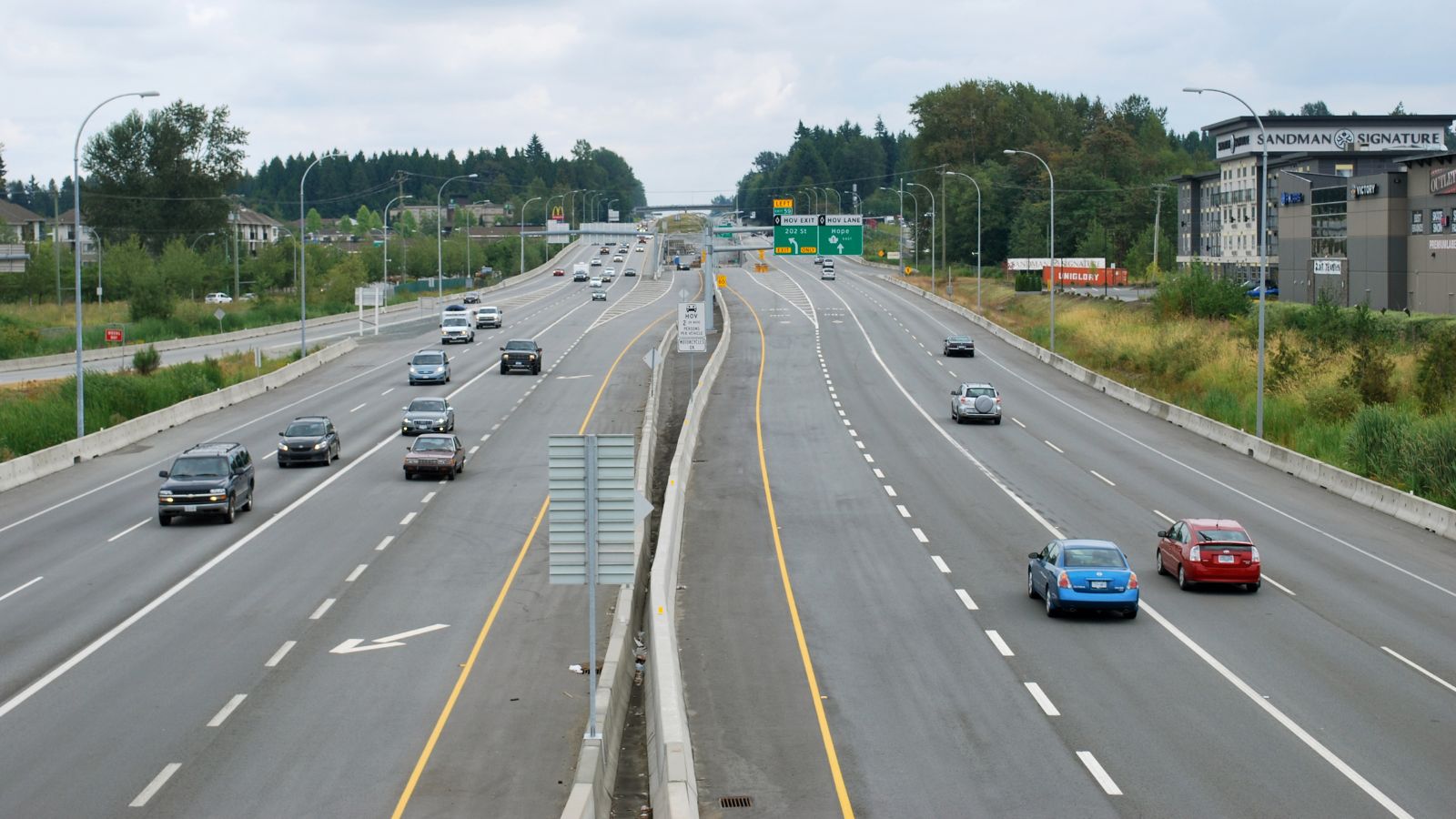
Road salt is unavoidable across much of Canada. Past generations of American vehicles earned reputations for premature rust, and that memory still influences buying decisions today. Even with improvements, rust protection remains a concern.
Parts and Repair Costs Outside Major Cities
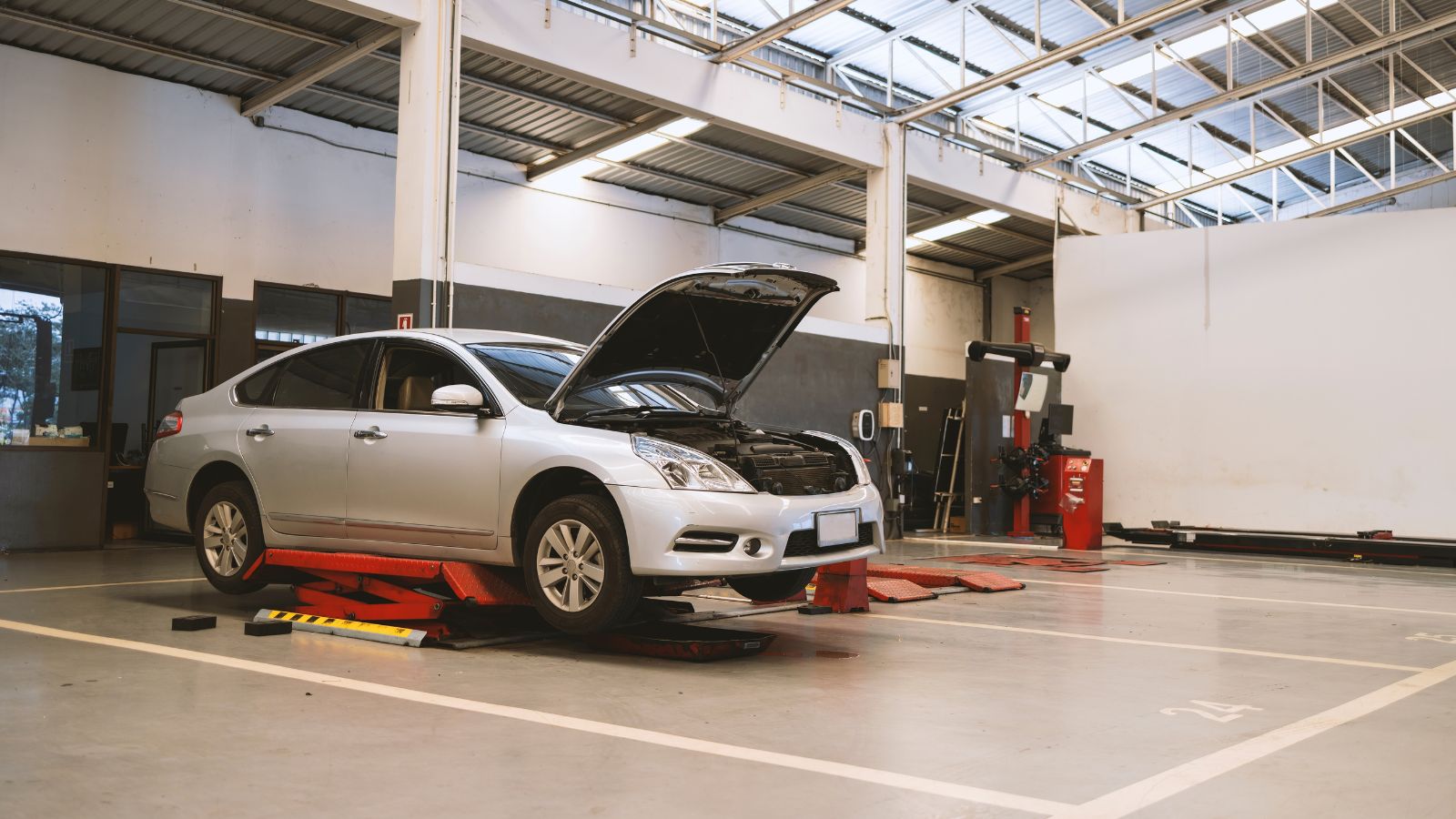
While parts availability is strong overall, Canadians in smaller towns and northern regions sometimes face longer wait times for specific components. Import delays and cross-border logistics can complicate repairs compared to brands with deeper Canadian supply chains.
Insurance Premiums

Large engines, high horsepower ratings, and pickup classifications often translate into higher insurance costs. Canadians compare premiums carefully, especially when a similarly capable alternative offers lower annual insurance bills.
Build Consistency

Canadians often cite inconsistent build quality between model years or production plants. Panel gaps, electrical issues, and assembly inconsistencies raise concerns about long-term ownership confidence.
Cabin Size vs. Real Usability
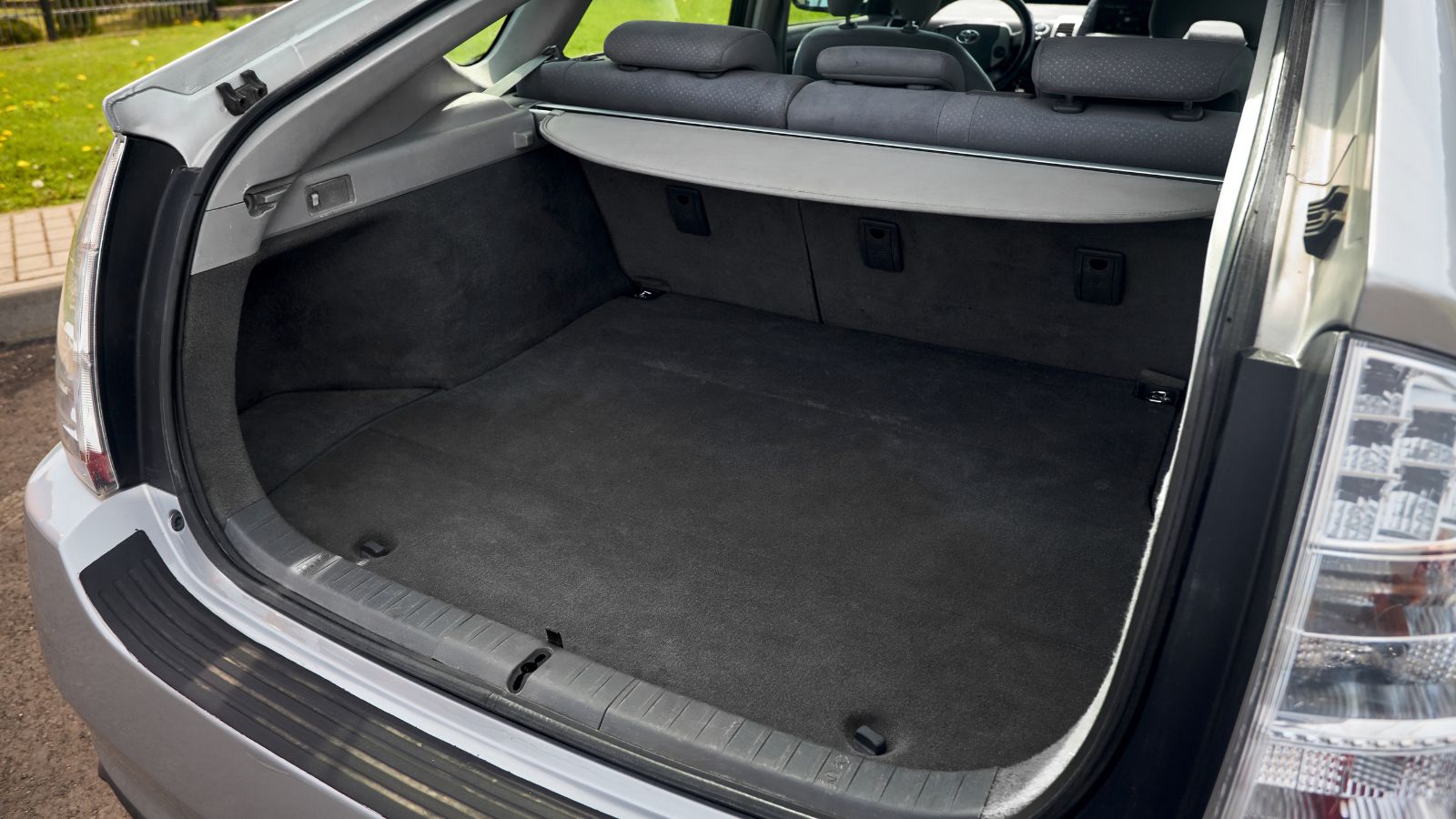
Bigger is not always better. Full-size vehicles can feel cumbersome in urban Canadian environments, especially in winter parking conditions. Tight underground garages and snow-narrowed streets make size a practical downside.
Better Alternatives Exist

Perhaps the biggest hesitation is simple comparison. Japanese and European brands often deliver better fuel economy, winter drivability, and long-term reliability in Canadian conditions. Buyers frequently ask whether patriotism outweighs practicality.
US Made
Buying American-made vehicles is not a bad choice. Many offer serious capability, comfort, and character. But Canadian buyers tend to be pragmatic. They think about winter mornings, fuel receipts, resale value, and reliability long after the excitement of purchase fades. In a country where conditions are demanding, practicality often wins over sentiment.
25 Facts About Car Loans That Most Drivers Don’t Realize

Car loans are one of the most common ways people fund car purchases. Like any other kind of loan, car loans can have certain features that can be regarded as an advantage or a disadvantage to the borrower. Understanding all essential facts about car loans and how they work to ensure that you get the best deal for your financial situation is essential. Here are 25 shocking facts about car loans that most drivers don’t realize:
25 Facts About Car Loans That Most Drivers Don’t Realize
