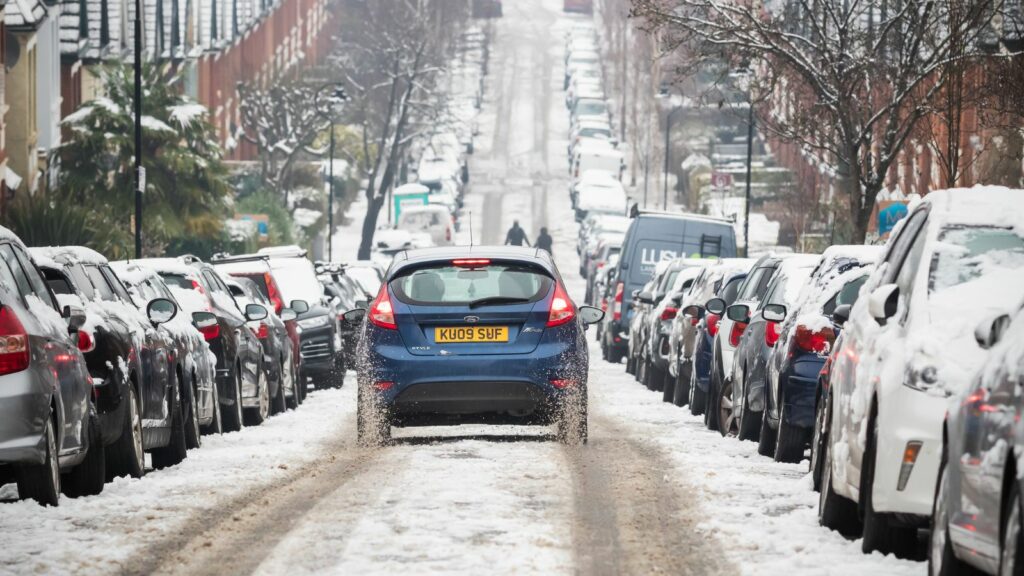
An SUV can look winter-ready before the first storm even starts: tall stance, roomy cabin, available all-wheel drive, and the kind of road presence that feels reassuring on a snowy morning. Yet winter driving often exposes a gap between confidence and control. Snow, ice, slush, tire choice, weight, and driver-assist systems all matter more than the badge on the liftgate.
Twelve factors help explain why some SUVs feel less sure-footed than expected when roads turn white. The issue is rarely one flaw. More often, it is a mix of physics, equipment, and assumptions that makes a vehicle easy to get moving but harder to stop, steer, or recover when grip disappears.
All-Wheel Drive Helps Launch, Not Stop
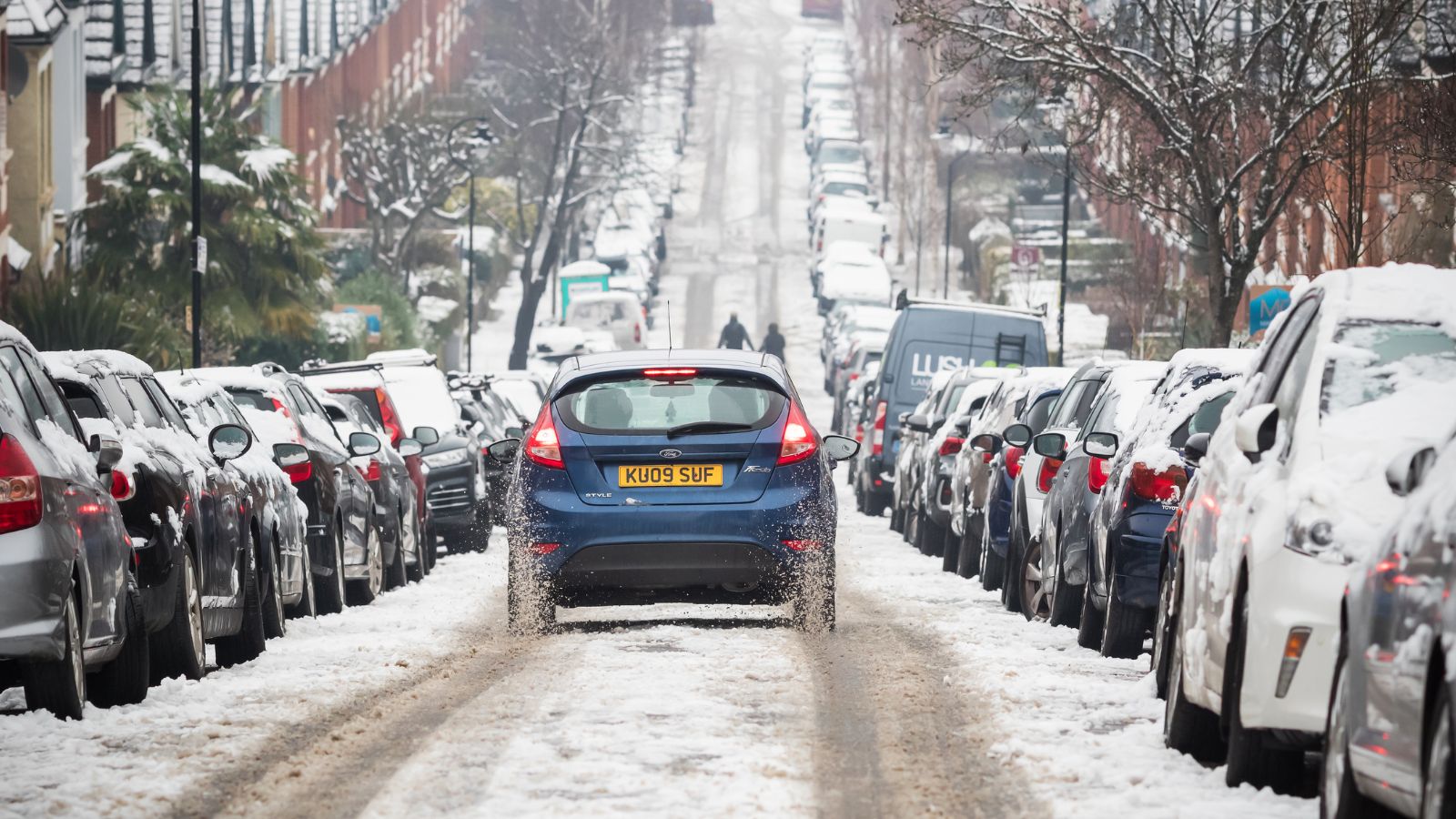
All-wheel drive can be genuinely useful when pulling away from a snowy curb or climbing a slick driveway. It spreads engine power to more than two wheels, which helps the vehicle use whatever grip is available. That first confident launch can be misleading, though, because acceleration is only one part of winter control.
Stopping and turning still depend on the tires’ grip against the road. An all-wheel-drive SUV on worn all-season tires can feel impressive leaving a parking lot, then feel vague or heavy when approaching a red light. A small car with proper winter tires may brake more predictably in the same conditions. The surprise comes when drivers assume the drivetrain solves every winter problem. It does not. Once the brake pedal is pressed, every vehicle is relying on four tire contact patches, not the AWD badge.
Extra Weight Can Become Momentum
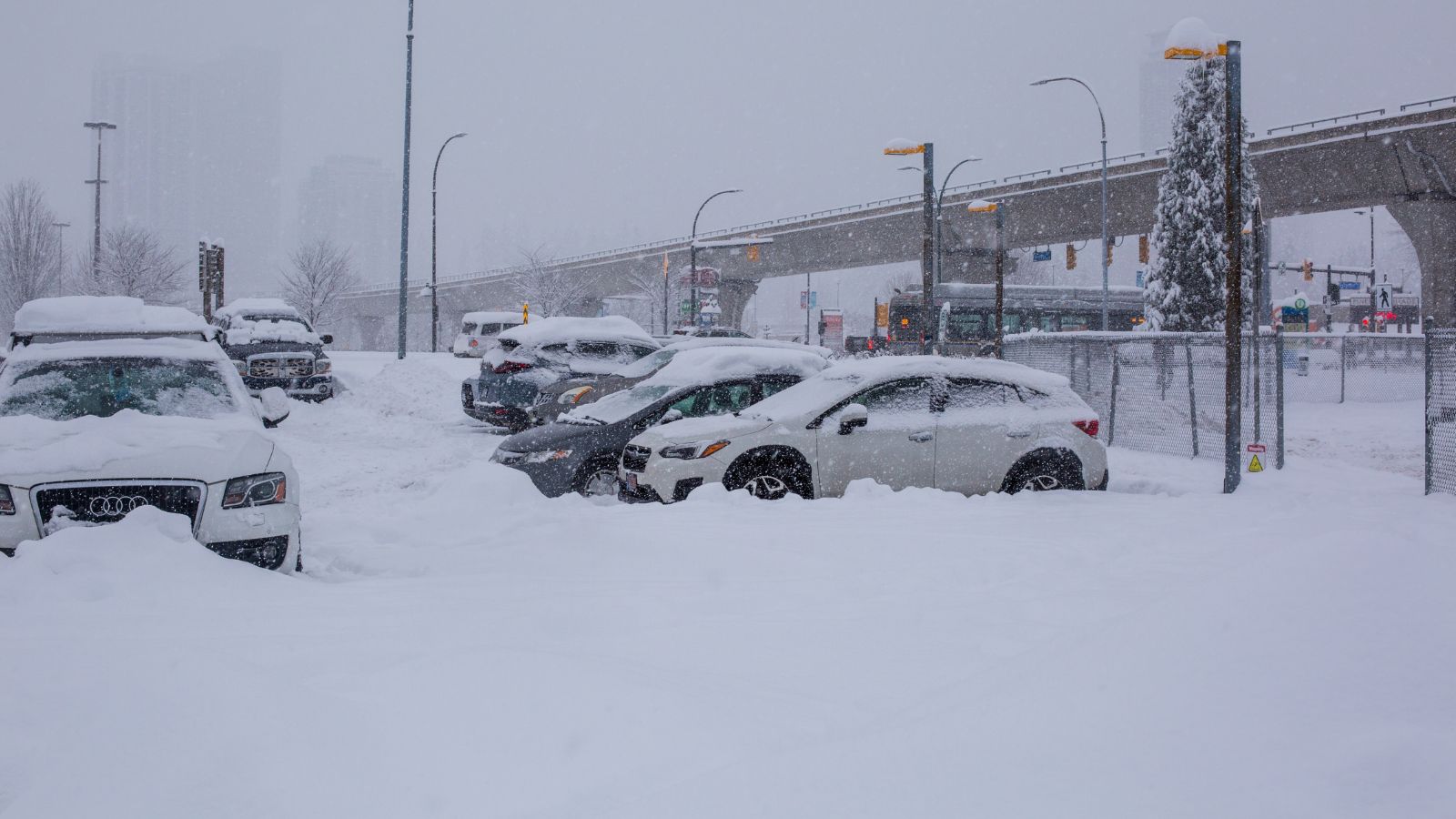
Many SUVs are heavier than comparable cars, especially midsize and three-row models. That weight can feel reassuring on a highway, but it also means more mass is moving forward when the driver asks the vehicle to slow down. On dry pavement, modern brakes and stability systems hide much of that difference. On snow or ice, the road surface may not provide enough friction for an urgent stop.
The result is a familiar winter moment: the SUV begins braking, the anti-lock system pulses, and the vehicle keeps sliding farther than expected. This does not mean heavy SUVs are unsafe by default. It means speed and following distance matter more. Even a modest increase in speed can dramatically lengthen stopping distance, and slick surfaces make that problem worse. A vehicle that feels stable at 50 km/h can still need far more room than the driver planned.
A Tall Body Changes the Way the Vehicle Reacts
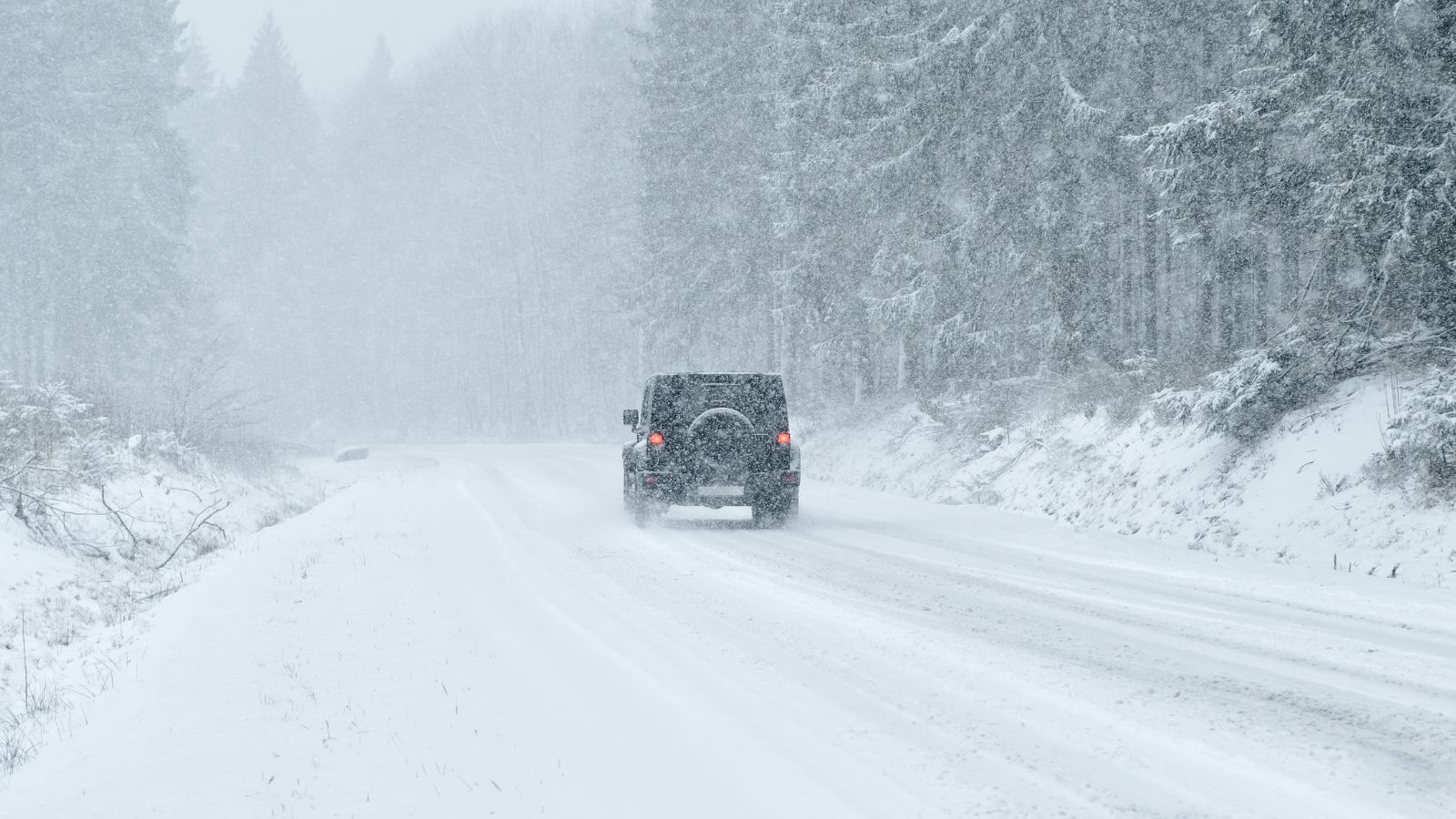
SUVs sit higher than sedans and hatchbacks, which helps with visibility and ground clearance. That height can also raise the centre of gravity. In everyday driving, the difference may be barely noticeable. In winter, when a driver makes a quick lane change around a snowbank or corrects a slide on a curve, the tall body can feel slower to settle.
This is one reason electronic stability control became such an important safety feature. It can brake individual wheels and reduce engine power when the vehicle is not following the driver’s intended path. Still, stability control cannot create traction where none exists. A tall SUV entering an icy ramp too quickly may still push wide or feel unsettled before the electronics intervene. The best winter handling comes from combining the vehicle’s safety systems with lower speeds and tires that can actually bite into snow and ice.
Wide Tires Can Float Over Snow and Slush
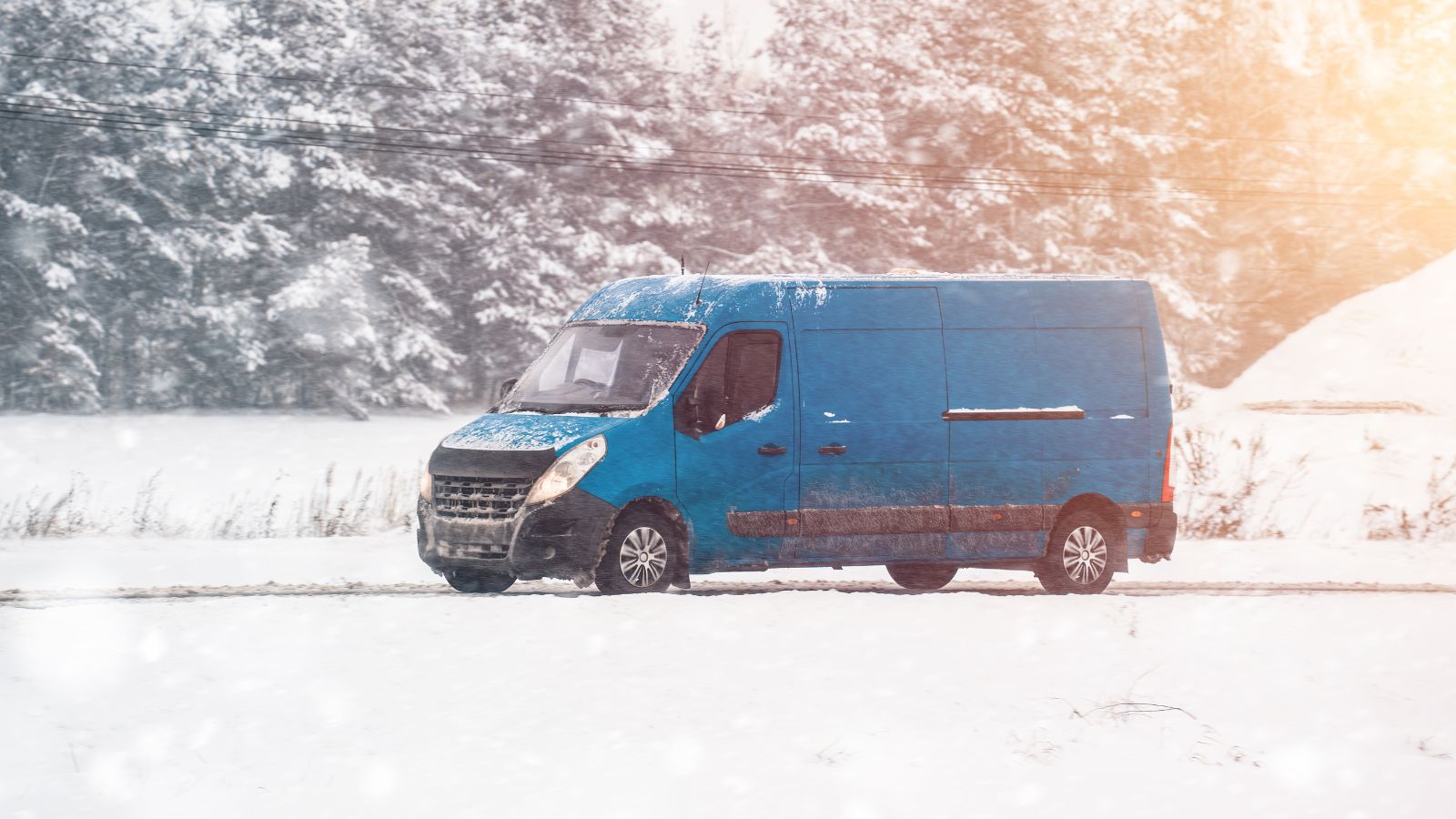
A sporty SUV often comes with wide tires and large wheels because they look sharp and help dry-road handling. In winter, that same setup can work against the driver. Wide tires have to push through more snow and slush, while narrower winter tires can sometimes cut through loose material more cleanly.
This is especially noticeable in rutted lanes after plows have passed. A wide-tired SUV may wander as the tire shoulders catch the ridges of packed snow. The steering wheel can tug left and right, making the vehicle feel nervous even at ordinary city speeds. Drivers may blame the SUV’s suspension or AWD system, but the tire size can be the real culprit. Winter wheel packages often use slightly smaller wheels and taller, narrower tires for exactly this reason: the setup can improve compliance, reduce slush sensitivity, and better protect the rims.
All-Season Tires Are Often Overestimated
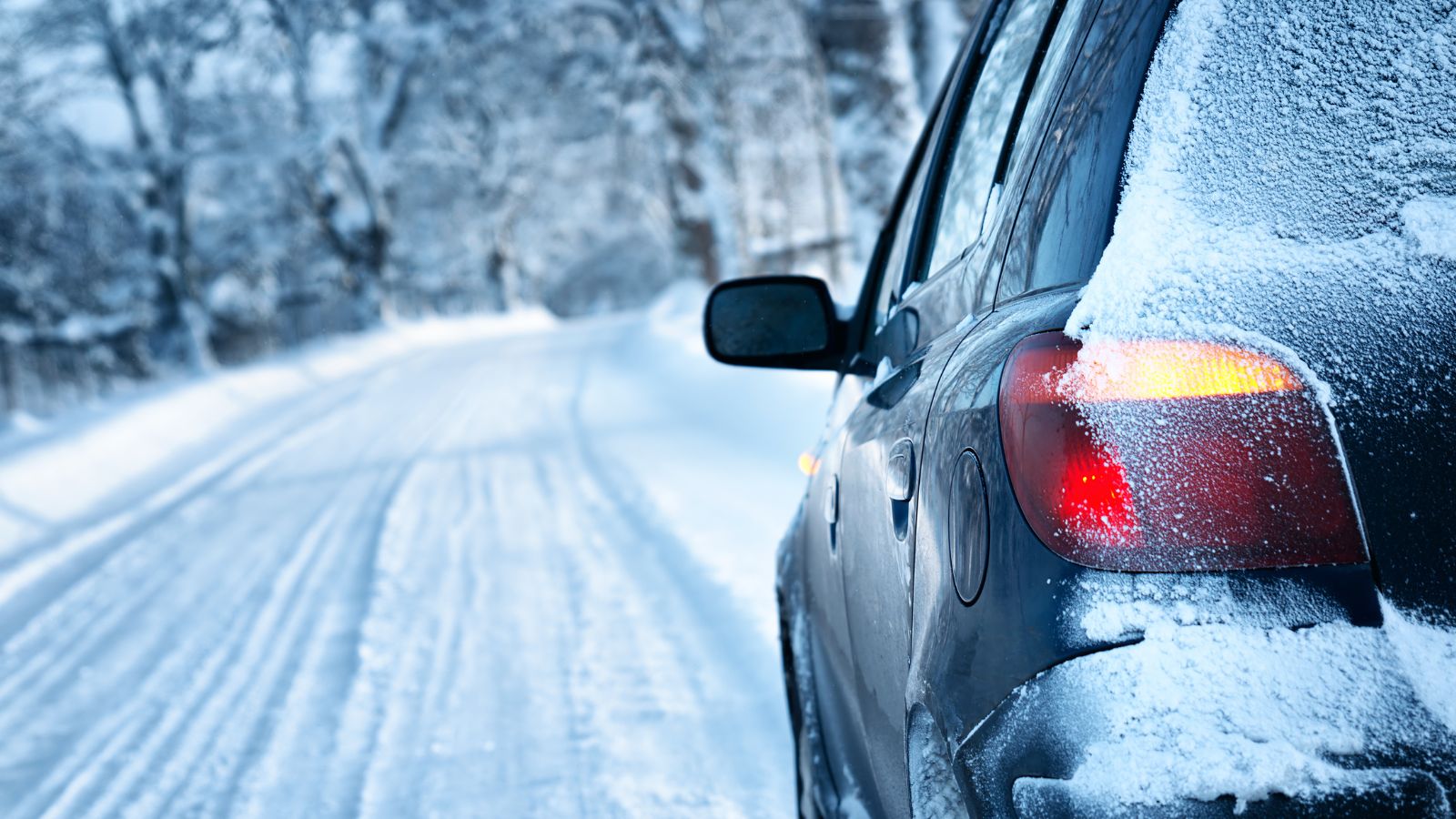
The phrase “all-season” sounds more capable than it really is in a Canadian-style winter. Many all-season tires can handle cool rain and light snow, but they are not the same as dedicated winter tires. Cold temperatures harden some tire compounds, reducing the flexibility needed for grip. Tread design also matters, because snow and slush need channels, biting edges, and space to move away from the contact patch.
This becomes a major issue for SUVs because their height and AWD can mask poor tire performance at first. The vehicle may move off smoothly, which reinforces the belief that the tires are good enough. The weakness appears during braking, cornering, and downhill stops. Dedicated winter tires are designed for colder temperatures and winter surfaces, while proper tread depth remains essential. An SUV with tired all-seasons may have the hardware to move, but not the rubber to stop confidently.
Ground Clearance Does Not Mean Ice Grip
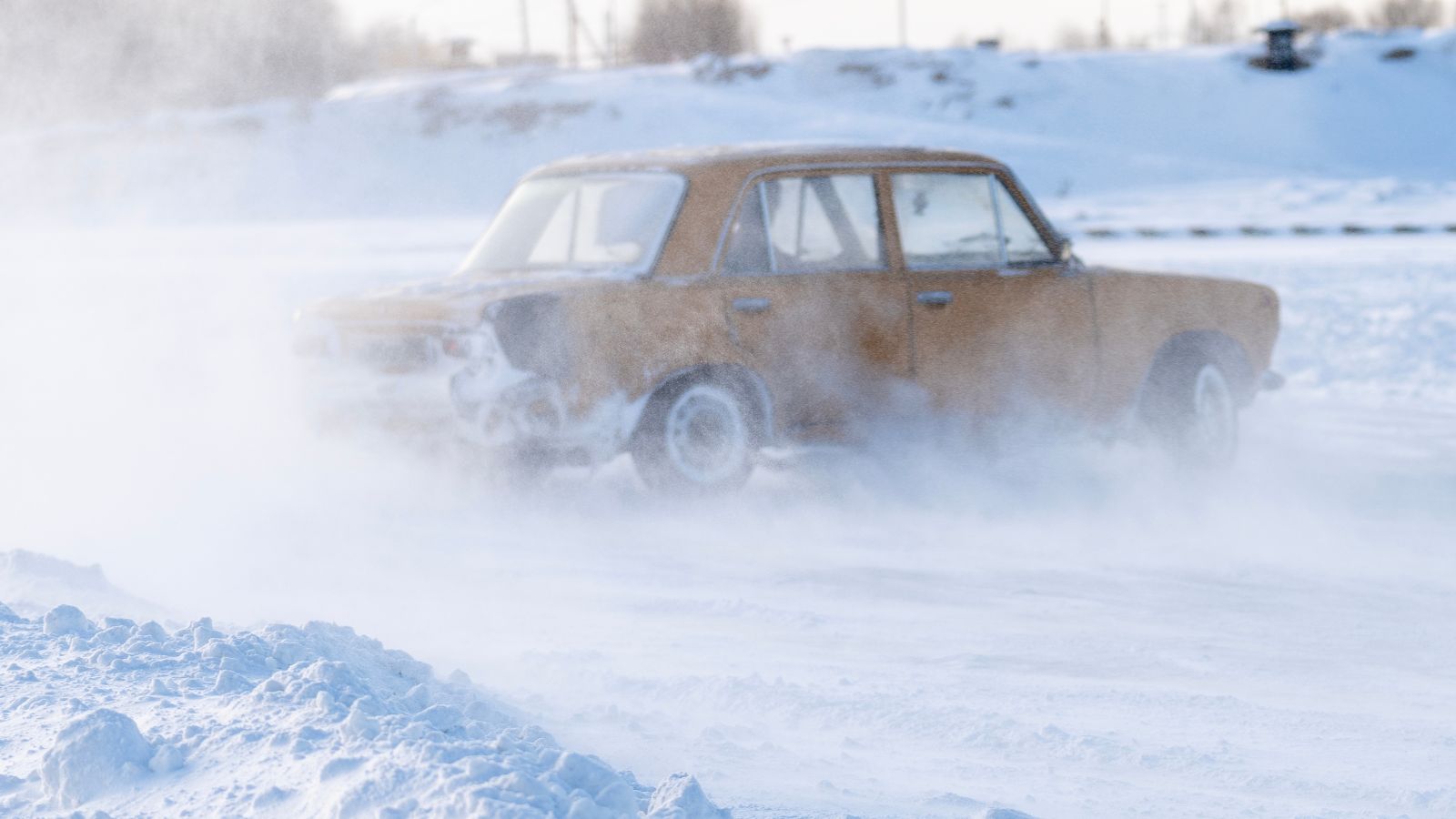
Ground clearance is useful in deep, loose snow. It can help prevent the underbody from dragging and keep the vehicle from becoming beached at the end of a plowed driveway. That advantage is real, especially in rural areas or on cottage roads. But ground clearance does almost nothing on black ice, polished intersections, or hard-packed snow.
This is where expectations can become dangerous. A driver may remember the SUV powering through a snowy lane and assume it will behave the same way on a glazed bridge deck. It will not. Ice changes the problem from clearance to friction, and friction is mostly a tire issue. The vehicle may have plenty of room underneath, yet very little grip under the tread. High clearance helps when snow depth is the obstacle. It does not help much when the road surface itself has turned into a skating rink.
Snow Mode Can Be Misunderstood
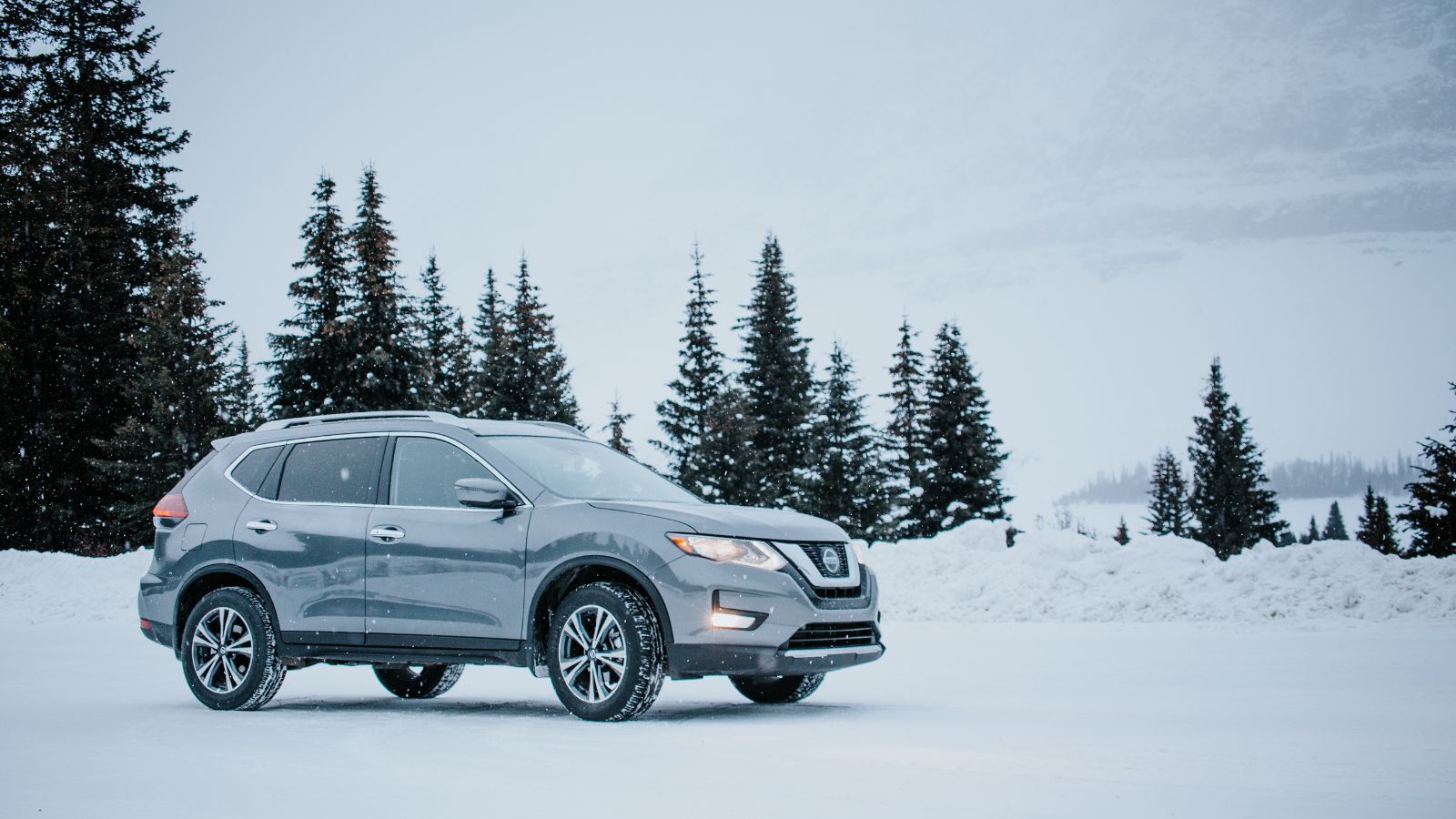
Many modern SUVs include a snow, slippery, or winter drive mode. These settings can soften throttle response, change transmission behaviour, adjust torque distribution, or alter traction-control tuning. Used properly, they can make the vehicle easier to manage in low-grip conditions, especially when starting from rest or climbing a gentle grade.
The problem comes when snow mode is treated like a magic setting. It cannot replace winter tires, shorten an icy stopping distance, or make a sharp corner safe at normal dry-road speeds. It may also make the vehicle feel calmer while still travelling too quickly for the conditions. A driver leaving a ski-hill parking lot may feel the SUV pull away smoothly and assume the mode has solved everything. Then the first downhill bend reveals the limit. Snow mode is a helpful assistant, not a winter-driving exemption.
Traction Control Can Feel Like Something Is Wrong
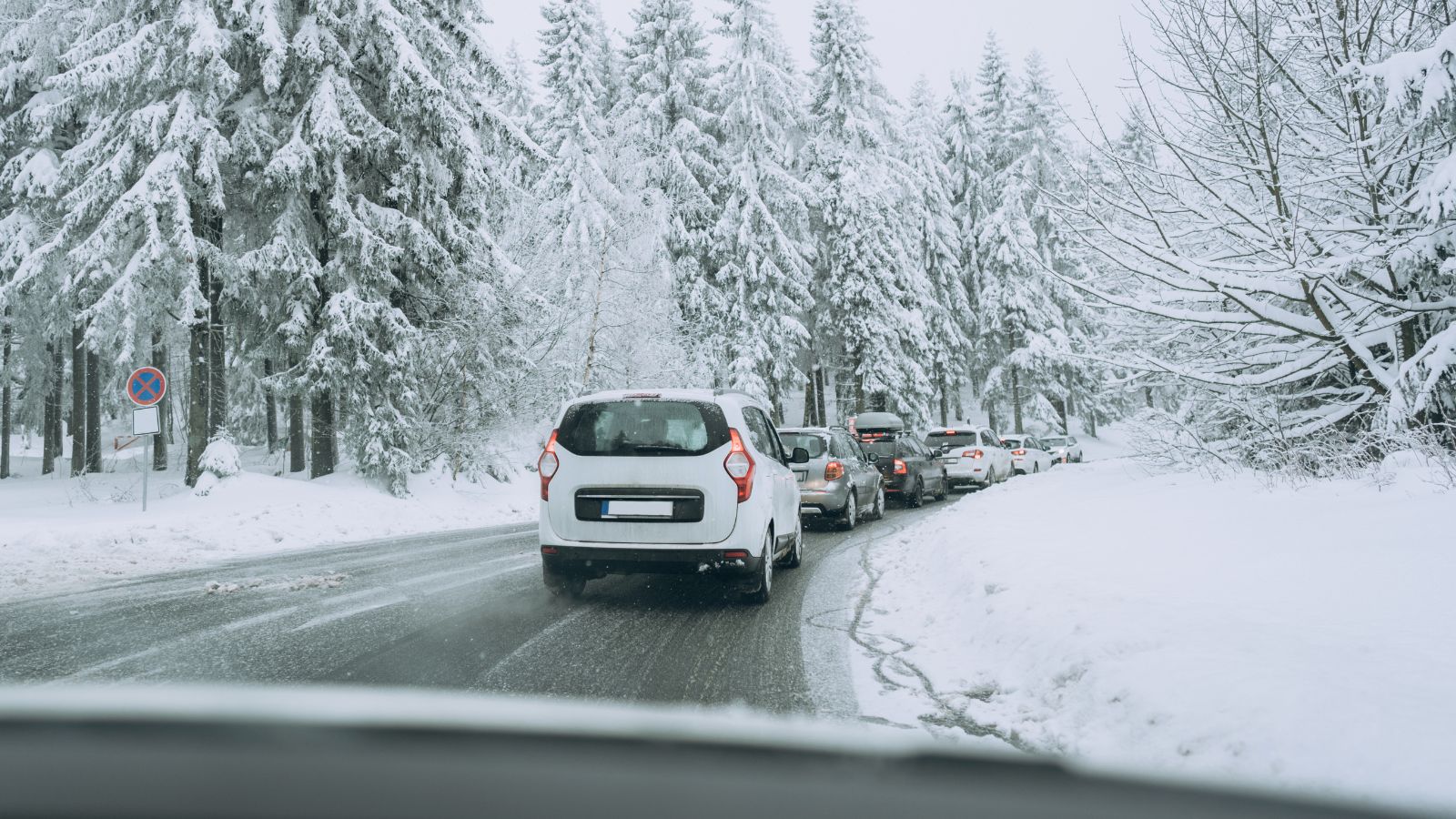
Traction control prevents excessive wheel spin by cutting engine power or applying the brakes to a slipping wheel. On slick roads, this can help the SUV move more smoothly and avoid fishtailing during acceleration. For drivers who are not expecting it, though, the system can feel like the vehicle has suddenly lost power.
That sensation is common when pulling through deep snow at a driveway entrance or trying to climb out of a rutted parking space. The driver presses the accelerator, the wheels begin to spin, and the vehicle responds by reducing power. In some situations, a small amount of wheel spin is needed to rock free, which is why some systems allow limited deactivation. The important point is that traction control is not failing when it intervenes. It is reacting to the same lack of tire grip that makes the SUV feel stuck.
Big Wheels and Low-Profile Tires Reduce Winter Cushion
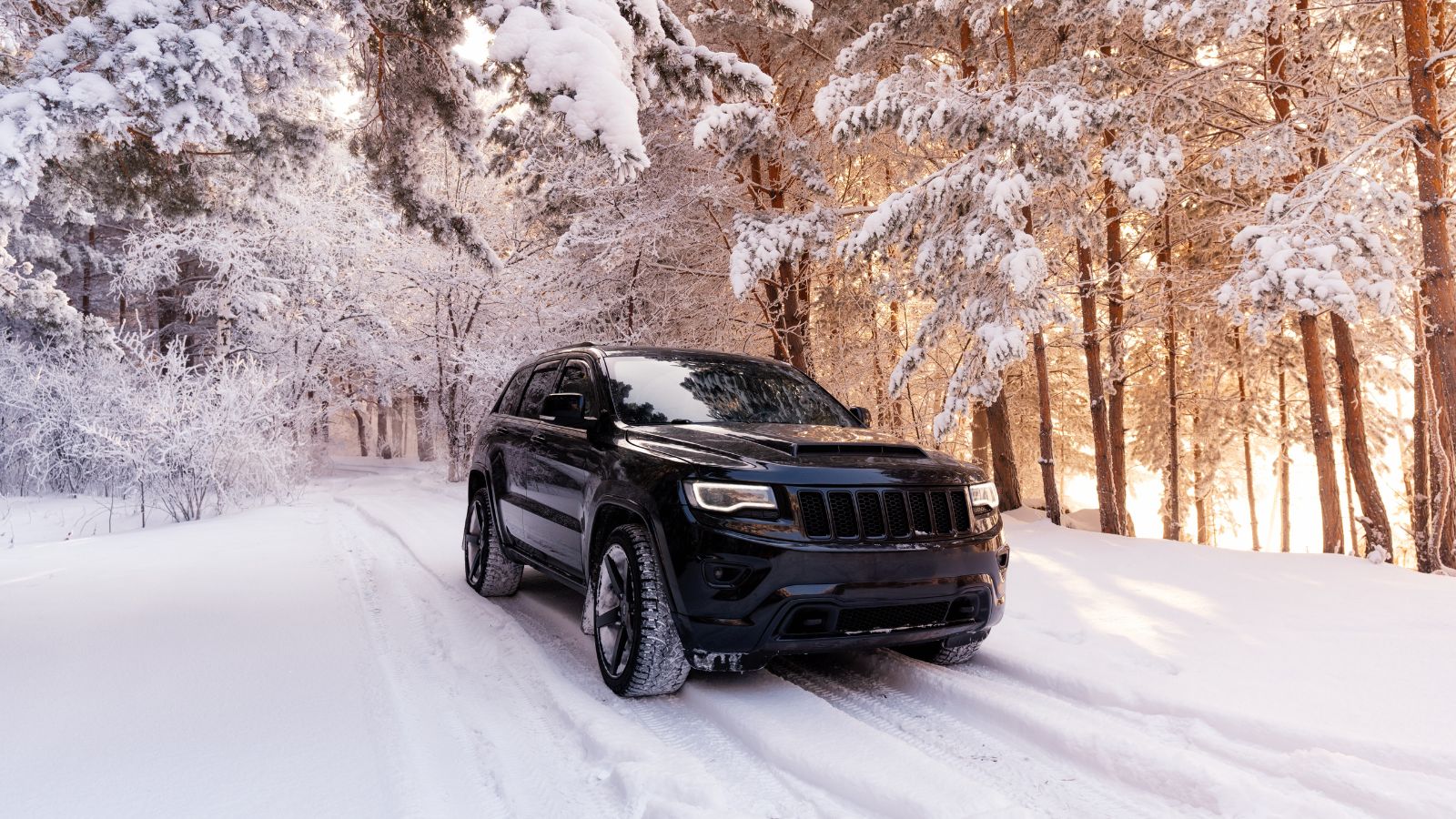
Large wheels have become common on upscale SUVs, but winter roads are rarely kind to them. A low-profile tire has a shorter sidewall, which leaves less rubber to absorb impacts from potholes, frozen ruts, and chunks of ice. That can make the ride harsher and can also increase the risk of wheel damage during freeze-thaw season.
Low-profile winter tires do exist, and some perform very well, but they can be expensive and may not provide the same forgiving feel as a smaller winter wheel package. A driver who buys a luxury SUV for comfort may be surprised when it tramlines through slush or crashes over rough snowpack. The issue is not necessarily the SUV itself. It may be the wheel-and-tire combination chosen for appearance, dry-road steering response, or trim-level marketing rather than winter durability.
Driver-Assist Sensors Can Struggle in Winter Weather
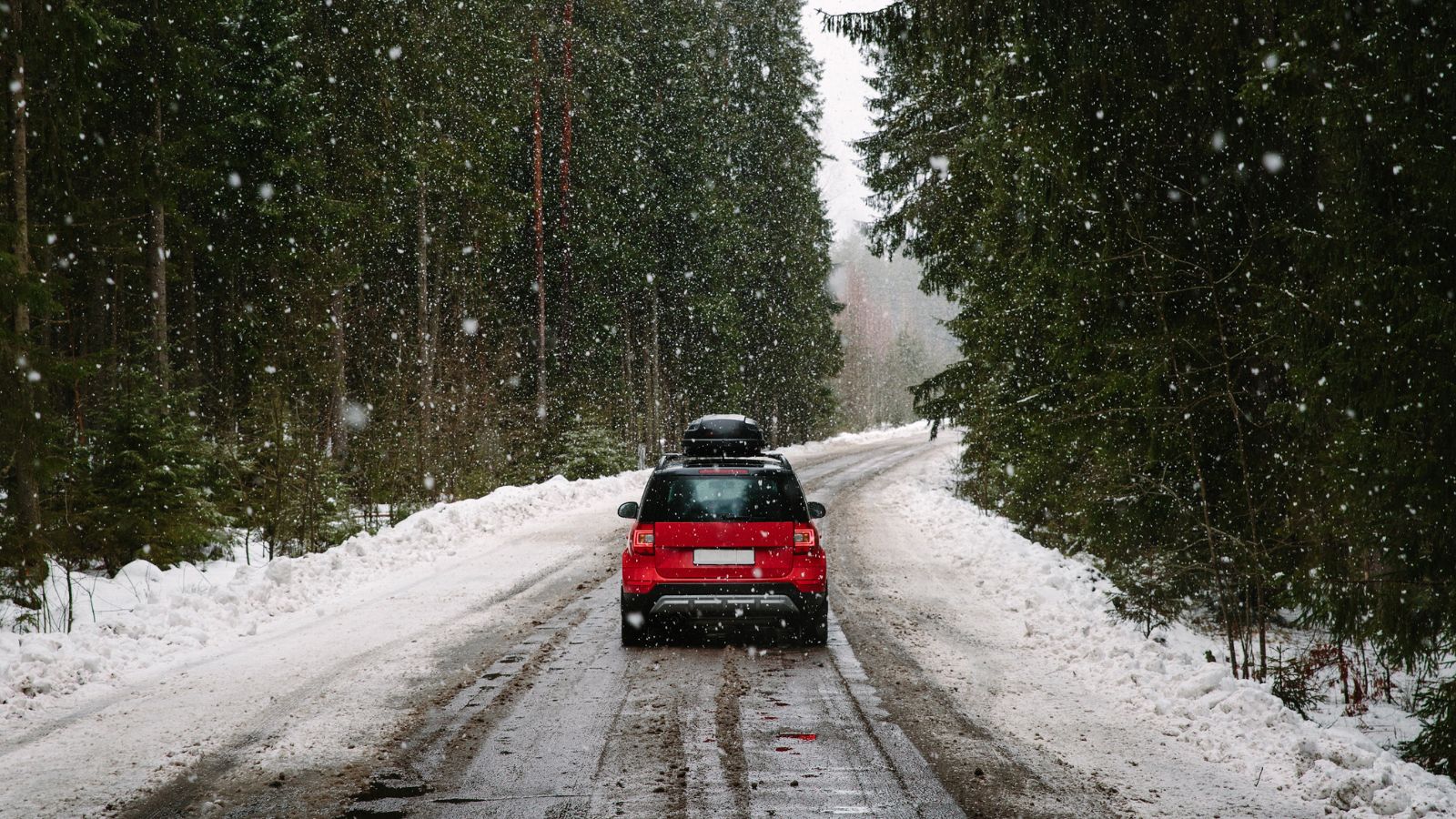
Modern SUVs often rely on cameras, radar, and ultrasonic sensors for features such as adaptive cruise control, lane-keeping assistance, blind-spot alerts, parking aids, and automatic emergency braking. These systems can be valuable, but winter can interfere with them. Snow, ice, salt, grime, and slush can block sensor views or reduce detection performance.
The driver may only notice when a dashboard warning appears or a feature quietly stops working. A rear camera coated in road salt, a radar sensor hidden behind packed snow, or a windshield camera looking through dirty glass can all weaken the safety net. This matters because larger SUVs may already require more attention around tight parking lots, snowbanks, and pedestrians in dark winter conditions. Driver assistance is still assistance. In a storm, keeping sensors clean and maintaining direct awareness become part of safe winter operation.
Blind Spots and Snowbanks Make Size Feel Larger
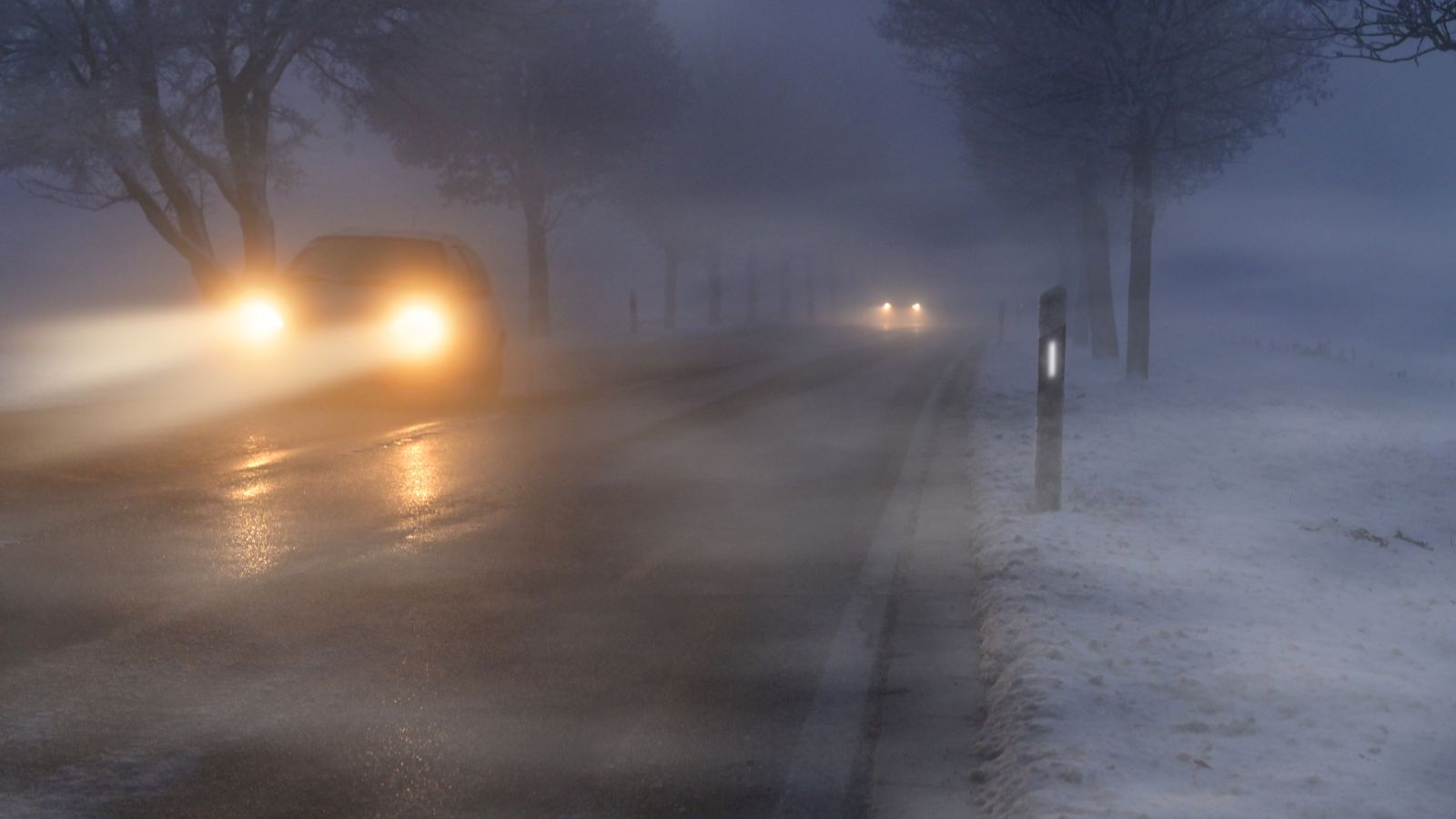
SUVs offer a commanding seating position, but they can also have thick pillars, tall hoods, and larger blind spots than drivers expect. In winter, snowbanks add another layer of difficulty. A child, pedestrian, cyclist, or small car can be harder to see around a driveway pile or at the edge of a parking lot.
This is where size can work against confidence. A compact crossover may feel easy enough in July, then feel bulky in February when lanes are narrowed by plowed snow and curbs are hidden. Turning out of a side street may require creeping forward because the snowbank blocks sightlines. Parking lots become tighter as snow piles take up usable space. The SUV’s height helps see farther down the road, but it does not eliminate nearby blind spots or the need for slower, more deliberate manoeuvres.
Winter Maintenance Matters More Than Expected
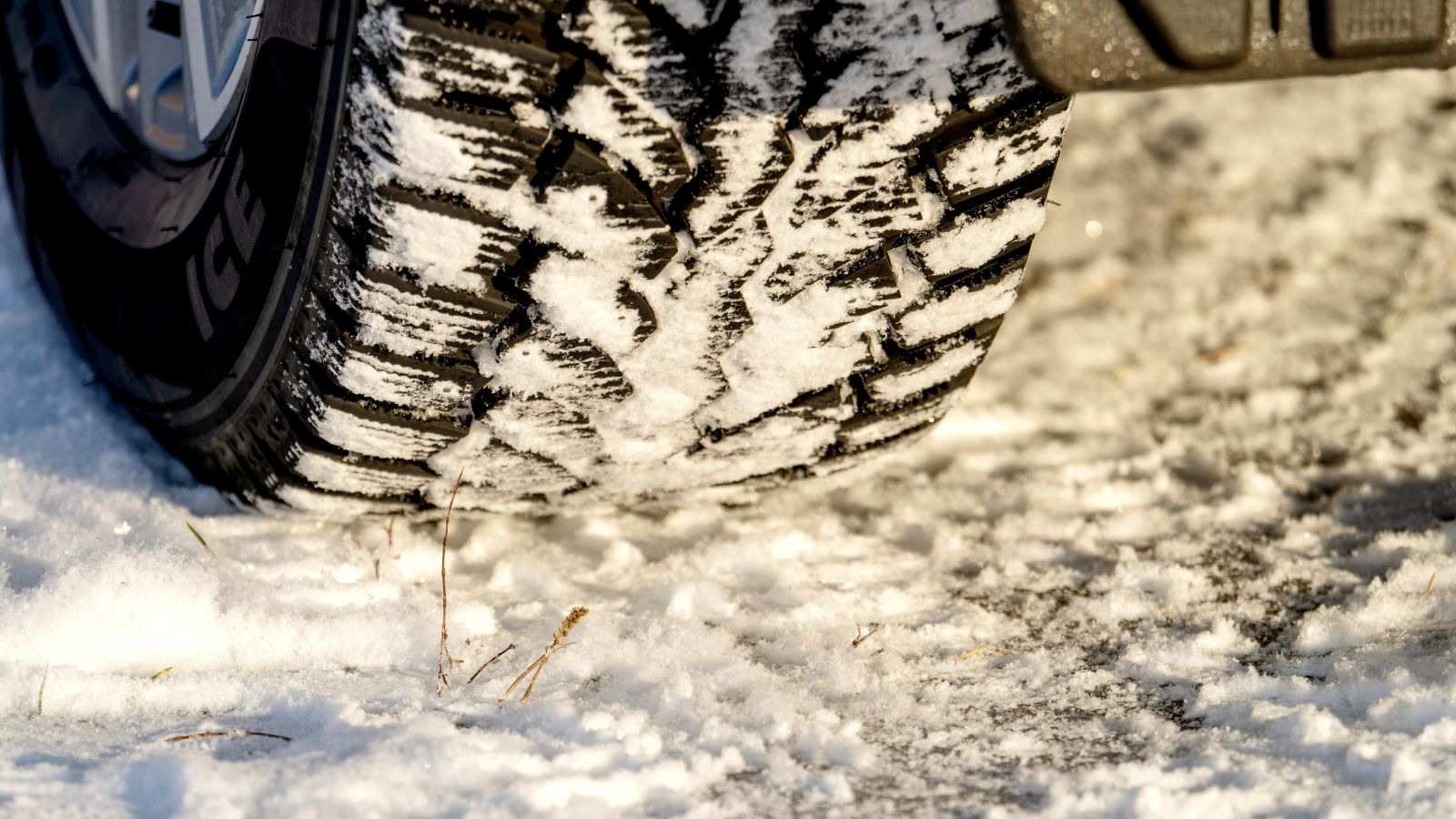
An SUV can have AWD, snow mode, stability control, and expensive tires, yet still perform poorly if maintenance is ignored. Cold weather lowers tire pressure, worn tread reduces grip, and old wiper blades or weak washer fluid can quickly turn a manageable drive into a stressful one. Snow packed into wheel wells can also affect steering feel or create vibration at speed.
The basics are not glamorous, but they matter. Proper inflation, four matching winter tires, good tread depth, clean lights, cleared windows, and functional safety systems help the SUV perform as designed. A driver who only checks the fuel gauge before a storm may miss the small problems that make winter handling worse. SUVs are often marketed as all-weather family tools, but they still need seasonal preparation. Winter capability is not a single feature. It is the result of equipment, maintenance, and careful driving working together.
22 Things Canadians Do to Their Cars in Spring That Mechanics Hate

Spring brings relief to many Canadian drivers after months of snow, freezing temperatures, and icy roads that put serious strain on vehicles. As temperatures rise across the country, drivers begin washing cars, switching tires, and preparing vehicles for warmer weather and upcoming road trips. However, mechanics across Canada notice the same mistakes every spring when drivers attempt to recover from winter damage. Road salt, potholes, and harsh winter driving conditions often leave vehicles with hidden problems that drivers ignore. Some spring habits even create new mechanical issues that could have been avoided with proper maintenance. Here are 22 things Canadians do to their cars in spring that mechanics hate.

Alanna Rosen is an experienced content writer that focuses on many EV and educational content. Her articles are regularly published on Get CyberTrucked and syndicated on large publications.