A car theft often starts with something ordinary: a key left in a cup holder, a fob sitting near the front door, or a bag visible on the back seat. Vehicle theft remains a costly, disruptive crime, even as prevention efforts improve in some regions. The risk is not limited to luxury models or high-crime areas; many thefts begin because a vehicle looks quick, quiet, and low-effort to take.
These 17 everyday habits show how drivers can unintentionally lower the barriers for thieves. Some mistakes invite opportunists looking for an unlocked door, while others expose newer vehicles to electronic attacks. Small changes in parking, locking, storing keys, and using built-in security can make a noticeable difference.
Leaving the Key or Fob Inside the Vehicle
A key left inside a vehicle turns a theft from a challenge into a quick exit. It often happens during ordinary routines: unloading groceries, stopping for coffee, warming up the cabin, or stepping back inside the house for one forgotten item. For an opportunistic thief, that brief gap can be enough. Modern fobs can make the mistake even easier to overlook because a driver may assume the car is locked while the fob remains in a cup holder, console, gym bag, or jacket pocket.
The scale of this mistake is larger than many drivers realize. NICB reported nearly a quarter million U.S. vehicle thefts from 2017 through 2019 in which keys were left inside, and analysts noted the true number may be higher because some drivers do not admit it in police or insurance reports. The habit feels harmless until the car disappears without any forced entry.
Letting the Engine Run Unattended
An unattended running vehicle is one of the clearest invitations for theft. The driver may only expect to be away for seconds, but the thief does not need more than that. Winter warmups, quick convenience-store stops, food pickups, school drop-offs, and gas station errands all create the same problem: the engine is already on, the vehicle is ready to move, and the owner is not in control of it.
This mistake is especially common because it feels practical. A parent may want the heat running for children, or a commuter may want to clear frost before leaving. But prevention agencies consistently warn against leaving a running vehicle unattended. Even if the doors are locked, some vehicles can still be entered or taken quickly when the key or fob is nearby. Turning the engine off and taking the key adds friction that a hurried thief may not want to face.
Forgetting to Close Windows, Sunroofs, and Tailgates
A small opening can be enough to make a car look vulnerable. A cracked window, tilted sunroof, loose tailgate, or half-latched hatch gives thieves an access point without needing to smash glass. Even when the vehicle itself is not stolen, an exposed opening can lead to a break-in that reveals registration papers, spare keys, garage openers, or electronics that make later theft easier.
The issue often comes from routine rather than carelessness. Drivers may leave a window down on a hot day, forget a rear window after passengers leave, or assume a powered tailgate fully latched when it did not. Theft-prevention guidance repeatedly emphasizes closing and locking all windows and doors when parking. That basic step reduces entry points and makes the car less attractive beside an easier target in the same lot.
Assuming an Unlocked Door Is No Big Deal
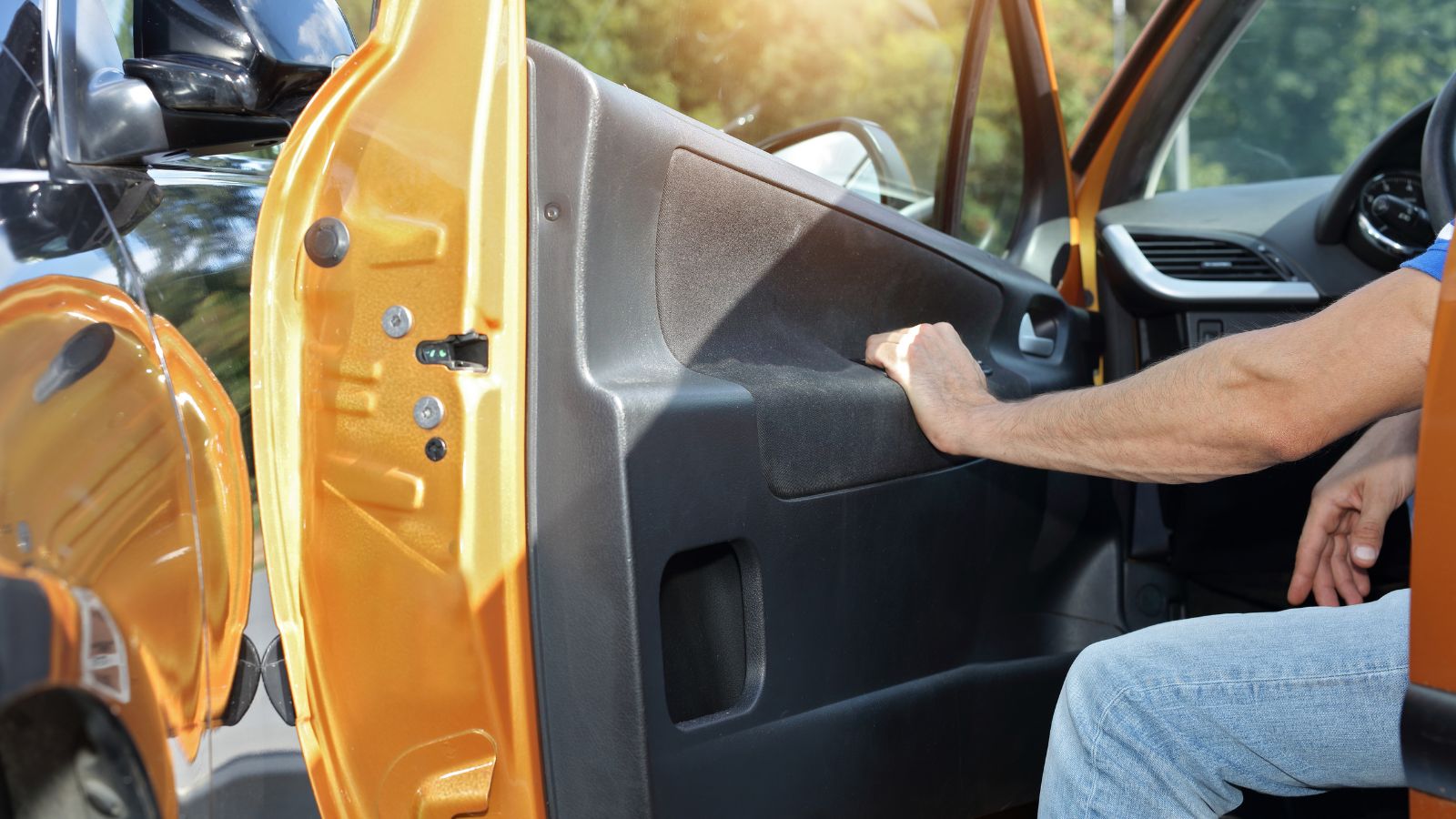
Many car thefts and break-ins begin with a simple handle check. Thieves walking through a driveway, apartment garage, or shopping-center lot may try doors until one opens. No alarm sounds, no glass breaks, and no attention is drawn. An unlocked vehicle can then become a source of keys, documents, valuables, or direct access if a fob has been left inside.
The mistake can feel minor because the car is parked close to home or in a familiar area. But familiar streets are often where routines become predictable. Drivers may unload children, carry packages inside, and plan to return in a minute, leaving the vehicle unlocked longer than intended. Locking the doors every time creates a consistent barrier. It also helps ensure alarm systems and immobilizer features activate properly on vehicles that depend on the correct locking process.
Leaving Bags, Electronics, or Valuables in Plain Sight
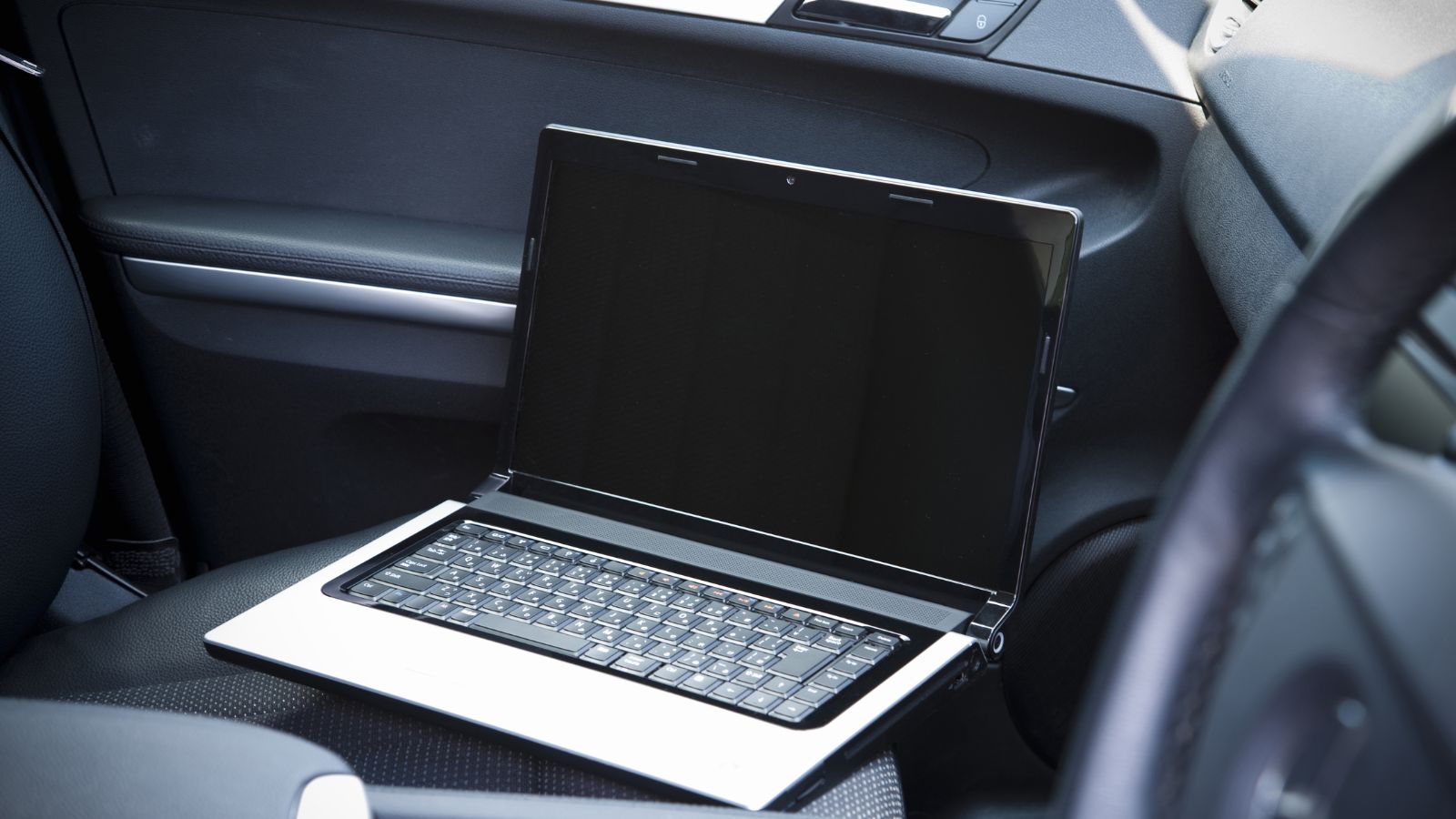
Visible valuables can turn a parked car into a target even when the thief did not arrive planning to steal that specific vehicle. A laptop case, backpack, purse, phone, work tools, shopping bag, or even an empty-looking duffel can suggest there is something worth taking. Once a thief breaks in, the situation can escalate if they find a spare key, registration papers, or enough personal information to support further crime.
NHTSA warns that thieves want more than entire vehicles; they also target parts and property inside them. Airbags, GPS units, laptops, phones, tablets, and purses are among the items that can attract attention. A driver who leaves a gym bag on the rear seat may know it only holds sneakers, but someone outside the vehicle does not. Keeping the cabin visibly empty removes one reason to test the car.
Parking in Dark, Isolated, or Hidden Areas
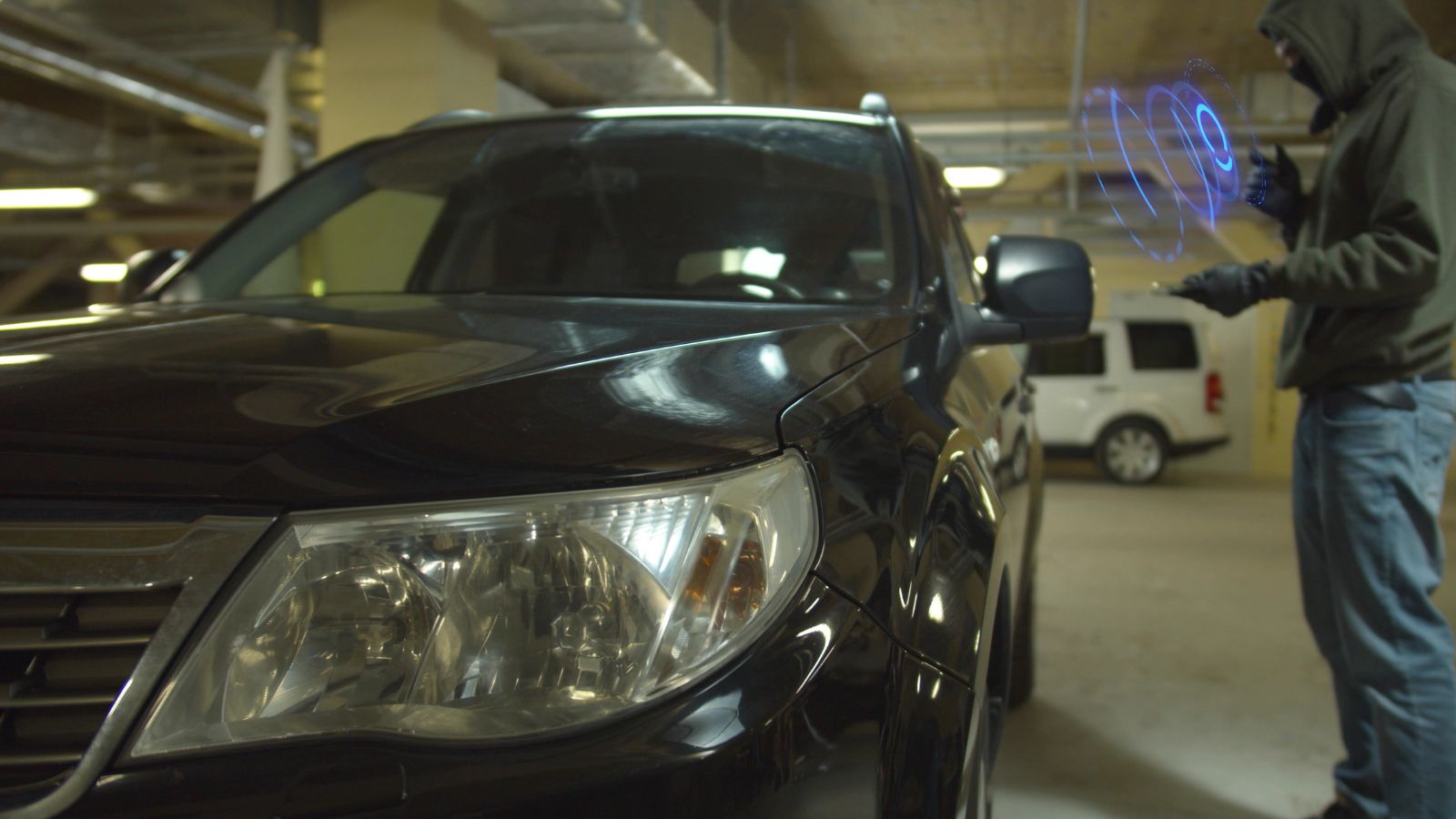
Parking location can change how risky a vehicle looks. A dark corner of a lot, a quiet side street, or a hidden space behind a building can offer thieves time and cover. Even a well-secured vehicle becomes more attractive when someone can work around it without being easily seen. Lighting, foot traffic, cameras, and nearby activity all create social pressure that can make thieves move on.
This does not mean every driver can choose perfect parking, especially at night or during busy events. But small choices matter. A spot near an entrance, under a light, beside active foot traffic, or within view of a building is usually less inviting than a secluded area. NICB and NHTSA both recommend well-lit parking. In 2025, NICB also noted that vehicle theft remained concentrated in major metro areas, making visible parking especially important in dense urban environments.
Keeping Key Fobs Near Doors and Windows at Home
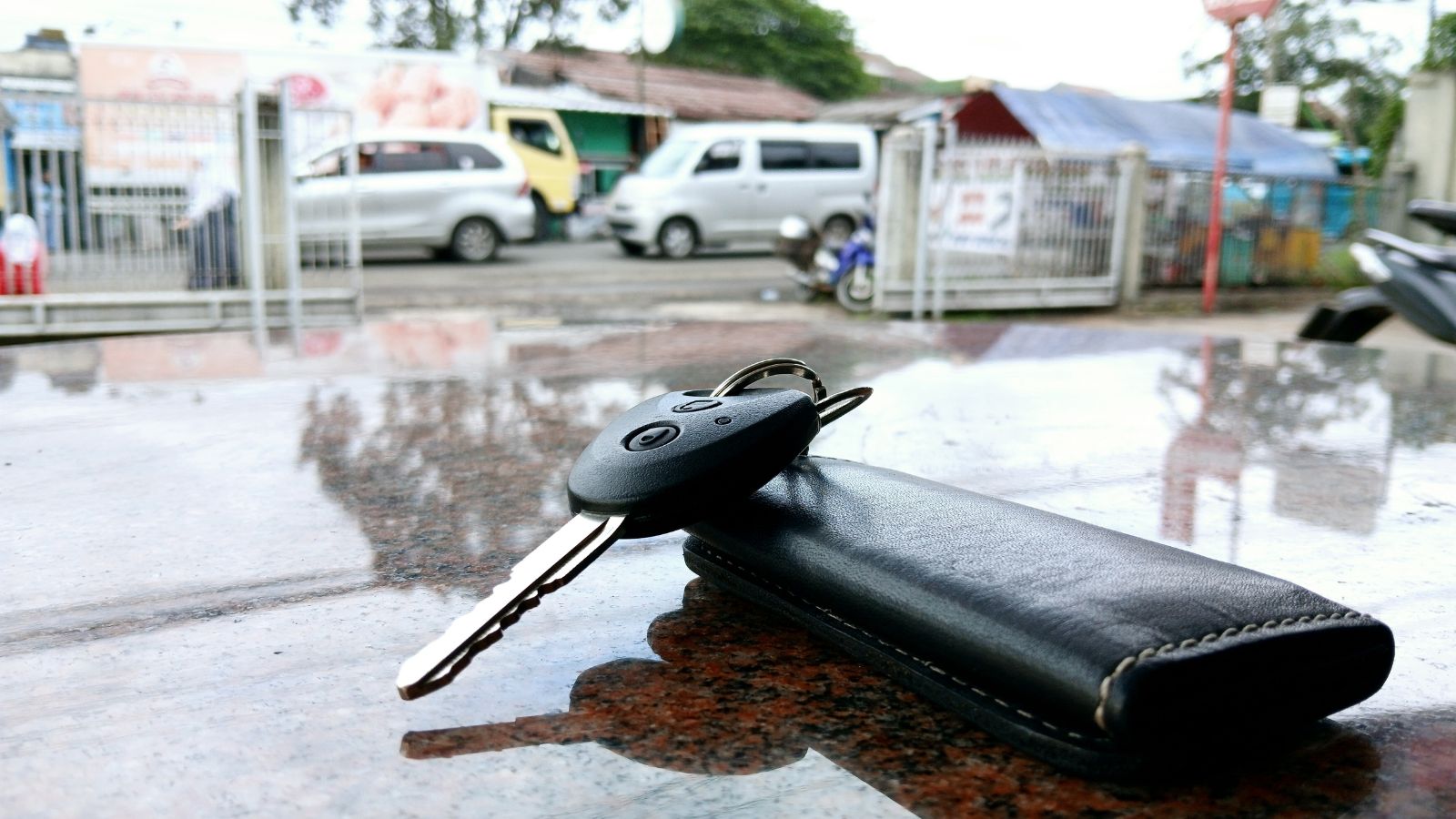
Keyless entry is convenient, but it changes the meaning of “the key is inside.” In a relay attack, thieves do not necessarily need to enter a home or physically touch the fob. They may use equipment to capture and extend the fob’s signal so the vehicle believes the key is nearby. A fob left on a hallway table, kitchen counter, or hook near the front door can be close enough to create risk.
Police guidance on keyless theft specifically advises keeping keys and spares away from doors, windows, and the vehicle itself. The most human part of the problem is habit: keys often land in the same easy-to-reach bowl after every drive. That convenience helps the driver in the morning, but it may also help thieves at night. Moving fobs deeper inside the home adds distance and protection.
Skipping a Signal-Blocking Pouch for Keyless Cars
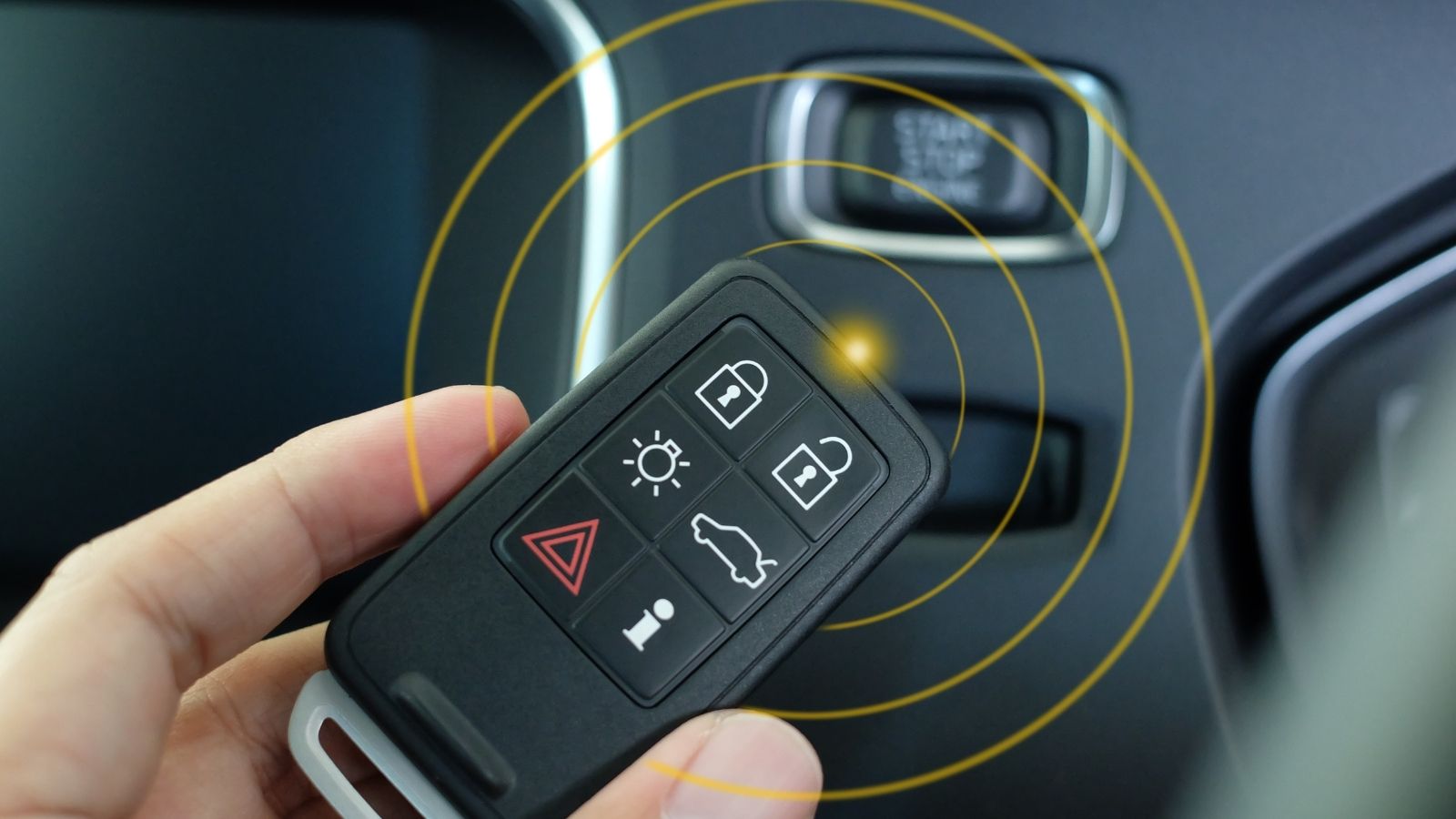
A signal-blocking pouch, often called a Faraday pouch, is a simple layer of defense for keyless vehicles. It is designed to block the fob’s wireless signal when the key is not in use. Without that barrier, a fob may continue transmitting from inside a house, apartment, office, or bag, giving thieves a signal to exploit if the vehicle and fob are close enough.
The mistake is assuming the pouch only matters for luxury cars. Keyless systems are now common across many brands and price ranges, and theft reporting has shown that wireless convenience can create openings. Experts also recommend testing the pouch rather than trusting the label. Place the fob inside, seal it, and approach the vehicle. If the doors still unlock automatically, the pouch is not doing its job. Protection only works when it is used consistently, including with spare fobs.
Forgetting About the Spare Key
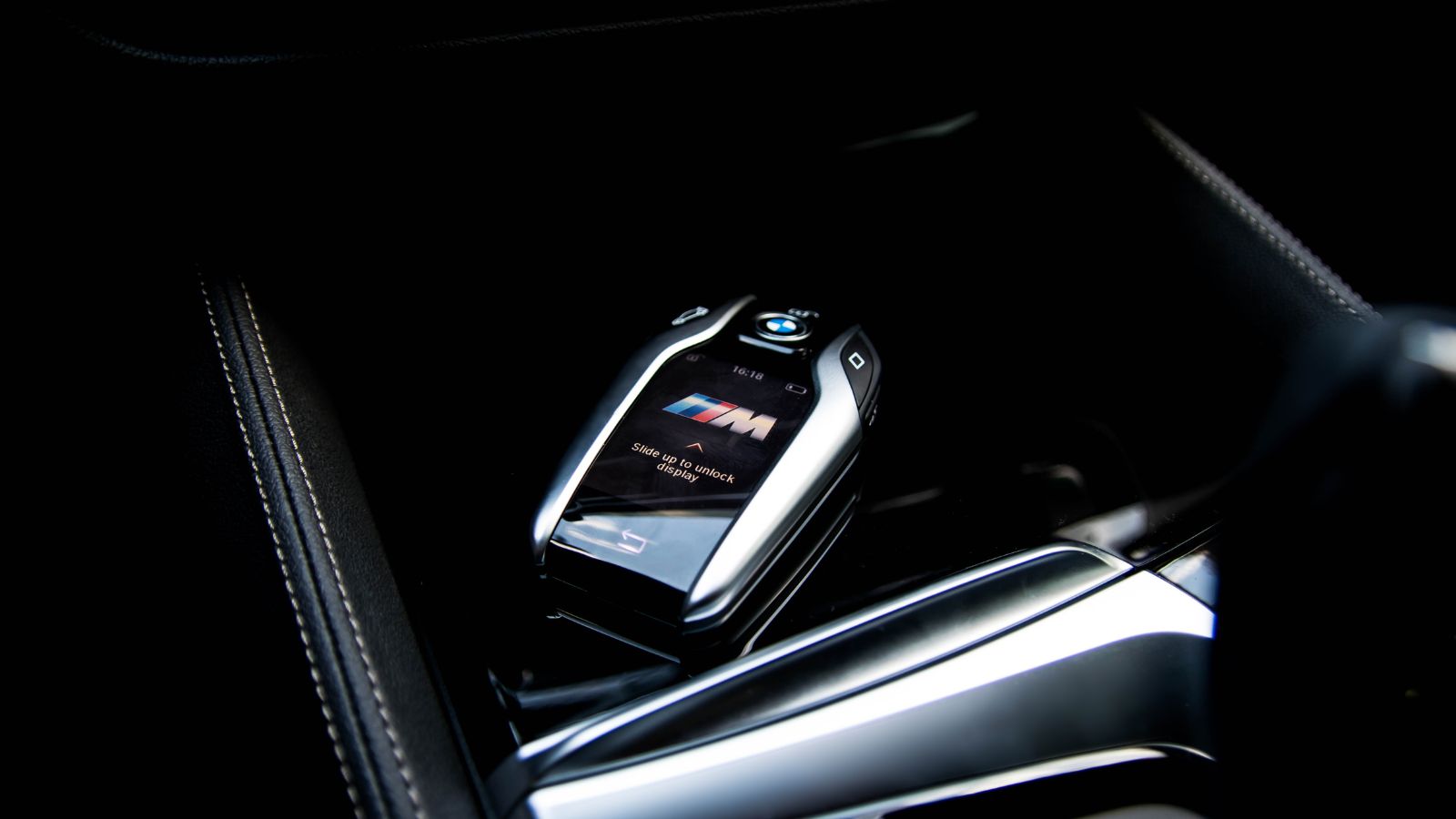
A spare fob can quietly undo every good habit around the main key. Many households protect the everyday key but leave a backup in a drawer near the entrance, inside a second bag, or worse, inside the vehicle “just in case.” Thieves do not care which fob works. If any programmed key is accessible, the vehicle may become easier to unlock, start, or move.
The spare-key problem is common after a move, a used-car purchase, or a change in drivers. A family may not know where every fob is stored, and a previous owner may still have an old key unless the vehicle has been reprogrammed. Keyless-theft guidance recommends protecting all fobs, not just the one used daily. Treating the spare as active security equipment, rather than a forgotten accessory, closes a surprisingly common gap.
Leaving Keyless Settings on When They Are Not Needed
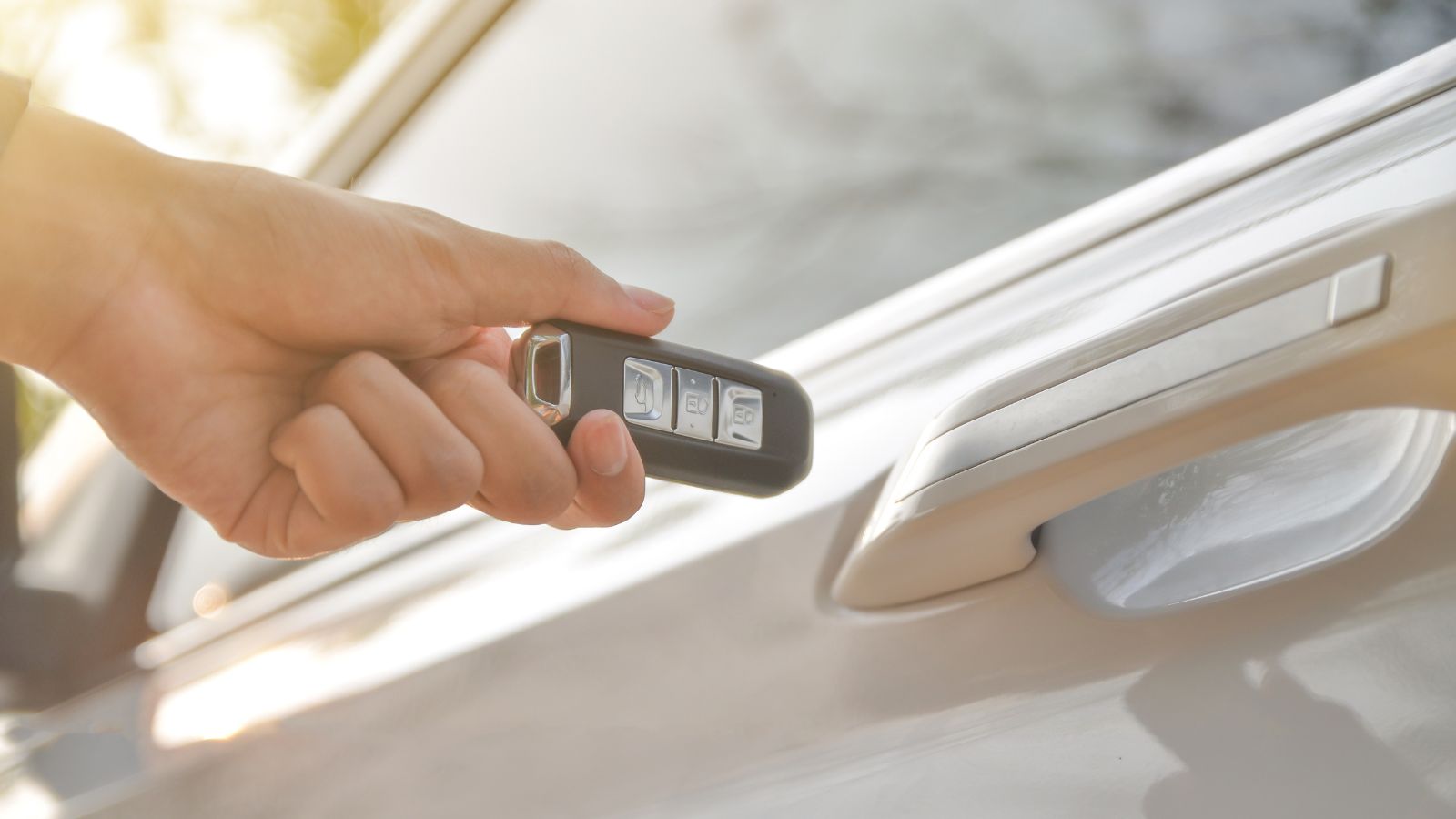
Some vehicles allow drivers to disable passive keyless entry, put the fob into sleep mode, or change settings so the car only unlocks when a button is pressed. Those features are easy to ignore because the default setting feels effortless. Walk up, door opens, engine starts. But the same convenience can make the vehicle more exposed when it is parked close to the fob.
Security experts have encouraged owners to check the manual or vehicle menu for keyless-entry settings. Some manufacturers have added motion-sensing fobs that stop transmitting after the key has been still for a period of time. Others allow temporary signal deactivation. The details vary by make and model, so the mistake is not failing to know every setting by memory. The mistake is never checking whether the vehicle already offers a protection feature that could reduce exposure at home.
Walking Away Without Confirming the Car Actually Locked
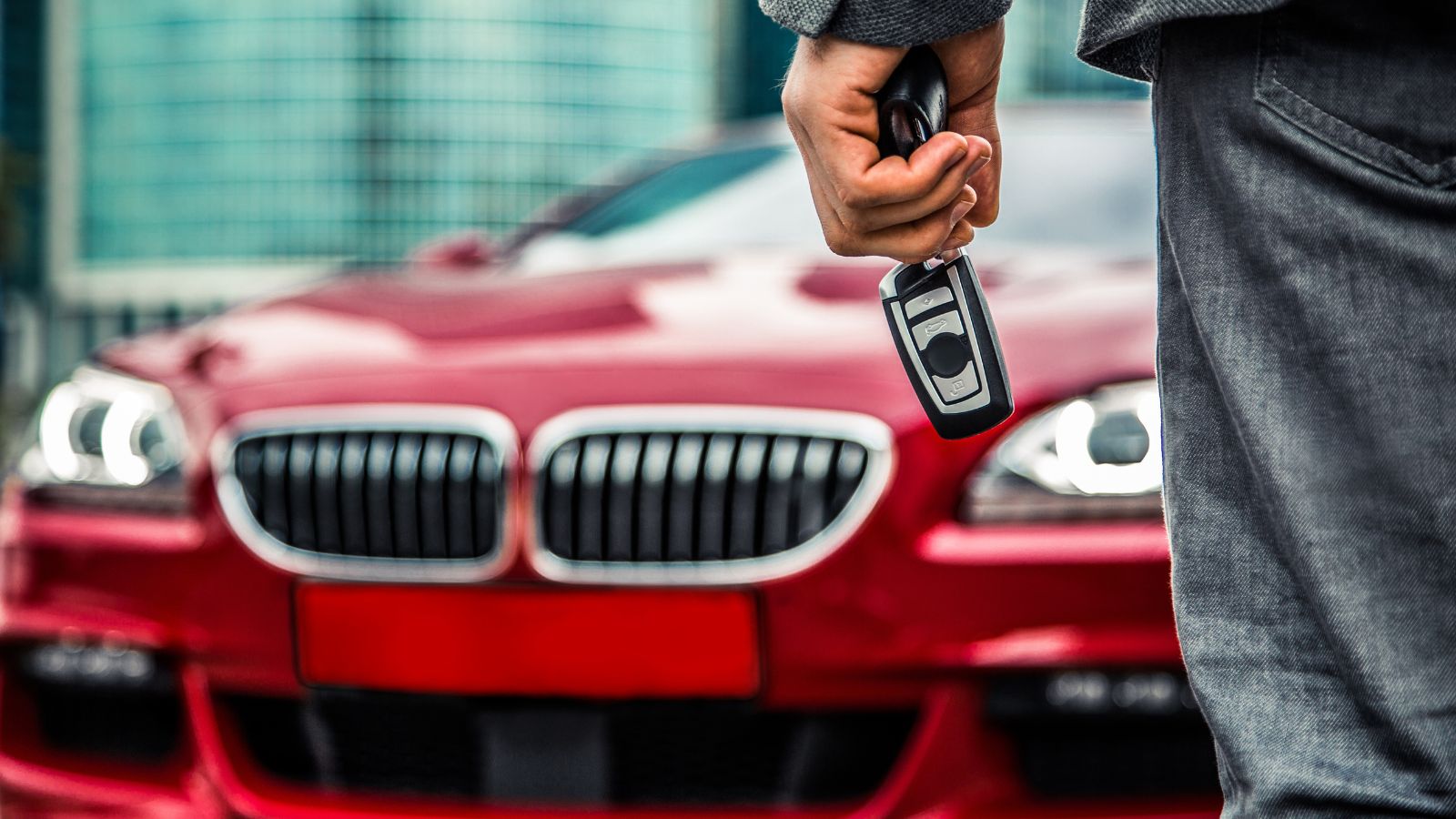
The familiar chirp or light flash can create false confidence. In some theft scenarios, electronic interference may prevent a lock command from reaching the vehicle. A driver presses the button, hears nothing unusual, and walks away assuming the car is secure. The vehicle remains unlocked, and anyone watching nearby has an easy opening.
Police guidance advises drivers to double-check electronic locking, especially in public lots. This can be as simple as pulling the handle after locking or watching mirrors fold, lights flash, or the app confirm the lock status. It may feel unnecessary during a rushed errand, but the habit takes only a moment. A commuter leaving a car at a train station all day has far more at stake than the few seconds saved by trusting the button without checking the result.
Keeping Registration Papers or a Garage Opener in the Car
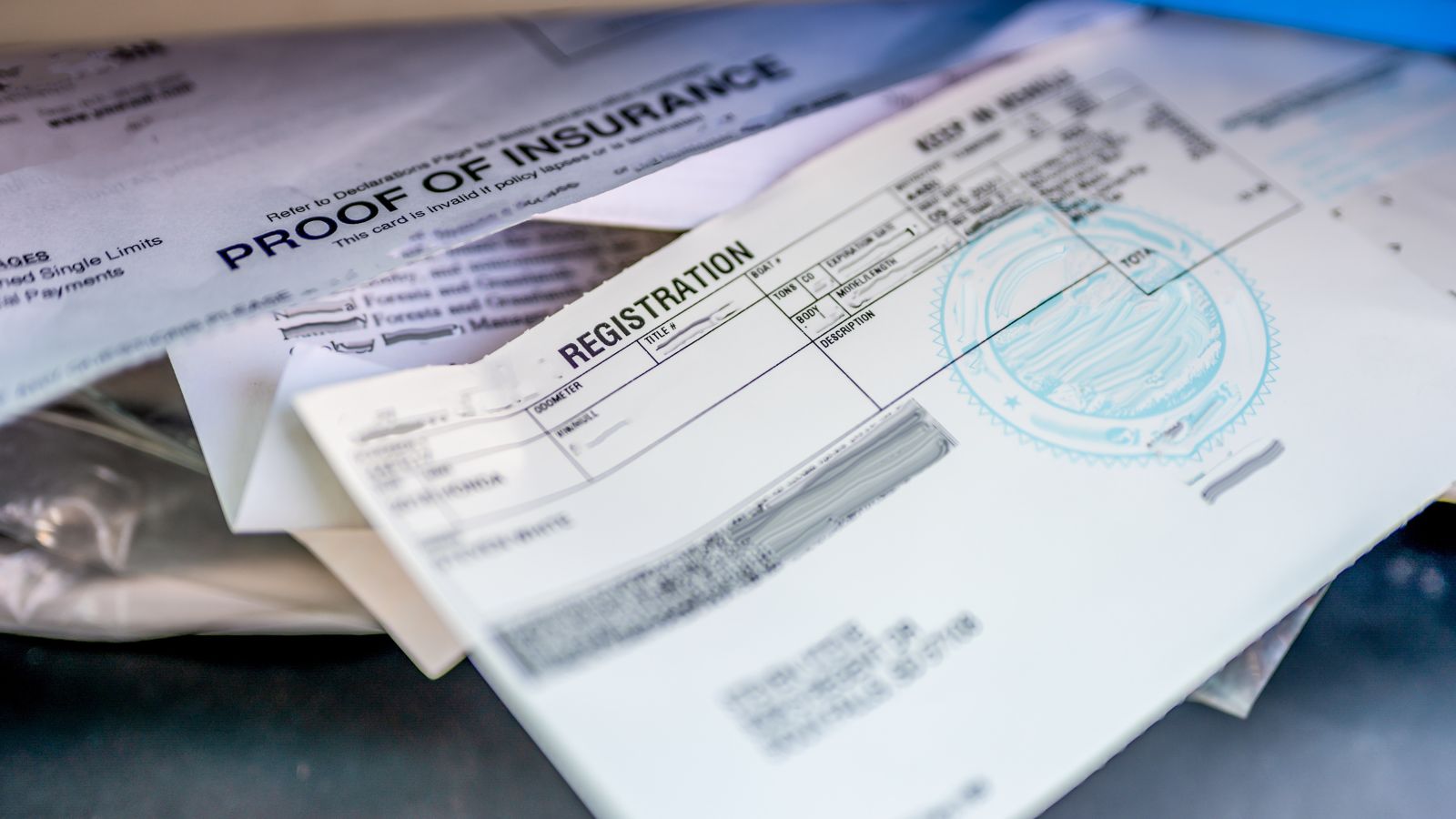
A stolen car can create problems beyond the vehicle itself. Registration papers, insurance documents, and other personal information can help thieves connect the vehicle to a home address or identity. A garage door opener left clipped to the visor can also turn a car break-in into access to a garage, where keys, tools, bikes, and another vehicle may be stored.
NICB specifically recommends taking a picture of registration on a phone instead of leaving papers with personal information inside the vehicle. It also advises against leaving a garage door opener in the car. This habit often persists because those items feel like permanent car equipment. They are convenient until the wrong person has them. Removing documents and openers reduces the damage if a thief gets inside.
Ignoring Anti-Theft Software Updates
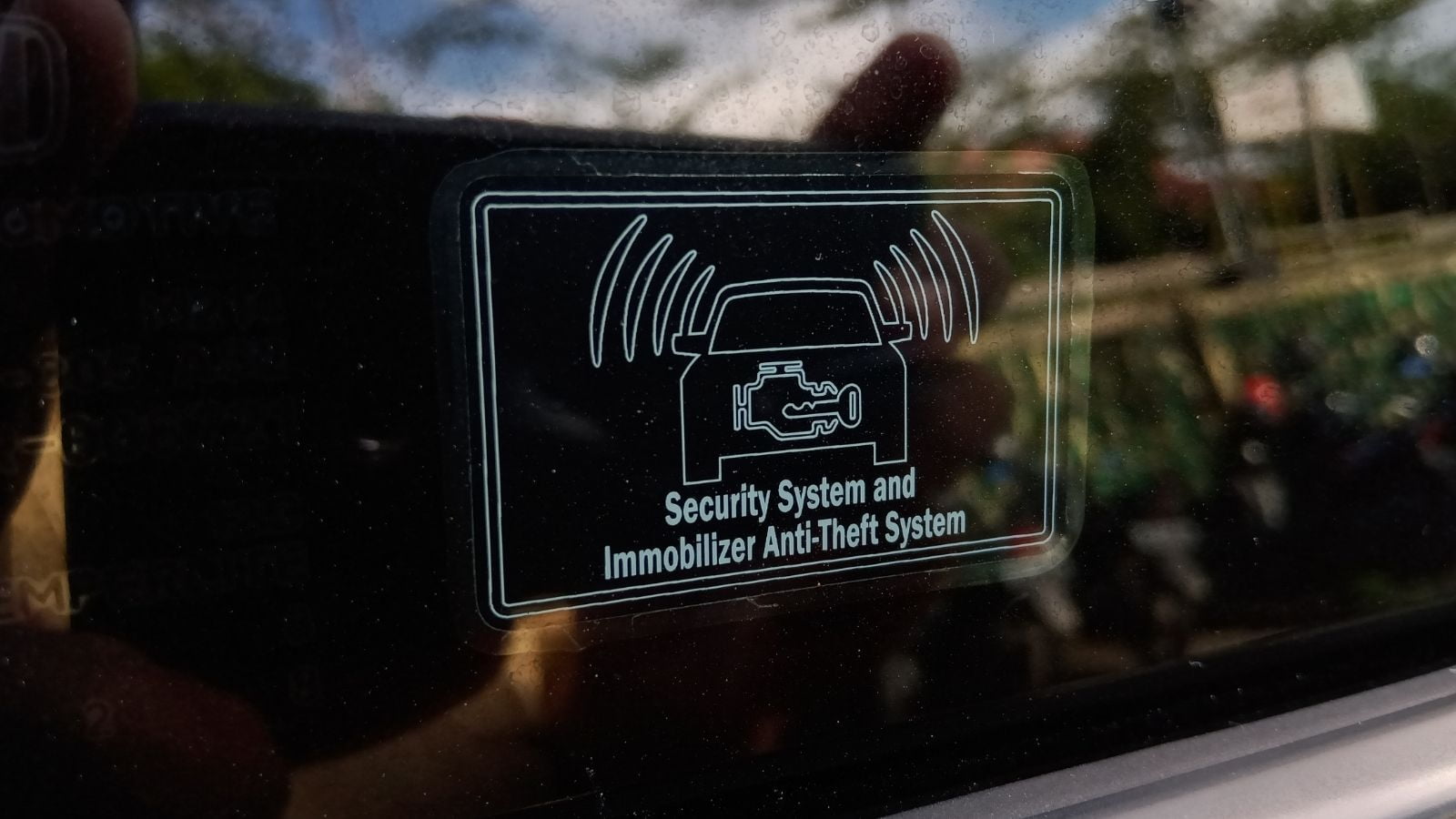
Software can be part of a vehicle’s security system, especially on models affected by known theft vulnerabilities. Some drivers delay service campaigns because the car still starts, drives, and feels normal. But a theft-related update can change how the alarm behaves, how the ignition is protected, or whether the engine can be started without the proper key.
The Hyundai and Kia theft wave showed how quickly a known vulnerability can spread once it becomes public. NHTSA announced that the companies developed free theft-deterrent software for millions of vehicles lacking immobilizers, and later theft-prevention reporting connected declines among those models to updates and other protective measures. The lesson extends beyond one manufacturer. When a vehicle maker issues a security-related update, postponing it can leave the car easier to target than similar models that have been repaired.
Not Using the Fob to Lock a Vehicle With an Immobilizer
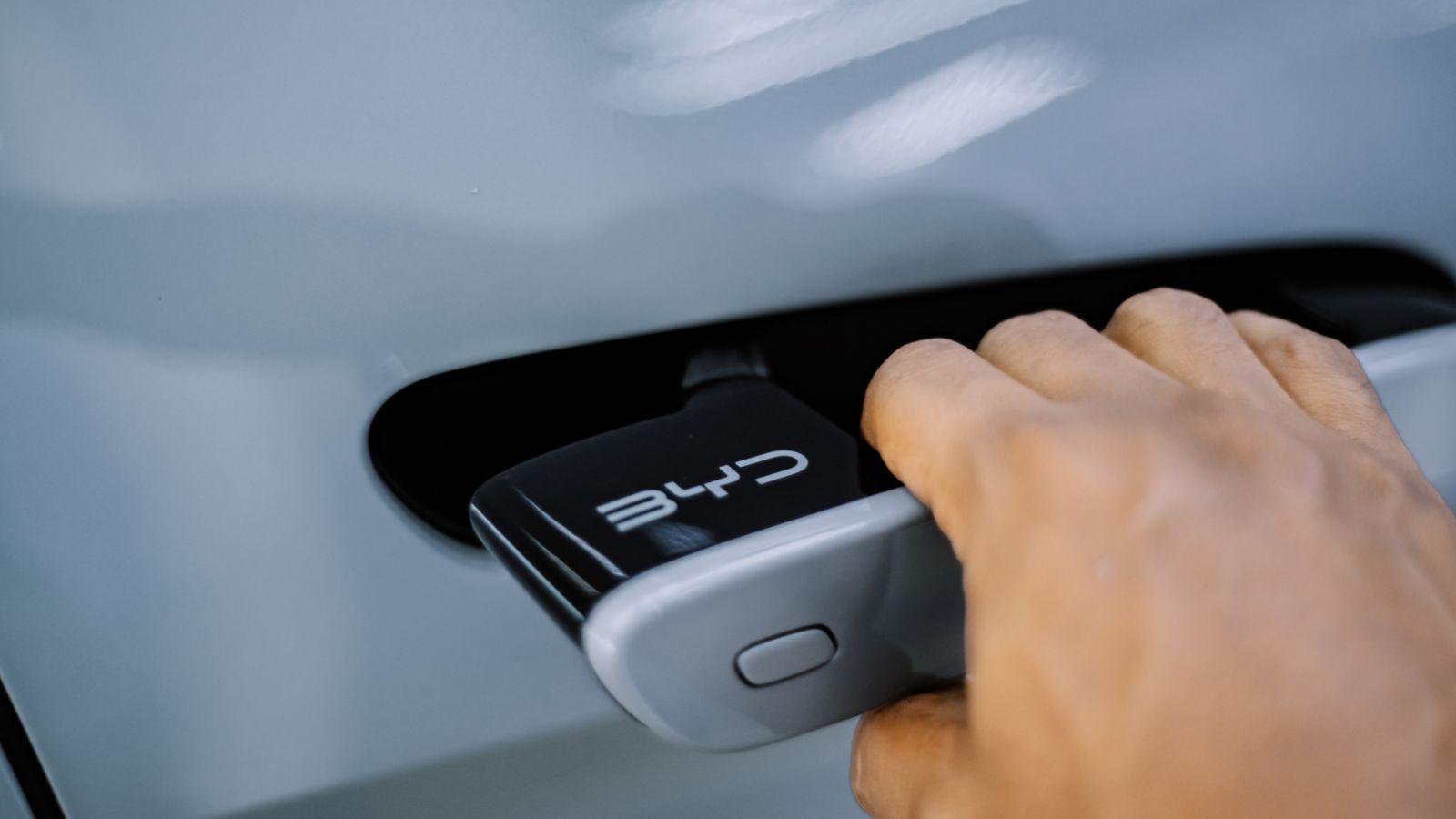
Some drivers lock the door from the inside switch, shut it, and walk away. That may feel equivalent to using the fob, but it can matter on vehicles where security systems arm through the remote-locking process. NHTSA has advised that if a vehicle has an immobilizer, owners should use the key fob to lock it. The goal is to make sure the intended anti-theft features are actually activated.
The mistake usually comes from habit. Older vehicles trained many drivers to press the interior lock button and close the door. Newer vehicles can depend on electronic sequences that are less obvious. A driver may think the car is locked because the door will not open, while the alarm or immobilizer is not fully armed. Using the fob, checking for confirmation, and understanding the owner’s manual helps ensure the car’s built-in defenses are working as designed.
Skipping Visible Deterrents Because They Look Old-Fashioned
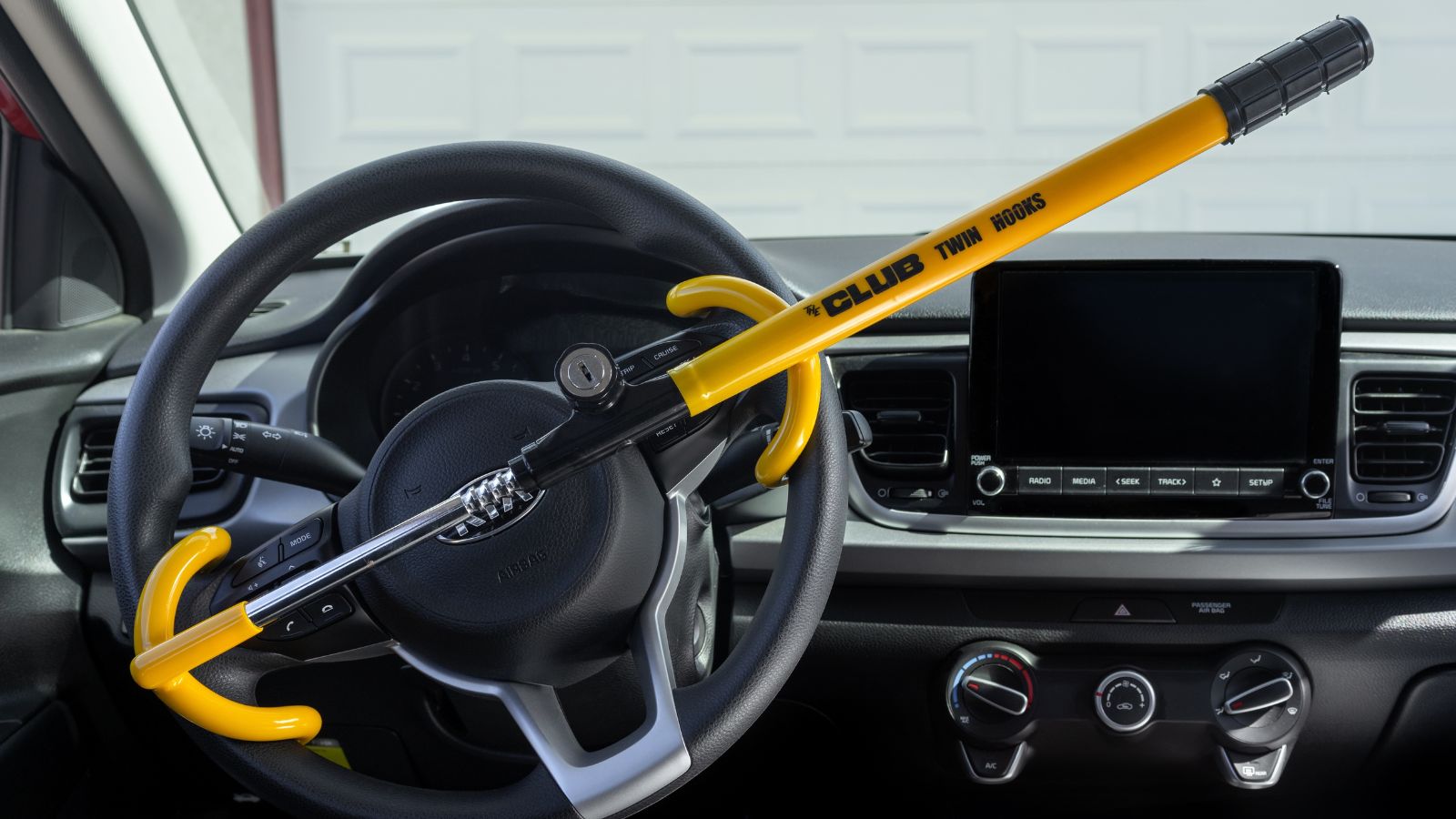
A steering wheel lock, pedal lock, alarm decal, or wheel lock may seem outdated beside modern vehicle technology. But visible deterrents still serve an important purpose: they tell a thief the vehicle will take more time and effort than the one beside it. Theft often involves choosing the easiest target. Anything that adds delay, noise, or uncertainty can make a car less attractive.
NHTSA and NICB both recommend anti-theft systems such as wheel locks, alarms, kill switches, and GPS tracking when a vehicle lacks sufficient built-in protection. Police and security experts have also pointed to physical steering locks as a visible barrier, especially for vehicles known to be targeted. The device does not have to be perfect to be useful. It only has to make the thief reconsider whether the car is worth the trouble.
Leaving the Diagnostic Port Unprotected on Vulnerable Vehicles

Modern vehicles use diagnostic ports so technicians can communicate with onboard systems. In the right hands, that port supports repairs and maintenance. In the wrong hands, it may become a pathway for electronic theft, particularly on vehicles where criminals try to program keys or manipulate vehicle systems. The average driver may not even know where the port is, which makes it easy to overlook as a security concern.
Police guidance in the United Kingdom has warned that some modern vehicles have diagnostic ports that can unlock and start a vehicle, and it suggests considering a lockable cover. Broader keyless-theft reporting has also described attacks that target vehicle networks rather than simply capturing fob signals. This does not mean every vehicle needs the same device. It does mean owners of frequently targeted models should ask dealers, insurers, or qualified installers about layered protection.
Failing to Activate Tracking or Remote Security Features
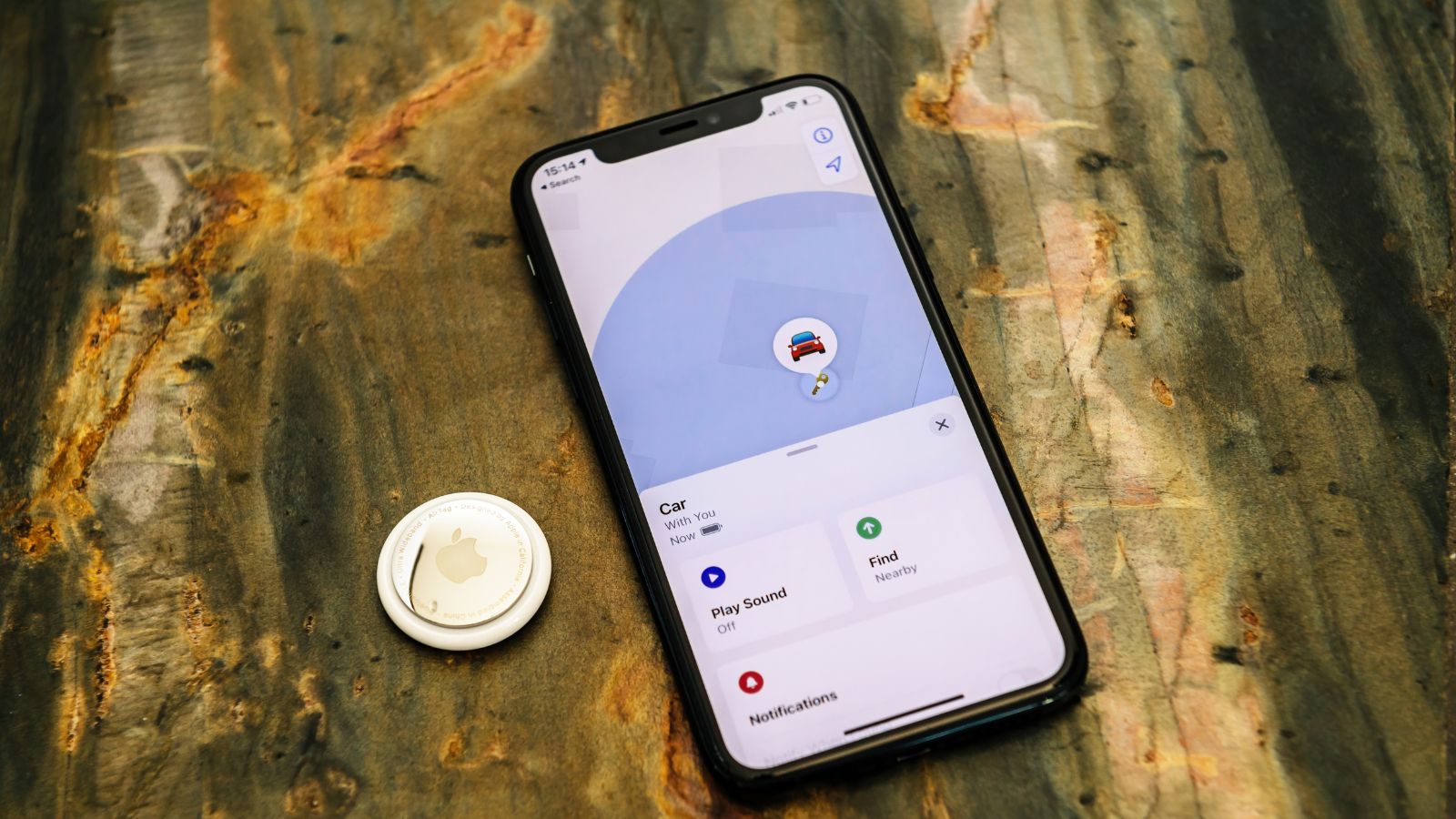
Tracking does not always stop the first moment of theft, but it can make the vehicle harder to keep, hide, strip, or resell. Many newer vehicles offer connected services that can send movement alerts, locate a stolen vehicle, or help law enforcement recover it. Aftermarket GPS trackers can serve a similar role, especially for vehicles without built-in systems.
The mistake is assuming these tools are automatically active. Some require enrollment, an app setup, a subscription, location permissions, or a police report before the recovery process begins. Recent reporting on pickup theft prevention described remote “start inhibit” technology and police coordination as part of a broader shift toward active recovery. A driver who never activates available security features may own a capable system without receiving its protection. Prevention is strongest when locks, habits, deterrents, and recovery tools work together.
22 Things Canadians Do to Their Cars in Spring That Mechanics Hate

Spring brings relief to many Canadian drivers after months of snow, freezing temperatures, and icy roads that put serious strain on vehicles. As temperatures rise across the country, drivers begin washing cars, switching tires, and preparing vehicles for warmer weather and upcoming road trips. However, mechanics across Canada notice the same mistakes every spring when drivers attempt to recover from winter damage. Road salt, potholes, and harsh winter driving conditions often leave vehicles with hidden problems that drivers ignore. Some spring habits even create new mechanical issues that could have been avoided with proper maintenance. Here are 22 things Canadians do to their cars in spring that mechanics hate.

Alanna Rosen is an experienced content writer that focuses on many EV and educational content. Her articles are regularly published on Get CyberTrucked and syndicated on large publications.