
A car deal can look settled until the finance office turns a tidy price into a much heavier total. Dealer add-ons often appear late in the purchase, after the vehicle price, trade-in value, and monthly payment already feel agreed upon.
Twelve common dealer add-ons deserve close scrutiny because each can push the final cost up by hundreds or thousands of dollars. Some products may have value in narrow situations, but many are optional, negotiable, bundled into financing, or available elsewhere for less. The real danger is the stack: warranty coverage, protection packages, insurance products, etching, and fees that quietly turn an affordable deal into a far more expensive commitment.
Extended Warranties and Vehicle Service Contracts

Extended warranties, often called vehicle service contracts, are among the most expensive products presented after the main negotiation is over. The pitch sounds reassuring: a few more dollars per month for protection against future repairs. The problem is that the contract may overlap with the manufacturer’s warranty, exclude common wear items, require deductibles, or limit where repairs can be performed.
A buyer considering a reliable new vehicle may be paying for coverage that does not become useful for years. On a used luxury SUV, the calculation may be different, but the contract still needs careful reading. Regulators and consumer agencies describe these products as optional, and their cost can often be negotiated. When financed into the loan, a service contract costing several thousand dollars also generates interest.
Guaranteed Asset Protection Coverage

Guaranteed Asset Protection, better known as GAP, is designed for one specific problem: owing more on a loan or lease than the vehicle is worth when it is stolen or declared a total loss. That can happen with long loans, small down payments, fast-depreciating vehicles, or negative equity carried over from a previous trade.
The trap is assuming GAP must be purchased from the dealer. It is often optional, and the price can vary significantly between the dealership, lender, credit union, or insurance company. A driver financing a modest balance with a healthy down payment may not need it at all. For someone rolling thousands of dollars of old debt into a new loan, GAP may be useful, but only after comparing coverage limits, cancellation rights, refund rules, and the effect of financing the premium.
Credit Insurance and Payment Protection

Credit insurance is sold as a safety net for difficult life events. Depending on the policy, it may cover loan payments after death, disability, job loss, or certain other disruptions. In a finance office, that protection can sound responsible, especially when the monthly cost is blended into the car payment rather than shown as a large separate charge.
The issue is that credit insurance is usually optional, and adding it to the loan increases both the financed amount and the interest paid over time. Coverage can also come with eligibility limits, exclusions, and benefit caps. A buyer with existing life insurance, disability coverage, emergency savings, or workplace benefits may already have better protection. The most important question is whether the policy solves a real gap or simply adds another profit-heavy line to the contract.
Paint Protection and Ceramic Coatings
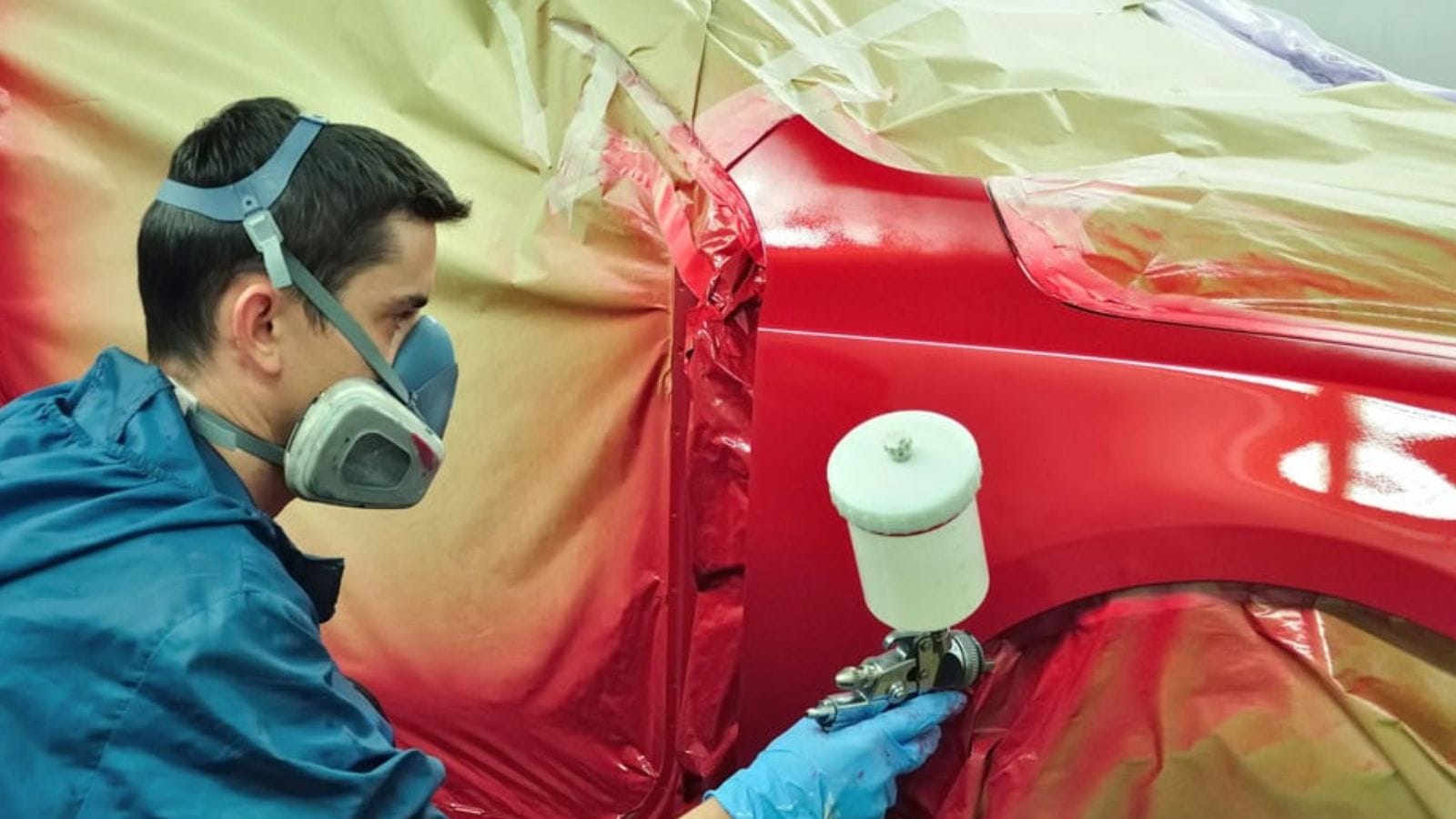
Paint protection packages are often sold with language that makes ordinary driving sound unusually risky. The dealer may describe sealants, coatings, or film as essential protection against road grime, sun exposure, bird droppings, and minor scratches. On a new vehicle with glossy paint under showroom lights, the emotional appeal is easy to understand.
The cost can be harder to justify. Some dealer-applied protection is little more than a wax or sealant treatment sold at a premium. Higher-quality ceramic coatings and paint protection film can be worthwhile for some owners, but installation quality matters. A specialist shop may provide clearer product details, better preparation, and more transparent pricing. The warning sign is a package already installed on every vehicle and treated as non-removable.
Rustproofing and Undercoating
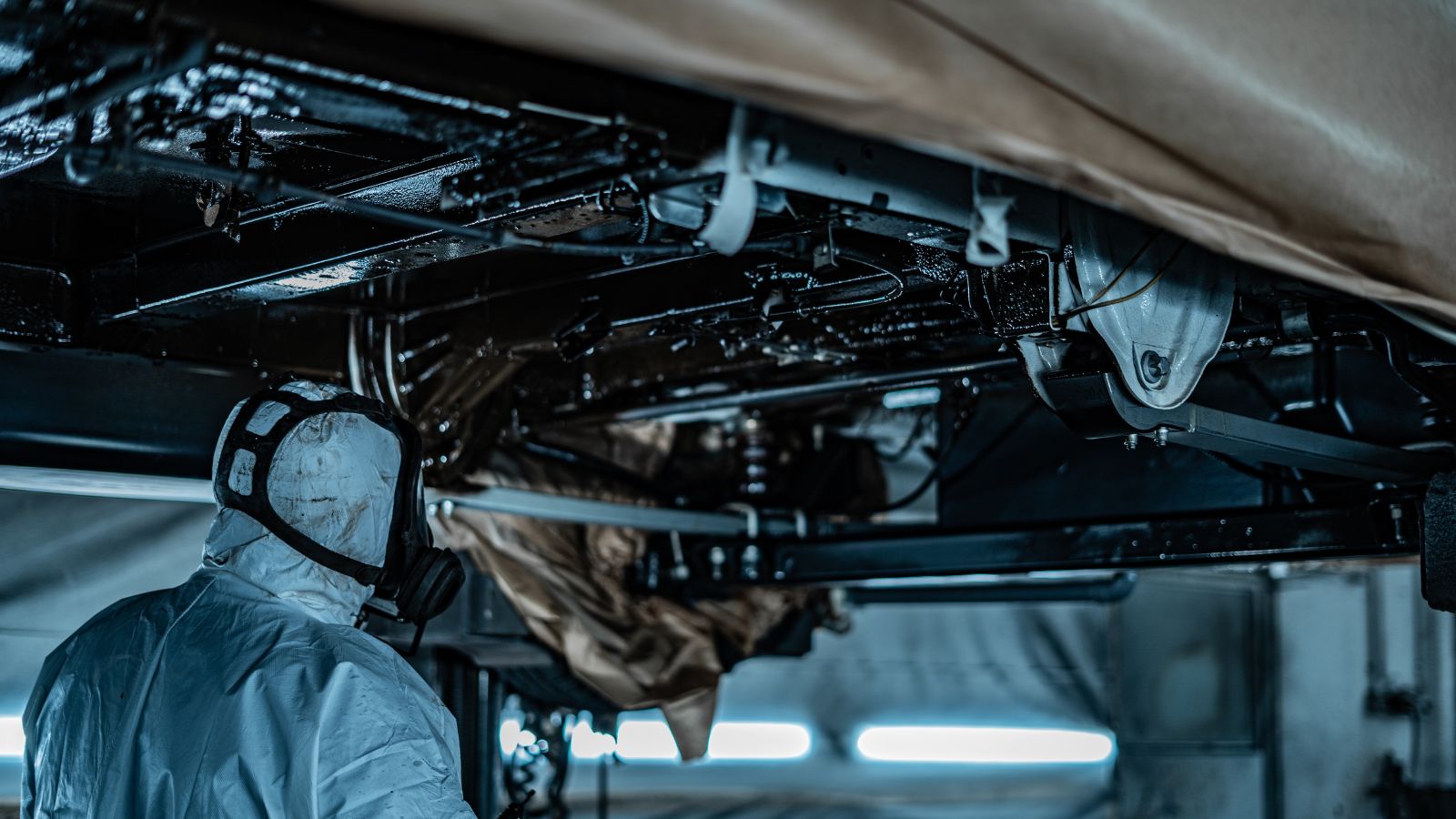
Rustproofing is especially persuasive in regions with snow, road salt, wet winters, or coastal air. Dealers may present undercoating as a practical way to protect the underside of a vehicle and preserve resale value. For older vehicles or harsh climates, corrosion prevention can be a reasonable topic to research.
That does not mean every dealer package is worth the price. Modern vehicles already leave the factory with corrosion protection, and some manufacturer warranties cover rust perforation for a set period. Poorly applied undercoating can also trap moisture or make later inspections messier. A driver who keeps vehicles for a decade in a salty climate may benefit from a reputable independent rustproofing service. A three-year leaseholder paying hundreds at signing may simply be adding cost without much practical return.
Fabric, Leather, and Interior Protection
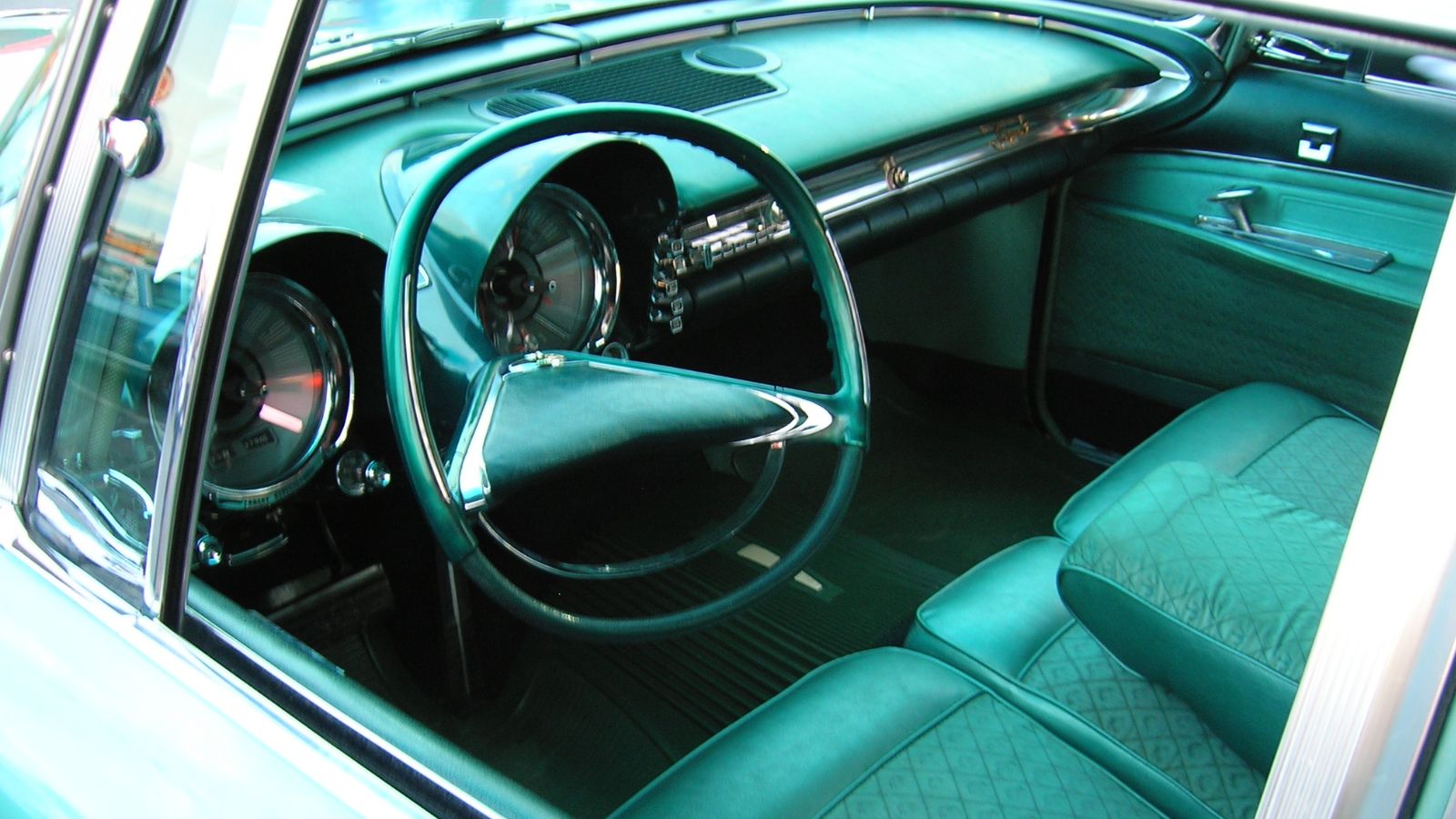
Interior protection is usually sold as peace of mind against spills, stains, pet hair, and everyday wear. Families, rideshare drivers, and commuters who live in their vehicles can understand the appeal. A salesperson may describe the treatment as a professional-grade barrier that keeps upholstery looking new.
The reality is more mixed. Some packages involve a spray-on fabric protector or leather conditioner paired with a limited warranty that has exclusions. Stains may need to be reported quickly, certain materials may not qualify, and normal wear can be excluded. A modest cleaning kit, seat covers, or professional detailing may cost less and provide more practical value. Interior protection becomes especially expensive when it is bundled into a larger appearance package and financed over five, six, or seven years.
Tire-and-Wheel Protection Packages
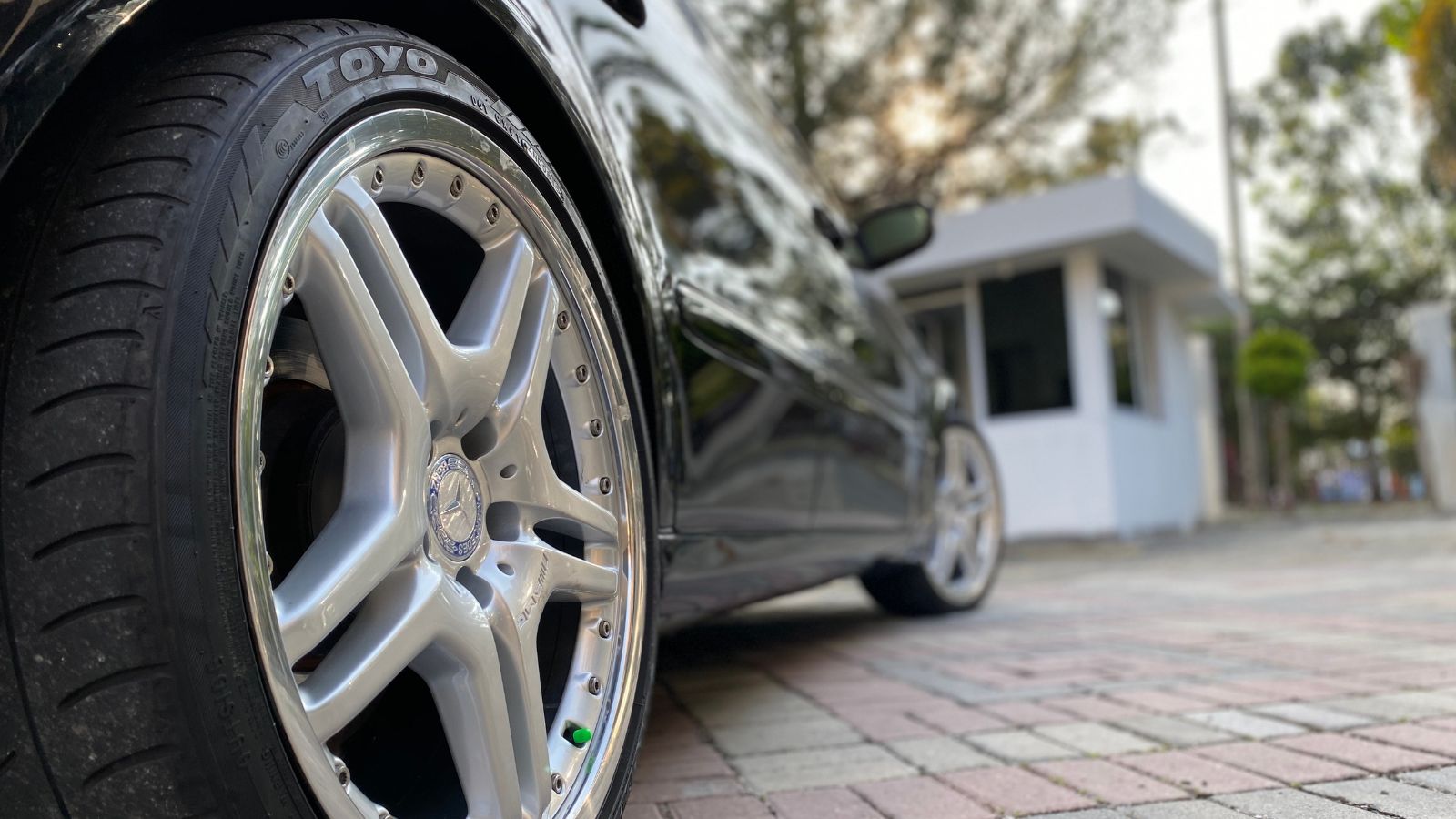
Tire-and-wheel protection can sound sensible on vehicles with low-profile tires, expensive alloy wheels, or a daily route filled with potholes. Some plans cover tire damage, wheel repair, roadside assistance, or limited cosmetic fixes. In cities with rough roads, one cracked wheel can be expensive enough to make the pitch feel credible.
The contract details matter more than the pitch. Many plans exclude wear, cosmetic damage, pre-existing issues, racing, off-road use, or damage below a certain threshold. They may also require approved repair shops or deny replacement if repair is possible. A buyer should compare the package price with the actual cost of replacing one tire or repairing one wheel. If the plan costs close to a set of replacement tires, the value becomes much less convincing.
Nitrogen-Filled Tires
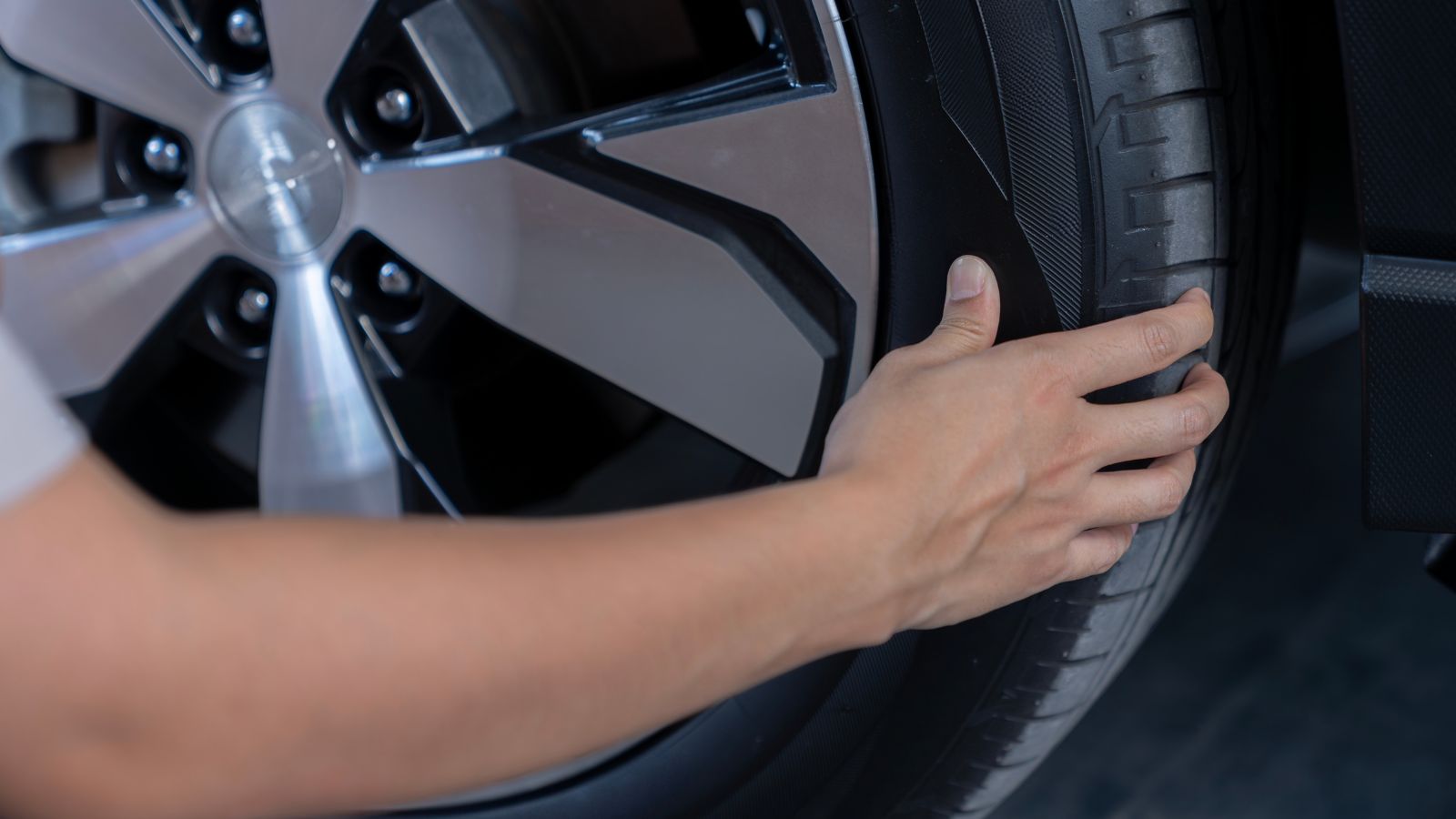
Nitrogen-filled tires are usually identified by green valve-stem caps and a promise of steadier tire pressure. Nitrogen molecules escape slightly more slowly than oxygen, and nitrogen can matter in specialized settings such as aviation, racing, or heavy-duty fleet operations. That technical truth helps the sales pitch sound more impressive than it often is for daily driving.
Ordinary air is already mostly nitrogen, and regular pressure checks matter far more than paying a dealer premium for the fill. Some dealerships charge for nitrogen as a stand-alone item, while others bundle it with door-edge guards, tinting, or tire protection. The dollar amount may look small next to the vehicle price, but it is often one of the easiest examples of an add-on that costs far more than its everyday benefit.
VIN Etching and Theft-Deterrent Marking
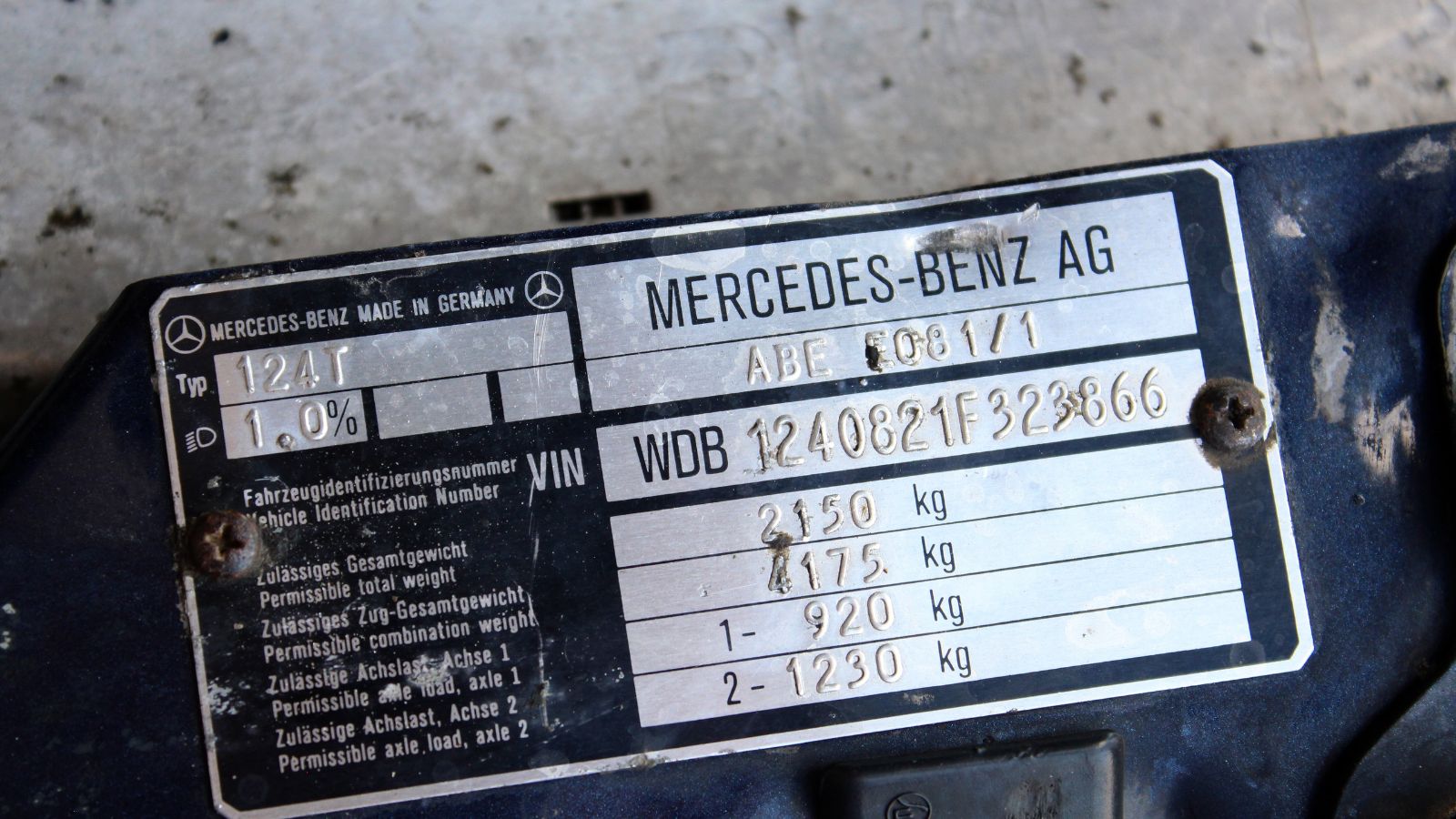
VIN etching marks the vehicle identification number on glass or other parts to make a stolen vehicle harder to resell or strip. It can be framed as a theft deterrent, a recovery aid, or part of a broader security package. In areas with high theft rates, the idea sounds practical.
The price is the problem. VIN etching is often inexpensive to perform, and some community programs, police departments, or do-it-yourself kits may cost far less than dealer pricing. Vehicles already carry VIN markings in multiple locations, so the added value of expensive glass etching is limited. Some dealers also pair etching with theft-protection guarantees that contain exclusions or payout limits. When the charge is preprinted on paperwork as though it is mandatory, it deserves immediate pushback.
Dealer-Installed Alarms and Tracking Systems
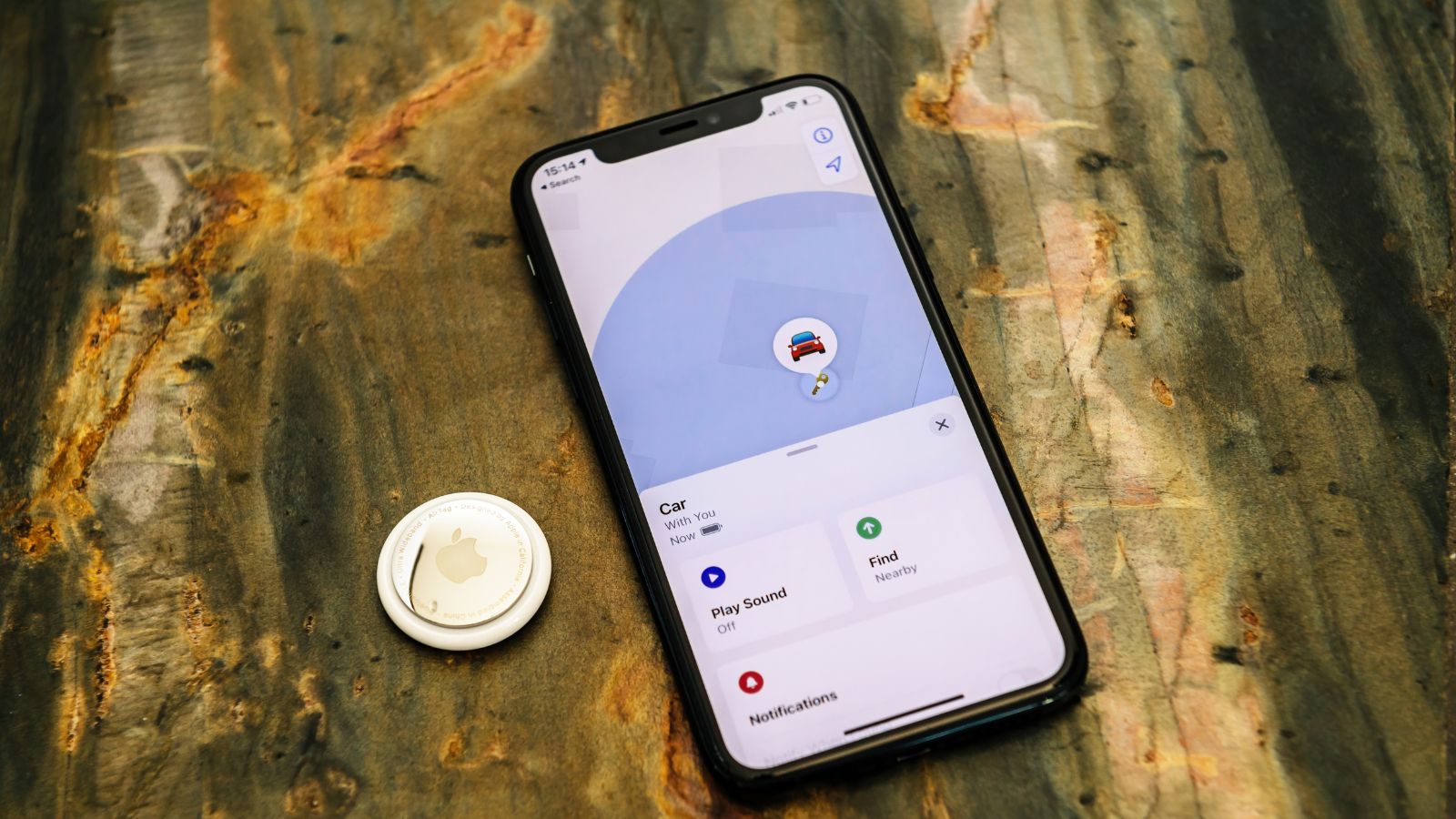
Dealer-installed alarms and tracking systems can blur the line between customer protection and dealership inventory control. Some stores install devices on vehicles while they sit on the lot, then try to sell the feature as part of the purchase. Others present tracking, recovery, or alarm packages as modern protection against rising vehicle theft.
A buyer who wants a security system should compare the dealer price with electronics retailers, insurer-approved devices, and manufacturer-connected services already built into the vehicle. Some new cars include app-based location features, immobilizers, or factory anti-theft systems. Paying extra for a duplicate system may not add much. The key question is whether the buyer requested the device, whether it can be removed, and whether any subscription or renewal fee appears later.
Prepaid Maintenance Plans

Prepaid maintenance plans spread the cost of oil changes, inspections, tire rotations, filters, and scheduled service into the purchase. For drivers who like predictable costs and plan to use the same dealership, a fairly priced plan can be convenient. It may also make sense when factory maintenance is genuinely expensive and the plan clearly lists covered services.
The risk is paying upfront for work that may never be used. The plan may require service at a specific dealer group, exclude wear items, expire by time or mileage, or cost more than paying as maintenance comes due. If a buyer moves, sells the car early, drives fewer miles than expected, or prefers an independent mechanic, the value can shrink quickly. The math should compare the plan price against the actual maintenance schedule, not vague promises of savings.
Documentation, Prep, and Reconditioning Packages

Documentation, preparation, and reconditioning charges are not always described as add-ons, but they can function like them when they appear late in the deal. Some legitimate paperwork, title, registration, inspection, or compliance costs exist. The concern begins when broad dealer fees, cleaning charges, advertising fees, or “prep” packages are added after an advertised price has pulled a shopper in.
In places with all-in pricing rules, mandatory dealer charges generally need to be reflected in the advertised price, with limited exceptions such as taxes and licensing. Used vehicles can also bring reconditioning fees that are difficult to evaluate because the work was completed before the buyer arrived. A clean way to control the damage is to focus on the out-the-door price: the full amount payable before financing, trade-in math, or monthly payment smoothing hides the total.
22 Things Canadians Do to Their Cars in Spring That Mechanics Hate
Spring brings relief to many Canadian drivers after months of snow, freezing temperatures, and icy roads that put serious strain on vehicles. As temperatures rise across the country, drivers begin washing cars, switching tires, and preparing vehicles for warmer weather and upcoming road trips. However, mechanics across Canada notice the same mistakes every spring when drivers attempt to recover from winter damage. Road salt, potholes, and harsh winter driving conditions often leave vehicles with hidden problems that drivers ignore. Some spring habits even create new mechanical issues that could have been avoided with proper maintenance. Here are 22 things Canadians do to their cars in spring that mechanics hate.

Alanna Rosen is an experienced content writer that focuses on many EV and educational content. Her articles are regularly published on Get CyberTrucked and syndicated on large publications.