
A failing suspension rarely announces itself with one dramatic moment. More often, it starts as a slightly rougher ride, a faint clunk over a speed bump, or a steering wheel that needs more correction than it used to. Because shocks, struts, springs, control arms, bushings, ball joints, tie rods, and sway bar links all help keep tires planted and the vehicle stable, small changes can affect comfort, tire wear, braking, and control. These 18 warning signs show how suspension problems often appear in everyday driving, from parking-lot bumps to highway curves, before they turn into larger and more expensive repairs.
A Ride That Keeps Bouncing After Bumps

A healthy suspension should absorb a bump, settle quickly, and let the vehicle return to normal. When a car keeps bobbing after a speed bump or dips repeatedly after a pothole, worn shocks or struts may no longer be controlling spring movement properly. That bounce can feel harmless at first, especially on older roads where roughness seems normal.
The problem is that extra motion can reduce how firmly the tires stay planted. Tire Rack notes that shocks and struts help keep tires in contact with the road, and many dampers should be inspected or replaced after roughly 70,000 miles of normal use. A practical example is a car that feels fine on smooth pavement but turns floaty on patched streets. That change is often one of the earliest signs that the suspension is losing control.
The Front End Dips Hard During Braking
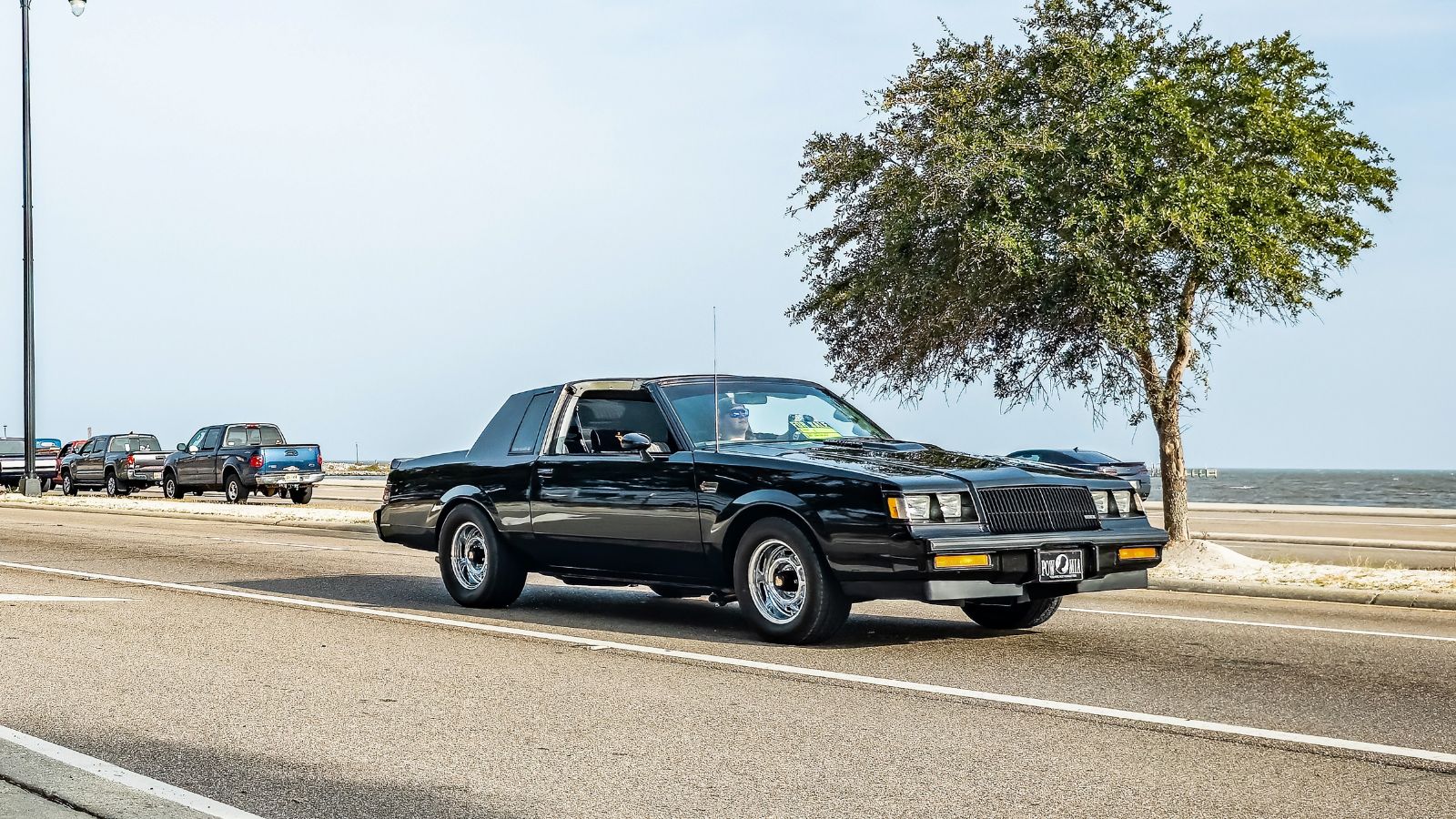
Nose dive happens when the front of the vehicle drops sharply under braking. Some weight transfer is normal, but a dramatic lurch can point to worn shocks, struts, or air suspension components that are no longer managing movement during a stop. It may feel like the hood is pitching toward the pavement every time traffic slows suddenly.
This matters because suspension and braking work together. Worn shocks and struts can increase stopping distance and reduce control, especially in emergency braking or on wet pavement. A driver may blame the brakes when the pedal feels fine but the car still feels unsettled. The issue may actually be that the front suspension is allowing too much weight transfer, making the vehicle feel less stable when quick stopping power matters most.
The Rear Squats When Accelerating
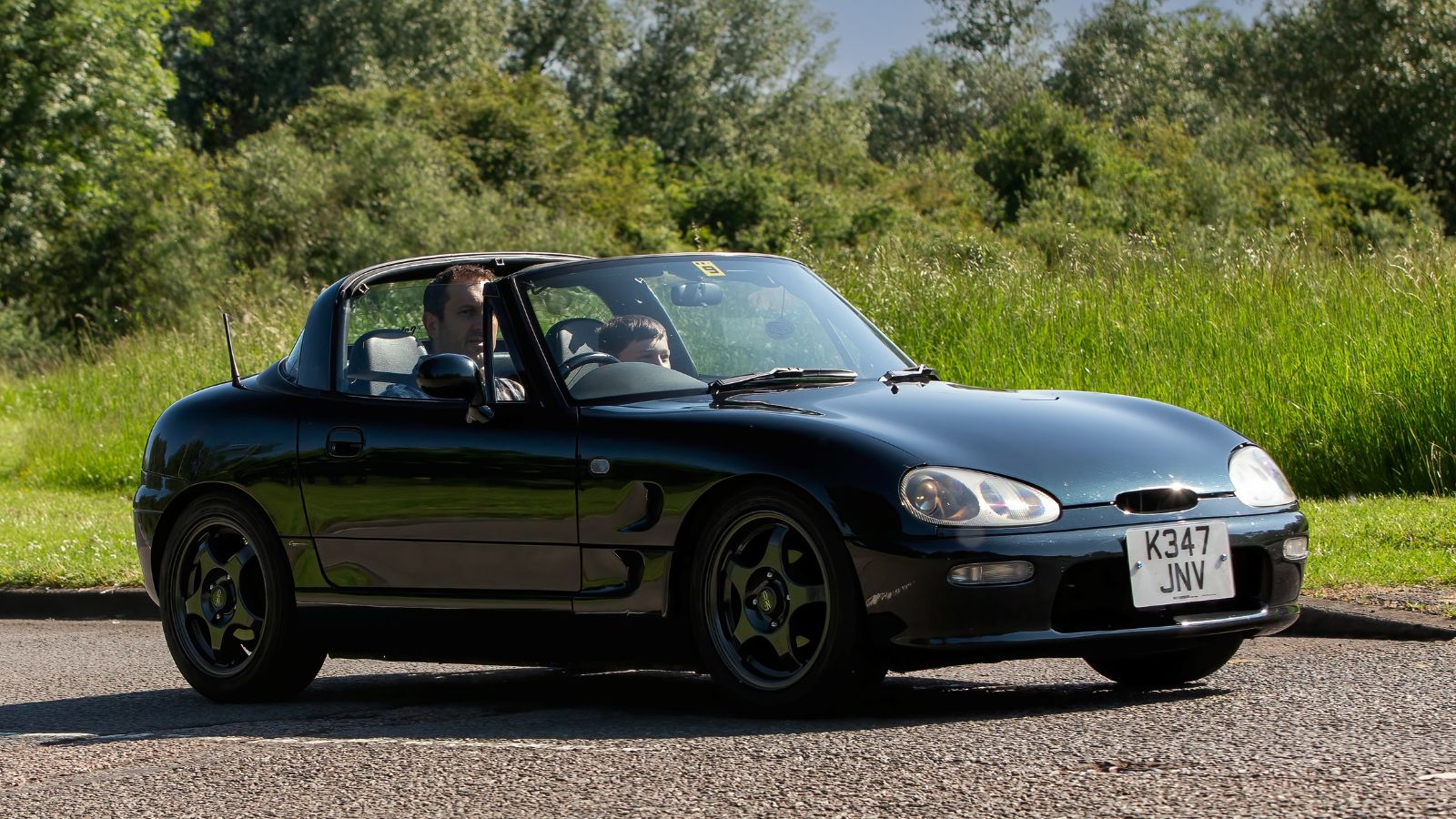
Rear squat is the opposite of nose dive: the back of the vehicle drops noticeably when accelerating. It can happen during hard launches, highway merging, or when pulling away from a stop with passengers or cargo aboard. Properly working shocks and struts help stabilize suspension movement, so excessive rear squat can suggest the rear suspension is no longer controlling weight transfer well.
This sign is easy to overlook because many vehicles naturally shift weight backward during acceleration. The warning appears when the motion becomes exaggerated or new. A family crossover that suddenly feels like it is sitting back on its heels during normal acceleration may be showing wear in rear dampers, springs, or air suspension support. Beyond comfort, that extra motion can place added load on rear suspension parts and make the front end feel lighter.
The Car Leans More in Corners
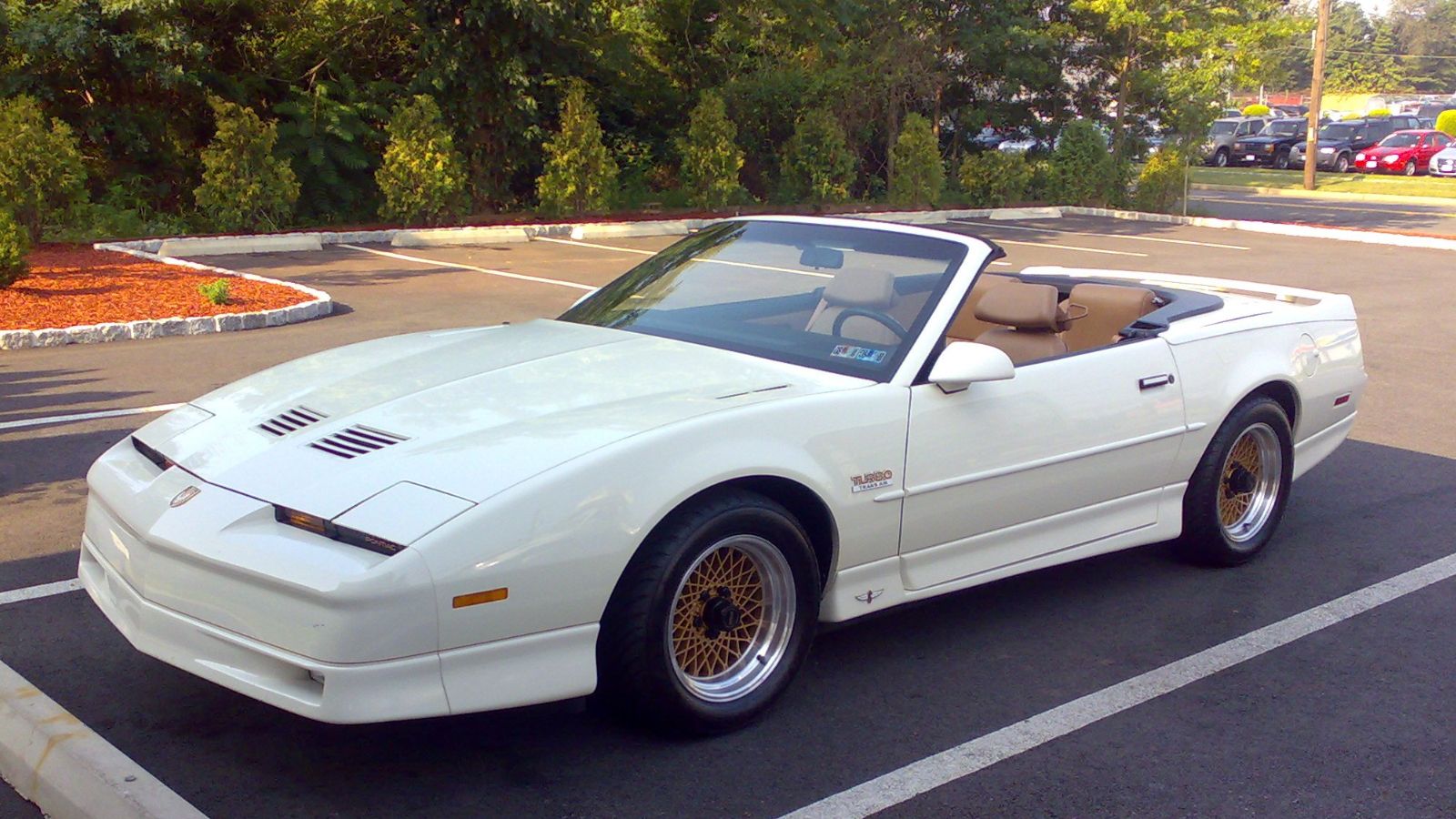
Body roll is the side-to-side leaning felt when a vehicle turns. Some roll is normal, especially in taller vehicles, but a car that suddenly feels top-heavy or delayed in corners may have worn shocks, struts, sway bar links, or other stabilizing components. The change can be obvious on freeway ramps or roundabouts where the same route starts to feel less secure.
Sway bars and sway bar links are designed to reduce leaning and improve stability. If those parts wear or loosen, the car can feel less planted during lane changes and curves. This is not just about sporty handling. A sedan that once turned calmly but now makes passengers brace against the door may be signaling that suspension control has weakened enough to deserve inspection.
Clunking Sounds Over Speed Bumps
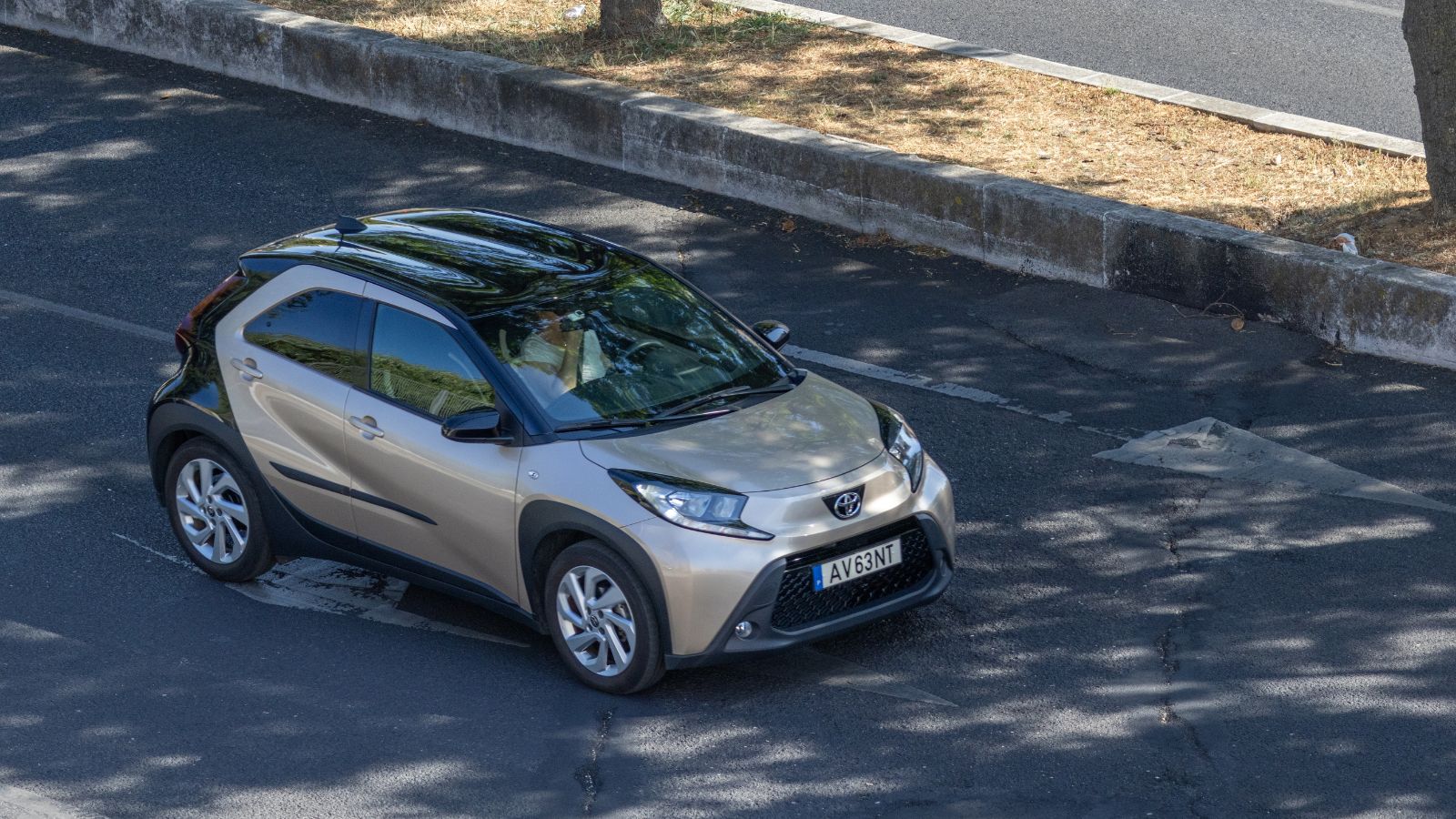
Clunking, knocking, or popping over bumps often means something in the suspension is moving more than it should. Worn control arm bushings can let the arm shift and bang around. Bad sway bar links commonly create metallic clunks. Loose ball joints and tie rods can also make noise when the wheels move up, down, or turn.
The sound often starts faintly. A driver may hear a dull knock only on one driveway entrance, then later notice it over every speed hump in a parking lot. That progression matters because suspension components are connected. A small amount of play can worsen with potholes, curb impacts, road salt, or age. Any repeated clunk from near the wheels should be treated as more than an annoyance.
Squeaks or Creaks When the Car Moves

Suspension squeaks can come from rubber bushings, control arms, ball joints, strut mounts, or sway bar parts. Unlike a single clunk, squeaking often appears during slow movement: pulling into a driveway, turning into a parking space, or rolling over a curb cut. It may sound like an old door hinge under the car.
Rubber and polyurethane bushings are designed to allow movement while reducing friction, vibration, and noise. As they age, crack, dry out, or lose their shape, the suspension can start complaining audibly. A squeak does not always mean an immediate safety emergency, but it can be a clue that parts are wearing before a harsher knock begins. The earlier it is inspected, the easier it is to prevent damage from spreading to related components.
Steering Feels Loose or Vague
A worn suspension can make steering feel disconnected. Instead of responding cleanly, the car may need small corrections to stay centered in the lane. Worn control arm bushings, ball joints, tie rods, and struts can all affect steering feel because they help locate the wheels and maintain alignment under load.
This vague sensation can be more noticeable after driving over a bump. Tire Rack lists vague or loose steering response after a bump as a symptom of worn shocks or struts. A commuter might notice that a familiar stretch of highway now requires constant small inputs, even in calm weather. That kind of wandering should not be dismissed as driver fatigue. It can signal that the wheels are no longer being held in their intended position as firmly as they should be.
The Vehicle Pulls to One Side

Pulling to the left or right can come from tire pressure, brakes, road crown, or wheel alignment, but suspension wear is also a common suspect. Worn bushings can let control arms shift. Damaged control arms can affect alignment. Tie rod wear can make the front end drift from where the steering wheel is pointing.
A simple example is a car that tracks straight after an alignment, then begins pulling again a few weeks later. That can suggest the alignment was not the root problem, or that worn suspension parts allowed the settings to change. Alignment exists to keep the vehicle traveling straight while minimizing tire wear and improving stability. If pulling keeps returning, the inspection should go deeper than the tires.
Uneven Tire Wear Appears

Tires often reveal suspension trouble before the driver fully feels it. Uneven wear, one-edge wear, cupping, scalloping, or ridges can indicate that the tire is not maintaining even contact with the road. Worn shocks and struts can allow the tire to bounce. Worn bushings, control arms, tie rods, or ball joints can let alignment angles shift.
This sign is especially useful because tires are visible. A driver checking pressure once a month may notice that one front tire has a chopped pattern while the others look normal. NHTSA says tire tread provides traction, especially on wet or icy roads, and tires are not safe once tread reaches 2/32 of an inch. Uneven wear can shorten tire life and reduce grip long before the whole tread looks worn out.
The Steering Wheel Vibrates on Smooth Roads

Some vibration comes from tire balance, bent wheels, or brake problems, but suspension wear can also send shaking through the steering wheel, seat, or brake pedal. Worn shocks, struts, ball joints, control arms, and tie rods can all contribute to vibration because looseness allows parts to move beyond normal limits.
The clue is context. Vibration on a rough road is expected; vibration on a freshly paved road is different. Monroe notes that vibrations on smooth roads may point to worn shocks, struts, or steering stabilizers. MOOG also connects worn ball joints and tie rods with steering-wheel vibration or looseness. A car that trembles only at certain speeds should be checked before the vibration becomes harder to trace and more expensive to correct.
The Car Feels Unstable in Lane Changes

A car with weakening suspension may feel unsettled when changing lanes, passing a truck, or reacting to a gust of wind. Worn shocks and struts can reduce the driver’s sense of control because they no longer manage body movement as well. Bad sway bar links can also make a vehicle feel unstable while turning or changing lanes at speed.
This can be subtle at first. A compact SUV may not clunk or bounce dramatically, yet it starts feeling nervous during quick highway corrections. The driver may slow down instinctively without knowing why. That reaction is worth paying attention to. Stability problems are not just comfort complaints; they can affect how predictably the vehicle responds when sudden steering input is needed.
The Vehicle Sits Lower on One Side

A vehicle that looks uneven when parked may have a damaged spring, failing air spring, worn strut assembly, or another suspension support problem. Kelley Blue Book notes that one corner or side sitting lower than the other usually points to a damaged spring. Air suspension systems can also leave a vehicle sitting low when an air bag, compressor, or pressure system fails.
This sign is easy to spot from a distance. One wheel arch may appear closer to the tire, or the car may look like it is leaning in a parking space even with no cargo inside. Because springs and air springs support vehicle weight, changes in ride height should be taken seriously. Driving while a corner is sagging can affect alignment, tire wear, and handling.
The Suspension Bottoms Out
Bottoming out happens when the suspension runs out of travel and the vehicle hits harshly over bumps. It may sound like a heavy thud or feel like the body has struck the road. Tire Rack lists bottoming out with a thumping sound over bumps as a worn shock or strut symptom, while Kelley Blue Book warns that severe bottoming can put other mechanical components at risk.
This often appears with heavy loads, worn springs, or tired dampers. A vehicle may drive normally with one person aboard but slam over driveway entrances when carrying passengers or luggage. That is a useful clue because suspension parts are designed to manage weight and road impact together. If the car is repeatedly hitting its limits, the system is no longer providing the margin it should.
Fluid Is Leaking Around Shocks or Struts
Many shocks and struts use hydraulic fluid to dampen movement. If seals fail, fluid can leak down the shock or strut body. A wet, oily area near the damper is a stronger warning sign than ordinary road grime. It means the part may be losing the fluid needed to control suspension motion.
A driver may notice this during a tire change, car wash, or brake inspection. Firestone and Monroe both identify fluid leaks around shocks or struts as a common sign of worn components. It is important not to guess, however, because fluid near the wheel area could also involve brakes. Any fresh or heavy leak near tires, suspension, or brake hardware deserves prompt inspection by a qualified technician.
A Warning Light Mentions Suspension

Some vehicles, especially luxury cars, trucks, and SUVs with adaptive or air suspension, can display suspension warnings. The message may show a car with arrows, say “check air suspension,” or warn that the vehicle is too low. Unlike a squeak or bounce, this sign comes from the vehicle’s monitoring system.
Air suspension uses pneumatic springs, compressors, lines, and valves to adjust ride height and firmness. Monroe notes that bad air suspension can produce sitting-low symptoms, rough ride, bouncing, sway, uneven tire wear, and dashboard warnings. A warning light does not always identify the exact failed part, but it should not be ignored. If the vehicle is visibly low or riding harshly, continuing to drive can create more damage.
The Car Feels Harsh Over Small Imperfections

A suspension problem does not always feel soft and bouncy. Sometimes the ride becomes unusually harsh. Small cracks, manhole covers, and expansion joints may begin hitting the cabin harder than expected. This can happen when struts, mounts, bushings, springs, or air suspension components are worn, damaged, or no longer absorbing impacts smoothly.
This sign is often dismissed because road conditions vary. The better comparison is the same vehicle on the same roads. If a daily commute suddenly feels sharper and louder, something has changed. Air suspension problems, for example, can make a vehicle ride extremely harsh when a spring no longer holds pressure. A harsh ride can also lead drivers to slow dramatically over bumps, which is a practical signal that comfort has become a mechanical concern.
Brakes Wear Faster Than Expected
Suspension wear can show up in places that do not seem like suspension at all. Tire Rack lists excessive front brake wear among symptoms associated with worn shocks and struts. Monroe also notes that worn shocks and struts can place added stress on related braking, steering, and suspension components.
The connection is motion control. If the front end dives heavily during braking, weight transfer can become more pronounced, and the vehicle may feel less balanced. A driver who replaces front brake pads unusually often may be dealing with traffic habits, terrain, or brake hardware, but suspension condition should also be part of the conversation. Replacing only the worn brake parts may not solve the underlying cause if the suspension is contributing to the load.
Alignment Will Not Stay Correct

A proper alignment sets wheel and suspension angles to manufacturer specifications. When a car cannot hold alignment, worn or bent suspension parts may be allowing the wheels to shift. Control arms, bushings, ball joints, tie rods, and struts all help determine where the wheels sit under the vehicle.
This sign usually appears as a pattern rather than one moment. The steering wheel gets straightened at the shop, tire wear improves briefly, then pulling or uneven tread comes back. RepairPal notes that worn control arm bushings can affect alignment, and it recommends alignment after bushing or control arm replacement. Repeated alignment problems should not be treated as routine maintenance. They can indicate that the suspension structure being aligned is no longer stable enough.
Pothole Impacts Leave Lingering Changes

A single hard pothole or curb strike can bend, loosen, or damage suspension and steering parts. The warning is not always the impact itself; it is what happens afterward. New clunks, pulling, vibration, crooked steering, low ride height, or uneven tire wear after a hit should be treated as possible suspension damage.
RepairPal identifies large potholes, curb impacts, collisions, corrosion, worn bushings, and worn ball joints as causes of control arm problems. MOOG also notes that potholes can damage wheels and affect handling. The human example is familiar: a driver hits a deep hole at night, checks that the tire still holds air, then keeps going. If the car feels different the next day, the suspension deserves attention even when the tire survived.
22 Things Canadians Do to Their Cars in Spring That Mechanics Hate
Spring brings relief to many Canadian drivers after months of snow, freezing temperatures, and icy roads that put serious strain on vehicles. As temperatures rise across the country, drivers begin washing cars, switching tires, and preparing vehicles for warmer weather and upcoming road trips. However, mechanics across Canada notice the same mistakes every spring when drivers attempt to recover from winter damage. Road salt, potholes, and harsh winter driving conditions often leave vehicles with hidden problems that drivers ignore. Some spring habits even create new mechanical issues that could have been avoided with proper maintenance. Here are 22 things Canadians do to their cars in spring that mechanics hate.

Alanna Rosen is an experienced content writer that focuses on many EV and educational content. Her articles are regularly published on Get CyberTrucked and syndicated on large publications.