Few repairs are more frustrating than a fresh alignment that fails to make a car track straight. A pull to one side can feel like the shop missed something, but alignment is only one part of a larger steering, tire, brake, and suspension system. A vehicle can meet factory angle specifications and still drift because something else is creating uneven rolling resistance, changing geometry under load, or fooling the steering electronics.
Here are twelve common reasons a car may still pull to one side after an alignment, from simple tire pressure differences to hidden suspension damage that only shows up on the road.
Uneven Tire Pressure Is Still the First Suspect
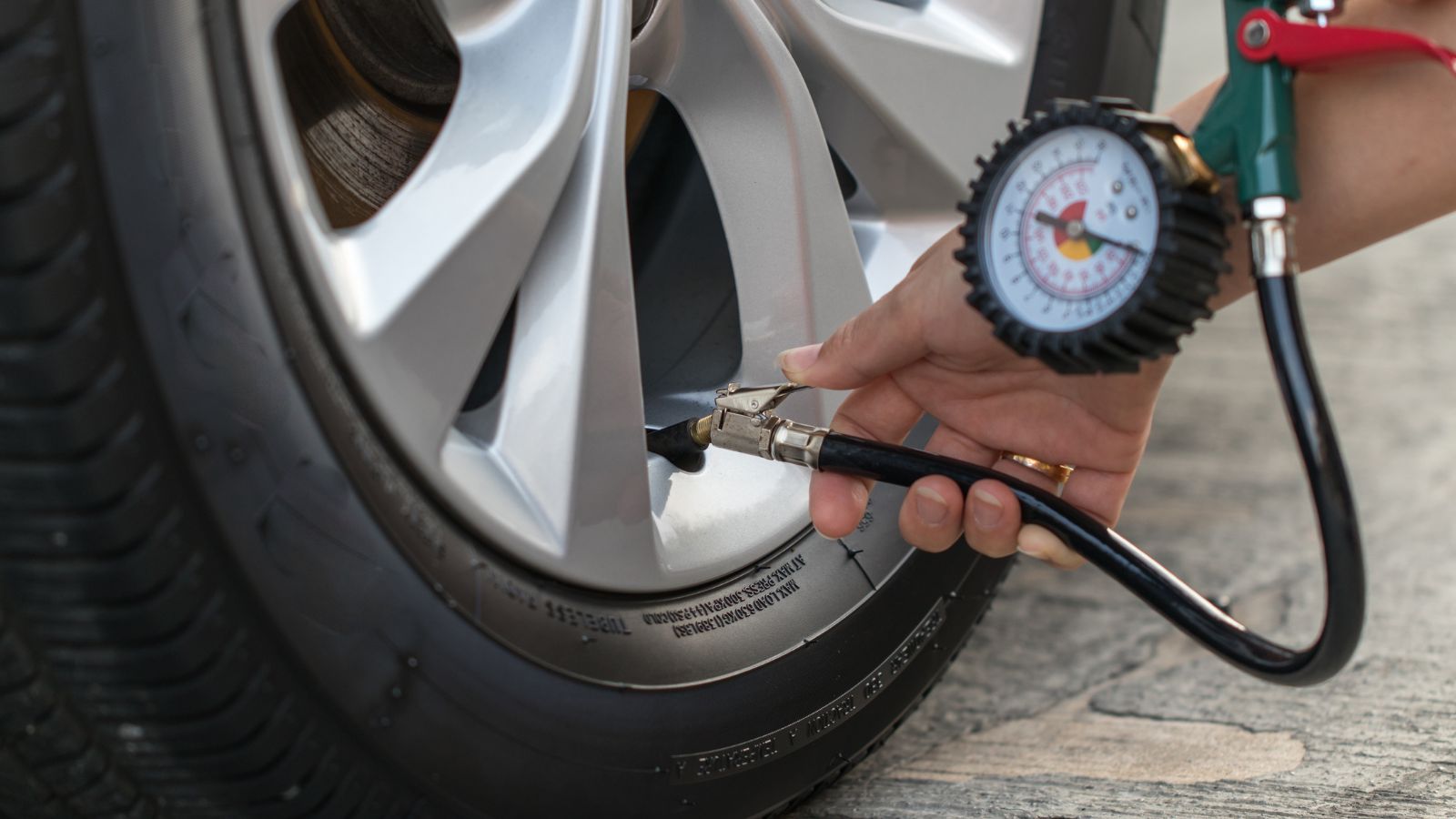
A car can leave the alignment rack with every angle corrected and still pull if one tire is even modestly underinflated. The lower tire sits slightly shorter, flexes more, and creates more rolling resistance than the tire on the opposite side. That extra drag can nudge the vehicle toward the softer tire, especially at steady highway speeds.
This is why a quick pressure check should come before assuming the alignment failed. Tire pressure should be checked cold, not after a long drive, because heat raises the reading and can hide a low tire. The dashboard warning light is helpful, but it is not a precision gauge. A sedan that feels fine around town can begin drifting on the highway simply because one front tire is several pounds lower than the other.
A Tire May Be Built With a Pull
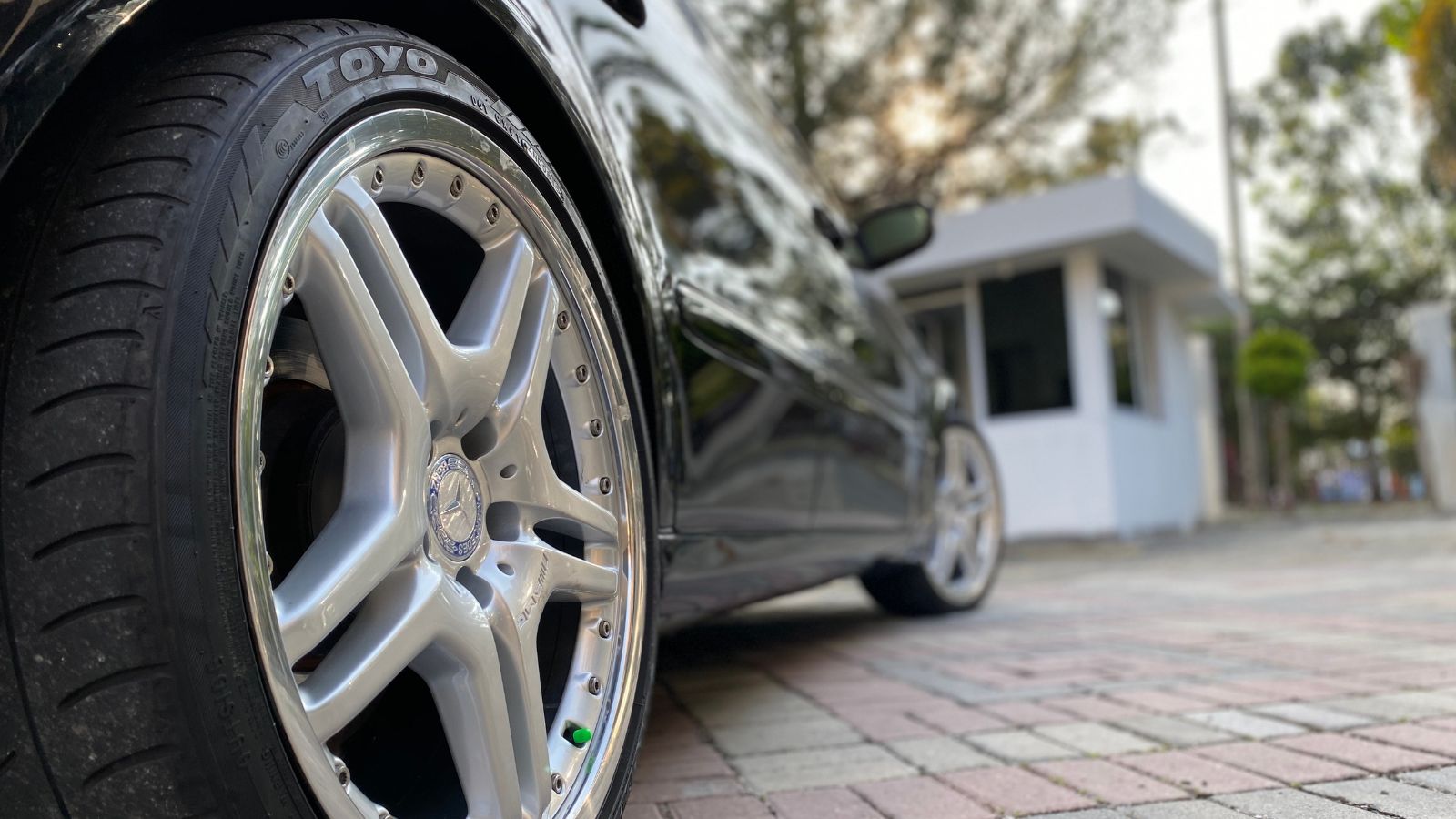
Sometimes the problem is inside the tire itself. Tire conicity happens when a tire behaves slightly like a cone instead of a perfect cylinder, creating a sideways force as it rolls. This can happen even when the tire is new, correctly inflated, properly balanced, and mounted on a vehicle with a clean alignment printout.
The clue often appears right after new tires are installed or immediately after a rotation. A driver may pay for an alignment, see green numbers on the report, and still feel the car lean toward the same shoulder. Tire technicians often diagnose this by moving tires side to side and road testing again. If the pull changes direction after the swap, the tire rather than the alignment is the prime suspect.
Uneven Tread Wear Can Make Tires Steer Themselves
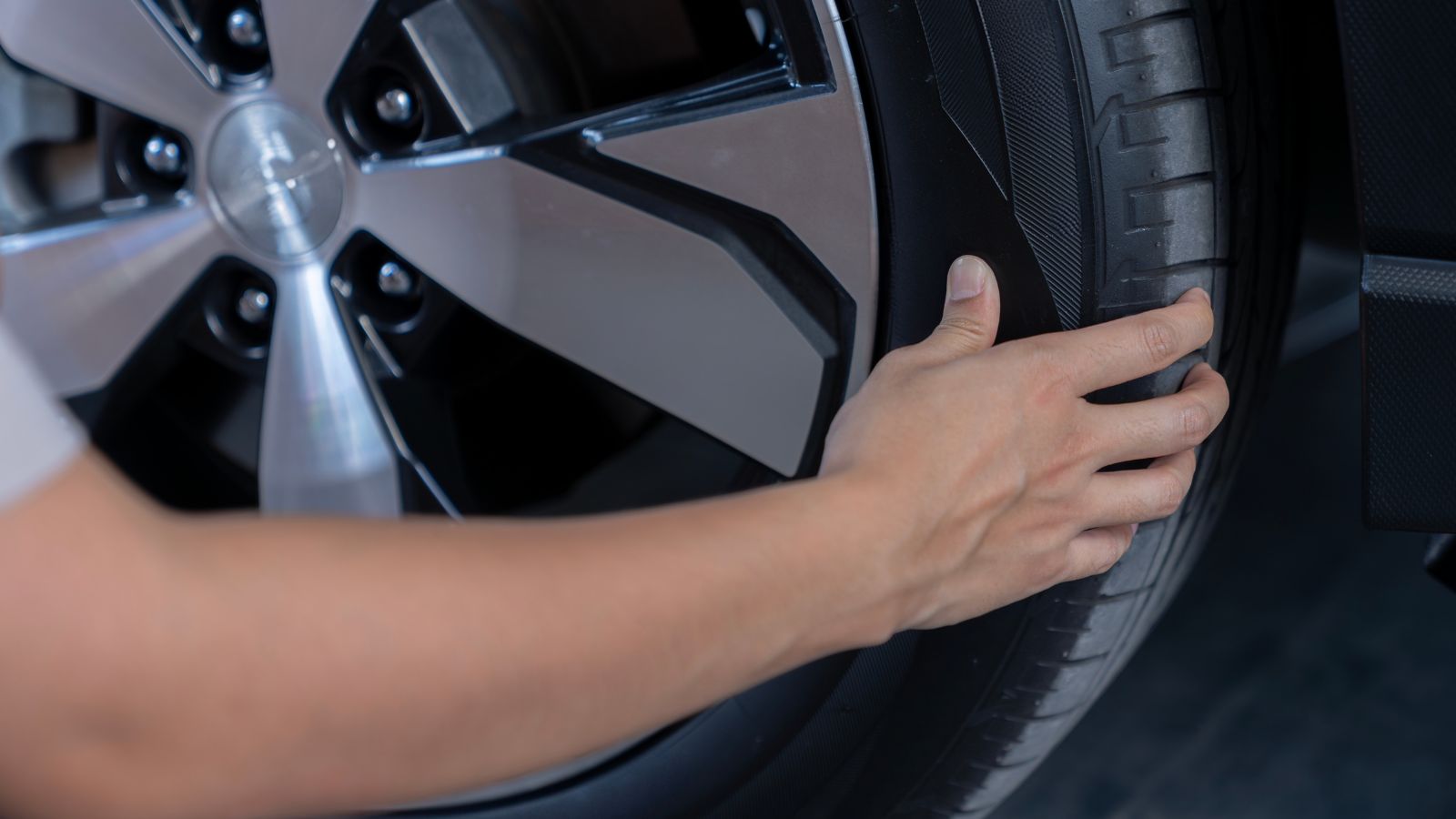
Old wear patterns do not disappear when the suspension angles are corrected. A tire that spent thousands of miles wearing on one edge can develop a shape that keeps pushing the car sideways. Feathered tread, cupping, or different wear depths from left to right can make a vehicle feel as though the steering wheel is being gently tugged.
This is common after a delayed alignment repair. The rack may finally be set correctly, but the tires still carry the memory of months of poor contact with the road. Replacing only one tire can make the problem worse because the new tire may have a different tread depth and rolling behaviour than the older tire across the axle. In many cases, rotating, matching, or replacing tires solves what looked like an alignment failure.
Road Crown Can Masquerade as a Mechanical Problem
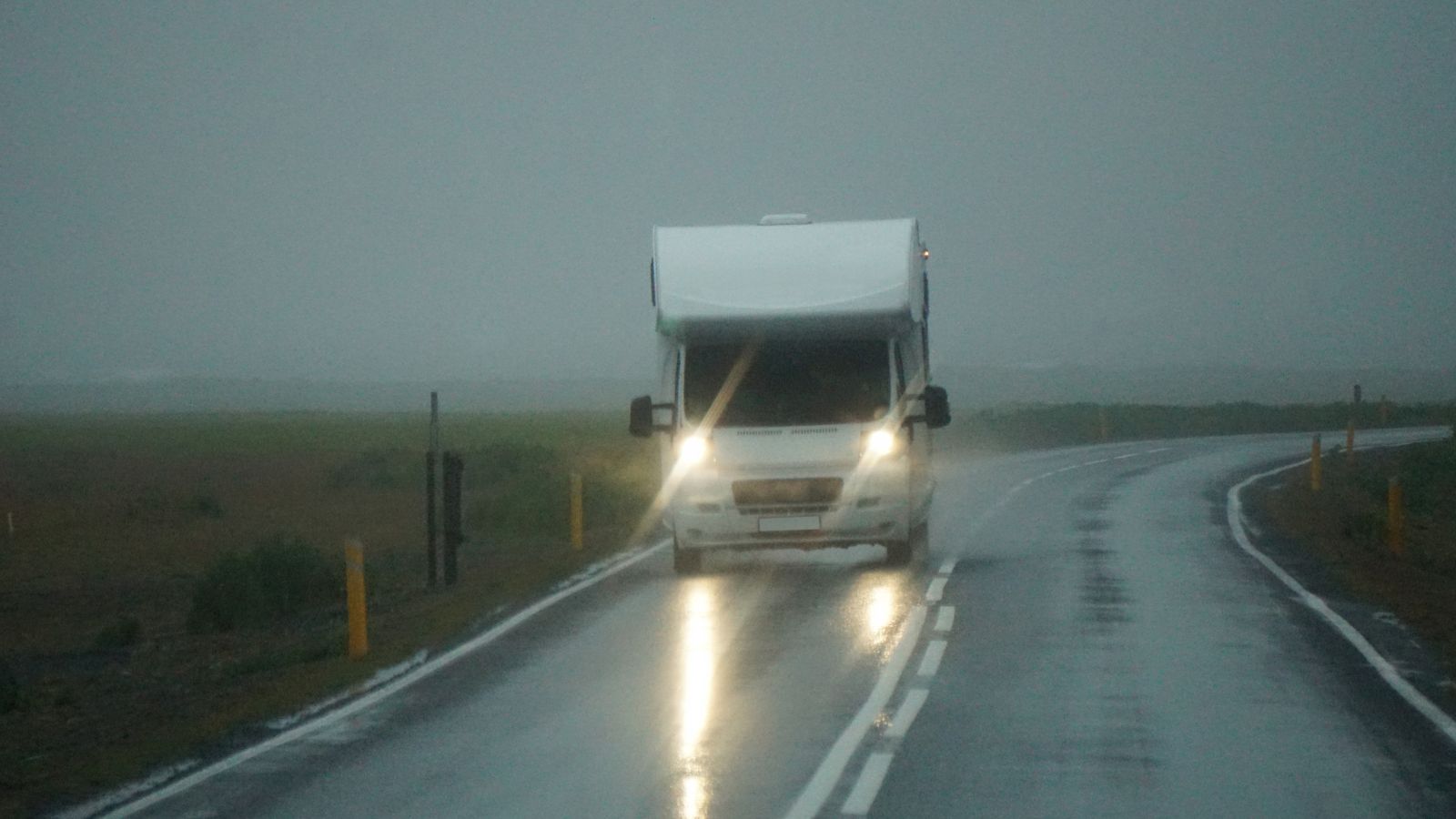
Most roads are not flat. They are deliberately sloped so rainwater drains toward the shoulder, and that crown can make a car drift even when nothing is wrong. On a typical road, a slight pull toward the drainage side is normal. On a heavily crowned road, the drift can feel much more dramatic.
A proper road test matters. Some manufacturers define a real pull only under controlled conditions, such as driving on a straight, flat road at highway speed without driver correction. That distinction is important because a vehicle may drift right in the right lane, left in the left lane, and track straight in a flat parking lot. When the direction changes with the road surface, the pavement may be the cause rather than the car.
The Alignment May Be “Green” But Not Truly Balanced
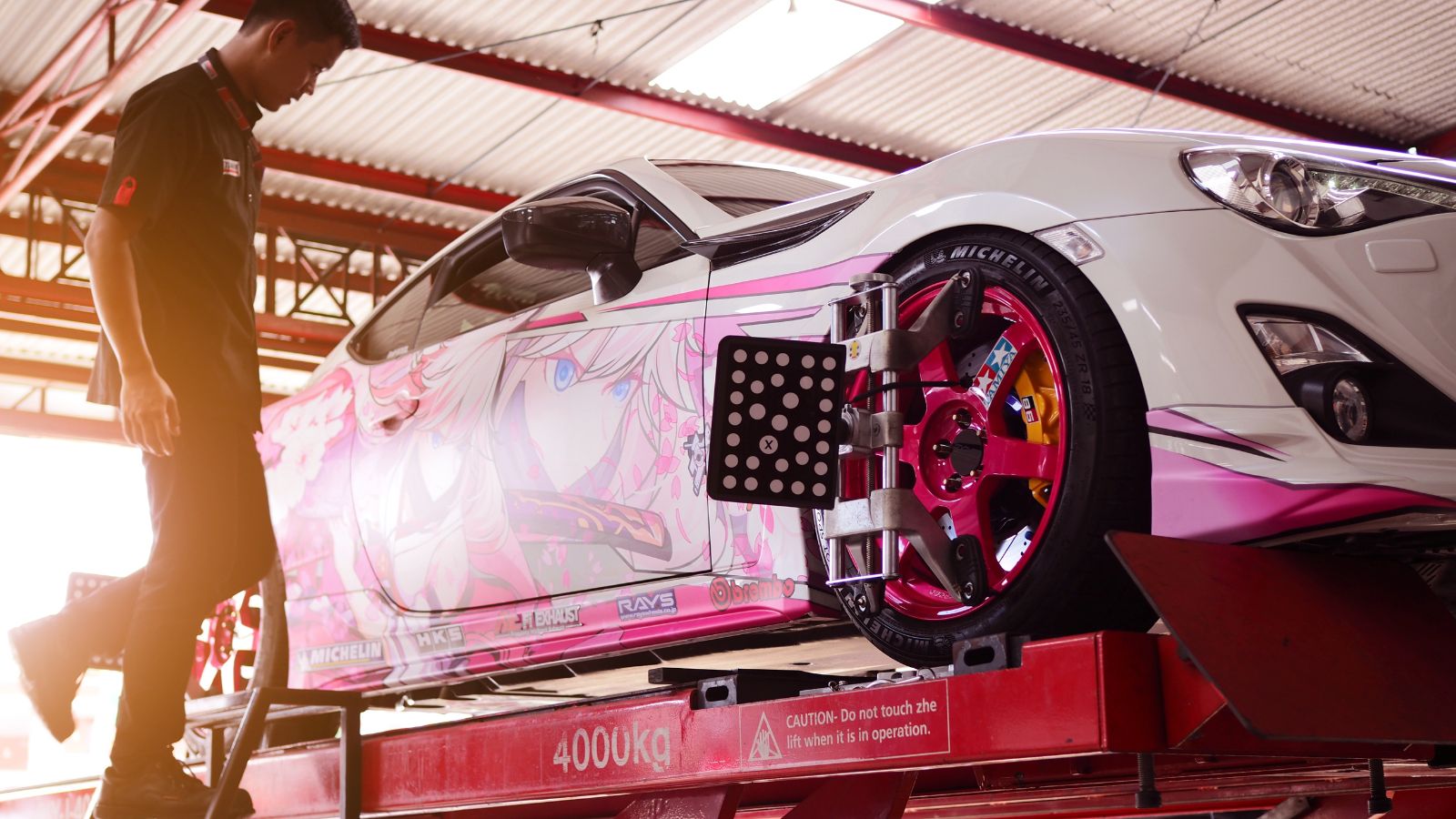
Alignment reports can be misleading when drivers focus only on whether the numbers are inside the allowed range. Factory specifications often include a minimum, maximum, and preferred value. A reading can be technically acceptable while still sitting near one edge of the range, especially if the opposite side is near the other edge.
Side-to-side relationships matter because camber and caster influence straight-line tracking. Camber is the inward or outward tilt of the wheel, while caster is the steering axis angle viewed from the side. A vehicle can drift toward the side with more positive camber or toward the side with less positive caster. The best shops look beyond green boxes and compare cross-camber, cross-caster, road crown compensation, and the vehicle’s actual road-test behaviour.
Rear Thrust Angle May Be Steering From Behind
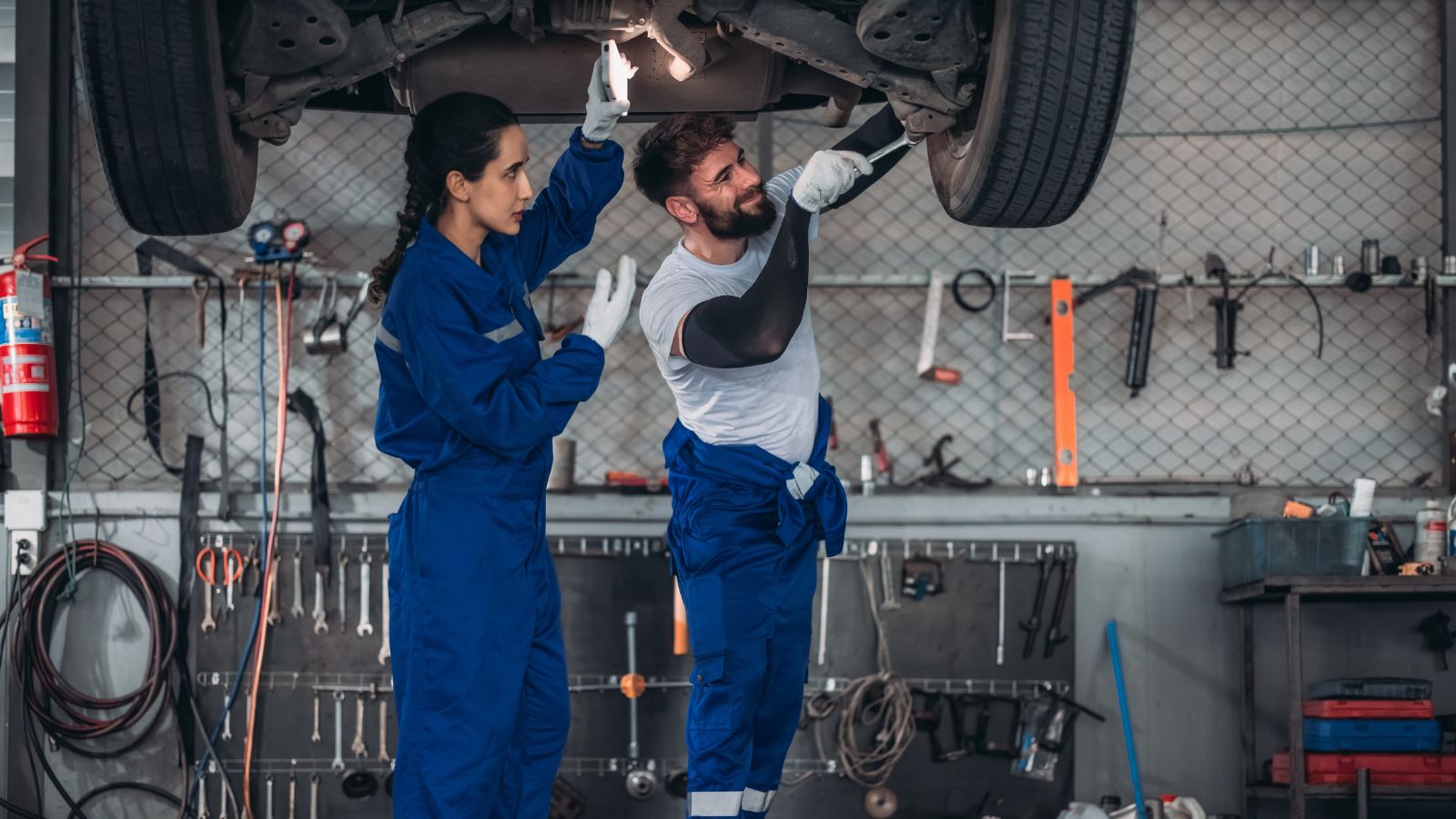
A car does not only steer from the front. If the rear wheels are not pointed squarely down the road, they can push the body slightly sideways. This is called thrust angle, and when it is off, the driver may hold the steering wheel at an angle just to keep the vehicle travelling straight.
This is why a four-wheel alignment can matter even when the complaint feels like a front-end problem. A rear toe issue can make the car “dog-track,” where the vehicle’s body is not perfectly aligned with its path of travel. The front wheels may then be adjusted to compensate, creating a straight path with an off-centre wheel. Correcting the rear geometry first is often the key to making the whole vehicle feel settled.
A Brake Is Dragging on One Corner
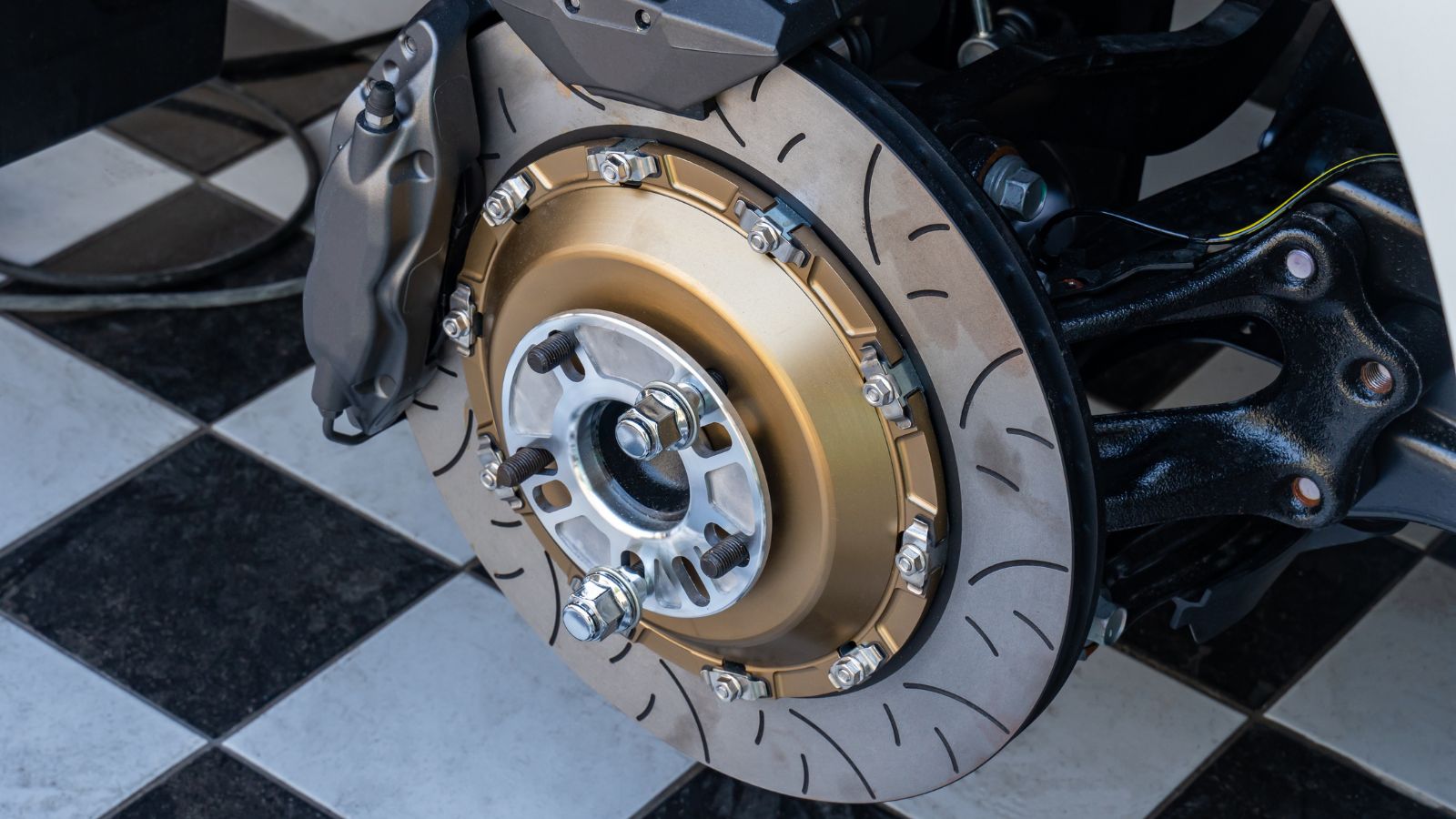
A sticking brake caliper can imitate an alignment problem because it slows one wheel more than the others. The pull may be constant if the brake never fully releases, or it may appear mainly when the brake pedal is pressed. Either way, the car is reacting to uneven braking force rather than wheel angle.
There are human clues that help separate brake pull from alignment pull. One wheel may smell hot after a short drive, the vehicle may feel sluggish, or the steering tug may become sharper during braking. A restricted brake hose can also trap pressure at one caliper, keeping that brake lightly applied after the pedal is released. Because brakes directly affect stopping control, this is one of the causes that deserves immediate inspection.
Worn Bushings and Ball Joints Move Under Load
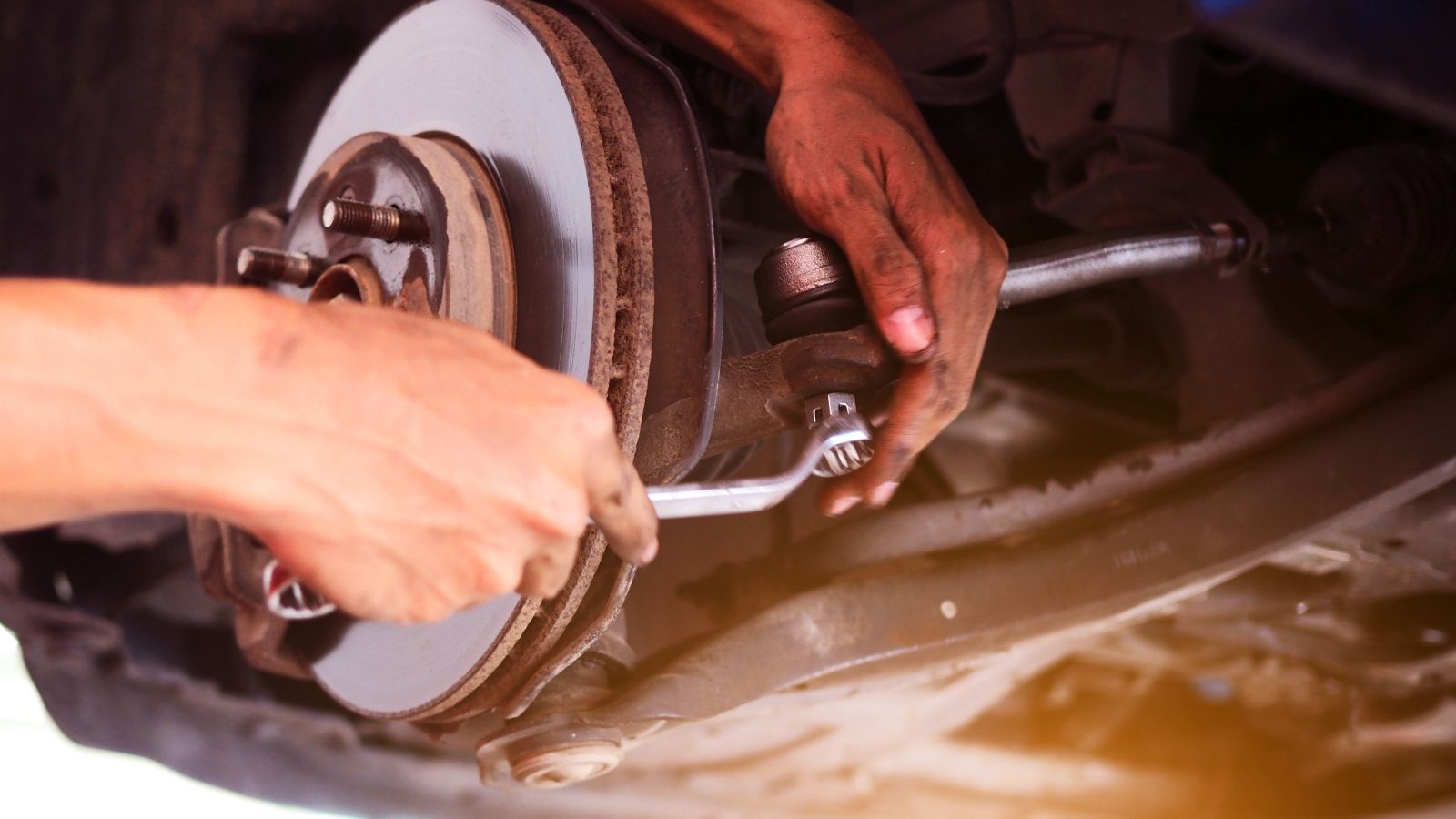
An alignment machine measures the vehicle while it is sitting still. The road, however, adds braking force, acceleration, bumps, and cornering loads. If control-arm bushings, ball joints, tie rods, or wheel bearings have play, the wheels can shift from their measured position once the car is moving.
This explains why some vehicles look perfect on the printout but wander or pull during a road test. A worn lower control-arm bushing, for example, may let one front wheel move backward during braking, briefly changing caster and toe. The driver feels a quick tug, then the car settles again when the force goes away. Good technicians inspect the steering and suspension before aligning because loose parts can make accurate settings impossible to maintain.
A Bent Wheel or Hidden Impact Damage Is Still There
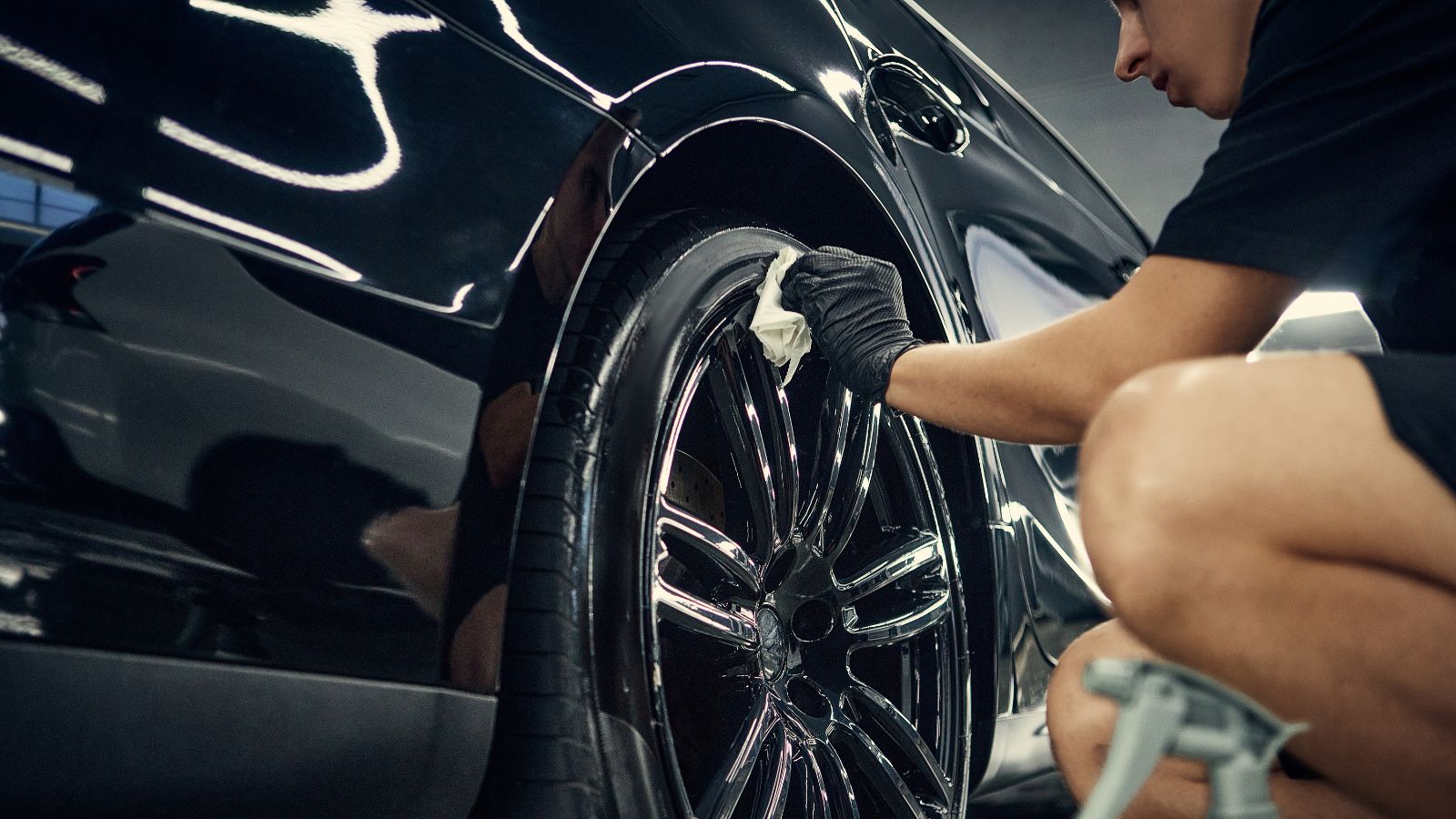
A pothole or curb strike can bend more than the alignment numbers. A wheel rim can be out of round, a strut can be slightly distorted, or a control arm can be shifted just enough to create an odd steering feel. The damage may not be obvious from across the shop, but the tires and steering wheel will often report it on the road.
A bent wheel may show up as vibration, uneven tire wear, slow air loss, or a pull that began immediately after a hard impact. Hidden structural damage can require deeper checks, such as comparing steering axis inclination, included angle, setback, and other diagnostic alignment measurements. When a vehicle has hit something hard, simply adjusting toe may not be enough to restore straight tracking.
Steering Sensors May Need Relearning
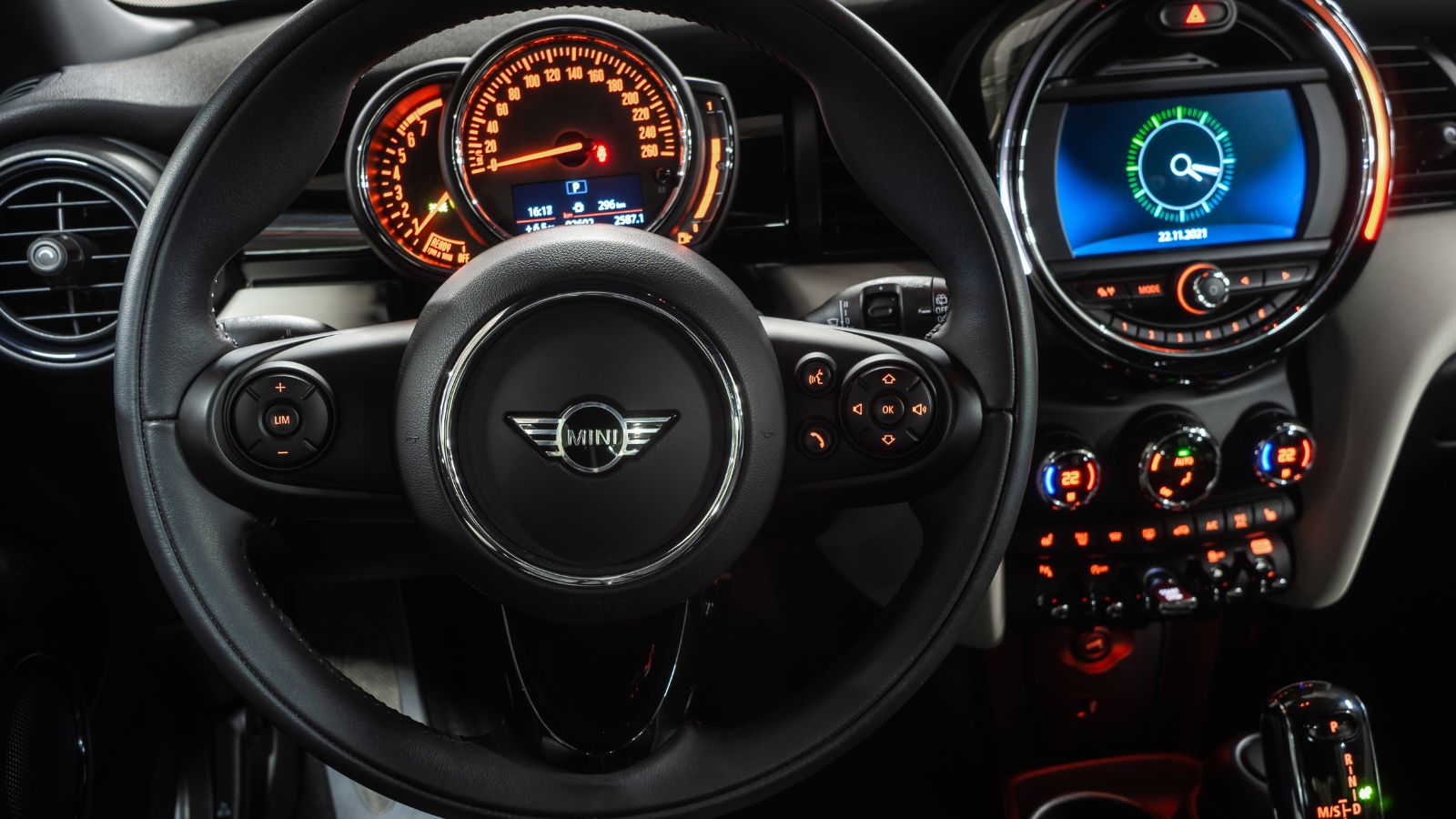
Modern vehicles often rely on a steering angle sensor to tell stability control, lane assistance, adaptive lighting, and other systems where the steering wheel is pointed. After an alignment, steering repair, or front-end component replacement, some vehicles need that sensor reset or calibrated so the computer understands the new straight-ahead position.
When this step is missed, the car may feel strange even though the mechanical alignment is correct. The steering wheel may sit slightly off centre, warning lights may appear, or assistance systems may respond as if the vehicle is drifting when it is not. On newer cars, an alignment can be both mechanical and electronic. The job may not be fully complete until the scan-tool procedures and road-test confirmation are finished.
Acceleration Pull May Be Torque Steer
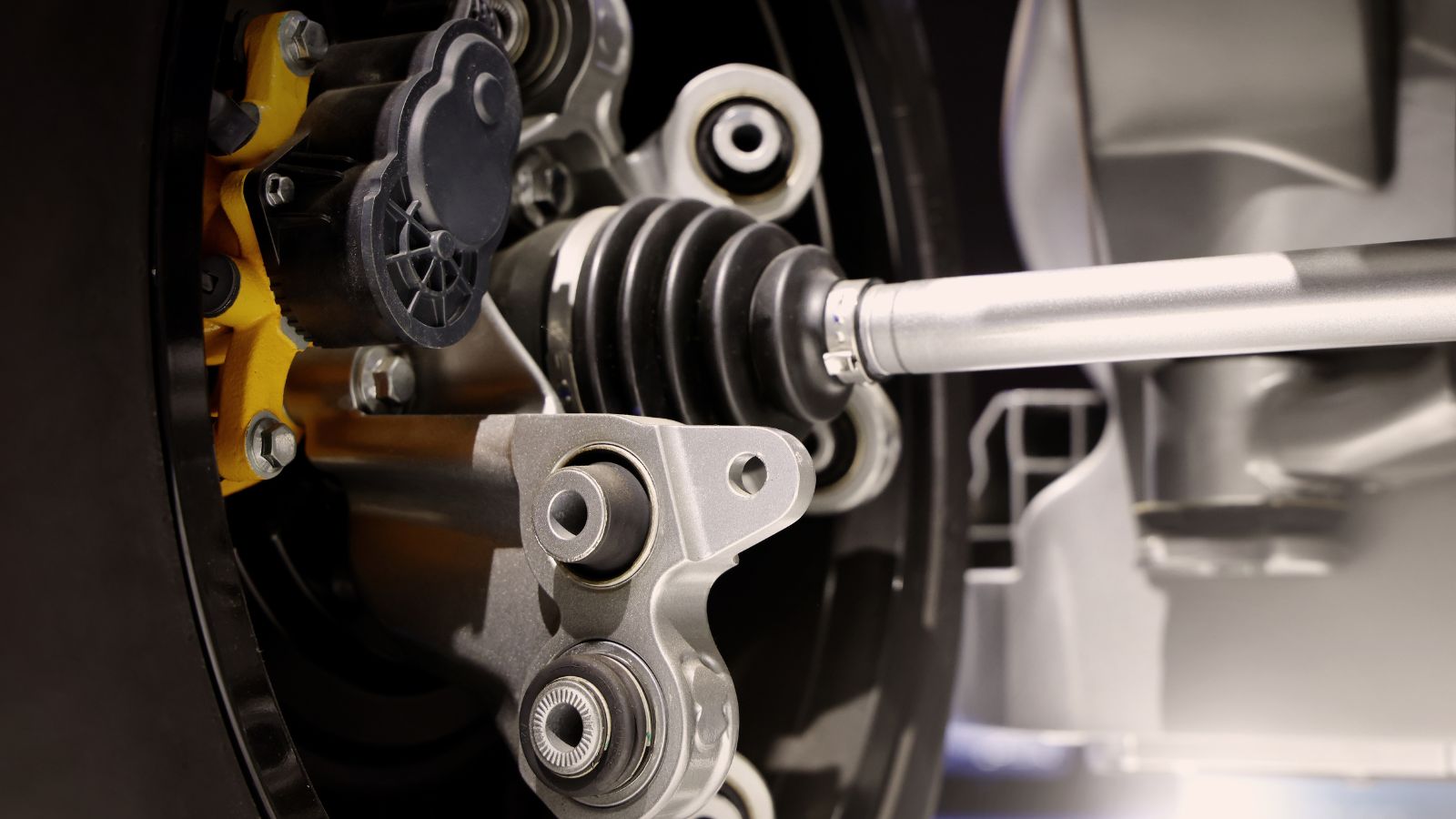
If the car pulls only when the throttle is pressed, the alignment may not be the main issue. Torque steer occurs when engine power affects the steering, most often in front-wheel-drive vehicles where the same tires are responsible for pulling the car forward and steering it. The steering wheel may tug during hard acceleration, then relax when the driver lifts off the gas.
Torque steer can be built into a vehicle’s layout, but worn parts can make it worse. Uneven tire pressure, weak engine mounts, worn control-arm bushings, damaged CV joints, or unequal traction from side to side can all exaggerate the effect. A simple clue is whether the pull disappears while coasting. If it does, the complaint belongs in the drivetrain and suspension diagnosis, not just the alignment bay.
Uneven Load or Ride Height Can Change the Geometry
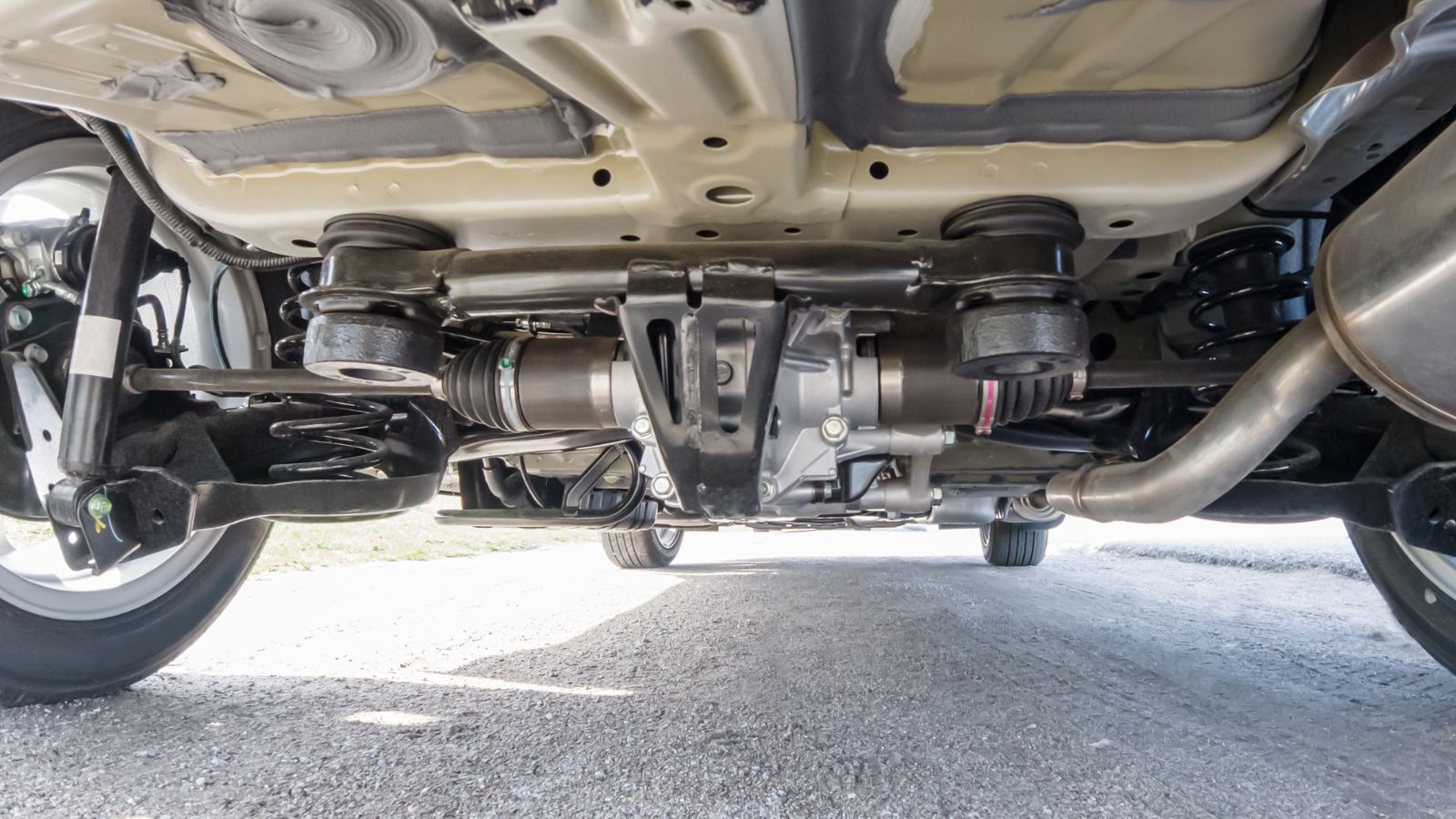
Alignment specifications assume the vehicle is sitting at the correct ride height. A sagging spring, tired strut, overloaded cargo area, or heavy equipment stored on one side can change how the suspension rests. Once the body sits unevenly, camber, caster, and toe can shift away from where they were on the rack.
This often shows up in work vehicles, family SUVs loaded for trips, or older cars with weak springs. The car may align well when empty but drift after tools, luggage, or towing equipment are added. A technician may need to check ride height, inspect springs and struts, and ask how the vehicle is normally loaded. Sometimes the fix is not another alignment, but restoring the suspension height that the alignment depends on.
22 Things Canadians Do to Their Cars in Spring That Mechanics Hate

Spring brings relief to many Canadian drivers after months of snow, freezing temperatures, and icy roads that put serious strain on vehicles. As temperatures rise across the country, drivers begin washing cars, switching tires, and preparing vehicles for warmer weather and upcoming road trips. However, mechanics across Canada notice the same mistakes every spring when drivers attempt to recover from winter damage. Road salt, potholes, and harsh winter driving conditions often leave vehicles with hidden problems that drivers ignore. Some spring habits even create new mechanical issues that could have been avoided with proper maintenance. Here are 22 things Canadians do to their cars in spring that mechanics hate.

Alanna Rosen is an experienced content writer that focuses on many EV and educational content. Her articles are regularly published on Get CyberTrucked and syndicated on large publications.