
Owning a car can feel simple until the parking spot sits several floors below a condo tower and every small decision passes through shared property, building rules, and limited space. In dense Canadian cities, condo living can add layers that detached-home drivers rarely think about: whether a parking stall is included at all, whether a vehicle fits, where winter tires go, how an EV gets charged, and what happens when the garage closes for repairs.
These 20 issues show why car ownership in a condo building can become less convenient, more regulated, and sometimes more expensive. The exact rules vary by corporation and province, but the recurring pattern is the same: a vehicle is being kept inside a community where parking areas, electrical systems, access points, and maintenance budgets are shared.
Parking May Not Be Guaranteed
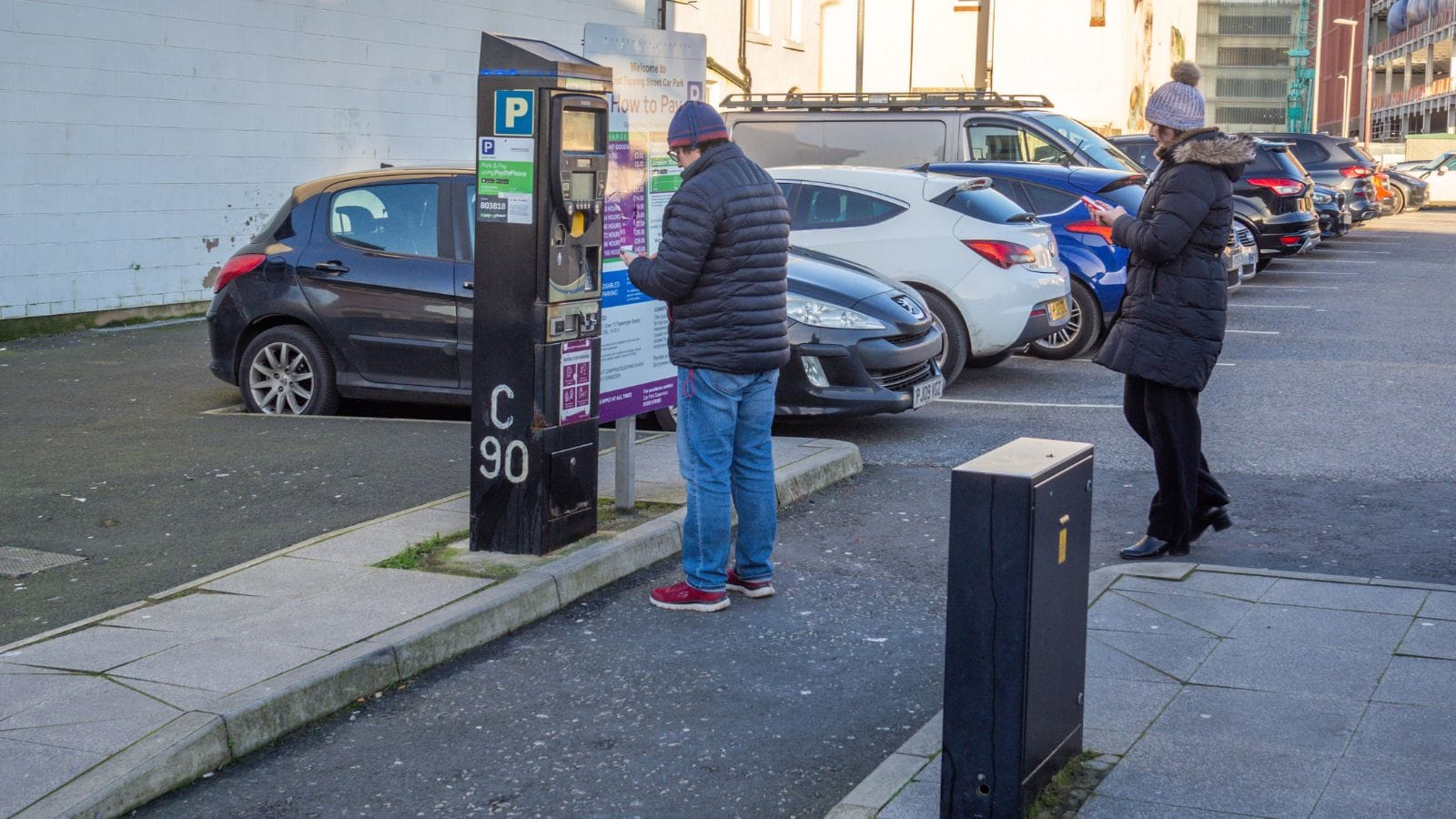
A condo address does not automatically mean a resident has a place to keep a car. In Toronto, most minimum parking requirements for new developments were removed in 2022, with exceptions including visitor and accessible parking. That does not mean new buildings have no parking; it means developers can provide less resident parking where demand, transit access, or project economics point that way. A buyer who assumes one unit equals one stall can therefore discover an expensive gap.
The practical problem appears after the purchase. A resident may need to buy or rent a separate stall, compete for a limited space, or rely on commercial parking nearby. Couples with two vehicles can face an even sharper mismatch. The car itself may be affordable, yet the right to store it at home becomes a second housing-related cost. In a condo, parking should be investigated as carefully as the unit’s square footage.
Tight Stalls Turn Parking Into a Daily Precision Exercise
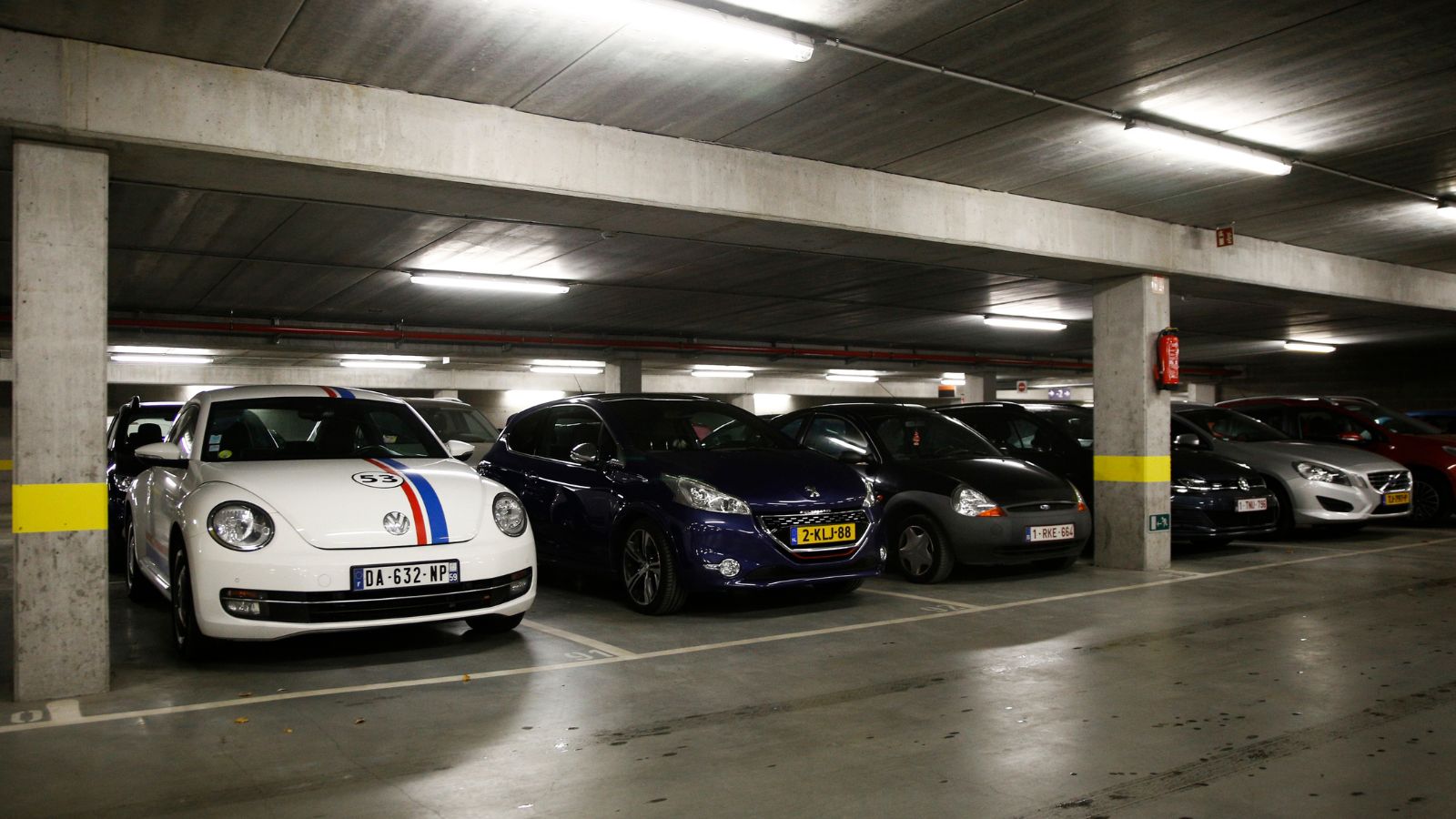
Underground garages have to fit structural columns, ramps, drive aisles, mechanical rooms, elevators, and as many stalls as the design allows. Toronto’s zoning rules illustrate the geometry: a standard parking space is generally at least 5.6 metres long and 2.6 metres wide, with extra width required when a side is obstructed. City planning guidance also specifically asks designers to identify support columns beside stalls and ramp slopes, because those details affect how a garage actually works.
On paper, a compliant space can still feel tight with a wide SUV, pickup, child seat, or mobility needs. A concrete column beside the driver’s door can make every grocery run awkward. Narrow turns also magnify the difference between a compact hatchback and a long-wheelbase vehicle. The issue is not that condo garages are inherently unusable; it is that design compromises become daily annoyances when the car must pass through them twice a day.
Low Clearance Can Punish Tall Vehicles and Roof Gear
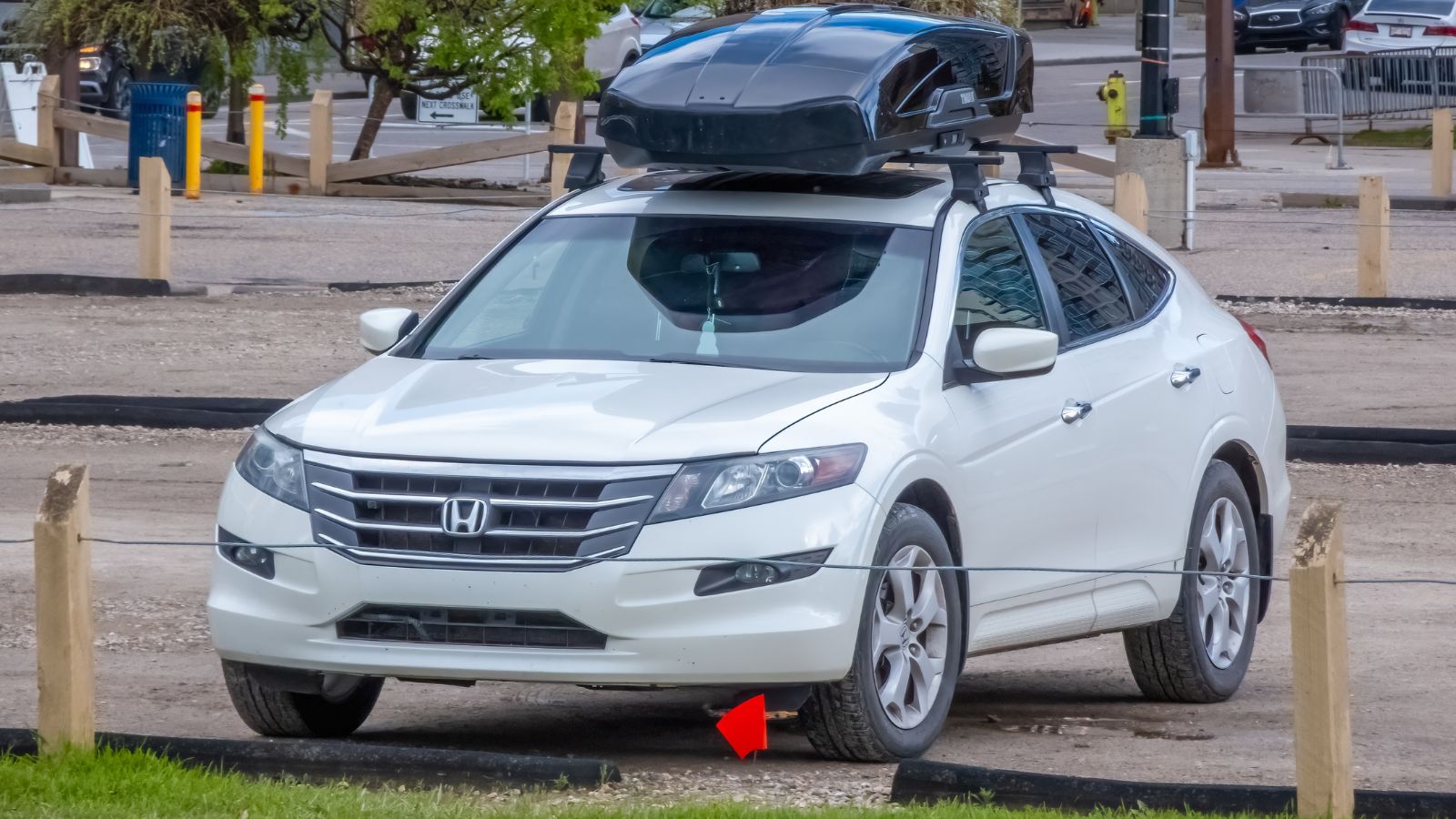
Height is easy to ignore at a dealership because most roads and outdoor parking lots offer generous overhead space. Underground garages do not. Toronto’s city-wide parking rules, for example, set a minimum vertical clearance of 2.0 metres for a standard parking space. Older buildings can have different layouts, and ramps, pipes, signs, sprinkler equipment, or transition points may make the usable path feel even more constrained.
That matters for tall SUVs, pickup accessories, rooftop cargo boxes, kayak carriers, and bicycles mounted above the roof. A vehicle can fit comfortably in the stall itself yet become awkward once seasonal gear is installed. Owners may end up removing a roof box before entering the garage or storing bikes somewhere else. The inconvenience is especially noticeable for families who bought a larger vehicle specifically for outdoor equipment. Condo ownership can turn useful accessories into items that require their own storage plan and routine.
Vehicle Size or Weight Rules Can Narrow the Shopping List

Condo corporations can regulate more than where a vehicle is parked. Ontario’s Condominium Authority lists weight or size limits among common vehicle provisions that may appear in governing documents. Those rules can reflect stall dimensions, turning room, safety, or garage design. The result is that a vehicle considered perfectly normal on public roads may still conflict with a building’s internal rules.
This becomes important when replacing a car. A resident moving from a compact crossover to a full-size pickup, long SUV, or heavier specialty vehicle should not assume the existing stall automatically remains suitable. Even when the vehicle physically fits, the corporation’s declaration, bylaws, or rules may impose a separate restriction. For condo owners, vehicle shopping can therefore start with a document review rather than a dealership visit. The most frustrating version of the problem is discovering the restriction after a deposit has already been paid before signing purchase paperwork.
Commercial Vehicles Can Trigger Building Rules

A work van or branded pickup may be useful during the day and unwelcome in a condo garage at night. The Condominium Authority of Ontario cites commercial-vehicle restrictions in actual disputes. In one tribunal case, a tenant was challenged for parking a commercial vehicle on condominium property under a rule that prohibited such vehicles; the tribunal ultimately found parts of that rule did not properly align with the legal purpose of condo rules.
Commercial-vehicle restrictions are not hypothetical. Tradespeople, contractors, mobile service operators, and small-business owners can be affected even when a vehicle is also their personal transportation. A logo, ladder rack, vehicle class, or work equipment can become relevant depending on how the building’s documents are written. Someone who relies on one vehicle for both work and home life may have fewer alternatives than a resident with an ordinary passenger car, making condo parking rules a business consideration too.
Multi-Car Households Can Run Out of Legal Places to Park

Condo rules may limit the number of vehicles a resident can keep on the property. The Condominium Authority of Ontario specifically lists “the number of vehicles permitted” as a common type of vehicle provision. At the same time, cities such as Toronto no longer require most new developments to provide a minimum number of resident parking spaces. Together, that can make a second vehicle harder to accommodate.
A household can outgrow its parking arrangement without moving homes. A teenager starts driving, a partner changes jobs and loses access to transit, or a company car arrives. Suddenly one assigned stall is not enough. Street permits may be unavailable, visitor parking may be restricted, and nearby commercial garages can be costly or inconvenient. The difficulty is finding two lawful, dependable places to leave them nightly. Condo living makes parking capacity part of long-term household planning before another driver joins the household full-time.
Visitor Parking Is Not a Reliable Overflow Lot

Visitor spaces can look like an easy solution, but condo corporations often regulate who can use them and for how long. The Condominium Authority of Ontario identifies improper use of visitor parking as a common parking issue. It also points to a tribunal case in which a corporation’s visitor-parking policy restricted use based on frequency and was challenged because the policy had not been properly enacted as a condo rule.
Visitor parking should not be treated as guaranteed overflow storage. Registration systems, overnight limits, permits, security checks, and enforcement practices can make repeated use difficult. Even longer-stay guests may require planning. A second family vehicle parked there every evening is much more likely to draw attention. Condo residents may need a formal rental, off-site parking, or changed transportation habits. That can be especially awkward during holidays, family visits, or temporary vehicle repairs, when extra parking is needed most at home.
Installing an EV Charger Can Become a Building Project

Home charging is one of the biggest conveniences of an electric vehicle, but a condo owner cannot always install equipment simply because the parking stall is assigned to them. Ontario created a formal process for condominium EV-charger installations, and the Condominium Authority provides applications, board-response templates, and guidance for owner- and corporation-initiated projects. In some situations, the work involves common elements, making approval and agreements part of the process.
That changes the buying experience. A detached-home owner may call an electrician and schedule an installation; a condo resident may first need drawings, contractor information, insurance details, board review, and agreement on who maintains the equipment. Disputes over EV charging can also fall into mediation or arbitration rather than a simple informal decision. An EV may still be a good fit for condo life, but “Can I charge at home?” needs a documented answer before the vehicle arrives, not after. Legally.
Older Electrical Systems Can Make EV Retrofits Complicated

The charger itself is only part of the problem. Natural Resources Canada notes that many Canadians in multifamily housing will be unable to install home charging unless existing buildings are retrofitted. Its infrastructure modelling describes a high-home-charging scenario that would require retrofits to roughly 1.6 million multifamily parking spaces by 2030. That scale shows the issue is larger than running a cable from a wall.
A mature condo tower may need electrical-capacity studies, new distribution equipment, conduit, load-management technology, or a building-wide plan so early adopters do not consume all available capacity. Those upgrades can require engineering, procurement, board decisions, and shared spending. The owner who wants one charger may therefore become dependent on a project affecting dozens or hundreds of stalls. For drivers accustomed to thinking of fuel as an individual expense, condo EV charging introduces a new reality: personal mobility can depend on the building’s collective electrical infrastructure.
Shared Charging Creates Metering and Billing Questions
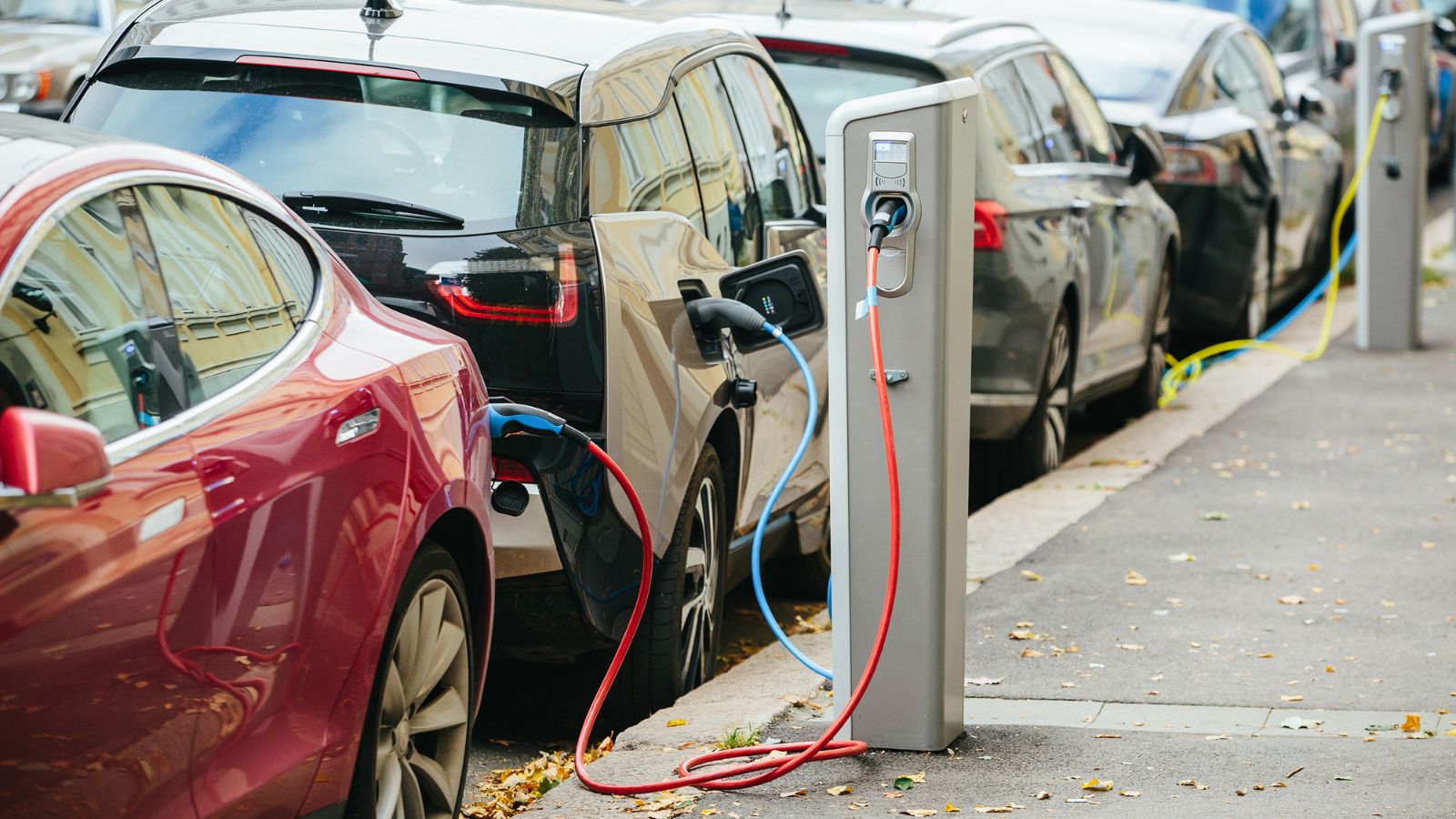
Even with enough electrical capacity, someone must decide how charging electricity is measured and paid for. Natural Resources Canada identifies ownership, management, metering, and customer billing as barriers for zero-emission vehicle charging in multi-unit residential buildings. In Ontario, electricity pricing can also vary by time of use, making the timing of charging relevant to cost where those rate structures apply.
A building may choose individually metered chargers, networked stations, flat fees, reimbursement arrangements, or other systems. Each option affects administration and perceptions of fairness. Residents who rarely drive may not want to subsidize heavy users, while EV owners reasonably expect reliable access to the energy they pay for. Shared chargers add another wrinkle because a driver may need to move a vehicle when charging is complete. What feels automatic in a private garage becomes a small utility-management system in a condo, complete with rules, records, hardware, and sometimes scheduling fairly.
DIY Repairs May Be Off-Limits

A driveway makes small maintenance jobs easy: changing bulbs, wipers, or inspecting a leak. Condo garages are shared spaces, and the rules can be much stricter. The Condominium Authority of Ontario lists prohibitions against repairing vehicles on condominium property among common vehicle provisions. The same documents can regulate where vehicles are used or stored.
That can make even inexpensive ownership more dependent on outside services. A resident who has the tools and knowledge to perform routine work may still need to visit a shop, rent a workspace, or complete the task elsewhere. The restriction removes flexibility when something minor fails. A loose splash shield that would take 20 minutes to secure in a home garage may become a service appointment. Condo living does not necessarily increase mechanical problems, but it can reduce the number of practical places where an owner is allowed to solve them without breaching local building rules.
Idling Rules Can Change Cold-Weather Habits

Starting a vehicle and letting it run while scraping windows is a familiar winter routine, but it may conflict with condo rules. The Condominium Authority of Ontario lists vehicle idling as a common issue and notes that governing documents may prohibit it. In an enclosed or semi-enclosed garage, the concern is more than etiquette because combustion engines produce exhaust that building ventilation systems must manage.
That changes the morning routine. A resident may need to start the car only when ready to leave, clear snow before ignition, or use a remote starter only where permitted. Drivers who grew up warming a car for long periods can find the adjustment surprisingly inconvenient. Modern vehicles generally do not require extended stationary warm-ups for normal operation, but the condo-specific issue is simpler: shared garages are not private driveways. What one resident considers a harmless habit can become a building-wide air-quality and nuisance concern.
A Parking Stall May Not Be a Storage Locker

An empty corner beside a parked car can look like ideal space for tires, tools, bicycles, windshield-fluid jugs, or camping equipment. Condo rules may say otherwise. The Condominium Authority of Ontario identifies storing personal belongings in common areas, using parking spaces for other purposes, and storing dangerous, explosive, or flammable materials as common parking and storage issues. Those categories support keeping garages clear and predictable.
For car owners, that removes one of the conveniences of a private garage: keeping everything automotive beside the vehicle. Even harmless-looking items can create disputes if they extend beyond the stall or conflict with building rules. Fuel containers and other flammable materials are especially sensitive. A resident may end up carrying supplies to a locker, unit, or off-site storage facility rather than leaving them beside the car. The vehicle has a home, but the things needed to maintain and use it may not as well.
Winter Tires Need Somewhere to Live for Half the Year

Canadian drivers often rotate between seasonal tire sets, which creates a storage problem that condo owners cannot ignore. Insurance Bureau of Canada recommends winter tires when temperatures are consistently below 7°C. Four mounted tires take substantial space, and condo rules may prohibit stacking them beside a vehicle where storage is restricted.
The alternatives all involve trade-offs. Tires can occupy a storage locker that might otherwise hold bicycles and household items, be kept inside the unit if space allows, or be stored by a tire shop for a fee. The inconvenience repeats with each seasonal change. A detached garage can absorb this bulky equipment almost invisibly; a small condo cannot. For residents in colder regions, tire storage belongs in the ownership budget alongside mounting, balancing, and replacement—not because the tires are unusual, but because the building offers fewer legal places to keep them. That recurring inconvenience can become expensive over time.
Parking Mistakes Can End With Towing and Chargebacks

In a condo, parking in the wrong place can become more than a warning note. The Condominium Authority of Ontario gives an example in which a corporation has a vehicle towed and then seeks to charge the owner for towing and related legal costs. The authority notes that parking-enforcement chargebacks can become disputes before the Condominium Authority Tribunal when an owner believes the charges are unreasonable or unwarranted.
That raises the stakes of everyday mistakes. A resident may misunderstand a maintenance notice, leave a car in a temporary no-parking zone, forget to register a guest, or use a stall that appears vacant. Because the property is privately governed, enforcement can operate differently from municipal street parking. The safest approach is to treat signs, emails, garage notices, and permit systems as seriously as public parking regulations. Missing one building notice can turn a routine overnight park into an expensive recovery trip.
Garage Maintenance Can Temporarily Displace the Car
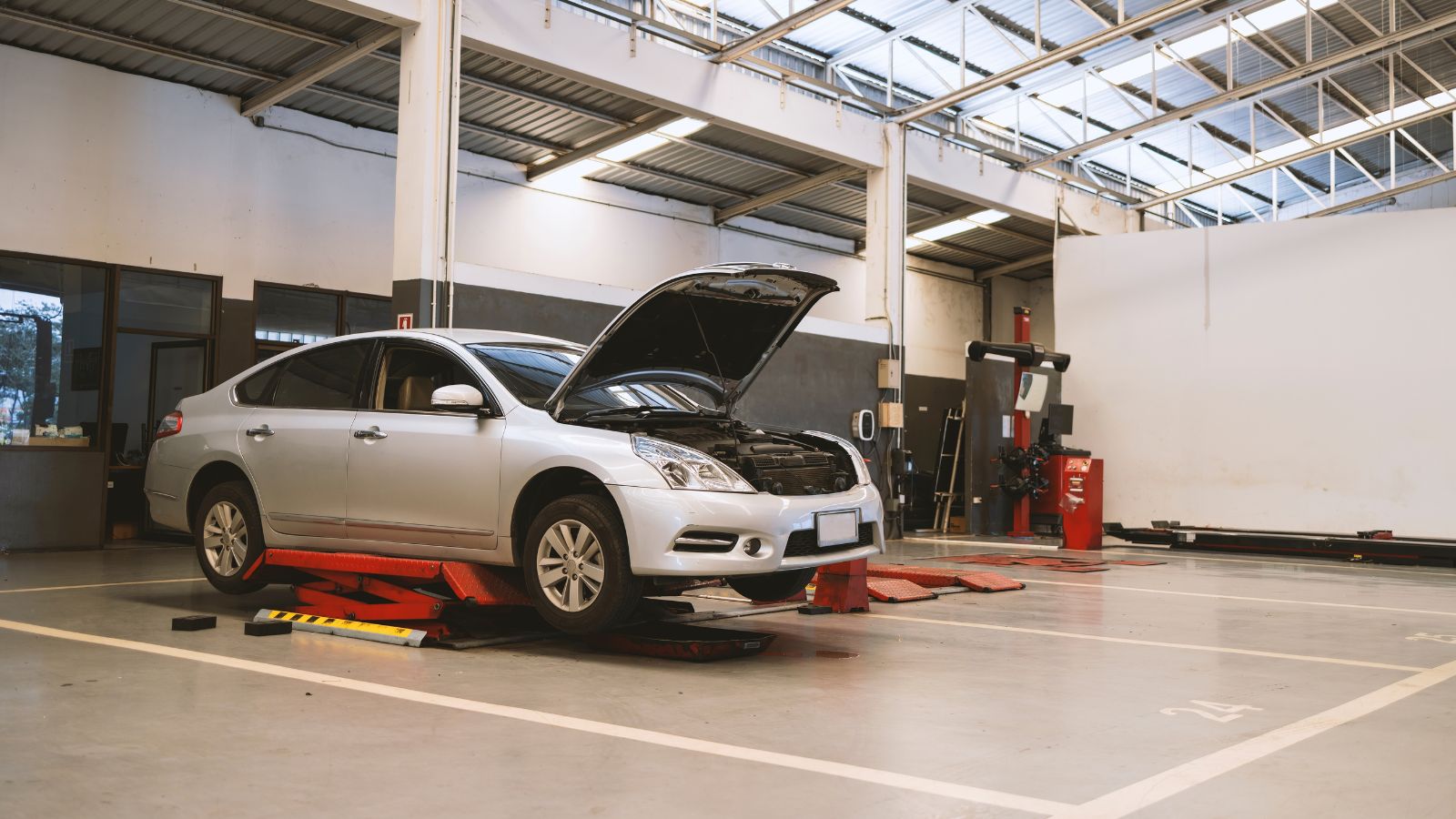
Shared infrastructure eventually needs work, and parking areas are no exception. The Condominium Authority of Ontario uses a simple real-life scenario to illustrate the issue: a condo owner receives a notice telling residents to move vehicles for maintenance and wants to know whether the notice applies. That example captures a recurring condo reality—access to a stall can be interrupted even when the resident has done nothing wrong.
Cleaning, line painting, membrane repairs, drain work, door replacement, electrical projects, or structural inspections may require sections of a garage to be cleared. The inconvenience can last hours or extend across multiple phases of a larger project. Residents then need temporary parking and may have to rearrange commutes, travel, or vehicle storage. A private driveway rarely disappears because a neighbour’s section needs work; a condo garage operates as one shared asset. Car ownership therefore includes occasional dependence on the building’s maintenance calendar. Temporarily.
Garage Repairs Can Show Up in Condo Fees or Special Assessments

Owners may not hire the garage contractor directly, but they ultimately fund the corporation. The Condominium Authority of Ontario explains that reserve funds are used for major repairs and replacement of common elements and assets, while special assessments can be levied when there is an unexpected shortfall. Parking areas are among the common elements a corporation may be responsible for maintaining and repairing.
That makes the cost of keeping a car at home partly indirect. A deteriorating garage membrane, aging door system, ventilation equipment, or major concrete repair can influence reserve-fund spending even for residents who barely drive. Expenses are shared through the condo’s financial structure, not kilometres driven. Buyers focused only on auto payments, fuel, and insurance can miss this connection. In a condo, the “garage bill” may arrive through monthly common expenses or a special assessment rather than a mechanic’s invoice, especially in aging buildings with large garages.
Underground Parking Does Not Eliminate Theft Risk

A locked garage door creates a sense of security, but a vehicle is still valuable. Statistics Canada reported 83,652 police-reported motor vehicle thefts in 2025, a rate of 201 incidents per 100,000 population, even after a 16% year-over-year decline. Those national figures do not show that condo garages are uniquely dangerous, but they are a reminder that indoor parking should not be treated as theft-proof.
Condo owners also need to understand what insurance responds if something happens. Insurance Bureau of Canada explains that comprehensive auto coverage can respond to events such as vandalism and certain theft losses, while items stolen from a vehicle may fall under home, condo, or tenant insurance depending on the policy. The practical burden is layered: residents may depend on gates and cameras they do not control while still needing their own anti-theft habits and correct insurance. “Underground” is a parking location, not a guarantee either.
Flooding Can Turn the Lowest Parking Level Into the Worst Place to Be

Below-grade parking solves weather exposure on ordinary days, but severe rain can reverse that advantage. Environment and Climate Change Canada has documented major storms in which rising water filled underground parking areas and basements in Montréal. Flooding is Canada’s most common and costly natural hazard, and intense water events can overwhelm drainage systems faster than residents expect.
Vehicle coverage also matters. Insurance Bureau of Canada says damage to vehicles from wind or water may be covered when the appropriate optional comprehensive and/or collision coverage has been purchased. That means a driver should not assume the condo corporation’s building insurance will automatically replace a flooded car. In a storm, residents may also have little time to move vehicles from lower levels, particularly if elevators, garage doors, or streets are affected. The garage feels protected from snow and hail, yet its elevation can create a different kind of weather risk. Very quickly.
Condo Vehicle Rules Can Change After Move-In
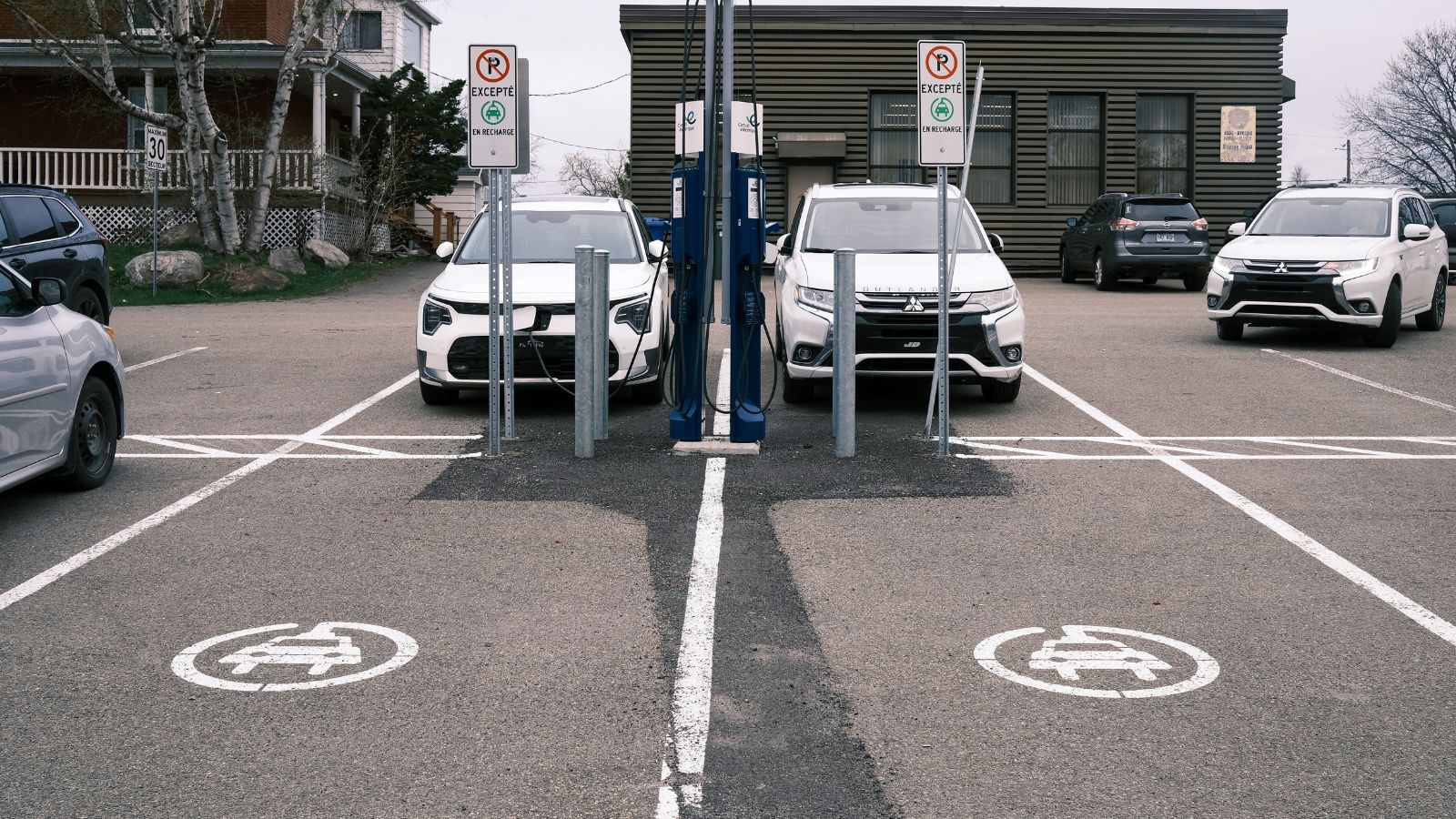
Condo car ownership comes with a rulebook that is not frozen on possession day. In Ontario, condo boards can pass, amend, or repeal rules, provided legal requirements are met. The Condominium Authority says boards must notify owners of proposed rule changes, and a rule generally becomes effective after the notice period unless owners requisition a meeting and successfully oppose it under the statutory process.
For a car owner, that means policies around parking, storage, idling, vehicle types, permits, or use of common areas can evolve. A routine that worked for years may later require adjustment. Owners have information and meeting rights, but individual control remains limited. The practical defence is attention: read notices, review governing documents before buying a different vehicle, and participate when rules affect parking. Condo ownership works best when the car is treated as part of shared-property governance, not just private property over the years of ownership.
19 Used Cars Canadians Should Avoid in 2026 (Based on Owner Complaints)

Buying a used car in Canada can feel safe until repair bills start stacking up. Owner complaints tell a different story than glossy listings. Transmission failures, electrical problems, and weak winter reliability show up again and again in consumer reports. Many of these issues appear after warranties expire, when owners least expect them. Some vehicles look affordable upfront, but become expensive to keep on the road. Others struggle in cold weather, urban driving, or long highway commutes. Here are 19 used cars Canadians should avoid in 2026 (based on owner complaints).
19 Used Cars Canadians Should Avoid in 2026 (Based on Owner Complaints)

Alanna Rosen is an experienced content writer that focuses on many EV and educational content. Her articles are regularly published on Get CyberTrucked and syndicated on large publications.