October has a way of making a perfectly ordinary car feel older almost overnight. In colder climates, falling temperatures, wetter roads, earlier darkness, frost, and the return of daily heater use place new demands on systems that may have coasted through summer without complaint. The season usually does not create problems from nothing; it exposes batteries, tires, fluids, visibility equipment, and other components that were already close to their limits.
These 12 October trouble spots explain why small weaknesses suddenly become obvious, what is happening mechanically, and which warning signs deserve attention before late fall turns a manageable maintenance job into a cold-weather breakdown.
Cold Mornings Expose Weak Batteries
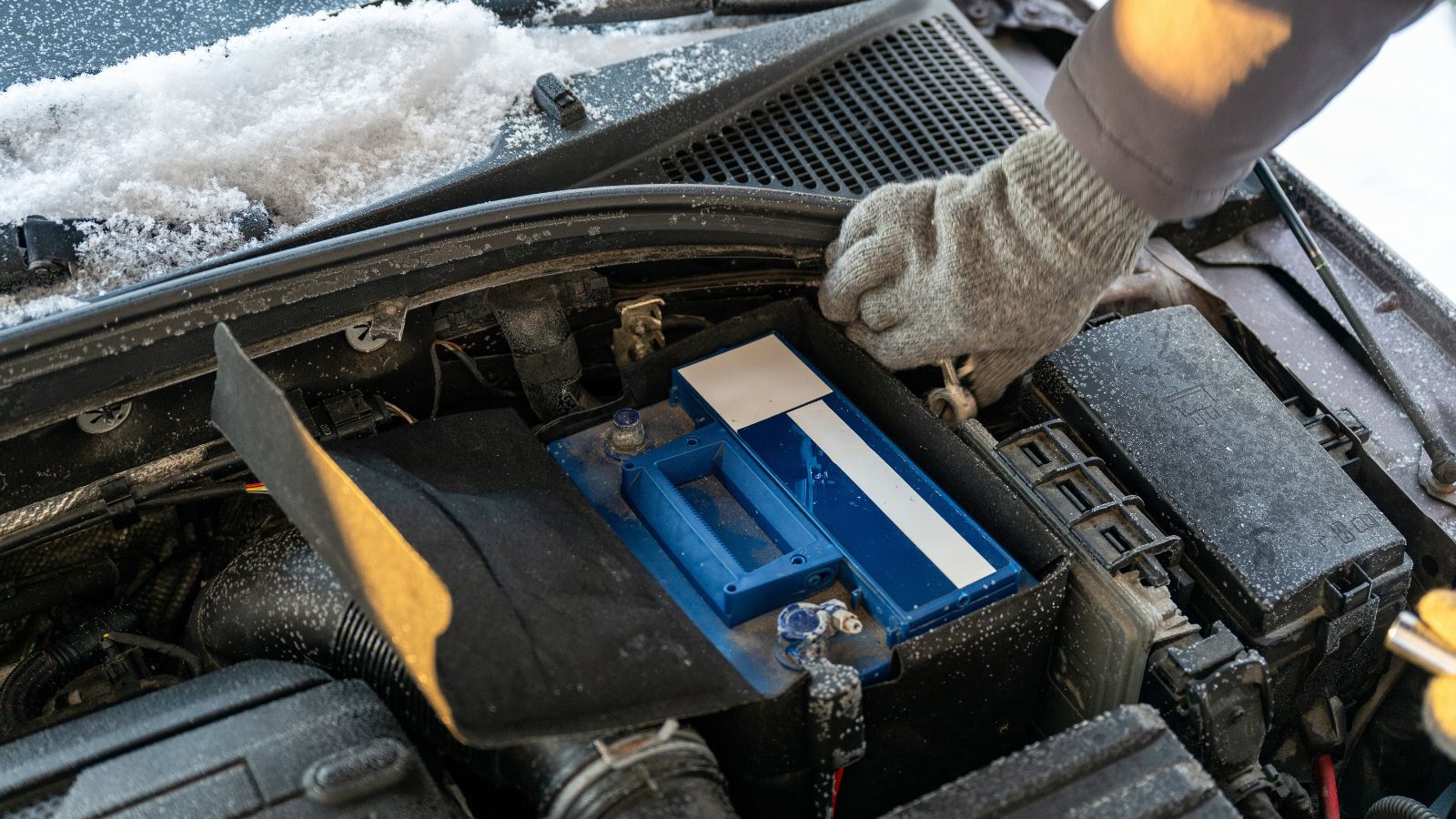
A battery that seemed healthy can suddenly sound tired on an October morning. Lower temperatures slow the chemical reactions that produce electrical energy, while a cold engine needs more effort to crank. AAA says a typical battery can lose about 35% of its strength at 32°F (0°C), and starting demand rises as temperatures fall. That makes autumn’s first cold mornings a stress test for batteries already weakened by age, heat, corrosion, or short trips.
The warning is often subtle before it becomes inconvenient. The starter may turn more slowly, interior lights may dim during cranking, or the engine may need a second attempt before firing. Those symptoms matter more in October because colder mornings can expose a battery that still had enough reserve in warmer weather. A battery test, clean terminals, and secure cable connections can reveal trouble before the first hard freeze turns a marginal start into a no-start.
Tire Pressure Drops With the Temperature
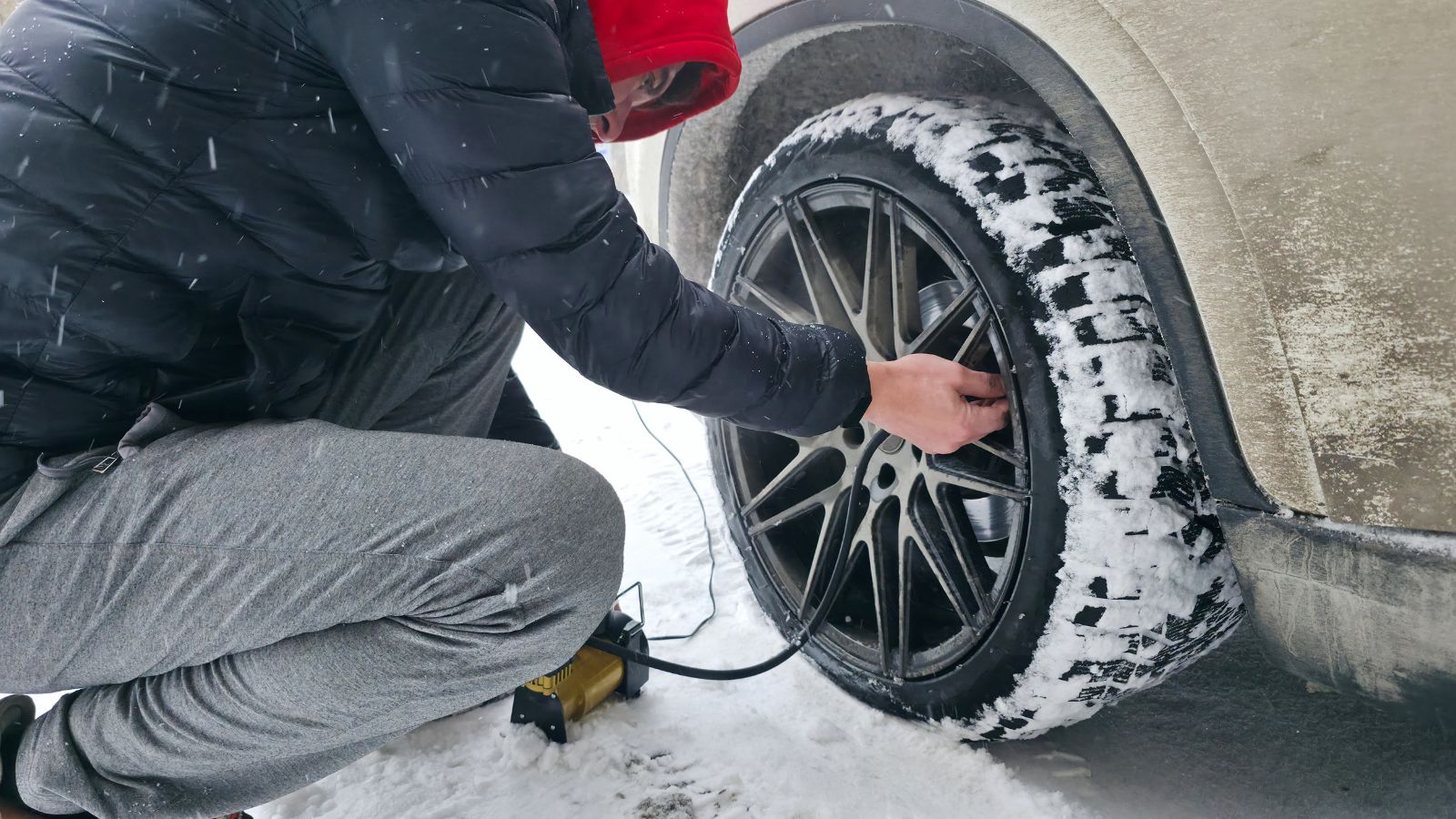
October temperature swings can make tire problems appear overnight. Transport Canada says tire pressure drops by about 7 kPa, or 1 psi, for every 5°C decline in air temperature. A vehicle correctly inflated during a warm September afternoon can therefore be low after several cold mornings. Tires also lose pressure through normal permeability, so seasonal cooling can compound an existing slow loss.
There is another October threshold worth watching. Transport Canada says all-season and summer tires begin losing elasticity below 7°C, reducing traction, while winter tires remain more flexible in colder conditions. That does not mean every October day requires winter tires, but it explains why a car can suddenly feel less planted during cold rain, early frost, or a sharp overnight temperature drop. Checking pressure when the tires are cold, inspecting tread, and planning the seasonal tire change can prevent a small pressure issue from becoming a handling problem.
Worn Wipers Suddenly Become Obvious
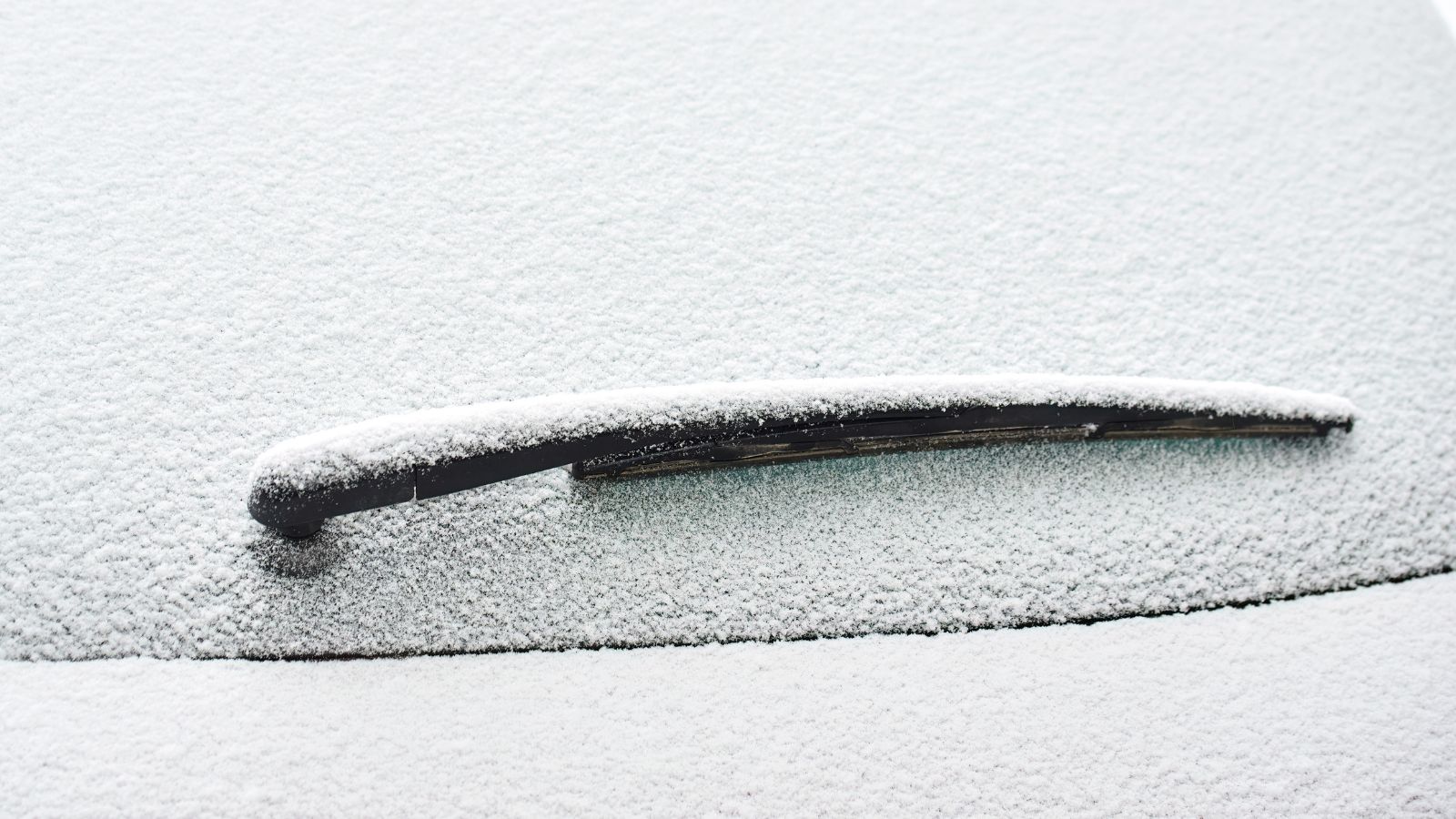
Wiper problems often hide until October brings darker commutes, heavier rain, road spray, and the season’s first frost. Transport Canada recommends replacing blades that streak and using winter-grade washer fluid capable of handling very low temperatures. A blade that looked acceptable during dry summer weather can suddenly leave broad smears across the windshield when it has to move cold water, grit, leaf residue, or melting frost.
Washer fluid can become a problem just as quickly. Warm-weather formulas or plain water may freeze when temperatures dip, leaving the driver without an effective way to clear the windshield. AAA also warns that frozen washer fluid can damage parts of the washer system. October is when worn rubber, weak spray patterns, clogged nozzles, or the wrong fluid can become obvious. A quick test before a rainy or frosty morning is easier than discovering a streaking blade or empty reservoir in traffic after dark.
Coolant Weaknesses Become More Important
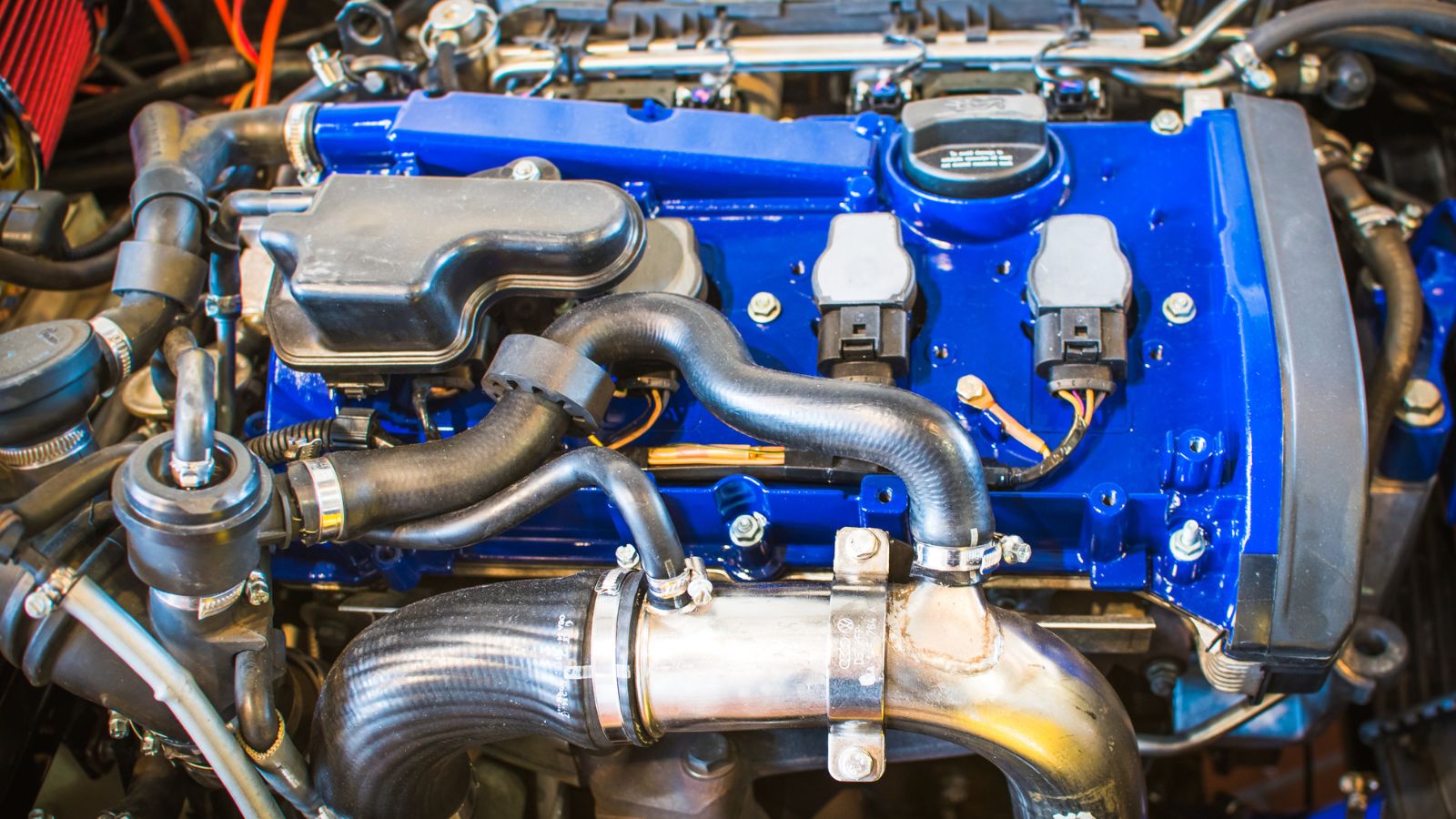
Cooling-system trouble is associated with summer overheating, but October can expose the opposite weakness. Engine coolant also serves as antifreeze, lowering the freezing point of liquid circulating through the engine. Transport Canada recommends checking coolant strength and level before winter, with the radiator cap, water pump, thermostat, hoses, and drive belts. A system that survived hot weather can be vulnerable if the coolant is old, diluted, low, or leaking.
The cold spell can make those weaknesses harder to ignore. A small leak may leave the reservoir below the normal mark, while a faulty thermostat can produce poor temperature control or weak cabin heat. AAA notes that coolant protects against freezing, overheating, rust, and corrosion, so using the correct specification matters year-round. October is useful diagnostically because temperatures can expose cold-weather shortcomings before midwinter. Unexplained coolant loss, a sweet smell, puddle, or unstable temperature gauge deserves attention before freezing weather arrives.
The Heater and Defroster Finally Get Tested
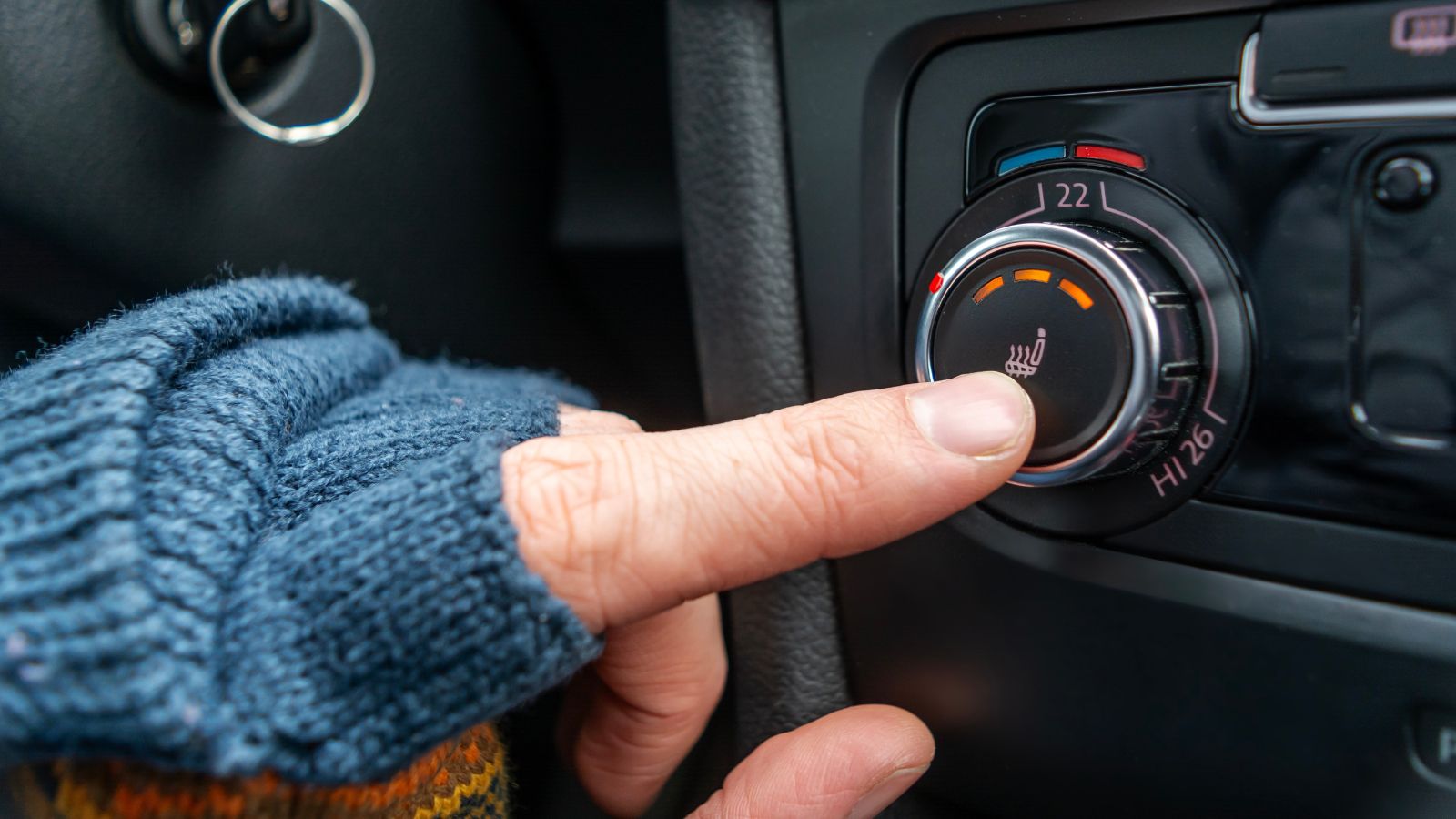
A weak heater or slow defroster may not matter because it is barely used. October changes that. Cooler mornings increase demand on heating, ventilation, and defrost systems, and Transport Canada recommends making sure the heater and defroster work properly before winter. If warm air takes too long to arrive, airflow is weak, or the windshield takes unusually long to clear, the seasonal change may be revealing a thermostat, coolant, blower, or airflow problem.
Visibility is the larger concern. AAA notes that an effective defroster depends on a properly operating heater, while a clogged cabin air filter can reduce airflow and make fogged windows slower to clear. A problem that felt like a comfort issue in September can become a safety issue in October. Testing defrosters, checking cabin airflow, and replacing a dirty filter when required can separate a minor maintenance item from a visibility problem on the first cold commute.
Brake Problems Have Less Room to Hide

October does not wear out brake pads, but it can make neglected brakes harder to ignore. Wet pavement, leaf-covered streets, colder mornings, and the approach of frost reduce the margin for a braking system that has uneven wear or another defect. Transport Canada recommends a thorough brake check before winter and lists pulling, changes in pedal feel, squealing, and grinding as signs that repair may be needed.
The road surface also becomes less forgiving. Transport Canada notes that stopping takes longer on slippery winter roads, while AAA cautions that wet leaves can reduce traction and contribute to skidding or hydroplaning. In practice, mild vibration or slight pull that seemed tolerable in dry summer conditions can feel more serious when the road is wet and dark. October is a sensible point to address brake noises, pulsation, soft pedal feel, or uneven stopping before snow and ice demand the system’s full performance.
Belts and Hoses Reveal Summer Wear
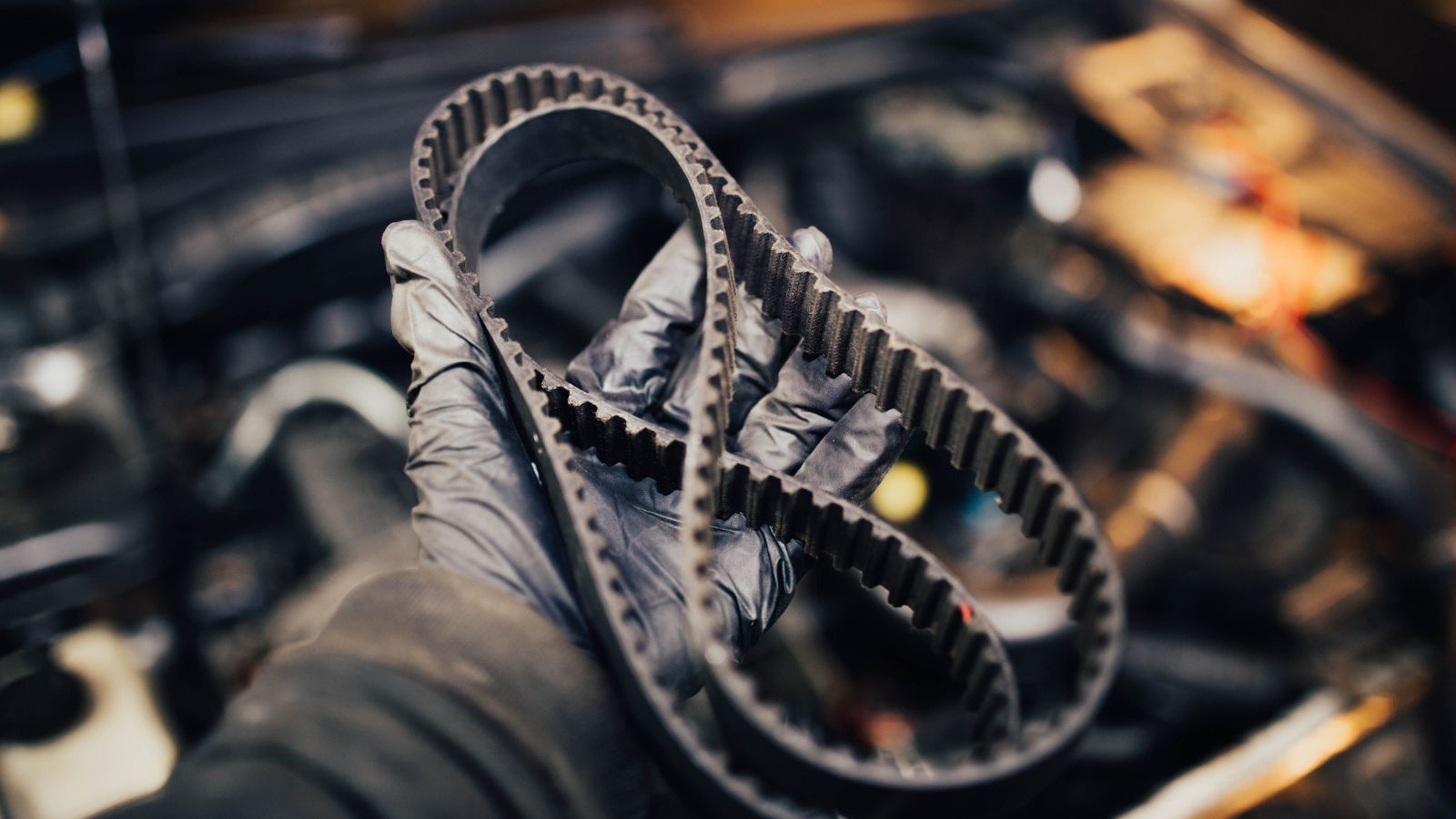
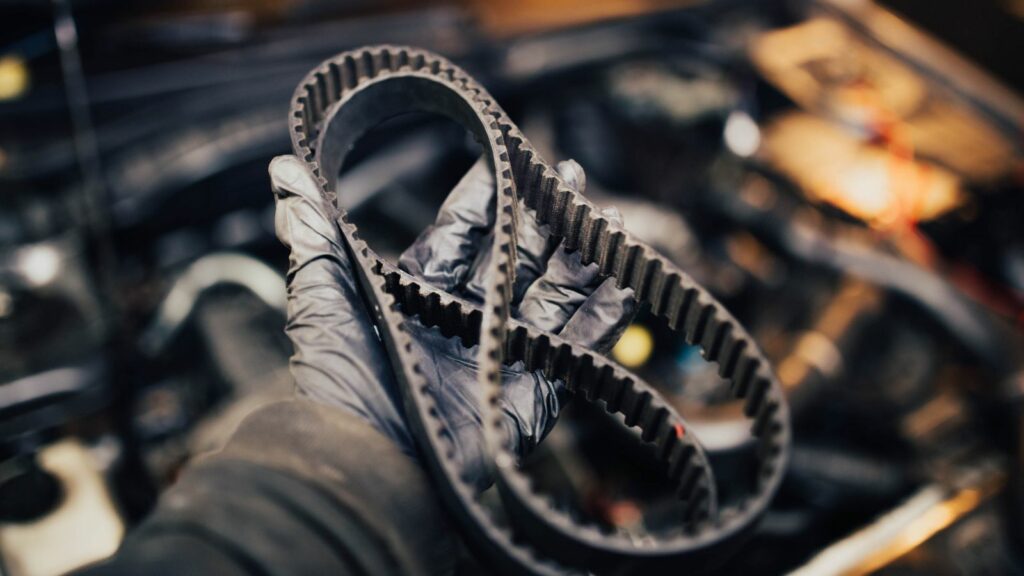
Rubber components spend summer living through engine heat, vibration, and heat cycles, so autumn is a good time to look for damage accumulated quietly. Transport Canada recommends checking radiator hoses and drive belts for cracks and leaks before winter. AAA advises inspecting belts for glazing, fraying, or cracking and hoses for leaks, loose clamps, brittle areas, or softness.
These defects matter because a belt or hose can disable more than one system at once. A failed serpentine belt may stop important engine accessories on vehicles where several components share the same drive, while a leaking coolant hose can lead to overheating or loss of cabin heat. October’s colder starts and electrical and heating demand do not create every defect, but they can reduce tolerance for one. A chirp, coolant smell, seepage, frayed edge, or cracked hose is easier to address in a shop than on a cold roadside.
Cold Starts Make Oil Condition Matter More
Cold mornings change how engine oil behaves. Viscosity rises as temperature falls, so oil that flows easily on a warm afternoon moves more slowly after a cold start. AAA’s engine-oil research explains that multigrade oils are formulated to support low-temperature starting while providing sufficient viscosity when the engine is hot. The “W” rating is tied to low-temperature performance, which is why the manufacturer’s specified grade matters as temperatures fall.
October can make delayed maintenance much more noticeable. An engine may crank more slowly, sound harsher briefly, or feel less willing on a cold start, if the oil is old or the wrong viscosity was used. That does not mean switching blindly to a thinner oil; the correct choice is the grade and specification listed by the automaker. Checking the oil level and service interval before regular cold starts begin removes one variable when the battery and starter are already working harder.
The TPMS Light Starts Appearing at Breakfast
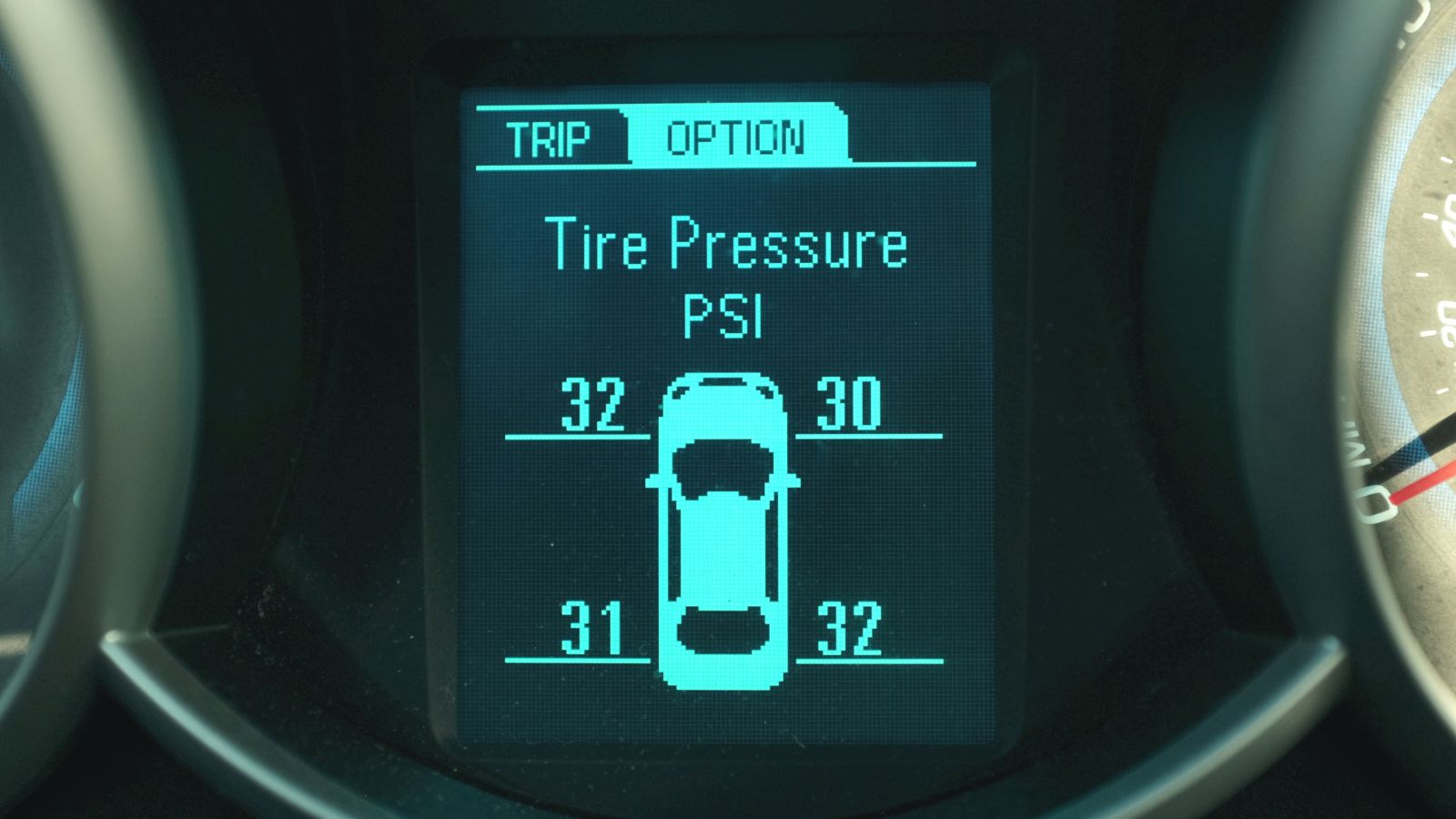
One of the most predictable October surprises is the tire-pressure warning light glowing at startup. Transport Canada notes that large outside-temperature changes can trigger a low-pressure warning. Because tire pressure falls as temperatures fall, a tire that sat just above the system’s threshold during warmer weather may cross it after a cold night, even when there is no sudden puncture.
The warning should be treated as information, not dismissed as a seasonal nuisance. Transport Canada says some systems alert only when a tire is significantly underinflated and recommends checking pressure with a gauge even on vehicles equipped with monitoring systems. It also notes that a winter wheel change can create warning or malfunction messages if the correct sensors are not installed or the system is not reset. October therefore becomes the month when drivers first notice low pressure, a slow leak, or a sensor issue that warmer temperatures had masked.
Earlier Darkness Exposes Lighting Problems
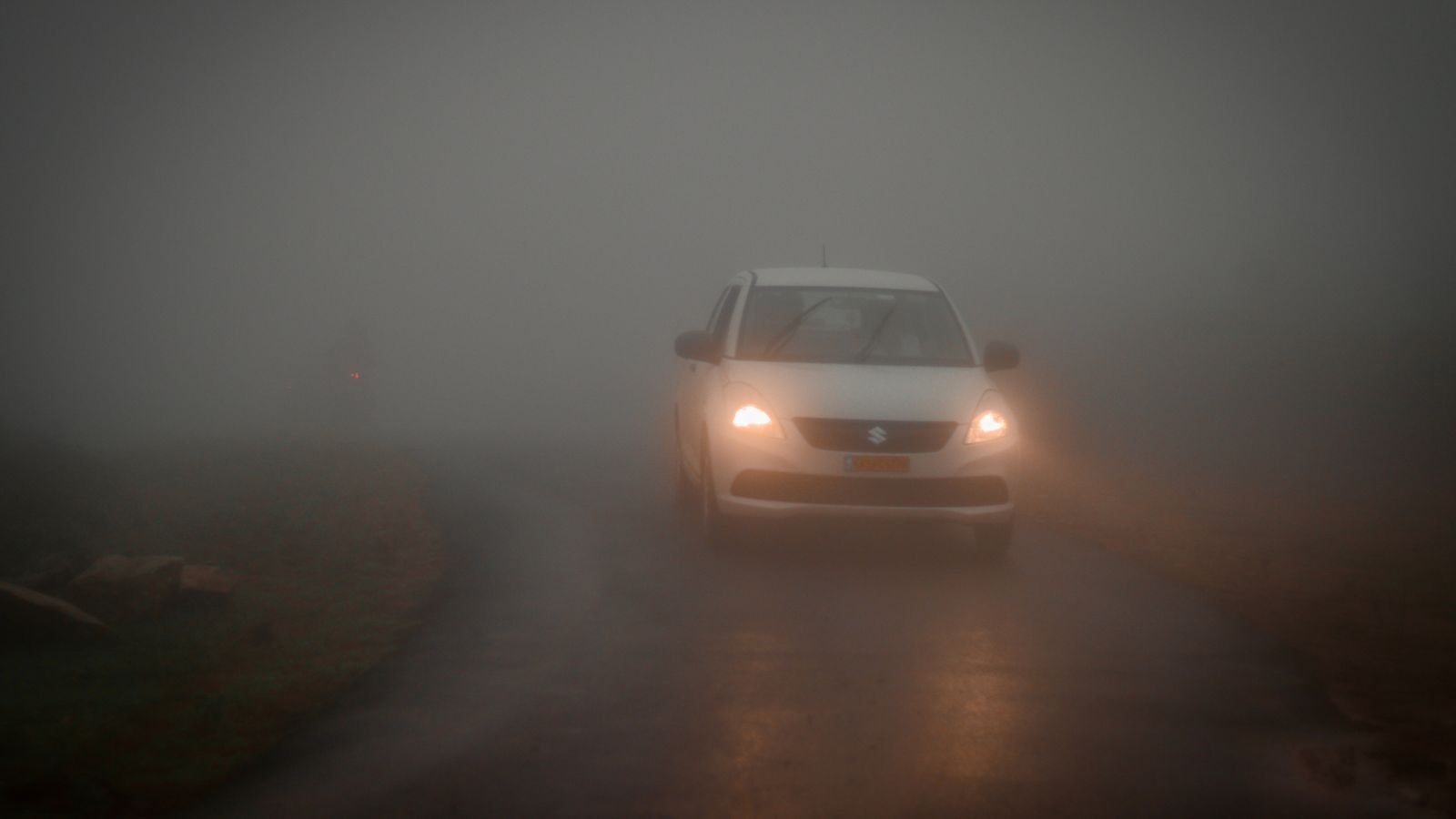
October puts vehicle lighting under more scrutiny because darkness arrives earlier and poor-weather driving becomes more common. Transport Canada advises checking that all lights work and that headlights are properly aimed before winter. It also warns that daytime running lights do not provide enough illumination for driving in the dark and may not activate rear lights, depending on the vehicle.
A weak bulb, cloudy lens, dirty housing, or misaligned beam can go unnoticed through summer evenings and then become obvious during an October commute. AAA notes that autumn brings shorter days, fog, and glare, all of which make clean, functioning headlights more important. This is the time to check brake lights, turn signals, tail lamps, reverse lights, and hazard flashers, since some failures are difficult to spot from the driver’s seat. What feels like a sudden lighting problem may be a long-standing fault finally exposed by longer hours of darkness.
Exhaust Leaks Become a Bigger Concern
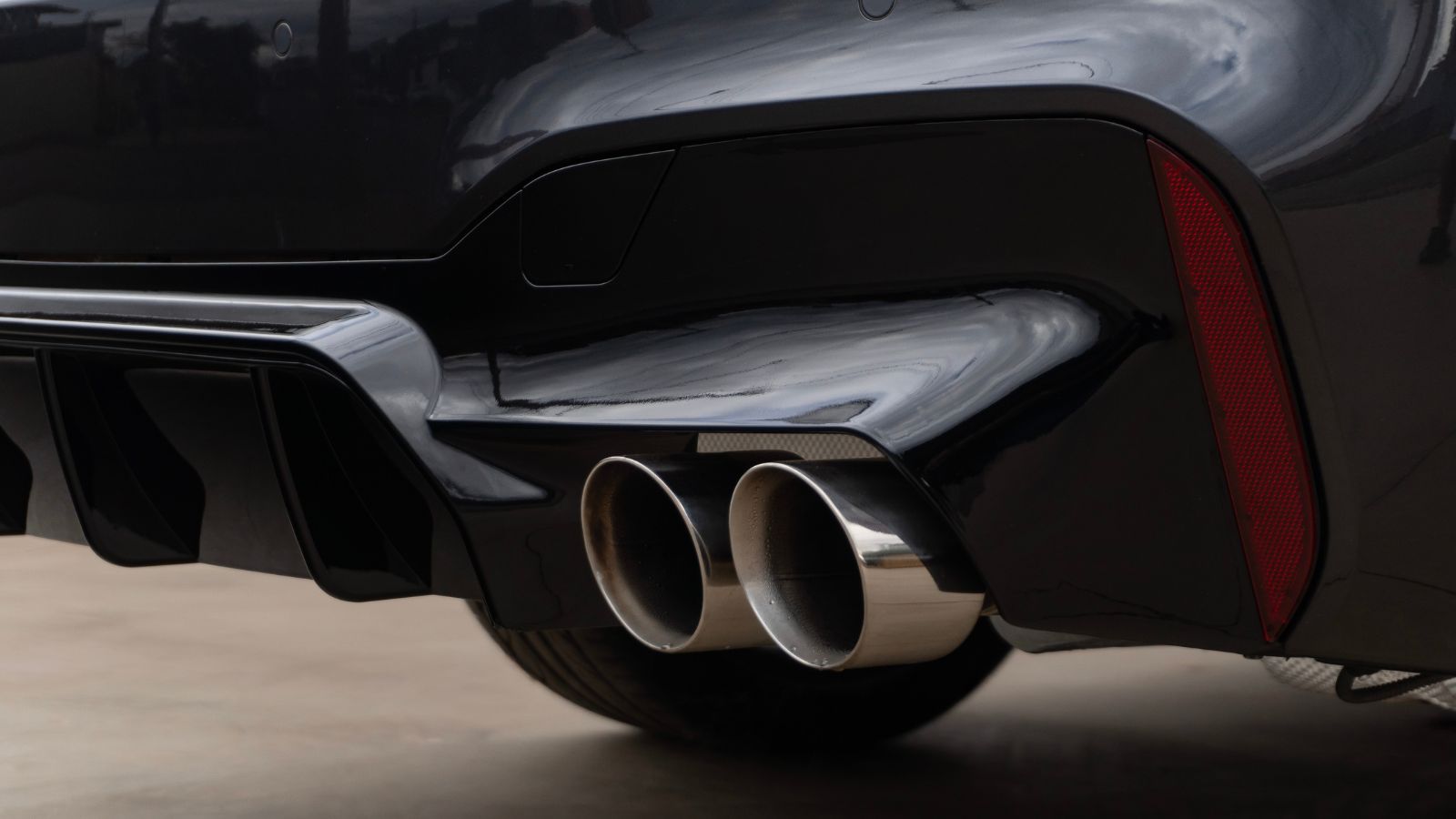
Exhaust problems deserve attention as colder weather arrives because windows stay closed often and drivers use cabin heat regularly. Transport Canada recommends checking the exhaust system for leaks that could allow carbon monoxide into the vehicle. Carbon monoxide is dangerous because it cannot be detected reliably by smell, making inspection preferable to waiting for an obvious warning.
October can be when drivers first notice an exhaust rattle, louder engine note, or unusual smell after months of open-window summer driving. Those symptoms can have many causes, but any suspected exhaust leak should be investigated rather than ignored. Transport Canada also warns winter drivers to keep the tailpipe clear of snow if a vehicle becomes stuck, because a blocked outlet can allow carbon monoxide into the cabin. The lesson starts before snow arrives: colder weather increases time spent in a sealed cabin, so an exhaust defect can carry a larger safety consequence.
Fallen Leaves Create Problems of Their Own
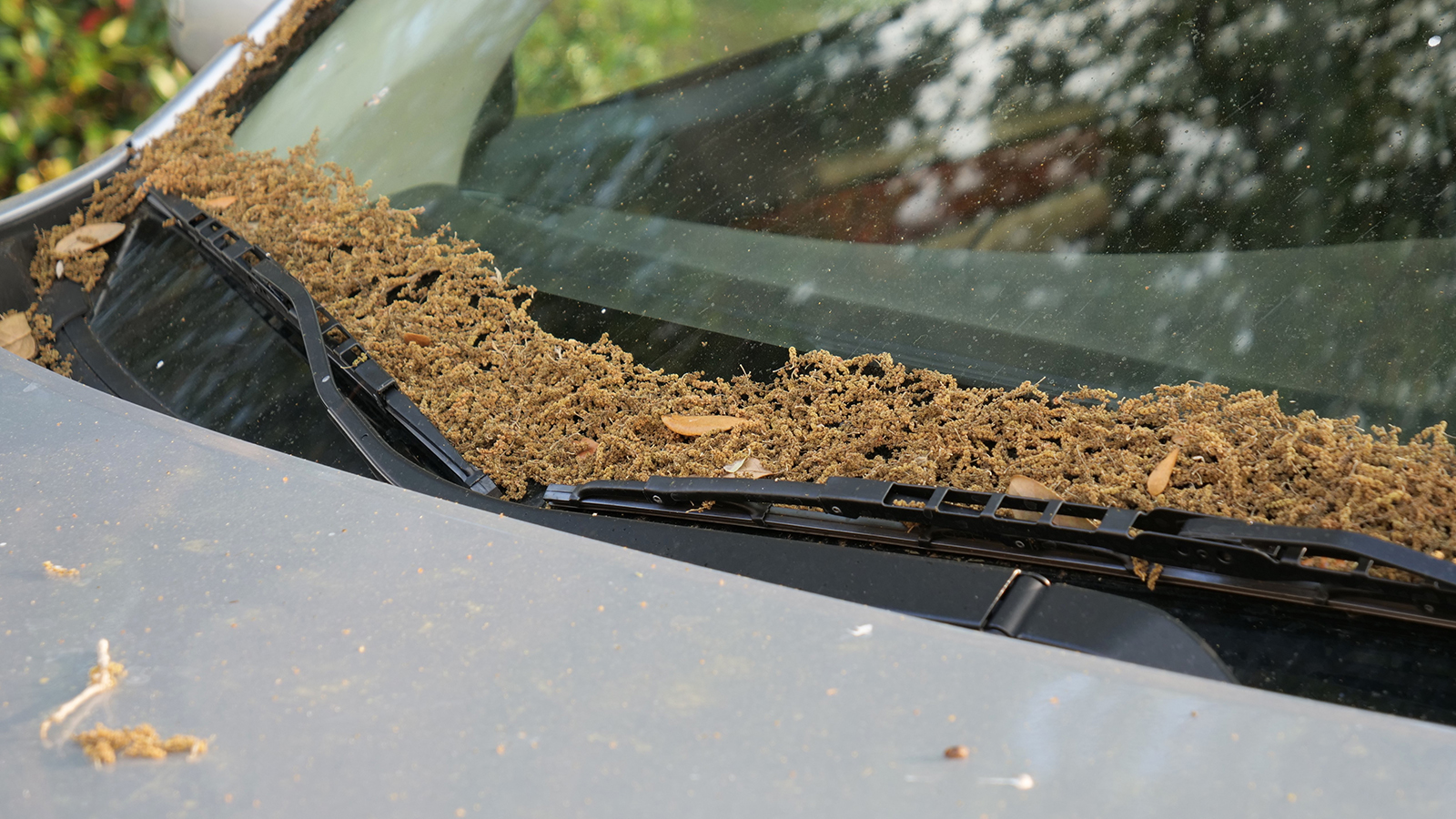
October adds one problem that is seasonal: falling leaves. AAA warns that leaves can collect around wipers, air intakes, radiators, and ventilation openings, while Consumer Reports notes that they can clog drain holes around areas such as the sunroof. Debris that initially looks harmless on the cowl can contribute to poor airflow, drainage problems, streaking wipers, or moisture appearing where it should not.
Cabin airflow is especially noticeable once the heater and defroster return to use. AAA says a clogged cabin air filter can reduce HVAC airflow and make foggy windows take longer to clear. That can make an autumn debris problem feel like a failing heater even when the issue is restricted airflow. Clearing leaves from the base of the windshield, keeping drains free, and checking the cabin filter can prevent buildup from becoming a damp carpet, weak defroster, musty smell, or visibility problem just as cold-weather driving begins.
19 Used Cars Canadians Should Avoid in 2026 (Based on Owner Complaints)

Buying a used car in Canada can feel safe until repair bills start stacking up. Owner complaints tell a different story than glossy listings. Transmission failures, electrical problems, and weak winter reliability show up again and again in consumer reports. Many of these issues appear after warranties expire, when owners least expect them. Some vehicles look affordable upfront, but become expensive to keep on the road. Others struggle in cold weather, urban driving, or long highway commutes. Here are 19 used cars Canadians should avoid in 2026 (based on owner complaints).
19 Used Cars Canadians Should Avoid in 2026 (Based on Owner Complaints)

Alanna Rosen is an experienced content writer that focuses on many EV and educational content. Her articles are regularly published on Get CyberTrucked and syndicated on large publications.