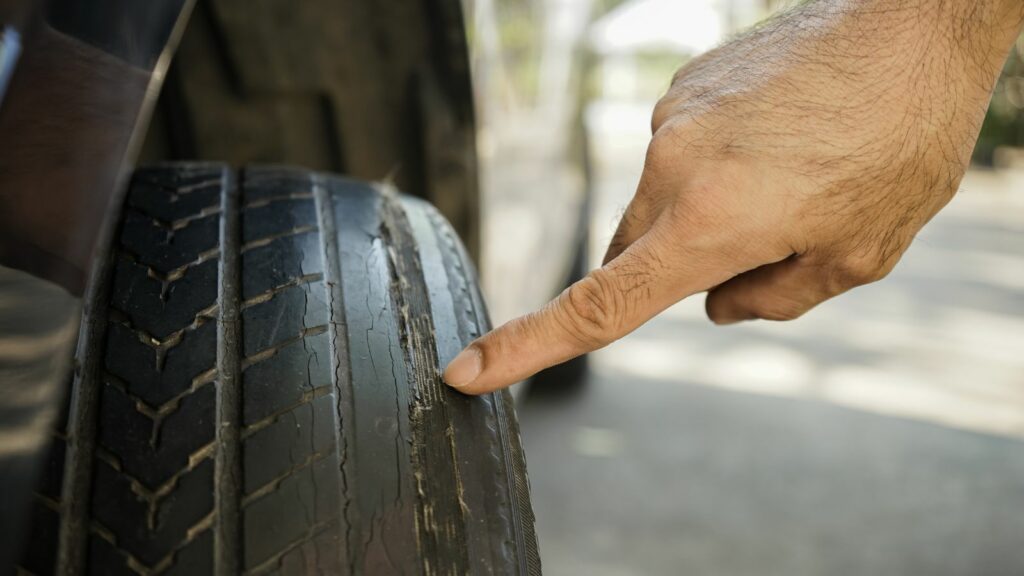
The first snowfall has become an unofficial reminder for many Canadian drivers to book a tire change. By then, however, the better window may already be closing. Winter tires are designed for cold temperatures, not simply snow-covered pavement, and waiting for a storm can bring crowded service bays, rushed decisions and overlooked maintenance.
The bigger mistake is treating the fall tire swap as a single appointment instead of a seasonal inspection. Tires can have insufficient tread, incorrect pressure, mounting problems or hidden damage after months in storage. Wheels may also need follow-up attention once they are back on the vehicle. These 13 issues show why postponing the changeover—or rushing through it when winter suddenly arrives—can cost considerably more than the original tire-swap bill.
Waiting Until Snow Is Actually Falling

The most common timing mistake is using snow rather than temperature as the signal to install winter tires. Transport Canada says all-season and summer tires begin losing elasticity below 7°C, while winter compounds remain flexible at substantially lower temperatures. That matters even when roads are completely dry. A cold November morning can therefore create conditions where winter tires have an advantage long before a driveway turns white.
Waiting also puts drivers into the same appointment rush as thousands of other motorists. CAA-Quebec has specifically encouraged motorists to arrange tire appointments early because garages face heavy seasonal demand. A sudden forecast for snow can turn an easy booking into days of waiting. The immediate expense may still be only a routine changeover, but the indirect cost can include rearranged workdays, inconvenient appointments or driving on tires poorly suited to the temperature while waiting for an opening. Planning around sustained cold rather than the first storm provides far more breathing room.
Forgetting That Tire Deadlines Vary Across Canada
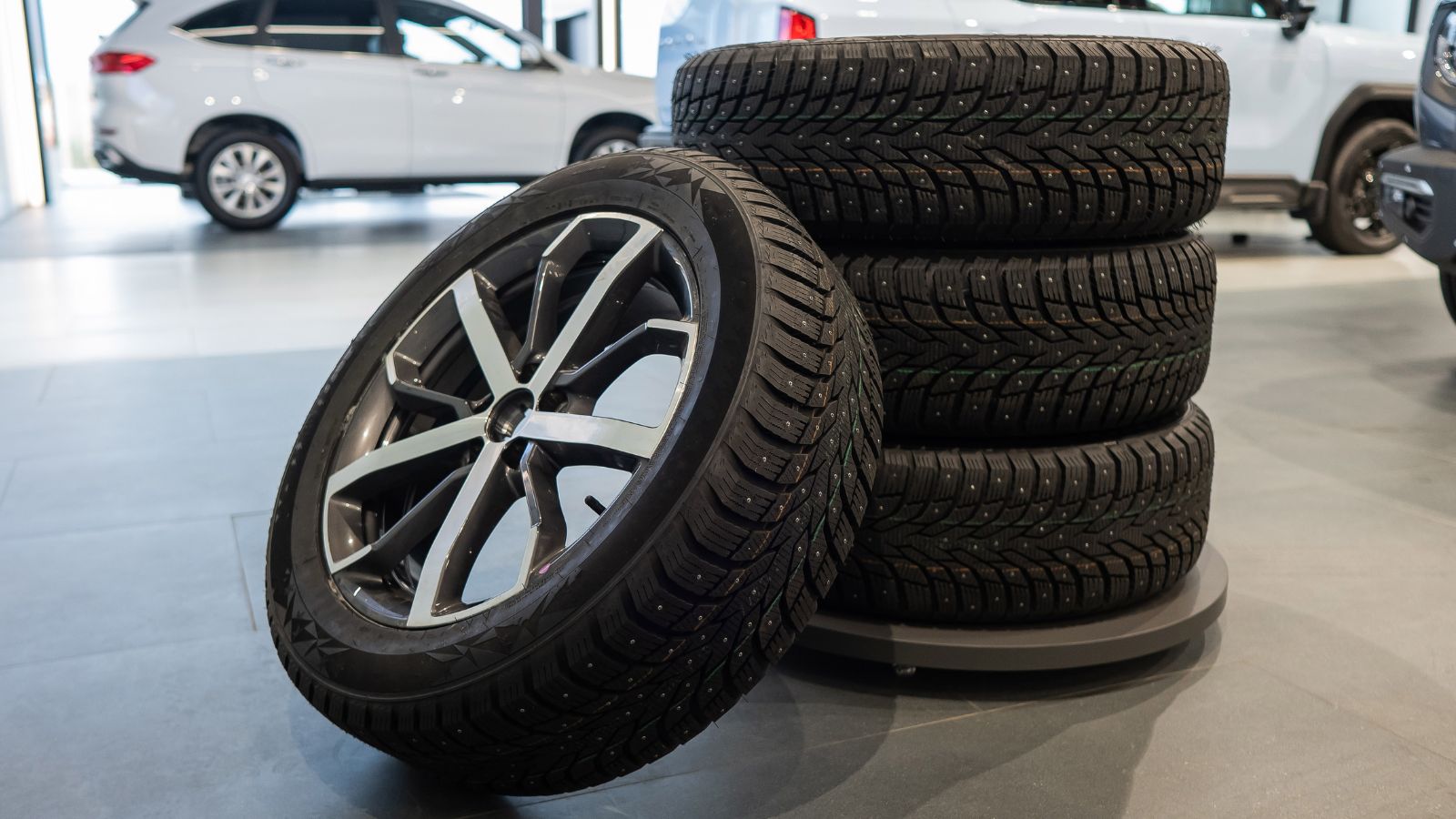
Canadian drivers cannot assume there is one nationwide date for winter tires. Québec requires most motor vehicles registered in the province to use compliant winter tires from December 1 through March 15. Drivers who violate the requirement can face fines of $200 to $300. That makes waiting until a December storm an especially expensive gamble for a vehicle registered there.
British Columbia follows a different system. Winter tires or chains are required on most designated provincial routes from October 1 through April 30, although the requirement on certain routes ends March 31. B.C. enforcement authorities can turn non-compliant motorists around, and the stated fine for a passenger vehicle without required winter tires is $121. Those differences show why the calendar matters almost as much as the forecast. A tire change that seems optional around town may become mandatory during a weekend drive through a regulated highway corridor, creating an unnecessary fine or forcing an unexpected change of plans.
Trying to Save Money by Installing Only Two Winter Tires
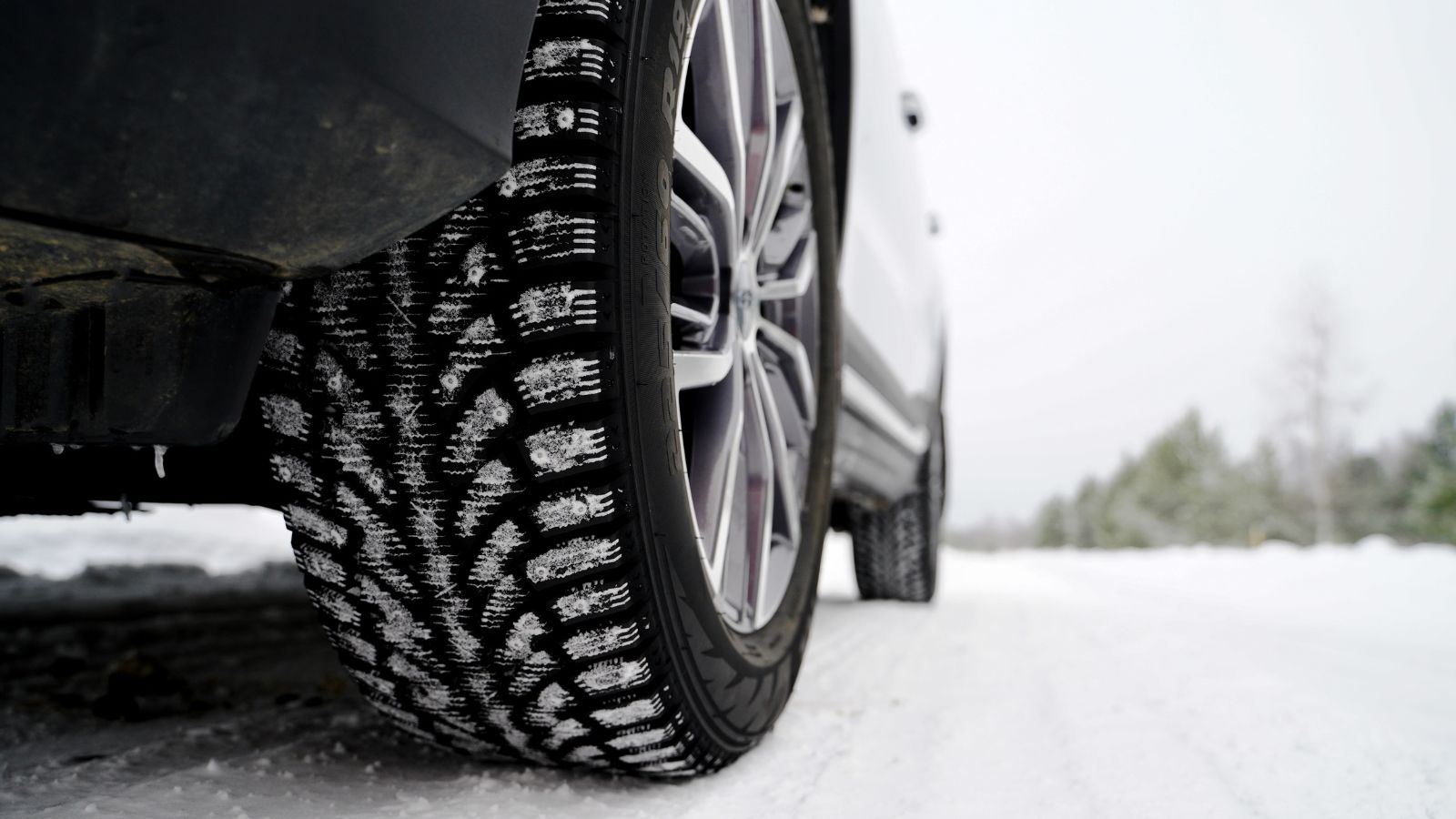
Buying or mounting only two winter tires can look like an easy way to cut the seasonal bill. Transport Canada recommends installing winter tires on all wheel positions, however, because differences in grip between axles can undermine vehicle stability. Matching the tire type, size, load index and speed rating across the vehicle also helps provide more predictable handling when braking or changing direction on slippery pavement.
Transport Canada testing illustrates why mismatched traction matters. In tests involving a 21-passenger vehicle on snow, the vehicle equipped with winter tires at all six wheel positions stopped an average of 5.6 metres shorter from 80 km/h than the configuration using winter tires at the rear and all-season tires at the front. That test involved a larger vehicle rather than a passenger car, but it demonstrates the underlying handling issue. Saving the price of two tires can create an axle-to-axle traction imbalance precisely when consistent grip matters most.
Putting Worn Winter Tires Back Into Service
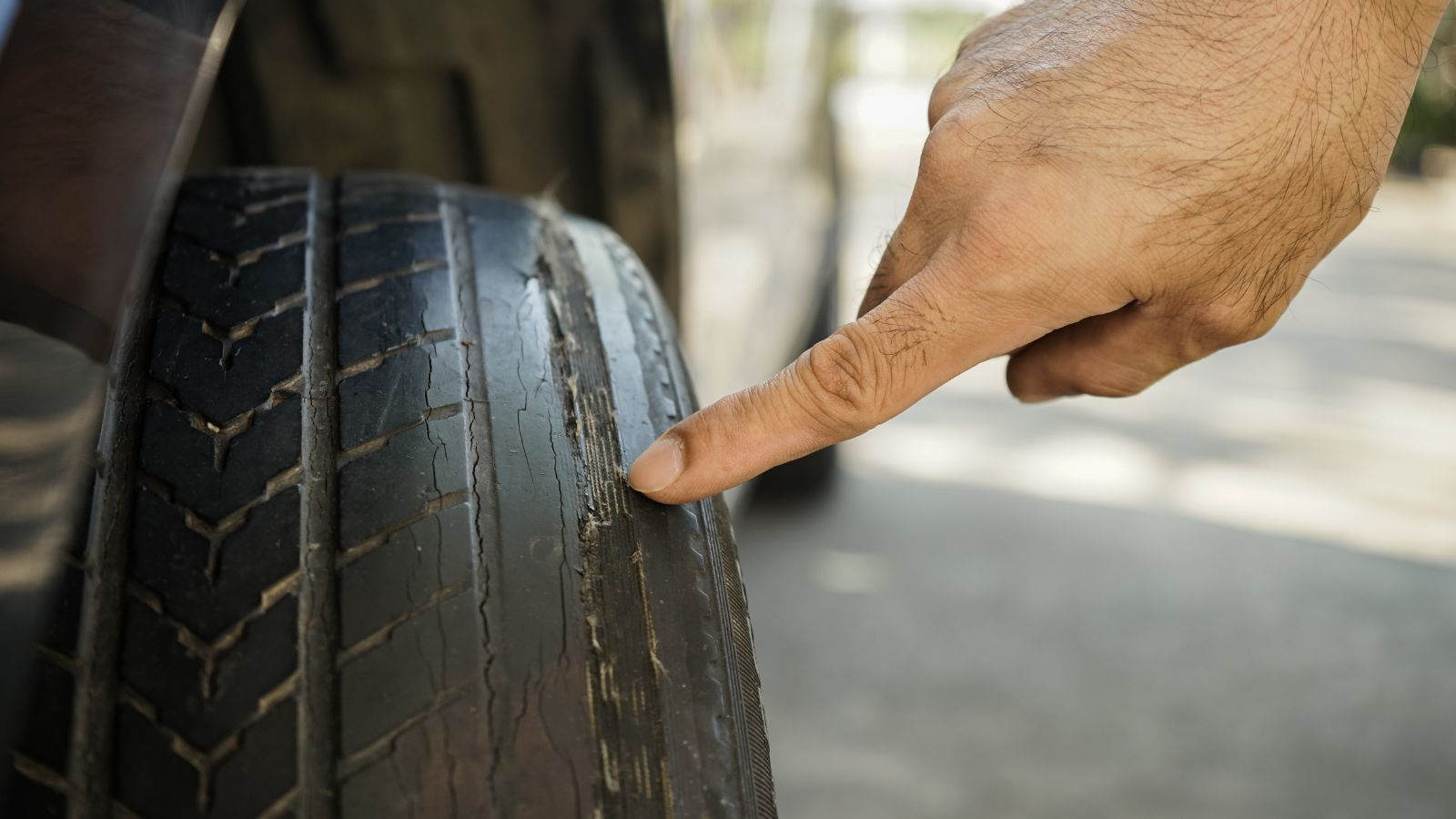
A winter tire can still have visible tread and yet be poorly prepared for another Canadian winter. Transport Canada recommends winter tires have at least 4 mm of tread depth for the safest winter driving. Its guidance also warns that traction declines as tires wear and says tires close to that depth should not be relied upon on snow-covered roads.
That is why measuring tread before installation is more useful than discovering a worn set during the first major storm. A driver who books early has time to compare replacement tires, watch for promotions and decide whether all four need replacement. Someone who waits until the tire-change rush may face a less comfortable choice: accept whatever suitable inventory is available or continue driving on a marginal set. A basic tread-depth check in early fall can therefore prevent both a traction problem and a hurried purchase. The real cost of worn tires is not simply replacement; poor timing can also eliminate the chance to shop carefully.
Treating Tire Pressure as a One-Time Shop Job
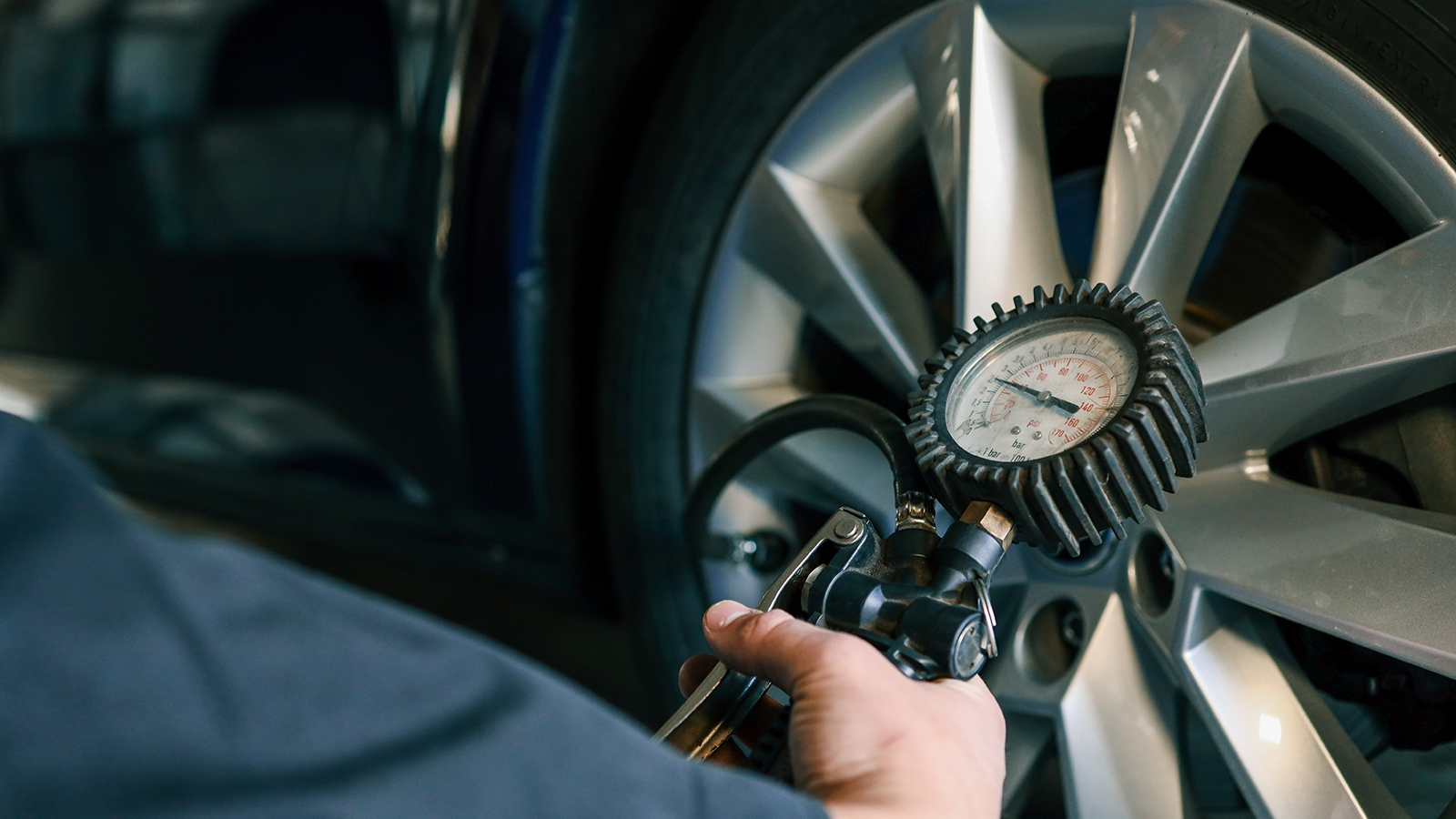
A freshly installed winter tire is not guaranteed to remain at the correct pressure as autumn temperatures fall. Transport Canada says tire pressure drops by roughly 7 kPa, or 1 psi, for every 5°C decrease in temperature. A tire adjusted during a relatively mild installation day can therefore end up noticeably lower after several strong cold fronts arrive.
Transport Canada recommends checking pressure when tires are cold and using the vehicle manufacturer’s recommended figures, normally listed on a tire-information label or in the owner’s manual. Pressure should continue to be checked regularly rather than assumed correct because a shop set it weeks earlier. Incorrect inflation can affect tread wear, fuel consumption, handling and tire durability. This makes pressure one of the easiest post-swap expenses to avoid. A small pressure gauge and a few minutes each month cost far less than prematurely replacing a tire that has spent a season operating outside its intended inflation range.
Skipping the Wheel-Nut Re-Torque
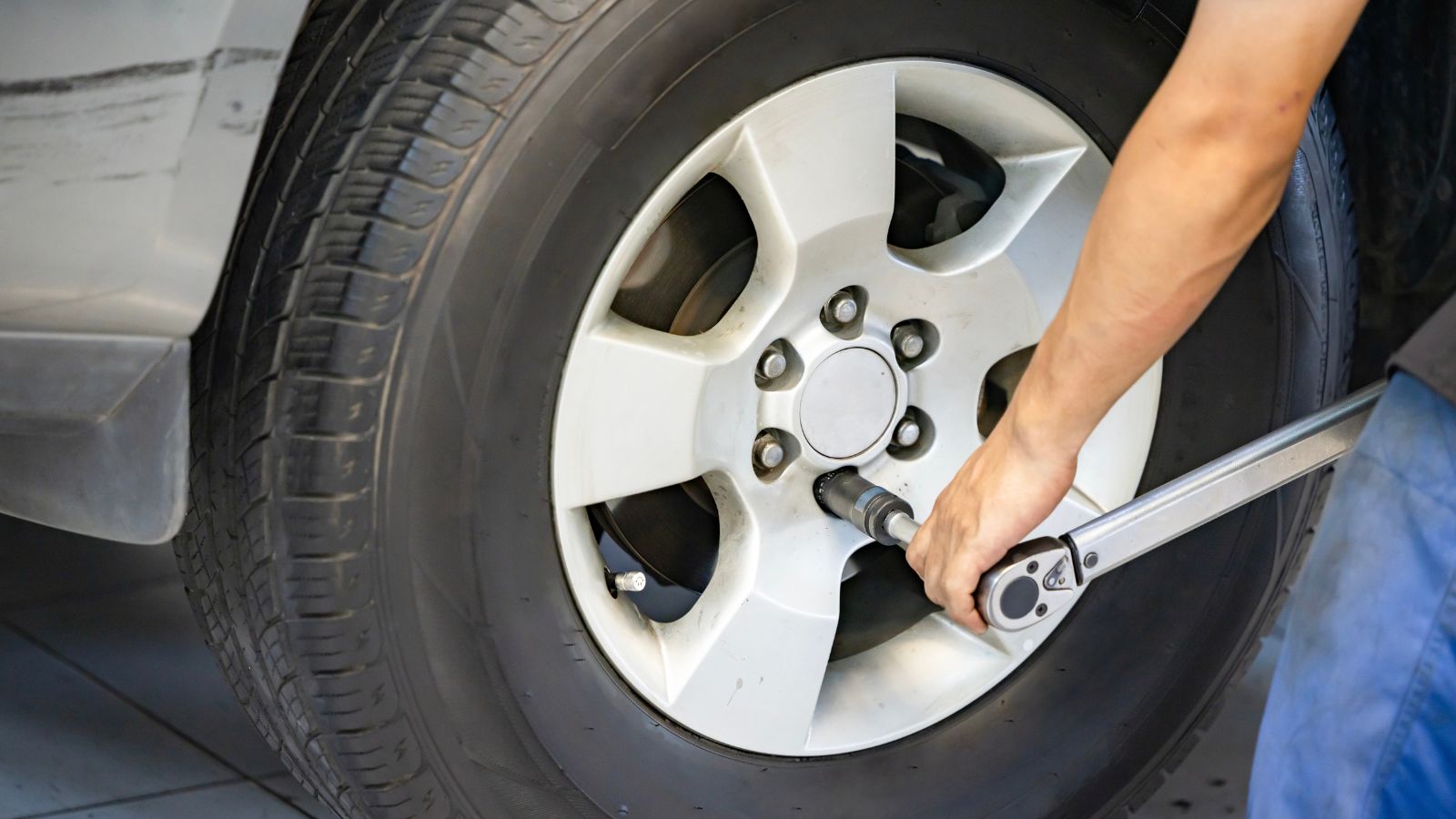
The tire change is not necessarily finished when the vehicle leaves the service bay. CAA North & East Ontario recommends having wheel nuts re-torqued within 100 kilometres after tire installation. The organization notes that components can settle after installation, potentially changing the clamping force on the wheel fasteners. Wheel nuts that are too loose or excessively tight can both create problems.
The consequences can become considerably more expensive than a quick torque check. CAA notes that loose fasteners can contribute to wheel separation, while excessive tightening can damage wheel studs, hubs or brake components. B.C. Highway Patrol issued a similar reminder in 2025 after dealing with a vehicle that lost a wheel following a winter wheel change, recommending a lug-nut check at about 100 kilometres. Many shops provide this follow-up at little or no additional charge. Forgetting it turns one of the simplest parts of seasonal maintenance into a potential repair and safety problem.
Ignoring Where Each Tire Goes Back on the Vehicle
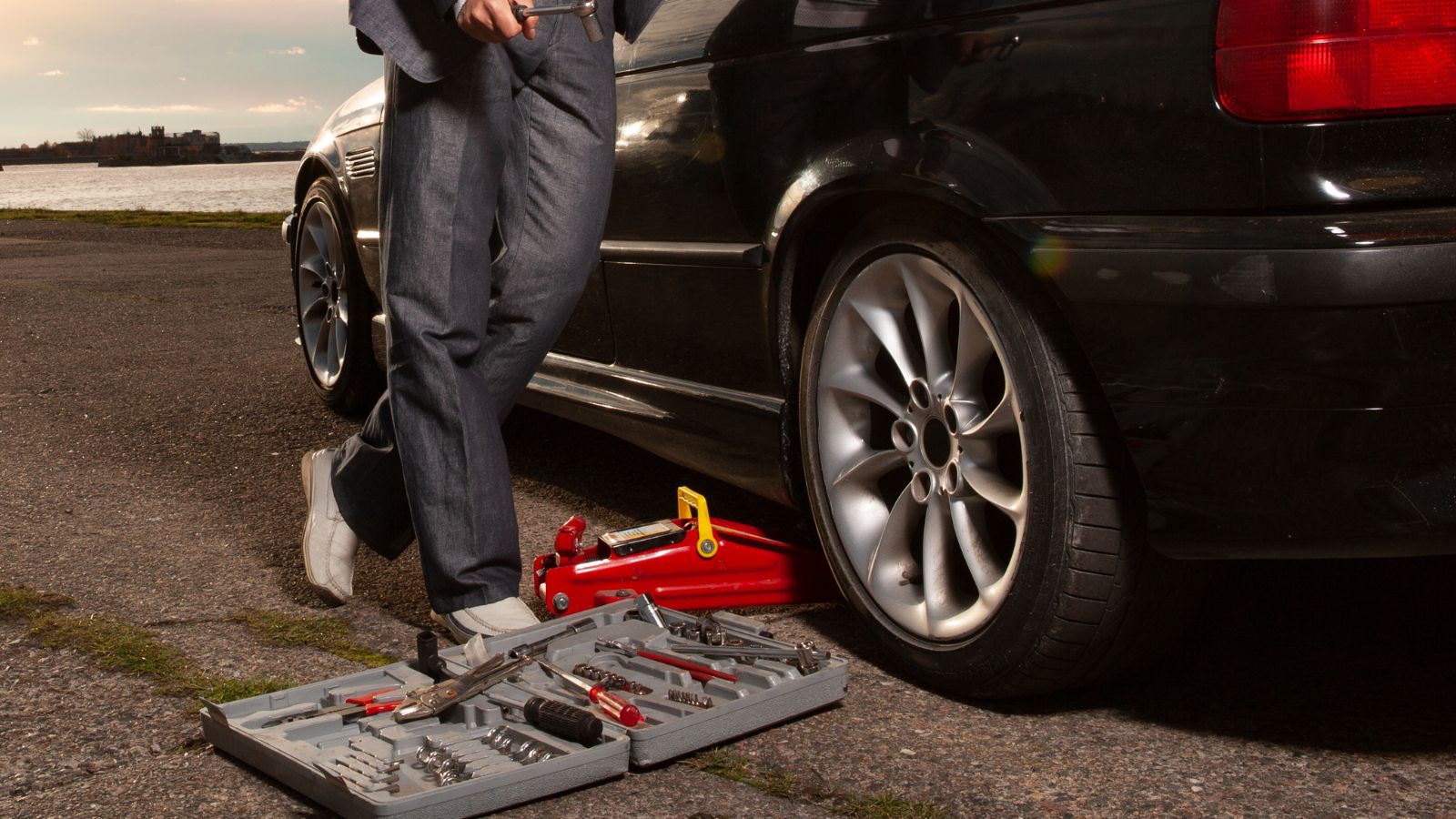
A seasonal wheel swap should not automatically mean putting every tire back where it was last spring. Tires can wear at different rates depending on axle position, drivetrain layout, alignment and driving habits. Transport Canada recommends regular rotation according to the vehicle manufacturer’s instructions and notes that front and rear tires commonly experience different wear patterns.
Placement also matters when tires have different remaining tread depths. Transport Canada recommends putting the tires with the deepest tread at the rear to support directional control. Directional tires introduce another consideration because they must be installed on the correct side so the tread operates in its intended direction. A rushed driveway change or poorly organized storage system can make these details easy to overlook. Marking wheel positions when tires come off, checking tread before they go back on and following the proper rotation pattern can help distribute wear more evenly and extend the useful life of an expensive tire set.
Reinstalling Tires Without Inspecting Them for Damage
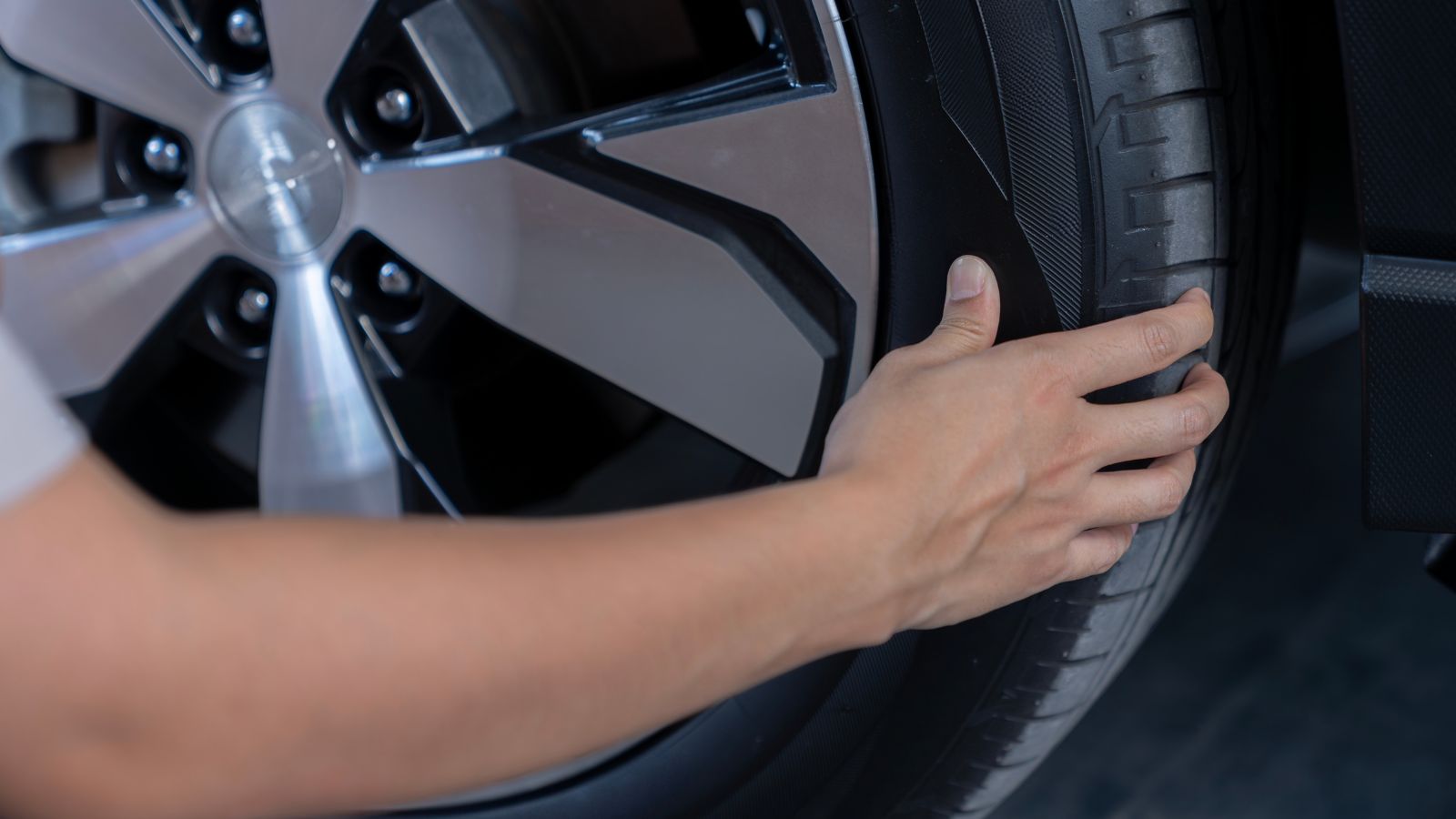
A tire that looked acceptable when it entered storage months earlier deserves another inspection before returning to the road. Transport Canada advises motorists to look for cuts, cracks, blisters, bulges, foreign objects and signs of excessive or uneven wear. Deep cuts, significant cracks and bulges are among the conditions that can require tire replacement rather than another season of service.
Uneven wear can also be evidence of another vehicle problem. Transport Canada notes that alignment or wheel-balance issues can produce irregular tread wear. That makes the seasonal swap a useful diagnostic opportunity rather than merely a wheel-changing exercise. Finding abnormal wear in September or October gives an owner time to investigate what caused it. Discovering the same problem after several thousand additional kilometres can mean replacing tires earlier than expected while still having to pay for the alignment, suspension or balancing work that allowed the wear to develop in the first place.
Storing the Removed Tires Wherever There Is Space
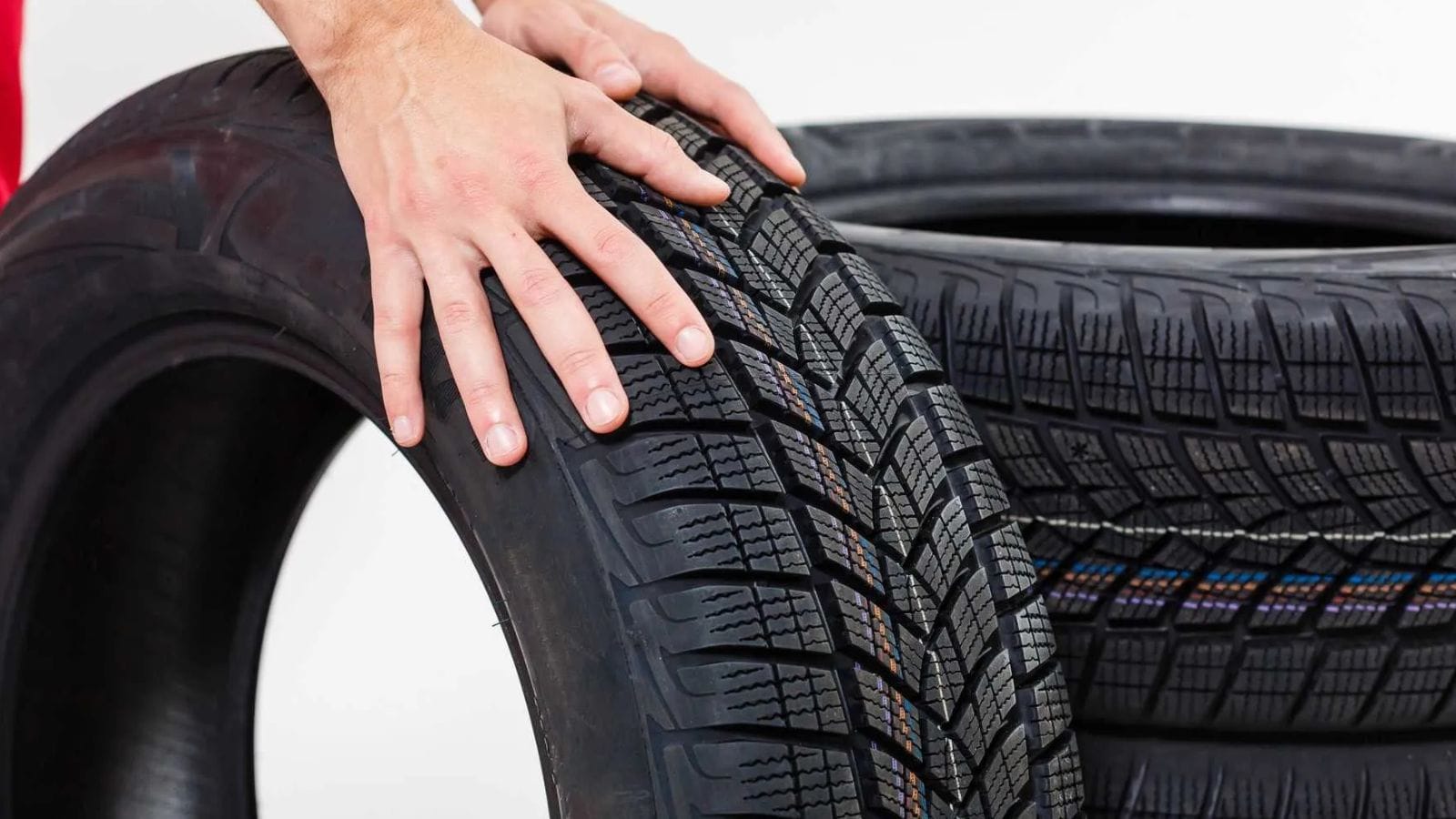
The condition of next season’s tires can be affected by what happens immediately after this season’s changeover. Transport Canada recommends storing seasonal tires in a clean indoor location and keeping them away from sunlight or strong artificial light, excessive heat, ozone sources such as electric motors and hydrocarbons. Those environmental exposures can contribute to deterioration while the tires appear to be doing nothing.
That makes the corner of a hot shed beside chemicals or electrical equipment a poor choice simply because it is convenient. Tires also benefit from being cleaned and examined before storage so damage does not remain unnoticed until the next changeover. Proper storage may seem unrelated to the cost of the fall appointment, yet two seasonal sets effectively divide the vehicle’s annual kilometres. Protecting the unused set helps preserve the value of that investment. Paying for winter tires and then shortening their useful life through careless off-season storage is one of the least obvious ways a seasonal tire routine becomes more expensive.
Assuming the TPMS Will Sort Itself Out
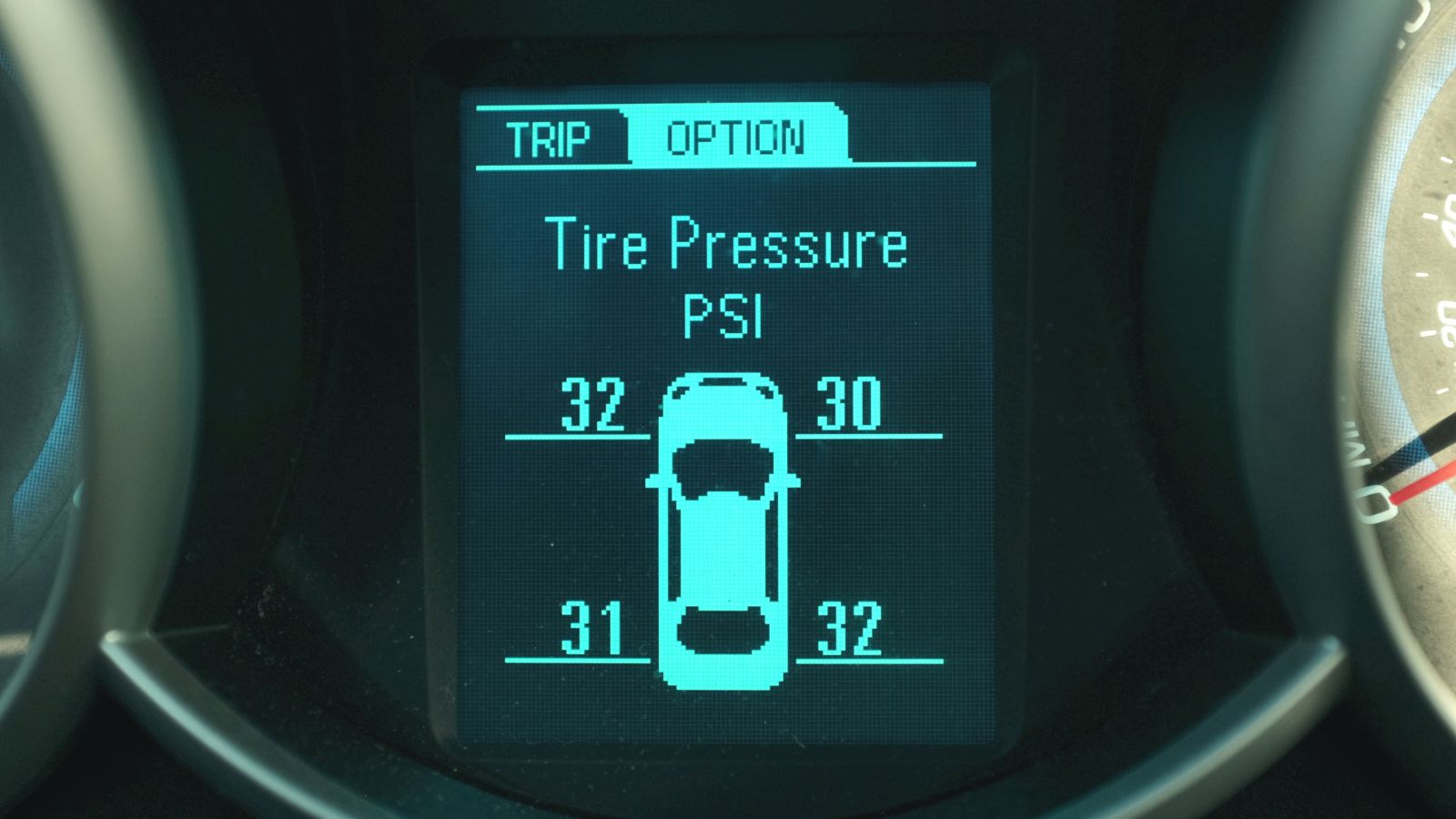
Modern vehicles can add another step to the tire swap through the tire-pressure monitoring system. Transport Canada notes that changing or rotating tires can sometimes trigger a TPMS malfunction warning if the system has not been reset. Vehicles using direct sensors also need compatible pressure sensors when a separate set of winter wheels is installed.
Ignoring that detail can leave a driver looking at a warning light throughout the winter or paying for an additional visit when the system fails to recognize the winter wheels. Transport Canada also cautions that some monitoring systems do not issue an alert until a tire is significantly underinflated, meaning TPMS should not replace routine manual pressure checks. Anyone buying separate winter rims should therefore confirm sensor compatibility at the same time rather than treating it as an afterthought. Building that requirement into the original tire-and-wheel purchase is generally simpler than discovering afterward that additional sensors, programming or service are required.
Assuming Every Winter-Looking Tire Is the Same
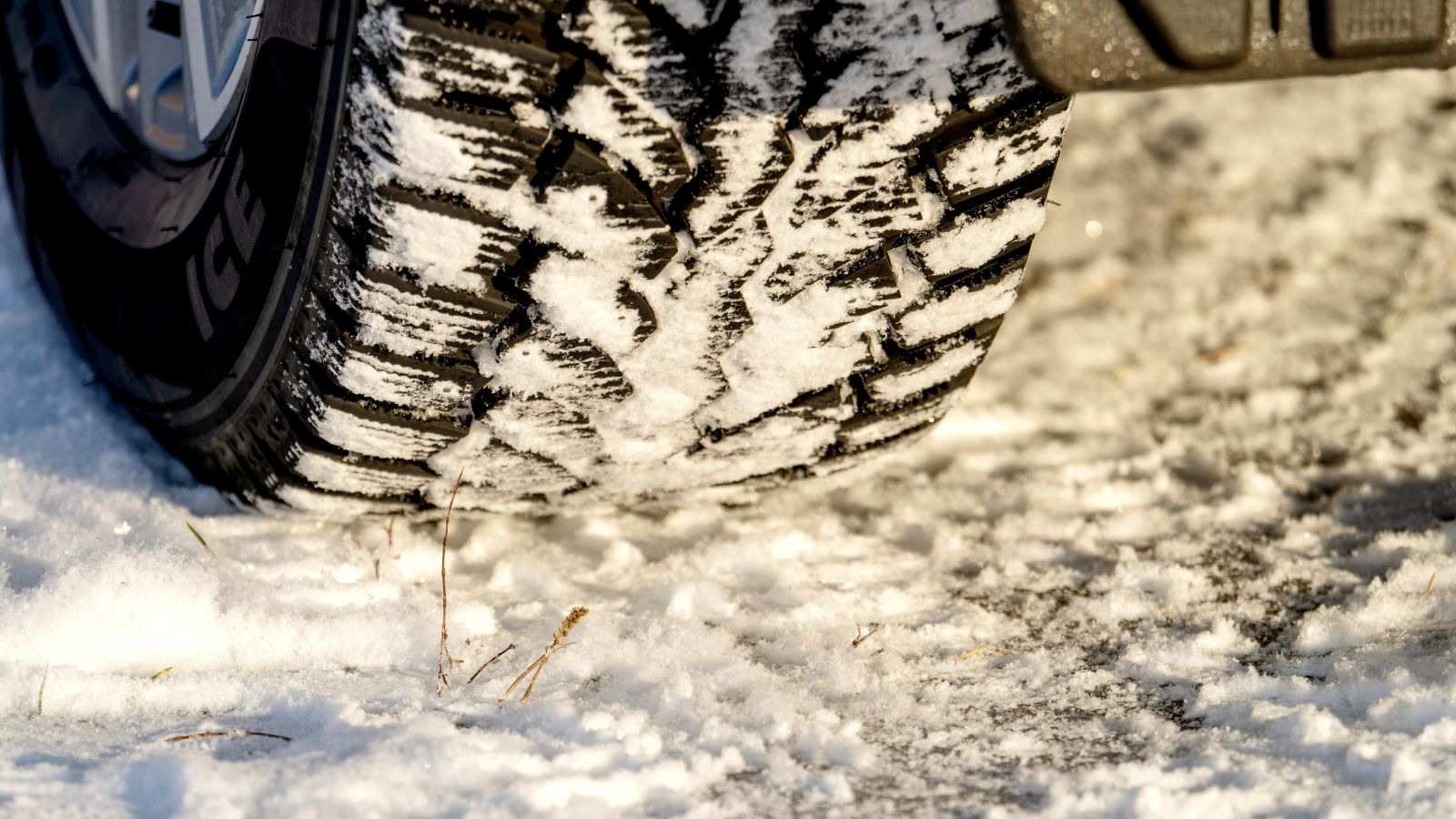
Tire sidewalls carry information that matters. Transport Canada tells Canadian motorists to look for the three-peak mountain snowflake, sometimes called the Alpine symbol, when identifying tires designed to meet specified snow-traction requirements. Under Canada’s winter-tire testing framework, tires qualifying for the designation must demonstrate a required level of traction performance against a reference tire.
That distinction is worth checking because markings and legal requirements are not identical in every jurisdiction. British Columbia, for example, recognizes qualifying M+S tires for its minimum passenger-vehicle winter-tire requirements on designated routes, while Transport Canada’s guidance emphasizes the mountain-snowflake symbol for tires designed for severe snow conditions. Drivers should therefore separate the question of what is legally permitted from the question of what level of winter performance best suits their driving. A tire that satisfies a minimum rule may not necessarily be the tire a driver would choose for frequent travel through severe snow, ice and sustained cold.
Treating Uneven Wear as Just a Tire Problem
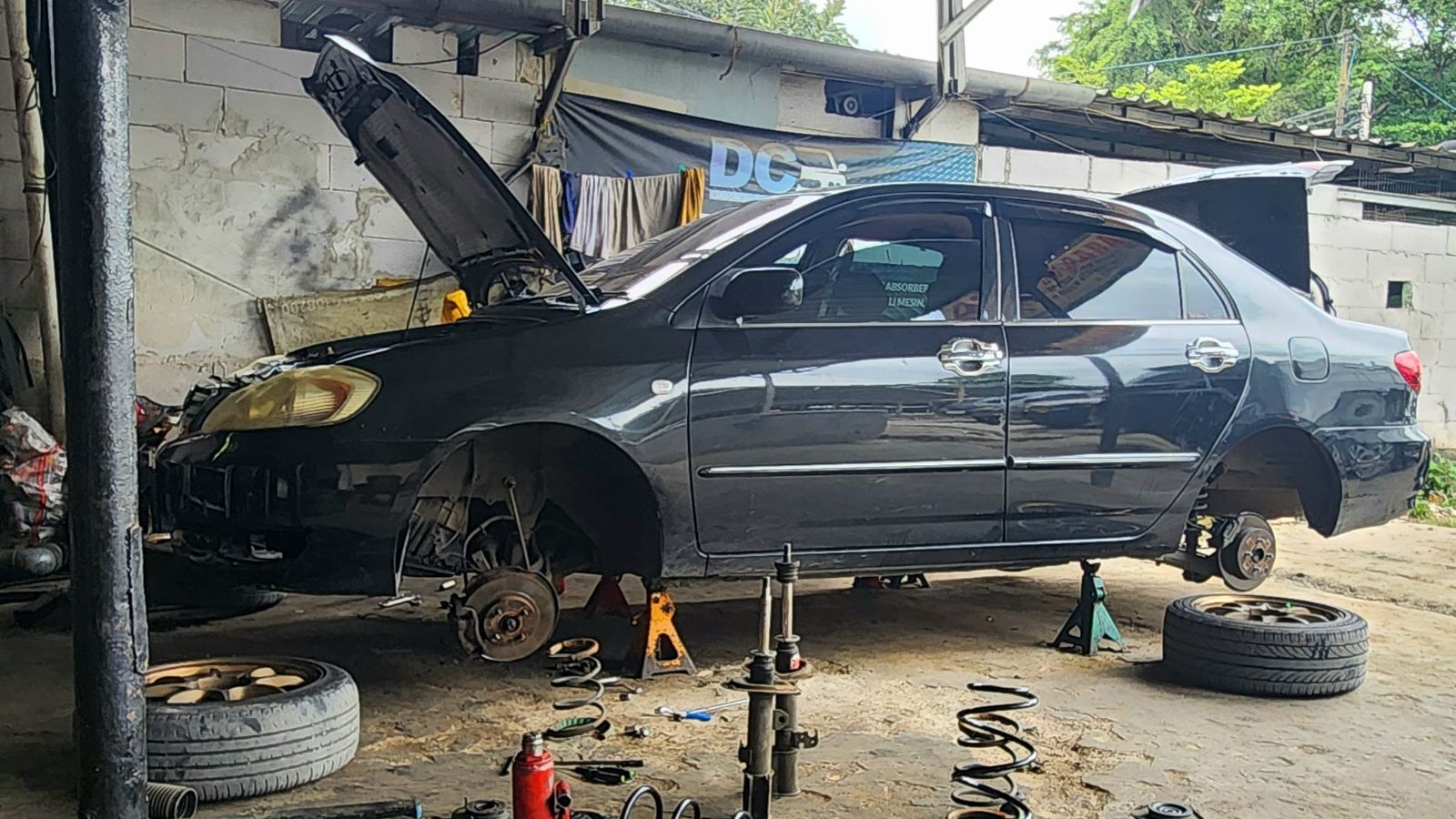
A tire swap can reveal mechanical problems that otherwise remain hidden. Transport Canada says misaligned wheels may drag instead of rolling freely, potentially increasing fuel consumption, shortening tire life and creating handling or ride problems. It also notes that an out-of-balance wheel can cause vibration, uneven tread wear and additional stress on suspension components.
That means replacing a badly worn tire without addressing the reason it became badly worn can simply restart the same cycle with a new set. A driver who notices one shoulder wearing faster than the other, unusual bald spots or persistent vibration should consider the tire pattern evidence rather than cosmetic damage. Seasonal changeovers are especially useful because all four wheels are already being inspected and handled. Correcting an alignment or balance issue before the new season begins can protect hundreds or thousands of dollars invested in tires, while postponing the underlying repair can quietly consume another set.
Forgetting About the Insurance Discount

The financial side of winter tires does not always end with the receipt from the tire shop. In Ontario, automobile insurers are required to offer a winter-tire discount for eligible private passenger vehicles. The Financial Services Regulatory Authority of Ontario advises consumers to ask their insurer how to qualify because individual companies can set their own documentation and eligibility procedures.
That creates an easy-to-miss cost when a driver buys and installs winter tires but never tells the insurer. The tires may already satisfy the company’s requirements, yet the available premium reduction may not appear automatically. Keeping purchase receipts, installation records or other documents requested by the insurer can simplify the process. Drivers outside Ontario should check directly with their own insurer rather than assuming the same rules apply nationally. The larger lesson is that the fall tire swap has financial consequences beyond installation. When maintenance, legal compliance, tire longevity and insurance are considered together, waiting until the first snow can become considerably more expensive than booking early and treating the changeover as proper seasonal maintenance.
19 Used Cars Canadians Should Avoid in 2026 (Based on Owner Complaints)

Buying a used car in Canada can feel safe until repair bills start stacking up. Owner complaints tell a different story than glossy listings. Transmission failures, electrical problems, and weak winter reliability show up again and again in consumer reports. Many of these issues appear after warranties expire, when owners least expect them. Some vehicles look affordable upfront, but become expensive to keep on the road. Others struggle in cold weather, urban driving, or long highway commutes. Here are 19 used cars Canadians should avoid in 2026 (based on owner complaints).
19 Used Cars Canadians Should Avoid in 2026 (Based on Owner Complaints)

Alanna Rosen is an experienced content writer that focuses on many EV and educational content. Her articles are regularly published on Get CyberTrucked and syndicated on large publications.