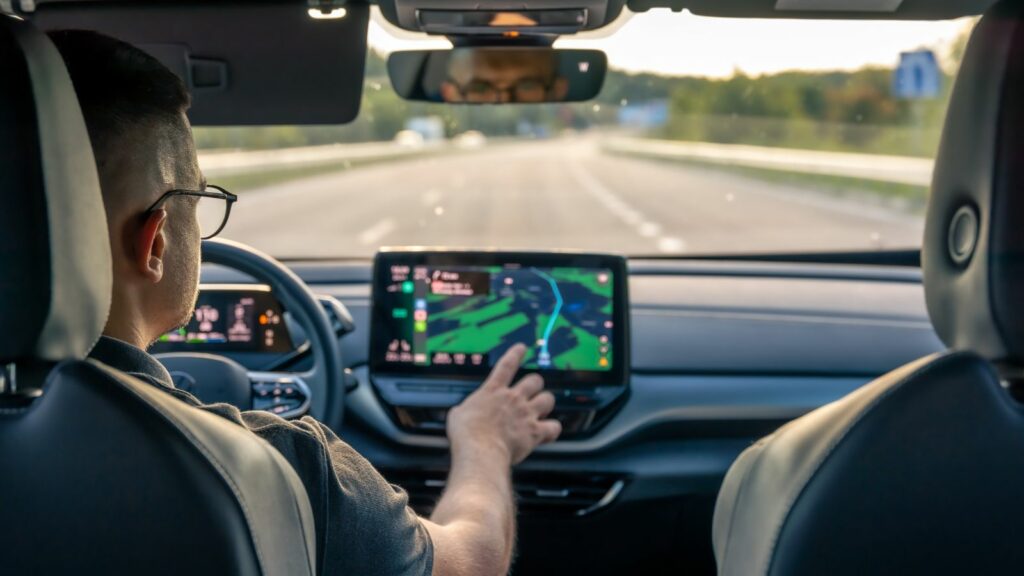
Canadian Thanksgiving has a way of turning an ordinary highway drive into something far less predictable. With Thanksgiving Day falling on Monday, October 12, 2026, many families will be fitting long-distance travel, meals and visits into the same extended weekend. The mistake that can make those trips unnecessarily stressful is surprisingly simple: planning the drive as though everything will go exactly according to schedule.
A three-hour drive can feel completely different when there is no room for a collision, construction, weather, a washroom stop or simply heavier traffic than expected. These 12 considerations show why building a Thanksgiving trip around an exact arrival time can encourage rushed decisions—and why giving the drive more flexibility can make the entire weekend calmer and safer.
The Real Mistake Is Planning to Arrive “Right on Time”
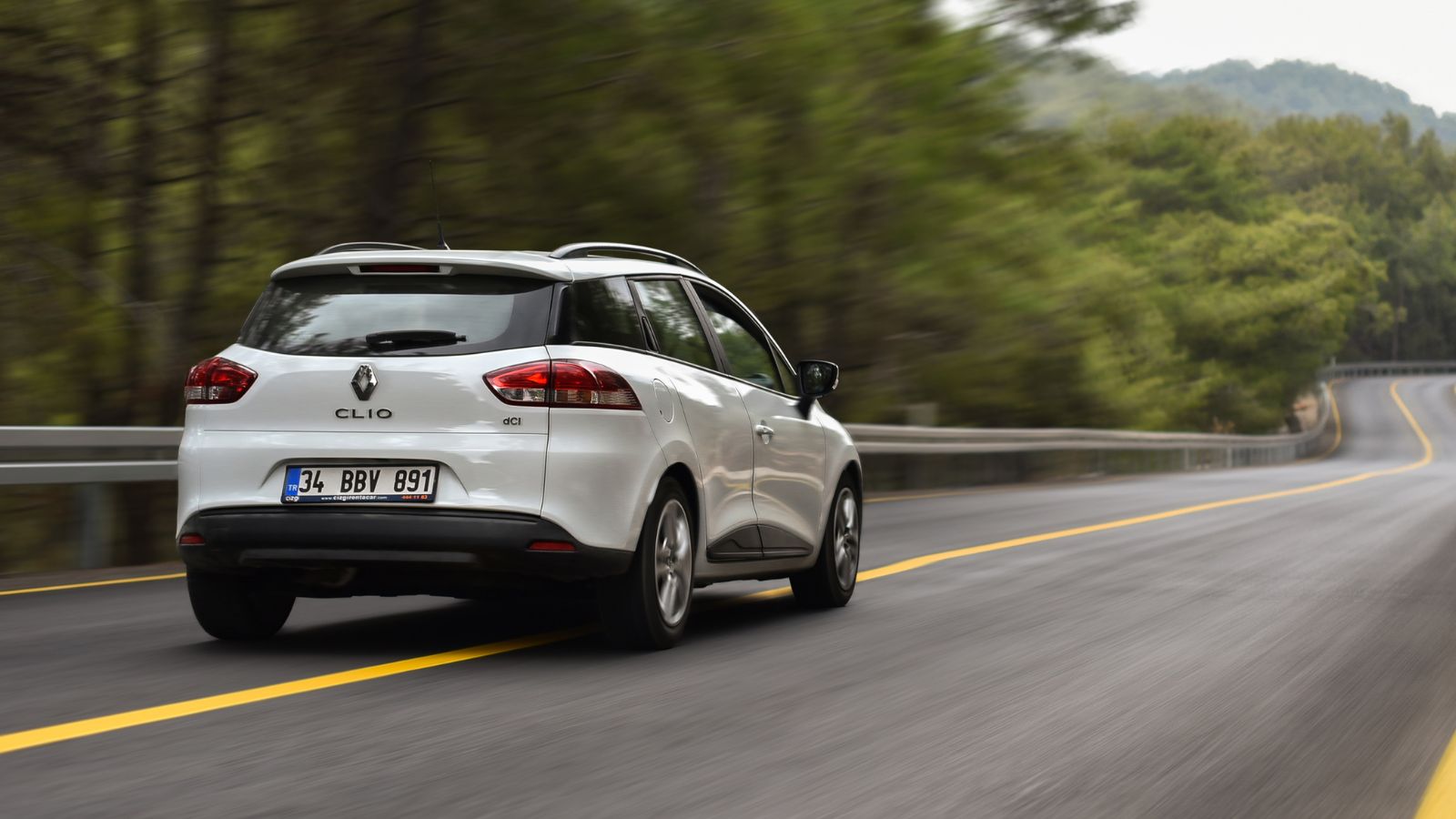
The problem often begins with an innocent calculation. Dinner starts at 5:30 p.m., navigation estimates three hours and 20 minutes, so the vehicle leaves at 2:00. On an ordinary afternoon, that might work perfectly. On a Thanksgiving weekend, however, a schedule with almost no spare time can become stressful the moment traffic slows. Canadian police agencies specifically coordinate Operation Impact with Thanksgiving because large numbers of people are travelling over the holiday weekend, making it an especially important period for safe-driving reminders and enforcement.
That is why an arrival window is more useful than an arrival deadline. A family aiming to arrive sometime between 4:30 and 5:15 has more room to accept a slowdown than one mentally committed to pulling into the driveway at exactly 5:20. The extra time does not guarantee a faster trip. What it changes is the driver’s reaction when the highway stops moving. A delay becomes an inconvenience rather than something that apparently needs to be “made up” later.
A GPS Arrival Time Is Still an Estimate
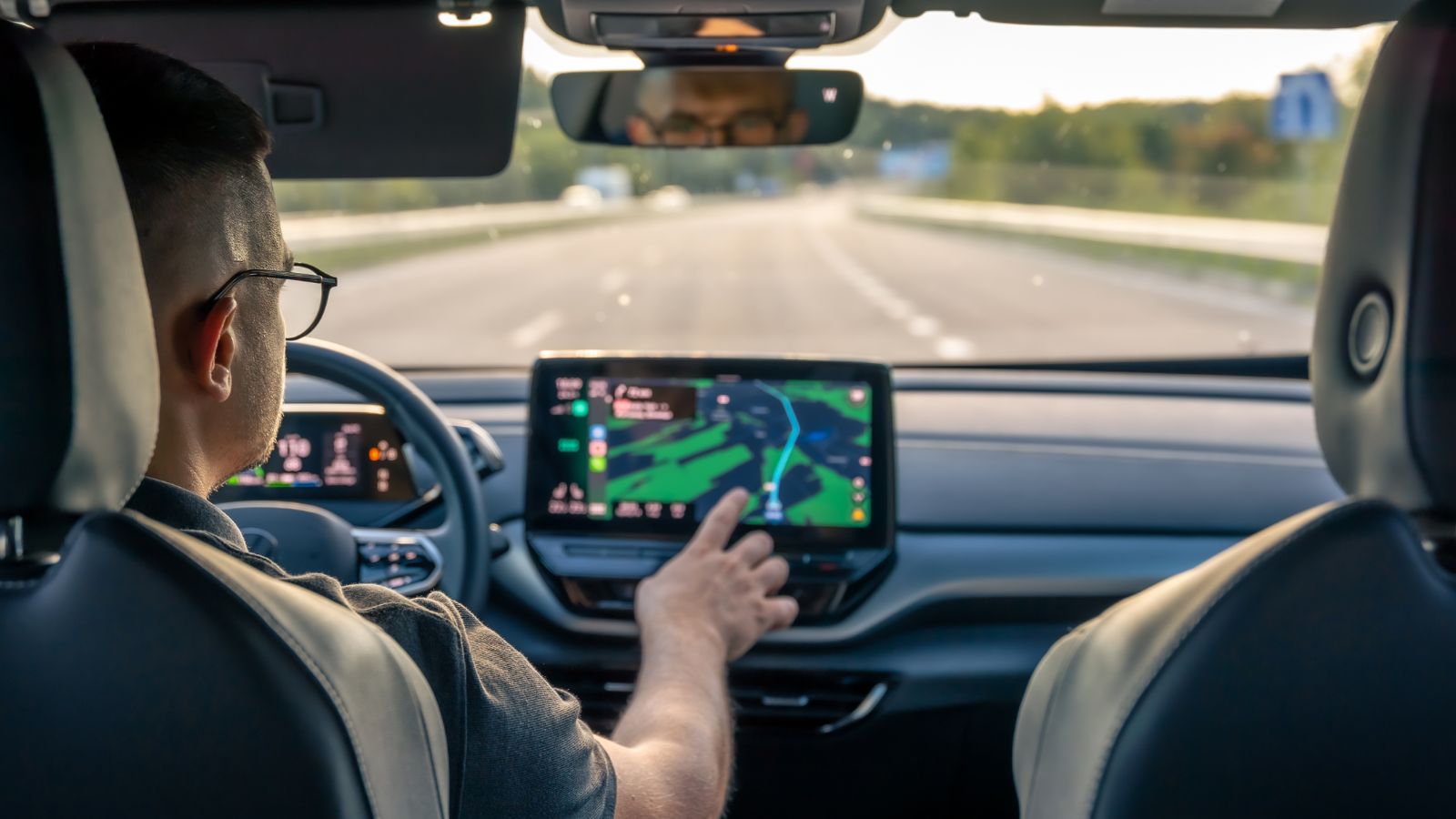
Modern navigation makes road trips remarkably easy to plan, but the precision of an arrival time can create false confidence. Google Maps, for example, calculates travel-time predictions using historical traffic patterns together with current traffic information. Its trip-planning features can also estimate travel times for a chosen departure or arrival time. Those tools are valuable, but traffic later in a trip can still change because of collisions, weather, construction, unusually heavy demand or other disruptions.
Research into transportation reliability helps explain why uncertainty matters emotionally as well as practically. Studies have connected unreliable travel times with stress and anxiety among travellers, while a 2024 systematic review found that traffic conditions, road conditions and the surrounding driving environment can all influence driver stress. On Thanksgiving, the better way to read “3 hr 14 min” is as useful planning information, not a promise. Giving that estimate some breathing room reduces the temptation to watch every added minute as though something has gone wrong.
Trying to “Make Up” Lost Time Can Create a Bigger Problem
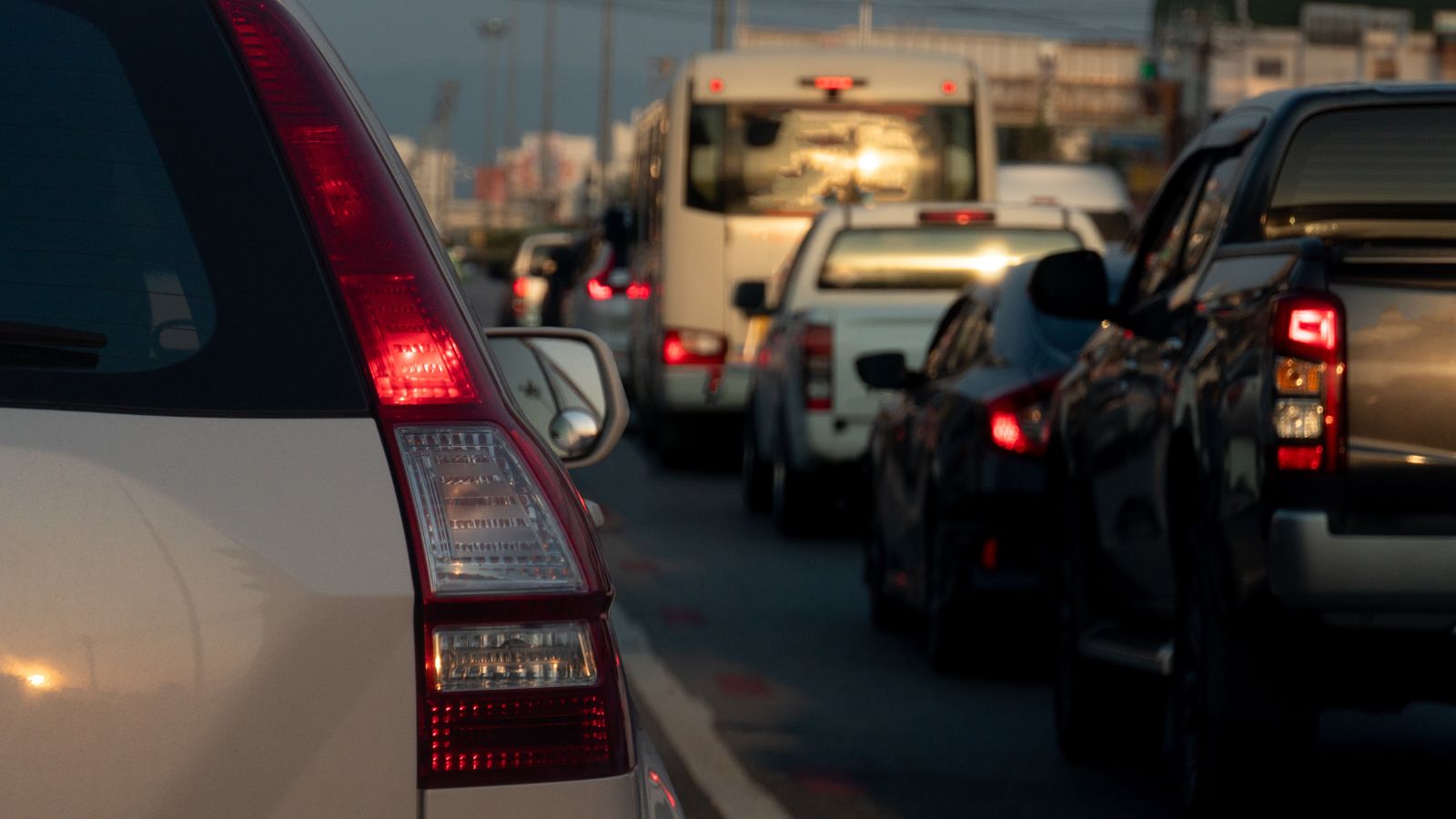
Once the trip is running late, drivers can start making decisions they would never make at the beginning of the journey. A few extra kilometres per hour seem harmless. Passing one more vehicle appears worthwhile. A yellow light suddenly feels like an opportunity rather than a signal to prepare to stop. The irony is that rushing rarely recovers enough time to transform a long highway trip, while the safety consequences can be significant. Transport Canada reported that approximately 25% of road fatalities in 2020 occurred in speeding-related collisions.
The relationship between speed and serious crashes is well established internationally. The World Health Organization reports that a 1% rise in mean speed is associated with about a 4% increase in fatal-crash risk and a 3% increase in serious-crash risk. That does not mean a single driver’s speed change produces an identical individual risk increase; it describes population-level findings. Still, the lesson for a holiday drive is straightforward. Once dinner plans start dictating the speedometer, the schedule has become too tight.
Holiday Congestion Is a Bad Time to Start Lane-Hopping
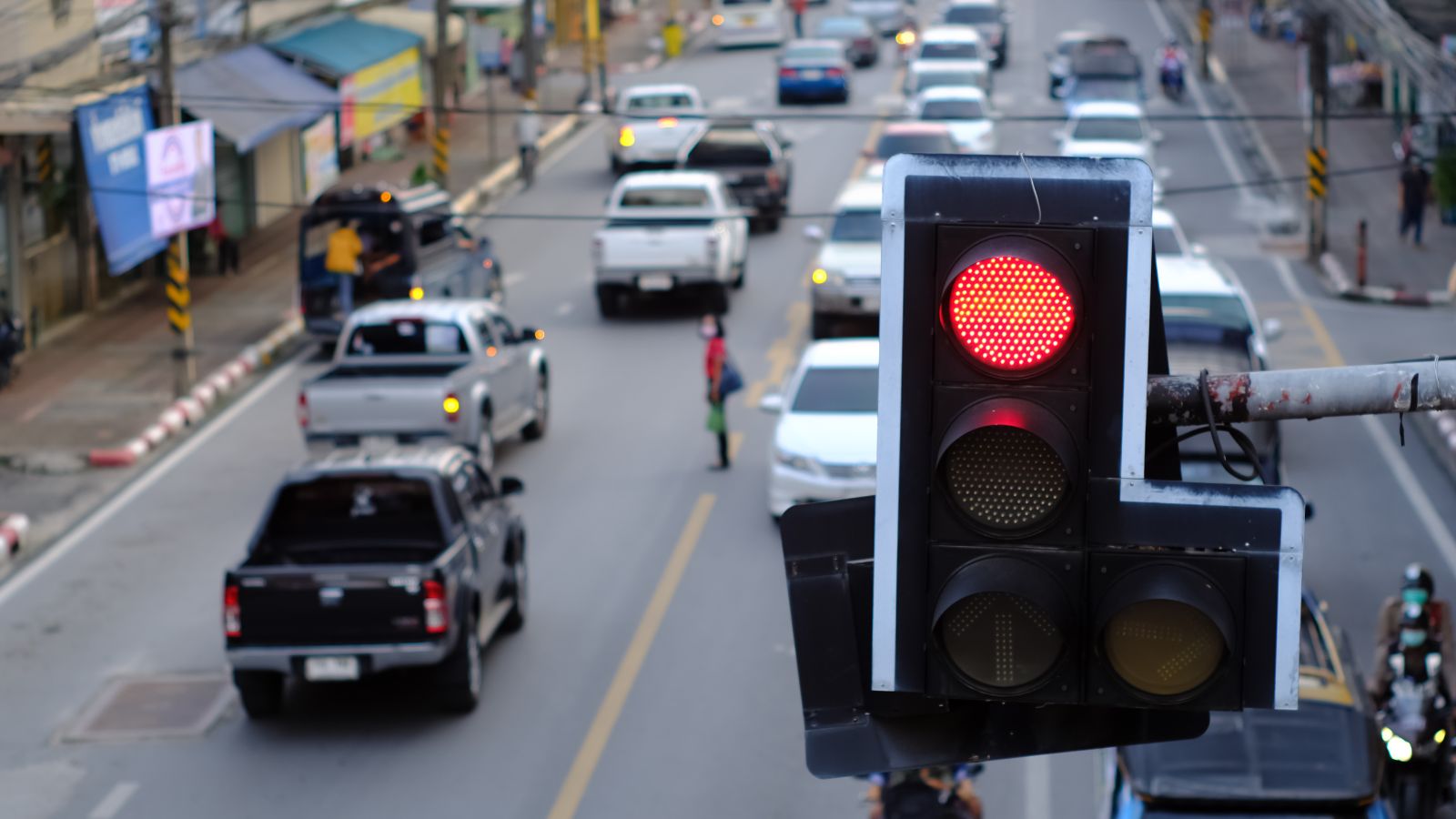
Slow traffic creates an illusion that another lane must be moving substantially faster. A vehicle passes on the left, so a driver moves left. The original lane begins moving, prompting another change. Before long, a relaxed trip has turned into constant mirror checks, blind-spot checks, acceleration and braking, often without gaining meaningful distance. Ontario’s official driver’s handbook specifically warns against unnecessary lane changes and weaving, noting that they increase collision risk, particularly in heavy traffic or poor weather.
The calmer approach is usually to choose a reasonable lane and concentrate on the traffic pattern farther ahead. Lane changes are sometimes necessary—for passing, preparing for an exit or moving around an obstruction—but they should be deliberate rather than emotional responses to congestion. The Ontario handbook advises checking mirrors and blind spots, signalling, ensuring adequate space and making lane changes smoothly. On a Thanksgiving highway packed with vehicles travelling different distances, predictability becomes especially valuable. Saving a few car lengths is rarely worth turning the drive into a continuous contest with neighbouring traffic.
Closing the Gap Does Not Make the Traffic Move Faster
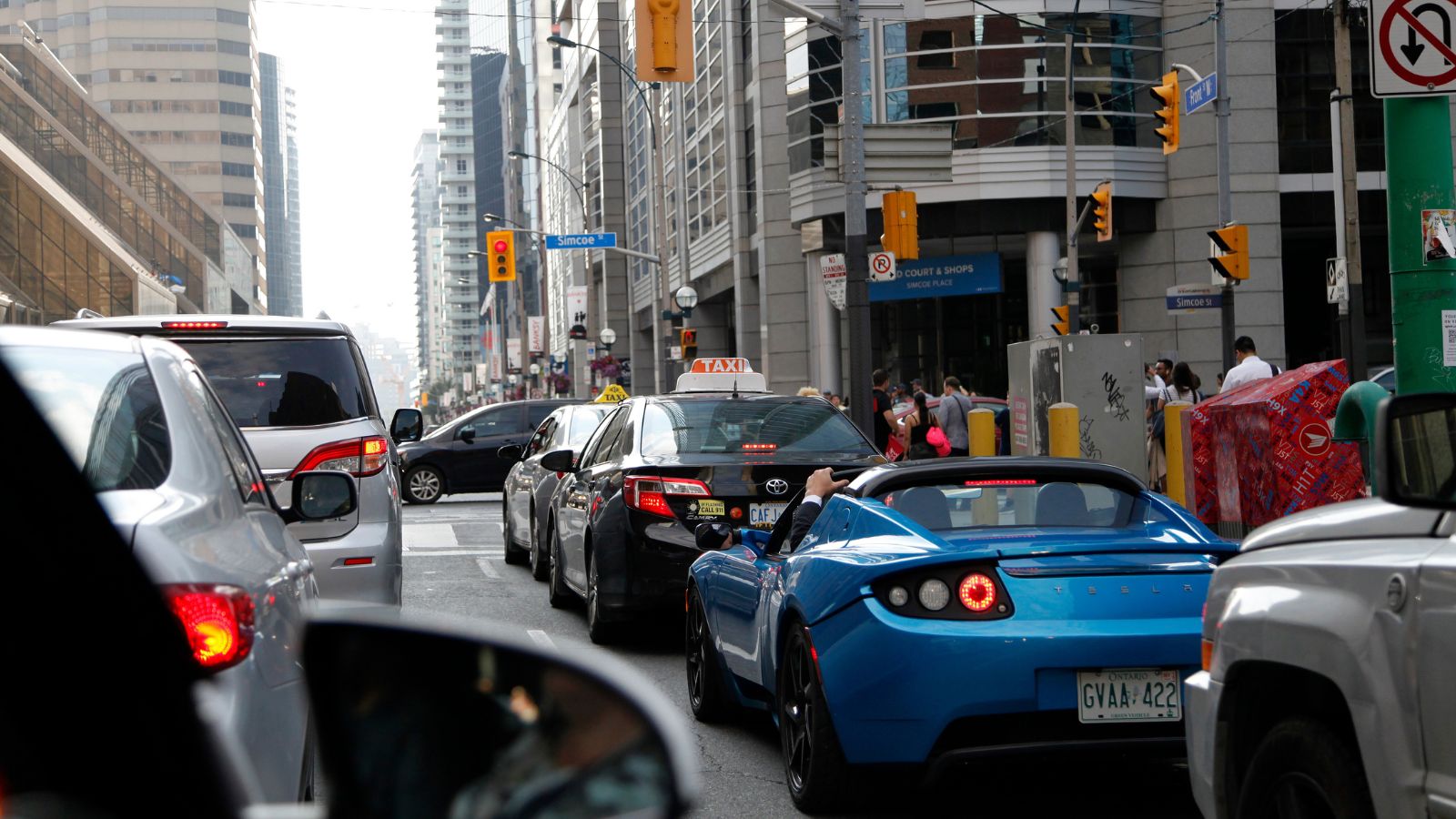
One of the easiest habits to slip into during congestion is creeping closer to the vehicle ahead. Drivers worried about another vehicle entering their lane sometimes leave almost no cushion, particularly when traffic repeatedly accelerates and brakes. Yet the smaller the gap becomes, the less time there is to respond when someone ahead brakes sharply. Ontario’s Ministry of Transportation recommends a following distance of at least two seconds in ideal conditions and says drivers should increase that distance when weather or other circumstances make stopping more difficult.
Space also makes stop-and-go traffic less exhausting. Instead of reacting to every brake-light flicker, a driver with a reasonable cushion can often slow more gradually and maintain a steadier pace. It also creates room for unexpected situations, whether that is debris, a stalled vehicle or someone making a hurried lane change. Thanksgiving traffic may still move slowly, but following another vehicle closely does not change the bottleneck kilometres ahead. It simply converts the same congestion into a more demanding driving task.
Skipping Breaks Can Trade a Few Minutes for Fatigue

A tightly planned trip often treats rest stops as optional. Someone wants coffee, but the family is already late. A child asks for a washroom stop, yet the GPS says arrival has slipped another 12 minutes. On a long drive, that mindset can become counterproductive. Transport Canada identifies driver fatigue as a significant road-safety issue, citing an international consensus estimate that fatigue contributes to roughly 15% to 20% of road collisions.
Transport Canada’s road-safety guidance recommends getting sufficient sleep before a long road trip, avoiding night driving where possible and taking rest stops approximately every 90 minutes. It also advises drivers who become tired to stop and take a nap rather than attempting to push through the fatigue. Those recommendations reveal why rest stops belong in the original schedule instead of being treated as unexpected delays. A four-hour trip is not simply four uninterrupted hours behind the wheel. Building food, washroom and stretching breaks into the plan makes stopping feel expected instead of frustrating—and removes one more reason to rush afterward.
Starting the Drive Exhausted Can Make Traffic Feel Even Worse
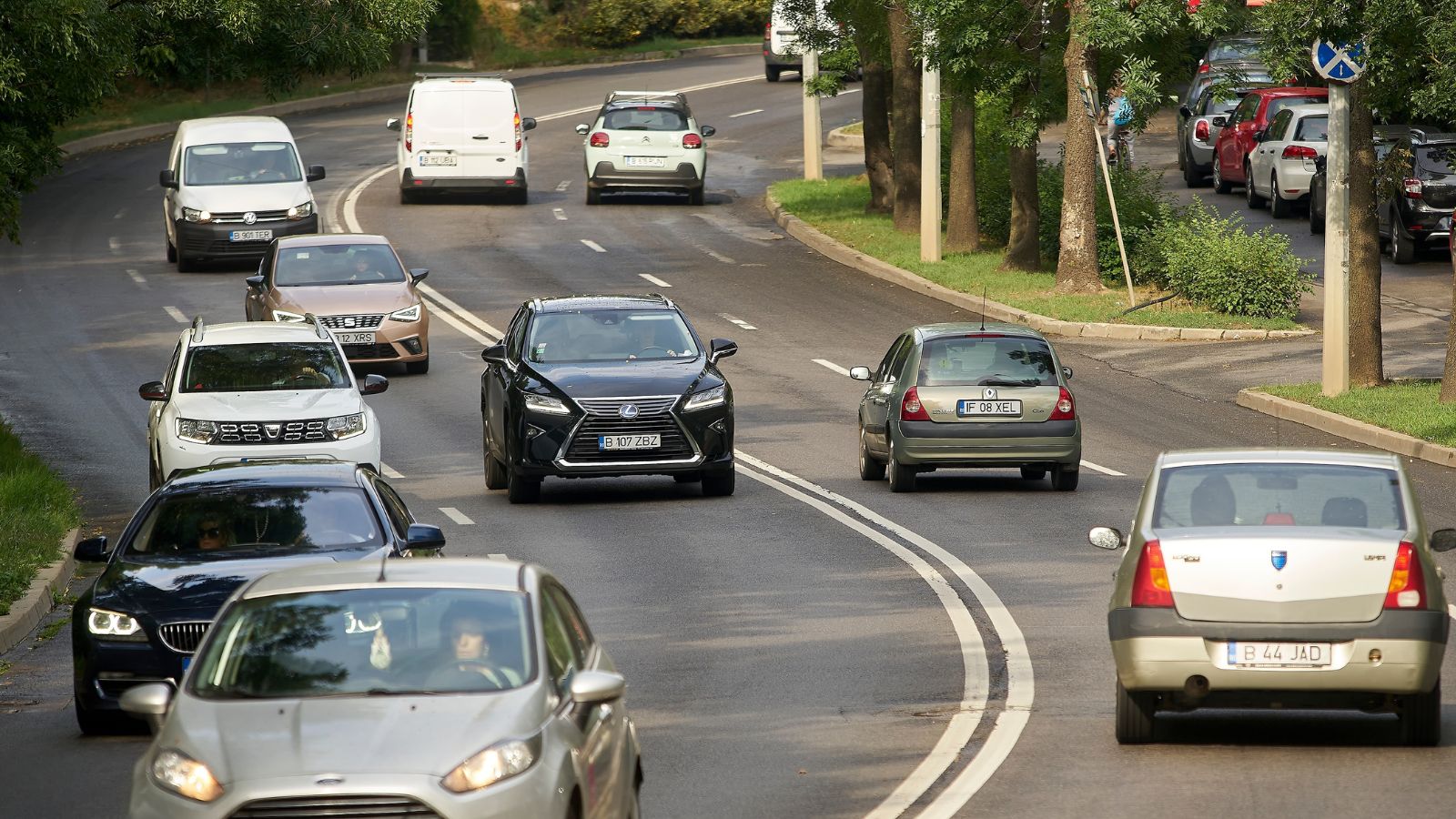
Thanksgiving trips are often squeezed onto the end of an already busy day. Work finishes, bags get loaded, children are collected and the vehicle finally pulls away later than planned. That may feel efficient because no vacation time was “wasted,” but beginning a long trip tired changes how demanding traffic feels. Transport Canada identifies long drives without breaks, driving after a long shift and driving in heavy traffic as circumstances associated with elevated fatigue risk.
Sleep loss also affects performance long before a person literally falls asleep at the wheel. Transport Canada fatigue-management material cites research in which performance after about 17 hours awake was comparable to performance measured at a blood-alcohol concentration around 0.05%. The comparison is not saying fatigue and alcohol impairment are identical; it illustrates how seriously prolonged wakefulness can affect human performance. A driver who has already been awake since early morning may therefore be starting the holiday drive with less reserve for hours of congestion, darkness and monotonous highway travel. Leaving rested can matter as much as leaving early.
Last-Minute Rerouting Can Become Its Own Distraction

When traffic suddenly turns red on a navigation screen, the instinct is to find another way around it immediately. That can mean zooming the map, scrolling through alternate routes or typing a destination while the vehicle is still moving. Transport Canada specifically includes interacting with navigation and infotainment systems among forms of distracted driving. It advises drivers not to change navigation settings while driving and suggests having a passenger handle GPS tasks when possible.
The statistics explain the concern. According to Transport Canada’s National Collision Database, distracted driving was estimated to have contributed to 22.5% of fatal collisions and 25.5% of serious-injury collisions in 2021. That does not mean every navigation interaction leads to a collision, but it shows why attention is valuable. If a route needs reconsideration, a passenger can handle it or the driver can stop somewhere safe. Missing an exit or spending another 15 minutes in traffic is frustrating. Trying to solve the problem while simultaneously travelling at highway speed can create a much larger one.
October Darkness and Weather Add Another Layer
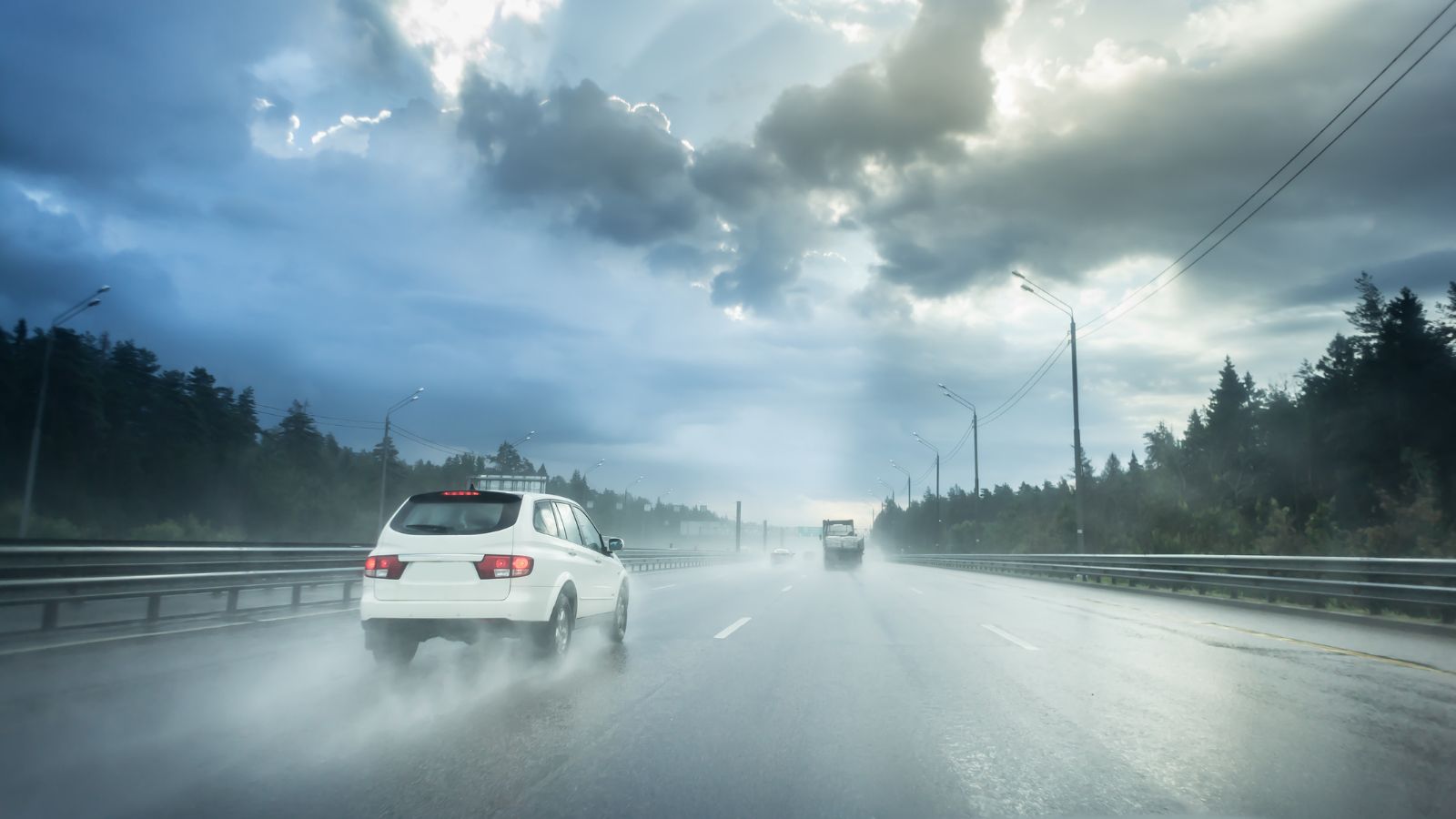
Canadian Thanksgiving arrives when daylight is already shrinking quickly across much of the country. A delay that pushes a drive later into the evening can therefore change more than the arrival time. Ontario’s driving guidance notes that drivers cannot see as far ahead at night or in rain, fog and snow, even with headlights. It recommends reducing speed when visibility decreases and increasing following distance when weather conditions make braking more difficult.
Rain presents its own problems. Ontario’s handbook warns that wet roads can become slippery, that visibility decreases and that sufficient standing water can cause hydroplaning. Provincial rules also require headlights between one-half hour before sunset and one-half hour after sunrise, as well as when poor light conditions make people or vehicles difficult to see. A trip planned with no margin may therefore finish under very different conditions than it began. That is another argument against trying to preserve the original ETA at all costs. When light, weather or visibility deteriorates, the sensible response is to adapt the drive—not defend the schedule.
Fuel and Charging Stops Belong in the Travel Time
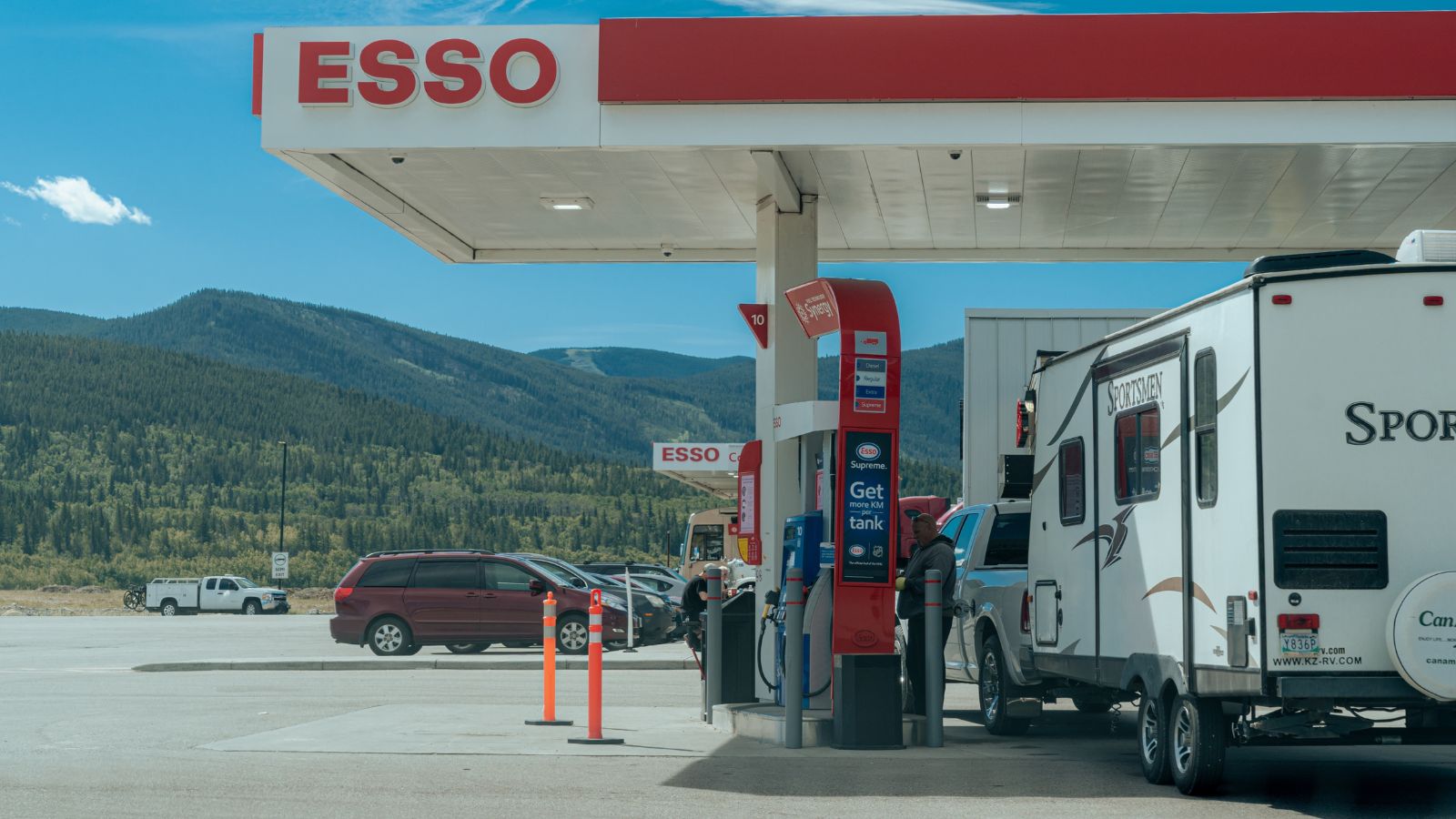
A fuel stop made before leaving town feels very different from discovering a nearly empty tank while crawling toward a crowded highway service centre. EV drivers have a similar reason to think ahead about charging. Natural Resources Canada maintains a charging and alternative-fuelling-station locator that can map stations along a planned route, specifically allowing travellers to consider refuelling infrastructure before a longer trip begins.
Basic vehicle preparation can also prevent unnecessary stress. CAA notes that underinflated tires can increase fuel consumption by as much as 4%, while its consumer guidance says a poorly maintained vehicle can increase fuel consumption by up to 25%. Those figures will vary by vehicle and condition, but they reinforce the value of checking tires, fuel or charge level, fluids and other basics before departure. On Thanksgiving weekend, the worst moment to discover a small maintenance problem is after everyone is loaded and already running behind. Ten minutes spent preparing at home can feel far less costly than an unscheduled roadside stop halfway to dinner.
The Drive Home Deserves as Much Planning as the Drive There

The outbound trip usually gets most of the attention, while the return is often decided around the dinner table. That can become a problem when someone is tired, the gathering runs late or alcohol, cannabis or another impairing substance has been consumed. Thanksgiving is important enough from a road-safety perspective that police services across Canada conduct Operation Impact over the long weekend, focusing on impaired, aggressive and distracted driving as well as seatbelt use.
Recent enforcement illustrates why the return trip should not be an afterthought. During Alberta’s 2025 Thanksgiving long weekend, RCMP reported issuing 1,918 tickets, including 841 for speeding and 55 for distracted driving. Officers also reported removing 106 drivers from the roads for alcohol or drug impairment, while 45 collisions resulted in injuries. Those numbers represent one province during one holiday weekend, not the entire country, but they provide useful perspective. If a gathering includes alcohol or other impairing substances, transportation or overnight arrangements belong in the plan before dinner begins—not after someone decides it is time to beat the traffic home.
Build a Departure Window Instead of Chasing a Deadline
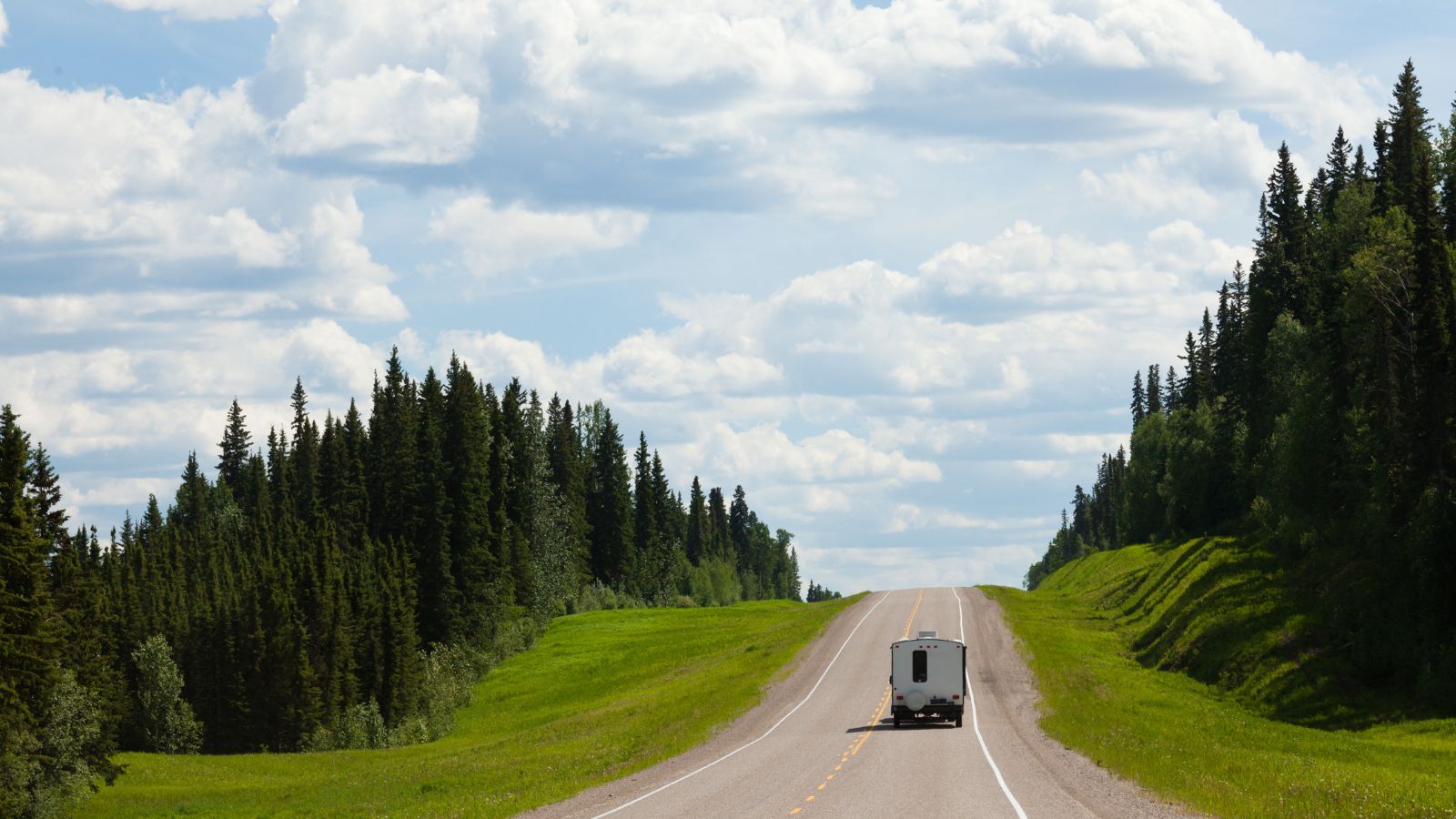
The most useful Thanksgiving traffic strategy is not finding a secret highway or predicting the exact minute congestion will disappear. It is preserving enough flexibility that traffic does not control the driver’s decisions. Provincial traveller-information systems make that easier. Ontario 511, for example, provides information on travel times, traffic speeds, incidents, closures and roadwork. Québec 511 similarly publishes road conditions, construction information, warnings and other network updates.
Checking those conditions shortly before departure allows the schedule to move with reality. If the preferred route has a major incident, leaving earlier, waiting longer or choosing another route may be more comfortable than entering the delay and hoping to recover time later. The same approach works on the return journey. Thanksgiving traffic becomes stressful when every unexpected minute feels like a failure. A trip built around a flexible departure window, planned stops and current road information leaves room for the inevitable surprises. The destination remains the same; the drive simply stops feeling like a race to get there.
19 Used Cars Canadians Should Avoid in 2026 (Based on Owner Complaints)

Buying a used car in Canada can feel safe until repair bills start stacking up. Owner complaints tell a different story than glossy listings. Transmission failures, electrical problems, and weak winter reliability show up again and again in consumer reports. Many of these issues appear after warranties expire, when owners least expect them. Some vehicles look affordable upfront, but become expensive to keep on the road. Others struggle in cold weather, urban driving, or long highway commutes. Here are 19 used cars Canadians should avoid in 2026 (based on owner complaints).
19 Used Cars Canadians Should Avoid in 2026 (Based on Owner Complaints)

Alanna Rosen is an experienced content writer that focuses on many EV and educational content. Her articles are regularly published on Get CyberTrucked and syndicated on large publications.