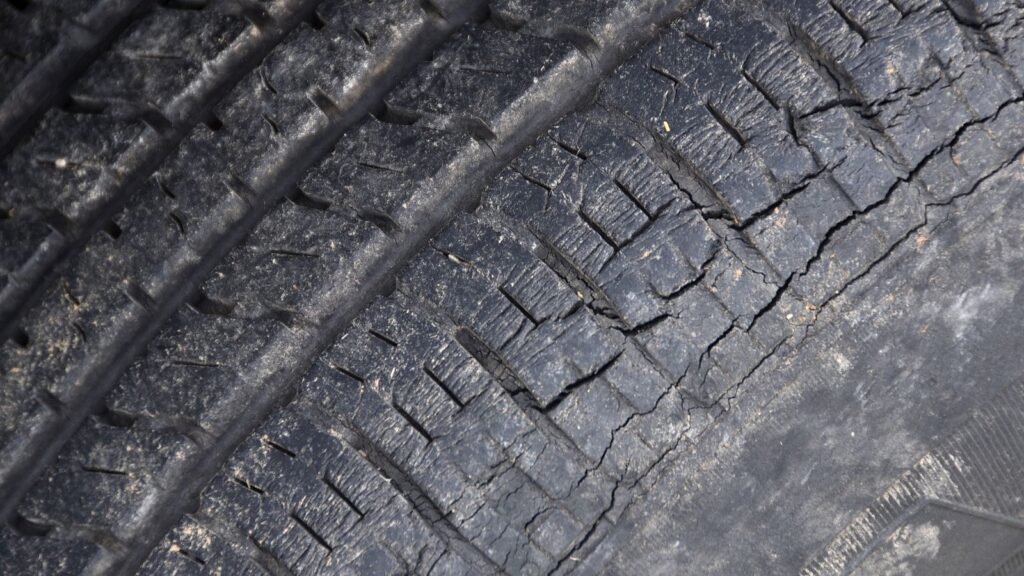
A set of tires can look perfectly serviceable in September and feel very different once cold rain turns to slush, packed snow and ice. Canadian winter driving exposes weaknesses that are easier to overlook in warmer weather, particularly shallow tread, pressure problems, aging rubber and damage hidden beneath an otherwise normal-looking surface.
The legal minimum is not always the best measure of winter readiness, either. Transport Canada advises against using tires worn close to 4 millimetres of tread on snow-covered roads, while Quebec recommends at least 4.8 millimetres during winter. These 21 signs can help identify tires that deserve closer inspection, professional assessment or replacement before another season of freezing temperatures and difficult roads begins.
The Tread Is Closing In on 4 Millimetres
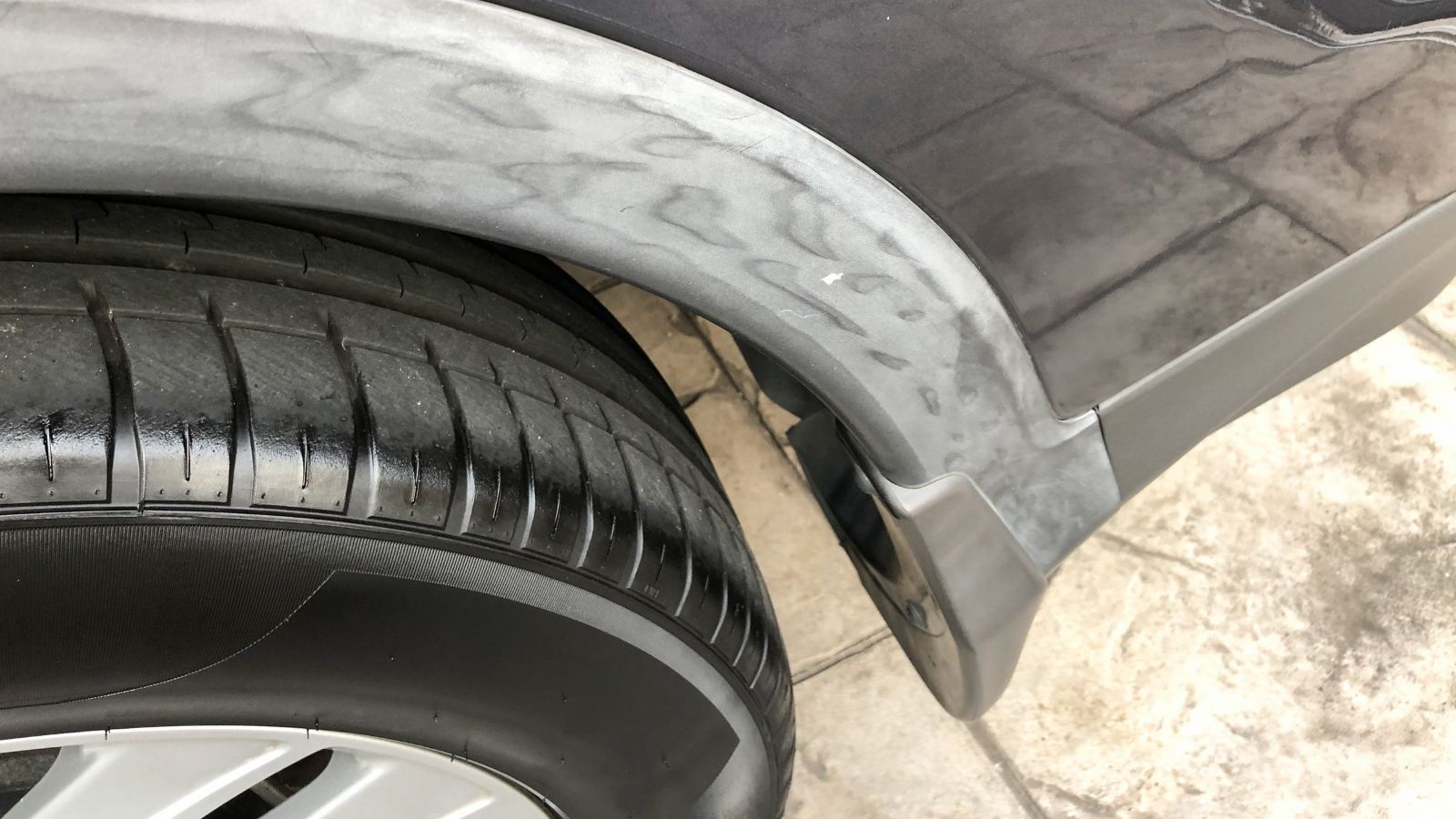
A tire does not need to be legally bald before it becomes a questionable choice for winter. Transport Canada warns against using tires worn close to 4 millimetres, or about 5/32 of an inch, on snow-covered roads. That is considerably more tread than the roughly 1.6-millimetre wear-out threshold commonly associated with tread-wear indicators. The reason is straightforward: winter tread needs enough groove depth to move snow, slush and water away while allowing the tread blocks to find traction.
This distinction can surprise drivers pulling an older set out of storage. A tire measuring slightly above the legal minimum may appear to have months of ordinary driving left, yet be poorly suited to a January storm on Highway 401 or a snow-covered rural road. Quebec goes even further by recommending at least 4.8 millimetres during winter. A tread-depth gauge costs little and can reveal whether a tire that looks acceptable from several feet away is already entering the range where winter performance becomes a concern.
The Wear Bars Are Becoming Flush With the Tread
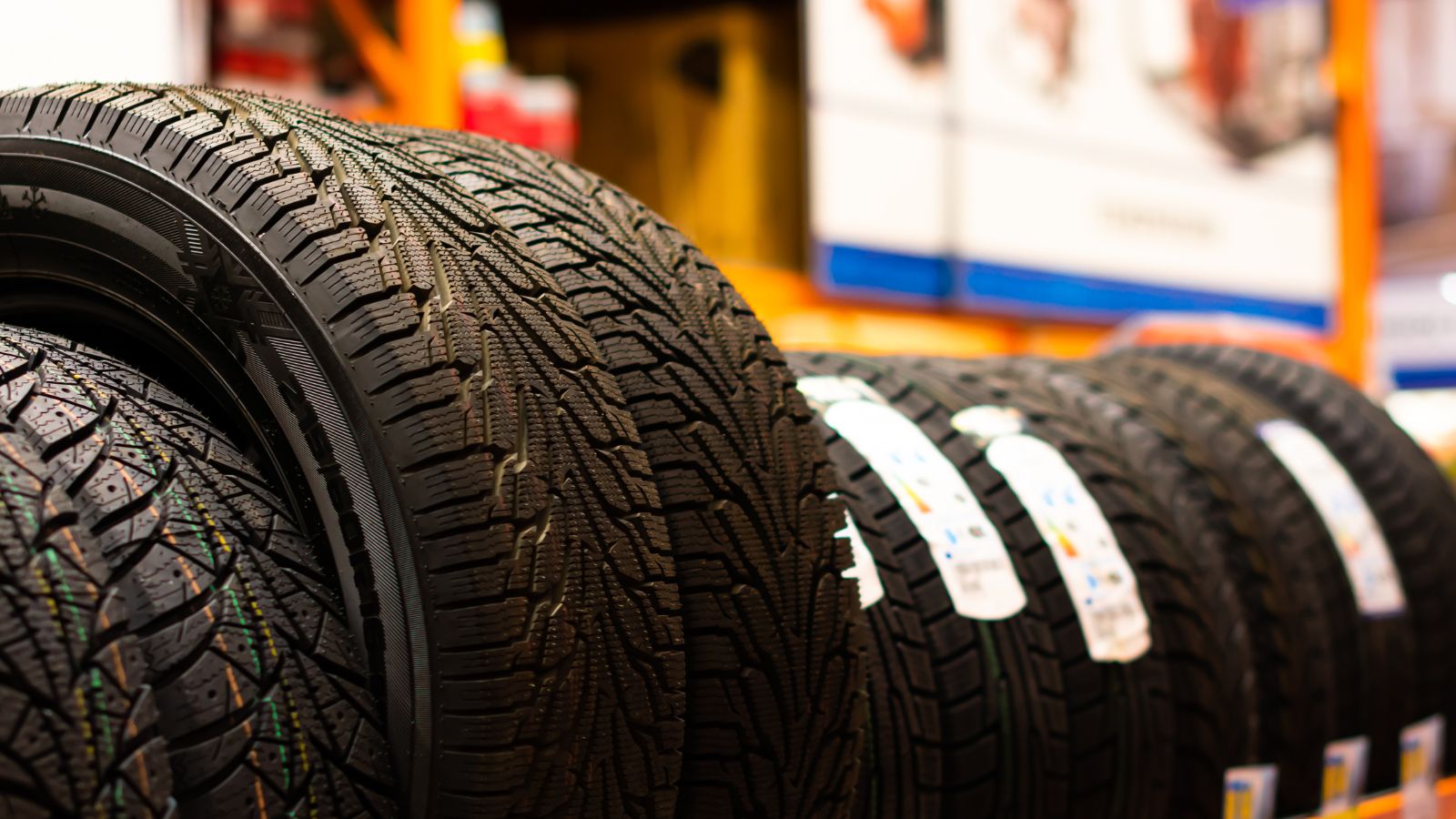
Those narrow raised strips hidden inside the main tread grooves are not decorative. They are tread-wear indicators, designed to make excessive wear easier to recognize. Canadian tire standards generally place these indicators at about 1.6 millimetres of remaining tread. Once the surrounding tread is level with them, the tire has reached the end of its usable tread depth and requires replacement. Transport Canada notes that traction decreases as tires wear and recommends replacing them before reaching the minimum when optimum wet or snow traction is needed.
For winter driving, waiting until the bars are completely flush is particularly poor timing. Snow performance can deteriorate well before a tire reaches its absolute wear limit. A useful inspection involves checking several locations around every tire rather than looking at a single groove near the outside edge. If the wear bars are easy to see, or some portions of the tire are already approaching them, the set may technically have rubber remaining while having very little winter margin left.
The Centre of the Tread Is Wearing Faster
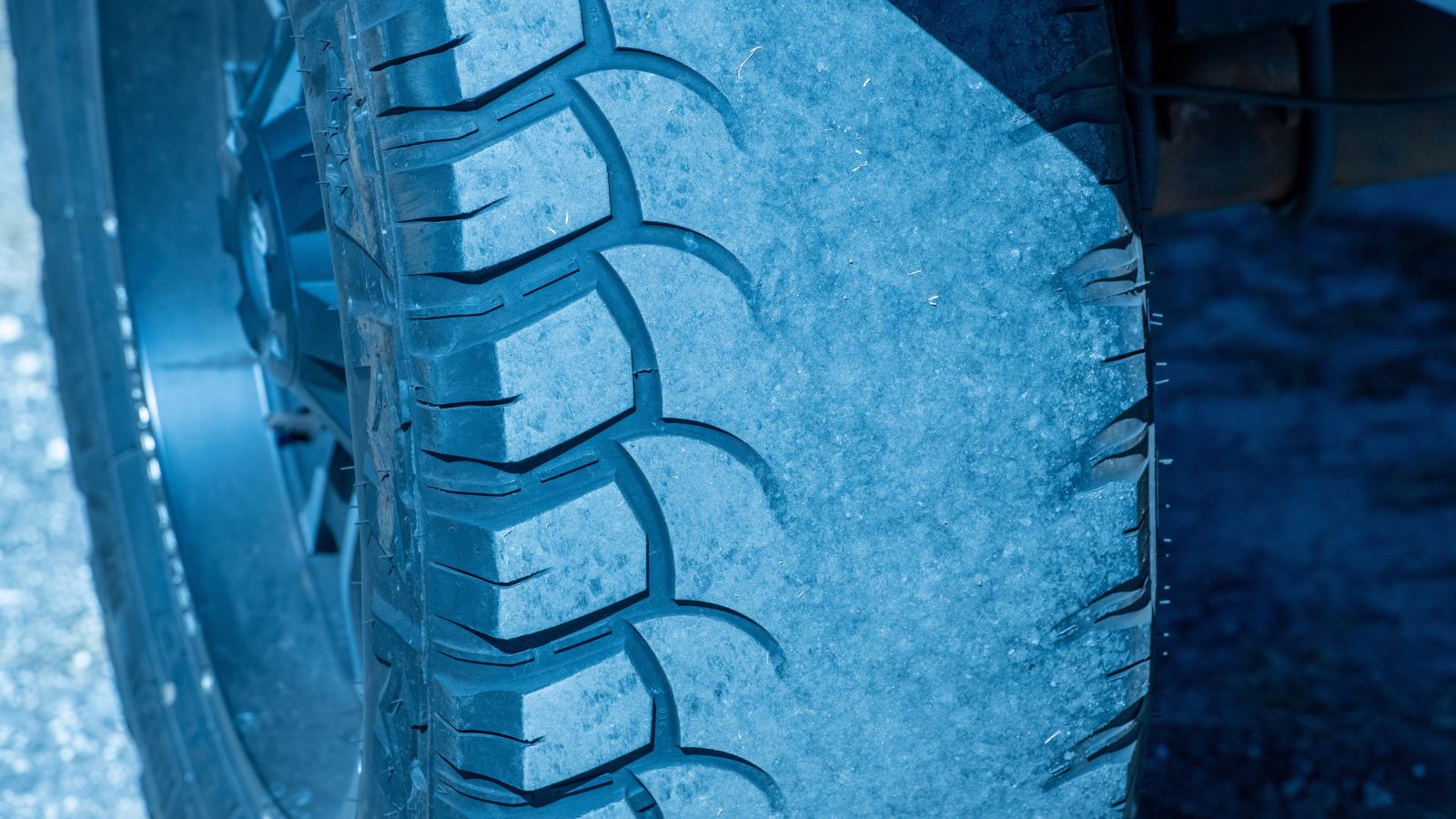
A tire with a noticeably smoother centre strip is telling a story about how it has been operating. Michelin identifies excessive centre wear as a common sign of overinflation. When pressure is too high, the centre of the tread can carry more of the load and wear more rapidly than the outer portions. Transport Canada also warns that excessive inflation can reduce the effective contact area between the tire and road, affecting grip, ride quality and handling.
The problem becomes more important when winter is approaching because the deepest-looking portions at the shoulders can create a false sense of security. Measuring only there could suggest plenty of tread remains even though the centre—the portion doing substantial work during straight-line driving—is significantly more worn. Pressure should be checked when the tires are cold and compared with the vehicle manufacturer’s placard, usually located around the driver’s door. If centre wear is already pronounced, correcting the pressure prevents further damage, but it cannot restore tread that has disappeared.
Both Outer Shoulders Are Wearing Down
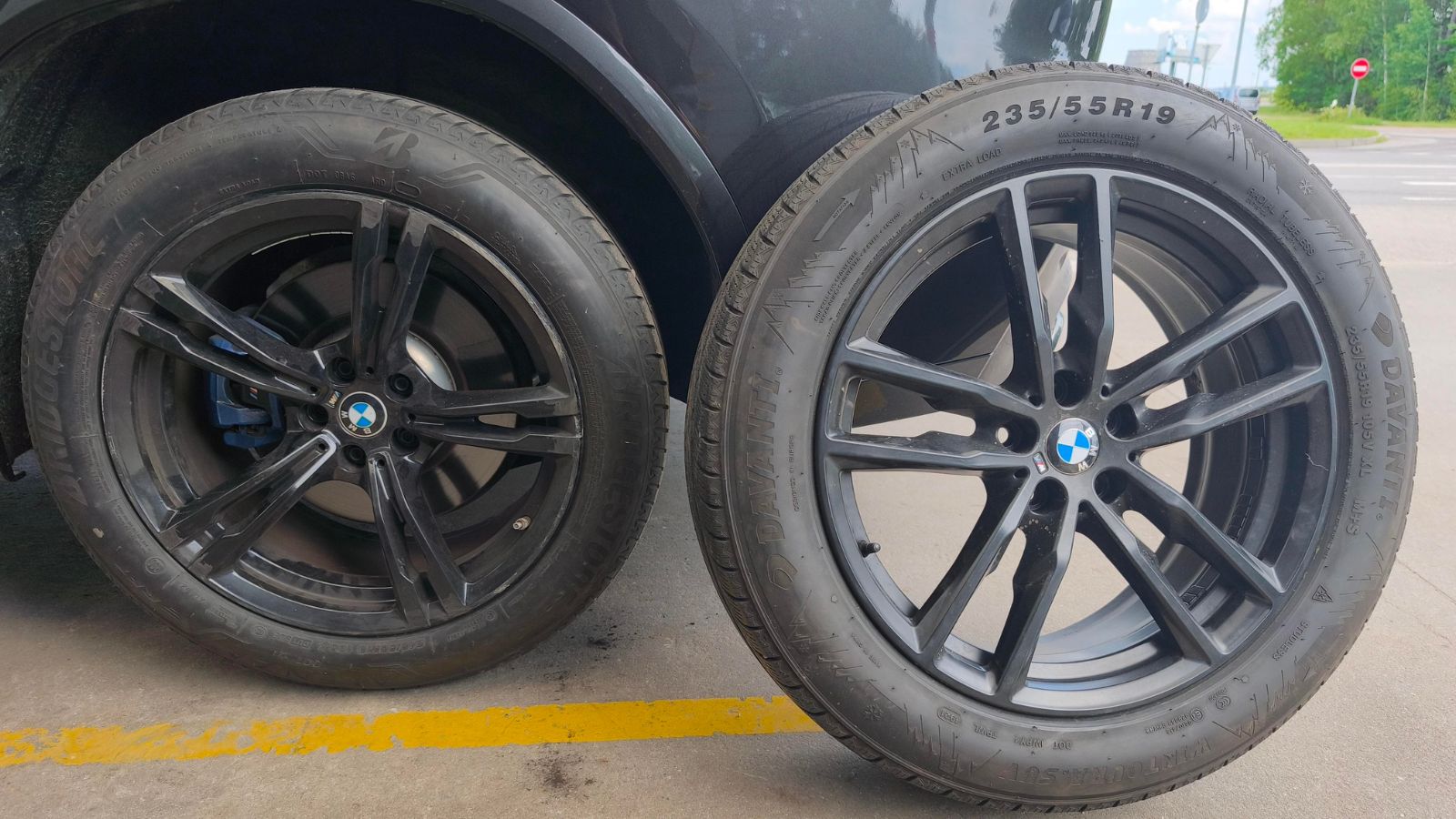
Wear on both outer edges while the middle remains noticeably deeper is another classic warning pattern. Michelin associates this type of shoulder wear with chronic underinflation. A tire running without enough air flexes more heavily and can place additional loading on the outer portions of the tread. Underinflation can also increase heat generation inside the tire, reducing durability over time. That history matters even if the tire is later inflated correctly.
Canadian temperature swings make pressure maintenance particularly important. Transport Canada says tire pressure can fall by about 1 psi for every 5°C drop in temperature. A tire adjusted on a mild autumn afternoon can therefore be meaningfully lower during a sharp cold snap. If both shoulders already show substantial wear before winter begins, measuring the deepest part in the centre can overstate how much usable tread remains. The cause should be corrected, but a badly shoulder-worn tire still needs to be assessed on the amount and uniformity of tread it actually has left.
One Edge Is Disappearing Faster Than the Other
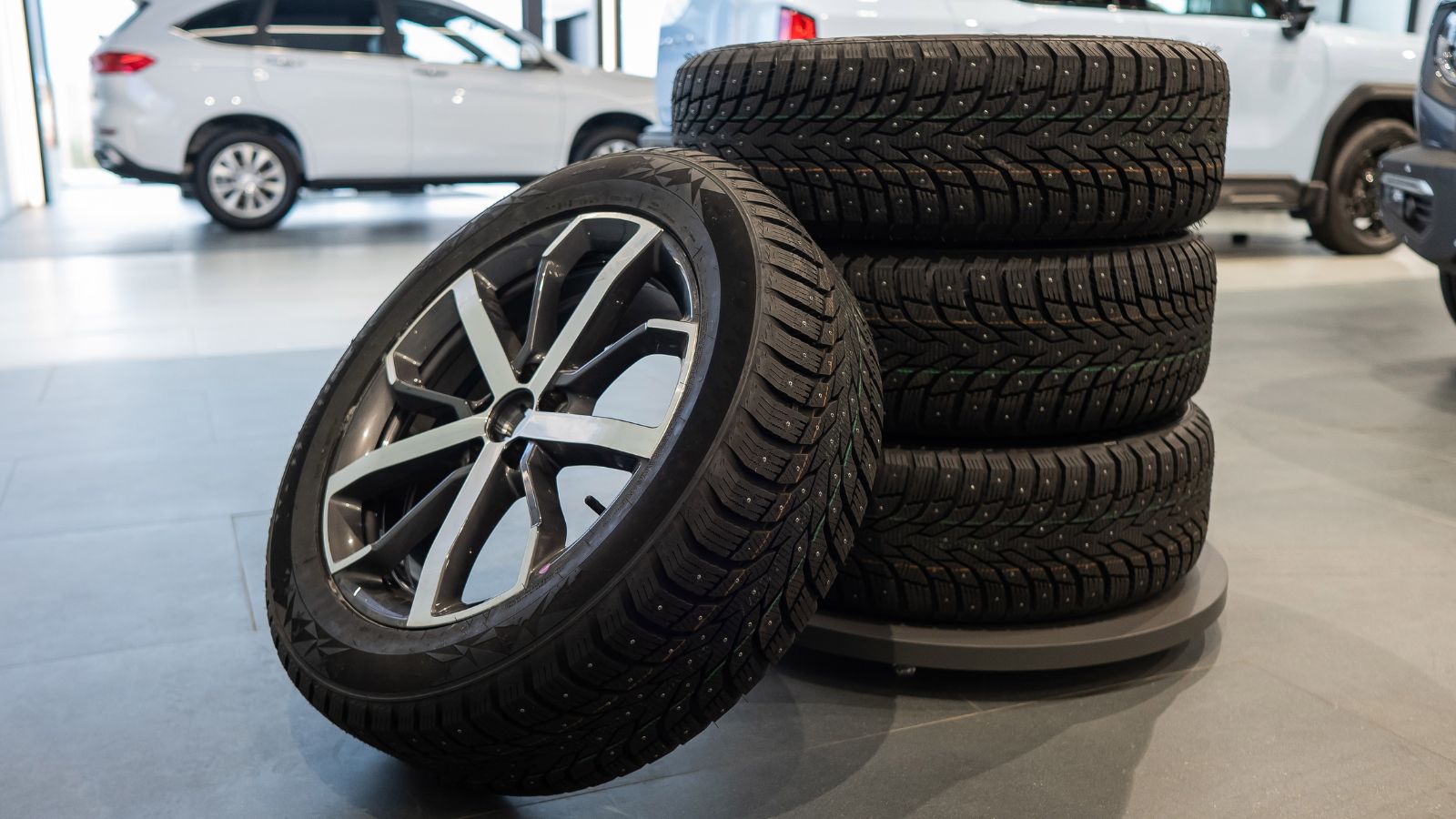
When the inside or outside edge of one tire wears much faster than the rest of the tread, wheel alignment becomes a prime suspect. Michelin identifies one-sided wear as a common indication of misalignment. Instead of meeting the pavement evenly, the tire can run at an incorrect angle and effectively scrub part of the tread away. A vehicle can therefore consume usable winter tread surprisingly quickly without the tire appearing bald from the most visible side.
This is one reason a quick glance while walking toward the vehicle is not enough. Inside-edge wear can remain largely hidden unless the steering is turned or the tire is inspected from beneath the wheel well. A car may still steer reasonably straight while the inner shoulder becomes dangerously thin. Canadian potholes and curb impacts can also disturb alignment, so a set that looked even at the previous seasonal changeover may not remain that way. If one edge has significantly less tread, an alignment can protect future tires, but it cannot replace material already worn from the current set.
The Tread Has Developed a Cupped or Scalloped Pattern
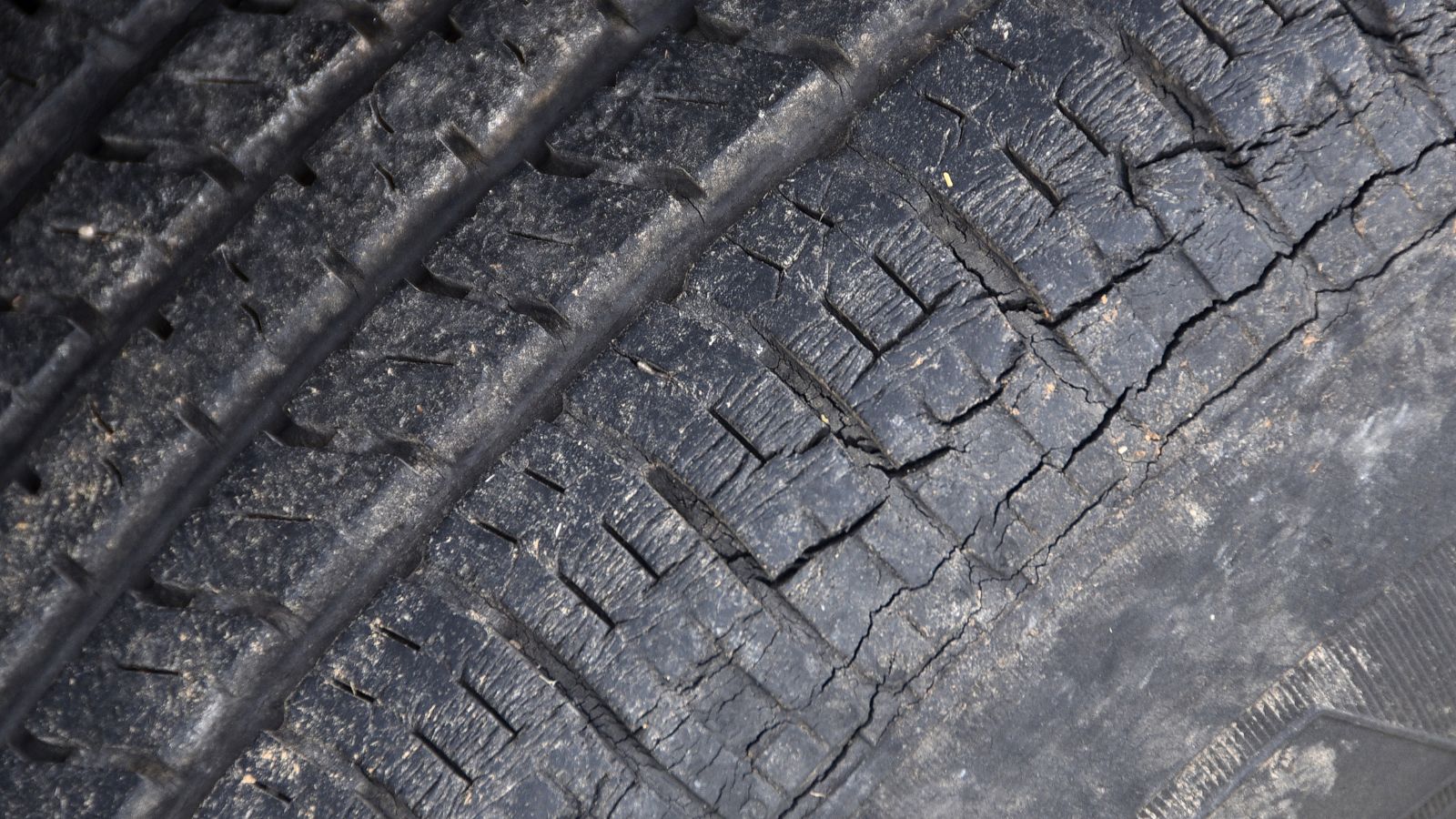
Cupping looks different from ordinary wear. Instead of the tread gradually becoming shallower across a broad area, alternating high and low patches develop around the tire, creating a wavy or scalloped appearance. Michelin links this type of pattern with issues such as wheel imbalance, alignment or worn suspension components. The tire may essentially bounce or load unevenly as it rotates, removing rubber from certain areas faster than others.
The sensation can sometimes be felt before the pattern becomes obvious. A driver may notice a rhythmic hum, vibration or roughness that changes with speed. That becomes especially undesirable on winter roads, where consistent tire contact is important. A tread-depth reading taken on one of the high spots can also be misleading because a nearby cup may be much shallower. The underlying mechanical cause needs diagnosis so replacement tires do not develop the same problem. If an older winter set is already heavily scalloped in autumn, simply rotating it and hoping for one more season may leave the vehicle relying on an increasingly irregular contact surface.
The Tread Blocks Feel Feathered or Sawtoothed
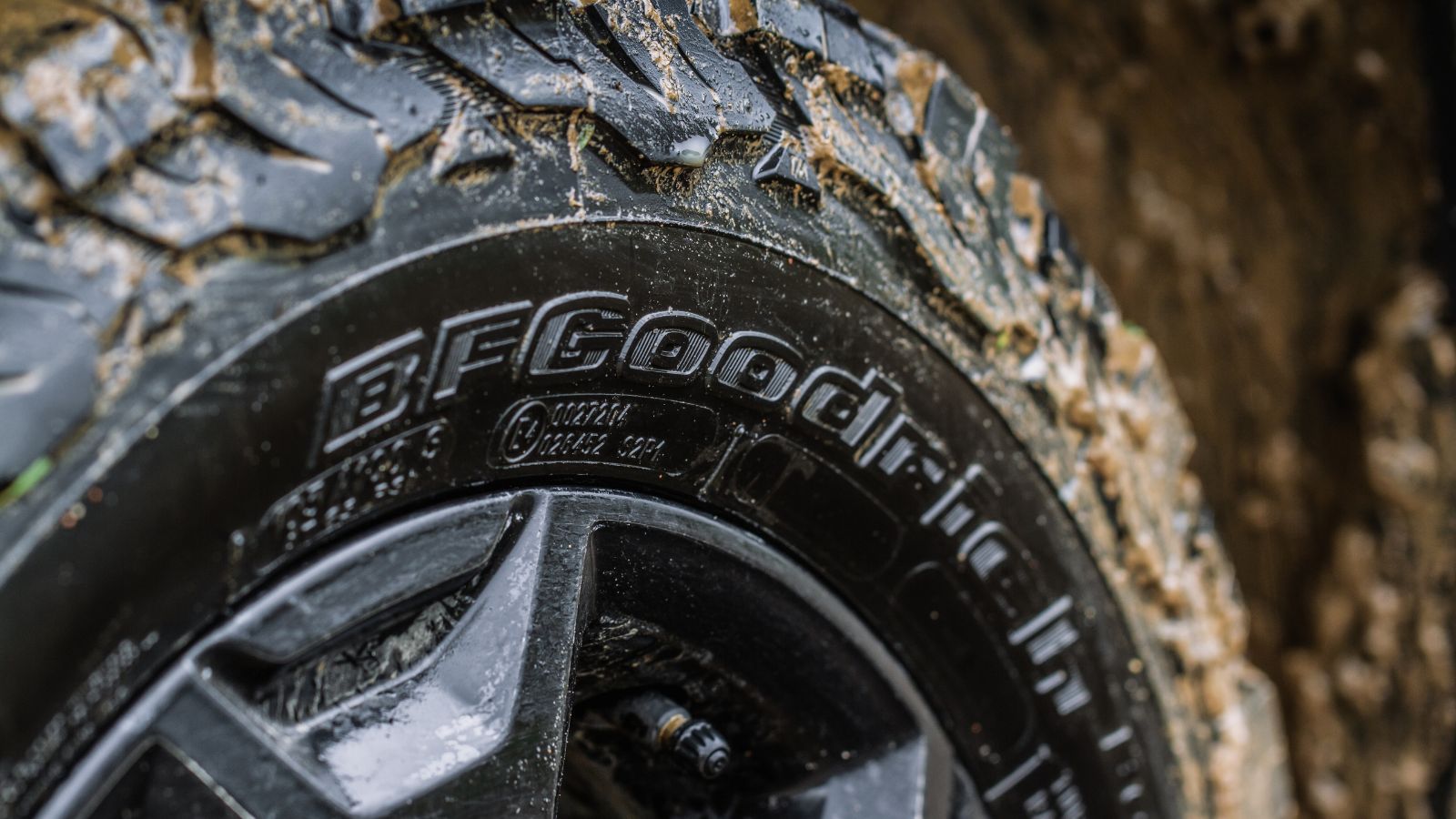
Running a hand carefully across the tread can reveal wear that is difficult to see. Feathering occurs when the edge of each tread block feels smoother in one direction and sharper in the other, producing a sawtooth-like texture. Michelin identifies feathered tread as a sign commonly associated with incorrect toe alignment—the angle at which the wheels point inward or outward relative to the vehicle’s centreline.
Feathering matters because it indicates the tire has not been rolling cleanly down the road. It has been scrubbing sideways to some degree, gradually producing uneven wear. A mild case does not automatically mean the tire is finished, but pronounced feathering deserves an alignment check and an accurate measurement of remaining tread across the full width. Winter tires depend on numerous edges and tread features to interact with snow and slush, so a heavily worn or distorted tread pattern deserves more scrutiny than an evenly worn tire with the same nominal depth. Catching the pattern before winter can also prevent a fresh replacement set from suffering the same fate.
Cracks Are Appearing in the Sidewalls
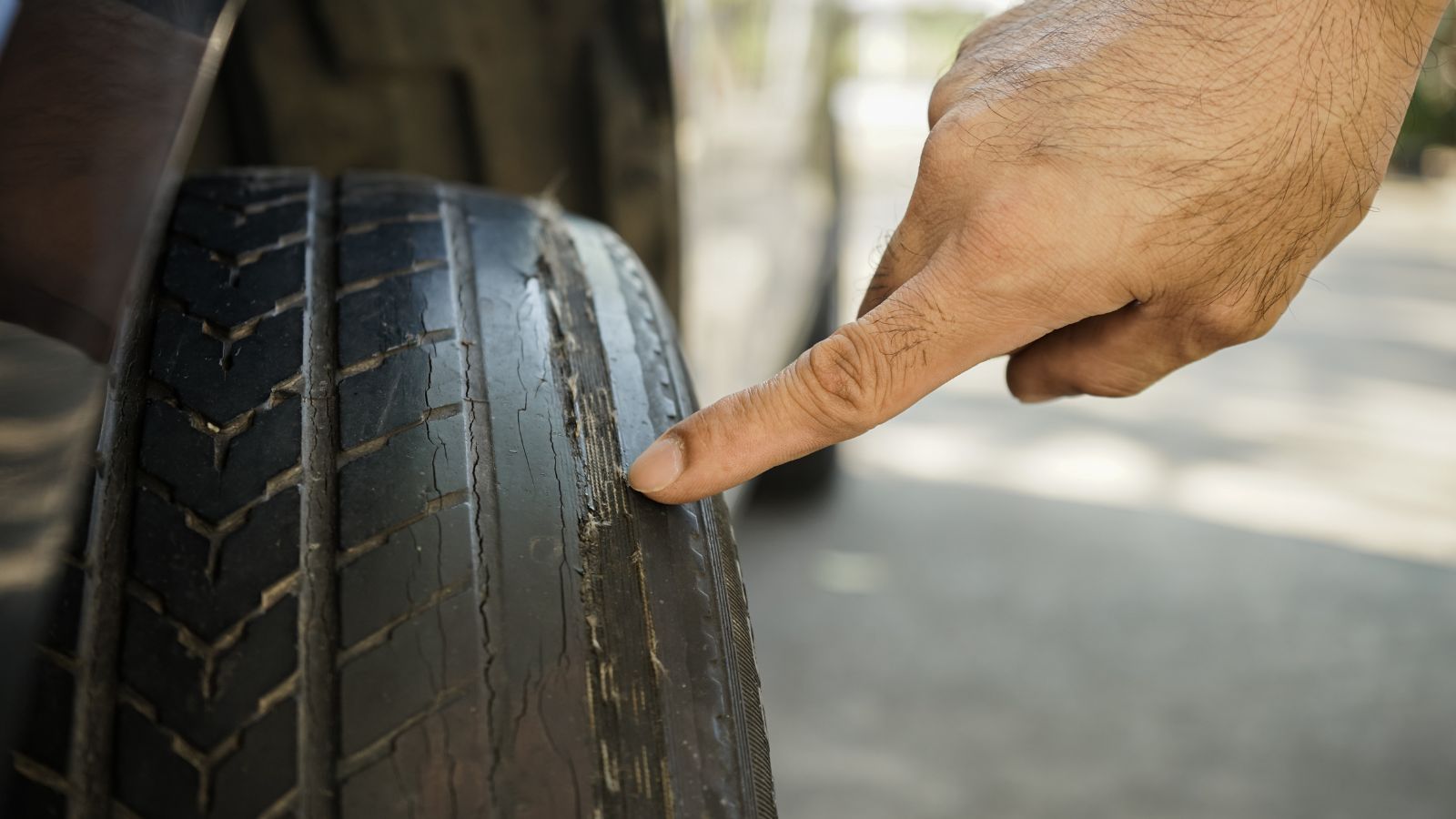
Small lines in aging rubber can be easy to dismiss, particularly when a seasonal tire has spent months in storage. However, cracking is one of the conditions Transport Canada tells motorists to inspect for, and Michelin notes that sidewall cracking can develop as rubber ages and is exposed to environmental conditions such as ultraviolet light, ozone and temperature extremes. Deep, numerous cracks are more concerning than light surface marks and should be examined professionally.
Canadian winter creates little reason to gamble on deteriorating sidewalls. Rubber that must tolerate repeated cold starts, pothole impacts and highway driving needs its structural components to remain sound. Cracking near the bead—the area where the tire seals against the wheel—also deserves attention because that portion of the tire experiences substantial stress. Some superficial aging may not require immediate replacement, which is why professional assessment is useful. But cracks deep enough to reveal underlying material, or cracking accompanied by air loss or deformation, move the tire well beyond a cosmetic issue.
There Is a Bulge or Bubble on the Sidewall
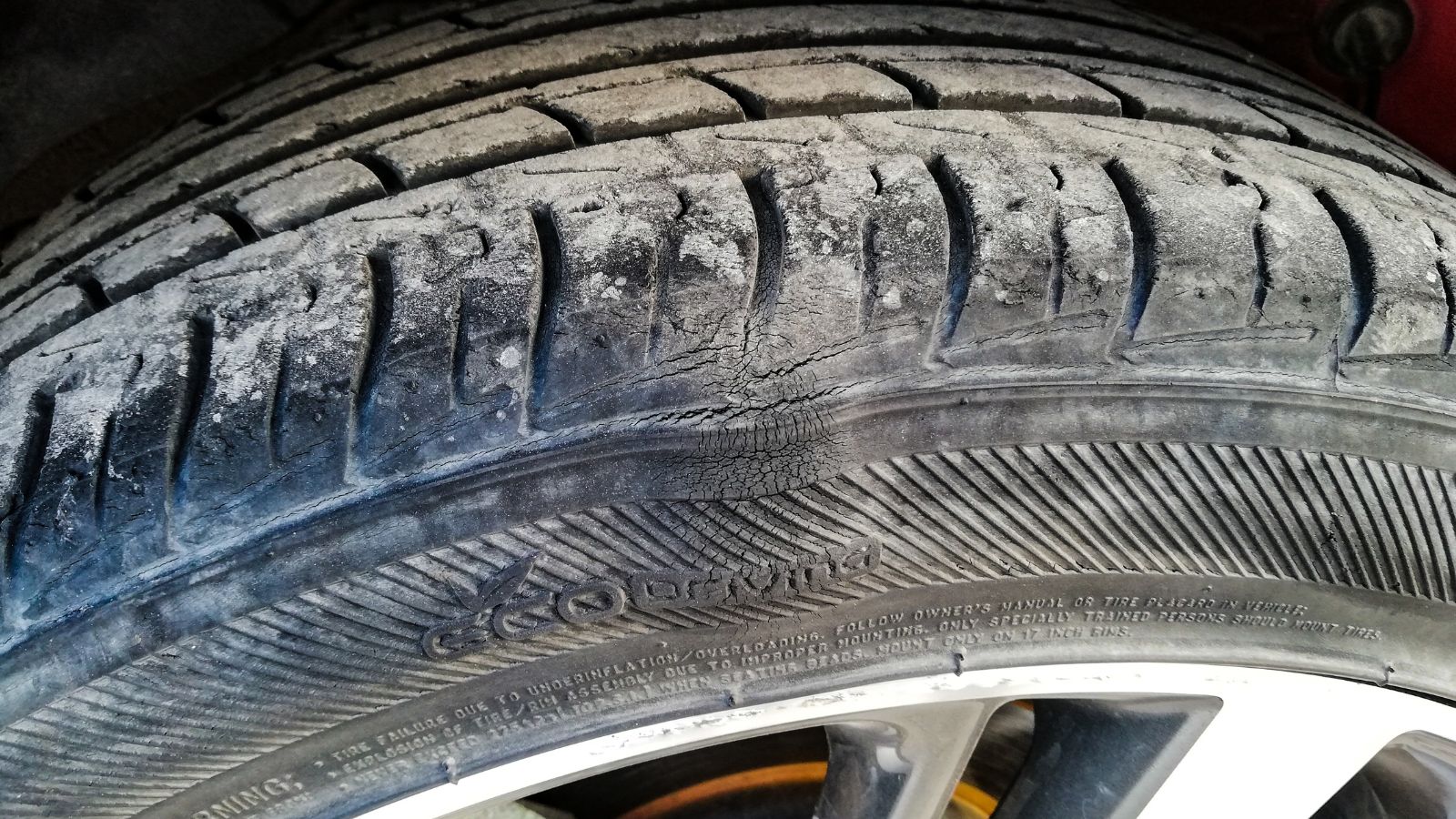
A sidewall bubble is one of the clearest signs that a tire should not be trusted through another winter. Michelin explains that bulges commonly indicate damaged internal cords, frequently after a severe impact such as striking a pothole or curb. Once the structure beneath the rubber is compromised, air pressure can push the weakened area outward. Unlike a harmless inward indentation that can appear on some radial tires, an outward bubble represents damage.
This is not a problem to monitor until the next oil change. Michelin advises replacing a tire with a sidewall bulge rather than repairing it. The timing is especially relevant after a rough Canadian pothole season: a hard hit may leave the wheel looking intact while the tire develops a lump days or weeks later. A careful inspection of both the outer and inner sidewalls during a seasonal change can catch damage that was previously hidden. One obvious bubble is enough reason to stop thinking in terms of “one more winter” and start thinking about replacement.
Deep Cuts or Slits Are Visible
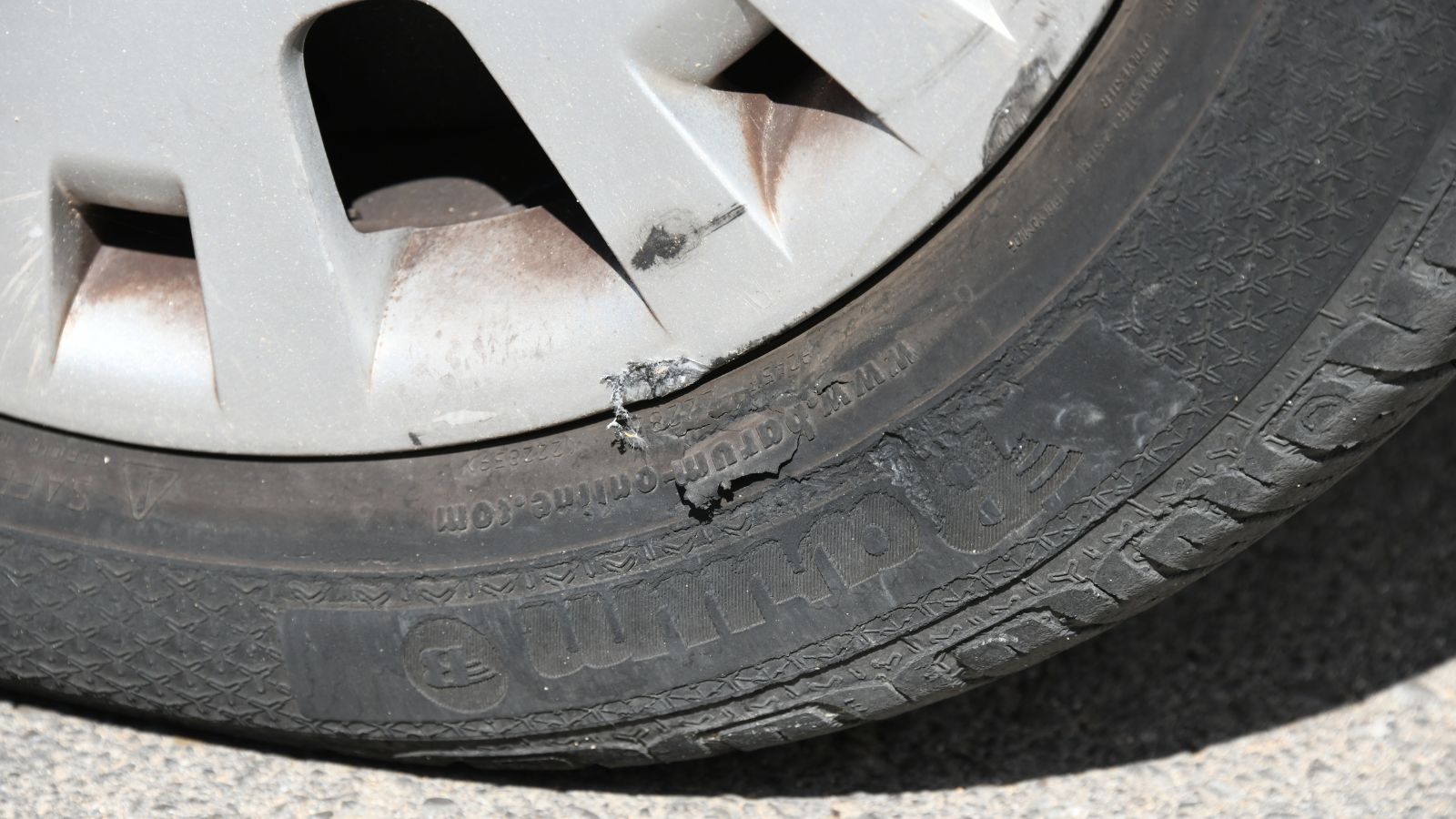
Tires routinely collect minor surface marks, but deep cuts and slits deserve a different level of attention. Transport Canada specifically identifies deep cuts, slits, cracks and similar damage as potentially dangerous conditions that can require replacement. A cut can extend beyond the cosmetic outer rubber and into structural components that allow the tire to carry load and contain air pressure safely.
Winter roads can make existing damage harder to manage. Slush, darkness and roadside snowbanks are poor conditions for discovering that a compromised tire has finally begun losing air. Drivers should inspect both sidewalls and the tread area, including the less-visible inside of the tire. A deep cut produced by a curb strike or sharp road debris may not immediately create a flat, so the absence of pressure loss is not proof that the tire is unharmed. When the depth of a cut is unclear, a tire professional can determine whether the structure has been affected rather than relying on appearance alone.
Cord or Bead Material Is Becoming Visible
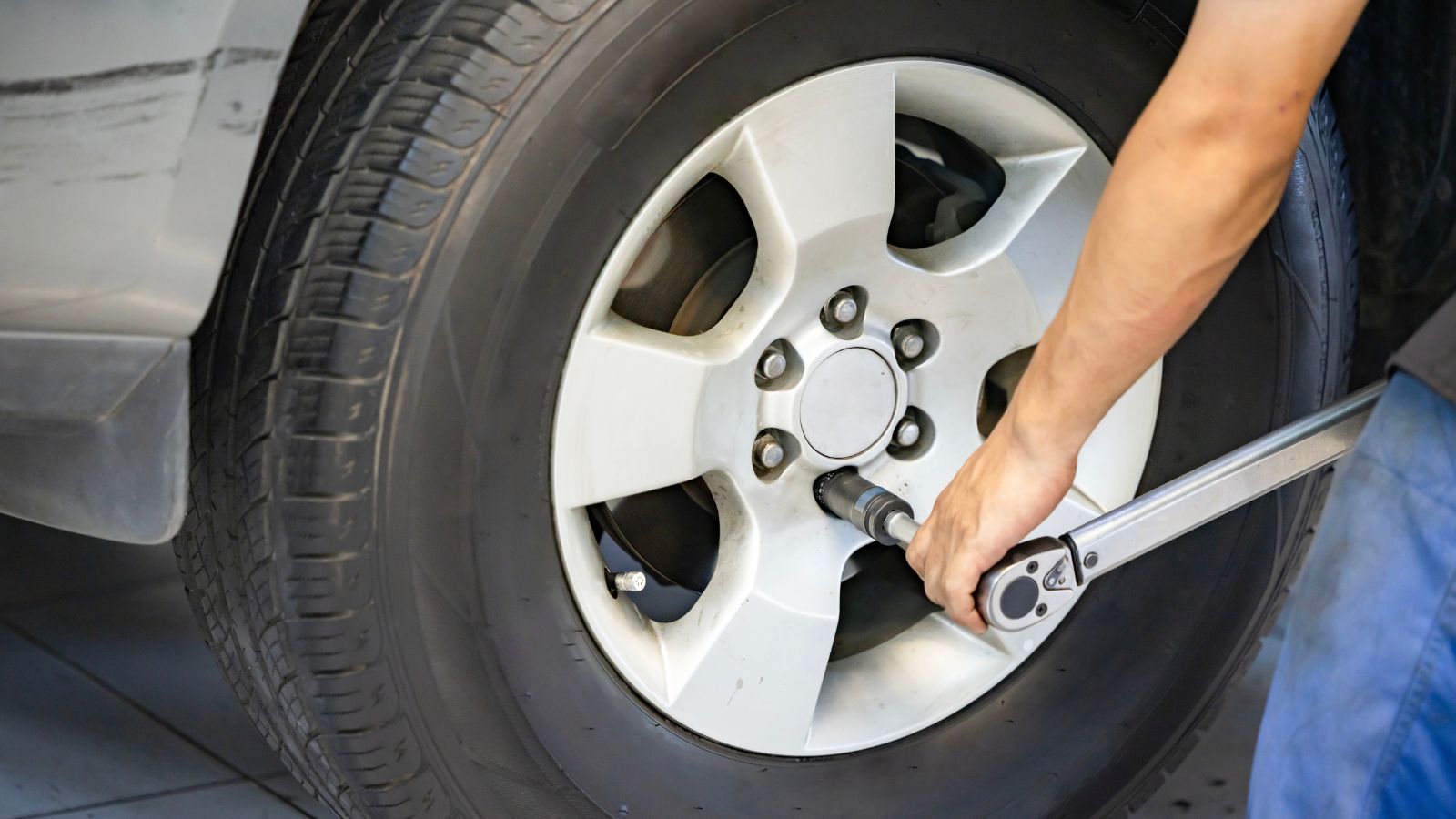
Once fabric, cord or bead wire can be seen, the discussion about squeezing another season from a tire is effectively over. Michelin states that tires with exposed cord or underlying material require replacement. The structural layers beneath the rubber are not intended to function as the driving surface or remain exposed to road contamination, moisture and repeated flexing.
Exposed material can appear after severe uneven wear, a deep cut or damage around the bead where the tire meets the wheel. This is why checking only the centre tread is not enough. A tire can show apparently adequate tread in most areas while an inner shoulder has worn through far more aggressively. During a seasonal wheel change, the removed tire provides an unusually good opportunity to inspect both sidewalls and the bead area. Visible structural material is one of the least ambiguous warning signs on the list: the remaining tread elsewhere does not cancel out the localized damage.
The Tread Is Separating, Splitting or Losing Chunks
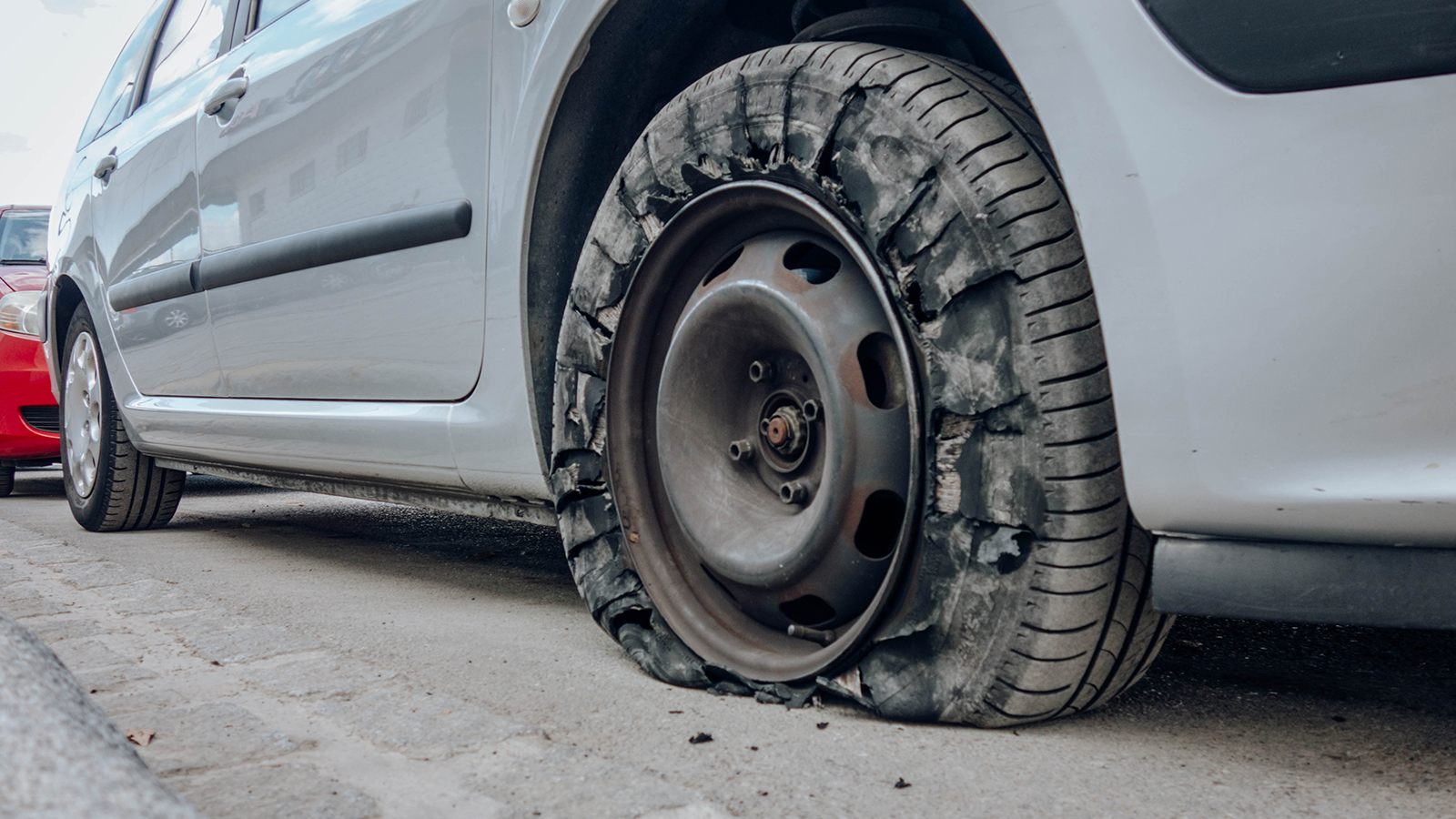
A tire should look like one continuous, intact structure. Michelin lists separated tread and split tire elements among warning signs that require attention, while Canadian tire safety standards treat separation, chunking and broken cords as structural failures in performance testing. Separation can develop from several contributing factors, including impact damage, heat, running underinflated or previous injury.
Early stages may appear as a raised section, unusual distortion, cracking between tread areas or a portion of rubber beginning to peel away. A driver might also notice a new vibration or thumping sensation before the damage becomes visually dramatic. None of those symptoms should be treated like ordinary cosmetic wear. Winter conditions add heavy demands without creating any mechanism that will improve an already separating tire. If part of the tread appears to be lifting, splitting or breaking apart, the appropriate question is not whether the remaining tread depth meets a numerical minimum, but whether the tire’s structure is still trustworthy at all.
The Same Tire Keeps Losing Air
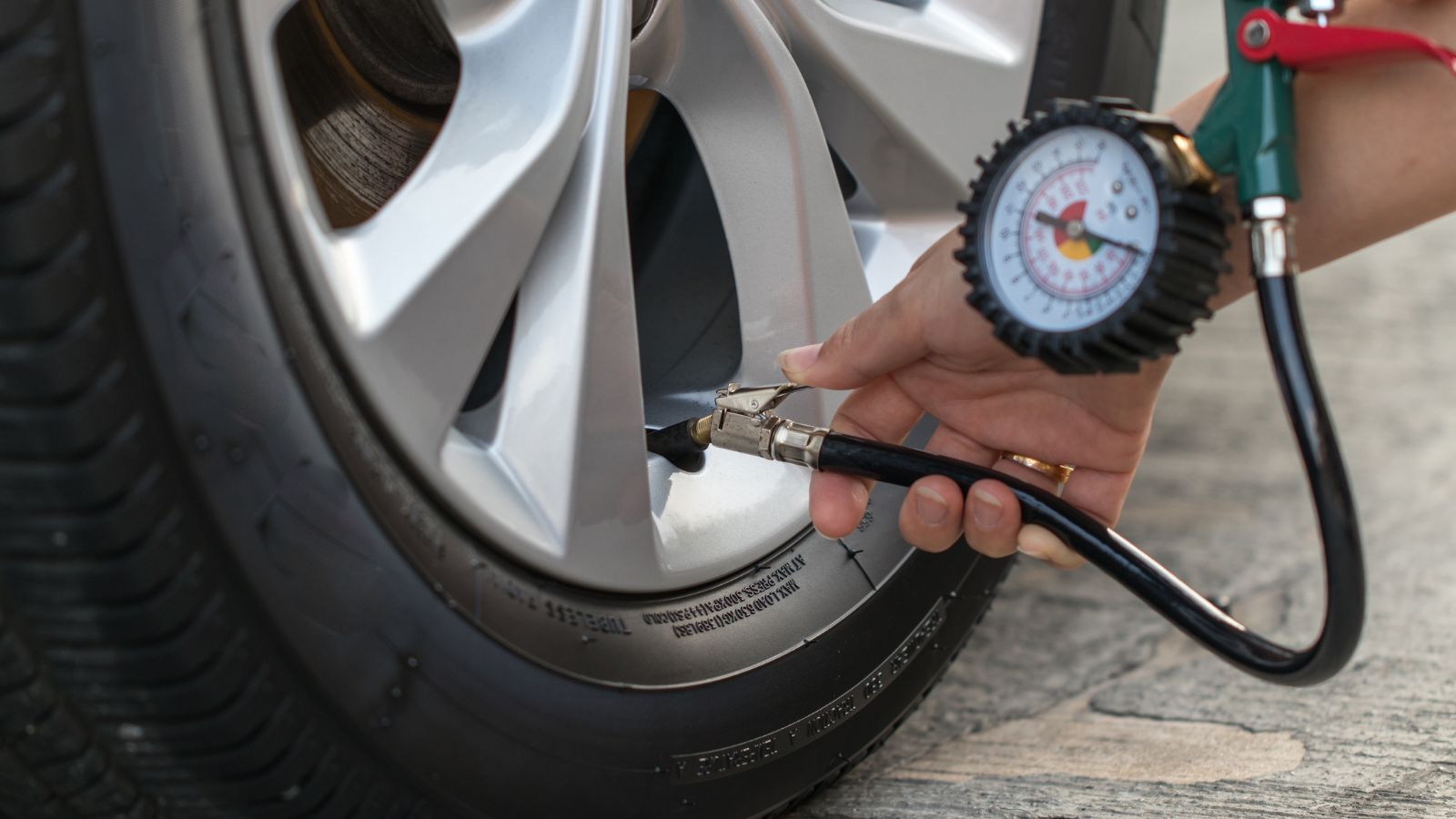
A gradual pressure decline across all four tires can accompany falling temperatures, but one tire that repeatedly needs extra air is a different story. Transport Canada says tires naturally lose some pressure over time and notes that colder air reduces inflation pressure by roughly 1 psi for every 5°C decline. A single tire falling substantially faster than its neighbours may indicate a puncture, leaking valve, bead problem or other defect that should be investigated.
This is easy to normalize during winter because drivers expect pressure warnings when temperatures plunge. The useful test is what happens after all four tires are correctly inflated while cold. If one is repeatedly low a few days later while the others remain stable, simply topping it up can hide the actual problem. Transport Canada recommends monthly pressure checks, and an emerging leak deserves attention sooner. A tire that cannot reliably hold the vehicle manufacturer’s specified pressure should be inspected before it is depended upon for long winter highway trips or remote drives in severe cold.
The TPMS Warning Keeps Coming Back
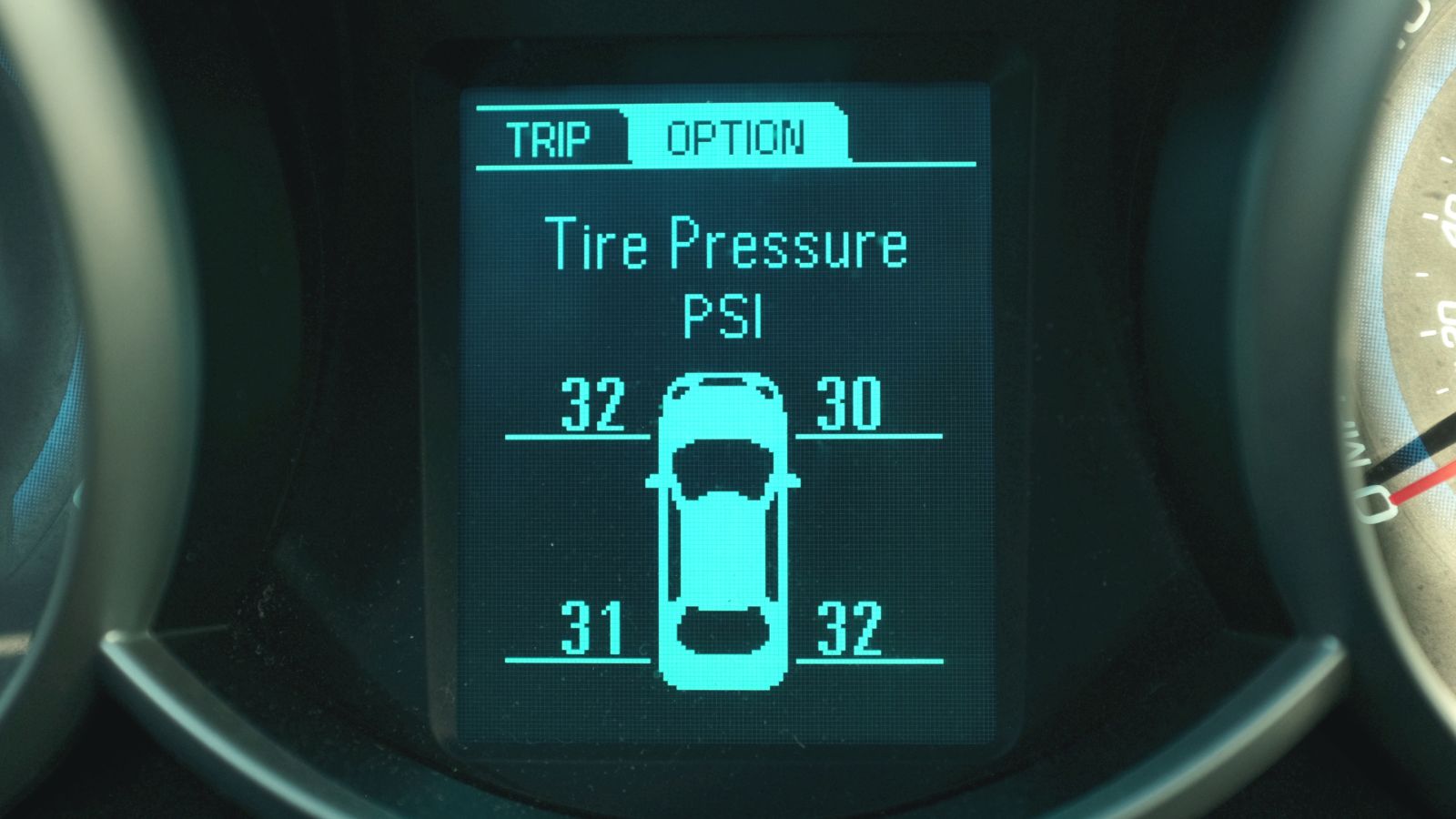
A tire-pressure monitoring system is useful, but a recurring warning should not become part of the dashboard scenery. Transport Canada says some systems warn only after a tire has become significantly underinflated. Temperature changes can certainly trigger a warning, particularly during the first cold nights of the season, but repeated activation after pressures have been corrected warrants investigation.
TPMS also has limitations. Transport Canada stresses that the system does not replace manual pressure checks, and some winter wheel packages require compatible sensors to function correctly. If the warning returns because the same wheel is losing pressure, there could be a slow puncture, valve leak or sealing problem. If every tire checks correctly, the system itself may need service or resetting after a seasonal wheel change. Either way, repeatedly clearing or ignoring the light without determining the cause removes one of the vehicle’s early warnings. Winter is the wrong season to discover that a persistent pressure issue was real all along.
The Tire Has Been Driven While Flat
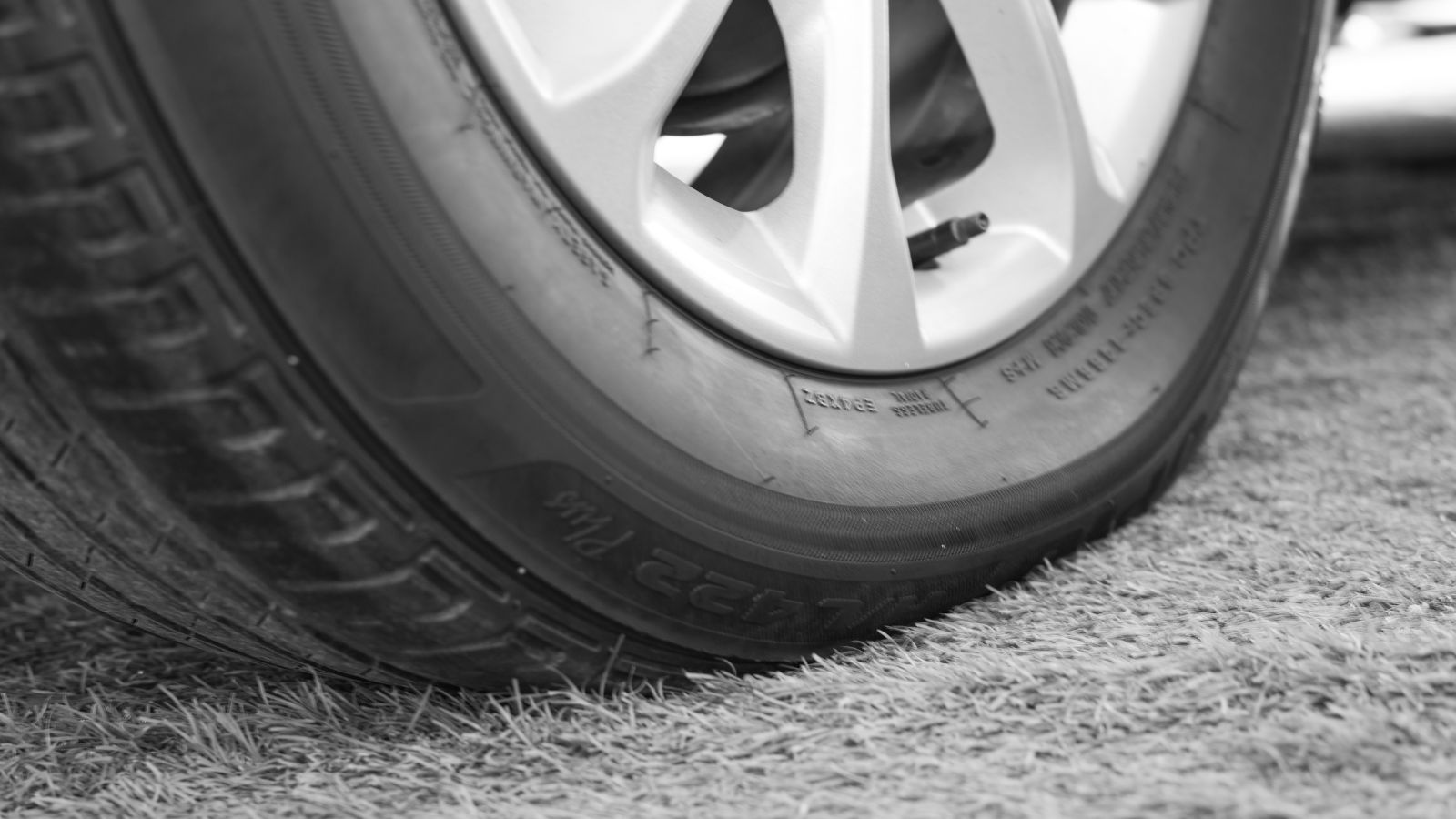
A tire may look surprisingly normal after being reinflated, but its history matters. Michelin states that a tire driven on while flat may not be safely repairable because the sidewall and internal structure can be damaged while supporting the vehicle without normal air pressure. That damage is not always obvious from the outside. A proper assessment often requires removing the tire from the wheel and inspecting the inside.
This matters when evaluating a used set or remembering what happened last season. Perhaps one winter tire picked up a nail in February and the vehicle travelled several kilometres before anyone noticed. Reinflation may have restored its shape, but it does not reverse heat, flexing or structural damage created while flat. That tire should not automatically return to service because the tread still looks deep. Winter highway speeds place much greater demands on it than a short trip around town, making professional internal inspection an important step before assuming the tire has another season left.
An Old Repair Is in the Shoulder or Sidewall
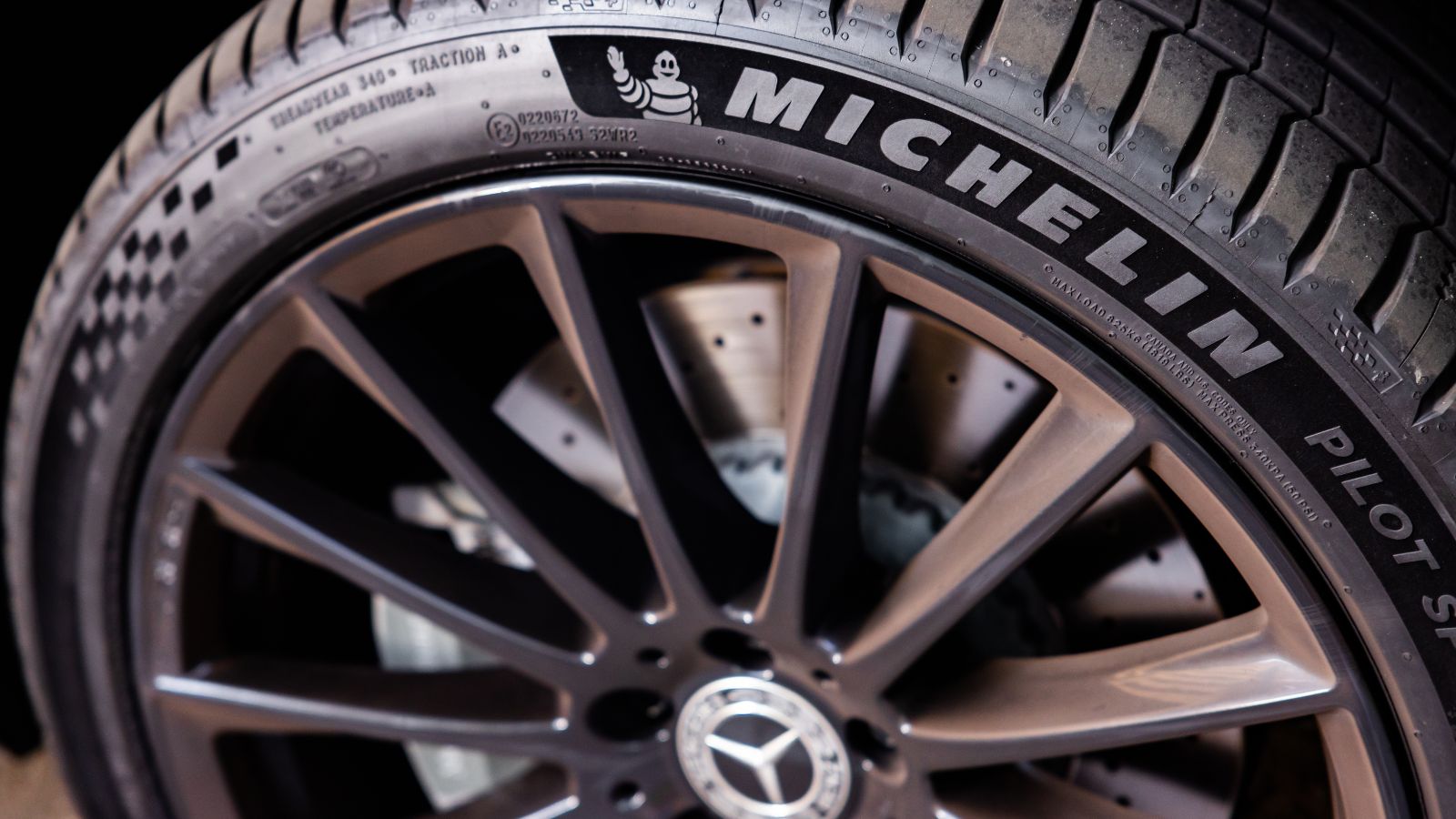
Not every repaired tire is unsafe. Properly repaired punctures in the central tread area can remain serviceable, but the location and method matter. Michelin says sidewall and shoulder punctures generally fall outside ordinary repairable areas and that punctures larger than about 6 millimetres require replacement. The company also warns against treating an external plug-only repair as a proper permanent repair because the tire is not removed for an internal inspection.
That becomes important when a seasonal tire has an uncertain repair history. An old plug near the shoulder, several puncture repairs close together or evidence of a repair made without demounting the tire should prompt closer assessment before winter installation. A patch-and-plug repair performed correctly in an appropriate tread location is very different from a roadside plug that quietly became permanent. If there is uncertainty about how a puncture was repaired, a tire shop can demount the tire and inspect the inner liner rather than relying on the fact that it still holds air.
The Date Code Says the Tires Are Getting Old
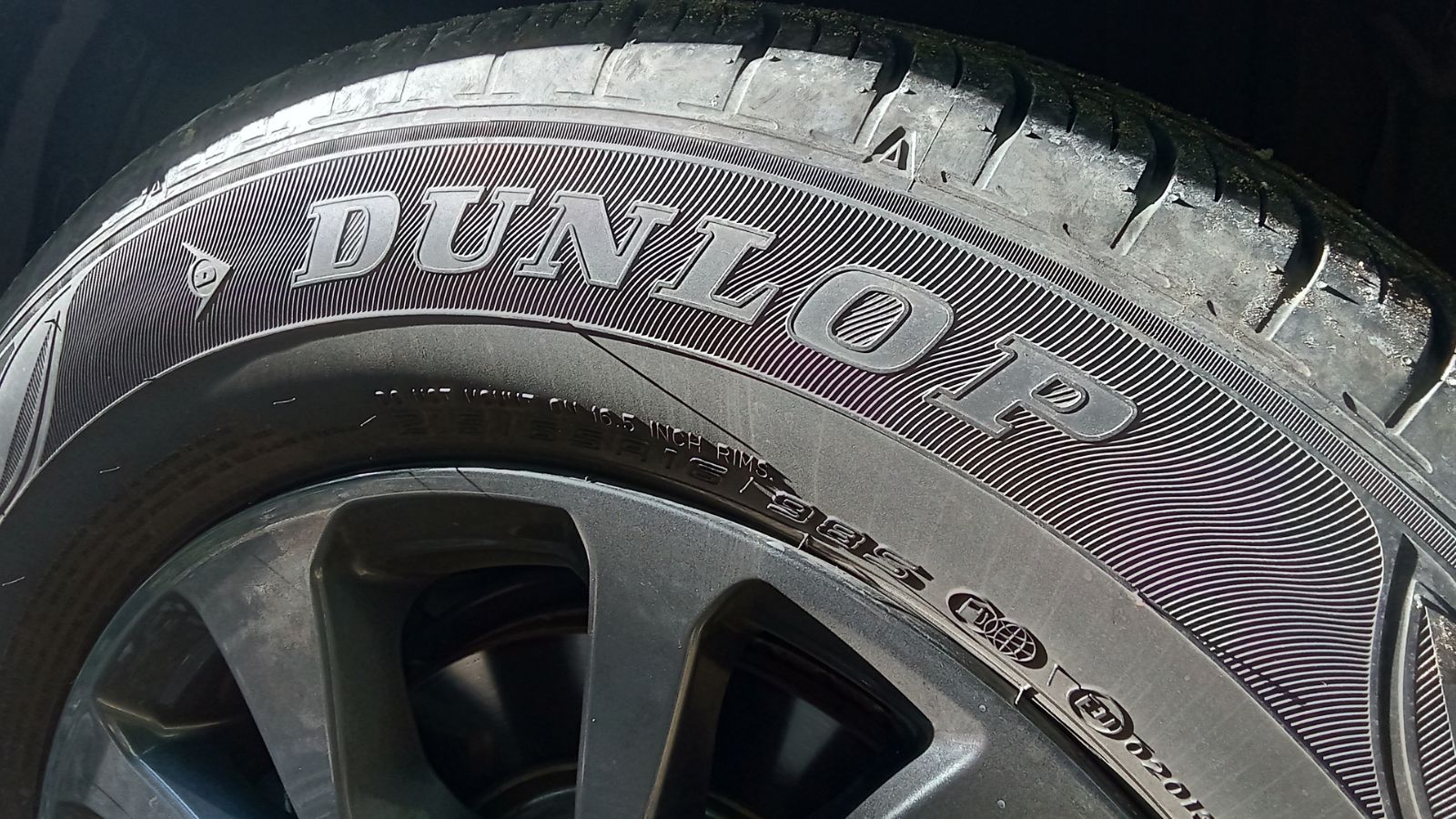
Deep tread does not stop rubber from aging. NHTSA notes that tires change over time because of service, storage and environmental exposure, and some vehicle and tire manufacturers recommend replacement within a six-to-10-year range regardless of treadwear. Michelin recommends professional annual inspections after five years and replacement by 10 years as a precaution. The manufacturing date can be identified from the tire identification code, with its final four digits indicating the week and year of manufacture.
Age is especially easy to overlook on dedicated winter tires because they may accumulate relatively few kilometres each year. A lightly driven car could still have generous tread after several winters, particularly if the tires spend half the year in storage. That does not make their age irrelevant. A set entering its sixth, seventh or eighth season deserves more than a quick tread measurement; it should also be checked for cracking, deformation, repairs and performance changes. Tires approaching a decade old should not be given a pass merely because the grooves still look deep.
A New Vibration or Shimmy Has Appeared

A steering-wheel vibration that suddenly appears at speed is not merely an annoyance to tolerate until spring. Michelin identifies wheel imbalance, uneven tread wear and other tire or suspension problems as possible causes of vibration. Tire-related vibration often becomes noticeable at highway speed, sometimes in the 80-to-120-km/h range, depending on the cause.
For a winter tire that previously ran smoothly, a new vibration deserves particular attention. A balance weight may have been lost, a pothole could have damaged the wheel, the tread may have become cupped or internal damage may have developed. Some problems are inexpensive to correct, while others reveal a tire that should be removed from service. The important point is that vibration is information. A driver commuting on a familiar highway often notices subtle changes before damage becomes obvious during a driveway inspection. Having the wheel-and-tire assembly checked before winter can distinguish a straightforward balancing problem from something more serious.
The Vehicle Has Started Pulling to One Side
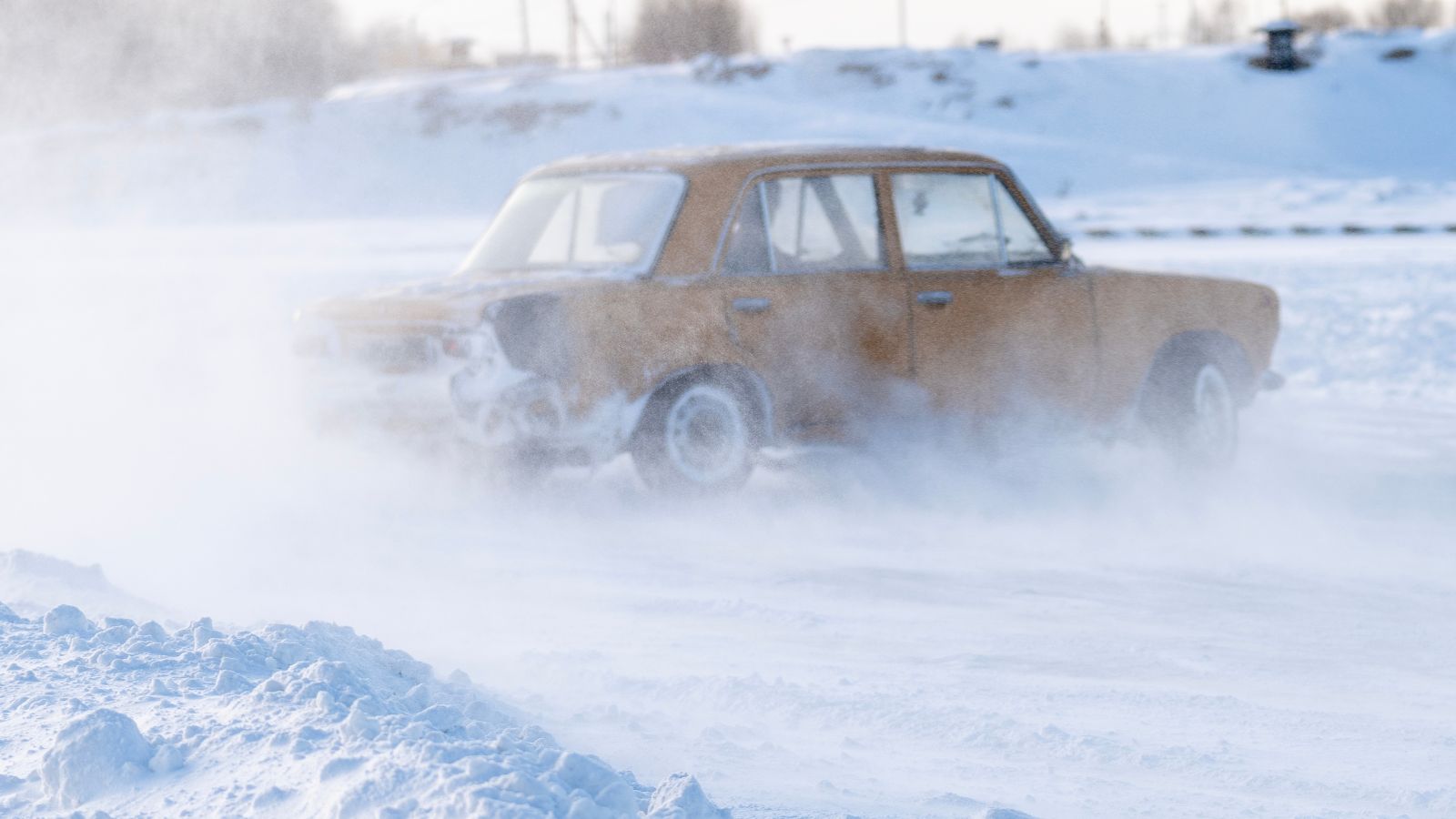
A vehicle that consistently drifts or pulls on a relatively level road may be showing the consequences of pressure differences, uneven tire wear or poor alignment. Michelin identifies pulling and changes in steering response as reasons to check alignment and tire condition. Misalignment can also produce the one-sided tread wear that quietly shortens a tire’s usable life.
This symptom should be judged carefully because roads are intentionally crowned for drainage, and a slight drift toward the shoulder can sometimes be normal. A persistent pull in the same direction, particularly when accompanied by an off-centre steering wheel or uneven tread, is more significant. Before winter, pressures should be verified and the tires compared side to side. If the problem remains, alignment and tire condition deserve professional attention. On dry pavement, a driver may unconsciously compensate with small steering corrections. Packed snow and ice provide much less room for a vehicle with inconsistent tire contact or alignment to disguise its weaknesses.
Wet or Snowy Traction Has Clearly Become Worse

Sometimes the strongest warning is not something visible in the driveway. Michelin lists declining grip, longer braking distances and reduced wet traction among signs that a tire may no longer be performing as intended. Transport Canada likewise emphasizes that traction decreases as tread wears and advises against using winter tires approaching 4 millimetres of tread on snow-covered roads.
Drivers familiar with the same car and the same commute often notice the change first. The tires may spin more easily leaving a wet intersection, activate ABS sooner under ordinary braking or feel less settled in slushy wheel tracks than they did the previous winter. No single subjective sensation proves a tire is defective, since road and weather conditions vary greatly. But a consistent decline should prompt tread measurements, pressure checks and inspection rather than being dismissed as “just winter.” A tire can remain legally usable while no longer providing the winter performance expected from it.
The Four Tires No Longer Form a Properly Matched Set
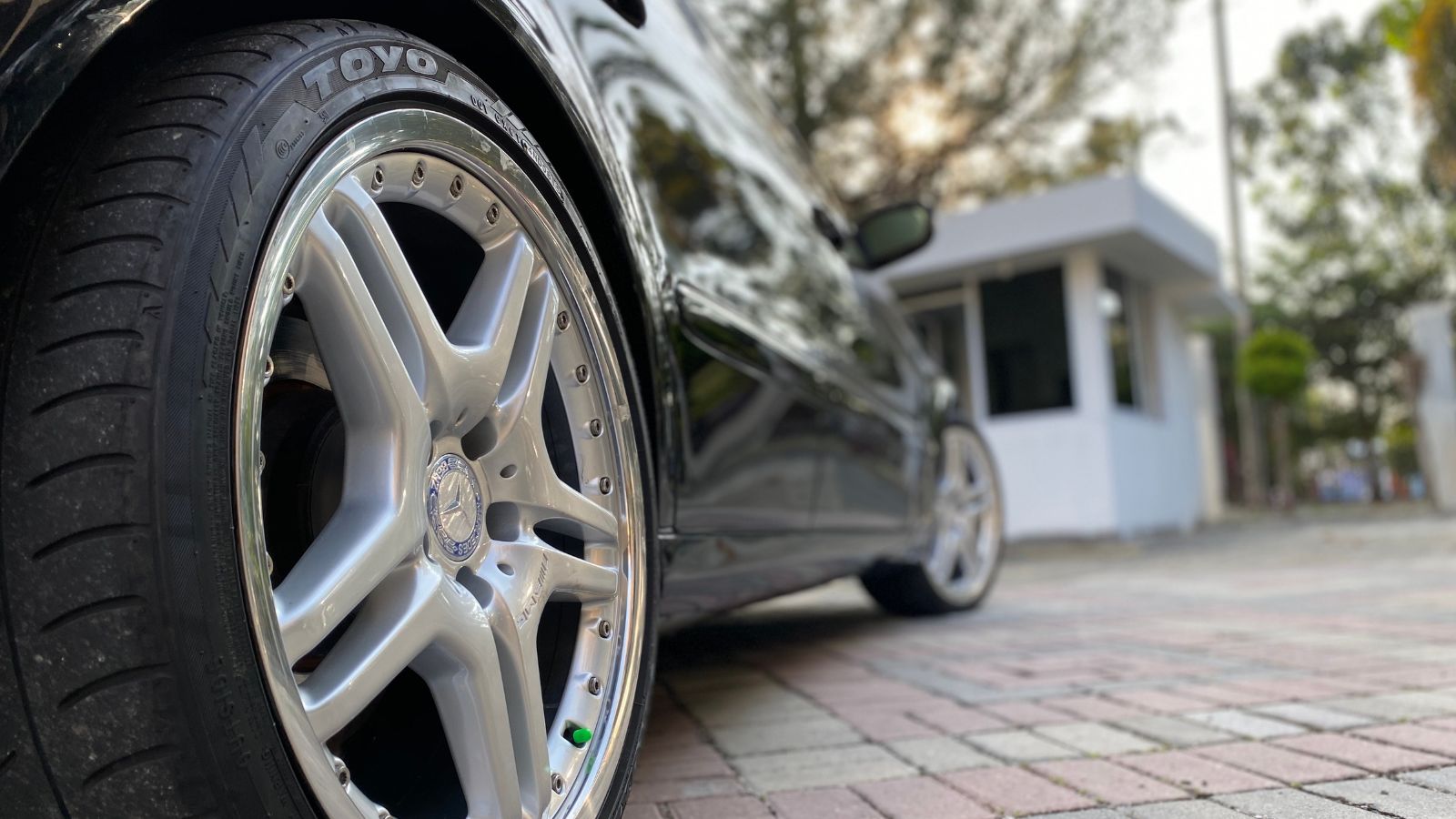
A winter setup should be considered as a four-tire system rather than four unrelated pieces of rubber. Transport Canada recommends winter tires on all wheel positions and says handling is improved when the tires have the same type, size, speed rating and load index. It also warns against mixing different tread patterns, internal constructions and sizes because doing so can make a vehicle less stable.
Mismatching often happens gradually. One damaged winter tire is replaced with a different model, two older tires remain while two new ones are installed, or a vehicle is temporarily driven with winter tires on one axle and all-season tires on the other. The car may still move normally in dry conditions, but the available grip can differ significantly when conditions deteriorate. If the set has become a patchwork after several seasons of punctures and replacements, that is a sign to assess the system as a whole rather than evaluating each tire in isolation. Transport Canada also advises placing the deepest-tread tires on the rear to help maintain directional stability.
19 Used Cars Canadians Should Avoid in 2026 (Based on Owner Complaints)

Buying a used car in Canada can feel safe until repair bills start stacking up. Owner complaints tell a different story than glossy listings. Transmission failures, electrical problems, and weak winter reliability show up again and again in consumer reports. Many of these issues appear after warranties expire, when owners least expect them. Some vehicles look affordable upfront, but become expensive to keep on the road. Others struggle in cold weather, urban driving, or long highway commutes. Here are 19 used cars Canadians should avoid in 2026 (based on owner complaints).
19 Used Cars Canadians Should Avoid in 2026 (Based on Owner Complaints)

Alanna Rosen is an experienced content writer that focuses on many EV and educational content. Her articles are regularly published on Get CyberTrucked and syndicated on large publications.