
October can feel like a buffer between summer driving and the real arrival of winter, but Canadian weather rarely respects the calendar. A mild weekend can quickly give way to freezing mornings, wet snow, icy highways and temperatures cold enough to expose problems that went unnoticed all summer. By November, repair shops and tire installers can also become much busier as drivers react to the first serious winter weather.
Getting ahead of that rush is partly about convenience, but it is also about reliability and safety. Tires, batteries, brakes, visibility systems and cooling components all face tougher conditions once temperatures fall. These 17 fall maintenance jobs are worth handling before November arrives, while there is still time to deal with worn parts or unexpected repairs without a snowstorm adding urgency.
Schedule the Winter-Tire Change Before the Rush
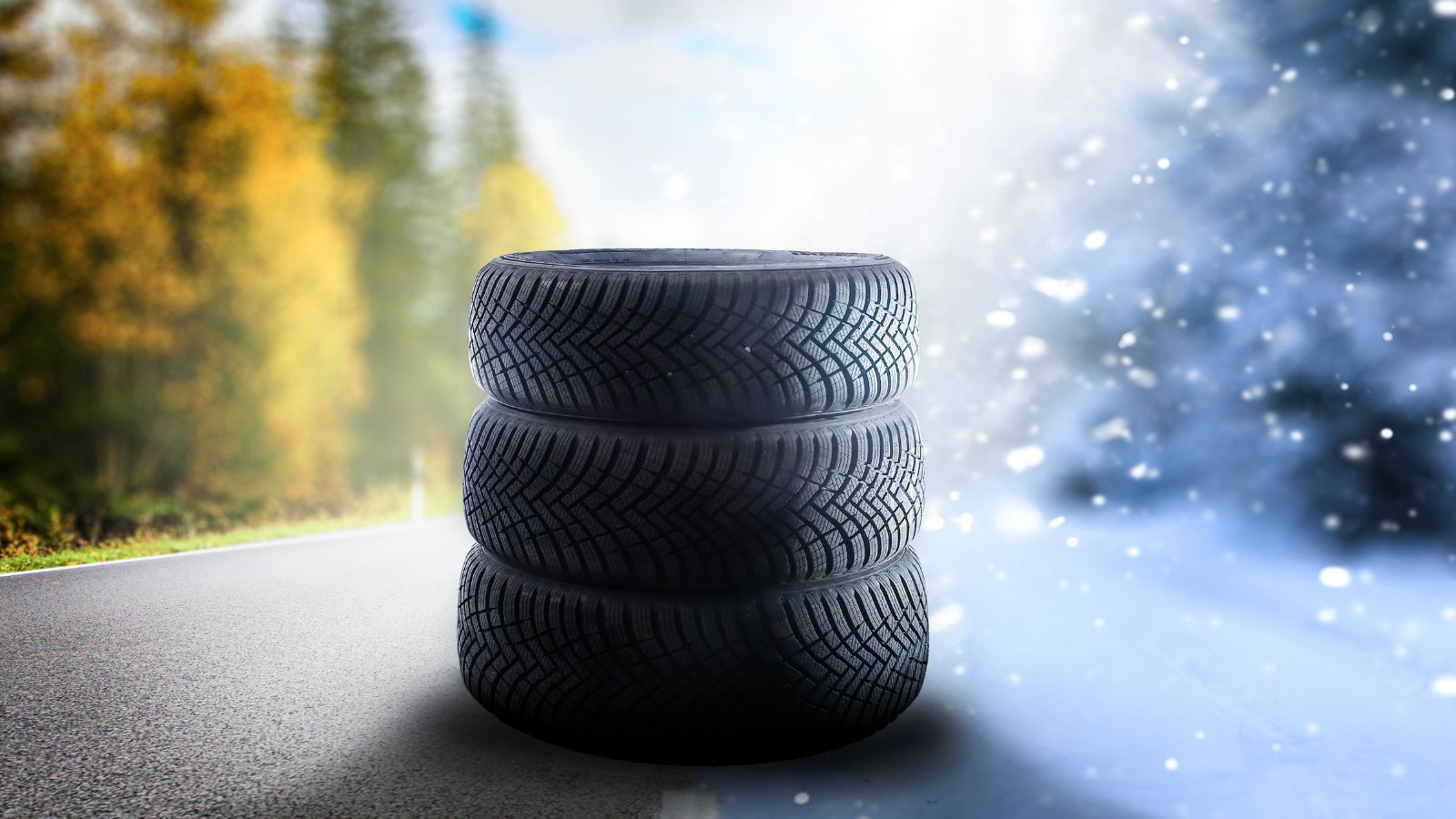
Waiting for the first snowfall before thinking about winter tires can mean waiting too long. Transport Canada notes that all-season and summer tire compounds begin losing elasticity below about 7°C, while winter tires are designed to remain flexible at lower temperatures. That means the useful changeover point can arrive well before snow begins accumulating on roads, particularly during cold October mornings.
The timing also matters differently across Canada. Quebec requires winter tires on most provincially registered passenger vehicles from December 1 through March 15. In British Columbia, winter-tire or chain requirements apply on many designated highways beginning October 1, with requirements generally lasting until March 31 or April 30 depending on the route. Elsewhere, even without a province-wide mandate, an early appointment avoids the predictable rush that follows the first forecast of snow. October installation also creates time to discover a damaged wheel, worn tire or missing hardware before conditions deteriorate.
Measure Tread Depth Before Those Winter Tires Go Back On

Having a set of winter tires in the garage does not automatically mean those tires are ready for another season. Tread wears gradually, so a set that performed reasonably well last March may have considerably less usable depth by the time another winter begins. Transport Canada advises against using winter tires worn close to 4 millimetres of tread on snow-covered roads because traction decreases as the tread wears.
October is therefore a good time to inspect each tire individually rather than assuming the entire set has aged evenly. A simple tread-depth gauge can reveal differences that are difficult to judge by eye. Drivers should also look for cracks, cuts, bulges and unusual wear patterns. Transport Canada notes that uneven wear can be associated with alignment or balance problems. Discovering that before November leaves time to replace tires, investigate suspension or alignment issues and make an informed decision instead of buying whatever happens to be available after the first snowstorm.
Reset Tire Pressure for Colder Weather — Including the Spare
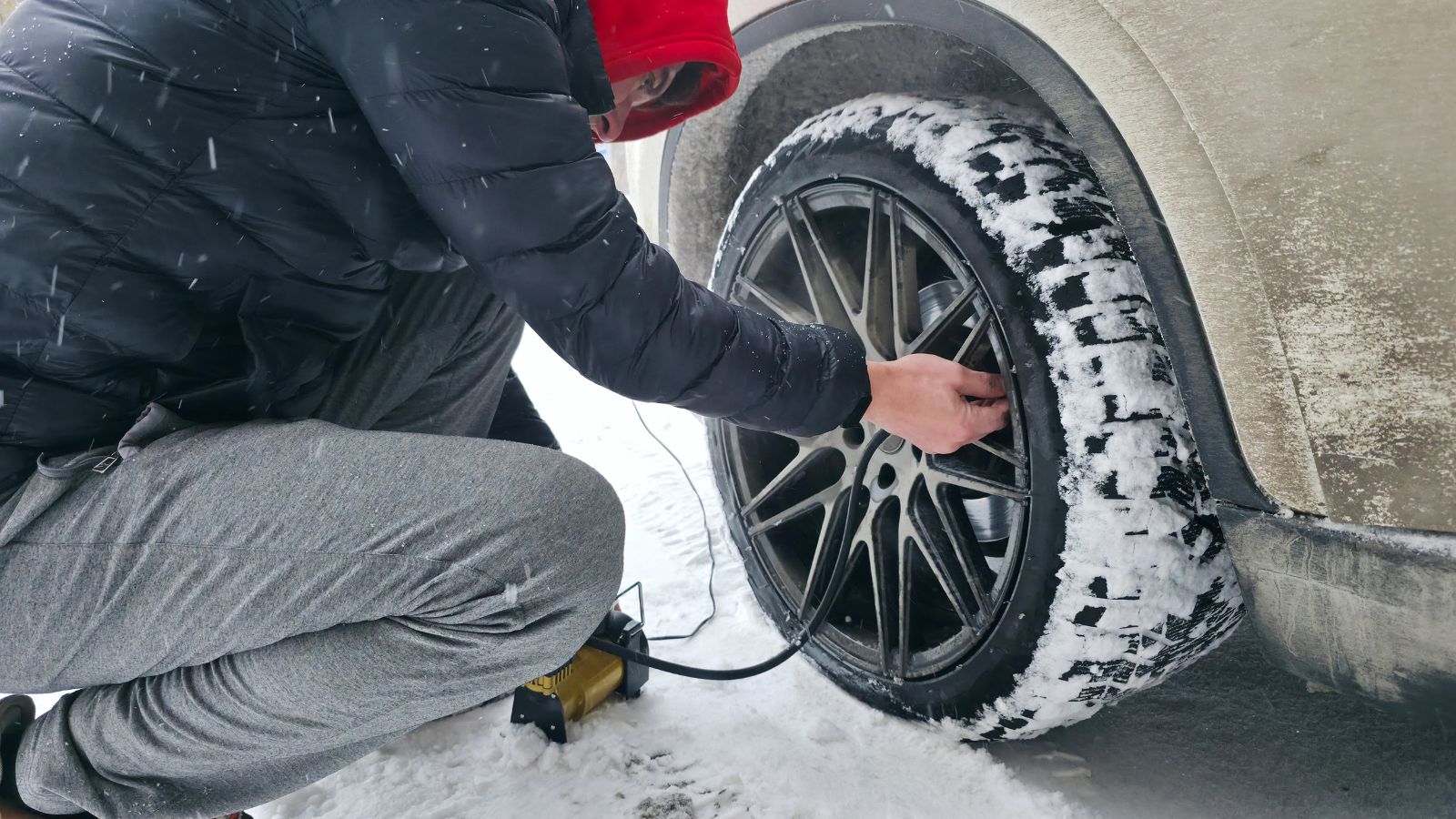
A tire that was correctly inflated during a warm September afternoon may not remain at the same pressure when overnight temperatures plunge. Transport Canada says tire pressure can fall by roughly 1 psi for every 5°C decrease in temperature. Normal permeability can also cause tires to lose pressure gradually over time, making autumn an especially important season for regular checks.
Pressure should be measured when the tires are cold and adjusted to the vehicle manufacturer’s specification, normally listed on the driver’s door jamb or in the owner’s manual. The pressure printed on the tire’s sidewall should not be mistaken for the vehicle’s recommended setting. The spare deserves attention as well, particularly on vehicles where it may have gone untouched for months or years. Tire-pressure monitoring systems are useful, but Transport Canada specifically notes that they do not replace routine manual pressure checks. October’s temperature swings make that old-fashioned pressure gauge surprisingly valuable.
Test the Battery Before the First Serious Freeze
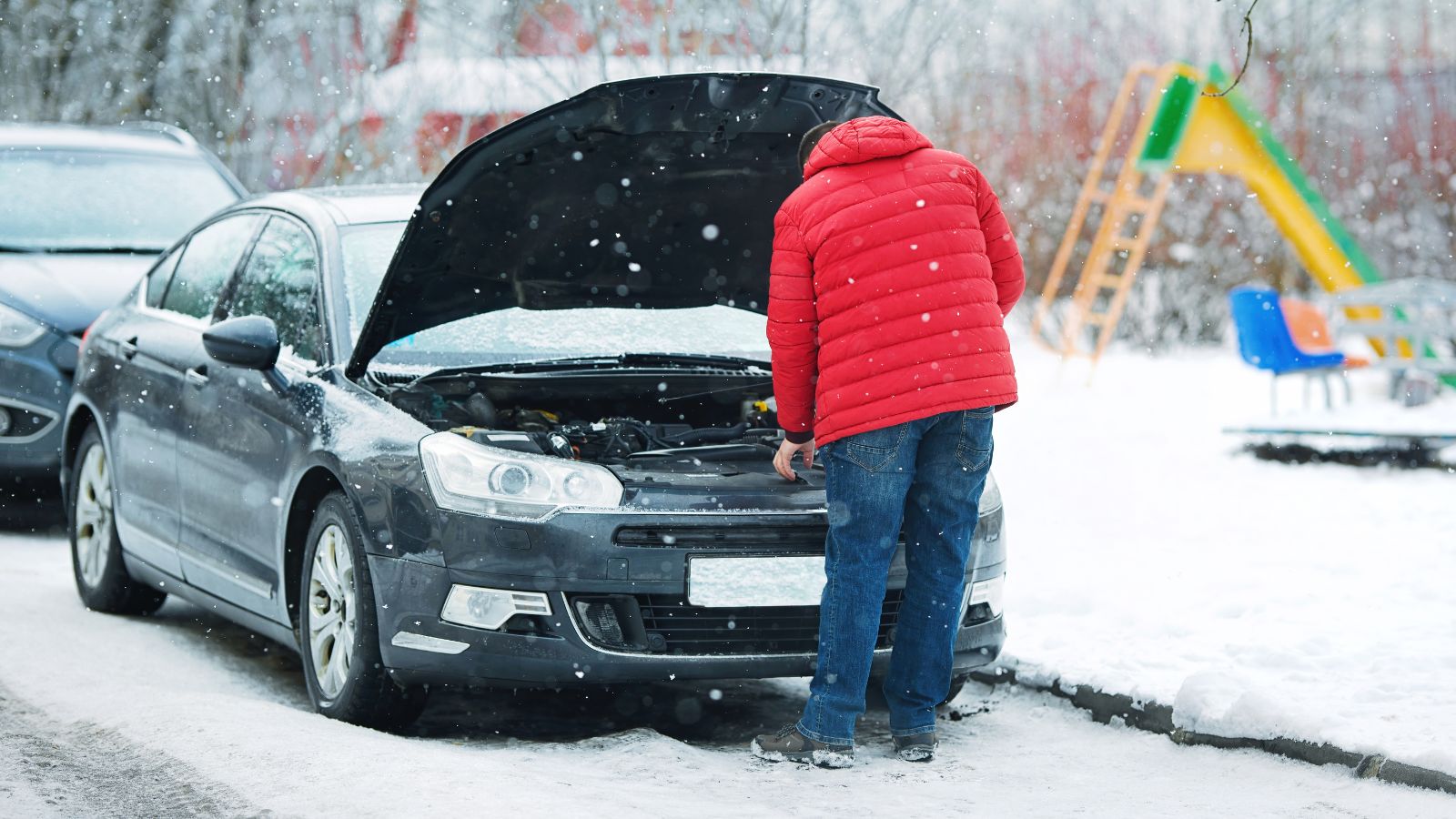
A battery can appear perfectly healthy throughout summer and then struggle on the first genuinely cold morning. Transport Canada recommends checking the battery and charging system as part of winter preparation because the engine needs a fully charged battery for dependable cold-weather starting. Battery terminals should also be examined and cleaned if corrosion has developed.
CAA advises giving particular attention to batteries in roughly the three-to-five-year age range and checking for visible problems such as corrosion, moisture or a swollen casing. A professional battery test can reveal weakness before the driver experiences the familiar slow crank followed by silence in a freezing parking lot. This is one of the easiest maintenance jobs to postpone because nothing seems wrong until suddenly something is. Testing in October provides time to replace a marginal battery on a convenient day rather than discovering the problem before work, during holiday travel or in a driveway covered by the season’s first significant snowfall.
Check Coolant Strength and the Cooling System

Antifreeze is not simply a summer engine-cooling fluid with a different name. The cooling system also has to protect the engine when temperatures drop below freezing, which is why Transport Canada recommends testing both the strength and level of the coolant as part of winter preparation. The inspection should also include components such as the radiator cap, thermostat and water pump.
A low coolant level, deteriorated coolant or an unnoticed leak can become much more troublesome once freezing weather arrives. The correct coolant specification and service interval vary by vehicle, so the owner’s manual should take priority over generic schedules. Hoses, connections and the area beneath the vehicle can also offer clues to a developing leak. October is a sensible time to find those problems because repairs are easier to arrange before severe weather arrives. A cooling-system inspection also connects directly to cabin comfort: the same system helps provide heat and supports effective windshield defrosting on conventional gasoline and diesel vehicles.
Replace Worn Wipers and Fill With Winter Washer Fluid

Autumn creates some of the most demanding conditions for windshield wipers. Rain, road spray, fallen leaves and early frost can expose blades that seemed acceptable during dry summer weather. Transport Canada advises replacing blades that streak and recommends considering wipers designed for winter conditions. CAA similarly identifies streaking as a sign that replacement may be due.
Washer fluid matters just as much. Transport Canada’s winter-preparation guidance recommends filling the reservoir with winter fluid rated around -40°C and carrying an extra jug in the vehicle. That is important because leftover warm-weather fluid may not be formulated for the temperatures encountered during a Canadian winter. Clearing out that issue before November means the system is ready when salty road spray begins coating the windshield. A driver should also confirm that the washer nozzles spray properly and are not obstructed. Good tires cannot compensate for a windshield that becomes impossible to see through during a wet, dirty winter commute.
Have the Brakes Inspected Before Roads Become Slippery

Winter tires improve traction, but they cannot make up for a braking system that already needs attention. Transport Canada recommends a thorough brake inspection before winter and identifies pulling, unusual pedal feel, squealing and grinding as possible warning signs that repairs may be required. Those symptoms deserve attention regardless of season, but freezing rain and snow make reliable braking particularly important.
An October inspection gives a technician a chance to evaluate the condition of the braking system before winter weather adds another variable. Drivers should not wait for a dashboard warning lamp if the vehicle has begun behaving differently during braking. A slightly softer pedal, vibration or unusual noise may be easy to tolerate on dry pavement and much more worrying during an icy commute. There is also a practical benefit to dealing with the problem early: discovering worn components before November provides more flexibility for scheduling repairs and sourcing parts instead of trying to arrange urgent service immediately after the first major storm.
Check Every Exterior Light and Headlamp Aim

Canadian autumn evenings arrive earlier, and winter driving can add snow, rain, fog and road spray to already reduced visibility. Transport Canada recommends making sure all vehicle lights work and that headlights are positioned correctly before winter. This includes more than simply confirming that the low beams illuminate; brake lamps, turn signals, tail lamps and other exterior lighting all contribute to making a vehicle visible.
Headlight aim also deserves attention. Transport Canada notes that many modern vehicles use automatic headlight-aiming systems, meaning some problems may require professional inspection rather than a simple driveway adjustment. October provides a useful opportunity to walk around the vehicle while someone operates the lights or to inspect their reflections against a wall or garage door. Clouded lenses, failed bulbs or malfunctioning lamps are much easier to deal with before regular commuting takes place in darkness. Being able to see the road matters, but being clearly visible to everyone else on that road is equally important.
Make Sure the Heater and Defroster Actually Work
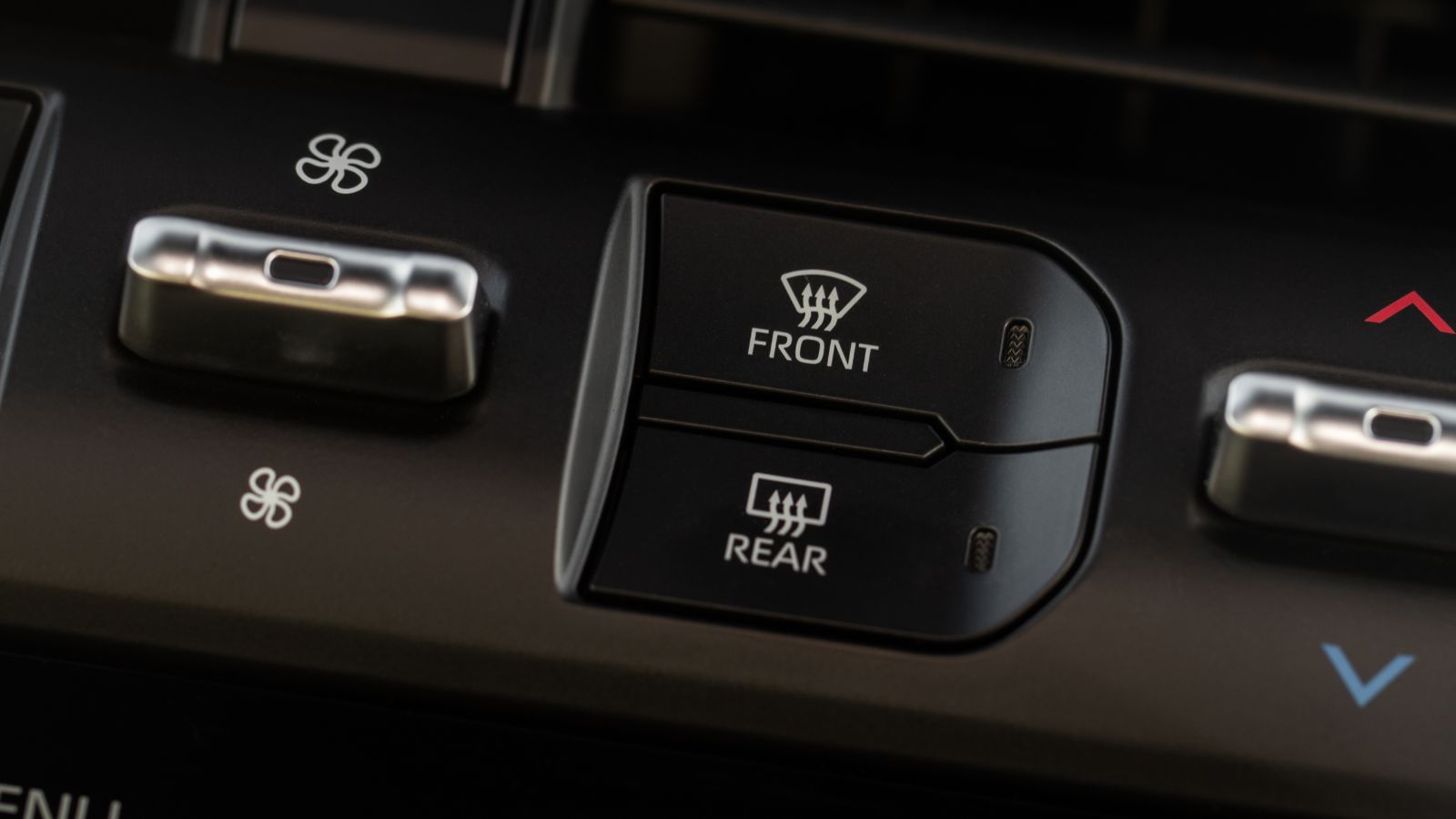
Many Canadians do not think about the heater until the first morning when the cabin feels like a refrigerator. Waiting until then can reveal more than a comfort problem. Transport Canada specifically recommends checking that both the heater and windshield defroster function properly as part of winter vehicle preparation.
The defroster becomes especially important as wet clothing, snow-covered footwear and temperature differences create condensation inside the cabin. Before November, drivers can test whether warm air reaches the windshield properly, whether the fan operates through its available speeds and whether airflow changes correctly when different ventilation settings are selected. Rear-window defrosters should be checked as well. Weak heat can sometimes be associated with broader cooling-system issues, so an inspection may uncover something worth addressing before temperatures fall further. A functioning climate-control system is easy to take for granted in October; during a freezing, humid morning commute, its ability to keep glass clear becomes a basic visibility requirement rather than merely a convenience.
Inspect Belts and Hoses While the Weather Is Still Mild
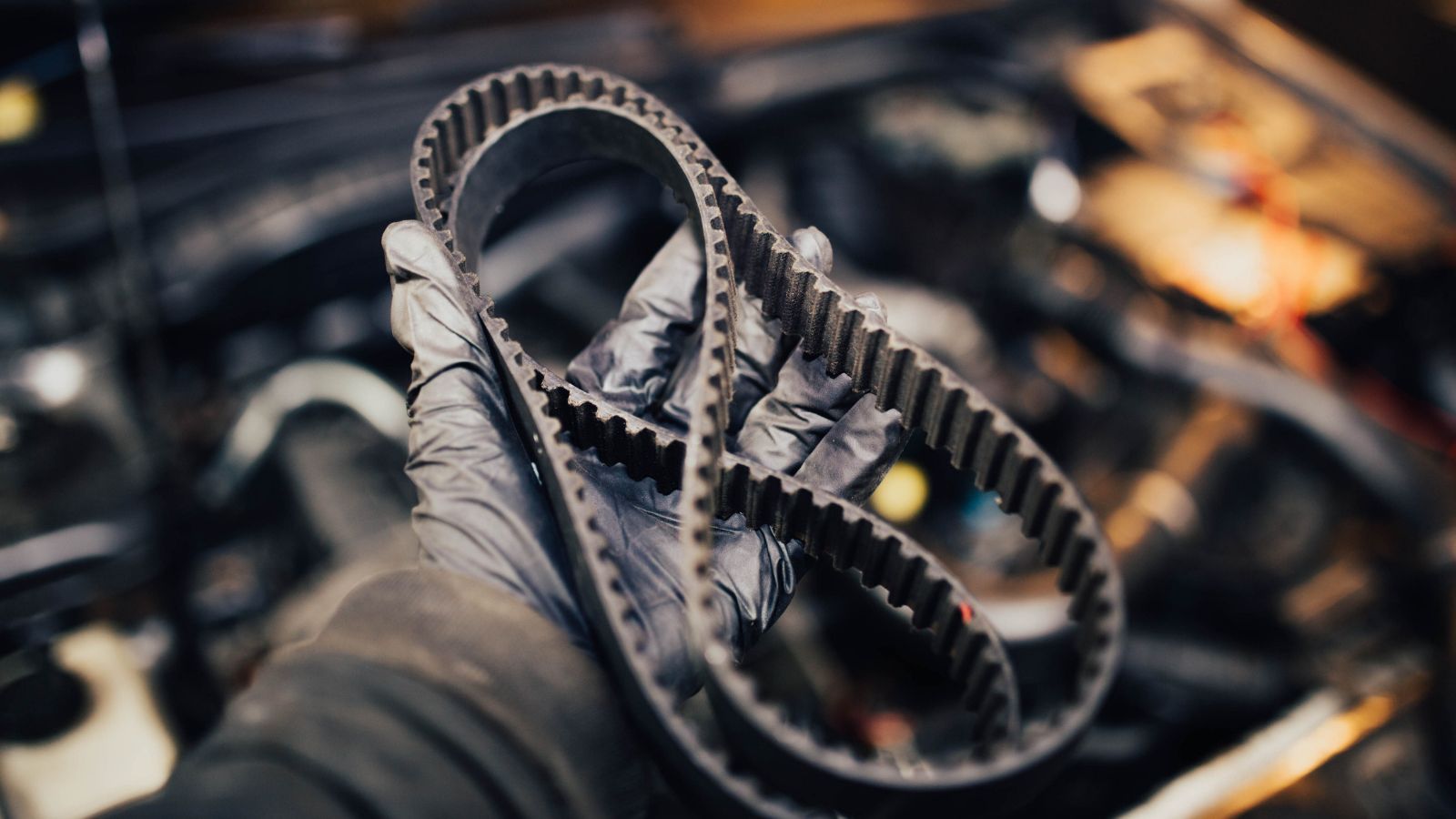
Some of the least glamorous components under the hood can create some of the most inconvenient winter breakdowns. Transport Canada specifically recommends examining radiator hoses and drive belts for cracks and leaks during a pre-winter inspection. CAA includes the same items in its winter car-care guidance.
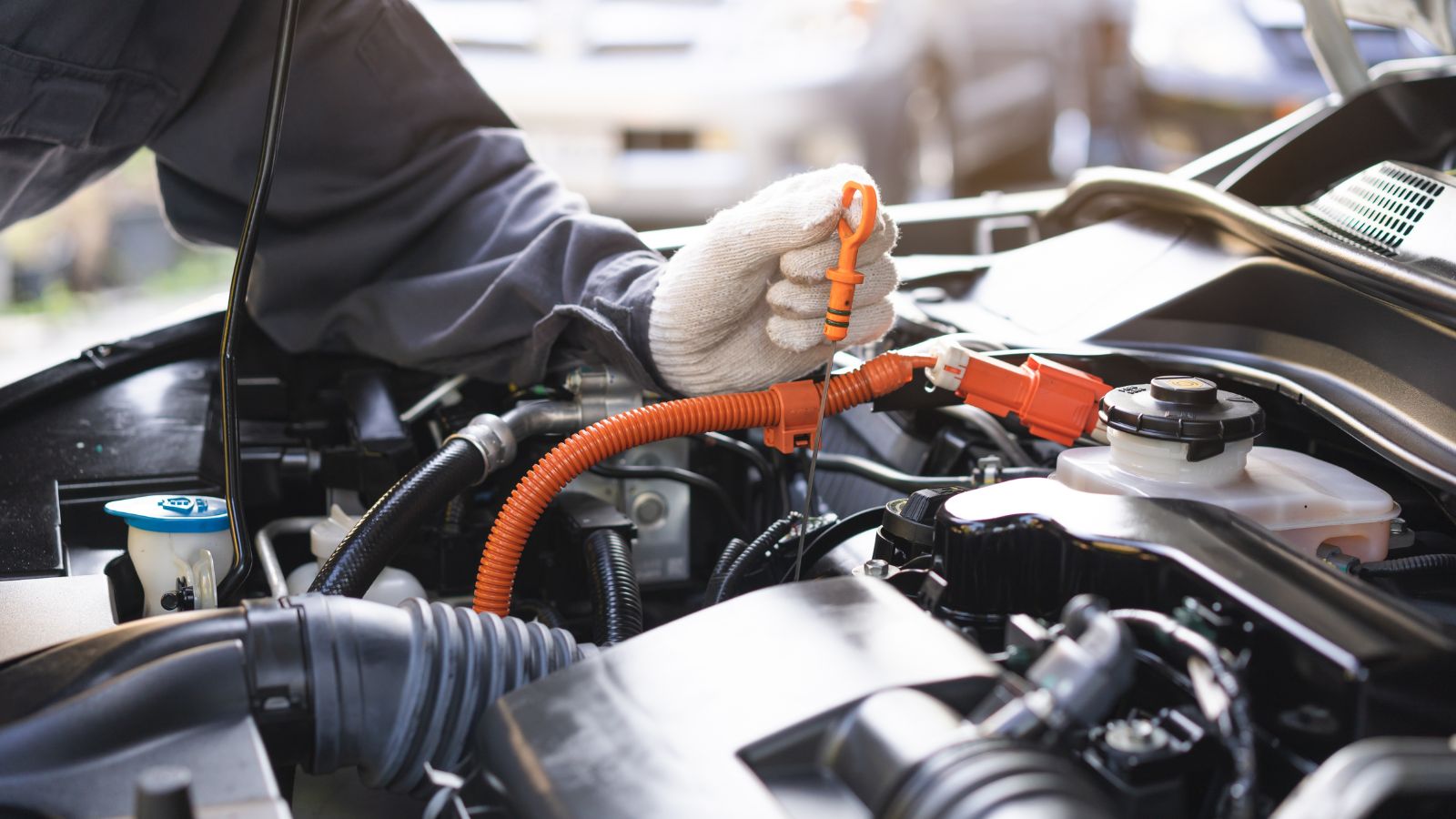
A belt or hose does not have to fail completely to provide warning signs. Visible cracking, leaking fluid, deterioration around connections or other unusual wear deserves closer attention from a qualified technician. The specific components differ considerably between modern vehicles, hybrids and EVs, so owners should follow the maintenance information provided for their model rather than assuming every engine bay requires the same work. The main advantage of an October inspection is time. Discovering a deteriorated component while the vehicle is parked at home is far better than learning about it after a warning light appears during a freezing highway trip. Preventive inspection is usually much less disruptive than an unexpected roadside failure.
Complete Any Oil Change or Scheduled Service That Is Coming Due
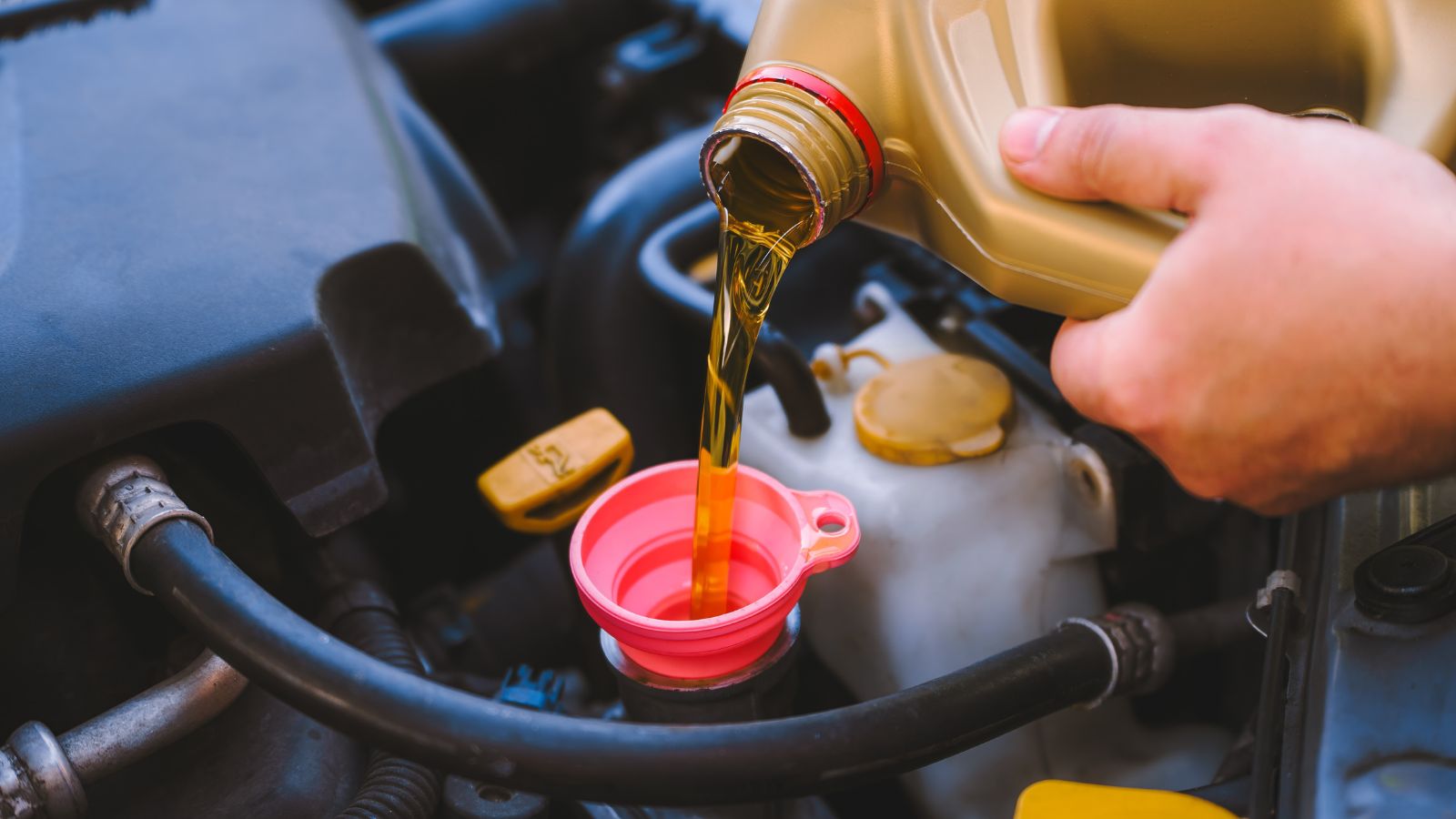
Fall maintenance should not become an excuse for unnecessary oil changes, but neither is November the ideal time to realize routine service is overdue. Transport Canada advises keeping a vehicle in top working condition by following the manufacturer’s maintenance schedule, which can be found in the owner’s manual. Modern service intervals vary widely, so the vehicle’s own schedule should determine when fluids, filters and other items require attention.
If an oil change or scheduled inspection will soon be due, completing it before winter can combine several useful checks in one visit. CAA includes oil and fluid condition among its winter car-care recommendations. Drivers should use the oil grade and specification required by the manufacturer rather than assuming that switching viscosity for winter is automatically necessary. During the same appointment, a technician can often identify leaking fluids, worn components or warning codes that deserve attention. October is not about servicing everything early; it is about preventing routine maintenance from becoming overdue during the hardest part of the year.
Have the Exhaust System Checked for Leaks
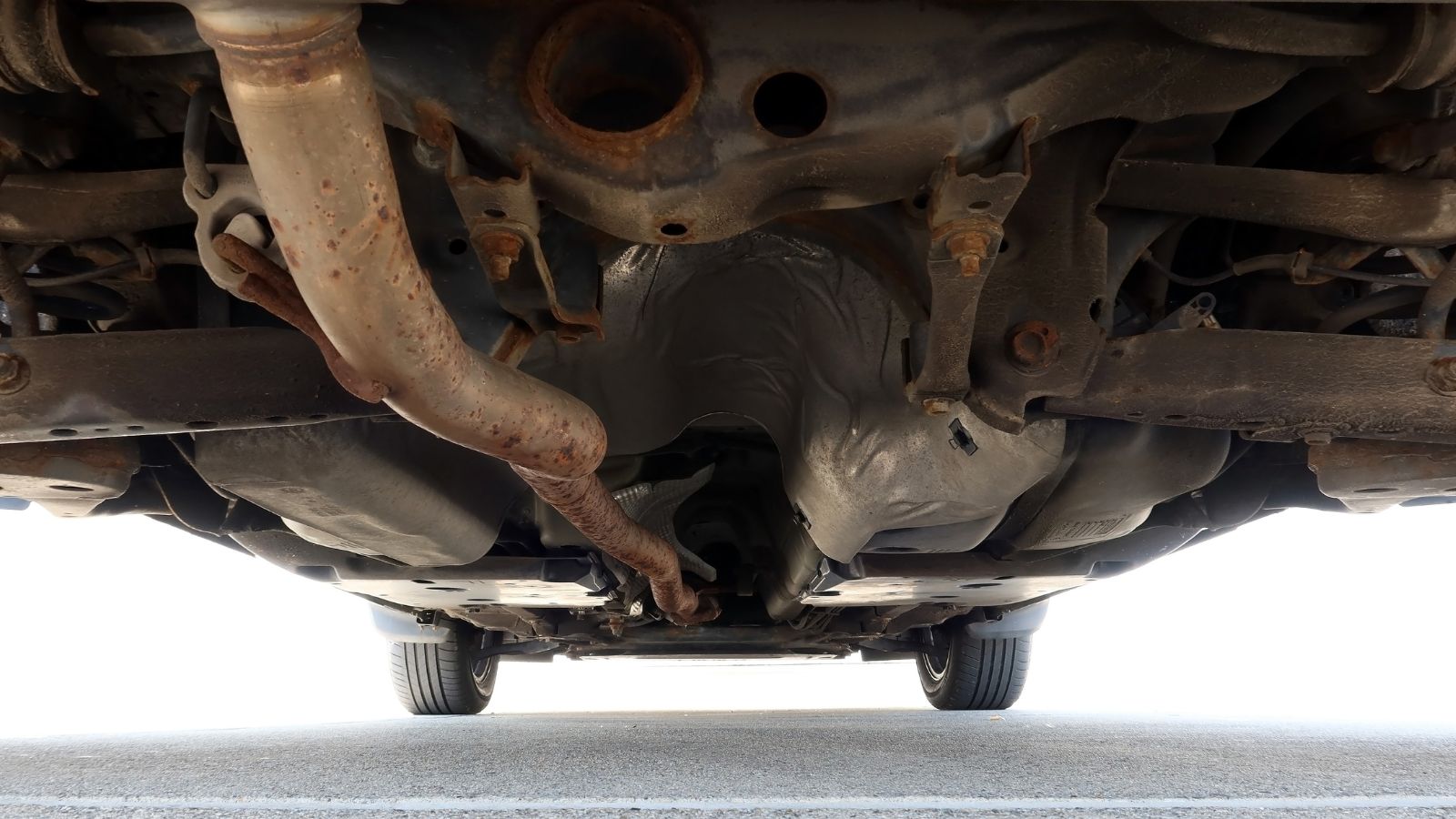
The exhaust system tends to receive less attention than tires or batteries during fall preparation, but Transport Canada includes it on its winter inspection list for an important reason. An exhaust leak can allow carbon monoxide to enter the passenger compartment, creating a potentially deadly hazard. CAA likewise recommends inspecting the system before winter.
The issue becomes particularly relevant when vehicles spend more time idling or operating with their windows closed in cold weather. Drivers should never rely on smell alone to identify carbon monoxide because the gas itself is colourless and odourless. Transport Canada also warns drivers stranded in deep snow to make sure the tailpipe remains clear so exhaust gases do not accumulate around the vehicle. Before winter arrives, unusual exhaust noise, visible damage or suspected leaks should be inspected professionally. Checking the system in October removes one more potential problem before freezing temperatures, snowbanks and long periods of closed-window driving become part of everyday travel.
Service Ignition Components on Gasoline Vehicles
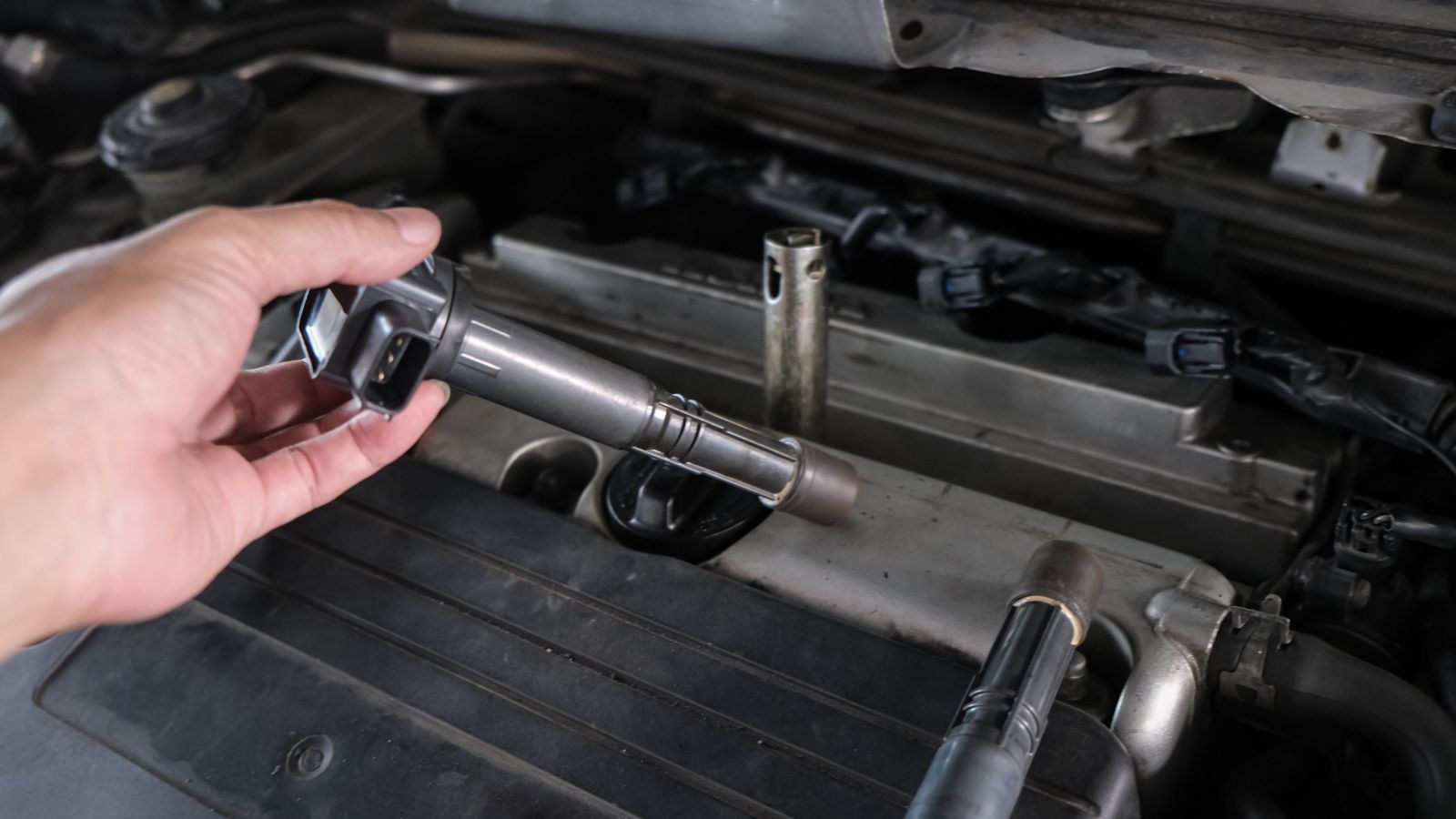
Drivers of gasoline-powered vehicles have another fall maintenance area that EV owners generally do not: the ignition system. CAA recommends checking components such as spark plugs, ignition wires where fitted, and distributor-related components on vehicles that still use them. Faulty ignition parts can contribute to difficult starting or breakdowns, and cold weather has little patience for a system that was already marginal.
Modern gasoline vehicles vary greatly in design, and many no longer use traditional plug wires or distributor caps. That makes the owner’s manual and manufacturer service schedule more useful than relying on advice written for older cars. If plugs are due for replacement, a misfire has appeared, the engine has become harder to start or the check-engine light is illuminated, October is a sensible time to investigate. The goal is not to replace ignition parts merely because winter is approaching. It is to avoid carrying an existing or overdue ignition problem into the season when dependable cold starts matter most.
Deal With Rust Protection Before Salt Season Takes Over
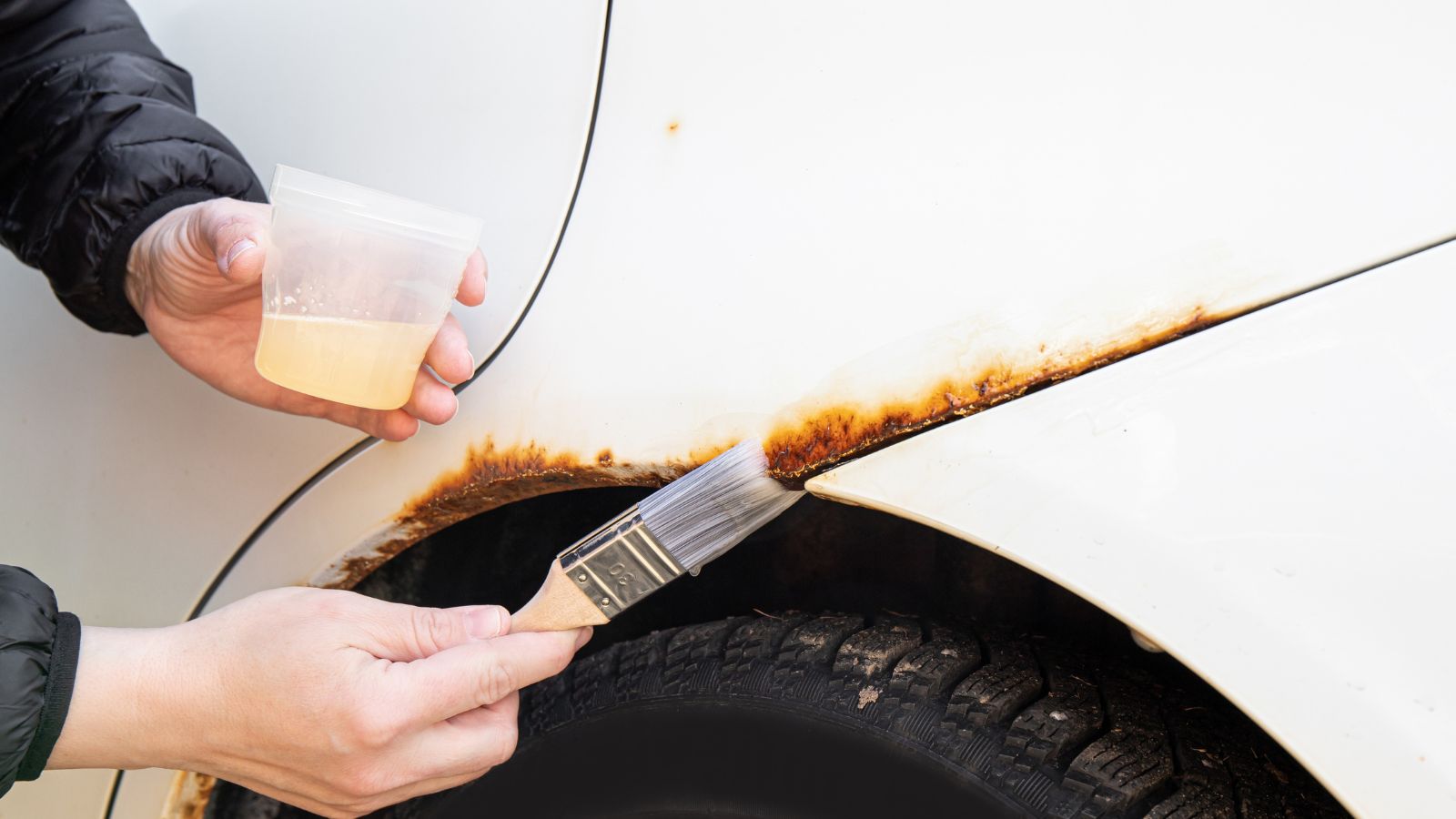
Canadian winter road treatment helps keep highways usable, but salt and de-icing compounds are harsh on exposed metal. CAA’s winter-car guidance recommends combating rust through measures such as undercarriage washing, rustproofing and protecting painted surfaces. CAA’s Atlantic magazine has also highlighted the way salt, slush and freeze-thaw conditions can attack components underneath a vehicle where corrosion may be difficult to see.
Fall is therefore a sensible time to inspect vulnerable areas, repair exposed paint chips and decide whether the vehicle’s existing corrosion protection needs attention. The appropriate treatment depends on the vehicle, its age and how it is used, so owners should follow product and manufacturer recommendations. Once winter begins, regular washing — particularly underneath the vehicle when practical — can help remove accumulated contamination. Dealing with protection before November is easier than trying to undo months of exposure in spring. Rust prevention is rarely urgent on a single day, which is precisely why it can be so easy to postpone.
Test the Block Heater and Its Cord Before It Is Needed
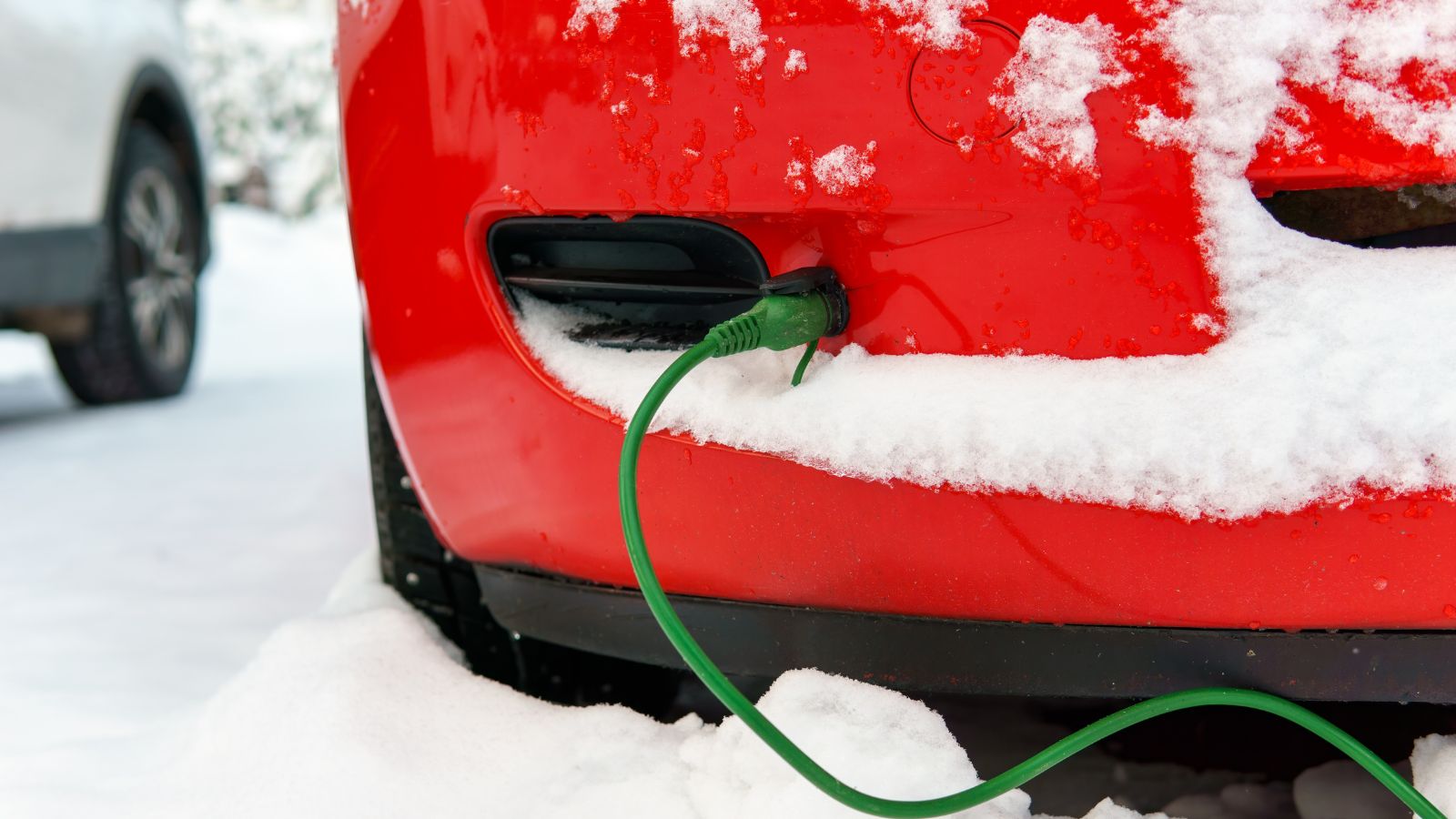
In colder parts of Canada, a block heater can spend most of the year forgotten behind the grille until an exceptionally cold morning suddenly makes it important. CAA recommends considering block-heater use when temperatures in the area fall below about -15°C. The exact recommendations for plugging in and operating one depend on the vehicle and heater design, so the owner’s manual should be followed.
Before temperatures reach that point, owners of vehicles equipped with block heaters can inspect accessible cords and plugs for obvious deterioration and make sure the system is functioning correctly. Damaged electrical cords should not be improvised or used until properly repaired or replaced. Testing everything in October avoids discovering a problem on a January morning when the heater was expected to help. Not every Canadian vehicle needs a block heater, and many modern cars may start reliably without one under conditions where older vehicles struggled. Where one is installed and regularly used, however, it makes sense to confirm its condition before winter rather than after cold weather arrives.
Check for Outstanding Safety Recalls
A seasonal inspection is also a useful reminder to check whether the vehicle has any outstanding safety recalls. Transport Canada maintains a Motor Vehicle Safety Recalls Database covering recalls issued in Canada, and many manufacturers provide VIN-based lookup tools that can determine whether a particular vehicle has unresolved recall work.
This matters especially for used vehicles, which may have changed owners or addresses several times. Transport Canada advises used-vehicle owners to make sure the manufacturer has their current information so future recall notices can reach them. A recall is not ordinary optional maintenance: it is issued when a manufacturer identifies a safety defect or non-compliance requiring corrective action. Checking before November creates an opportunity to schedule any required dealer work before winter travel becomes more demanding. It also fits naturally with fall maintenance because the vehicle may already be visiting a dealership or repair facility for tires, inspections or routine service. A quick database check can prevent an important safety campaign from being overlooked.
Refresh the Winter Emergency Kit
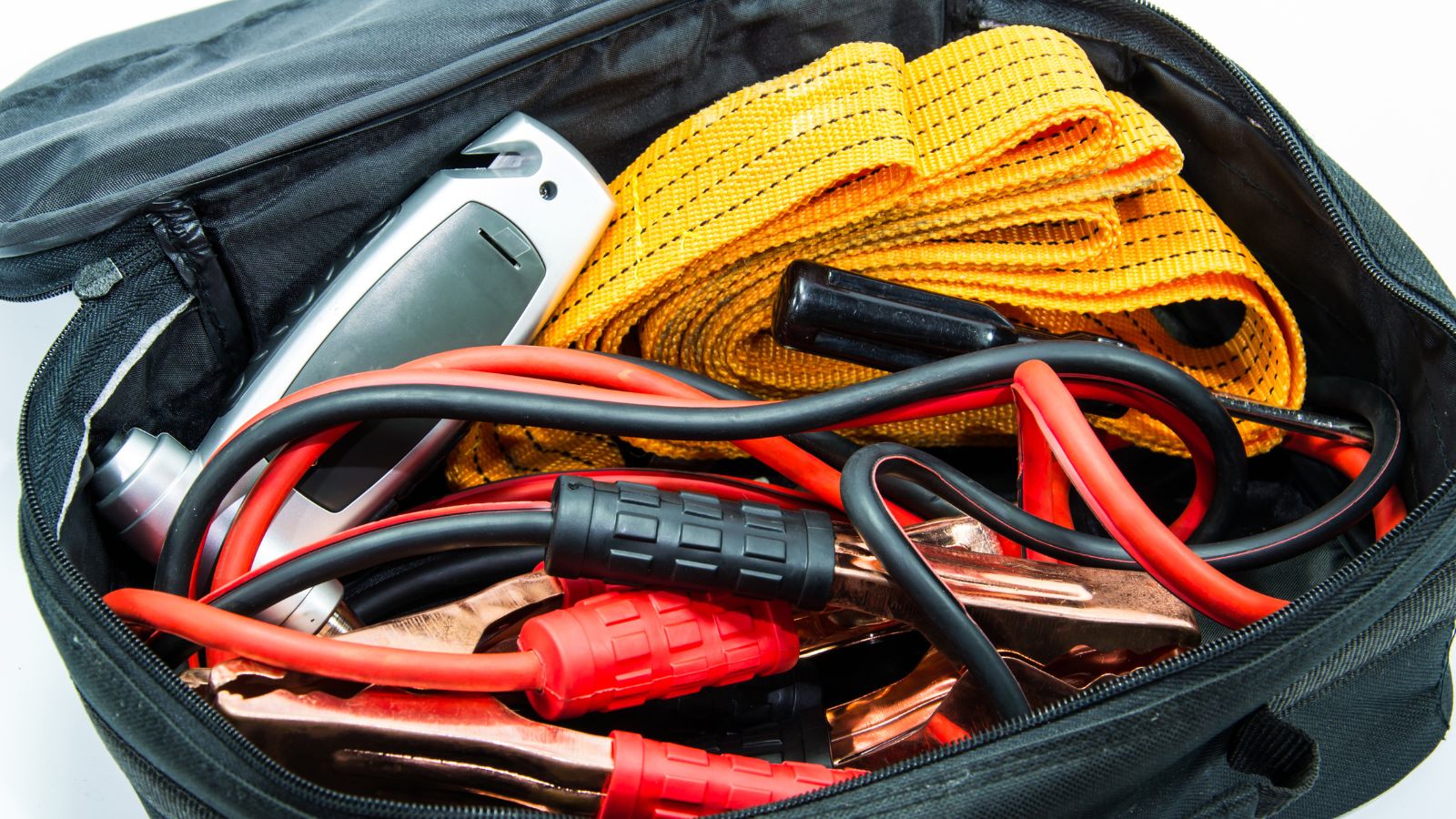
The final fall maintenance job is not under the hood at all. The Government of Canada recommends keeping a vehicle emergency kit containing supplies such as non-perishable food, water, blankets, extra clothing, a first-aid kit, shovel, scraper, snow brush, booster cables and warning equipment. Transport Canada provides similar winter-driving guidance.
Simply having a bag in the trunk is not enough if its flashlight batteries are dead, food is years past its best-before date or last winter’s washer-fluid jug is empty. Fall is an ideal time to unpack the kit, replace expired or missing items and add warm gloves, socks and other cold-weather gear. Canada’s emergency-preparedness guidance specifically suggests using seasonal time changes as reminders to update emergency supplies. Few drivers expect to spend hours waiting beside a highway after a breakdown or storm closure. That is exactly why preparation should happen before November, when the weather is still forgiving enough to make preparedness feel unnecessary.
19 Used Cars Canadians Should Avoid in 2026 (Based on Owner Complaints)

Buying a used car in Canada can feel safe until repair bills start stacking up. Owner complaints tell a different story than glossy listings. Transmission failures, electrical problems, and weak winter reliability show up again and again in consumer reports. Many of these issues appear after warranties expire, when owners least expect them. Some vehicles look affordable upfront, but become expensive to keep on the road. Others struggle in cold weather, urban driving, or long highway commutes. Here are 19 used cars Canadians should avoid in 2026 (based on owner complaints).
19 Used Cars Canadians Should Avoid in 2026 (Based on Owner Complaints)

Alanna Rosen is an experienced content writer that focuses on many EV and educational content. Her articles are regularly published on Get CyberTrucked and syndicated on large publications.