
Walk through a dealership lot and it might look like every car is waiting patiently for its future owner. In reality, vehicles that sit too long create real financial pressure for dealerships. Dealers do not simply park cars indefinitely and hope someone eventually buys them. Every unsold vehicle represents money tied up in inventory, and the longer it sits, the more it costs the dealership. When a car lingers on the lot for months, several things can happen behind the scenes.
Dealerships Pay to Keep Inventory

Most dealerships do not actually own the vehicles sitting on their lots outright. They typically rely on a financing arrangement known as floorplan financing. This system allows dealers to borrow money to purchase vehicles from manufacturers.
Interest begins accumulating the moment the car arrives on the lot. If a vehicle sits for too long, the dealership continues paying interest on that inventory, which increases financial pressure to sell it.
Incentives Often Increase

When certain models remain unsold for extended periods, manufacturers sometimes step in with additional incentives. These incentives may come in the form of cash rebates, dealer bonuses, or special financing rates designed to encourage buyers.
From the customer’s perspective, this can be the moment when the best deals appear.
Dealers May Discount the Price

If incentives are not enough to move a vehicle, dealers may reduce the selling price themselves. Discounts allow them to free up space and reduce the cost of holding aging inventory.
This is why vehicles that have been on a lot for several months sometimes become bargain opportunities for buyers.
Cars May Be Moved to Other Dealerships
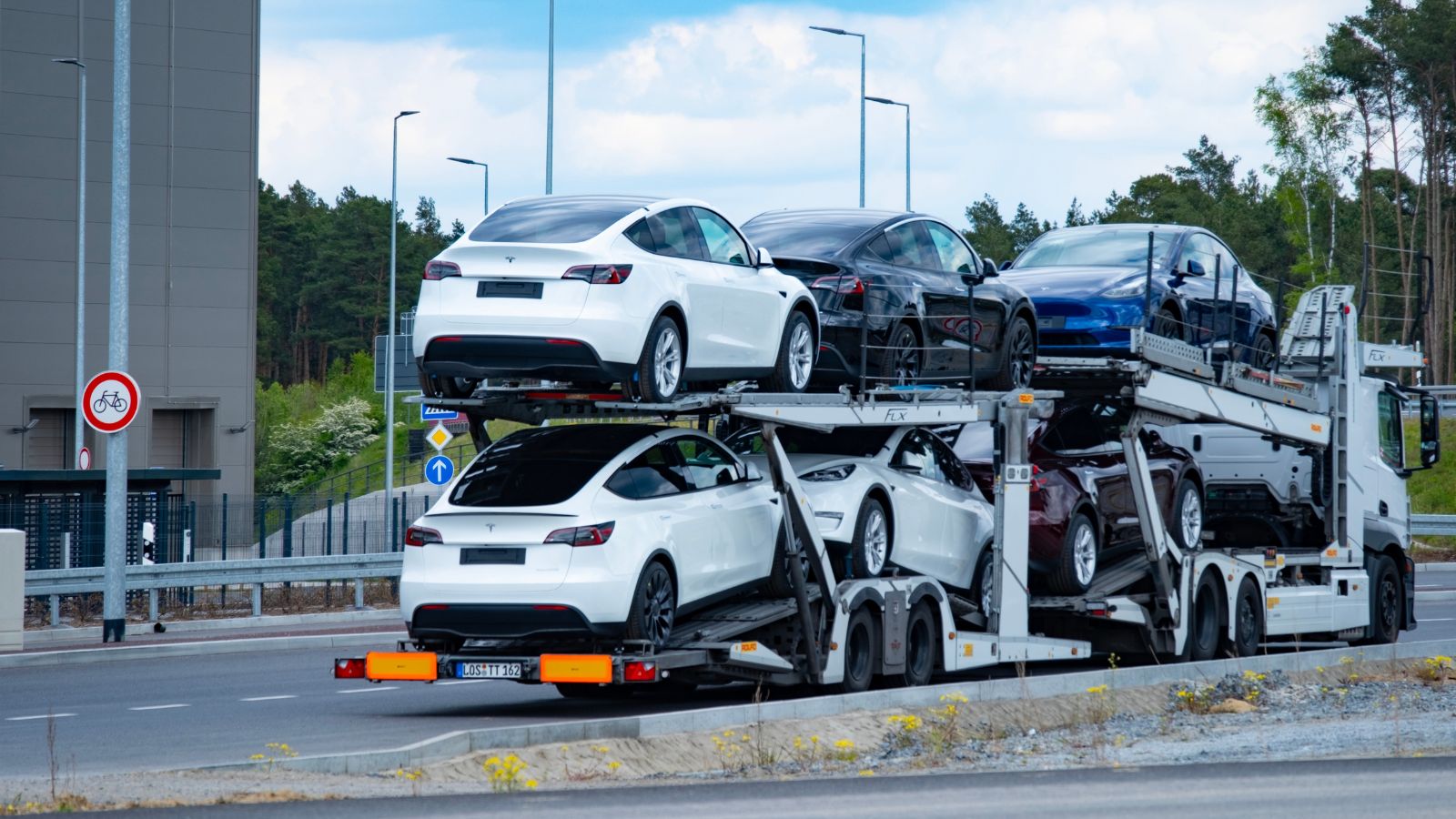
Dealerships frequently trade vehicles with other locations. If a car is not selling well in one region, it may be transferred to another dealer where demand is stronger.
This practice allows dealerships to match supply with local demand and avoid letting vehicles sit too long in one place.
Demo Vehicles Are Sometimes Created

When a vehicle has been sitting on the lot for an extended period, a dealership may convert it into a demonstration vehicle. Sales staff or managers may drive it occasionally, adding a small amount of mileage.
This allows the dealer to eventually sell the car as a lightly used vehicle, often at a discount.
Vehicles May Be Sent to Auctions

If a dealership cannot sell a vehicle after an extended period, it may send it to a wholesale auction. Other dealerships, used car retailers, and wholesalers often purchase vehicles at these auctions.
While the dealership may not recover the full original price, selling at auction allows them to free up capital and move on.
End of Model Year Pressure

Vehicles approaching the end of a model year can face additional pressure. When the next year’s version arrives, older inventory becomes less attractive to buyers.
Dealers often discount remaining vehicles heavily to clear space for new models.
Manufacturer Buybacks Can Happen
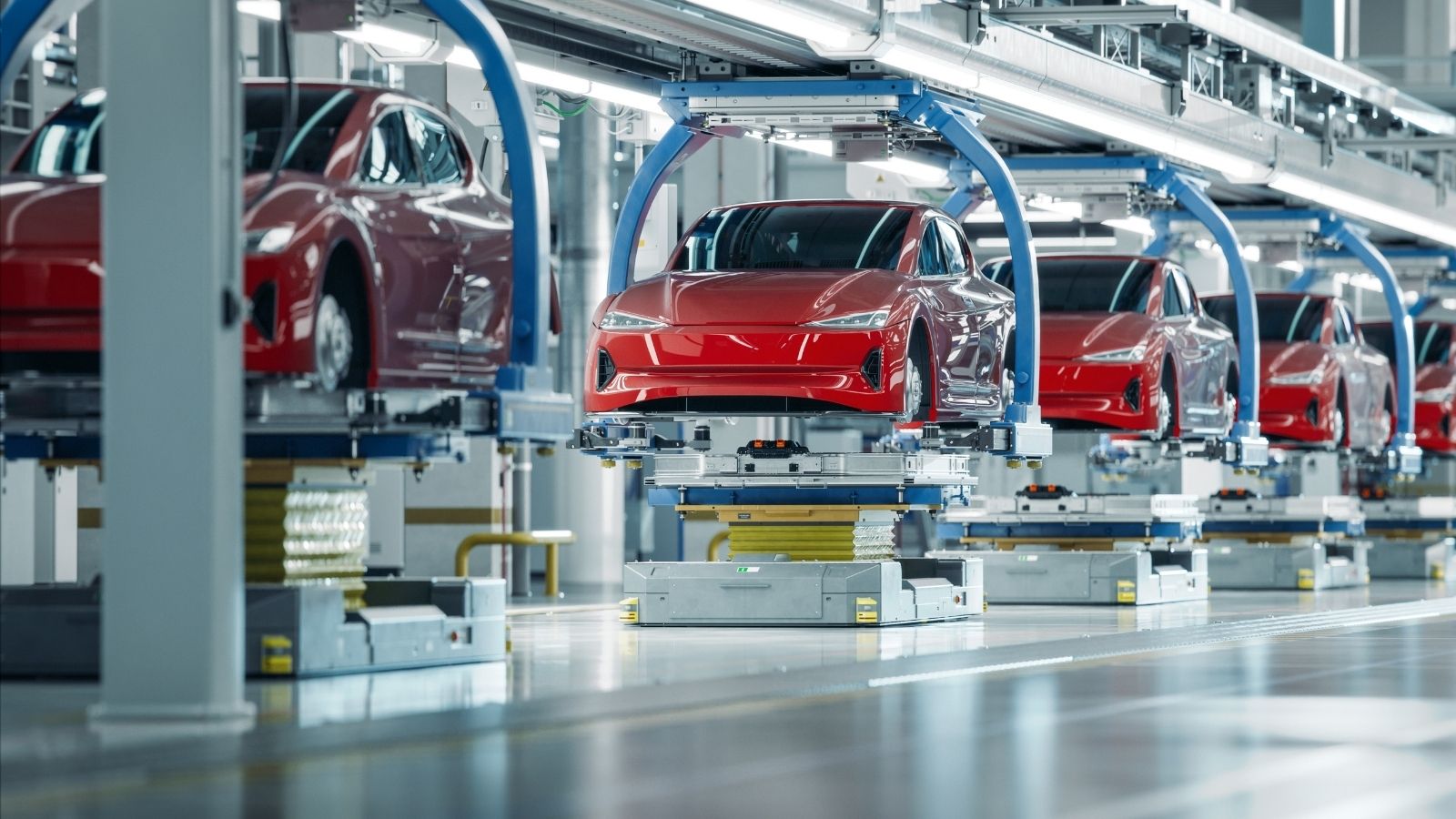
In some cases, manufacturers may repurchase slow moving inventory from dealerships. This situation is less common but can occur during special promotional programs or inventory balancing efforts.
The manufacturer may then redistribute those vehicles to other markets where demand is stronger.
Unsold Cars Still Require Maintenance

Even cars that sit on dealership lots require attention. Batteries must be maintained, fluids monitored, and tires checked regularly.
Dealership staff typically start vehicles periodically to ensure they remain in proper working condition while waiting for a buyer.
Eventually Every Car Finds a Home

While it may take longer for some models than others, most vehicles eventually leave the lot. Whether through discounts, dealer transfers, auctions, or incentives, dealerships have multiple ways of moving inventory.
For buyers willing to shop carefully, vehicles that have been sitting on a lot the longest can sometimes represent the best deals available.
25 Facts About Car Loans That Most Drivers Don’t Realize

Car loans are one of the most common ways people fund car purchases. Like any other kind of loan, car loans can have certain features that can be regarded as an advantage or a disadvantage to the borrower. Understanding all essential facts about car loans and how they work to ensure that you get the best deal for your financial situation is essential. Here are 25 shocking facts about car loans that most drivers don’t realize:
25 Facts About Car Loans That Most Drivers Don’t Realize
