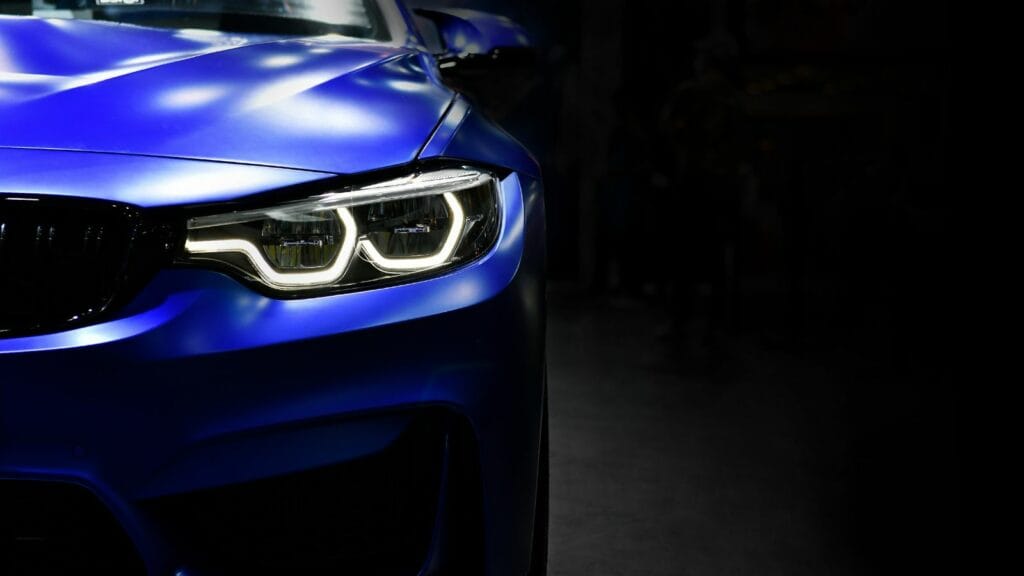
Modern headlights no longer feel like simple maintenance items. A burned-out lamp once meant a quick bulb swap and a modest parts bill, but today’s LED systems can involve sealed housings, control modules, sensors, software, aiming, and sometimes calibration. That shift explains why replacement costs are becoming a bigger concern for everyday drivers, used-car shoppers, and insurers alike.
Twelve key reasons help explain the anxiety around LED headlight replacement, from the price of complete assemblies to the hidden labor and safety checks that can follow even minor front-end damage.
Costly Headlight Units Are Often Sold as Complete Assemblies
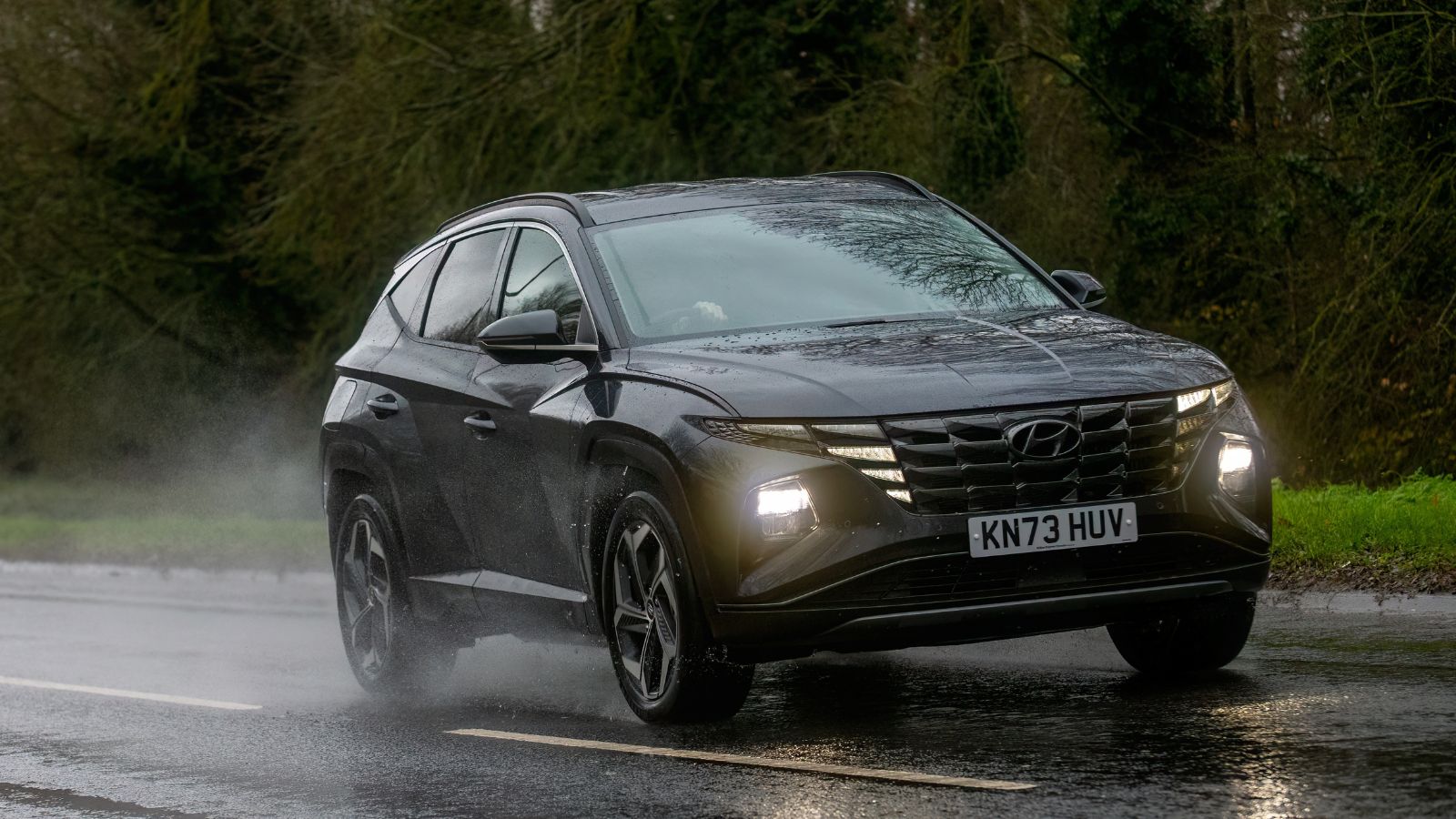
The biggest shock comes when a driver expects to replace a bulb and learns the vehicle may need an entire LED headlight module. Many modern LED headlights are built as integrated units, with the light source, optics, electronics, housing, and lens designed to work together. That improves packaging and performance, but it also means a failure in one part can lead to a much larger replacement.
A simple halogen bulb can still be inexpensive, but LED modules are a different category. Kelley Blue Book lists examples of LED headlight modules costing hundreds or even thousands of dollars before installation, including mainstream and luxury models. For a household already dealing with insurance, fuel, tires, and loan payments, the idea that one damaged headlight could rival the cost of a major repair is enough to make drivers nervous.
LEDs Last Longer, but Their Electronics Can Still Fail
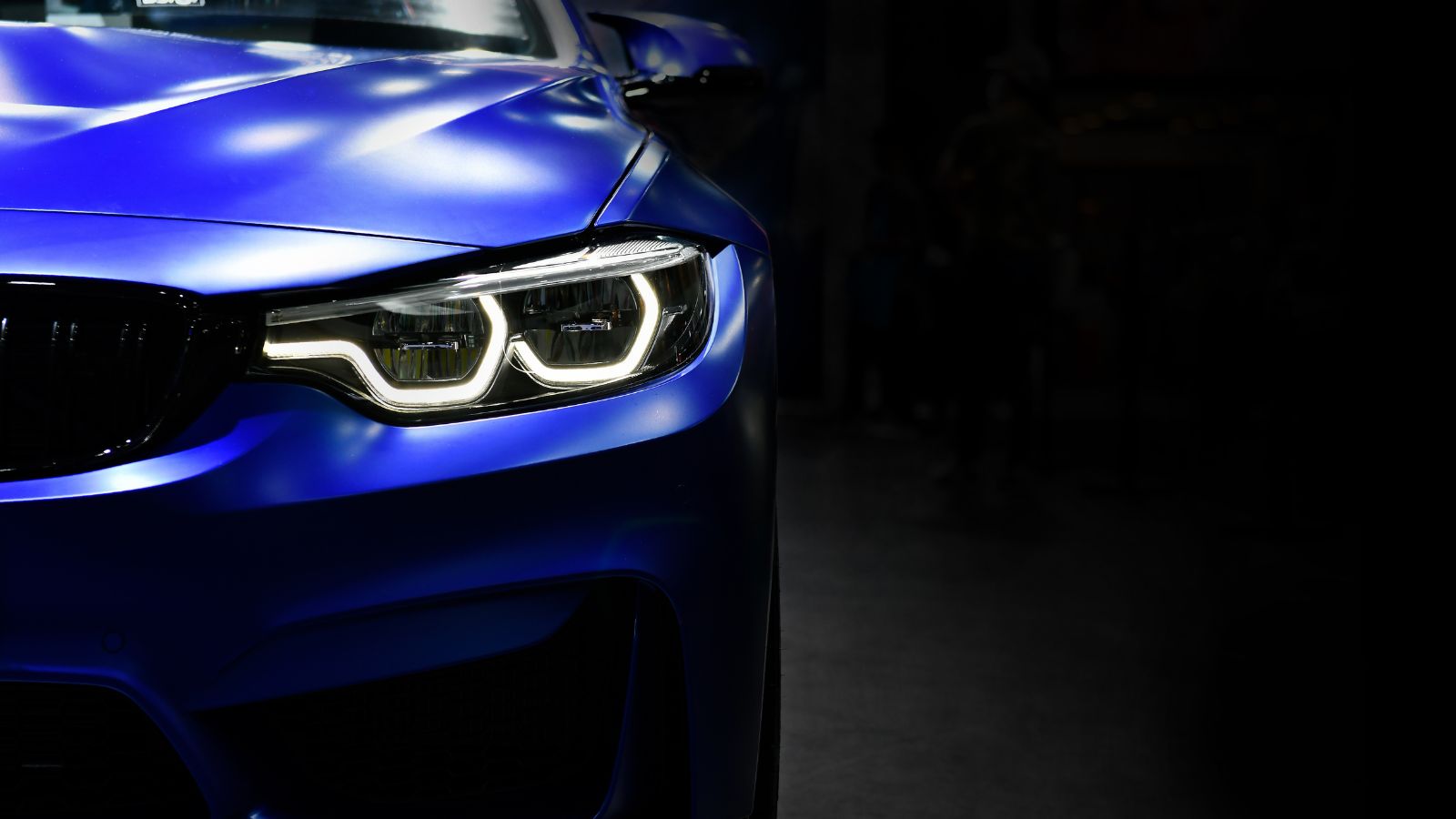
LED headlights are often marketed as long-life components, and that claim has a strong basis. LED lighting can last tens of thousands of hours, which is far longer than many traditional halogen bulbs. That longevity is one reason automakers like LEDs: they use less energy, fit into slimmer designs, and can provide strong illumination for many years.
The problem is that drivers may hear “long-lasting” and assume “cheap to fix.” LED headlight failures are not always caused by the diode itself. Control electronics, seals, modules, wiring, or internal circuit boards can fail first. When that happens, the repair may involve diagnosing an electronic system rather than replacing a familiar bulb. The result is a strange ownership experience: a part designed to last longer can feel more expensive precisely because it is more complex.
Labor Can Be More Involved Than Drivers Expect
Older headlights were often accessible from behind the engine bay, with enough room for a careful owner or technician to twist out a bulb. Many newer vehicles package headlights tightly behind bumpers, wheel-well liners, brackets, sensors, and body panels. Even when the part itself is available, reaching it can take time.
That labor adds pressure to the bill. If a front bumper cover has to come off, the work becomes more than a quick service-lane visit. Clips can break, panels must be aligned again, and technicians need to avoid damaging nearby sensors or trim. A driver who sees a single dim lamp may not expect a multi-hour job. The frustration often comes from the gap between what the problem looks like and what the repair actually requires.
Adaptive Lighting Adds Sensors, Motors, and Calibration
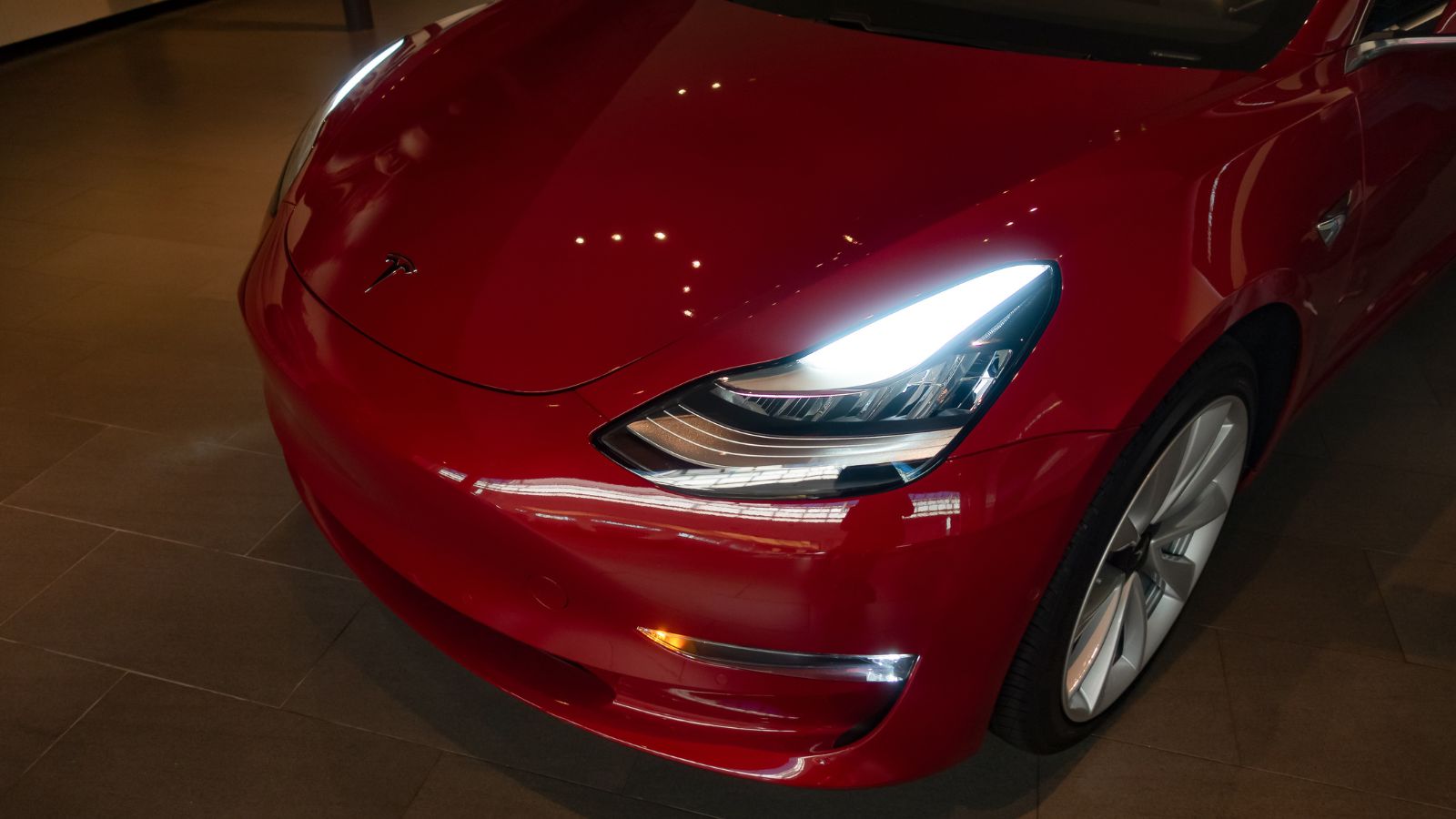
LED headlights are not always fixed beams. Many newer systems turn with the steering wheel, adjust height based on load, switch beam patterns, or work with automatic high-beam systems. These features can improve nighttime visibility, especially on dark curves, but they also add hardware and software that must be restored correctly after repair.
When adaptive lighting is involved, the headlight may depend on steering angle sensors, ride-height sensors, speed inputs, and control modules. After replacement, some vehicles need beam aiming, coding, initialization, or calibration. That means the repair is no longer just mechanical; it is also diagnostic. A poorly aimed LED headlight can glare into oncoming traffic or fail to illuminate enough road. For many drivers, the fear is not only the part cost but the possibility that specialized setup will be required afterward.
Better Headlights Are a Real Safety Feature
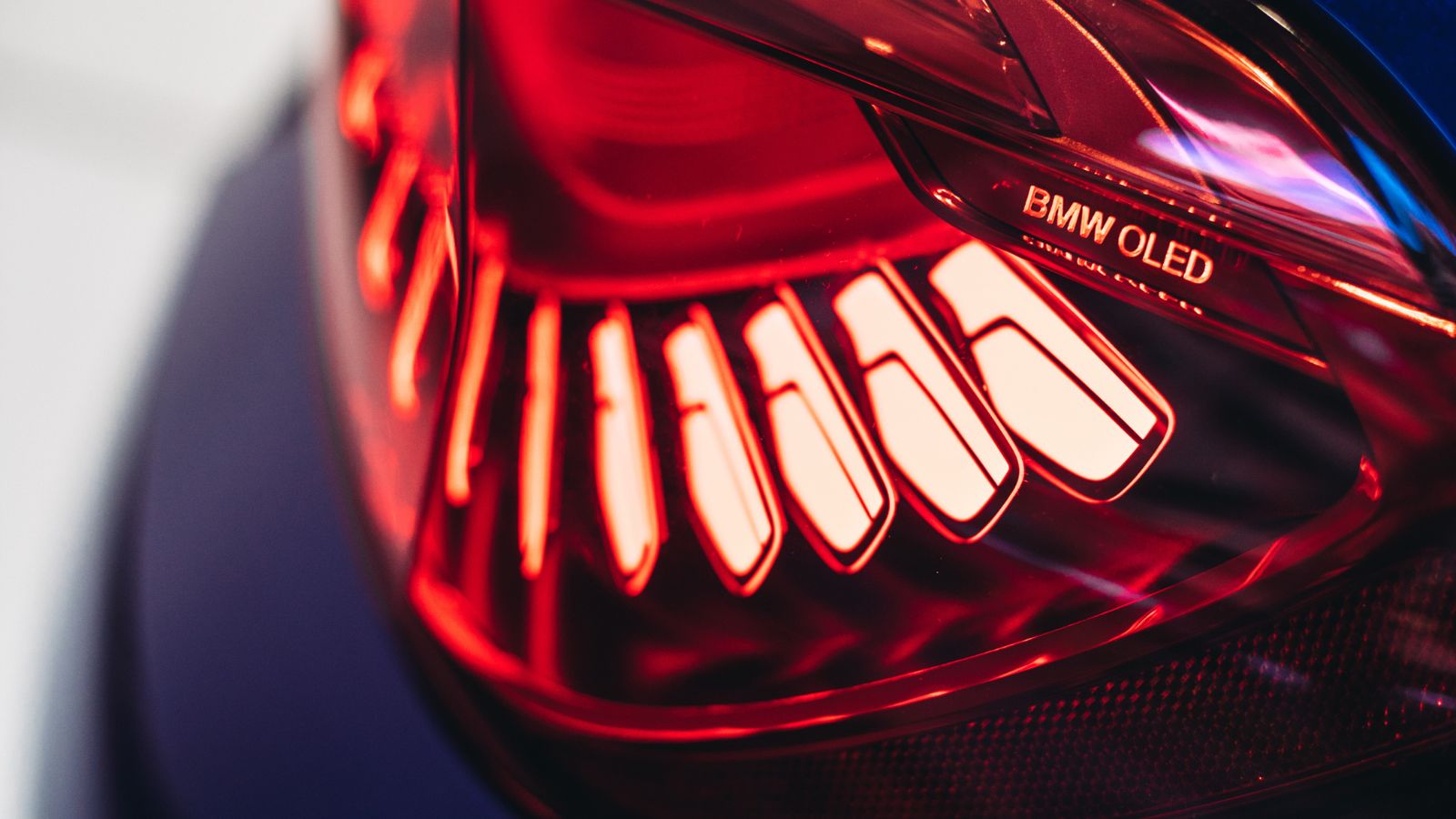
The anxiety around repair cost is complicated by the fact that good headlights are not decorative. Research from the Insurance Institute for Highway Safety has linked better-rated headlights with lower nighttime crash rates. Vehicles with good visibility ratings have been associated with fewer nighttime single-vehicle crashes and fewer nighttime pedestrian crashes than vehicles with poor-rated headlights.
That matters because drivers cannot simply ignore a faulty LED headlight. A dim, misaimed, or failed unit affects the ability to see lane markings, pedestrians, animals, and road debris. It also affects whether other road users can see the vehicle. The safety value makes the repair feel unavoidable, even when the bill is painful. It is one reason headlight replacement can feel more urgent than other cosmetic front-end repairs.
Minor Front-End Damage Can Become Expensive Quickly
Headlights sit in one of the most vulnerable areas of a vehicle. A low-speed parking mishap, road debris strike, winter slide, or small collision can crack a lens, break a mounting tab, damage wiring, or compromise a seal. With older lamps, some of that damage might have been repaired cheaply. With advanced LED units, the same impact can trigger a much larger parts decision.
Repair organizations have warned that headlamps are among commonly damaged components and that modern units include safety and optical features that complicate repair. Even a mounting bracket can matter if it affects beam alignment or pedestrian-impact design. This is why drivers can be surprised when a seemingly small scrape at the corner of the bumper leads to a large estimate. The lamp is no longer just a lamp; it is part of a larger safety and repair ecosystem.
Insurance Claims Can Be Affected by Advanced Technology
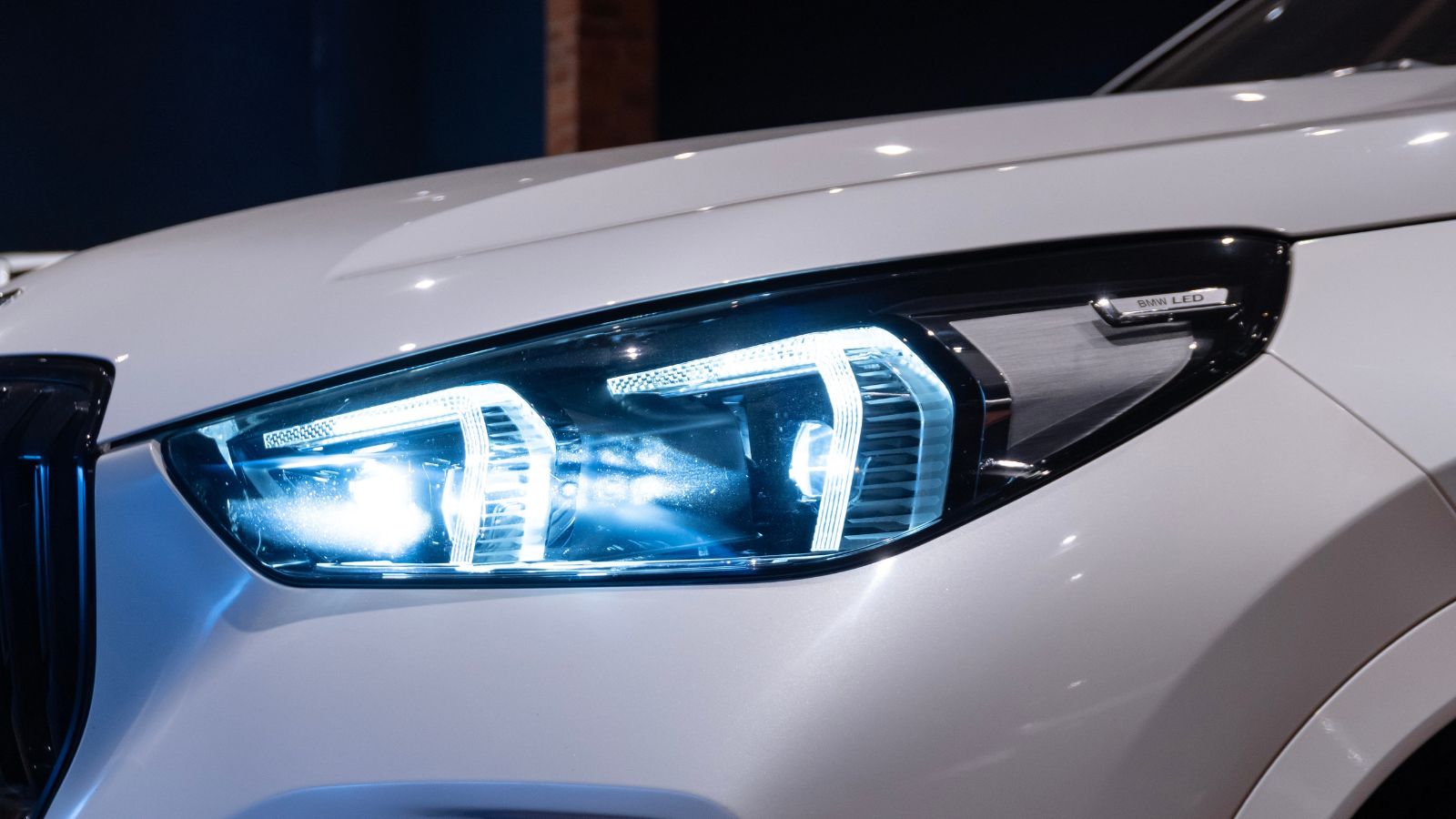
LED headlight worries often overlap with broader concerns about modern collision repair. Advanced driver assistance systems have pushed repair estimates higher because sensors, cameras, brackets, calibration, scanning, and specialized procedures can be involved. While headlights are only one part of that picture, front-end lighting often sits near systems that insurers and repair shops must inspect carefully.
AAA research on ADAS repair costs found that advanced components can represent a meaningful share of repair estimates in certain scenarios, especially minor front collisions. For drivers, this means a headlight replacement may not be viewed in isolation after a crash. Shops may need to check related systems, perform scans, or confirm that surrounding hardware still works correctly. That added diligence protects safety, but it can make the final estimate feel far removed from the visible damage.
Used-Car Buyers Are Thinking About Future Repair Bills
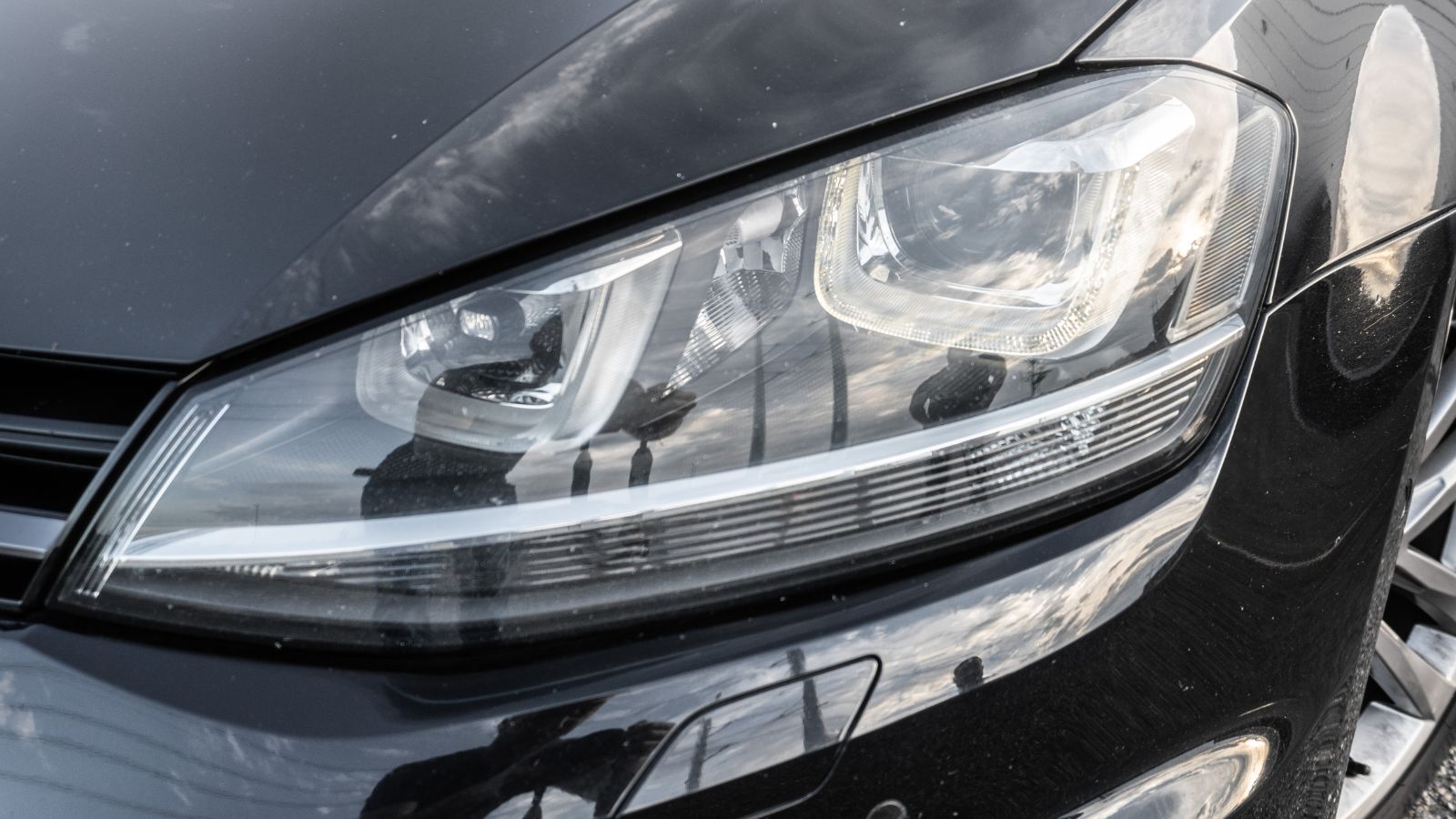
A used vehicle with LED headlights can feel modern and upscale, but shoppers are increasingly aware that technology-heavy features can age differently than simpler parts. A ten-year-old vehicle may still look appealing, yet one failed LED headlight could represent a disproportionate share of its resale value. That changes how buyers think about ownership risk.
This is especially relevant for vehicles that originally carried expensive lighting packages. A luxury SUV, premium trim, or EV may have headlights that looked like a bonus when new but become a major repair concern later. Buyers often check tires, brakes, and accident history, but replacement lighting costs deserve attention too. A smart inspection now includes looking for moisture inside housings, mismatched lamps, warning messages, poor beam aim, or signs of previous front-end repair.
Aftermarket Options Are Not Always Simple Substitutes
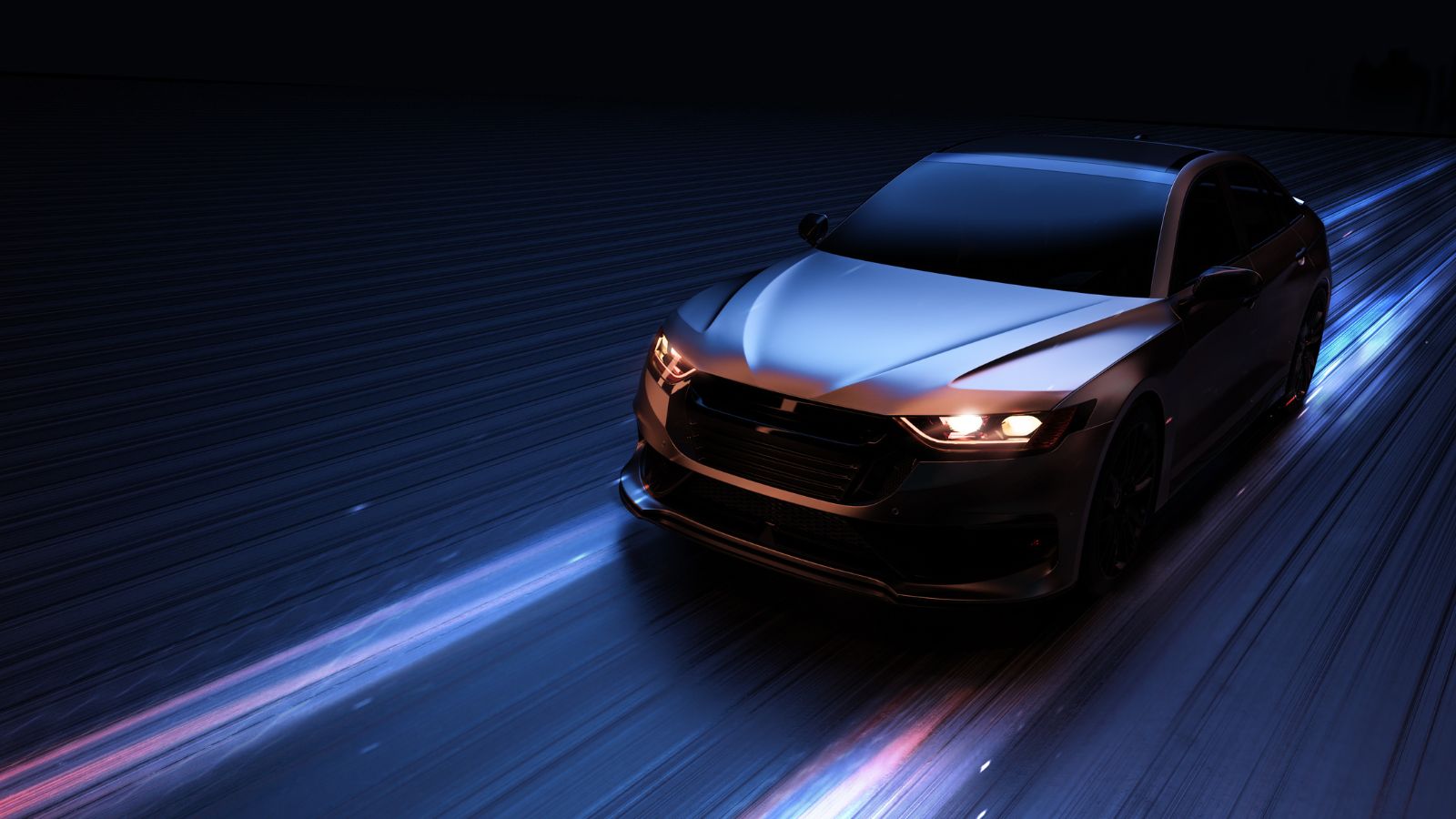
When OEM LED headlights cost too much, drivers naturally look for used, rebuilt, or aftermarket alternatives. These options can lower the bill, but they are not always straightforward. The replacement must fit correctly, match the vehicle’s wiring and software, produce the right beam pattern, and meet applicable lighting rules.
Some low-cost parts may not perform like the original equipment. Fitment gaps can allow moisture in, poor optics can scatter light, and mismatched output can create glare or uneven illumination. In some cases, used assemblies may need coding or may carry hidden damage from a donor vehicle. For drivers, the concern is practical: saving money upfront can become expensive if the replacement fails inspection, triggers warning lights, or creates unsafe nighttime visibility.
LED Glare Has Put Headlights Under Greater Scrutiny
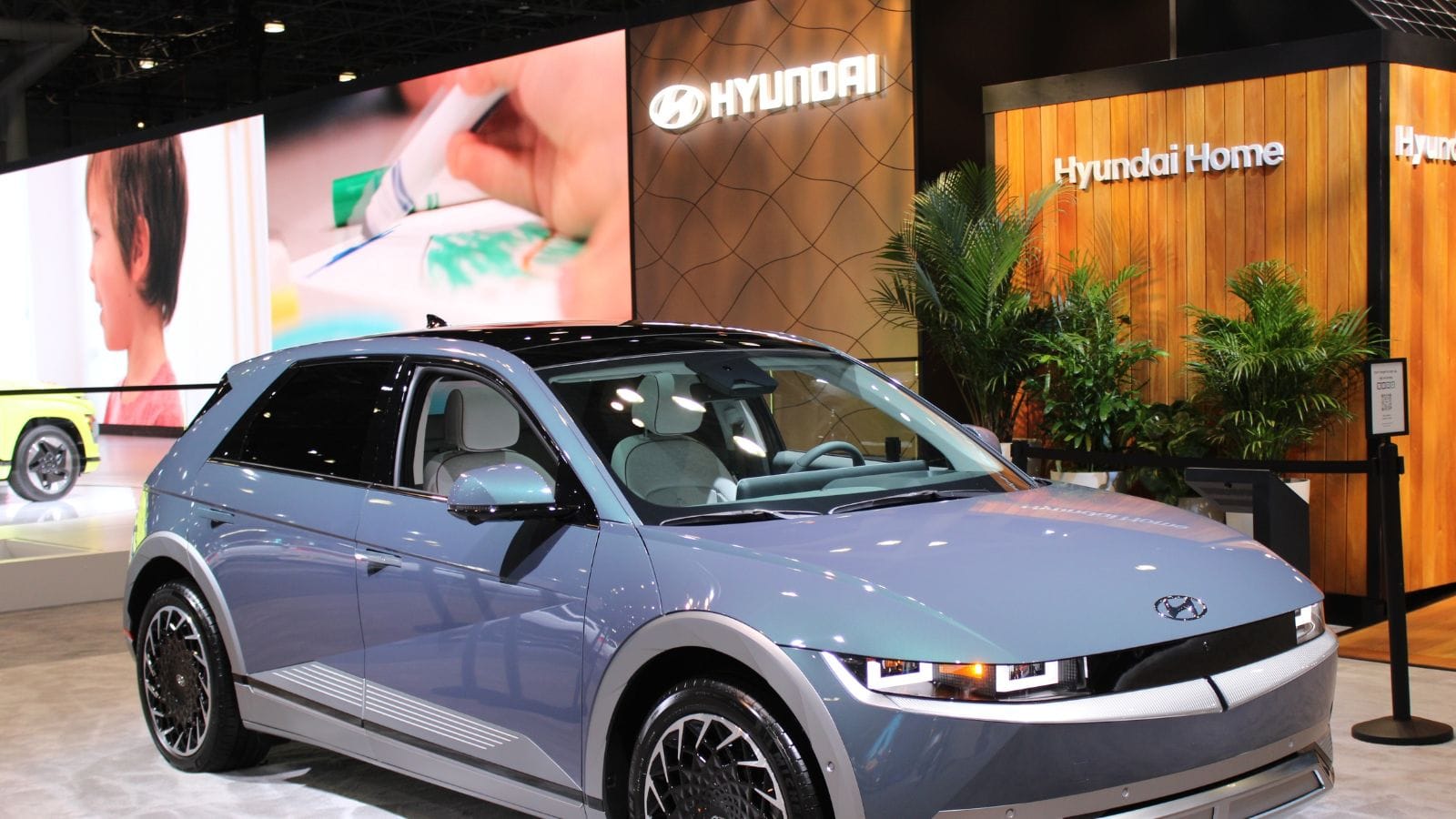
Public concern about headlight glare has grown as LEDs and taller vehicles have become more common. AAA reported that six in ten U.S. drivers say glare is a problem after dark, with many saying it has worsened over the past decade. Transport Canada also opened a public consultation on nighttime headlight glare, showing that the issue is not limited to one market.
This matters for replacement cost because any headlight repair now carries a visibility and glare responsibility. A cheap or poorly aimed replacement can create problems for everyone else on the road. Drivers who install the wrong part may solve their own outage while creating discomfort or risk for others. As public attention grows, proper aiming and compliant equipment become more important, which can add professional checks to the repair process.
Adaptive Driving Beam Technology May Raise Expectations
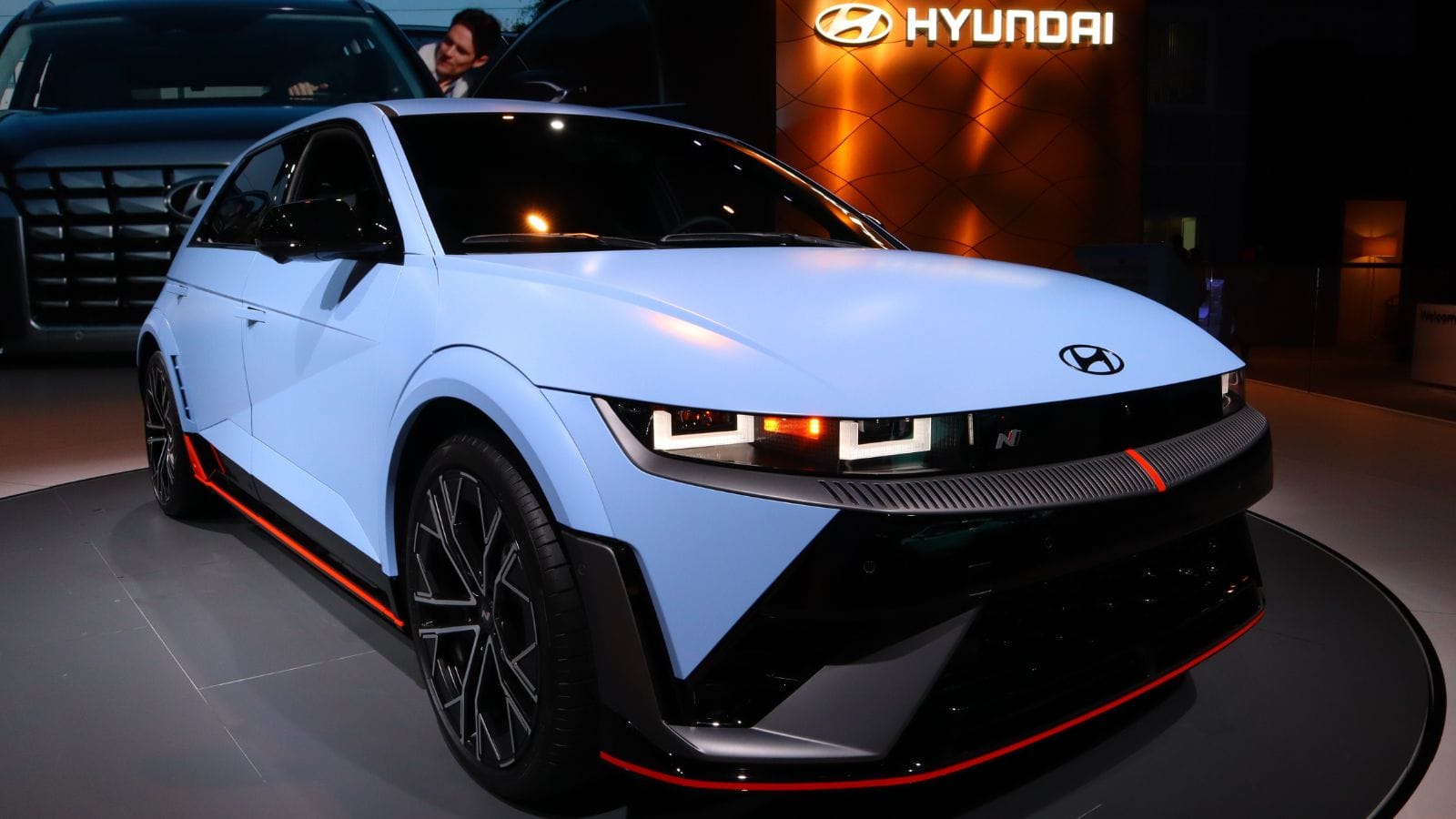
Adaptive driving beam headlights are designed to keep more light on the road while reducing light directed at other vehicles. Regulators in the United States allowed automakers to install these systems on new vehicles in 2022, and AAA has highlighted research showing major improvements in roadway lighting compared with conventional low beams in certain tests.
The promise is clear: better illumination without blinding oncoming drivers. The concern is cost. Systems that can shape light dynamically may require cameras, software, segmented LEDs, control units, and precise setup. As these features spread, drivers may get better nighttime performance but face higher stakes when something breaks. A future headlight may function more like a smart safety device than a replaceable lamp, and smart devices are rarely the cheapest parts to replace.
The Old Maintenance Mindset No Longer Fits
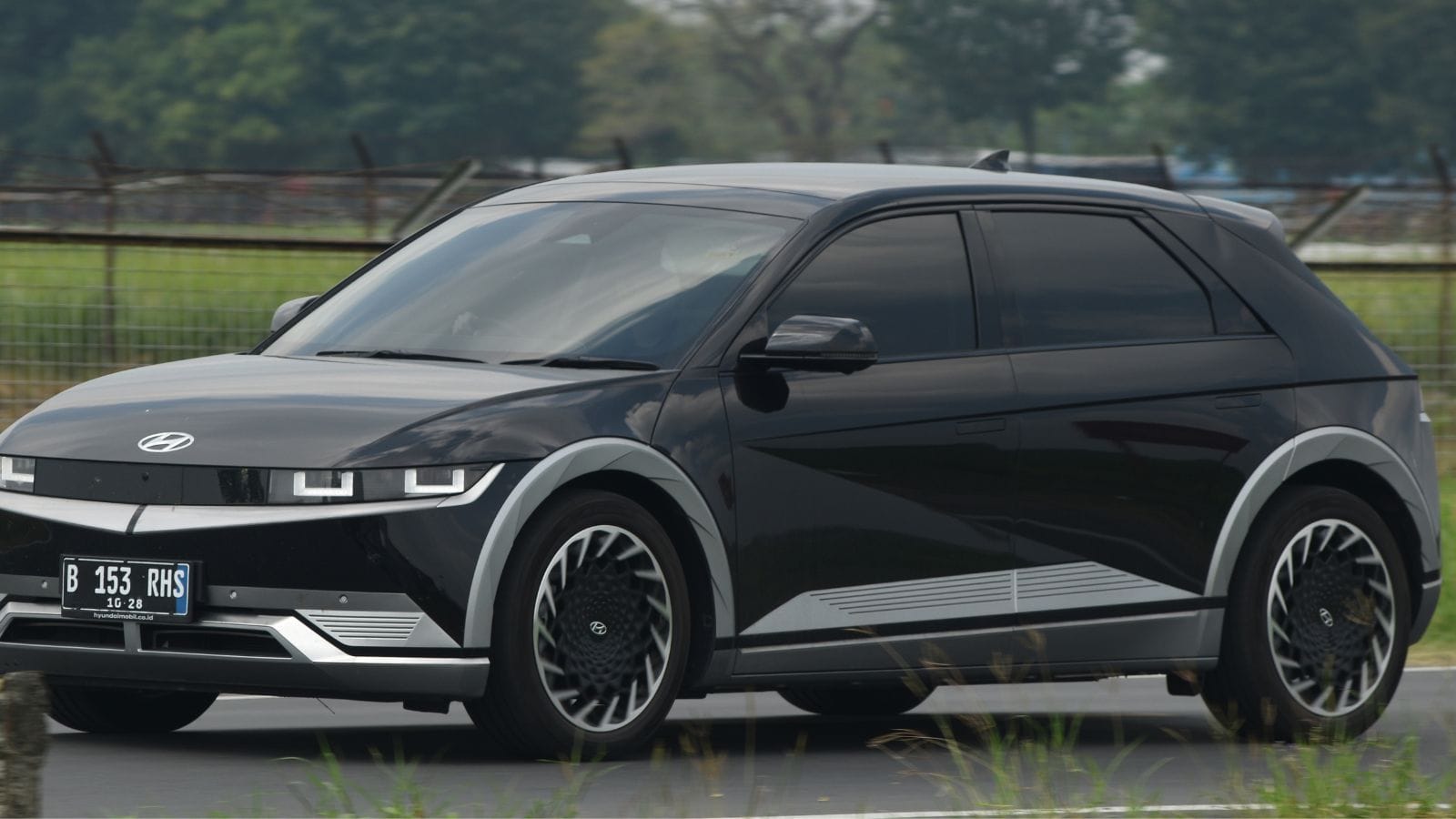
Many drivers still think of headlights as routine wear items, similar to wiper blades or brake bulbs. That mindset made sense when headlight service usually meant replacing a standard bulb. Modern LED systems require a different way of thinking: they can last longer, perform better, and support advanced safety features, but they may also be costly when damaged or defective.
The best response is not panic; it is informed ownership. Drivers can check replacement costs before buying a vehicle, keep lenses clean, avoid cheap noncompliant parts, repair minor front-end damage properly, and ask shops whether aiming or calibration is required. LED headlights are not automatically bad news. They simply change the repair equation, and more drivers are realizing that the brightest part of a vehicle can also become one of the most expensive to restore.
22 Things Canadians Do to Their Cars in Spring That Mechanics Hate

Spring brings relief to many Canadian drivers after months of snow, freezing temperatures, and icy roads that put serious strain on vehicles. As temperatures rise across the country, drivers begin washing cars, switching tires, and preparing vehicles for warmer weather and upcoming road trips. However, mechanics across Canada notice the same mistakes every spring when drivers attempt to recover from winter damage. Road salt, potholes, and harsh winter driving conditions often leave vehicles with hidden problems that drivers ignore. Some spring habits even create new mechanical issues that could have been avoided with proper maintenance. Here are 22 things Canadians do to their cars in spring that mechanics hate.

Alanna Rosen is an experienced content writer that focuses on many EV and educational content. Her articles are regularly published on Get CyberTrucked and syndicated on large publications.