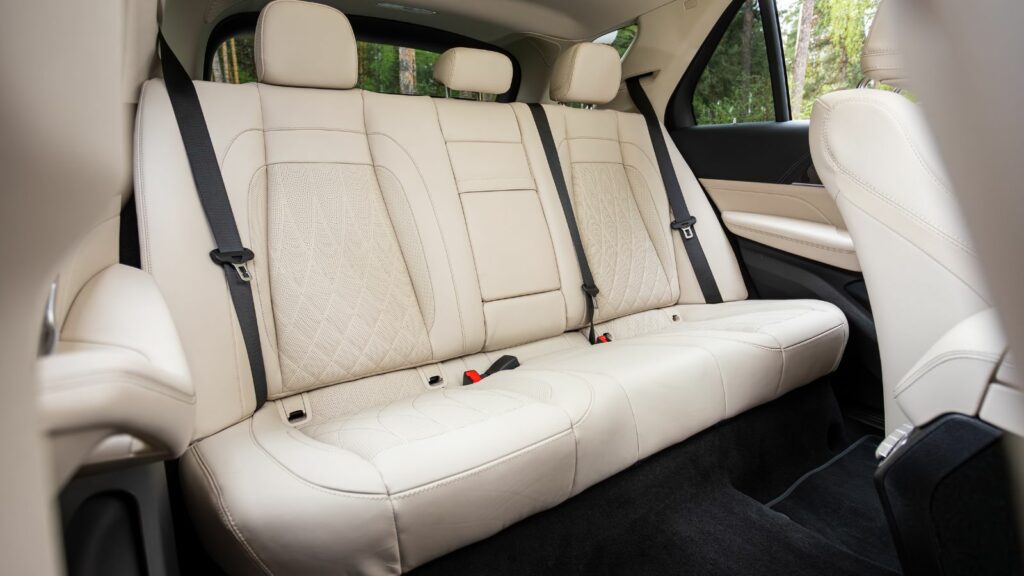
For years, the automotive industry has sold excitement: bigger screens, larger wheels, more horsepower, upscale trims and increasingly complicated technology. But for some Canadians, the dream vehicle is starting to look surprisingly ordinary. High purchase prices, financing pressure, insurance costs, expensive repairs and the realities of winter driving are making dependable transportation more appealing than automotive theatre. A modest sedan, straightforward crossover or familiar hybrid may not attract much attention in a parking lot, and that is increasingly part of the appeal. The calculation is less about settling and more about deciding what a vehicle actually needs to accomplish. These 12 reasons help explain why deliberately “boring” cars can make considerable sense in Canada.
High Prices Are Making “Enough Car” Look Smarter
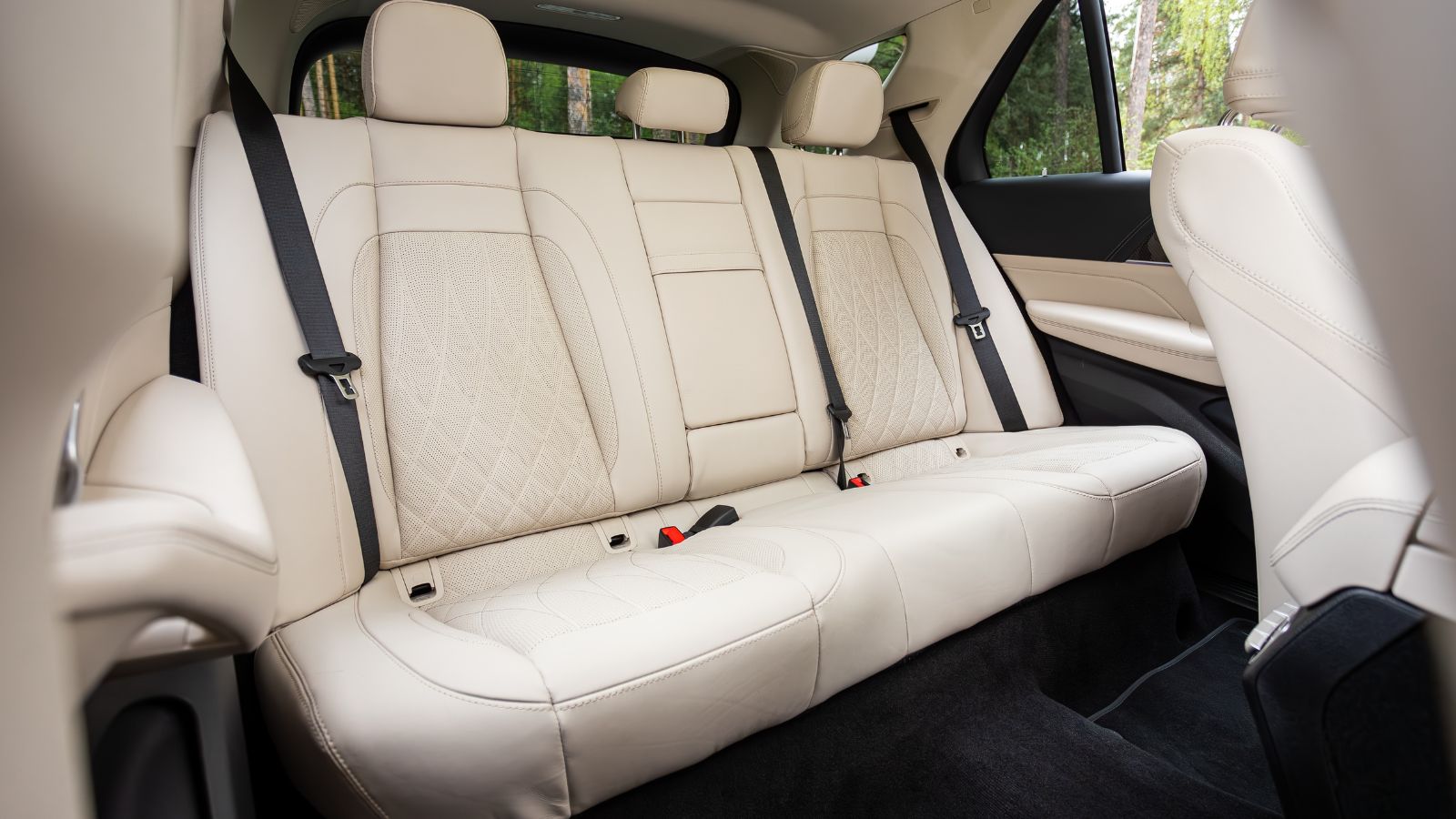
The price of simply getting into a new vehicle has changed the definition of luxury. AutoTrader reported that the average new vehicle in Canada cost $62,830 during the first quarter of 2026, even after prices declined from a year earlier. KPMG’s national automotive research found that 62% of Canadians surveyed would not spend more than $50,000 on a new vehicle. Nearly one-quarter set their ceiling below $30,000. When the average transaction price sits beyond what much of the market wants to spend, unnecessary equipment becomes harder to justify.
That can transform an ordinary compact or modestly equipped crossover from the “cheap option” into the financially deliberate one. A household might still be able to stretch for leather seats, a panoramic roof and a more powerful engine, but the extra money competes with groceries, housing, insurance and savings. KPMG found price was an important vehicle-purchase consideration for 80% of respondents. In that environment, leaving the dealership with fewer bragging rights — and thousands of dollars still in the household budget — can feel like the better upgrade.
Monthly Payments Matter More Than Horsepower

Purchase price is only the beginning because a large portion of the Canadian market experiences a vehicle through a monthly bill. AutoTrader calculated an average new-vehicle payment of about $915 per month in the first quarter of 2026. TransUnion’s Canadian credit data showed auto-loan monthly payments were still 4.8% higher year over year in the fourth quarter of 2025, while the average new auto-loan balance reached $39,701.
That changes how buyers look at seemingly small upgrades. An extra package, larger engine or premium trim may appear manageable when its cost is distributed through years of payments, but those additions remain part of the debt. TransUnion also reported that affordability pressures were lengthening vehicle-replacement cycles and increasing reliance on refinancing and term extensions. A commuter who expects to keep a car long after its new-car smell disappears has a reason to ask whether a costly feature will matter in year seven. The basic model that reliably starts every morning can suddenly be more appealing than the trim that looked impressive during a 20-minute test drive.
Passenger Cars Still Offer a Price Escape Hatch
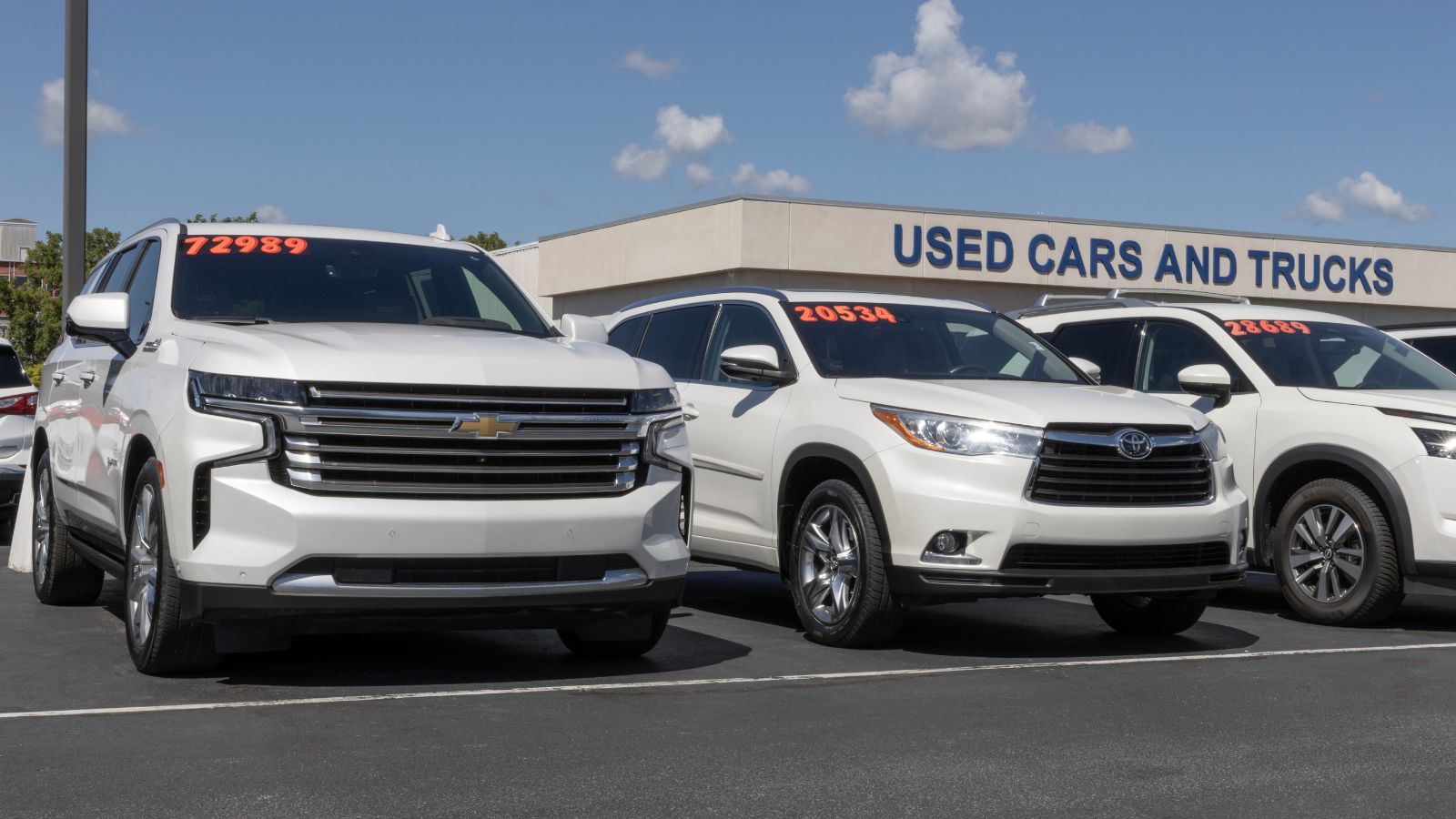
The Canadian market has overwhelmingly moved toward SUVs and other multipurpose vehicles. Statistics Canada reported that multipurpose vehicles accounted for 63.2% of new registrations in 2025, while passenger-car registrations declined 7%. In other words, there is no evidence of a nationwide sedan renaissance. Yet individual shoppers looking primarily at price can still find an argument for cars that the broader market has been leaving behind.
AutoTrader’s first-quarter 2026 figures identified passenger cars as the least expensive new-vehicle segment, averaging $56,419. New trucks averaged $81,831 and minivans $68,844. SUVs have become highly competitive — their average new price was only about $500 above passenger cars in that particular quarter — but the enormous price gap between an ordinary car and a large truck remains difficult to ignore. Someone commuting alone most days may decide that hauling capability and imposing dimensions are solutions to problems that rarely occur. The four-door compact sitting quietly at the other end of the showroom may perform the actual daily job just as effectively.
Fuel Economy Keeps Paying After the Novelty Wears Off

Horsepower is exciting during acceleration. Fuel consumption matters every time the tank needs filling. Natural Resources Canada notes that fuel consumption among available vehicles varies dramatically and says choosing the most efficient vehicle that meets a household’s needs can produce savings for years. Its modelling shows that, over 20,000 kilometres of annual driving, energy costs can range from less than $500 for highly efficient vehicles to more than $4,000 for particularly thirsty ones.
That difference can make restraint attractive. The extra performance of a powerful engine may rarely be used during a commute through Toronto traffic, a school run in Winnipeg or a grocery trip in Halifax, yet its consumption can remain part of the ownership equation every week. Canada’s EnerGuide system exists specifically so shoppers can compare vehicles using standardized consumption figures instead of relying on impressions from a test drive. A modest engine, conventional hybrid or efficient compact does not need to be exciting at a fuel pump. For households measuring ownership over eight or ten years, predictable efficiency can become one of the vehicle’s most valuable features.
Insurance Can Reward the Less Dramatic Choice

Two similarly priced vehicles do not necessarily cost the same to insure. Insurance Bureau of Canada says a vehicle’s make, model, year, value and potential repair costs can all influence insurance premiums. Its guidance adds that vehicles that are less likely to be stolen, damaged or involved in costly claims — and are less expensive to repair — will typically cost less to insure, although driver history and other factors also matter.
That is why the responsible comparison increasingly happens before a buyer signs a purchase agreement. IBC’s 2026 How Cars Measure Up data uses actual Canadian insurance claims and allows comparisons involving collision claims, comprehensive claims and relative theft frequency. A spectacular deal on a sophisticated vehicle can become less spectacular after an insurance quote arrives. Conversely, an unremarkable model with favourable claims experience may quietly save money month after month. “Boring” is not itself an insurance category, of course. The lesson is that buyers have a financial reason to care about claim frequency and repairability rather than assuming two vehicles with similar sticker prices will impose similar ownership costs.
Auto Theft Has Changed the Shopping Calculation

Canada’s auto-theft problem has improved, but its financial footprint remains substantial. Équité Association estimated insurance claims related to auto theft at roughly $900 million in 2025 despite an 18% year-over-year decline in theft nationally. Insurance Bureau of Canada separately reported that the value of theft claims remained dramatically above levels seen a decade earlier. Vehicle choice therefore intersects with a risk Canadians did not always examine as closely.
The interesting wrinkle is that “boring” does not automatically mean invisible to thieves. Équité reported that the Toyota RAV4 became Canada’s most-stolen vehicle by total thefts in its 2024 data, with more than 2,000 stolen nationally. Popularity, international demand and resale value can make an ordinary family vehicle attractive to organized theft networks. That gives cautious shoppers another homework assignment: checking the theft record of a specific model rather than judging risk by appearance. Some may deliberately avoid a vehicle with elevated theft frequency, even when it is otherwise appealing. A car that attracts less unwanted attention can have value that never appears on the window sticker.
Rising Maintenance Bills Make Predictability Valuable

The financial consequences of vehicle ownership become clearer after the warranty years. J.D. Power found in its 2025 Canadian long-term service research that the average dealership service visit for vehicles four to 12 years old had climbed to $539, while the average aftermarket visit cost $302. More recent 2026 study results reported an average dealership spend of $566 per visit. Those numbers cover different types of work, but they illustrate how meaningful maintenance and repair expenses have become.
At the same time, Canadians have been keeping vehicles longer. J.D. Power described older owners as increasingly maintaining aging vehicles rather than replacing them, while TransUnion has also identified longer replacement cycles amid affordability pressure. That makes predictability more important than the initial wow factor. A buyer planning to own a vehicle for nearly a decade may care more about its maintenance schedule, service options and long-term repair history than an unusual drivetrain or exclusive option package. The deliberately ordinary purchase is therefore partly a bet on fewer unpleasant surprises. Excitement lasts a test drive; repair invoices arrive years later.
Resale Value Can Make Familiarity Surprisingly Valuable

Depreciation is easy to ignore because owners do not receive a monthly bill for it, yet the lost value becomes very real when a vehicle is traded or sold. Canadian Black Book builds residual-value forecasts specifically around expected depreciation, market conditions, brand strength and supply-and-demand patterns. Its 2026 awards project which vehicles are expected to retain the greatest percentage of their original MSRP after four years.
Some of the mainstream-car names near the top are hardly exotic. Canadian Black Book’s 2026 mainstream-car residual results placed the Toyota Prius, Camry and Corolla in the top three positions. That does not guarantee what any individual example will eventually be worth, but it demonstrates why familiar models can have an economic advantage. CAA’s ownership calculator similarly treats depreciation as a major annual vehicle expense; for a 2025 Corolla example, it estimated depreciation at roughly $2,505 to $3,006 annually under the calculator’s assumptions. A vehicle does not have to look expensive to lose a lot of money. Choosing something with established used-market demand can therefore be an intentionally conservative strategy.
Hybrids Are Becoming the Sensible Middle Ground
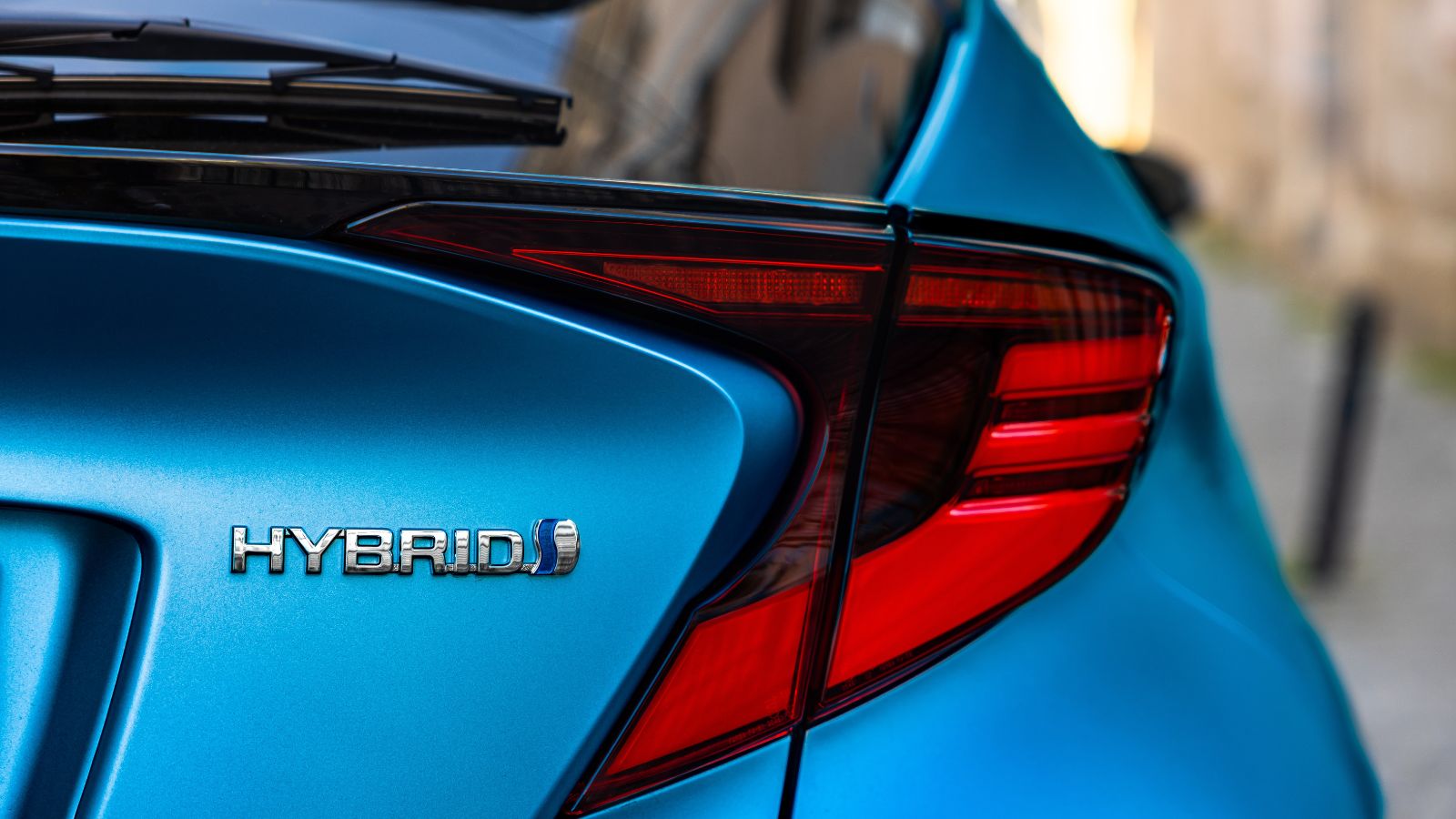
One of the most noticeable shifts in Canada’s market involves vehicles that are technologically advanced but intentionally uneventful to operate. Statistics Canada reported that new hybrid-electric registrations jumped 36.1% in 2025. During the same year, battery-electric registrations declined sharply, although policy changes and incentive timing played an important role in those comparisons. The underlying message is not that Canadians have rejected electrification; rather, many appear interested in a less disruptive version of it.
J.D. Power found EV consideration rising to 34% among Canadian new-vehicle shoppers in 2026, but range, charging availability and extreme-temperature performance remained prominent concerns among hesitant shoppers. KPMG’s late-2025 research also found conventional hybrids were the most commonly selected environmentally friendly powertrain among respondents planning such a purchase. That helps explain the appeal of vehicles such as hybrid sedans and crossovers that behave much like conventional cars. There may be little novelty involved: no charging routine to learn and no dramatic styling required. For some households, that ordinariness is precisely what makes the technology attractive.
Canadian Winters Make Flashy Wheels Harder to Defend
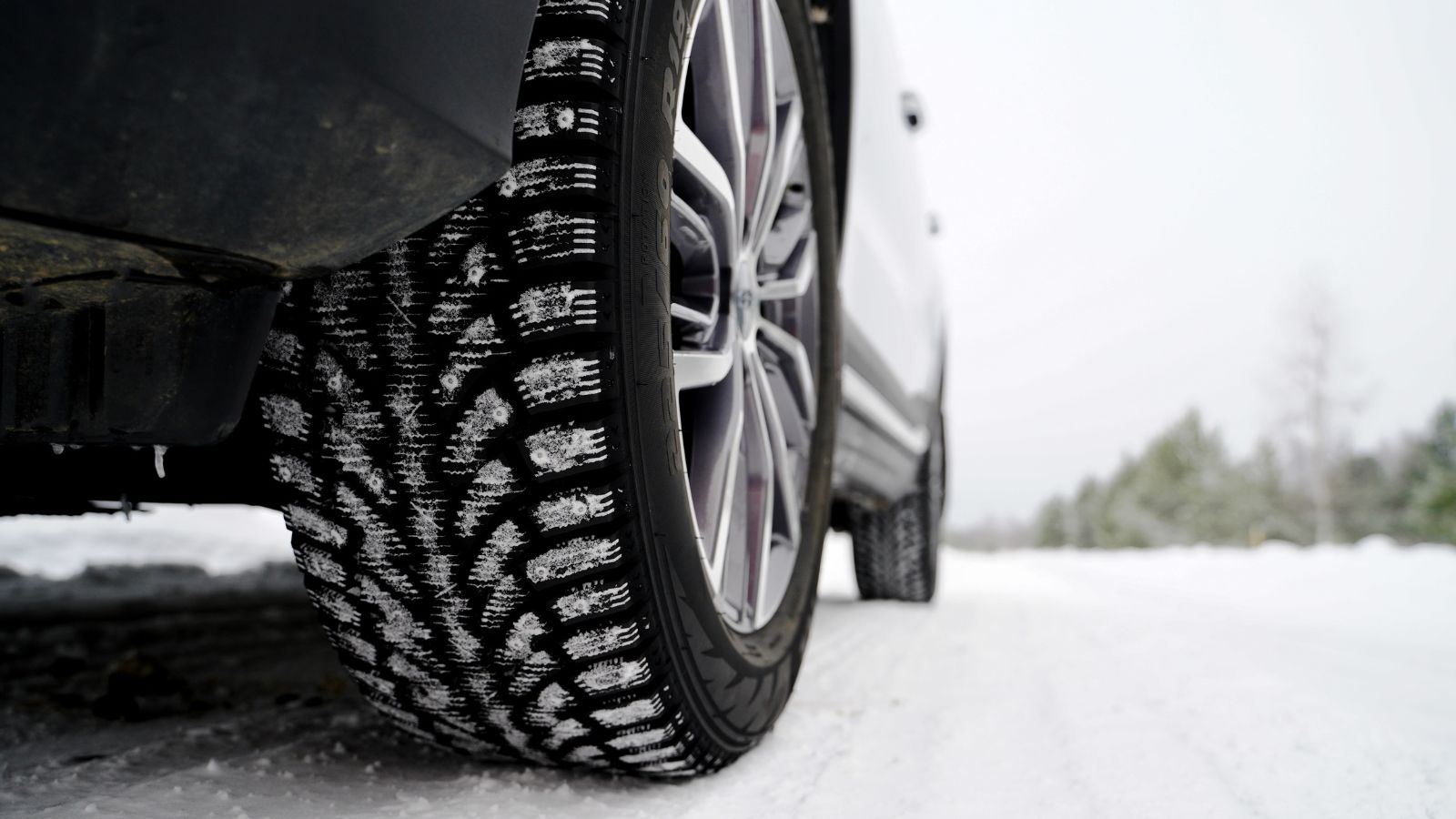
Large alloy wheels photograph well. Canadian winter is less impressed. Transport Canada warns that ordinary all-season and summer tires begin losing elasticity below about 7°C, reducing traction, while dedicated winter tires remain flexible at considerably lower temperatures. Quebec goes further by legally requiring winter tires on most provincially registered passenger vehicles from December 1 through March 15.
Wheel size adds another practical consideration. The Automobile Protection Association notes that larger wheels typically require lower-profile, more expensive tires and can be more vulnerable to road damage. It specifically recommends considering smaller-diameter winter-wheel packages where technically appropriate because smaller winter tires can cost less and provide more sidewall protection. That makes the plain trim with modest wheels surprisingly well adapted to Canadian ownership. A buyer may give up the showroom drama of 19- or 20-inch alloys and gain cheaper replacement rubber, a softer ride and less anxiety around potholes. When a second set of winter tires enters the budget, visual restraint can become an annual financial advantage.
More Technology Can Mean More Repair Exposure

Modern safety technology provides genuine benefits, so choosing a simpler vehicle does not mean rejecting systems such as automatic emergency braking or blind-spot monitoring. It does mean recognizing that sophisticated equipment has a repair cost. AAA studied common collision repairs involving advanced driver-assistance systems and found sensors and calibrations could account for as much as 37.6% of the total repair bill in some scenarios. Even relatively minor sensor damage could add substantial expense.
That matters in Canada because repair cost can also feed into the insurance equation. Insurance Bureau of Canada explicitly identifies potential repair costs as one factor affecting a vehicle’s premiums. The sensible response is not to strip a car of proven safety equipment. Instead, some shoppers are becoming more selective about which technology deserves to be carried through years of ownership. A plain trim with the important safety systems but fewer elaborate convenience features, giant wheel packages or delicate cosmetic upgrades can feel less like deprivation and more like risk management. Every additional component is useful only if its benefit outweighs the cost of buying, maintaining and eventually fixing it.
Reliability and Mileage Are Beating Feature Theatre

Perhaps the strongest explanation comes from Canadians themselves. Research by Environics Research and Clutch involving more than 2,100 Canadians found practical factors outweighed the attraction of advanced features, with reliability and good mileage among the leading priorities. Among used-car shoppers, 80% considered a full inspection report very important, 79% said the same about mechanic certification and 66% prioritized affordability. KPMG’s separate national research likewise found price important to 80% of respondents and brand trust or reputation important to 71%.
Those priorities describe a buyer looking for reassurance rather than spectacle. A dependable car that consumes little fuel, has a known history and fits comfortably inside the household budget may produce very little excitement on delivery day. Years later, that can be exactly the point. Canada’s most visible automotive trends still favour SUVs, advanced technology and electrification, so “boring” cars are not taking over the market. But for people tired of expensive payments and unpredictable ownership costs, ordinary is being redefined. The car that simply works — without demanding too much money or attention — can feel surprisingly luxurious.
19 Used Cars Canadians Should Avoid in 2026 (Based on Owner Complaints)

Buying a used car in Canada can feel safe until repair bills start stacking up. Owner complaints tell a different story than glossy listings. Transmission failures, electrical problems, and weak winter reliability show up again and again in consumer reports. Many of these issues appear after warranties expire, when owners least expect them. Some vehicles look affordable upfront, but become expensive to keep on the road. Others struggle in cold weather, urban driving, or long highway commutes. Here are 19 used cars Canadians should avoid in 2026 (based on owner complaints).
19 Used Cars Canadians Should Avoid in 2026 (Based on Owner Complaints)

Alanna Rosen is an experienced content writer that focuses on many EV and educational content. Her articles are regularly published on Get CyberTrucked and syndicated on large publications.