
A demo vehicle can occupy an unusually tempting corner of a dealership: nearly new, already broken in, often well equipped, and sometimes carrying a noticeably lower price than untouched inventory. Yet that combination can hide complications involving warranty time, kilometres, financing, vehicle history, incentives, and provincial consumer-protection rules.
For Canadians considering one, the smartest comparison is not simply demo versus new. It is the demo’s actual condition, remaining coverage, total transaction cost, history, and future value against every realistic alternative. These 18 things Canadians should know before buying a demo vehicle explain where the savings can be genuine, where compromises may be hiding, and which questions deserve answers before a contract is signed.
A Demo Is Not Automatically a New Vehicle

A vehicle can look showroom-new and still have a legal or administrative history that separates it from untouched inventory. Demonstrators are commonly used for customer test drives, dealership transportation, management use, or promotional purposes. Ontario provides an especially clear example: OMVIC says that once a dealership registers a demonstrator, it is considered a used vehicle, regardless of how few kilometres appear on the odometer. There is no mileage threshold that suddenly converts it from new to used.
That distinction matters because consumers sometimes focus on model year rather than status. A current-model-year SUV with 2,000 kilometres may sit beside an identical unregistered SUV yet have different disclosure, warranty, resale, or financing considerations. Rules and terminology can vary by province, so buyers should ask exactly how the specific VIN is registered and how the purchase contract will describe it. “Demo,” “executive driven,” and “manager vehicle” should never replace a clear explanation of the vehicle’s actual status.
The Factory Warranty May Already Be Running

One of the most important numbers on a demo vehicle may not appear on its windshield sticker. Factory warranties generally operate according to time and kilometres, whichever limit is reached first, and a demonstrator may already have an in-service date. Ontario specifically requires contracts for used demonstrators to disclose when the warranty began and how much coverage remains. That means a seemingly fresh vehicle might have already consumed months of warranty before its first retail owner takes possession.
Consider a vehicle carrying a three-year or 60,000-kilometre comprehensive warranty. If the demo entered service eight months earlier, the buyer may effectively receive only about 28 months of the time-based portion, even with relatively little mileage. The remedy is straightforward: request the exact in-service date and written confirmation of remaining factory coverage. Any dealership promise to extend or supplement that coverage should also appear in writing rather than being left as a verbal assurance made during negotiations.
The Odometer Reading Deserves More Attention Than the Demo Label
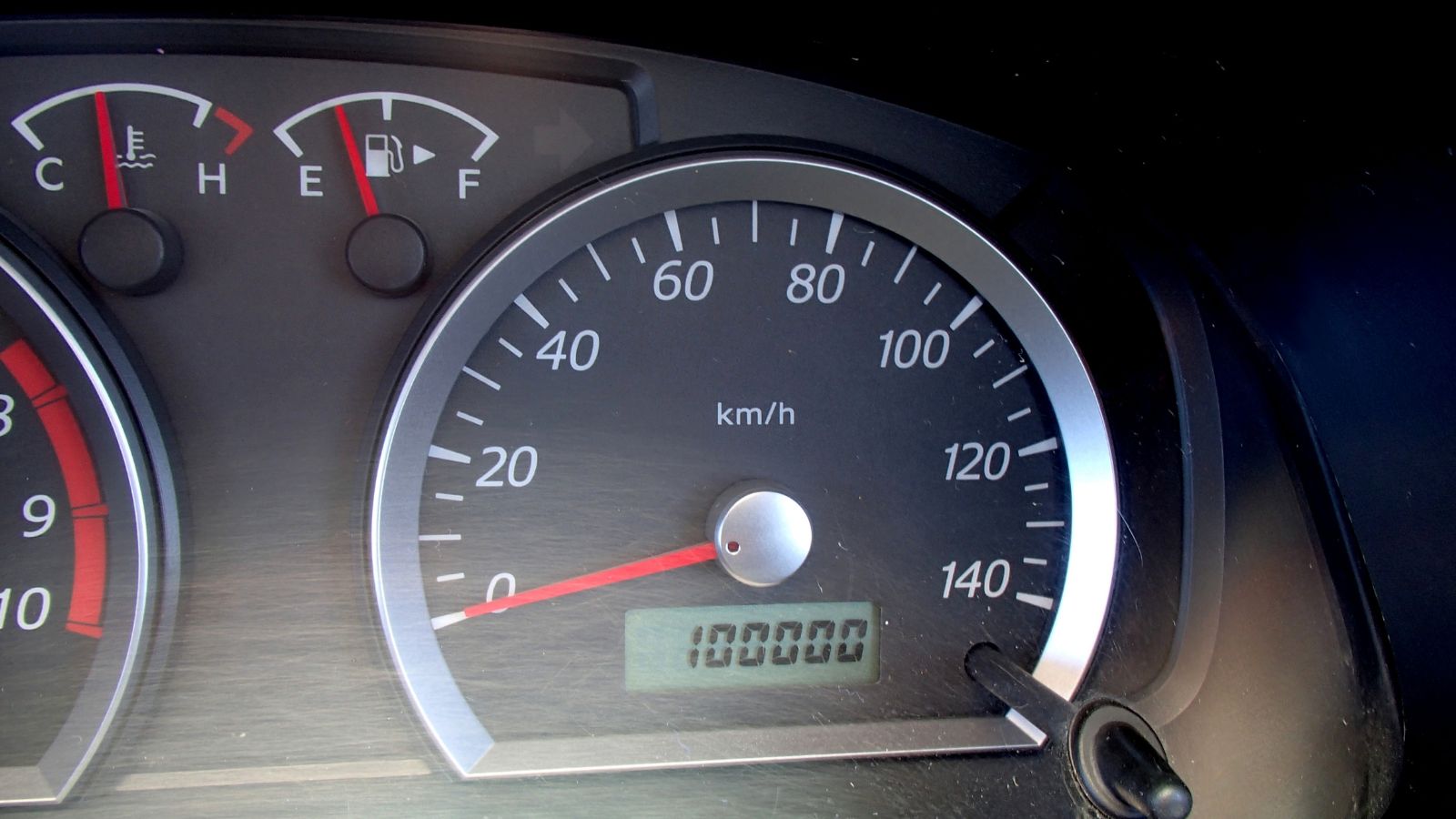
There is no universal kilometre count that defines a demonstrator. One could have travelled only a few hundred kilometres during occasional test drives, while another may have accumulated several thousand kilometres as a dealership management vehicle. Ontario’s recent guidance specifically requires the current odometer reading to be disclosed for used demonstrators. The number therefore deserves the same attention it would receive on any other used vehicle.
Kilometres also tell only part of the story. A relatively low-mileage demo may have experienced dozens of short trips, repeated cold starts, parking-lot manoeuvres, and different driving styles. Conversely, a higher-mileage vehicle used mainly by one dealership employee could have had relatively predictable use. Buyers should compare the odometer with maintenance records, tire condition, brake wear, and the vehicle-history report. If the kilometres seem unusually high for the discount being offered, the demo should increasingly be evaluated and priced as a used vehicle rather than a nearly-new bargain.
The Discount Has to Beat the Best New-Car Alternative

A demo discount can look impressive when measured against the vehicle’s original sticker price, but MSRP is not always the most meaningful comparison. New inventory may simultaneously qualify for manufacturer rebates, dealer discounts, subsidized financing, loyalty offers, or other incentives. Ontario’s regulator notes that demonstrators can sometimes participate in new-vehicle incentive or financing programs too, making the comparison more complicated than simply subtracting the demo price from MSRP.
The useful figure is the total cost of obtaining each vehicle under realistic terms. A $3,000 demo discount can lose much of its appeal if an untouched vehicle qualifies for a significantly better finance rate, additional manufacturer cash, or more warranty time. Depreciation should also enter the calculation because the demo already has mileage and use. CAA identifies depreciation as a significant ownership cost. Canadians considering a demo should therefore price an equivalent new unit, a comparable lightly used vehicle, and the demo on the same day before deciding how valuable the advertised saving actually is.
A Lower Price Does Not Guarantee Cheaper Financing

Monthly payments can make an attractive demo price look even better, particularly when a dealership emphasizes the payment rather than the borrowing cost. Some demonstrators continue to qualify for manufacturer-backed financing programs, but eligibility can depend on the manufacturer, model, program, and vehicle status. Buyers should never assume that the rate advertised for a new vehicle automatically applies to the demo sitting beside it.
The Financial Consumer Agency of Canada recommends comparing interest rates, payment schedules, financing fees, the total amount financed, and the loan term. Its examples show why duration matters: on a hypothetical $25,000 loan at five per cent, total interest is substantially higher over 84 months than over 36 months. The same principle applies to demos. A discount of several thousand dollars can disappear if the borrowing rate is meaningfully higher. Comparing the total amount paid over the entire loan, rather than just the biweekly payment, reveals whether the demo is actually the cheaper transaction.
Cosmetic Wear Can Reveal How the Vehicle Was Treated
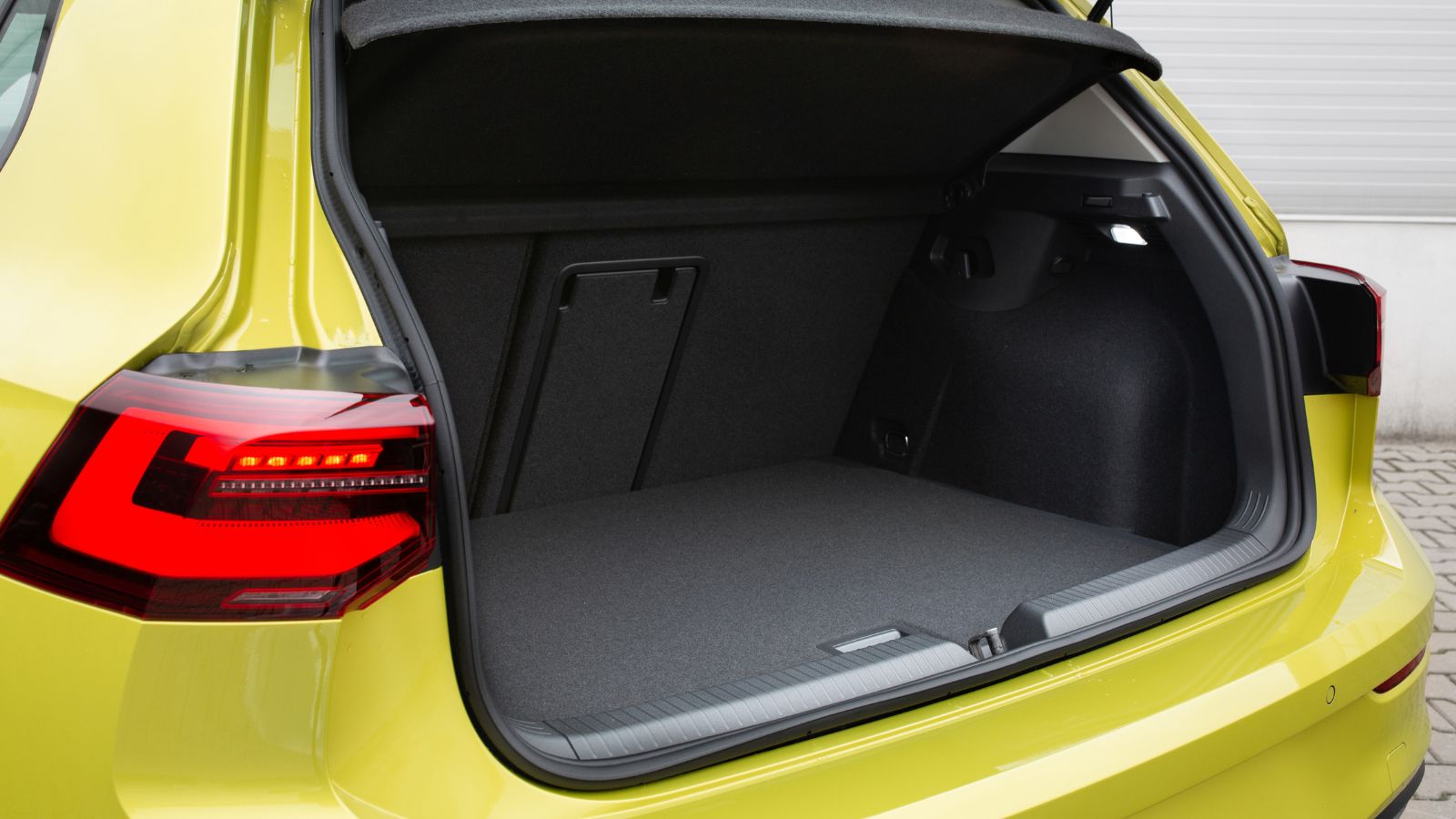
Demo vehicles live unusual lives. Doors may be opened repeatedly by shoppers, seats adjusted hundreds of times, cargo areas demonstrated, wheels brushed against curbs, and glossy interior trim handled by a steady stream of visitors. None of that automatically makes a demo a poor purchase, but the vehicle deserves a slower inspection than buyers sometimes give something parked in a new-car showroom.
Inspect the paint in good daylight and look closely at bumpers, wheel edges, door handles, seat bolsters, carpeting, cargo trim, windshield glass, and interior touchscreens. A small scratch may be trivial, but several signs of wear can help establish how intensively the vehicle was used. Alberta’s AMVIC recommends an independent pre-purchase mechanical inspection for used vehicles because it can identify present mechanical condition, previous repairs, and components that may soon require replacement. A discounted demo should arrive in a condition consistent with the price being charged, not merely with the model year printed on its registration.
Tires and Brakes May Have Used More Life Than Expected
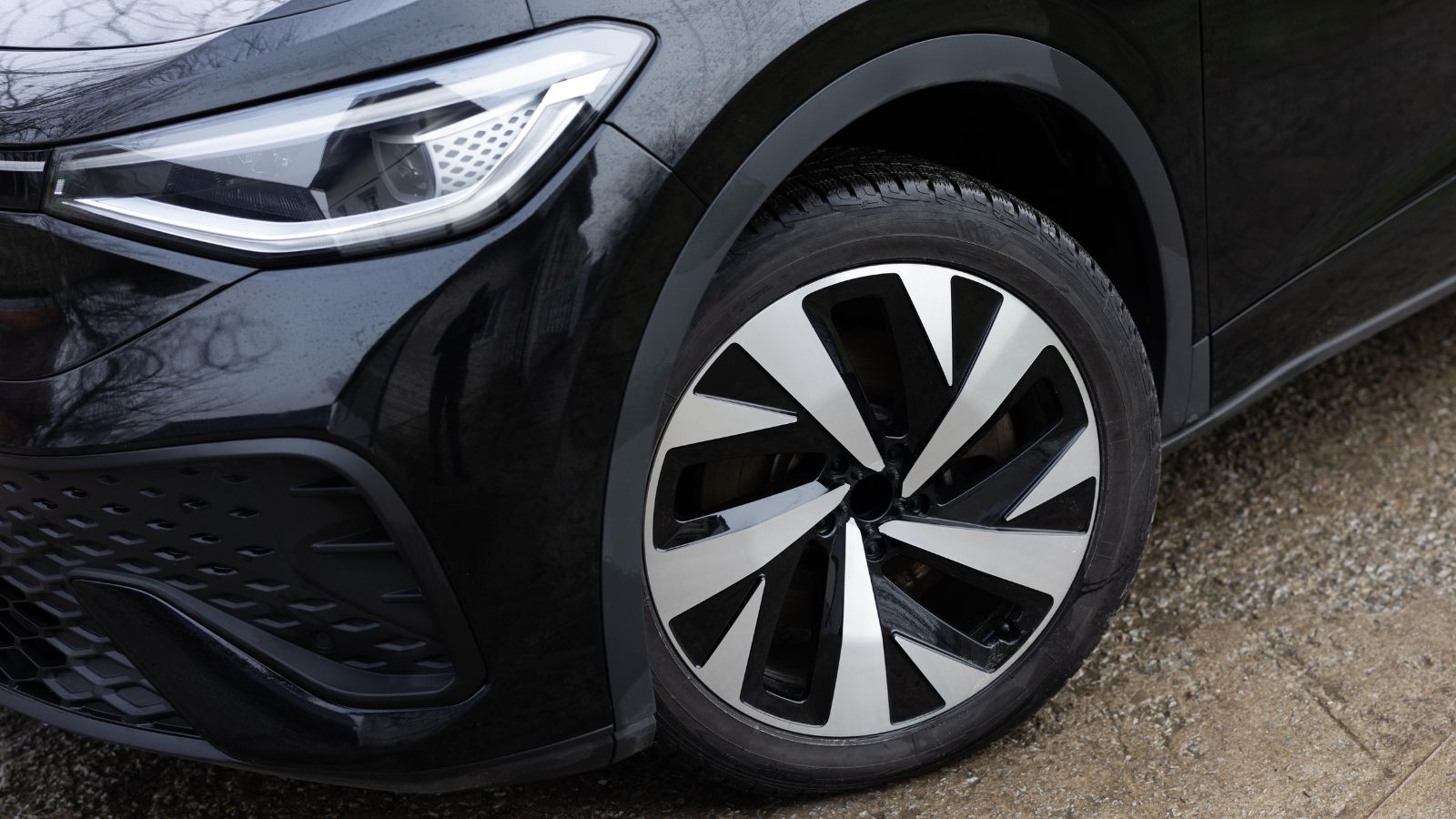
A demo’s kilometres can seem insignificant until wear items are examined. Test drives often involve urban traffic, repeated braking, acceleration demonstrations, parking manoeuvres, and short trips. Those conditions can affect tires and brakes differently from steady highway kilometres. CAA advises inspecting brakes and tires regularly and notes that brake-pad life varies considerably depending on where and how a vehicle is driven.
Tire condition deserves particular attention in Canada because adequate tread becomes even more important during winter. Transport Canada advises against using winter tires with less than four millimetres of tread depth on snow-covered roads. Buyers should measure rather than simply look at the tread, check all four tires for even wear, and examine the sidewalls and wheels for damage. Brake thickness can be harder to judge visually, making a mechanical inspection worthwhile. If replacement tires or brake service will be needed unusually soon, their cost belongs in the calculation of the demo’s real discount.
Maintenance Can Be Required by Time as Well as Kilometres
Low mileage does not automatically mean a demo has needed no maintenance. Modern maintenance schedules commonly use both elapsed time and accumulated kilometres. A demonstrator that has spent many months in service may therefore have reached a scheduled service interval even if its odometer still looks nearly new. CAA recommends consulting the vehicle’s owner’s manual because manufacturers specify maintenance intervals according to kilometres, time, or whichever threshold arrives first.
Ask the dealership for the service history tied to the VIN, not simply an assurance that its technicians “looked after” the vehicle. Oil changes, inspections, software updates, tire rotations, and other maintenance should be checked against the manufacturer’s schedule. Records also provide clues about whether unexplained problems were repeatedly investigated. A nine-month-old demo with only 4,000 kilometres can still have a meaningful service history. If required maintenance is already due, buyers can ask that it be completed before delivery and documented on the purchase agreement rather than absorbing the expense immediately after taking the vehicle home.
Damage History Matters Even When the Dealer Repaired It

A demonstrator can be involved in a parking-lot incident or collision just like any other vehicle. The fact that repairs were performed by a dealership does not make the history irrelevant. Disclosure laws vary across Canada, but Ontario and Alberta illustrate how seriously regulators treat substantial prior damage. Both jurisdictions have disclosure requirements involving collision or incident repairs exceeding $3,000 under their respective rules.
The dollar threshold should not become the buyer’s only question. A repair below a statutory disclosure threshold can still matter when evaluating condition and price, while structural damage or replaced body panels may raise separate concerns. Ask directly whether the demo has ever been damaged, repaired, repainted, or had body panels replaced, and request the answer in writing. Examine panel gaps and paint consistency as well. A properly repaired cosmetic incident does not necessarily make a vehicle undesirable, but history affects what a knowledgeable buyer should be willing to pay and can become relevant again when the vehicle is eventually traded or sold.
A Vehicle-History Report Is Still Worth Getting

It is easy to assume that a dealership-owned demonstrator has no meaningful history because it has never belonged to a conventional retail customer. That assumption can create blind spots. Vehicle-history reports can contain registration information, reported collision or insurance records, odometer entries, branding information, service history, and other data connected to the VIN. CAA specifically recommends obtaining a vehicle-history report and checking for liens when evaluating used vehicles.
The report should be compared with the odometer and dealership disclosures rather than treated as infallible. CAA notes that such reports are useful but not foolproof because not every event necessarily enters every database. CARFAX Canada also offers history and lien information based on available records. For a demo, the objective is consistency: the registration timeline, kilometre readings, stated use, service history, and dealer explanation should make sense together. An unexplained discrepancy deserves clarification before money changes hands. A report costing a small fraction of the vehicle price can prevent much more expensive uncertainty later.
Open Recalls Should Be Checked Before Delivery
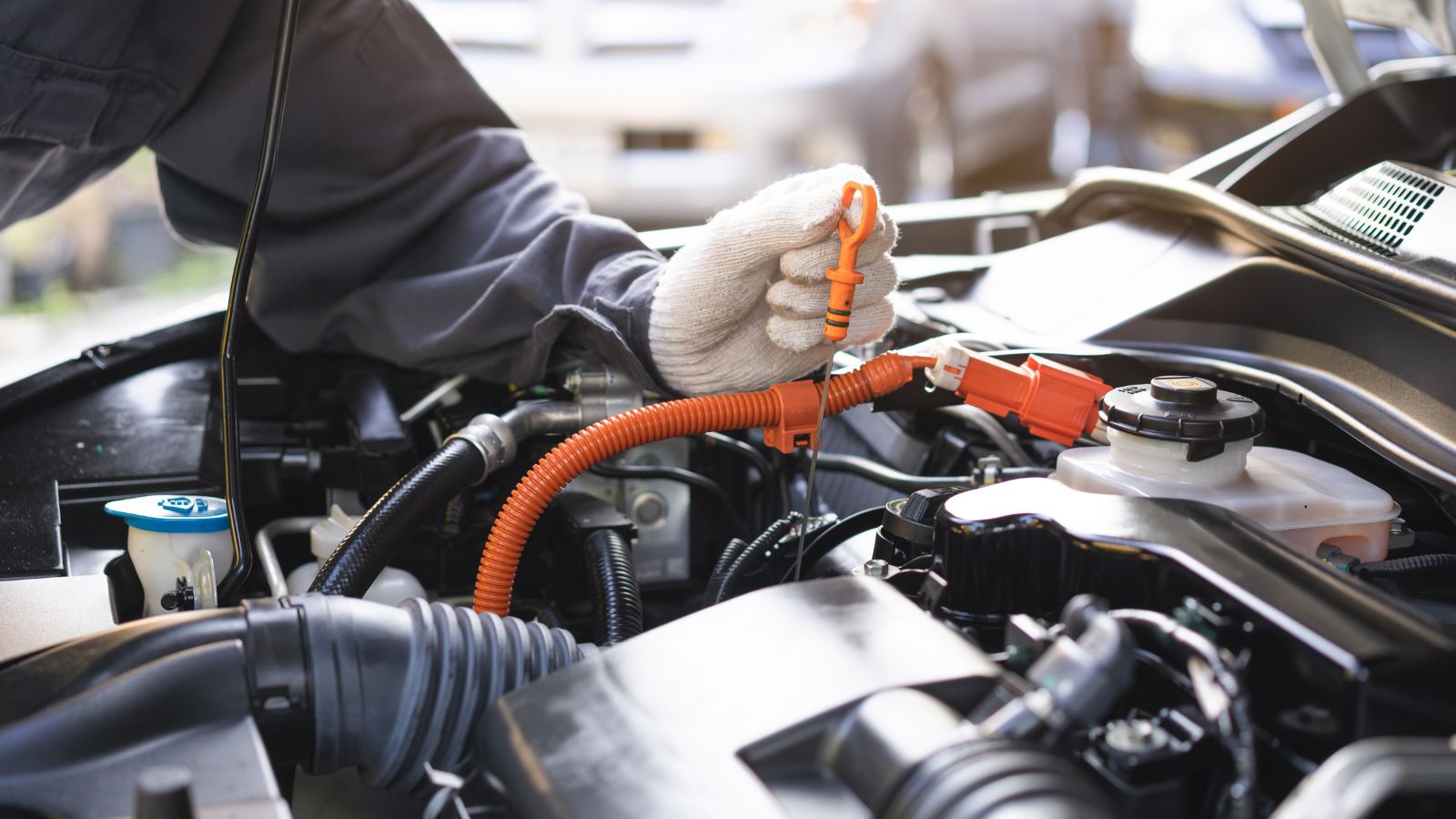
Even an almost-new demonstrator can be affected by a safety recall. Recalls are tied to vehicles and production populations, not to whether the odometer shows 500 or 50,000 kilometres. Transport Canada maintains a motor-vehicle safety recall database and directs Canadians to search recalls using identifying information such as the VIN where manufacturer tools support VIN-level checking.
Before delivery, buyers can ask the dealership to confirm in writing whether any outstanding recalls apply to the vehicle and whether required recall work has been completed. This is particularly sensible when a demo has been in dealership service for several months, because campaigns may have been issued after the vehicle originally arrived. Software-related recalls and service campaigns can also be easy to overlook because they leave no obvious physical clue during a walk-around. A recall does not automatically make a vehicle a bad purchase—manufacturers issue recalls specifically so problems can be corrected—but unresolved work should be understood and addressed before the demo becomes the buyer’s responsibility.
Demo EVs Can Have Special Incentive Rules

Electric demonstrators require an extra layer of homework because government incentive programs can use definitions that differ from provincial vehicle-registration terminology. Under Canada’s Electric Vehicle Affordability Program introduced in 2026, Transport Canada states that qualifying demonstrator vehicles can be registered and plated to a dealership for test drives or display and still remain eligible for the federal incentive under the program’s conditions.
Mileage is especially important. Current federal program guidance says eligible demonstrators must have less than 10,000 kilometres, while the vehicle and transaction must satisfy the program’s other requirements. That means a demo EV should not automatically be assumed either eligible or ineligible simply because a dealership previously registered it. Buyers should have the dealer confirm the exact incentive amount and eligibility for the specific VIN before signing. Provincial incentives can operate under separate rules and change independently, so both federal and provincial programs should be checked using current government information at the time of purchase.
Dealer Fees and Advertised Prices Depend on Provincial Rules

Canadians comparing demo deals across provinces can encounter different tax wording, regulatory requirements, and advertising practices. Ontario requires dealer-advertised prices to include the fees and charges the dealer intends to collect, with HST and licensing permitted as exclusions when properly disclosed. Alberta likewise requires all-in advertised pricing for licensed dealers, although GST and certain financing costs can be added under its rules.
British Columbia also requires advertised vehicle prices to reflect the total price, subject to its regulatory framework. The important lesson is that a demo’s headline discount should be tested against the actual bill of sale. Freight, pre-delivery inspection, administration fees, accessories, protection packages, tire-related charges, and other line items can materially change the final number. Consumers should preserve a copy or screenshot of the advertisement and compare it line by line with the purchase agreement. If a $4,000 demo discount is followed by thousands of dollars in unexpected products or fees, the real bargain may be considerably smaller than advertised.
Signing the Contract Can Close the Door Quickly

Vehicle purchases do not necessarily come with the broad cooling-off rights consumers sometimes expect from other transactions. Ontario and Alberta both warn that there is generally no cooling-off period after a vehicle purchase contract is signed. British Columbia similarly states that purchases and financed vehicle transactions generally do not receive a cooling-off period, although BC has specific cooling-off provisions for certain leases.
That makes the timing of a demo purchase important. Warranty verification, financing comparison, history checks, inspection requests, and promised repairs should happen before the contract becomes binding. Buyers should also understand what happens to a deposit if financing falls through or another agreed condition is not met. Exceptions and cancellation rights can exist when legislation is breached or particular contract conditions apply, but they should not be treated as an easy escape from ordinary buyer’s remorse. The safest approach is to assume the signature matters immediately and resolve every material question first.
Get an Insurance Quote for the Exact VIN

A demo’s purchase price is only one part of its cost. Insurance rates can vary significantly depending on the vehicle, driver, location, coverage, insurer, claims experience, repair costs, and other permitted rating factors. Ontario’s insurance regulator, FSRA, notes that rates vary from person to person and vehicle to vehicle and recommends shopping among providers rather than assuming one quote represents the market.
Obtaining a quote for the specific demo VIN before signing can reveal costs that otherwise appear only after delivery. It also creates an opportunity to clarify how the insurer will classify the vehicle and which optional coverages are available. This can matter if a demo is legally considered used even though it is nearly new. Coverage designed specifically around brand-new vehicles may have eligibility requirements. Buyers should therefore explain that the vehicle is a demonstrator, provide the VIN and in-service details when requested, and obtain written confirmation of coverage rather than assuming the insurance treatment will mirror an untouched new vehicle.
Future Resale Value Still Depends on Mileage and History

Buying a demo at a discount can soften the financial impact of depreciation, but it does not eliminate depreciation itself. Canadian Black Book’s valuation methodology considers variables including age, kilometres, condition, and market demand. Its 2026 outlook projected average four-year retained values of roughly 54.7 per cent across the market it analyzed, illustrating how much value can disappear over several years even when used-vehicle conditions are relatively stable.
The practical question is whether the buyer receives enough discount today to compensate for the vehicle’s head start on age, mileage, and use. When the car is traded later, another dealer will evaluate its actual odometer, accident history, condition, equipment, and market desirability—not the emotional appeal it once had as a showroom demo. A well-priced demonstrator can therefore be financially sensible, particularly when kept for many years. A lightly discounted high-mileage demo, however, can leave the buyer absorbing depreciation without receiving enough savings upfront to justify it.
Check the Technology, Accounts, Keys, and Accessories

Modern vehicles carry far more than mechanical wear. Infotainment systems can store paired devices, contacts, navigation destinations, account information, and other user-related data. Canada’s Office of the Privacy Commissioner has specifically discussed the privacy implications of connected vehicles and the importance of mechanisms that remove personal information from infotainment systems when vehicles change users.
A demo may have been paired with numerous customer or employee phones, so the dealership should reset user profiles and infotainment data before delivery. Buyers should also test connected services, cameras, driver-assistance features, charging equipment on an EV or plug-in hybrid, and every supplied key. OMVIC’s consumer guidance recommends obtaining all keys and, on pre-owned vehicles, checking items such as the spare tire, jack, and locking-wheel-nut key where applicable. Missing smart keys can be expensive to replace. The excitement of collecting the vehicle should not prevent a careful inventory of everything that is supposed to come with it.
An Independent Inspection and Written Promises Offer the Best Final Protection

A dealer inspection and an independent pre-purchase inspection serve different purposes. Alberta’s AMVIC recommends an independent mechanical inspection because it can identify the vehicle’s current mechanical condition, evidence of previous repairs, and components that may need attention soon. Ontario’s OMVIC similarly recommends having used vehicles inspected by a trusted mechanic, particularly when warranty coverage has expired or concerns remain.
Any problem discovered should become part of the negotiation. If the dealer agrees to replace worn tires, repair a scratched bumper, perform scheduled maintenance, provide another key, complete a recall, or correct another issue, the promise should appear in the signed agreement. Both AMVIC and OMVIC emphasize getting conditions and promises in writing. Delivery should then include another walk-around and comparison with the contract. A demo vehicle can deliver excellent value, but the strongest deal is one supported by documentation, inspection, realistic pricing, and a clear understanding of exactly what the buyer is taking home.
19 Used Cars Canadians Should Avoid in 2026 (Based on Owner Complaints)

Buying a used car in Canada can feel safe until repair bills start stacking up. Owner complaints tell a different story than glossy listings. Transmission failures, electrical problems, and weak winter reliability show up again and again in consumer reports. Many of these issues appear after warranties expire, when owners least expect them. Some vehicles look affordable upfront, but become expensive to keep on the road. Others struggle in cold weather, urban driving, or long highway commutes. Here are 19 used cars Canadians should avoid in 2026 (based on owner complaints).
19 Used Cars Canadians Should Avoid in 2026 (Based on Owner Complaints)

Alanna Rosen is an experienced content writer that focuses on many EV and educational content. Her articles are regularly published on Get CyberTrucked and syndicated on large publications.